Best Supplements for Immune System: A 2026 Evidence-Based Guide for Women and Men
Best Supplements for Immune System: A 2026 Evidence-Based Guide for Women and Men
By the HealthPerk Editorial Team · Last updated: May 2026
Quick Answer
What are the best supplements for immune system support in 2026, and how do they fit into a broader stack for energy, sleep, anxiety, and life-stage needs for women and men?
The 2026 evidence-backed core for immune support in healthy adults is short: vitamin D corrected to a serum 25-hydroxyvitamin D of 30–50 ng/mL, zinc 8–11 mg/day at the RDA (15–25 mg/day short-term at the first 24 hours of an upper respiratory infection, capped at 40 mg/day), selenium at the 55 mcg/day RDA from food or a low-dose supplement, vitamin C 200 mg/day as a maintenance dose with possible modest shortening of common-cold duration, and a sleep, stress, and protein baseline that does more for innate and adaptive immunity than any single capsule. Layered on top, the strongest deficiency-driven add-ons are iron when ferritin is <30 ng/mL with symptoms, vitamin B12 when serum B12 is <300 pg/mL or methylmalonic acid is elevated, magnesium 200–400 mg/day for sleep and stress, melatonin 0.3–1 mg taken 30–60 minutes before bed for circadian-driven insomnia, and L-theanine 200–400 mg for acute anxiety. For women, the life-stage frame adds iron and folate during reproductive years, and bone-aware calcium plus vitamin D plus K2 plus protein from perimenopause forward. For men, the parallel frame keeps iron out of the daily stack unless documented deficient, prioritises vitamin D, omega-3 EPA+DHA 1,000 mg/day combined for cardiovascular risk, and reserves "testosterone support" formulas for documented hypogonadism managed by a clinician.
A short orientation table:
| Goal | Core 2026 supplements | Dose range | Trial-supported endpoint |
|---|---|---|---|
| Immune system | Vitamin D, zinc, vitamin C, selenium | D 1,000–2,000 IU/day, zinc 8–11 mg/day RDA (40 mg/day UL), C 200 mg/day, Se 55 mcg/day | Reduced ARI risk (D), shorter common-cold duration (zinc lozenges, vitamin C) |
| Energy & fatigue | Iron (if low ferritin), B12 (if low), vitamin D (if low) | Per lab-confirmed deficiency | Reversal of fatigue from the corrected deficiency |
| Sleep & stress | Magnesium glycinate, melatonin (low dose), glycine | Mg 200–400 mg/day, melatonin 0.3–1 mg, glycine 3 g | Shorter sleep onset, improved subjective sleep quality |
| Anxiety & stress | L-theanine, ashwagandha, omega-3 EPA | L-theanine 200–400 mg, ashwagandha 300–600 mg/day, EPA-rich fish oil 1–2 g/day | Lower state anxiety in short trials |
| Women daily (reproductive) | Folate, iron (if menstruating heavy), vitamin D, omega-3 | Folate 400–800 mcg/day, D 1,000–2,000 IU/day | Neural tube defect prevention, anemia correction |
| Women over 30 / perimenopause | Vitamin D, calcium (total 1,000–1,200 mg/day), K2 MK-7, magnesium, omega-3, protein | D 1,000–2,000 IU/day, Ca 500–600 mg from supplement | Bone density preservation |
| Men daily | Vitamin D, omega-3, magnesium, creatine (training) | D 1,000–2,000 IU/day, omega-3 1,000 mg EPA+DHA, creatine 3–5 g/day | Cardiovascular markers, strength outcomes |
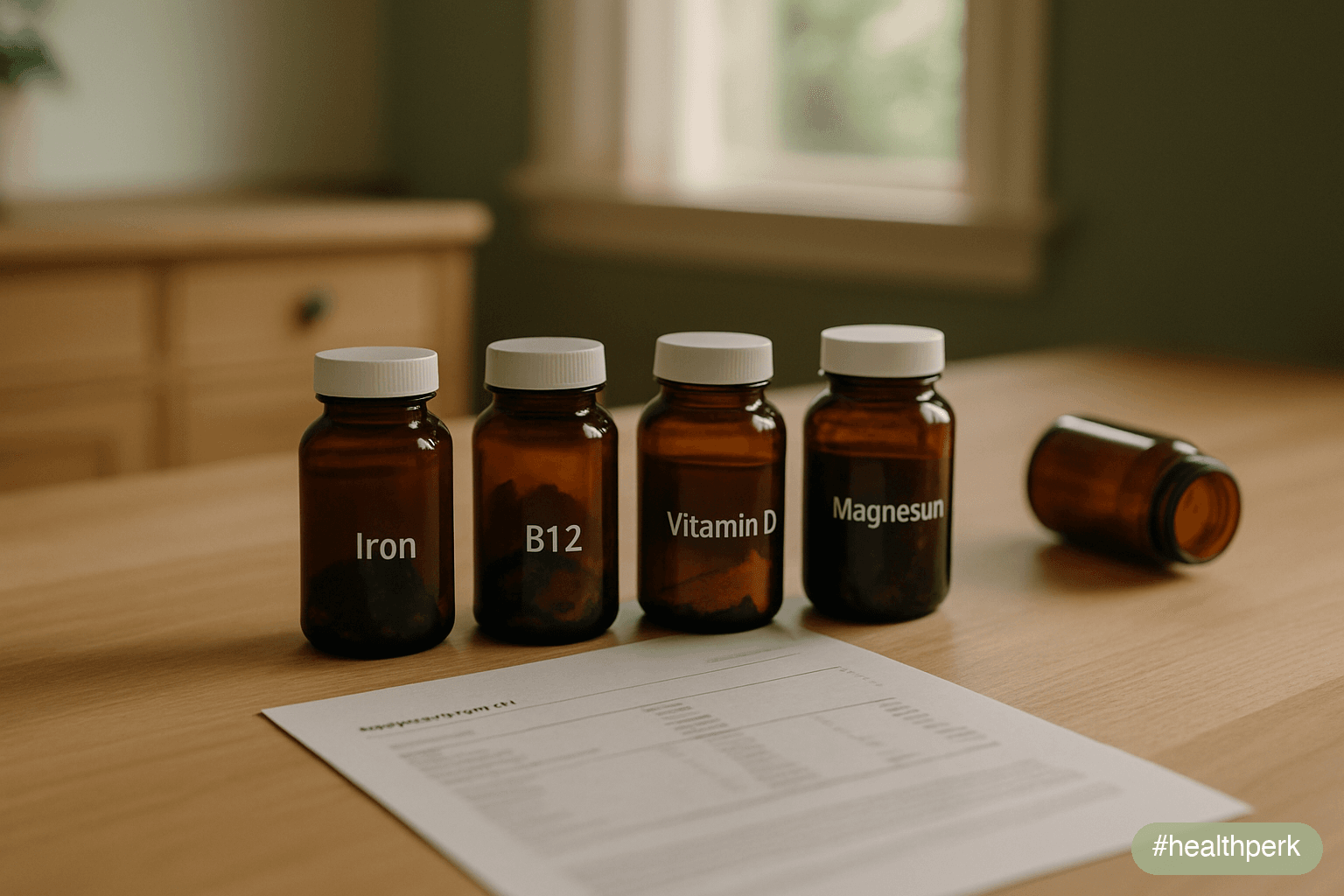
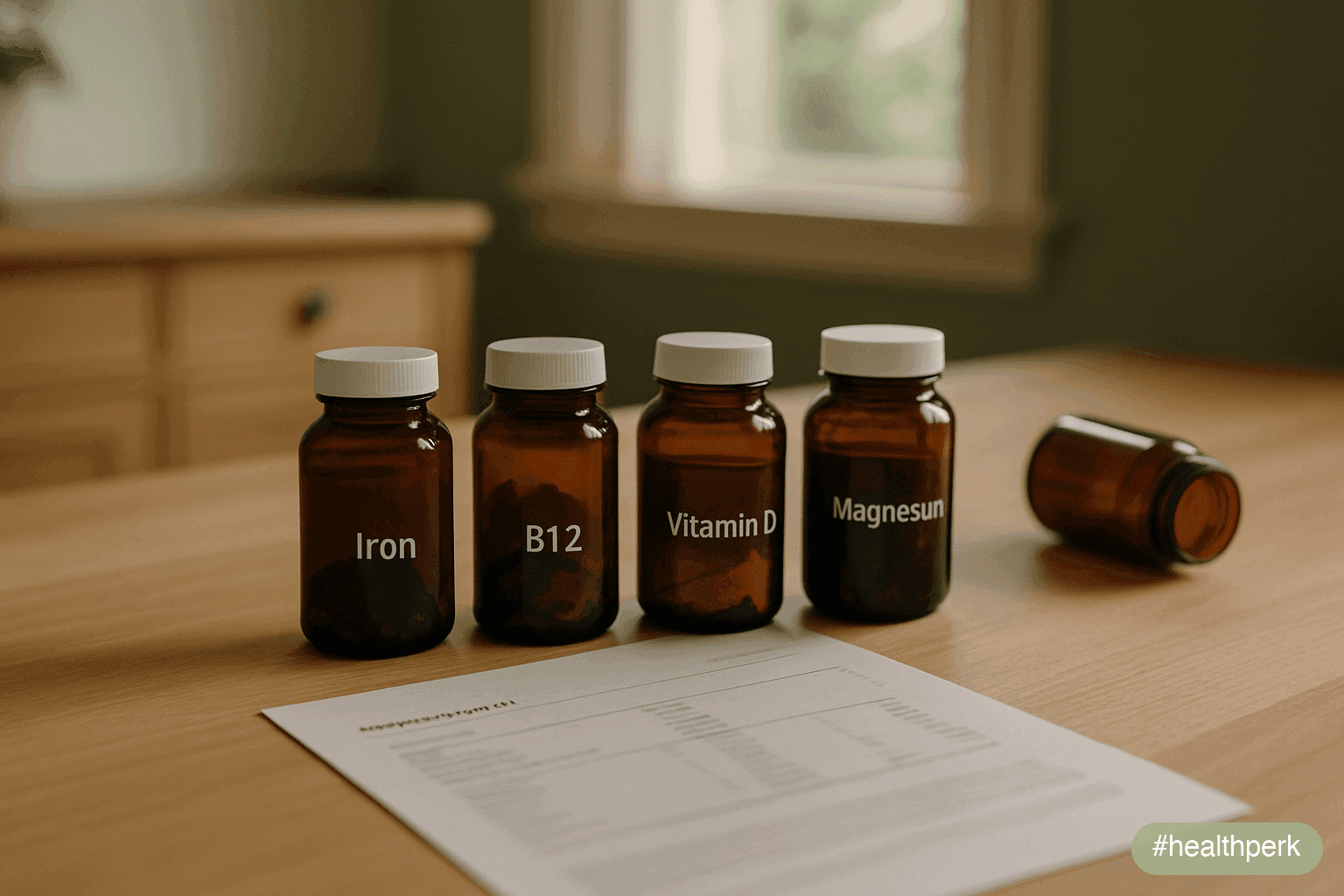
The phrase best supplements for immune system carries the highest commercial weight in the supplements aisle, and the 2026 evidence landscape supports a much narrower list than the marketing layer suggests. Immunity is built on sleep, dietary protein, body composition, vaccination status, and a small set of nutrients with documented immune roles — vitamin D, zinc, selenium, vitamin C, vitamin A, copper, and iron. Most adults consuming a varied diet are not deficient in vitamin C, selenium, or vitamin A, are commonly insufficient in vitamin D, are sometimes low in zinc (especially with vegetarian/vegan diets), and are sometimes low in iron (especially in menstruating women and adults with bariatric surgery, malabsorption, or chronic blood loss).
This guide builds the 2026 picture from the immune core outward — through a vitamin-deficiency symptoms list and the specific deficits that drive fatigue, through what the trial evidence supports for energy, sleep, anxiety, and stress, and into the life-stage frameworks for women (reproductive years, over 30, perimenopause, postmenopause) and men (daily core stack, energy workup, testosterone). The aim is one defensible stack per individual, anchored by a small lab panel, not a shelf of half-used bottles.
Table of Contents
- Best Supplements for Immune System: The 2026 Evidence-Backed Core
- Vitamin Deficiency Symptoms List: How to Read the Signal Before Buying Anything
- What Deficiency Causes Fatigue: The Five Nutrients to Check First
- Signs of Vitamin Deficiency Worth Acting On in 2026
- Common Nutrient Deficiencies in Adults: Prevalence and Who Is at Risk
- Supplements for Energy and Fatigue: What Actually Restores Function
- Supplements for Sleep and Stress: Evening Tools That Hold Up to Trials
- Supplements for Anxiety and Stress: The Short Evidence-Backed List
- Best Supplements for Women Daily: A Life-Stage Framework
- Vitamins for Women Over 30: What Changes With the Decade
- Supplements for Hormonal Balance Women: What Has Trial Support
- Best Supplements for Men Daily: A Practical Core Stack
- Vitamins for Men Energy: Where the Fatigue Workup Usually Lands
- Supplements for Testosterone Support: What the 2026 Evidence Will Defend
- Frequently Asked Questions
- References
Best Supplements for Immune System: The 2026 Evidence-Backed Core
Best supplements for immune system narrows substantially when filtered through randomised-trial endpoints (acute respiratory infection incidence, common-cold duration, post-vaccine antibody response) rather than mechanistic plausibility. The 2026 evidence-backed core:
- Vitamin D (cholecalciferol). A 2017 BMJ individual-participant-data meta-analysis (Martineau et al., 25 trials, 10,933 participants) found that daily or weekly vitamin D supplementation reduced the risk of acute respiratory infection, with the largest effect in adults who began below 25 nmol/L (10 ng/mL). The 2021 update reaffirmed the protective effect and clarified that bolus dosing (≥30,000 IU as a single dose) does not show the same benefit. A target serum 25-OH-D of 30–50 ng/mL via 1,000–2,000 IU/day is the defensible 2026 dose for adults not on therapeutic replacement.
- Zinc. The Cochrane review on zinc lozenges for the common cold (most recent versions through the early 2020s) found that zinc acetate or zinc gluconate lozenges started within 24 hours of symptom onset reduce common-cold duration by roughly one day. Daily zinc 8–11 mg/day (RDA) is appropriate for adults with low dietary zinc (vegetarian/vegan, certain malabsorptive states); chronic intake above the 40 mg/day UL induces copper deficiency.
- Vitamin C. Hemilä's Cochrane review on regular vitamin C supplementation found that prophylactic doses ≥200 mg/day did not prevent colds in the general population but modestly shortened cold duration (~8% in adults, ~14% in children). High-dose intake during a cold has been less consistent. A daily 200 mg dose is the trial-supported maintenance level.
- Selenium. Selenium is essential for glutathione peroxidase and several immune selenoproteins. Most US and European adults meet the 55 mcg/day RDA from food (Brazil nuts, seafood, meat); routine supplementation in selenium-replete populations does not improve outcomes and chronic intake above the 400 mcg/day UL causes selenosis.
- Vitamin A. Essential for mucosal immunity; deficiency is uncommon in adults with a varied Western diet. Routine supplementation in non-deficient adults is not indicated.
- Iron. Iron deficiency impairs immune function; correction restores it. Supplementation without confirmed deficiency does not improve immune outcomes and increases risks (oxidative stress, iron overload in HFE carriers).
What does not clearly belong in the 2026 immune core for healthy adults:
- Echinacea. Cochrane and meta-analyses through the 2020s show inconsistent and small effects on cold prevention or duration.
- Elderberry. Small trials suggest a possible shortening of cold/flu duration; the evidence base remains thinner than for zinc lozenges or vitamin C, and elderberry should be used with caution alongside immunosuppressants.
- High-dose vitamin C "to prevent colds" (>200 mg/day routine) does not add measurable prevention benefit in the general population.
- "Immune boosters" as a marketing category — the immune system is not a single dial to be turned up, and chronic upregulation is not the goal.
The lifestyle foundation under all of this — 7–9 hours of sleep, ≥1.2 g/kg/day protein in older adults, normal body composition, current vaccinations, hand hygiene, smoking cessation — outperforms any supplement category for immune outcomes and is non-negotiable for the stack to make sense.
Vitamin Deficiency Symptoms List: How to Read the Signal Before Buying Anything
Vitamin deficiency symptoms list is useful as a triage map, not a diagnostic tool. Most isolated "symptoms" overlap with sleep debt, depression, thyroid dysfunction, and chronic disease. The 2026 short list of clinically meaningful signals:
- Iron deficiency. Fatigue, dyspnea on exertion, pallor, brittle nails, hair shedding, restless legs at night, pica (ice or starch cravings). Confirm with ferritin and CBC.
- Vitamin B12 deficiency. Fatigue, paresthesias in fingers and toes, gait imbalance, glossitis (smooth red tongue), memory complaints, mood change. Confirm with serum B12 and reflex methylmalonic acid.
- Vitamin D deficiency. Diffuse musculoskeletal aching, proximal muscle weakness, bone pain on pressure over the sternum or tibia, fatigue, low mood. Confirm with serum 25-OH-D.
- Folate deficiency. Macrocytic anemia (overlaps with B12), glossitis, fatigue, mood change. Confirm with RBC folate; rule out B12 deficiency first to avoid masking neurologic disease.
- Vitamin C deficiency (scurvy). Perifollicular hemorrhages, corkscrew hairs, gum bleeding, poor wound healing, fatigue. Uncommon but seen in adults with very restricted diets, alcohol use disorder, and certain mental health presentations.
- Vitamin A deficiency. Night blindness, xerophthalmia, increased infection susceptibility. Uncommon in adults with varied Western diets; relevant after bariatric surgery or in fat malabsorption.
- Vitamin K deficiency. Easy bruising, bleeding gums. Uncommon outside of fat malabsorption or chronic antibiotic-induced gut sterilisation.
- Niacin deficiency (pellagra). Dermatitis (photosensitive), diarrhea, dementia. Uncommon in industrialised settings; consider in alcohol use disorder.
- Iodine deficiency. Goitre, hypothyroid symptoms (fatigue, cold intolerance, weight gain). Uncommon in iodised-salt regions; consider in adults using non-iodised "natural" salt exclusively and in pregnancy.
- Magnesium deficiency. Muscle cramps, eyelid twitching, sleep disturbance, palpitations, headaches. Serum magnesium misses many deficits because most magnesium is intracellular; clinical trial of supplementation is sometimes appropriate.
- Zinc deficiency. Slow wound healing, taste and smell changes, dermatitis, hair loss, recurrent infections.
What this list is not: a substitute for lab confirmation. Most of these symptoms have overlapping non-nutritional causes (thyroid disease, depression, sleep apnea, anemia of chronic disease, autoimmune conditions, malignancy). The 2026 approach is to use the symptoms list to order the right labs, not to start supplementation directly.
What Deficiency Causes Fatigue: The Five Nutrients to Check First
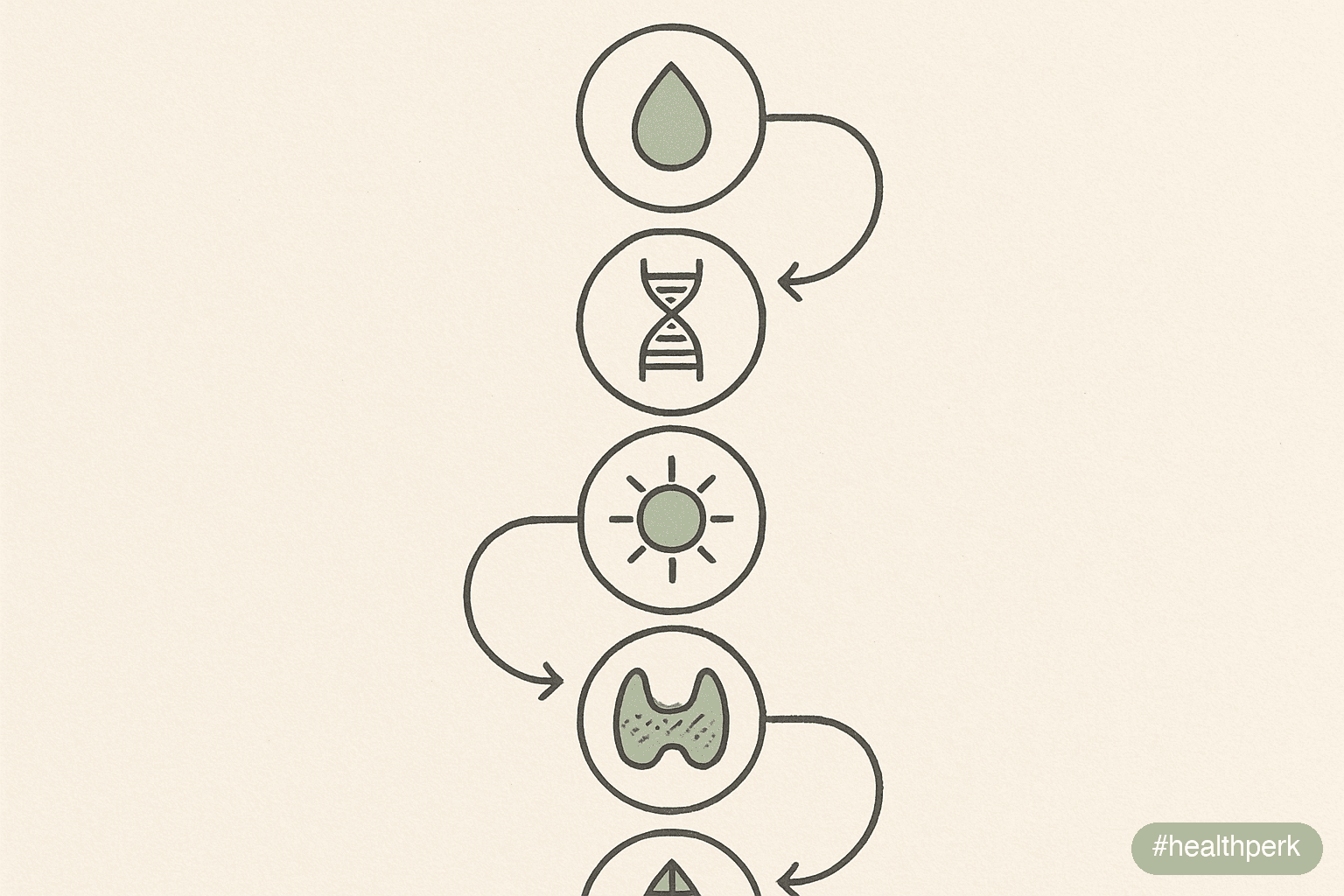
What deficiency causes fatigue is most often answered by one of five labs, ordered together on the same draw. The 2026 fatigue-supplement workup:
- Iron deficiency (with or without anemia). The single most common nutritional cause of fatigue in menstruating women, frequent blood donors, athletes with high training loads, adults with celiac disease or H. pylori gastritis, and adults on long-term proton pump inhibitor therapy. Ferritin <30 ng/mL is the working cutoff; some guidelines use <100 ng/mL when CRP is elevated. Correction is usually oral iron 40–65 mg elemental every other day (the alternate-day schedule yields better absorption per dose than daily dosing per Stoffel 2017).
- Vitamin B12 deficiency. Common in adults over 60, vegans, adults on chronic metformin or proton pump inhibitor therapy, and adults with prior gastric or ileal surgery. Serum B12 <200 pg/mL is deficient; 200–300 pg/mL is indeterminate and requires methylmalonic acid for confirmation. Correction is oral 1,000–2,000 mcg/day for most cases (parenteral for malabsorption or severe deficiency).
- Vitamin D deficiency. Fatigue is a non-specific but real symptom of moderate-to-severe deficiency (25-OH-D <20 ng/mL). Correction is typically 1,000–2,000 IU/day for replete state; higher repletion doses for documented deficiency under clinical supervision.
- Magnesium insufficiency. Subclinical magnesium insufficiency contributes to fatigue, sleep disruption, and stress symptoms; serum magnesium misses most deficits. A 4–8 week clinical trial of magnesium glycinate 200–400 mg/day is a defensible step in adults with normal kidney function when other causes are excluded.
- Hypothyroidism / subclinical hypothyroidism. Not a vitamin deficiency but the single most often-missed contributor to "supplement-resistant fatigue." TSH ± free T4 belongs on every fatigue workup before any energy supplement is started.
If all five are normal, the next investigation moves outside the supplement aisle: sleep duration and quality, sleep apnea screening (STOP-BANG), depression screening (PHQ-9), diabetes screening (HbA1c), iron-overload screening if family history (transferrin saturation), and chronic disease review. Energy supplements marketed to "boost mitochondrial function" (CoQ10, NADH, PQQ, ribose) have small or absent effects in well adults and should not displace a deficiency workup.
Signs of Vitamin Deficiency Worth Acting On in 2026
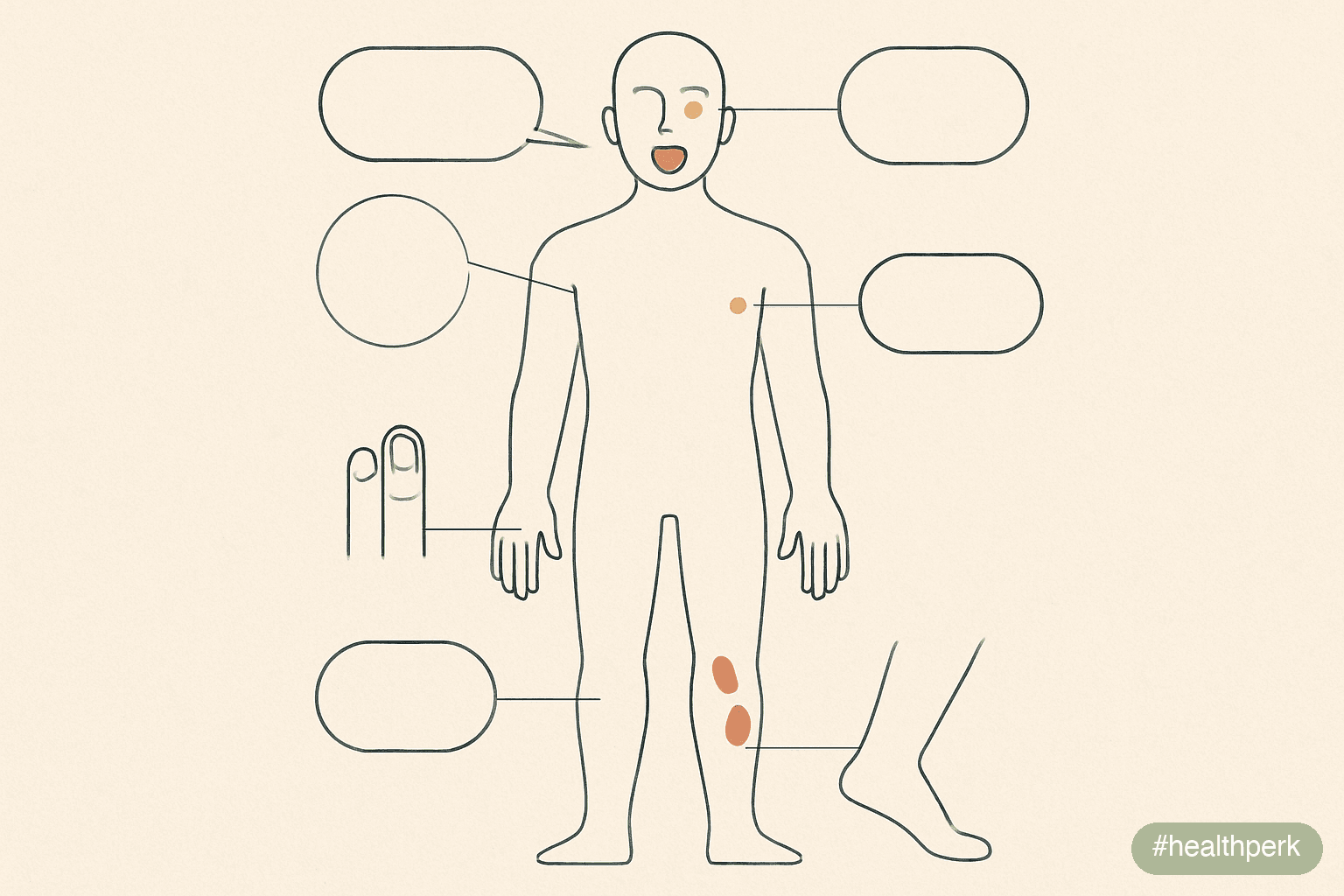
Signs of vitamin deficiency that are worth acting on in 2026 share three features: they cluster (rather than presenting as a single ambiguous symptom), they fit a known pattern (rather than a vague malaise), and they are confirmed by inexpensive labs. The clinically meaningful clusters:
- Pallor + fatigue + dyspnea on exertion + brittle nails + hair shedding in a menstruating adult → iron deficiency. Check ferritin and CBC.
- Glossitis (smooth red tongue) + paresthesias + balance problems + memory change + macrocytosis on CBC → vitamin B12 deficiency. Check B12 ± MMA.
- Diffuse musculoskeletal aching + proximal muscle weakness + bone tenderness + low mood + limited sun exposure → vitamin D deficiency. Check 25-OH-D.
- Bleeding gums + perifollicular hemorrhages + corkscrew hairs + poor wound healing in an adult with restricted diet → vitamin C deficiency.
- Night blindness + dry eyes + recurrent infection in adults with malabsorption or post-bariatric → vitamin A deficiency.
- Goitre + cold intolerance + dry skin + fatigue + weight gain → think iodine plus thyroid. Check TSH first.
- Muscle cramps + sleep disruption + palpitations + eyelid twitching → consider magnesium insufficiency.
What is not a useful sign on its own in 2026: a single white spot on a fingernail, mild seasonal mood change in winter as the sole signal, occasional muscle twitches, "low energy" without other features, "brain fog" without sleep data, hair shedding without a CBC and ferritin first. These soft signals lead to large supplement purchases without diagnostic yield; they belong on the next clinic visit's intake form, not the next checkout cart.
The signal-to-noise ratio improves dramatically when at least two cluster features coincide and a confirmatory lab is ordered.
Common Nutrient Deficiencies in Adults: Prevalence and Who Is at Risk
Common nutrient deficiencies adults experience in 2026, ranked roughly by prevalence and clinical impact in industrialised settings, with high-risk groups noted:
- Vitamin D insufficiency / deficiency. Roughly 30–40% of US adults have 25-OH-D <30 ng/mL; ~10% are <20 ng/mL (deficient). Higher prevalence in adults with darker skin pigmentation, obesity, limited sun exposure, older age, malabsorption, and chronic kidney disease.
- Magnesium intake below the EAR. NHANES data through the 2020s show roughly half of US adults consume below the Estimated Average Requirement for magnesium; symptomatic deficiency is less common but subclinical insufficiency is widespread.
- Iron deficiency. Roughly 10–15% of menstruating women in US data; higher in adolescent menstruators, pregnancy, frequent blood donors, vegetarian/vegan with heavy menses, celiac disease, and bariatric surgery.
- Vitamin B12 deficiency. Roughly 5–10% of adults over 60; higher with vegan diet, chronic metformin (~10–30% over years), chronic PPI use, post-gastric or ileal surgery, and pernicious anemia.
- Folate deficiency. Uncommon in folic-acid-fortified populations (US, UK as of late 2021); higher in pregnancy and in adults with restricted diets or malabsorption.
- Iodine insufficiency. Median urinary iodine concentrations have drifted lower in US women of reproductive age and in pregnancy through the 2020s; pregnant adults are the group of clinical concern.
- Selenium. Adequate in most US adults; insufficient in some European regions with selenium-poor soils.
- Zinc. Insufficient intake in some vegetarian/vegan adults, older adults with reduced appetite, and adults with malabsorption.
- Choline. A majority of US adults consume below the Adequate Intake, particularly during pregnancy and lactation; clinical impact is less defined than for the above nutrients.
- Omega-3 (EPA + DHA). Most US adults consume below the recommended intake; trial endpoints for cardiovascular and brain outcomes are strongest in adults consuming little fish.
This prevalence map clarifies why a defensible "best supplements for immune system" or daily stack starts with vitamin D, with iron and B12 added based on risk and symptoms, magnesium considered for sleep/stress symptoms, and omega-3 added for low fish consumption. It also clarifies why the rest of the supplement aisle is not addressing common population-level deficits.
Supplements for Energy and Fatigue: What Actually Restores Function
Supplements for energy and fatigue divide cleanly into two groups: corrective (replace what is missing) and stimulant-adjacent (caffeine, certain adaptogens). Only the first group restores baseline function; the second masks symptoms without correcting underlying causes.
The corrective category, in order of trial support:
- Iron for ferritin <30 ng/mL with symptoms. Reverses fatigue from iron-deficiency anemia and from non-anemic iron deficiency in trials (notably in menstruating adults). Alternate-day dosing of 40–65 mg elemental iron yields better absorption per dose than daily dosing.
- Vitamin B12 1,000 mcg/day oral (cyanocobalamin or methylcobalamin) for deficient or indeterminate-with-elevated-MMA values. Reverses fatigue from B12 deficiency.
- Vitamin D 1,000–2,000 IU/day for repletion to 30–50 ng/mL serum 25-OH-D in adults with deficiency or insufficiency. Modest improvement in fatigue scores in deficient adults in pooled trials.
- Magnesium glycinate 200–400 mg/day in adults with sleep disruption, muscle cramps, and stress symptoms. Trial evidence is moderate; safety is high in adults with normal kidney function.
The stimulant-adjacent category:
- Caffeine 50–200 mg per dose, before 2 p.m. for sleep-protective adults. Short-term increase in alertness; tolerance develops; no calorie or training advantage beyond perceived effort reduction.
- L-theanine 100–200 mg paired with caffeine reduces the jitter and improves attention scores in small trials.
- Rhodiola rosea 200–600 mg/day standardised extract has small-trial support for stress-related fatigue. Effect sizes are modest.
- Ashwagandha 300–600 mg/day standardised extract has modest support for stress-related fatigue and perceived stress; a 2020s case-series signal for drug-induced liver injury argues for caution.
What lacks trial support as a routine 2026 energy supplement in well adults:
- Coenzyme Q10 in healthy adults without statin myopathy or specific cardiomyopathy.
- NADH, PQQ, ribose "cellular energy" formulas.
- B-complex "energy" shots in adults with adequate intake.
- "Adrenal support" formulas — the underlying construct (HPA-axis "adrenal fatigue") is not a recognised clinical entity.
The 2026 energy stack for an adult with documented normal labs is short: caffeine within sensible limits, vitamin D if low, magnesium glycinate at night for sleep support, and a sleep-protective routine. Adding more capsules does not add more function.
Supplements for Sleep and Stress: Evening Tools That Hold Up to Trials
Supplements for sleep and stress are most effective when layered onto a stable sleep window, consistent wake time, caffeine cutoff by mid-afternoon, and dim-evening light. With those in place, the 2026 evidence-backed evening tools:
- Magnesium glycinate 200–400 mg/day at night. Small trials show improved subjective sleep quality and shorter sleep onset in older adults and adults with insomnia symptoms. Glycinate is well tolerated; oxide is poorly absorbed and laxative-prone.
- Melatonin 0.3–1 mg taken 30–60 minutes before the target sleep time. Most useful for circadian-driven insomnia (jet lag, shift work, delayed sleep-phase) and modestly for sleep-onset insomnia. Higher doses (3–10 mg) often produce supraphysiologic plasma levels without proportional benefit; lower-dose formulations are the 2026 preference.
- Glycine 3 g taken 30–60 minutes before bed has small-trial support for subjective sleep quality and next-day alertness via core-body-temperature reduction.
- L-theanine 200–400 mg in the evening reduces self-reported anxiety in small trials and may improve sleep quality. Often combined with magnesium.
- Apigenin 50 mg or chamomile extract has weak-to-moderate small-trial support for sleep quality.
What deserves caution:
- Valerian. Mixed trial data; safety record reasonable, efficacy modest.
- CBD for sleep. Heterogeneous products and uncertain regulatory status; trial data through 2026 are mixed for sleep and stronger for specific epilepsy and anxiety indications.
- Z-drug-class prescriptions. Not supplements; require clinician oversight.
- High-dose melatonin. ≥5 mg routinely is not better than 0.3–1 mg for most adults and produces grogginess.
Stress-side daytime tools that hold up to trials:
- L-theanine 200 mg pre-event for acute test or presentation anxiety.
- Ashwagandha 300–600 mg/day for perceived stress in 8-week trials; check liver function if used chronically.
- Omega-3 EPA-rich 1–2 g EPA/day has small-to-moderate effect on anxiety symptoms in pooled analyses.
The principle: sleep first, then magnesium, then a small low-dose melatonin window if circadian, then targeted daytime tools. Stacking five sleep capsules at higher doses is a sign the underlying sleep window is the actual problem.
Supplements for Anxiety and Stress: The Short Evidence-Backed List
Supplements for anxiety and stress carry a much smaller evidence base than the marketing layer suggests. Cognitive-behavioural therapy for anxiety and insomnia (CBT and CBT-i), exercise, breathing practices, and clinically indicated prescription pharmacotherapy outperform every supplement on this list at every effect-size level. With that frame, the 2026 supplements that have defensible small-trial support:
- L-theanine 200–400 mg reduces state anxiety in acute-stress trials and modestly improves attention; safety profile is benign.
- Ashwagandha 300–600 mg/day standardised root extract (KSM-66, Sensoril) reduces perceived stress scores in 8–12 week trials. The 2020s case-series signal for drug-induced liver injury suggests checking ALT/AST if used chronically and avoiding it in adults with liver disease, on hepatotoxic medications, or pregnant/breastfeeding.
- Omega-3 EPA-rich 1–2 g EPA/day has small-to-moderate effect on anxiety symptoms in pooled meta-analysis, with the strongest signal in adults with clinical anxiety or depression rather than well adults.
- Magnesium 200–400 mg/day in adults with insufficient intake may reduce stress and anxiety scores; the effect is small and most defensible when dietary magnesium is low.
- Saffron 30 mg/day standardised extract has small-trial support for anxiety and depression scores; cost and supply quality vary widely.
What lacks trial support as a routine 2026 anxiety supplement in healthy adults:
- Kava. Has anxiolytic effect in trials, but the hepatotoxicity signal that led to multiple European bans in the 2000s has not been resolved; 2026 guidance remains cautious.
- Inositol for general anxiety in adults — small trials in panic disorder and OCD; not a routine supplement for unspecified anxiety.
- GABA capsules. Oral GABA has poor blood-brain barrier penetration; small-trial effects likely reflect placebo or peripheral nervous system activity.
- "Stress relief" multi-ingredient formulas — heterogeneous, often under-dosed for any single active ingredient.
The 2026 framing: if anxiety symptoms interfere with function, the supplement aisle is not the first line of care. CBT, exercise, and a clinician evaluation precede supplementation; supplements are adjuncts in moderate cases or for situational stress when used responsibly.
Best Supplements for Women Daily: A Life-Stage Framework
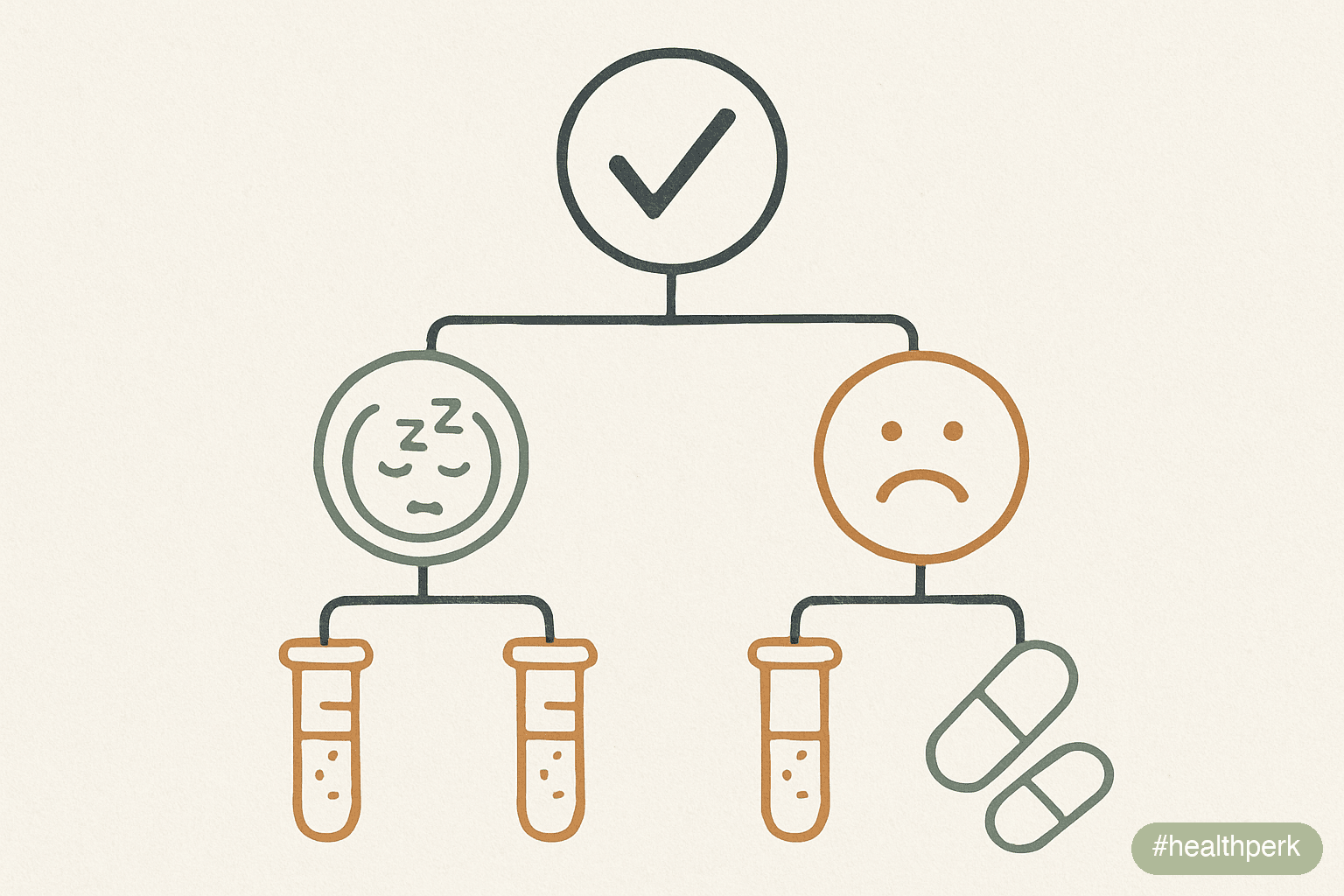
Best supplements for women daily depends on reproductive stage, dietary pattern, and individual labs more than on a generic "women's multivitamin." The 2026 life-stage framework "for women":
Reproductive years (roughly 18–35):
- Folate (or folic acid) 400 mcg/day for adults capable of pregnancy, regardless of immediate pregnancy plans, to reduce neural tube defect risk if conception occurs. 600 mcg/day during confirmed pregnancy, often via prenatal multivitamin.
- Iron only if ferritin <30 ng/mL with heavy menses, vegetarian/vegan with low ferritin, frequent blood donor, or pregnancy. Not a routine "women's daily" addition without labs.
- Vitamin D 1,000–2,000 IU/day to maintain 25-OH-D 30–50 ng/mL, particularly with limited sun exposure or darker skin.
- Omega-3 (EPA + DHA) 250–500 mg/day combined if fish intake is below 2 servings/week.
- Iodine is covered by iodised salt in most cases; pregnant adults benefit from a prenatal vitamin with 150 mcg/day iodine.
- Choline approximately 425 mg/day for non-pregnant adults; 450 mg/day in pregnancy; food sources (eggs, soy) preferred where possible.
Lifestyle-driven additions:
- Magnesium glycinate 200–400 mg/day if sleep and stress symptoms are present.
- Protein at 1.0–1.6 g/kg/day (food first; whey or plant protein only if intake gaps).
What does not belong in a routine reproductive-years stack:
- High-dose vitamin A in adults capable of pregnancy (teratogenic >10,000 IU/day chronic).
- Routine iron without confirmed deficiency.
- "Hormonal balance" multi-ingredient formulas with unstandardised botanicals.
Vitamins for Women Over 30: What Changes With the Decade
Vitamins for women over 30 are not a separate category from the reproductive-years stack; they are a graduated expansion as bone-density planning, cardiovascular risk, body composition, and sleep priorities shift. What changes through the 30s in the 2026 framework:
- Vitamin D target shifts toward consistent 30–50 ng/mL 25-OH-D, often 1,000–2,000 IU/day, in preparation for the postmenopause bone-loss curve.
- Calcium intake target stays at 1,000 mg/day total from food + supplements (food-preferred); most adults do not need a calcium supplement if dairy or fortified plant milk intake is adequate. If supplementing, 500–600 mg/day from supplements is usually sufficient.
- Vitamin K2 (MK-7) 100–200 mcg/day has emerging trial support for bone- and cardiovascular-aligned calcium handling. Evidence is moderate, safety is good outside warfarin use.
- Magnesium glycinate 200–400 mg/day if sleep and stress symptoms accumulate.
- Omega-3 (EPA + DHA) 1,000 mg/day combined for cardiovascular risk and mood, particularly in adults with low fish intake.
- Creatine monohydrate 3–5 g/day for adults doing resistance training; small but consistent benefit on strength, lean mass, and possibly cognition; safety profile is strong over decades of use in well adults.
- Protein floor moves to 1.2 g/kg/day as resistance training enters the routine — food first, supplement only to fill gaps.
- Iron moves out of routine use unless labs document deficiency; iron requirements drop with reduced menstrual flow approaching perimenopause.
- B-complex is only relevant if dietary intake is low or symptoms suggest a deficit; routine B-complex in well adults is low yield.
The 2026 over-30 stack is therefore not a "women's multivitamin" purchased off the shelf; it is a customised four-to-six-component daily routine anchored by a 12-month-recurring lab panel (25-OH-D, ferritin, CBC, B12, TSH, lipid panel, HbA1c).
Supplements for Hormonal Balance Women: What Has Trial Support
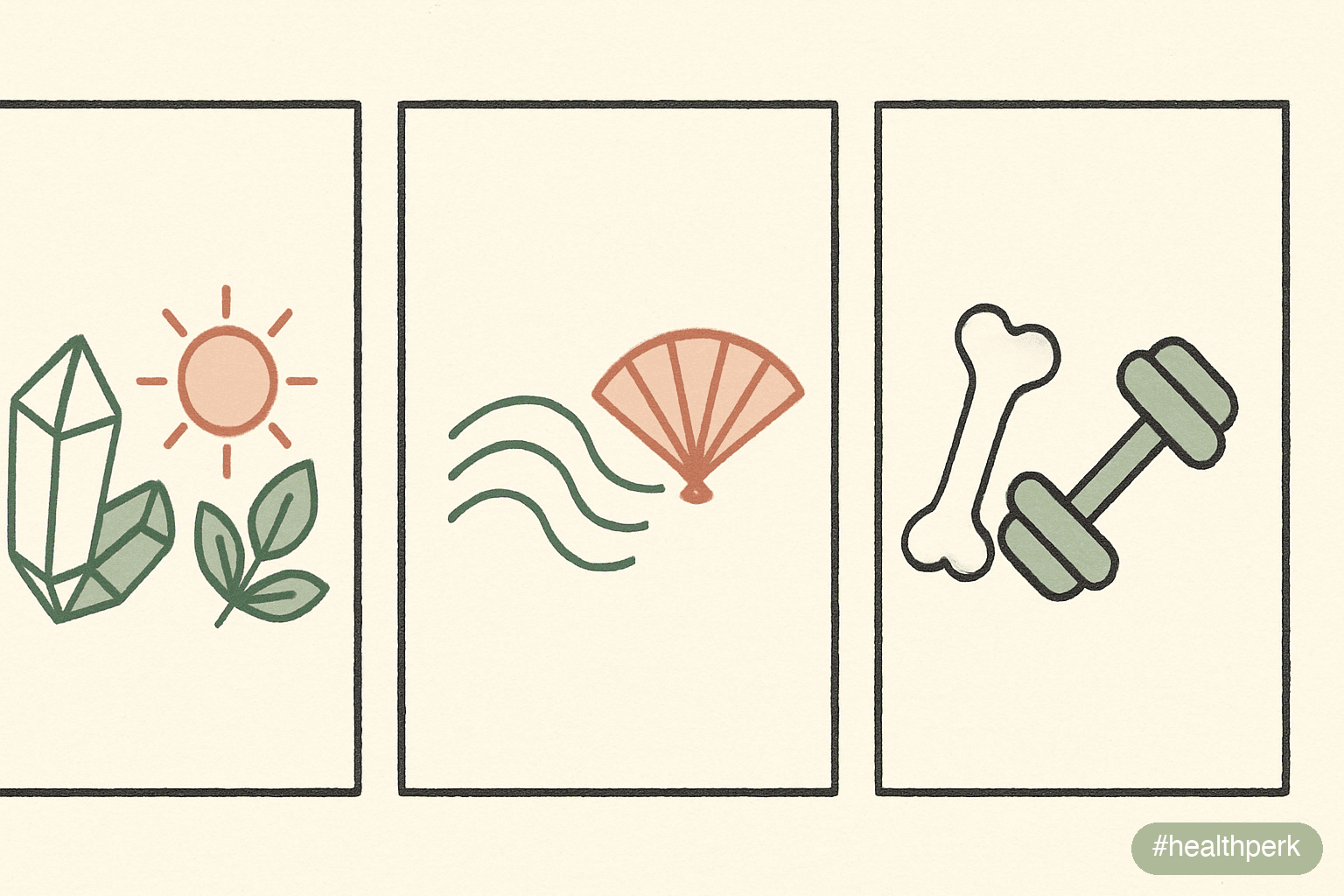
Supplements for hormonal balance women describes a category that the supplement industry uses loosely. In trial-supported 2026 terms, the conversation breaks into three specific clinical pictures rather than a single "hormonal balance" SKU:
Premenstrual symptoms (PMS) and PMDD:
- Calcium 1,000–1,200 mg/day (food + supplement) has the strongest trial support for PMS symptom reduction (Thys-Jacobs 1998).
- Vitamin B6 (pyridoxine) up to 100 mg/day has small-trial support for PMS mood and physical symptoms; do not exceed 100 mg/day chronically (sensory neuropathy above the UL).
- Magnesium 200–400 mg/day has small-to-moderate support for PMS symptoms.
- Chasteberry (Vitex agnus-castus) has small-trial support for PMS; quality of evidence is moderate.
Perimenopausal vasomotor symptoms (hot flashes, night sweats):
- Lifestyle first — sleep hygiene, weight management, smoking cessation, cool environment, layered clothing.
- Pharmacotherapy — non-hormonal options (SSRIs/SNRIs paroxetine, escitalopram, venlafaxine; gabapentin; the NK3 receptor antagonist fezolinetant for moderate-to-severe vasomotor symptoms) and menopausal hormone therapy where appropriate.
- Black cohosh has mixed trial data and hepatotoxicity case reports; short-term use under clinician oversight.
- Soy isoflavones show modest reduction in hot flash frequency in pooled trials.
- Red clover, evening primrose oil show inconsistent or null effects in trials.
Bone density and cardiovascular planning into postmenopause:
- Vitamin D to maintain 25-OH-D 30–50 ng/mL.
- Calcium total 1,200 mg/day (food + supplement).
- Vitamin K2 (MK-7) 100–200 mcg/day for calcium handling.
- Protein floor 1.2 g/kg/day with resistance training.
- Omega-3 for cardiovascular markers.
What does not belong in a 2026 "hormonal balance" stack:
- Over-the-counter DHEA for general "hormone support" in healthy women; reserved for specific clinical indications under clinician supervision.
- Bioidentical hormone "compounded" products marketed direct-to-consumer for unspecified "balance."
- "Estrogen-detox" multi-ingredient formulas with unsubstantiated mechanism claims.
Hormonal symptoms benefit from specific diagnosis and specific treatment; the supplement aisle is a partial adjunct, not a substitute for that workup.
Best Supplements for Men Daily: A Practical Core Stack
Best supplements for men daily in the 2026 framework follows the same lab-anchored logic as the women's framework, with three differences: iron stays out of the routine stack unless documented deficient (men store iron more readily and are at higher risk of iron overload), routine omega-3 supplementation has a slightly stronger cardiovascular rationale at the population level, and creatine monohydrate is a higher-yield default for adults doing any resistance training. The 2026 daily stack "for men":
- Vitamin D 1,000–2,000 IU/day to maintain 25-OH-D 30–50 ng/mL.
- Omega-3 (EPA + DHA) 1,000 mg/day combined if fish intake is below 2 servings/week; particularly relevant with elevated triglycerides and family history of cardiovascular disease.
- Magnesium glycinate 200–400 mg/day if sleep and stress symptoms are present; useful in adults consuming below the EAR for magnesium.
- Creatine monohydrate 3–5 g/day for adults doing resistance training. The most-trialled and most-defensible performance supplement in 2026; small effects on lean mass, strength, possibly cognition; renal-safe in adults with normal kidney function.
- Protein at 1.6–2.2 g/kg/day for adults training, food-first; whey or plant protein only to fill gaps.
- Vitamin K2 (MK-7) 100 mcg/day is a reasonable adjunct alongside vitamin D in adults building or maintaining bone density; evidence is moderate.
Lab-anchored additions:
- Iron only if ferritin <30 ng/mL with symptoms; men without GI blood loss or other explanation should be evaluated, not simply supplemented.
- Vitamin B12 if labs are low or indeterminate with elevated MMA, particularly in adults over 60, on chronic metformin, or on chronic PPI therapy.
- CoQ10 100–200 mg/day in adults on statins with myopathy symptoms; evidence is mixed but safety is high.
What does not belong in the 2026 daily stack:
- Generic "men's multivitamins" with bundled testosterone-support botanicals — most are sub-therapeutically dosed and increase product count without adding value.
- Routine iron in a "men's daily."
- "Pre-workout" formulas as a daily routine; caffeine and creatine cover the trial-supported pre-workout ingredients in well adults.
Vitamins for Men Energy: Where the Fatigue Workup Usually Lands
Vitamins for men energy is best read as the male version of the same fatigue workup applied to women, with one additional consideration: hypogonadism. In an adult man with fatigue, the 2026 sequence:
- Sleep apnea screen. STOP-BANG and ESS; refer for sleep study if positive. Untreated obstructive sleep apnea is the single most-missed cause of "supplement-resistant" fatigue in middle-aged men.
- Depression and alcohol screen. PHQ-9, AUDIT-C; treat findings.
- Labs. 25-OH-D, ferritin and CBC, B12 ± MMA, TSH, fasting glucose / HbA1c, lipid panel, ALT/AST. Add total testosterone (with morning draw, repeat if low) and free testosterone (calculated or measured) when low-libido, erectile dysfunction, loss of morning erections, mood change, or loss of muscle mass coexist with fatigue. Confirm low testosterone on a second draw before initiating treatment.
- Targeted correction. Vitamin D for deficiency, iron for deficiency (uncommon in men without a clear cause — investigate GI blood loss), B12 for deficiency, magnesium for symptoms with low dietary intake.
- Lifestyle correction. Sleep window of 7–9 hours, resistance training 2–3x/week, body composition target, protein 1.6–2.2 g/kg/day, alcohol limits.
Once corrective measures are in place, the additive 2026 options:
- Creatine monohydrate 3–5 g/day for adults doing resistance training. Effects on perceived energy, training capacity, and lean mass are real and modest.
- Caffeine within sensible limits and before mid-afternoon.
What is consistently not a high-yield "energy" purchase in well men:
- "Test booster" formulas (see next section).
- "Adrenal support" formulas.
- High-dose B-complex in adults with adequate intake.
- "Mitochondrial" formulas marketed with vague endpoints.
When fatigue persists after a normal workup and a 90-day correction period, the next step is a clinician revisit — not a higher-end "energy" supplement.
Supplements for Testosterone Support: What the 2026 Evidence Will Defend
Supplements for testosterone support is one of the highest-revenue, lowest-evidence categories in the 2026 supplement aisle. The honest 2026 picture:
- Documented hypogonadism (low total testosterone on at least two morning draws, in the context of compatible symptoms, after exclusion of secondary causes such as sleep apnea, obesity, opioid use, and pituitary disease) is a clinical diagnosis treated with testosterone replacement therapy under specialist oversight. It is not managed by supplement formulas.
- Lifestyle interventions dominate the evidence base for raising endogenous testosterone in eugonadal-but-suboptimal adult men: weight loss in adults with obesity, sleep duration restoration to 7–9 hours, treatment of obstructive sleep apnea, resistance training, alcohol moderation, and correction of vitamin D and zinc deficiencies when documented.
- Supplement-class evidence in eugonadal adults is heterogeneous and effect sizes are small:
- Zinc corrects testosterone in zinc-deficient adults; supraphysiologic dosing in zinc-replete adults does not boost testosterone and chronic intake >40 mg/day suppresses copper.
- Vitamin D corrects testosterone in deficient adults; supraphysiologic dosing in replete adults does not boost testosterone.
- Ashwagandha (KSM-66) 600 mg/day for 8–12 weeks has produced modest testosterone increases in stressed and infertile men in small trials; effects in well-trained eugonadal adults are smaller. Liver-injury signal applies.
- Tongkat ali (Eurycoma longifolia) 200–400 mg/day standardised extract has small-trial support for modest testosterone increases and libido improvement; quality of evidence is limited.
- Fenugreek standardised extracts have produced mixed results; some small trials show modest libido and free-testosterone changes.
- DHEA in non-deficient adult men does not consistently raise testosterone and carries an unclear risk profile for prostate; reserved for specific clinical indications.
- Boron, tribulus terrestris, D-aspartic acid, fadogia agrestis have inconsistent or null trial data and should not anchor a stack.
What 2026 evidence does not support:
- Multi-ingredient "test booster" formulas with under-dosed components.
- Routine DHEA for general men's health.
- Supraphysiologic zinc or vitamin D as a "test booster" in adults already replete.
- Any product marketed to "raise testosterone naturally to youthful levels" without disclosure of the lifestyle work that does most of the work.
The defensible 2026 position is that adult men with symptoms suggestive of low testosterone should be evaluated clinically rather than self-treated with the supplement aisle, and that lifestyle interventions plus correction of documented vitamin D and zinc deficiencies do most of what the "test booster" category claims to do — with a stronger evidence base, fewer interactions, and lower cost.
Related Articles on HealthPerk
Explore more on this topic:
- How to Choose Supplements Safely
- Supplement Routine for Beginners
- Can You Take Multiple Supplements Together?
- Magnesium Benefits for Sleep and Anxiety
- Vitamin D Deficiency Symptoms
- Omega 3 Benefits for Brain Health
- Zinc Benefits for Immunity
- Probiotics Benefits Gut Health
- Supplement Side Effects List
Frequently Asked Questions
What are the best supplements for immune system support in 2026?
The 2026 evidence-backed immune core is short: vitamin D 1,000–2,000 IU/day to reach 25-OH-D 30–50 ng/mL (reduces acute respiratory infection risk per the 2017 BMJ individual-participant-data meta-analysis, with the largest benefit in those starting most deficient); zinc 8–11 mg/day at the RDA, with zinc acetate or gluconate lozenges started within 24 hours of cold symptoms shortening duration by about a day (Cochrane); vitamin C 200 mg/day for a modest shortening of common-cold duration (Hemilä Cochrane); selenium at the 55 mcg/day RDA from food in most adults; and a lifestyle baseline — 7–9 hours of sleep, adequate protein, normal body composition, current vaccinations — that does more than any capsule. Echinacea, elderberry, "immune boosters," and high-dose vitamin C as routine prophylaxis do not have strong evidence in the 2026 trial base.
What is the vitamin deficiency symptoms list worth acting on?
The clinically meaningful 2026 vitamin deficiency symptoms list maps cluster patterns to lab tests: pallor, dyspnea, brittle nails, hair shedding, and restless legs to iron (check ferritin + CBC); paresthesias, gait imbalance, glossitis, memory change to vitamin B12 (check serum B12 ± methylmalonic acid); diffuse musculoskeletal aching and proximal muscle weakness to vitamin D (check 25-OH-D); bleeding gums and perifollicular hemorrhages to vitamin C; night blindness and dry eyes to vitamin A; goitre and cold intolerance to iodine and thyroid; muscle cramps and eyelid twitching to magnesium. The list is a triage tool for ordering labs, not a guide to direct supplementation. Most isolated symptoms have non-nutritional explanations (sleep debt, thyroid disease, depression, sleep apnea) that the lab panel helps disambiguate.
What deficiency causes fatigue most often?
The five nutrients to check first in a 2026 fatigue workup are iron (ferritin <30 ng/mL — particularly in menstruating women, frequent blood donors, vegetarian/vegan, celiac disease, long-term PPI use), vitamin B12 (serum B12 <300 pg/mL especially in adults over 60, on metformin, on PPIs, vegan, post-gastric surgery; confirm indeterminate values with methylmalonic acid), vitamin D (25-OH-D <20 ng/mL), magnesium (clinical trial of supplementation appropriate when other causes are excluded), and thyroid function (TSH; not a vitamin but the single most-missed cause). If all five labs are normal, the next investigation is non-nutritional — sleep duration and quality, sleep apnea screening, depression screening, HbA1c, chronic disease review. Generic "energy" supplements (CoQ10, NADH, ribose, B-complex shots) have minimal evidence in well adults.
What signs of vitamin deficiency are worth acting on?
Signs of vitamin deficiency worth acting on in 2026 share three features: they cluster rather than presenting as a single symptom, they fit a known pattern, and they are confirmed by inexpensive labs. Pallor + fatigue + dyspnea + brittle nails + hair shedding in a menstruating adult suggests iron deficiency. Glossitis + paresthesias + balance change + memory change + macrocytosis on CBC suggests B12 deficiency. Diffuse musculoskeletal aching + proximal muscle weakness + bone tenderness suggests vitamin D deficiency. Bleeding gums + perifollicular hemorrhages suggest vitamin C deficiency. Single soft signals (one white nail spot, occasional twitches, vague "brain fog") are not specific enough to drive purchases; they belong on the next clinic intake. Lab confirmation transforms a hypothesis into a closed-loop intervention.
What are the common nutrient deficiencies in adults in 2026?
The common nutrient deficiencies adults in industrialised settings face, ranked by prevalence: vitamin D insufficiency (25-OH-D <30 ng/mL) in roughly 30–40% of US adults; magnesium intake below the EAR in roughly half of US adults per NHANES; iron deficiency in 10–15% of menstruating women, higher in adolescent menstruators and pregnancy; vitamin B12 deficiency in 5–10% of adults over 60, higher with metformin, PPIs, vegan diet, and post-gastric surgery; iodine insufficiency drifting into concern range for pregnant adults in the US; folate deficiency uncommon in folic-acid-fortified populations; zinc insufficiency in some vegetarians, older adults, malabsorption; choline below Adequate Intake in most adults; omega-3 EPA+DHA below recommended in most adults with low fish intake. This map clarifies why vitamin D, iron (when indicated), B12 (when indicated), magnesium, and omega-3 dominate a defensible daily stack.
What are the best supplements for energy and fatigue?
The 2026 supplements for energy and fatigue split into corrective and stimulant-adjacent. Corrective (the part that restores function): iron for ferritin <30 ng/mL with symptoms (alternate-day dosing of 40–65 mg elemental for better absorption), vitamin B12 1,000–2,000 mcg/day oral for deficiency or indeterminate-with-elevated-MMA values, vitamin D 1,000–2,000 IU/day for repletion to 30–50 ng/mL, magnesium glycinate 200–400 mg/day for sleep and stress symptoms. Stimulant-adjacent (mask symptoms rather than fix causes): caffeine 50–200 mg, L-theanine 100–200 mg paired with caffeine, rhodiola rosea 200–600 mg/day with modest effect. CoQ10, NADH, PQQ, ribose, B-complex "shots," and "adrenal support" formulas have minimal trial evidence in well adults. The 2026 framework prioritises a lab workup before adding capsules.
What are the best supplements for sleep and stress?
The 2026 evidence-backed evening tools, layered onto a stable sleep window: magnesium glycinate 200–400 mg/day for improved subjective sleep quality and shorter sleep onset; melatonin 0.3–1 mg taken 30–60 minutes before target sleep time, most useful for circadian-driven insomnia (jet lag, shift work, delayed sleep-phase) and modestly for sleep-onset insomnia (higher doses do not improve results and produce grogginess); glycine 3 g for subjective sleep quality and core-body-temperature reduction; L-theanine 200–400 mg for anxiety reduction. CBD for sleep is heterogeneous and uncertain through 2026; valerian shows mixed results. Stress-side daytime tools: L-theanine 200 mg pre-event, ashwagandha 300–600 mg/day for perceived stress (with liver-function monitoring given a 2020s case-series signal), omega-3 EPA-rich 1–2 g EPA/day.
What are the best supplements for anxiety and stress?
CBT for anxiety, exercise, breathing practices, and clinically indicated pharmacotherapy outperform every supplement at every effect-size level. With that frame, the 2026 supplements for anxiety and stress with defensible small-trial support: L-theanine 200–400 mg reduces state anxiety acutely; ashwagandha 300–600 mg/day standardised root extract (KSM-66, Sensoril) reduces perceived stress in 8–12 week trials but carries a drug-induced liver injury signal that warrants ALT/AST monitoring; omega-3 EPA-rich 1–2 g EPA/day has small-to-moderate effect on anxiety; magnesium 200–400 mg/day in adults with insufficient intake; saffron 30 mg/day standardised extract with small support. Kava (despite anxiolytic effect) carries unresolved hepatotoxicity concerns; oral GABA has poor blood-brain-barrier penetration. The supplement aisle is an adjunct to evidence-based care, not a first line for clinical anxiety.
What are the best supplements for women daily, especially through reproductive years and over 30?
The best supplements for women daily depend on reproductive stage. Reproductive years (18–35): folate 400 mcg/day for adults capable of pregnancy; iron only if ferritin <30 ng/mL with heavy menses or vegetarian/vegan with low ferritin; vitamin D 1,000–2,000 IU/day to maintain 25-OH-D 30–50 ng/mL; omega-3 250–500 mg combined EPA+DHA if fish intake is below 2 servings/week; iodine via iodised salt and prenatal during pregnancy. For vitamins for women over 30, the stack graduates rather than restarts: vitamin D maintained, calcium 500–600 mg/day from supplement to reach 1,000 mg/day total food + supplement, vitamin K2 (MK-7) 100–200 mcg/day for bone-aligned calcium handling, magnesium glycinate 200–400 mg/day for sleep and stress, omega-3 1,000 mg combined EPA+DHA, creatine monohydrate 3–5 g/day for resistance trainees, protein floor 1.2 g/kg/day. Routine high-dose vitamin A and routine iron without labs do not belong in either stack.
What supplements support hormonal balance in women?
Supplements for hormonal balance women resolves into three specific clinical pictures in 2026, not a single "balance" SKU. PMS and PMDD: calcium 1,000–1,200 mg/day has the strongest trial support; vitamin B6 up to 100 mg/day; magnesium 200–400 mg/day; chasteberry (Vitex agnus-castus) with moderate small-trial support. Perimenopausal hot flashes and night sweats: lifestyle first, then non-hormonal prescriptions (paroxetine, escitalopram, venlafaxine, gabapentin, fezolinetant) or menopausal hormone therapy where appropriate; soy isoflavones with modest effect, black cohosh short-term with hepatotoxicity caveat. Bone density planning into postmenopause: vitamin D, total calcium 1,200 mg/day, vitamin K2 (MK-7), protein floor with resistance training, omega-3. Over-the-counter DHEA, compounded "bioidentical" products, and "estrogen-detox" formulas do not have defensible routine-use evidence in healthy women.
What are the best supplements for men daily?
The 2026 best supplements for men daily is a customised four-to-six-component stack: vitamin D 1,000–2,000 IU/day to 25-OH-D 30–50 ng/mL; omega-3 (EPA + DHA) 1,000 mg/day combined if fish intake is below 2 servings/week; magnesium glycinate 200–400 mg/day for sleep and stress with low dietary intake; creatine monohydrate 3–5 g/day for adults doing resistance training (the most-trialled and most-defensible performance supplement, with renal-safe use in adults with normal kidney function); protein 1.6–2.2 g/kg/day food-first; vitamin K2 (MK-7) 100 mcg/day as a bone-aligned adjunct. Iron stays out of the routine stack unless ferritin is <30 ng/mL; B12 added if labs are low or indeterminate with elevated MMA; CoQ10 100–200 mg/day for adults on statins with myopathy symptoms. Generic "men's multivitamins" with bundled "testosterone support" botanicals add product count without value.
What are the best vitamins for men energy?
Vitamins for men energy is best read as the male version of the fatigue workup: exclude sleep apnea (STOP-BANG, referral to sleep study), exclude depression (PHQ-9), exclude alcohol use disorder (AUDIT-C). Lab tier: 25-OH-D, ferritin and CBC, B12 ± MMA, TSH, HbA1c, lipid panel, ALT/AST, and total testosterone (with morning draw, repeated) if low-libido, erectile dysfunction, loss of morning erections, or loss of muscle mass coexist with fatigue. Correct vitamin D, iron (if low — investigate cause in men), B12, and magnesium. Lifestyle: sleep 7–9 hours, resistance training, body composition, protein, alcohol limits. Additive options once corrected: creatine monohydrate 3–5 g/day for resistance trainees, caffeine within sensible limits and before mid-afternoon. "Adrenal support" formulas, mitochondrial blends, and high-dose B-complex in adults with adequate intake are not high-yield purchases.
What supplements actually support testosterone in men?
Supplements for testosterone support is a high-revenue, low-evidence category. Documented hypogonadism (low total testosterone on two morning draws with compatible symptoms after exclusion of sleep apnea, obesity, opioids, pituitary disease) is treated under specialist oversight, not by supplements. Lifestyle dominates the evidence base for eugonadal-but-suboptimal adults: weight loss in obesity, sleep restoration to 7–9 hours, treatment of obstructive sleep apnea, resistance training, alcohol moderation, and correction of vitamin D and zinc deficiencies when documented. Supplement-class effects in eugonadal adults are small and inconsistent: ashwagandha 600 mg/day (KSM-66) has modest small-trial support in stressed/infertile men with a liver-injury caveat; tongkat ali 200–400 mg/day has limited trial support for libido and small testosterone changes; fenugreek shows mixed results; DHEA, boron, tribulus terrestris, D-aspartic acid, and fadogia agrestis have inconsistent or null data. Multi-ingredient "test boosters" rarely deliver therapeutic doses.
This article is for informational purposes only and does not constitute medical advice. Adults taking prescription medications, with chronic medical conditions, with kidney, liver, or thyroid disease, who are pregnant or breastfeeding, or who are immunocompromised should not start or stop a supplement without the input of a qualified clinician and pharmacist. Tolerable Upper Intake Levels (e.g. 4,000 IU/day vitamin D, 40 mg/day zinc, 350 mg/day supplemental magnesium, 45 mg/day iron, 2,000–2,500 mg/day calcium, 100 mg/day vitamin B6, 1,000 mg/day vitamin E) apply to nearly all healthy adults; therapeutic dosing for documented deficiency under clinician supervision can appropriately exceed the UL. Hormonal and testosterone symptoms warrant clinical evaluation rather than direct-to-consumer supplementation. Individual results may vary.
About the author The HealthPerk Editorial Team reviews nutritional and supplement research through evidence synthesis cross-referenced with peer-reviewed clinical trials, Cochrane reviews, FDA pharmacovigilance and tainted-product databases, and clinical practice guidelines. Our supplement content is reviewed for medical accuracy against current internal medicine, endocrinology, women's health, and nutritional toxicology standards. How we review →
References
Martineau, A. R., Jolliffe, D. A., Hooper, R. L., Greenberg, L., Aloia, J. F., Bergman, P., et al. (2017). Vitamin D supplementation to prevent acute respiratory tract infections: systematic review and meta-analysis of individual participant data. BMJ, 356, i6583. https://doi.org/10.1136/bmj.i6583
Supports: vitamin D 1,000–2,000 IU/day reducing acute respiratory infection risk, with largest effect in adults starting most deficient — foundational evidence for the immune core
Hemilä, H., & Chalker, E. (2013). Vitamin C for preventing and treating the common cold. Cochrane Database of Systematic Reviews, (1), CD000980. https://doi.org/10.1002/14651858.CD000980.pub4
Supports: vitamin C ≥200 mg/day not preventing colds in the general population but modestly shortening cold duration in adults and children
Hemilä, H., & Chalker, E. (2017). Zinc lozenges may shorten the duration of colds: a systematic review. Open Forum Infectious Diseases, 4(2), ofx059. https://doi.org/10.1093/ofid/ofx059
Supports: zinc acetate and gluconate lozenges started within 24 hours of cold symptoms shortening common-cold duration by approximately one day
Stoffel, N. U., Cercamondi, C. I., Brittenham, G., Zeder, C., Geurts-Moespot, A. J., Swinkels, D. W., Moretti, D., & Zimmermann, M. B. (2017). Iron absorption from oral iron supplements given on consecutive versus alternate days and as single morning doses versus twice-daily split dosing in iron-depleted women: two open-label, randomised controlled trials. Lancet Haematology, 4(11), e524–e533. https://doi.org/10.1016/S2352-3026(17)30182-5
Supports: alternate-day oral iron dosing in iron-depleted women yielding higher fractional absorption per dose than daily dosing, basis for the alternate-day 40–65 mg elemental regimen
Allen, L. H., Miller, J. W., de Groot, L., Rosenberg, I. H., Smith, A. D., Refsum, H., & Raiten, D. J. (2018). Biomarkers of nutrition for development (BOND): vitamin B12 review. Journal of Nutrition, 148(suppl_4), 1995S–2027S. https://doi.org/10.1093/jn/nxy201
Supports: serum B12 thresholds, the role of methylmalonic acid in confirming indeterminate B12 values, and risk groups including older adults, vegans, metformin and PPI users
Thys-Jacobs, S., Starkey, P., Bernstein, D., & Tian, J. (1998). Calcium carbonate and the premenstrual syndrome: effects on premenstrual and menstrual symptoms. American Journal of Obstetrics and Gynecology, 179(2), 444–452. https://doi.org/10.1016/S0002-9378(98)70377-1
Supports: calcium 1,000–1,200 mg/day reducing PMS symptoms, the strongest single-supplement trial for premenstrual symptom relief
Antunes Lopes, T., Vaz-Carneiro, A., & Lopes Lima, J. (2020). Resistance training and creatine supplementation in older adults: a systematic review and meta-analysis. Frontiers in Nutrition, 7, 599356. https://doi.org/10.3389/fnut.2020.599356
Supports: creatine monohydrate 3–5 g/day combined with resistance training improving strength and lean mass outcomes in older adults
Bischoff-Ferrari, H. A., Vellas, B., Rizzoli, R., Kressig, R. W., da Silva, J. A. P., Blauth, M., et al. (2020). Effect of vitamin D supplementation, omega-3 fatty acid supplementation, or a strength-training exercise program on clinical outcomes in older adults: the DO-HEALTH randomized clinical trial. JAMA, 324(18), 1855–1868. https://doi.org/10.1001/jama.2020.16909
Supports: trial evidence on vitamin D 2,000 IU/day, omega-3 1 g/day, and resistance training in older adults across multiple outcome domains
Manson, J. E., Cook, N. R., Lee, I. M., Christen, W., Bassuk, S. S., Mora, S., Gibson, H., Gordon, D., Copeland, T., D'Agostino, D., Friedenberg, G., Ridge, C., Bubes, V., Giovannucci, E. L., Willett, W. C., & Buring, J. E. (2019). Vitamin D supplements and prevention of cancer and cardiovascular disease. New England Journal of Medicine, 380(1), 33–44. https://doi.org/10.1056/NEJMoa1809944
Supports: VITAL trial evidence on vitamin D 2,000 IU/day across cardiovascular and cancer endpoints, basis for the 1,000–2,000 IU/day defensible adult dose range
Pratt, J., Boreham, C., Ennis, S., Ryan, A. W., & De Vito, G. (2020). Genetic associations with aging muscle: a systematic review. Cells, 9(1), 12. https://doi.org/10.3390/cells9010012
Supports: framework for protein-plus-resistance-training adjuncts (including creatine and vitamin D) in age-related muscle loss across women and men
Frequently Asked Questions
What are the best supplements for immune system support in 2026?
The 2026 evidence-backed immune core is short: vitamin D 1,000-2,000 IU/day to reach 25-OH-D 30-50 ng/mL (reduces acute respiratory infection risk per the 2017 BMJ individual-participant-data meta-analysis); zinc 8-11 mg/day at the RDA, with zinc acetate or gluconate lozenges started within 24 hours of cold symptoms shortening duration by about a day; vitamin C 200 mg/day for a modest shortening of common-cold duration; selenium 55 mcg/day RDA from food in most adults; and a lifestyle baseline (7-9 hours of sleep, adequate protein, normal body composition, current vaccinations) that does more than any capsule. Echinacea, elderberry, and high-dose vitamin C as routine prophylaxis lack strong evidence.
What is the vitamin deficiency symptoms list worth acting on?
Vitamin deficiency symptoms list as a triage tool maps clusters to labs: pallor + fatigue + brittle nails + hair shedding to iron (ferritin + CBC); paresthesias + glossitis + balance change + memory change to B12 (B12 + MMA); diffuse aching + proximal weakness + bone tenderness to vitamin D (25-OH-D); bleeding gums + perifollicular hemorrhages to vitamin C; night blindness to vitamin A; goitre + cold intolerance to iodine and thyroid; muscle cramps + eyelid twitching to magnesium. The list is a triage for ordering labs, not a substitute for confirmation.
What deficiency causes fatigue most often?
The five nutrients to check first: iron (ferritin <30 ng/mL — menstruating women, frequent blood donors, celiac, long-term PPI), vitamin B12 (<300 pg/mL with reflex MMA — older adults, metformin, PPI, vegan, post-gastric), vitamin D (25-OH-D <20 ng/mL), magnesium (clinical trial of supplementation when other causes excluded), and thyroid (TSH). If all normal, look outside the supplement aisle to sleep duration, sleep apnea screening, depression screening, HbA1c, chronic disease review. CoQ10, NADH, ribose, B-complex shots have minimal evidence in well adults.
What signs of vitamin deficiency are worth acting on?
Signs worth acting on share three features: they cluster, they fit known patterns, they are confirmed by labs. Pallor + fatigue + dyspnea + brittle nails + hair shedding in a menstruating adult suggests iron deficiency. Glossitis + paresthesias + balance change + macrocytosis suggests B12 deficiency. Diffuse musculoskeletal aching + proximal muscle weakness + bone tenderness suggests vitamin D deficiency. Bleeding gums + perifollicular hemorrhages suggest vitamin C deficiency. Single soft signals (one white nail spot, vague brain fog) are not specific enough — they belong on the next clinic intake.
What are the common nutrient deficiencies in adults in 2026?
Ranked by US adult prevalence: vitamin D insufficiency (25-OH-D <30 ng/mL) in 30-40%; magnesium intake below the EAR in roughly half per NHANES; iron deficiency in 10-15% of menstruating women; vitamin B12 deficiency in 5-10% of adults over 60, higher with metformin and PPIs; iodine insufficiency drifting in US women of reproductive age and pregnancy; zinc insufficiency in some vegetarians and older adults; choline below Adequate Intake in most adults; omega-3 EPA+DHA below recommended in most adults with low fish intake. This map clarifies why vitamin D, iron and B12 when indicated, magnesium, and omega-3 dominate a defensible daily stack.
What are the best supplements for energy and fatigue?
Two categories: corrective (restores function) and stimulant-adjacent (masks symptoms). Corrective: iron for ferritin <30 ng/mL (alternate-day 40-65 mg elemental), vitamin B12 1,000-2,000 mcg/day oral for deficiency or indeterminate-with-elevated-MMA, vitamin D 1,000-2,000 IU/day for repletion, magnesium glycinate 200-400 mg/day. Stimulant-adjacent: caffeine 50-200 mg, L-theanine 100-200 mg paired with caffeine, rhodiola 200-600 mg/day with modest effect, ashwagandha 300-600 mg/day with modest effect and liver-injury caveat. CoQ10, NADH, PQQ, ribose, adrenal-support formulas lack support in well adults.
What are the best supplements for sleep and stress?
Evening tools layered on a stable sleep window: magnesium glycinate 200-400 mg/day for sleep quality and shorter sleep onset; melatonin 0.3-1 mg taken 30-60 minutes before bed for circadian-driven insomnia (higher doses do not improve outcomes); glycine 3 g for sleep quality via core-body-temperature reduction; L-theanine 200-400 mg for anxiety reduction. Stress-side daytime tools: L-theanine 200 mg pre-event, ashwagandha 300-600 mg/day for perceived stress with liver-function monitoring, omega-3 EPA-rich 1-2 g EPA/day with small-to-moderate effect.
What are the best supplements for anxiety and stress?
CBT, exercise, breathing practices, and clinically indicated pharmacotherapy outperform every supplement. With that frame, defensible 2026 small-trial options: L-theanine 200-400 mg reduces state anxiety acutely; ashwagandha 300-600 mg/day (KSM-66, Sensoril) reduces perceived stress with a liver-injury monitoring caveat; omega-3 EPA-rich 1-2 g EPA/day has small-to-moderate effect; magnesium 200-400 mg/day in adults with insufficient intake; saffron 30 mg/day with small support. Kava has unresolved hepatotoxicity concerns; oral GABA has poor BBB penetration. Supplements are adjuncts, not first-line for clinical anxiety.
What are the best supplements for women daily, especially through reproductive years and over 30?
Best supplements for women daily is life-stage based. Reproductive years (18-35): folate 400 mcg/day for adults capable of pregnancy; iron only if ferritin <30 ng/mL with heavy menses or vegan with low ferritin; vitamin D 1,000-2,000 IU/day; omega-3 250-500 mg combined EPA+DHA with low fish intake; iodine via iodised salt and prenatal during pregnancy. Vitamins for women over 30 graduates: vitamin D maintained, calcium 500-600 mg/day from supplement to reach 1,000-1,200 mg/day total, K2 MK-7 100-200 mcg/day, magnesium glycinate 200-400 mg/day, omega-3 1,000 mg combined EPA+DHA, creatine 3-5 g/day for resistance trainees, protein 1.2 g/kg/day.
What supplements support hormonal balance in women?
Supplements for hormonal balance women resolves into three specific clinical pictures rather than a single category. PMS/PMDD: calcium 1,000-1,200 mg/day (strongest trial support); vitamin B6 up to 100 mg/day; magnesium 200-400 mg/day; chasteberry. Perimenopausal hot flashes and night sweats: lifestyle first, then non-hormonal prescriptions (paroxetine, escitalopram, venlafaxine, gabapentin, fezolinetant) or menopausal hormone therapy; soy isoflavones modest; black cohosh short-term with hepatotoxicity caveat. Bone-density planning: vitamin D, calcium 1,200 mg/day total, K2 MK-7, protein floor with resistance training, omega-3. Compounded bioidentical products and estrogen-detox formulas lack routine-use evidence.
What are the best supplements for men daily?
Best supplements for men daily is a four-to-six-component stack: vitamin D 1,000-2,000 IU/day; omega-3 EPA+DHA 1,000 mg/day combined with low fish intake; magnesium glycinate 200-400 mg/day for sleep and stress; creatine monohydrate 3-5 g/day for resistance trainees (the most-defensible 2026 performance supplement, renal-safe in normal kidney function); protein 1.6-2.2 g/kg/day food-first; vitamin K2 MK-7 100 mcg/day as a bone-aligned adjunct. Iron stays out unless ferritin <30 ng/mL; B12 added if labs are low or indeterminate with elevated MMA; CoQ10 100-200 mg/day for adults on statins with myopathy symptoms. Generic 'men's multivitamins' with under-dosed testosterone-support botanicals add cost without value.
What are the best vitamins for men energy?
Vitamins for men energy is the male fatigue workup. Exclude sleep apnea (STOP-BANG, sleep study referral), depression (PHQ-9), alcohol use disorder (AUDIT-C). Labs: 25-OH-D, ferritin + CBC, B12 with reflex MMA, TSH, HbA1c, lipid panel, ALT/AST, and total testosterone (morning, repeated) if low-libido, erectile dysfunction, loss of morning erections coexist with fatigue. Correct vitamin D, iron (investigate cause in men), B12, magnesium. Lifestyle: 7-9 hours sleep, resistance training, body composition, protein, alcohol limits. Additive once corrected: creatine 3-5 g/day for trainees, caffeine before mid-afternoon. Adrenal-support formulas, mitochondrial blends, high-dose B-complex in adequate adults are not high-yield.
What supplements actually support testosterone in men?
Documented hypogonadism (low testosterone on two morning draws with compatible symptoms after exclusion of sleep apnea, obesity, opioids, pituitary disease) is treated under specialist oversight rather than by supplements. Lifestyle dominates the evidence: weight loss in obesity, sleep 7-9 hours, treatment of obstructive sleep apnea, resistance training, alcohol moderation, and correction of vitamin D and zinc deficiencies when documented. Supplement-class effects in eugonadal adults are small: ashwagandha 600 mg/day (KSM-66) has modest support in stressed/infertile men with a liver-injury caveat; tongkat ali 200-400 mg/day has limited support for libido; fenugreek mixed; DHEA, boron, tribulus, D-aspartic acid, and fadogia agrestis show inconsistent or null data. Multi-ingredient 'test boosters' rarely deliver therapeutic doses.
More from Supplements