Zinc Benefits for Immunity: A 2026 Evidence-Based Guide
Zinc Benefits for Immunity: A 2026 Evidence-Based Guide
By the HealthPerk Editorial Team · Last updated: May 2026
Quick Answer
What are the main zinc benefits for immunity?
The defensible 2026 evidence supports a real but bounded role for zinc in immune function. Zinc is required for the development and signaling of T-lymphocytes, natural killer cells, and neutrophils; for the structural integrity of skin and mucosal barriers; and for the function of more than 300 enzymes including those involved in antibody production. Frank zinc deficiency reliably impairs cell-mediated immunity, slows wound healing, and increases susceptibility to infection — and correcting that deficiency restores immune function. In adults who are already replete, supplementary zinc does not further boost immunity; the relationship is a saturation curve, not a linear one. The best-characterized acute benefit is in the common cold: zinc lozenges at 75–100 mg/day of elemental zinc, started within 24 hours of symptom onset, shorten cold duration by roughly one day in pooled trials. Daily preventive zinc supplementation in already-replete adults does not reduce respiratory infection incidence in a clinically meaningful way.
A short orientation table:
| Question | Short answer |
|---|---|
| Active form | Free Zn²⁺ ion released from dietary protein-zinc complexes |
| Adult RDA (US) | 11 mg/day (men), 8 mg/day (women), 11–12 mg/day (pregnancy/lactation) |
| Tolerable Upper Intake Level (US) | 40 mg/day (adults), elemental zinc |
| Best-absorbed supplemental forms | Zinc bisglycinate, zinc picolinate, zinc citrate, zinc acetate |
| Acute cold dose | 75–100 mg/day lozenges, started within 24 h, for ≤7 days |
| Status marker | Plasma/serum zinc (imperfect), morning fasted, with copper and ceruloplasmin |
| Take with | A meal containing some protein; avoid simultaneous high-dose iron or calcium |
| Watch for | Copper depletion at chronic intakes >40 mg/day elemental zinc |
The phrase zinc benefits for immunity is one of the most-searched supplement queries in 2026, and the interest has a defensible biological basis: zinc is a structural and catalytic cofactor in the transcription factors, enzymes, and signaling molecules that the innate and adaptive immune systems use to function. The trial evidence, however, is far narrower than the consumer narrative implies. Correcting zinc deficiency restores immune competence. Adding zinc to an already-replete adult does not measurably improve infection rates outside the specific acute cold-lozenge protocol. Above 40 mg/day of elemental zinc, sustained intake actually impairs immunity through copper depletion and neutrophil dysfunction.
This guide walks through what zinc actually is and which supplemental forms are absorbed best, the real zinc deficiency symptoms and how they are diagnosed, what 2026 dosing guidance looks like across goals, where zinc fits in the differential for hair loss, and where it sits in the otherwise thin evidence map for weight-loss supplementation.
Table of Contents
- Zinc: What It Actually Is and Why the Bioavailable Form on the Label Matters
- Zinc Deficiency Symptoms: What Is Real, What Is Marketing, and How It Is Diagnosed
- How Much Zinc Per Day: 2026 RDAs, Upper Limits, and Goal-Specific Doses
- Deficiency That Causes Hair Loss: Where Zinc Fits in the Differential
- Supplements for Weight Loss: Where Zinc Sits in an Otherwise Thin Evidence Map
- Frequently Asked Questions
- References
Zinc: What It Actually Is and Why the Bioavailable Form on the Label Matters
Zinc is an essential trace mineral and a divalent cation (Zn²⁺) with no biological storage organ comparable to the liver for iron or bone for calcium. The adult body contains roughly 2–3 grams of zinc, distributed across skeletal muscle (≈60%), bone (≈30%), skin, liver, kidney, and the eye (notably the retina and choroid). Because there is no large storage pool, zinc status depends on continuous dietary intake — a fact that has direct implications for who needs supplementation and how quickly deficiency develops in adults whose intake drops.
Functionally, zinc plays three roles. Catalytically, it is a cofactor for more than 300 enzymes, including alkaline phosphatase, carbonic anhydrase, alcohol dehydrogenase, and DNA/RNA polymerases. Structurally, it is the central ion of "zinc finger" transcription factors that account for an estimated 8–10% of the human proteome and govern processes from immune cell development to insulin signaling. Regulatorily, it modulates the activity of thymulin (a thymic hormone required for T-cell maturation), the NF-κB inflammatory pathway, and metallothionein-mediated trace-metal handling. None of these roles benefit from intake beyond physiological adequacy; many of them are actively impaired by sustained high intake.
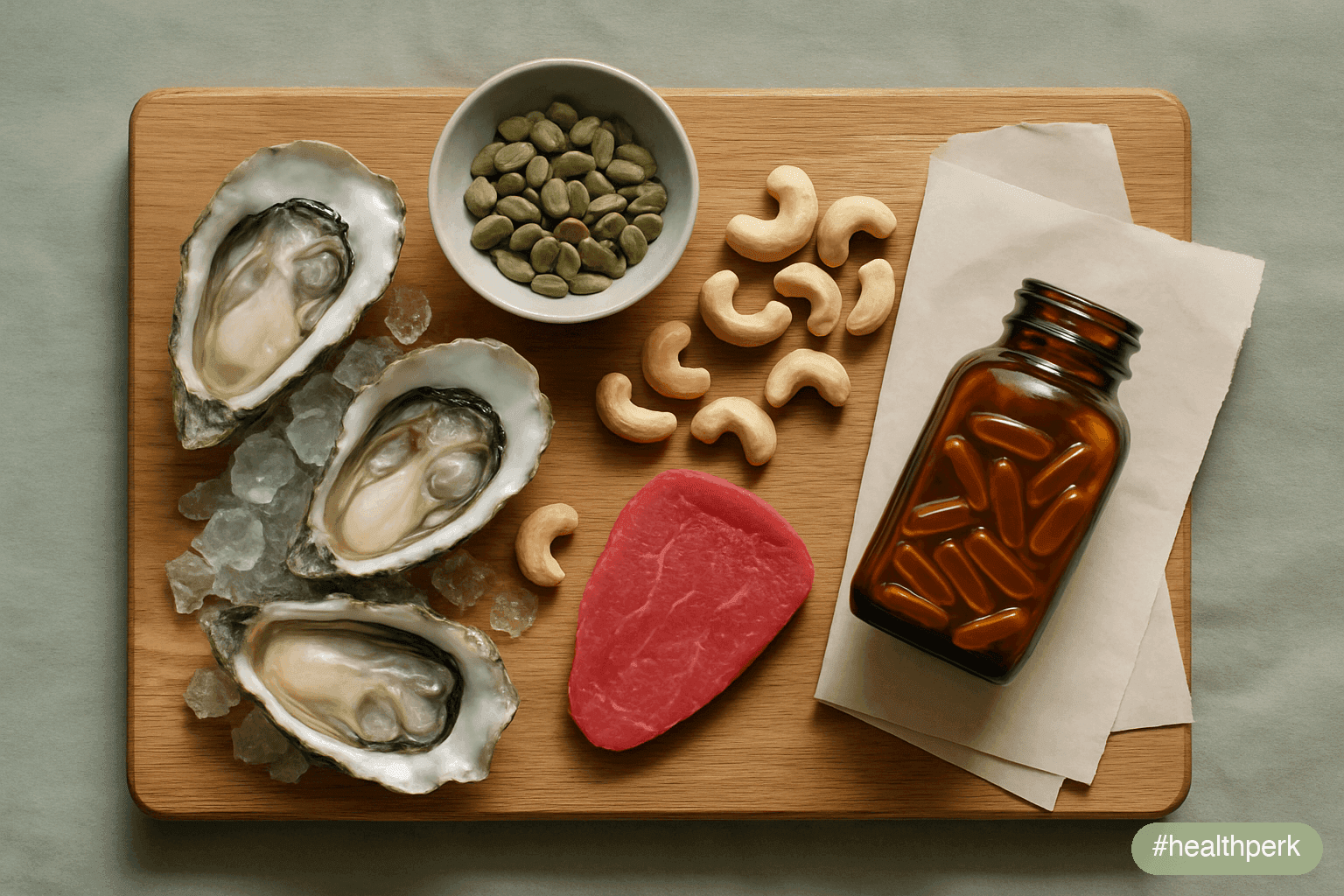
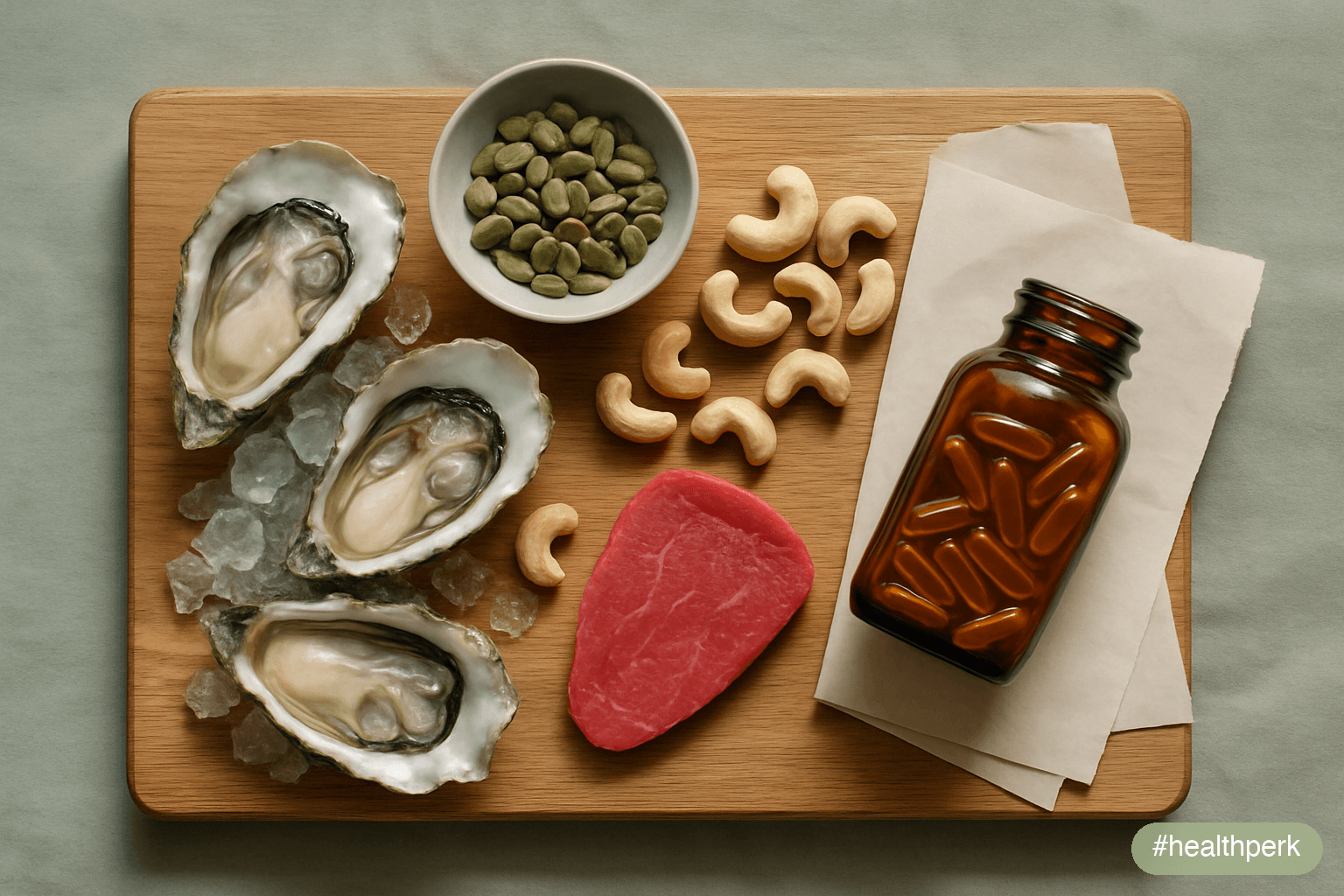
Dietary sources cluster around animal proteins. Oysters are extraordinarily concentrated (≈74 mg per 100 g, the highest of any food). Beef, lamb, pork, poultry, eggs, and dairy provide steady contributions. Plant sources include pumpkin seeds, hemp seeds, cashews, lentils, chickpeas, and whole grains — with the practical caveat that plant zinc is bound to phytate, which can reduce absorption by 20–50%. Soaking, sprouting, sourdough fermentation, and leavening reduce phytate and improve plant zinc bioavailability.
For supplements, the form on the label matters in three practical ways:
- Elemental zinc, not compound weight, is what is dosed. A 220 mg zinc sulfate tablet provides about 50 mg elemental zinc. A 50 mg zinc gluconate tablet provides about 7 mg elemental zinc. Always read the "elemental zinc" line on the Supplement Facts panel.
- Bioavailability varies modestly across forms. Head-to-head absorption studies generally rank chelated forms (zinc bisglycinate, zinc picolinate) and organic salts (zinc citrate, zinc acetate, zinc gluconate) somewhat above inorganic salts (zinc sulfate) and well above zinc oxide. The differences are usually 10–25%, not orders of magnitude. Zinc oxide should be avoided where possible despite being inexpensive.
- Food matrix and competing minerals matter. Zinc absorption is reduced by simultaneous high-dose calcium, iron, and phytate, and by very high dietary fiber. It is improved by protein, particularly animal protein. For supplements: take with a small protein-containing snack or meal, separated from high-dose iron or calcium by at least two hours.
Zinc Deficiency Symptoms: What Is Real, What Is Marketing, and How It Is Diagnosed
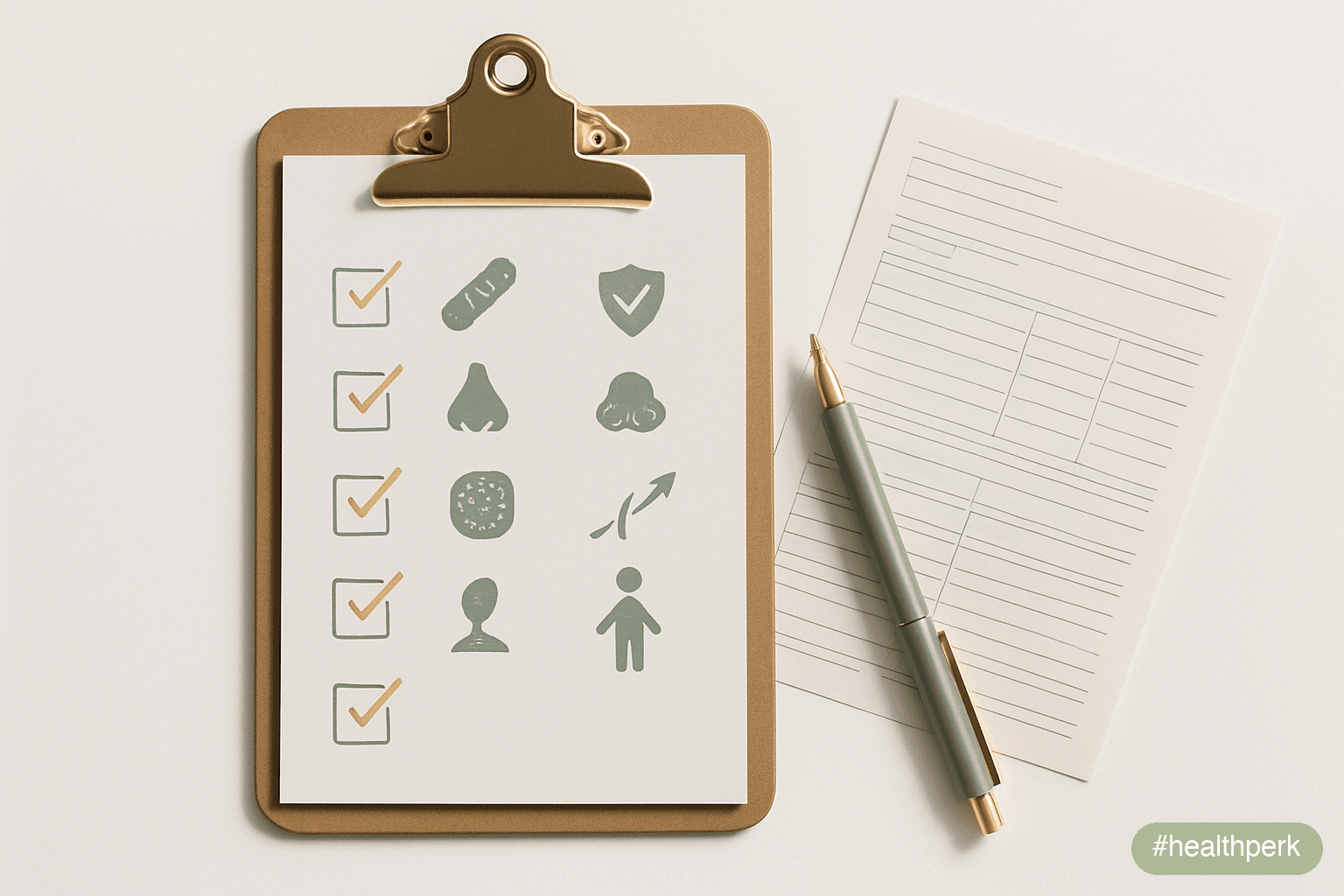
Zinc deficiency symptoms in adults are usually subtle and easy to misattribute, which is why the supplement market for "zinc deficiency support" outpaces the actual population prevalence of clinical deficiency. The defensible 2026 clinical picture distinguishes three settings: severe deficiency (rare in developed countries, dramatic and recognizable), moderate deficiency (uncommon, with a real but partly overlapping symptom set), and "marginal" status (common, hard to define, and the area where consumer marketing is most aggressive).
Validated symptoms of moderate-to-severe deficiency:
- Impaired wound healing and slow recovery from surgery or burns
- Recurrent infections (respiratory, gastrointestinal, skin)
- Diarrhea, particularly in children in low-income settings (a well-validated WHO indication for therapeutic zinc)
- Changes in taste (hypogeusia, dysgeusia) and smell (anosmia, hyposmia)
- Loss of appetite and unexplained weight loss
- Dermatitis, especially around the mouth, eyes, nose, and perineum — at the extreme, the acrodermatitis enteropathica picture in inherited zinc malabsorption
- Diffuse hair shedding (telogen effluvium pattern, see hair loss section below)
- Growth retardation and delayed puberty in adolescents
- Hypogonadism and impaired spermatogenesis in adult males
- Impaired dark adaptation and night vision (zinc is required for retinol metabolism)
- Mood and cognitive changes in the context of severe deficiency
Populations at meaningful risk for zinc deficiency in 2026:
- Adults with malabsorptive conditions: Crohn's disease, celiac disease, short-bowel syndrome, post-bariatric-surgery adults
- Adults with chronic diarrhea or repeated GI losses
- Adults with chronic alcohol use (impaired absorption plus increased urinary loss)
- Adults on long-term high-dose diuretics, particularly thiazides and loop diuretics
- Vegetarians and especially vegans with low intake from cereals and legumes and high phytate burden
- Older adults with reduced dietary intake or polypharmacy
- Pregnant and lactating adults whose intake has not adjusted upward
- Adults on long-term proton pump inhibitors (gastric acid is required for zinc release from food)
How zinc status is diagnosed in 2026:
Plasma or serum zinc is the most widely used marker, but it is imperfect: it falls in acute inflammation independent of body stores, and it does not detect mild deficiency reliably. A morning fasted sample, drawn before food, mineral supplements, or contrast media, is the standard. Plasma zinc below approximately 70 µg/dL (10.7 µmol/L) in adult women and below approximately 74 µg/dL (11.3 µmol/L) in adult men, in the absence of acute inflammation, supports a diagnosis of deficiency. Many clinicians supplement on the basis of clinical picture plus risk factors when the lab value is borderline, because the cost and risk of a 4–8-week therapeutic trial are low.
Supportive labs that contextualize a low zinc value:
- Serum copper and ceruloplasmin — to rule out iatrogenic copper depletion from prior zinc supplementation
- C-reactive protein — to interpret zinc in the context of acute-phase response
- Albumin — zinc is largely albumin-bound; hypoalbuminemia lowers measured plasma zinc without true deficiency
- Alkaline phosphatase — a zinc-dependent enzyme; persistently low values raise suspicion of zinc deficiency
What does not reliably indicate zinc deficiency in an otherwise well adult: white spots on the fingernails (these are a normal post-traumatic finding), generic fatigue, sleep issues, anxiety, or "brain fog" without other features. Marketing pages that list these as zinc deficiency symptoms are not aligned with the validated 2026 clinical literature.
How Much Zinc Per Day: 2026 RDAs, Upper Limits, and Goal-Specific Doses
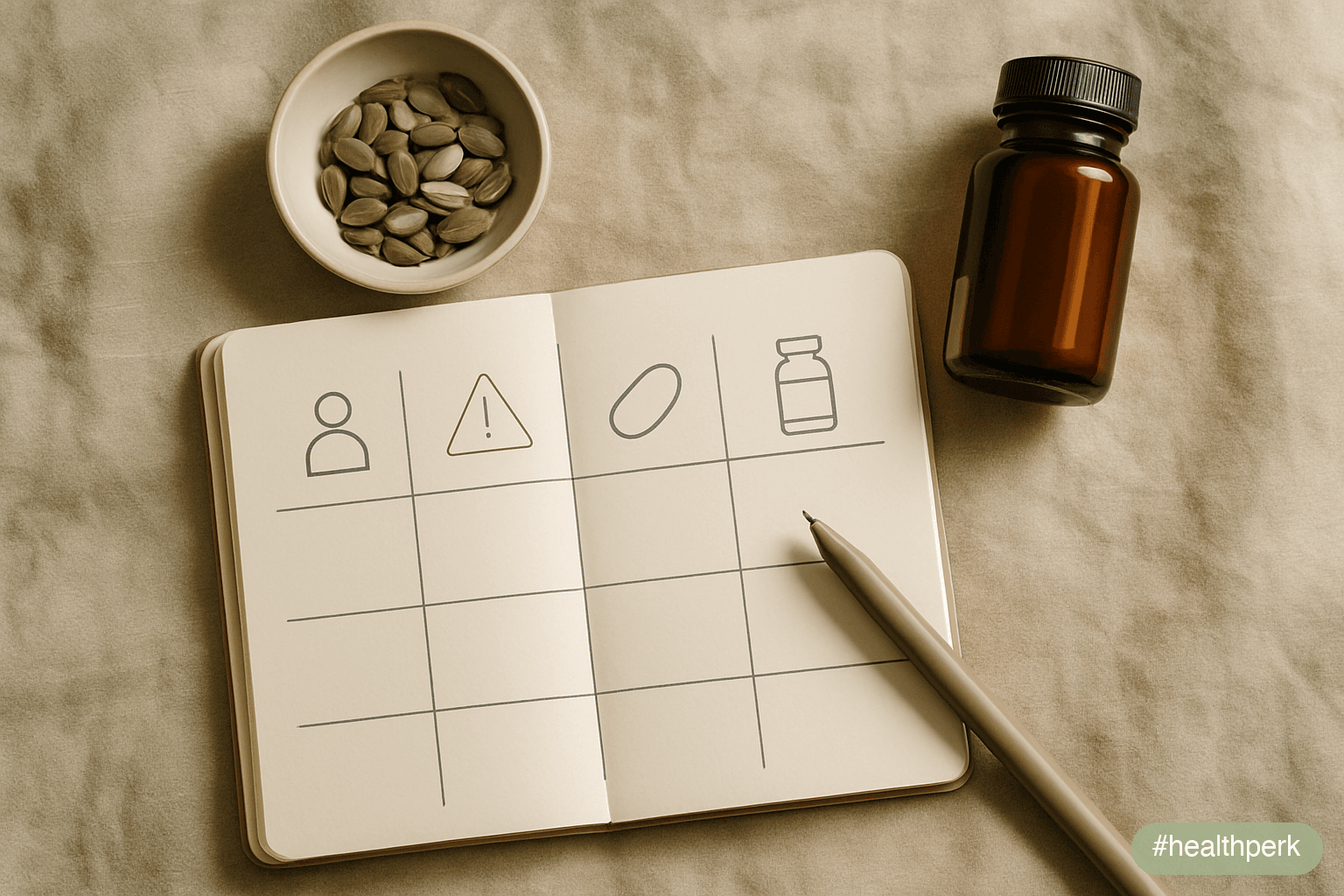
How much zinc per day is, like most micronutrient questions, only answerable when the goal is specified. The numbers that matter cluster into four columns: maintenance RDA, tolerable upper limit, acute cold-lozenge dosing, and therapeutic correction of a confirmed deficiency.
US dietary reference values (Institute of Medicine / National Academies, basis of US nutrition labeling in 2026):
- RDA, adult men 19+: 11 mg/day elemental zinc
- RDA, adult women 19+: 8 mg/day elemental zinc
- RDA, pregnancy: 11 mg/day (ages 19+) or 12 mg/day (ages 14–18)
- RDA, lactation: 12 mg/day (ages 19+) or 13 mg/day (ages 14–18)
- Tolerable Upper Intake Level, adults: 40 mg/day elemental zinc from all sources combined
European Food Safety Authority (EFSA, 2014, reaffirmed through 2024 updates):
- Adequate Intake, adult men: 9.4–16.3 mg/day, depending on dietary phytate intake (higher phytate → higher zinc requirement)
- Adequate Intake, adult women: 7.5–12.7 mg/day, depending on dietary phytate
- Tolerable Upper Intake Level, adults: 25 mg/day (lower than the US value, partly reflecting different copper-status modeling assumptions)
Doses with reproducible 2026 trial evidence:
- Acute common cold treatment. Zinc lozenges providing 75–100 mg/day of elemental zinc (typically zinc acetate or zinc gluconate without competing chelators like citric acid or mannitol), started within 24 hours of symptom onset, and continued for no more than 7 days. Pooled meta-analyses show roughly a 1-day reduction in symptom duration. The form, dose, and timing all matter; nasal zinc gels have been associated with anosmia and are not recommended.
- Therapeutic correction of confirmed zinc deficiency. Typically 25–50 mg/day elemental zinc for 4–8 weeks, then re-evaluation with serum zinc and copper. Doses at or above 40 mg/day for more than 2–3 months require concurrent copper monitoring or supplementation.
- Age-related macular degeneration (AREDS2 formulation). 80 mg/day elemental zinc, paired with 2 mg/day copper to prevent depletion. This is a clinician-supervised use, not a general-adult recommendation.
- Daily preventive supplementation in already-replete adults. Trial evidence does not support a clinically meaningful reduction in respiratory infection incidence or severity. A small daily supplement (5–15 mg) is reasonable for adults with marginal dietary intake but does not need to be high-dose.
Practical translation for 2026:
- For a generally healthy adult with a varied diet including animal protein, additional supplementation is rarely necessary. Total intake at or near the RDA from food is the goal.
- For vegetarians and vegans, a daily 5–15 mg supplement (zinc bisglycinate, citrate, or picolinate) is reasonable, taken with a protein-containing meal and separated from high-dose iron or calcium.
- For adults with malabsorption, chronic alcohol use, or symptomatic deficiency, 25–50 mg/day for a defined 4–8-week period with lab follow-up.
- For acute cold onset, lozenges providing 75–100 mg/day elemental zinc started within 24 hours of symptoms, for no more than 7 days.
- Sustained intake above 40 mg/day elemental zinc requires clinician oversight and concurrent copper attention.
The upper limit is real. Sustained intake above 40 mg/day depletes copper through induction of intestinal metallothionein, which binds copper preferentially and eliminates it in shed enterocytes. Copper deficiency from chronic high-dose zinc has caused sideroblastic anemia, neutropenia, and irreversible myelopathy in case series. The supplement-aisle assumption that "more is better" is wrong for zinc in a clinically meaningful way.
Deficiency That Causes Hair Loss: Where Zinc Fits in the Differential
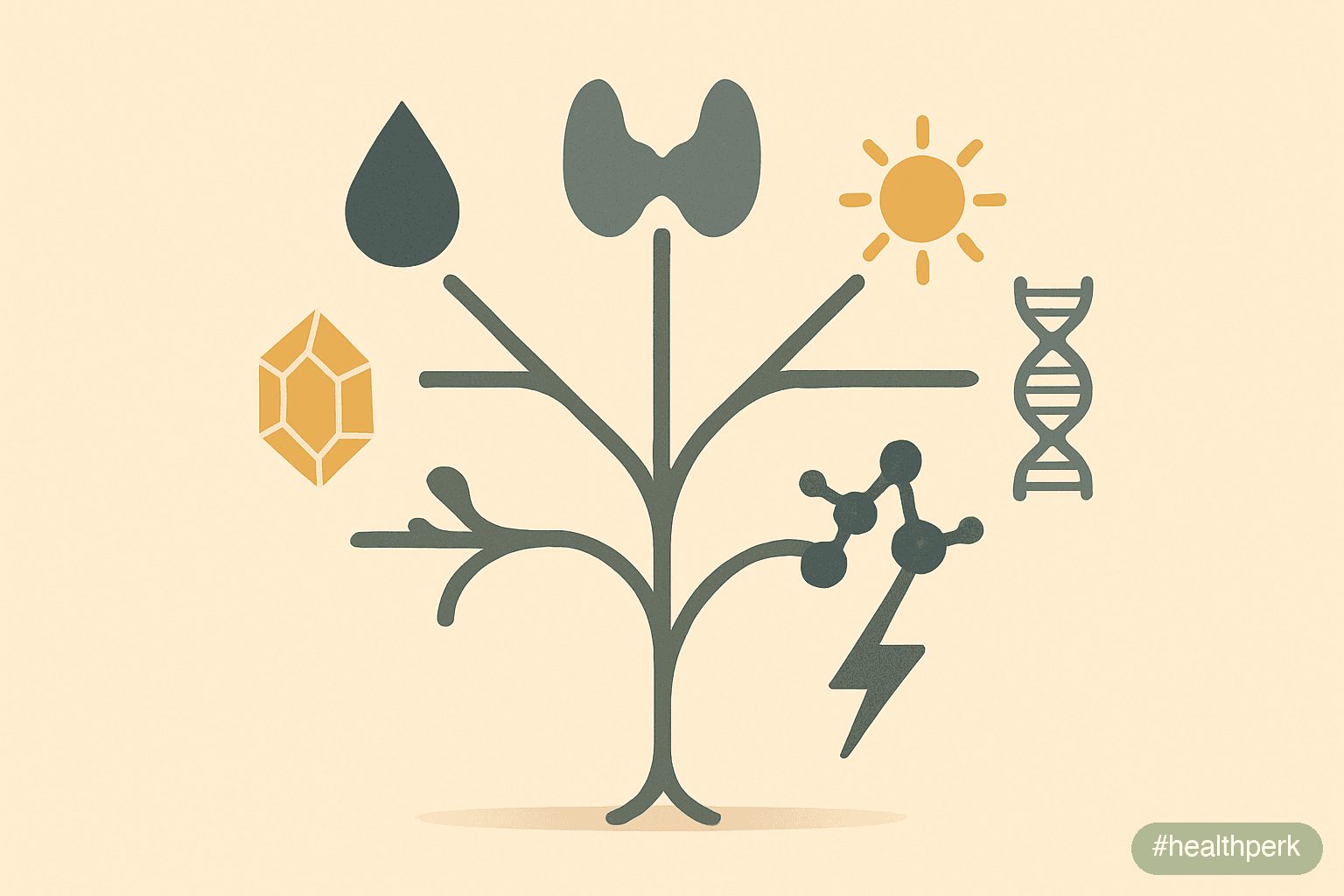
Deficiency that causes hair loss is one of the most-searched dermatology queries in 2026, and the honest clinical answer is that several nutritional deficits can drive diffuse hair shedding — and zinc is one of them, but neither the most common nor the first to test. The most defensible 2026 framing treats hair loss as a clinical differential rather than a one-supplement story.
The two main shedding patterns relevant to deficiency:
- Telogen effluvium: a diffuse, non-scarring shed in which a larger-than-usual proportion of hairs prematurely enters the resting (telogen) phase and is shed roughly 2–4 months later. Triggers include acute illness, surgery, childbirth, high fever, dramatic weight loss, severe stress, certain medications, and a defined set of nutritional deficiencies.
- Anagen effluvium: shedding of actively growing hairs, most commonly from chemotherapy. Not typically a nutritional pattern.
Nutritional deficits with the strongest 2026 evidence for contribution to diffuse hair shedding:
- Iron deficiency (with or without anemia). The most common nutritionally-driven contributor in menstruating adults; serum ferritin below 30 ng/mL, and certainly below 15 ng/mL, is associated with telogen effluvium even when hemoglobin is normal. Correction restores normal cycling within 3–6 months.
- Protein and caloric inadequacy (very-low-calorie diets, eating disorders, post-bariatric malnutrition). Hair follicles are metabolically active and respond rapidly to anabolic insufficiency.
- Zinc deficiency. Validated in cases of acrodermatitis enteropathica, after bariatric surgery, in malabsorptive disease, and in adults on long-term parenteral nutrition without adequate trace-mineral supplementation. In otherwise healthy adults with normal serum zinc, supplementation does not improve hair density or shedding.
- Vitamin D. Low 25(OH)D has been associated with telogen effluvium and alopecia areata in observational studies; trial evidence for supplementation as a hair-regrowth strategy in already-replete adults is weak.
- Biotin deficiency. Genuinely rare. Marketed aggressively. Almost all consumer biotin supplementation is supraphysiologic and lacks evidence for cosmetic effect in adults without true deficiency. Of clinical concern: high-dose biotin interferes with several lab immunoassays, including TSH and troponin.
- Selenium deficiency (rare in developed-country diets, can cause hair loss); selenium excess also causes hair loss, often more dramatically.
- B12 and folate deficiency in the context of macrocytic anemia and chronic ill-health.
Where zinc fits in the practical workup:
A reasonable 2026 nutritional workup for diffuse hair shedding includes serum ferritin, TSH, free T4, 25(OH)D, vitamin B12, and a basic complete blood count. Serum zinc and copper are appropriate add-ons in adults with risk factors for malabsorption, bariatric surgery, alcohol use, very restrictive diet, or co-occurring features of zinc deficiency (slow wound healing, taste changes, skin changes, recurrent infections). Empirical zinc supplementation at 25–50 mg/day for 8 weeks is reasonable if the picture is consistent with deficiency or if testing confirms it. Empirical zinc supplementation in adults with normal status and no risk factors is unlikely to improve hair outcomes and carries the chronic copper-depletion risk at sustained intake above 40 mg/day.
What does not belong in the workup: indiscriminate "hair, skin, and nails" multivitamins delivering pharmacologic biotin, "thick hair" proprietary blends, or expensive trace-mineral panels marketed direct-to-consumer. The clinically informative panel is short and inexpensive.
Supplements for Weight Loss: Where Zinc Sits in an Otherwise Thin Evidence Map
Supplements for weight loss is one of the most heavily marketed and least evidence-supported corners of the 2026 supplement aisle. The honest synthesis is that no over-the-counter supplement produces clinically meaningful weight loss in adults eating to maintenance. The compounds that have any signal at all produce small effects (1–3 kg over months) that are easily erased by trial-design noise. Zinc sits in this category, with a narrower nuance than the others.
The 2026 evidence map, briefly:
- Caffeine. Small, transient effect on resting energy expenditure and fat oxidation; tolerance develops within days; not a viable long-term weight-loss strategy.
- Green tea extract (EGCG). Meta-analyses show roughly 1–2 kg additional weight loss over 12 weeks, often not reaching clinical significance once heterogeneity and dropout are accounted for. Hepatotoxicity at high doses, particularly fasted, is a real concern (multiple regulator advisories since 2018).
- Glucomannan and viscous soluble fibers. Modest appetite and satiety effects when taken before meals with water; safety profile favorable; weight-loss effect inconsistent.
- Conjugated linoleic acid (CLA). Small body-composition signal in some trials, none in others, with insulin-resistance signals at high chronic intake. Not recommended in 2026.
- L-carnitine, raspberry ketones, garcinia cambogia, forskolin, white kidney bean extract. Negligible to no evidence; some are associated with hepatotoxicity or contamination concerns.
- Chromium picolinate. Negligible meta-analytic effect on body weight.
- GLP-1 receptor agonists (semaglutide, tirzepatide, etc.). These are prescription pharmacotherapies, not supplements. They produce 10–25% weight loss in trials and have transformed obesity medicine; conflating them with the supplement aisle is a category error.
- Berberine. Sometimes called "nature's Ozempic" — this is marketing. Berberine produces modest improvements in glycemic markers and approximately 2–3 kg weight loss in some trials, with substantial GI side-effect burden and meaningful drug interactions. It is not equivalent to GLP-1 therapy.
Where zinc sits specifically:
Zinc is not a weight-loss supplement in the same sense as the compounds above. Its relevance to body weight is more clinical than pharmacological:
- Zinc deficiency causes anorexia and unintended weight loss, particularly in older adults, hospitalized adults, and adults with chronic illness. Correcting deficiency improves taste, appetite, and intake — which can increase body weight in adults who were losing it.
- Adequate zinc supports insulin sensitivity and pancreatic β-cell function. Trials in adults with prediabetes and type 2 diabetes show modest improvements in fasting glucose and HbA1c with zinc supplementation. Whether this translates to body composition changes is not established.
- Severe caloric restriction and bariatric surgery commonly produce zinc deficiency through reduced intake and reduced absorption. Adults pursuing aggressive weight loss programs should have zinc status monitored, particularly post-bariatric.
- Zinc has no defensible role as a "metabolism booster" in adults with normal zinc status.
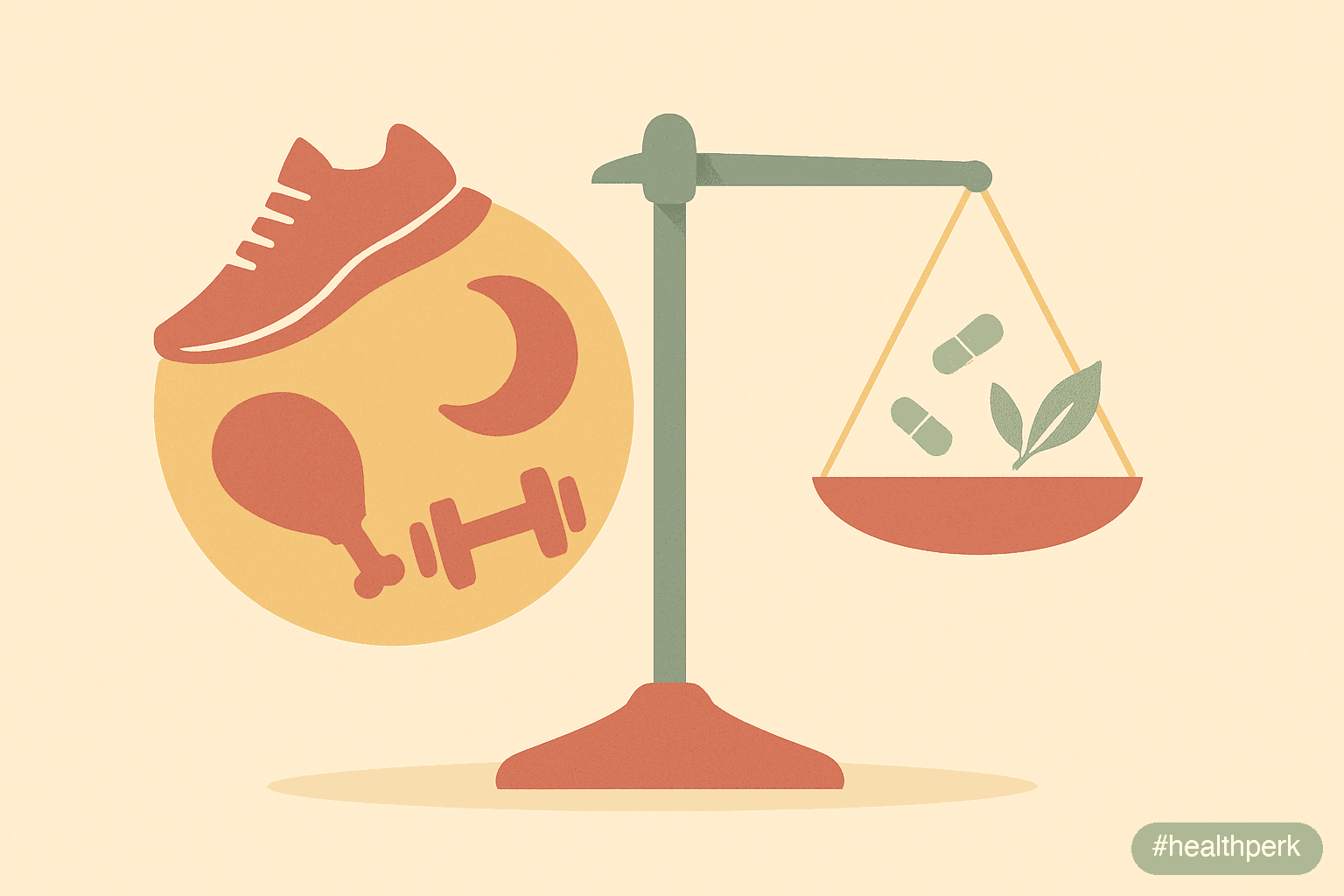
Practical translation: if your goal is weight loss in 2026, the supplement aisle is a low-leverage place to spend attention. Sleep, protein intake, resistance training, structured caloric awareness, and — where appropriate and clinically indicated — prescription pharmacotherapy do nearly all the work. Zinc is worth considering only if you have risk factors for deficiency (vegetarian/vegan diet, bariatric surgery, malabsorptive disease, very-low-calorie regimen, chronic alcohol use), in which case 10–15 mg/day of zinc bisglycinate or citrate as part of a routine, not as a weight-loss intervention.
Related Articles on HealthPerk
Explore more on this topic:
- How to Choose Supplements Safely
- Supplement Routine for Beginners
- Can You Take Multiple Supplements Together?
- Magnesium Benefits for Sleep and Anxiety
- Vitamin D Deficiency Symptoms
- Omega 3 Benefits for Brain Health
Frequently Asked Questions
What are the main zinc benefits for immunity?
Zinc is required for the development and signaling of T-lymphocytes, natural killer cells, and neutrophils, for the structural integrity of skin and mucosal barriers, and for the function of more than 300 enzymes including those involved in antibody production. Correcting zinc deficiency reliably restores immune competence. In adults who are already replete, additional zinc does not measurably reduce respiratory infection incidence. The single best-characterized acute benefit is in the common cold: lozenges providing 75–100 mg/day of elemental zinc, started within 24 hours of symptom onset, shorten cold duration by roughly one day. Sustained intake above 40 mg/day impairs immunity through copper depletion.
What does Zinc actually do in the body?
Zinc is an essential trace mineral and divalent cation (Zn²⁺) that the adult body stores in roughly 2–3 grams across skeletal muscle, bone, skin, liver, kidney, and eye. It plays three functional roles: catalytic (cofactor for 300+ enzymes including alkaline phosphatase, carbonic anhydrase, and DNA/RNA polymerases), structural (the central ion of zinc-finger transcription factors that account for 8–10% of the human proteome), and regulatory (modulating thymulin, NF-κB inflammation, and metallothionein-mediated trace-metal handling). There is no large storage organ, so status depends on continuous dietary intake from animal proteins (oysters, beef, poultry, dairy) and, less efficiently, plant sources (pumpkin seeds, legumes, whole grains).
What are the real zinc deficiency symptoms?
Validated symptoms of moderate-to-severe deficiency include slow wound healing, recurrent infections, diarrhea, changes in taste and smell (hypogeusia, anosmia), loss of appetite, dermatitis around mouth/eyes/nose/perineum, diffuse hair shedding, growth retardation and delayed puberty in adolescents, hypogonadism in adult males, impaired dark adaptation, and in severe cases mood and cognitive changes. Populations at meaningful risk in 2026 are adults with malabsorptive disease, chronic alcohol use, bariatric surgery, very-restrictive diets, long-term proton pump inhibitor use, and older adults with low intake. Diagnosis combines clinical picture with morning fasted serum zinc (below ~70 µg/dL in women, ~74 µg/dL in men), interpreted alongside copper, ceruloplasmin, CRP, and albumin.
How much zinc per day should I take?
For maintenance, the US RDA is 11 mg/day for adult men and 8 mg/day for adult women (11–13 mg/day during pregnancy and lactation). The US tolerable upper intake level is 40 mg/day elemental zinc from all sources. For acute common cold onset, lozenges providing 75–100 mg/day elemental zinc started within 24 hours of symptoms and continued for no more than 7 days have a roughly 1-day duration-reducing effect. For confirmed deficiency, 25–50 mg/day for 4–8 weeks under clinician follow-up. For vegetarians and vegans, a modest daily 5–15 mg supplement is reasonable. Sustained intake above 40 mg/day requires concurrent copper monitoring because chronic high-dose zinc depletes copper and can cause anemia, neutropenia, and myelopathy.
Is zinc the deficiency that causes hair loss?
Zinc deficiency is a deficiency that contributes to diffuse hair shedding (telogen effluvium), but it is neither the most common nor the first thing to test in 2026. The most common nutritional contributor to diffuse shedding in menstruating adults is iron deficiency (serum ferritin below 30 ng/mL). Other relevant contributors include protein and caloric inadequacy, vitamin D status, and rarely biotin or selenium deficiency. A reasonable nutritional workup includes ferritin, TSH, free T4, 25(OH)D, B12, and CBC. Zinc and copper are appropriate add-ons in adults with malabsorption, bariatric surgery, alcohol use, very restrictive diet, or other features of zinc deficiency. Empirical high-dose zinc in adults with normal status is unlikely to help hair and carries copper-depletion risk.
Where does zinc sit among supplements for weight loss?
Zinc is not a weight-loss supplement in the conventional sense. The supplement aisle for weight loss is broadly low-evidence in 2026: caffeine, green tea extract, glucomannan, CLA, chromium, L-carnitine, garcinia, raspberry ketones, and forskolin produce either small or no clinically meaningful effects. GLP-1 receptor agonists (semaglutide, tirzepatide) are prescription pharmacotherapy, not supplements, and should not be conflated with the aisle. Zinc's relevance is clinical: deficiency causes anorexia and weight loss (correcting it can increase weight in those who were losing it), zinc supports insulin sensitivity, and severe caloric restriction or bariatric surgery commonly produces deficiency. Use zinc to correct or prevent deficiency in those contexts, not as a metabolism booster.
Which form of zinc supplement should I buy?
Look at the "elemental zinc" line on the Supplement Facts panel, not the compound weight. Head-to-head absorption studies favor chelated forms (zinc bisglycinate, zinc picolinate) and organic salts (zinc citrate, zinc acetate, zinc gluconate) over inorganic salts (zinc sulfate) and especially over zinc oxide, which is inexpensive but poorly absorbed. Differences between the better forms are typically 10–25%, not enormous. Take the supplement with a small protein-containing meal, separated from high-dose iron or calcium by at least two hours. For acute cold lozenges specifically, zinc acetate or zinc gluconate lozenges without citric acid or mannitol (which chelate the free Zn²⁺ ion away from oral receptors) are the trial-validated choice.
Can zinc supplements interact with medications?
Yes. Zinc reduces the absorption of several antibiotic classes (tetracyclines, fluoroquinolones) and should be separated by at least two hours. It can reduce penicillamine and bisphosphonate absorption. Conversely, thiazide and loop diuretics increase urinary zinc loss and may raise zinc requirements. Long-term proton pump inhibitor therapy impairs zinc absorption from food and increases the case for modest supplementation. High-dose zinc above 40 mg/day depletes copper and can lead to sideroblastic anemia and neutropenia; concurrent copper (usually 1–2 mg/day) is standard when prolonged high-dose zinc is medically necessary (as in the AREDS2 ophthalmologic regimen). Adults on long-term high-dose zinc should have periodic copper and complete-blood-count monitoring.
This article is for informational purposes only and does not constitute medical advice. Zinc supplementation above 40 mg/day elemental zinc, in adults with malabsorptive disease, on long-term proton pump inhibitor or diuretic therapy, during pregnancy and lactation, or as part of a weight-management or hair-loss workup, should be discussed with a qualified clinician. Persistent symptoms warrant clinical evaluation rather than self-supplementation. Individual results may vary.
About the author The HealthPerk Editorial Team reviews nutritional and supplement research through evidence synthesis cross-referenced with peer-reviewed clinical trials, Cochrane reviews, and clinical practice guidelines. Our supplement content is reviewed for medical accuracy against current internal medicine and nutritional science standards. How we review →
References
Office of Dietary Supplements, National Institutes of Health. (2024). Zinc: Fact Sheet for Health Professionals. U.S. Department of Health and Human Services. https://ods.od.nih.gov/factsheets/Zinc-HealthProfessional/
Supports: US RDAs for zinc, tolerable upper intake level of 40 mg/day, dietary sources, bioavailability considerations, and 2024 guideline references
Institute of Medicine, Food and Nutrition Board. (2001). Dietary Reference Intakes for Vitamin A, Vitamin K, Arsenic, Boron, Chromium, Copper, Iodine, Iron, Manganese, Molybdenum, Nickel, Silicon, Vanadium, and Zinc. National Academies Press. https://doi.org/10.17226/10026
Supports: foundational US dietary reference intakes for zinc and copper still in use in 2026 nutrition labeling
EFSA Panel on Dietetic Products, Nutrition and Allergies. (2014). Scientific opinion on dietary reference values for zinc. EFSA Journal, 12(10), 3844. https://doi.org/10.2903/j.efsa.2014.3844
Supports: EFSA adequate intakes for zinc adjusted for phytate intake, tolerable upper intake level of 25 mg/day in adults
Hemilä, H. (2017). Zinc lozenges and the common cold: A meta-analysis comparing zinc acetate and zinc gluconate, and the role of zinc dosage. JRSM Open, 8(5), 2054270417694291. https://doi.org/10.1177/2054270417694291
Supports: roughly 1-day reduction in common cold duration with zinc lozenges providing 75–100 mg/day elemental zinc started within 24 hours of symptom onset
Wessels, I., Maywald, M., & Rink, L. (2017). Zinc as a gatekeeper of immune function. Nutrients, 9(12), 1286. https://doi.org/10.3390/nu9121286
Supports: zinc's role in T-cell, NK cell, and neutrophil function, thymulin signaling, and the saturation rather than linear relationship between zinc intake and immune competence
Maxfield, L., Shukla, S., & Crane, J. S. (2024). Zinc Deficiency. In StatPearls. StatPearls Publishing. https://www.ncbi.nlm.nih.gov/books/NBK493231/
Supports: validated clinical zinc deficiency symptoms, populations at risk, diagnostic thresholds for serum zinc, and management of deficiency states
Almohanna, H. M., Ahmed, A. A., Tsatalis, J. P., & Tosti, A. (2019). The role of vitamins and minerals in hair loss: A review. Dermatology and Therapy, 9(1), 51–70. https://doi.org/10.1007/s13555-018-0278-6
Supports: differential of nutritional deficiencies that contribute to telogen effluvium and diffuse hair shedding, role of zinc within that differential alongside iron, vitamin D, biotin, and protein adequacy
Willis, M. S., Monaghan, S. A., Miller, M. L., McKenna, R. W., Perkins, W. D., Levinson, B. S., Bhushan, V., & Kroft, S. H. (2005). Zinc-induced copper deficiency: A report of three cases initially recognized on bone marrow examination. American Journal of Clinical Pathology, 123(1), 125–131. https://doi.org/10.1309/V6GVYW2QTYD5C5PJ
Supports: chronic high-dose zinc supplementation and copper depletion, with sideroblastic anemia and neutropenia documented on bone marrow examination
Onakpoya, I., Hung, S. K., Perry, R., Wider, B., & Ernst, E. (2011). The use of garcinia extract (hydroxycitric acid) as a weight loss supplement: A systematic review and meta-analysis of randomised clinical trials. Journal of Obesity, 2011, 509038. https://doi.org/10.1155/2011/509038
Supports: thin and inconsistent evidence base for over-the-counter weight-loss supplements, including the small magnitude of effect compared with prescription pharmacotherapy
Khorsandi, H., Nikpayam, O., Yousefi, R., Parandoosh, M., Hosseinzadeh, N., Saidpour, A., & Ghorbani, A. (2019). Zinc supplementation improves body weight management, inflammatory biomarkers and insulin resistance in individuals with obesity: A randomized, placebo-controlled, double-blind trial. Diabetology & Metabolic Syndrome, 11, 101. https://doi.org/10.1186/s13098-019-0497-8
Supports: small body-weight and insulin-sensitivity signals with zinc supplementation in adults with obesity, contextualizing the clinical (not pharmacological) role of zinc in weight management
Frequently Asked Questions
What are the main zinc benefits for immunity?
Zinc is required for the development and signaling of T-lymphocytes, natural killer cells, and neutrophils, for the structural integrity of skin and mucosal barriers, and for the function of more than 300 enzymes including those involved in antibody production. Correcting zinc deficiency reliably restores immune competence. In adults who are already replete, additional zinc does not measurably reduce respiratory infection incidence. The single best-characterized acute benefit is in the common cold: lozenges providing 75-100 mg/day of elemental zinc, started within 24 hours of symptom onset, shorten cold duration by roughly one day. Sustained intake above 40 mg/day impairs immunity through copper depletion.
What does Zinc actually do in the body?
Zinc is an essential trace mineral and divalent cation (Zn2+) that the adult body stores in roughly 2-3 grams across skeletal muscle, bone, skin, liver, kidney, and eye. It plays three functional roles: catalytic (cofactor for 300+ enzymes including alkaline phosphatase, carbonic anhydrase, and DNA/RNA polymerases), structural (the central ion of zinc-finger transcription factors that account for 8-10% of the human proteome), and regulatory (modulating thymulin, NF-kB inflammation, and metallothionein-mediated trace-metal handling). There is no large storage organ, so status depends on continuous dietary intake from animal proteins and, less efficiently, plant sources.
What are the real zinc deficiency symptoms?
Validated symptoms of moderate-to-severe deficiency include slow wound healing, recurrent infections, diarrhea, changes in taste and smell, loss of appetite, dermatitis around mouth/eyes/nose/perineum, diffuse hair shedding, growth retardation in adolescents, hypogonadism in adult males, impaired dark adaptation, and in severe cases mood and cognitive changes. Populations at risk in 2026 are adults with malabsorptive disease, chronic alcohol use, bariatric surgery, very-restrictive diets, long-term proton pump inhibitor use, and older adults with low intake. Diagnosis combines clinical picture with morning fasted serum zinc, interpreted alongside copper, ceruloplasmin, CRP, and albumin.
How much zinc per day should I take?
For maintenance, the US RDA is 11 mg/day for adult men and 8 mg/day for adult women (11-13 mg/day during pregnancy and lactation). The US tolerable upper intake level is 40 mg/day elemental zinc. For acute common cold onset, lozenges providing 75-100 mg/day elemental zinc started within 24 hours of symptoms and continued for no more than 7 days have a roughly 1-day duration-reducing effect. For confirmed deficiency, 25-50 mg/day for 4-8 weeks under clinician follow-up. Sustained intake above 40 mg/day requires concurrent copper monitoring because chronic high-dose zinc depletes copper.
Is zinc the deficiency that causes hair loss?
Zinc deficiency is one of several nutritional contributors to diffuse hair shedding (telogen effluvium), but it is neither the most common nor the first thing to test in 2026. The most common nutritional contributor in menstruating adults is iron deficiency (ferritin below 30 ng/mL). Other relevant contributors include protein and caloric inadequacy, vitamin D status, and rarely biotin or selenium deficiency. A reasonable nutritional workup includes ferritin, TSH, free T4, 25(OH)D, B12, and CBC. Zinc and copper are appropriate add-ons in adults with malabsorption, bariatric surgery, alcohol use, very restrictive diet, or other features of zinc deficiency.
Where does zinc sit among supplements for weight loss?
Zinc is not a weight-loss supplement in the conventional sense. The supplement aisle for weight loss is broadly low-evidence in 2026: caffeine, green tea extract, glucomannan, CLA, chromium, L-carnitine, garcinia, raspberry ketones, and forskolin produce either small or no clinically meaningful effects. GLP-1 receptor agonists are prescription pharmacotherapy, not supplements. Zinc's relevance is clinical: deficiency causes anorexia and weight loss, zinc supports insulin sensitivity, and severe caloric restriction or bariatric surgery commonly produces deficiency. Use zinc to correct or prevent deficiency in those contexts, not as a metabolism booster.
Which form of zinc supplement should I buy?
Look at the elemental zinc line on the Supplement Facts panel, not the compound weight. Head-to-head absorption studies favor chelated forms (zinc bisglycinate, zinc picolinate) and organic salts (zinc citrate, zinc acetate, zinc gluconate) over inorganic salts (zinc sulfate) and especially over zinc oxide. Differences between the better forms are typically 10-25%. Take with a small protein-containing meal, separated from high-dose iron or calcium by at least two hours. For acute cold lozenges, zinc acetate or zinc gluconate lozenges without citric acid or mannitol are the trial-validated choice.
Can zinc supplements interact with medications?
Yes. Zinc reduces the absorption of several antibiotic classes (tetracyclines, fluoroquinolones) and should be separated by at least two hours. It can reduce penicillamine and bisphosphonate absorption. Thiazide and loop diuretics increase urinary zinc loss and may raise zinc requirements. Long-term proton pump inhibitor therapy impairs zinc absorption. High-dose zinc above 40 mg/day depletes copper and can lead to sideroblastic anemia and neutropenia; concurrent copper (1-2 mg/day) is standard when prolonged high-dose zinc is medically necessary. Adults on long-term high-dose zinc should have periodic copper and complete-blood-count monitoring.
More from Supplements