Can You Take Multiple Supplements Together? A 2026 Evidence-Based Guide
Can You Take Multiple Supplements Together? A 2026 Evidence-Based Guide
By the HealthPerk Editorial Team · Last updated: May 2026
Quick Answer
Can you take multiple supplements together safely?
Most well-chosen supplements can be combined without issue, but a handful of specific pairs compete for absorption, interact with medications, or compound side effects, and those deserve real attention. In 2026 the practical rule for most healthy adults is: separate divalent minerals (calcium, iron, zinc, magnesium) by at least two hours when taken at high doses; take fat-soluble vitamins (D, E, K, omega-3) with a fat-containing meal; avoid stacking two products that contain the same nutrient (a multivitamin plus a separate vitamin D, for example); and never combine blood-thinning supplements (high-dose fish oil, vitamin E, ginkgo, garlic extract) with prescription anticoagulants without clinician oversight.
The short version of what can go together and what cannot:
| Combination | Verdict |
|---|---|
| Vitamin D + omega-3 + a fat-containing meal | Fine — both fat-soluble, absorption helps each other |
| Magnesium + zinc at the same dose, high doses | Separate by 2+ hours |
| Iron + calcium / coffee / tea | Separate by 1–2 hours |
| Multivitamin + a separate single-nutrient bottle of the same ingredient | Avoid — risk of cumulative overdose |
| Fish oil + warfarin / DOACs | Avoid without clinician sign-off |
| Probiotic + most other supplements | Fine — no meaningful interaction |
| St. John's wort + most prescription medications | Avoid — substantial drug interaction profile |
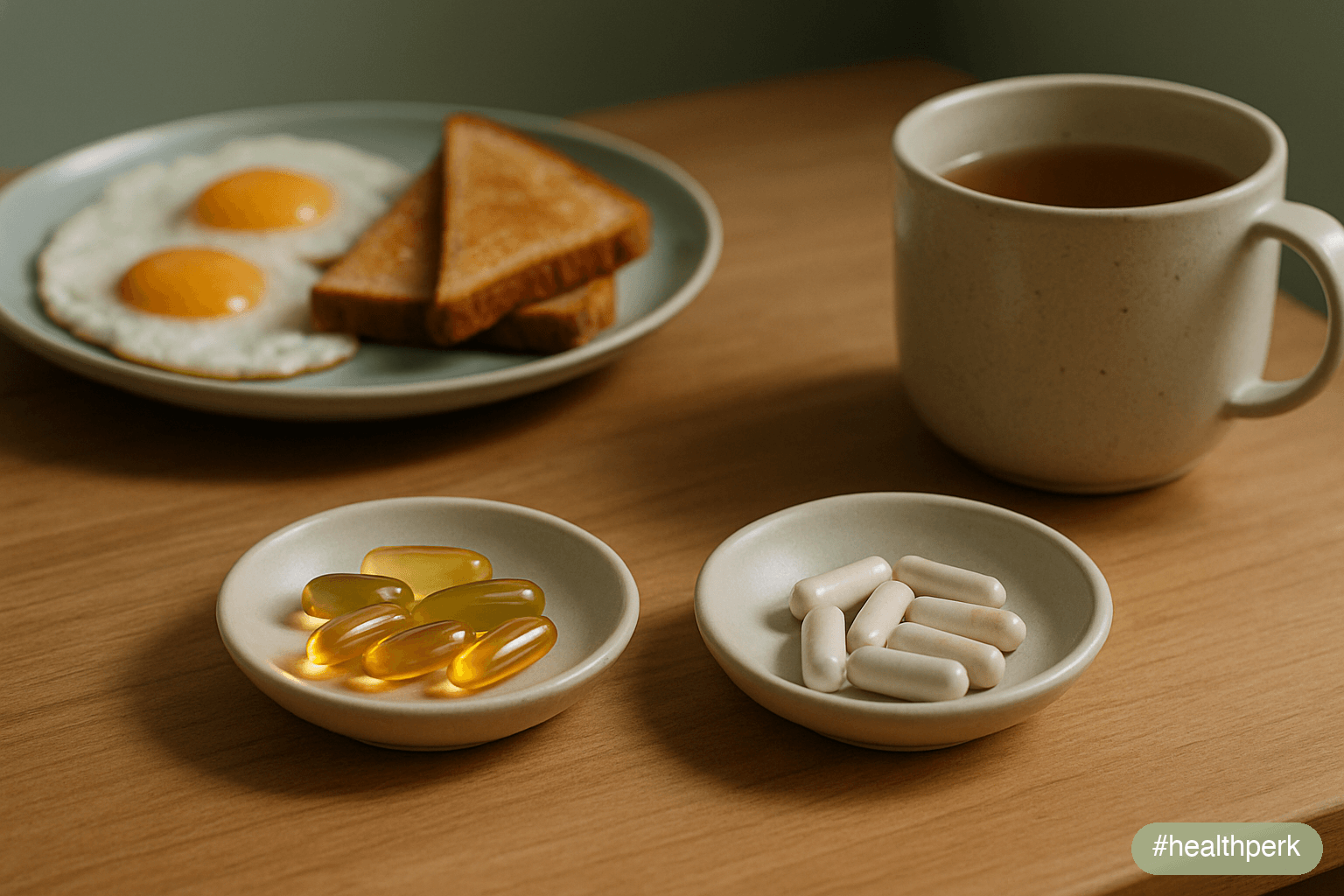
The question can you take multiple supplements together is one of the most searched supplement questions in 2026, and it has a more nuanced answer than either "yes, all fine" or "no, only one at a time." The right framing is that supplements behave like a small pharmacy: most pairings are safe and irrelevant, a small minority compete with each other for absorption or interact with prescription drugs, and the cost of getting the timing right is low. The cost of getting it wrong is rarely catastrophic, but it can quietly waste money — taking iron with coffee, for instance, can reduce iron absorption by up to 60% in some studies, which is the difference between repleting a deficiency and not.
This guide walks through the simple rules that cover most combinations, when separation by hours actually matters, how to think about stacking for a goal (energy, sleep, focus), and how to compare two of the most commonly co-supplemented minerals — magnesium and zinc — without overthinking the question.
Table of Contents
- How to Combine Supplements Safely: The Three Rules That Matter Most
- Supplement Stack for Energy: What Belongs and What Doesn't
- Supplement Stack for Sleep: An Evidence-Based Evening Routine
- Supplement Stack for Focus: Cognition Without the Pre-Workout Theater
- Magnesium vs Zinc Benefits: When to Pair Them and When to Separate Them
- Frequently Asked Questions
- References
How to Combine Supplements Safely: The Three Rules That Matter Most
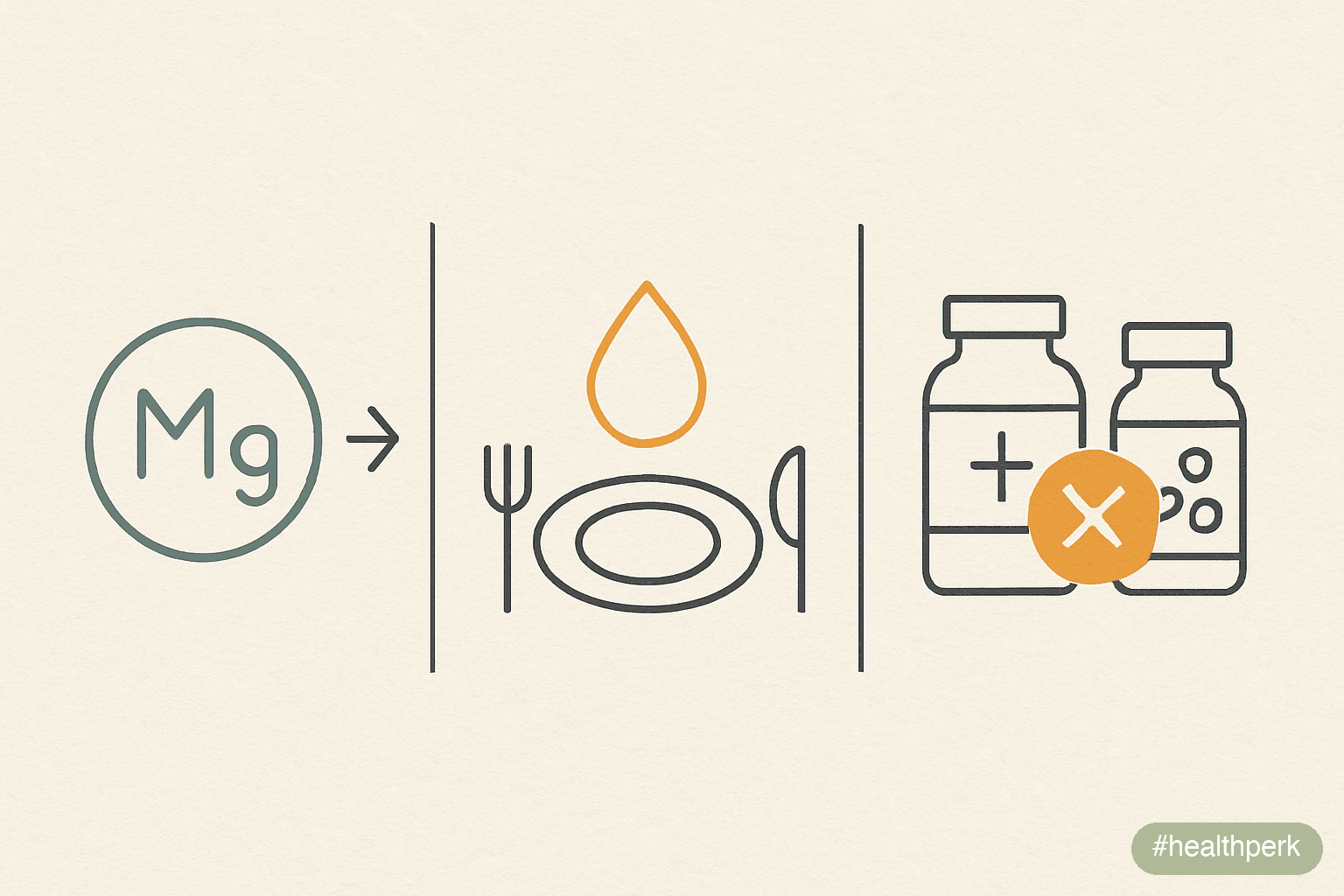
How to combine supplements safely comes down to three structural rules that handle the vast majority of real-world combinations. Layer on top of these whatever specific clinical interactions apply to medications you take, and the rest mostly falls into place.
Rule 1: Separate competing divalent minerals at high doses.
Calcium, iron, zinc, magnesium, and copper all share absorption pathways in the small intestine. When two are co-ingested at high doses, the more abundant mineral wins, and absorption of the other can drop substantially. The practical implications:
- Iron supplements should be taken at least 2 hours apart from calcium-rich foods, calcium supplements, and zinc supplements.
- Zinc supplements should be taken at least 2 hours apart from iron or high-calcium meals.
- A multivitamin containing modest doses of all of the above is not the same problem — the doses are too small to meaningfully compete. The issue arises with single-mineral supplements at therapeutic doses (e.g., 30–60 mg elemental iron, 30–50 mg zinc).
Rule 2: Anchor fat-soluble nutrients to a fat-containing meal.
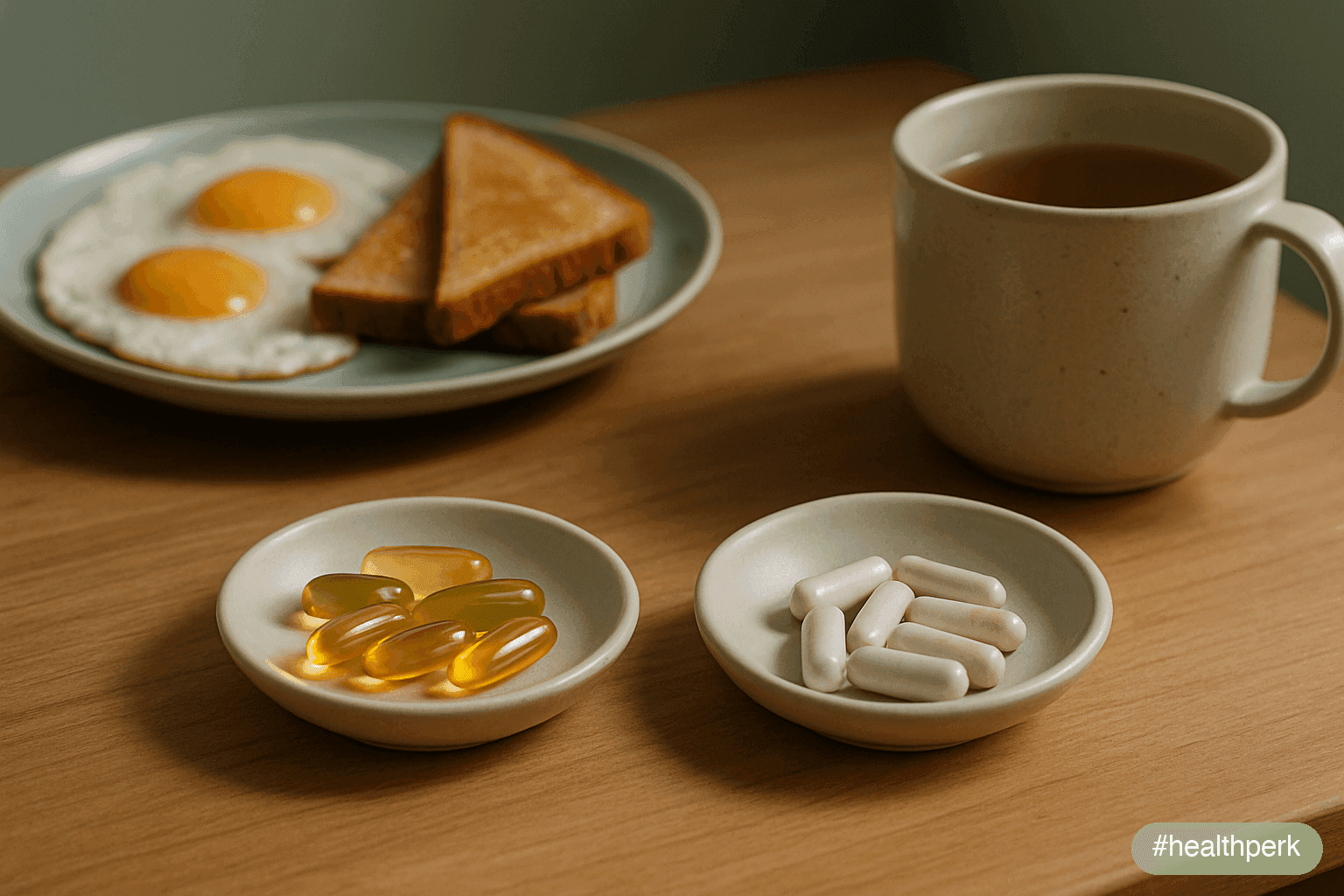
Vitamins A, D, E, K, and long-chain omega-3 fatty acids (EPA and DHA) require dietary fat for adequate absorption. Studies have demonstrated up to a 50% increase in vitamin D absorption when taken with a fat-containing meal versus on an empty stomach. Practical implications:
- Take vitamin D and omega-3 with breakfast (if breakfast contains fat) or with dinner.
- A multivitamin labelled "take with food" is following the same logic for its fat-soluble components.
- Co-administering vitamin D and omega-3 together is fine and may actually be slightly synergistic for absorption.
Rule 3: Never duplicate the same nutrient across multiple products without adding the doses.
This is the most common silent overdose pattern in 2026. An adult takes a multivitamin (containing 1,000 IU vitamin D), then adds a "bone health" combo (containing 2,000 IU vitamin D), then adds a standalone vitamin D bottle on a friend's recommendation (5,000 IU). The total daily intake is now 8,000 IU, approaching the safe upper limit of 10,000 IU and well above what is needed. The same issue applies to vitamin A (where chronic excess is genuinely harmful), iron (which should never be supplemented without testing first), and zinc (long-term high-dose zinc impairs copper absorption).
A simple audit: lay every supplement bottle on a table, write down the per-day dose of each ingredient, and add them up across products. Anything above the tolerable upper intake level (UL) deserves reconsideration.
Special category: medication interactions
The interactions that genuinely matter clinically are a short list, but they matter a lot:
- Anticoagulants (warfarin, DOACs). High-dose fish oil (>3 g/day), high-dose vitamin E, ginkgo biloba, garlic extract, and turmeric in concentrated forms can amplify bleeding risk. Vitamin K can counteract warfarin specifically.
- SSRIs and serotonergic medications. St. John's wort and high-dose 5-HTP carry serotonin syndrome risk in combination.
- Thyroid medications. Iron, calcium, and magnesium reduce levothyroxine absorption — separate by at least 4 hours.
- Statins. Red yeast rice contains monacolin K, a statin compound — should not be combined.
- Diabetes medications. Cinnamon extract, berberine, and chromium can compound glucose-lowering effects.
The defensive posture for anyone on regular prescription medication is to bring a printed list of every supplement (including dose and form) to the next clinician visit. Most interactions are manageable when known; very few are dangerous when unknown — but those few are worth the audit.
Supplement Stack for Energy: What Belongs and What Doesn't
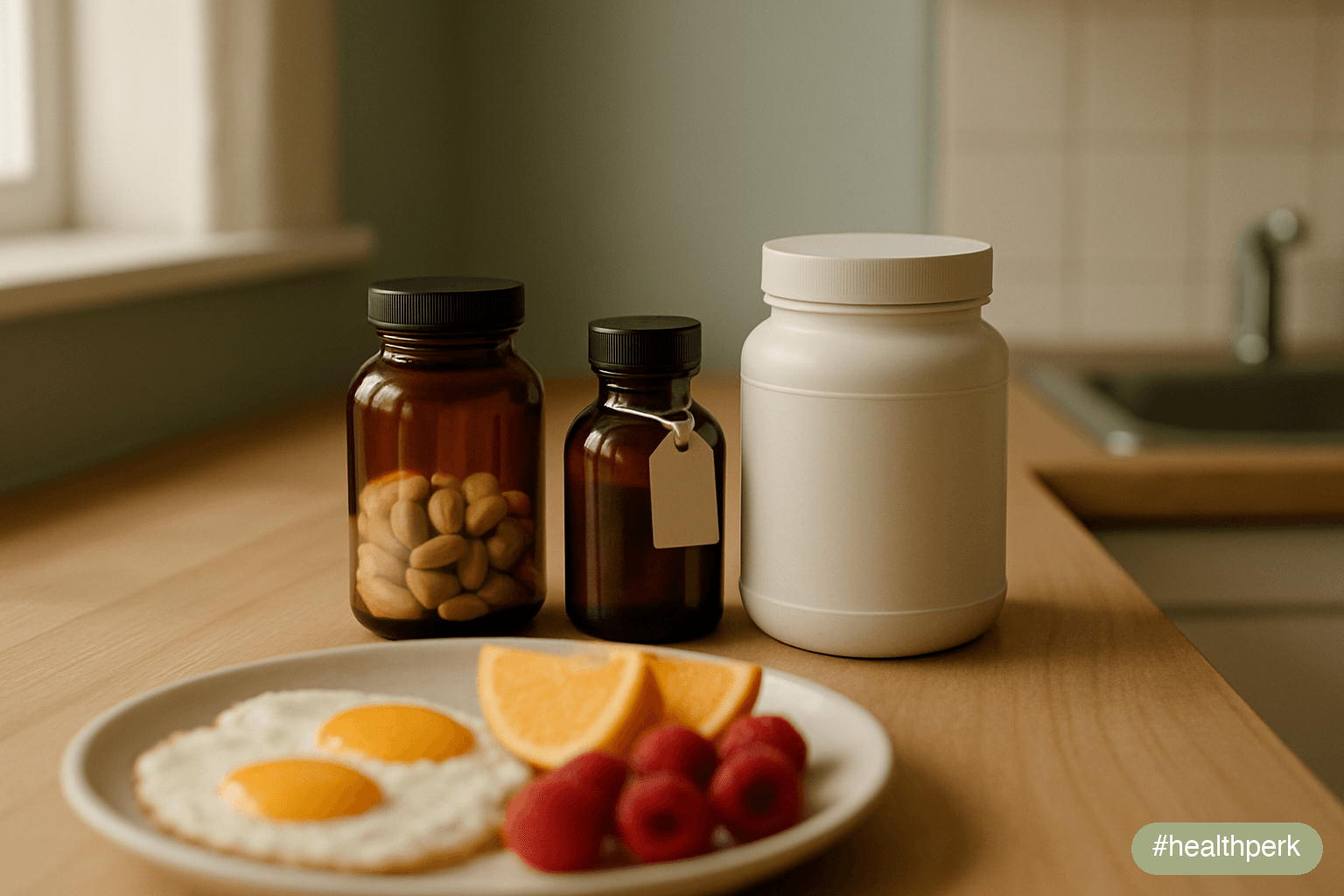
A supplement stack for energy is the most commercially exploited category in the supplement market, and also the one with the largest gap between marketing claims and clinical evidence. Most "energy formulas" are caffeine plus a sprinkle of B vitamins at sub-clinical doses. A defensible energy stack in 2026 looks much smaller and more boring than what the category sells.
The honest framework: most people who feel chronically low energy do not have an under-supplemented nutrient. They have a sleep deficit, an undiagnosed iron deficiency, an unrecognized thyroid issue, a poor cardio fitness baseline, or a clinical depression. Supplements help only when there is a documented gap to fill. With that caveat, the supplements with the best evidence for "energy" outcomes are:
- Iron (only if ferritin is low). This is the single highest-yield energy supplement in adults with confirmed iron deficiency or low ferritin (typically <30 ng/mL in many guidelines). The effect on fatigue is reproducible and clinically meaningful. In adults with normal ferritin, iron does nothing for energy and may cause harm long-term.
- Vitamin B12 (only if low). Adults with overt or marginal B12 deficiency — vegans, adults 60+, those on metformin or PPIs — report measurable improvements in fatigue and cognitive sluggishness when repleted. In replete adults, additional B12 is excreted unchanged.
- Vitamin D (if low). Repletion of vitamin D in deficient adults often correlates with subjective improvements in fatigue and mood. The effect in already-replete adults is essentially zero.
- Creatine monohydrate 3–5 g/day. Originally a strength supplement, creatine has accumulated evidence for reduced mental fatigue under sleep restriction and cognitive load, with a benign safety profile and decades of use. Not stimulant-like; it works by increasing intracellular energy buffering.
- A modest dose of caffeine via coffee or tea. If "energy stack" includes lifestyle inputs, this is the cheapest and most evidence-based stimulant available, when used before noon at moderate doses (100–200 mg).
What does not belong in an evidence-based energy stack: "adrenal support" formulas (the term has no clinical meaning), undisclosed proprietary blends, high-dose B12 in already-replete adults, megadose B-complex, "thermogenic" formulas with stimulant cocktails, and anything marketed as "natural Adderall."
A sane energy stack for an adult with confirmed low ferritin and a sub-optimal vitamin D level: iron at 60 mg elemental every other day with vitamin C (between meals, not co-administered with calcium or coffee), vitamin D 2,000 IU with breakfast, and creatine 3–5 g/day taken at any consistent time. Re-test labs at 12 weeks.
Supplement Stack for Sleep: An Evidence-Based Evening Routine

A supplement stack for sleep has more evidence behind it than the energy category, partly because sleep is a measurable outcome (sleep onset latency, total sleep time, wake after sleep onset can all be tracked objectively) and partly because the relevant mechanisms — magnesium, glycine, GABA-adjacent compounds — are well characterized.
The defensible evening stack in 2026, in approximate order of evidence strength:
- Magnesium glycinate 200–400 mg, 30–60 minutes before bed. Magnesium has multiple plausible mechanisms for sleep support, including NMDA receptor modulation, parasympathetic tone, and muscle relaxation. Glycinate is gentler on the GI tract than oxide or citrate, and glycine itself has independent sleep-supportive properties at higher doses. The 2017 Boyle et al. systematic review found modest but reproducible effects on subjective sleep quality and anxiety.
- Glycine 3 g, 30–60 minutes before bed. A 2007 Japanese RCT (Yamadera et al.) and subsequent studies have found that 3 g of oral glycine before bed reduces subjective sleep onset latency and improves next-day fatigue ratings. Mechanism appears to involve mild core body temperature reduction.
- L-theanine 100–200 mg, evening. Originally a green-tea-derived amino acid, L-theanine produces a measurable EEG signature of relaxation without sedation. Useful for adults whose sleep problem is "racing thoughts" rather than physical wakefulness.
- Melatonin 0.3–1 mg, 30–60 minutes before bed (low dose). The evidence is strongest for circadian-rhythm problems (jet lag, shift work, delayed sleep phase) and weakest for general insomnia. Most over-the-counter products are over-dosed at 3–10 mg, which produces residual morning grogginess and may downregulate endogenous melatonin over time. Low-dose (0.3–0.5 mg) is more defensible for routine use.
- Apigenin 50 mg or chamomile extract. Emerging evidence, smaller trials. Reasonable for adults who prefer a botanical option, modest expected effect.
What does not belong in an evidence-based sleep stack: high-dose melatonin (>3 mg) for non-circadian insomnia, valerian root in adults on serotonergic medications (interaction risk), GABA capsules (oral GABA does not meaningfully cross the blood-brain barrier), and anything containing "ZMA" marketed as a sleep aid — the testosterone claims do not survive scrutiny.
A practical sleep stack: magnesium glycinate 300 mg + L-theanine 150 mg + optional low-dose melatonin 0.3 mg, taken 30–60 minutes before bed, used consistently for at least 4 weeks before judging. Pair with non-supplement basics — consistent sleep timing, morning sunlight, no screens for the final 30 minutes — without which no stack does much.
Supplement Stack for Focus: Cognition Without the Pre-Workout Theater
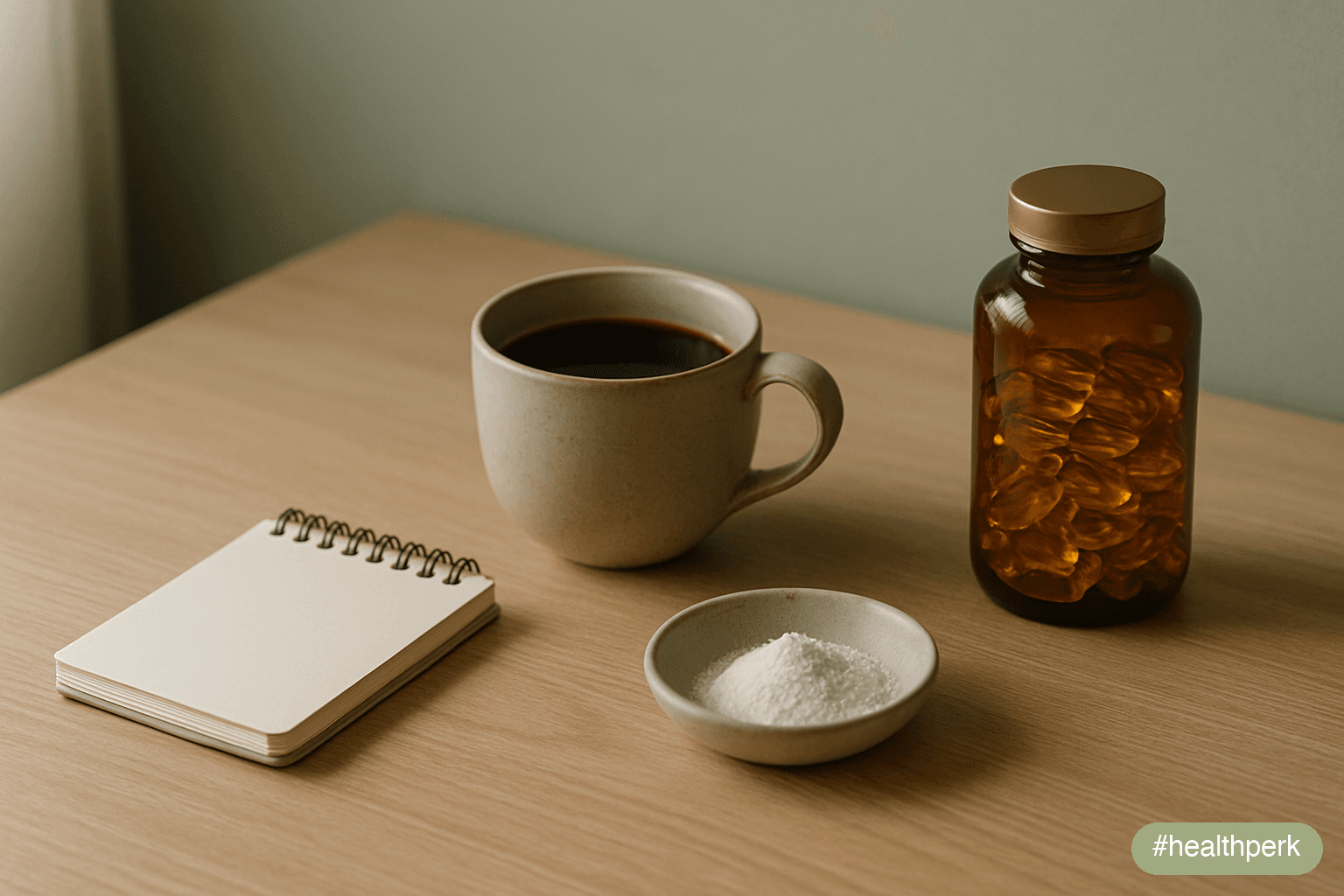
A supplement stack for focus is the third commercially exploited category, and again the gap between the marketing and the evidence is wide. "Nootropic" stacks marketed in 2026 frequently contain a dozen ingredients at doses well below those studied, plus undisclosed caffeine, and a price markup of 4–6x the same compounds purchased individually. The defensible focus stack is short.
Supplements with reasonable evidence for cognitive performance outcomes in healthy adults:
- Caffeine 100–200 mg. The single best-studied cognitive enhancer. Improves attention, reaction time, and vigilance. Best as coffee or tea (additional polyphenol context) rather than capsules. Tolerance builds over weeks; cycling helps.
- L-theanine 100–200 mg, co-administered with caffeine. Multiple trials have shown that caffeine + L-theanine produces a more focused, less jittery cognitive profile than caffeine alone, with smoother attention and fewer subjective side effects.
- Creatine monohydrate 3–5 g/day. Beyond strength outcomes, a growing body of evidence supports creatine for cognitive performance under sleep deprivation, mental fatigue, and complex task demand. Particularly relevant for vegetarians and vegans, who have lower baseline intramuscular and brain creatine stores.
- Omega-3 (EPA + DHA, 1–2 g/day). The cognitive evidence is strongest in older adults and adults with diets low in oily fish. Effects are slow (8–12 weeks before plausible cognitive readouts) and modest. Better framed as long-term brain health investment than acute focus aid.
- Rhodiola rosea 200–400 mg, standardized to 3% rosavins and 1% salidroside. Adaptogen with reasonable evidence for reduced mental fatigue under stress, especially in adults with sleep restriction. Effect size is modest.
What does not belong in an evidence-based focus stack: most "nootropic" proprietary blends, racetams (largely unregulated, mixed evidence, gray legal status in many jurisdictions), high-dose vinpocetine, "smart drug" stacks combining four or five compounds simultaneously (impossible to attribute effect), and any product whose first ingredient is an undisclosed proprietary blend.
A practical focus stack: a single cup of coffee + 100–200 mg L-theanine + 3–5 g creatine taken daily. Add omega-3 1 g/day as a long-term investment. Skip the rest.
Magnesium vs Zinc Benefits: When to Pair Them and When to Separate Them
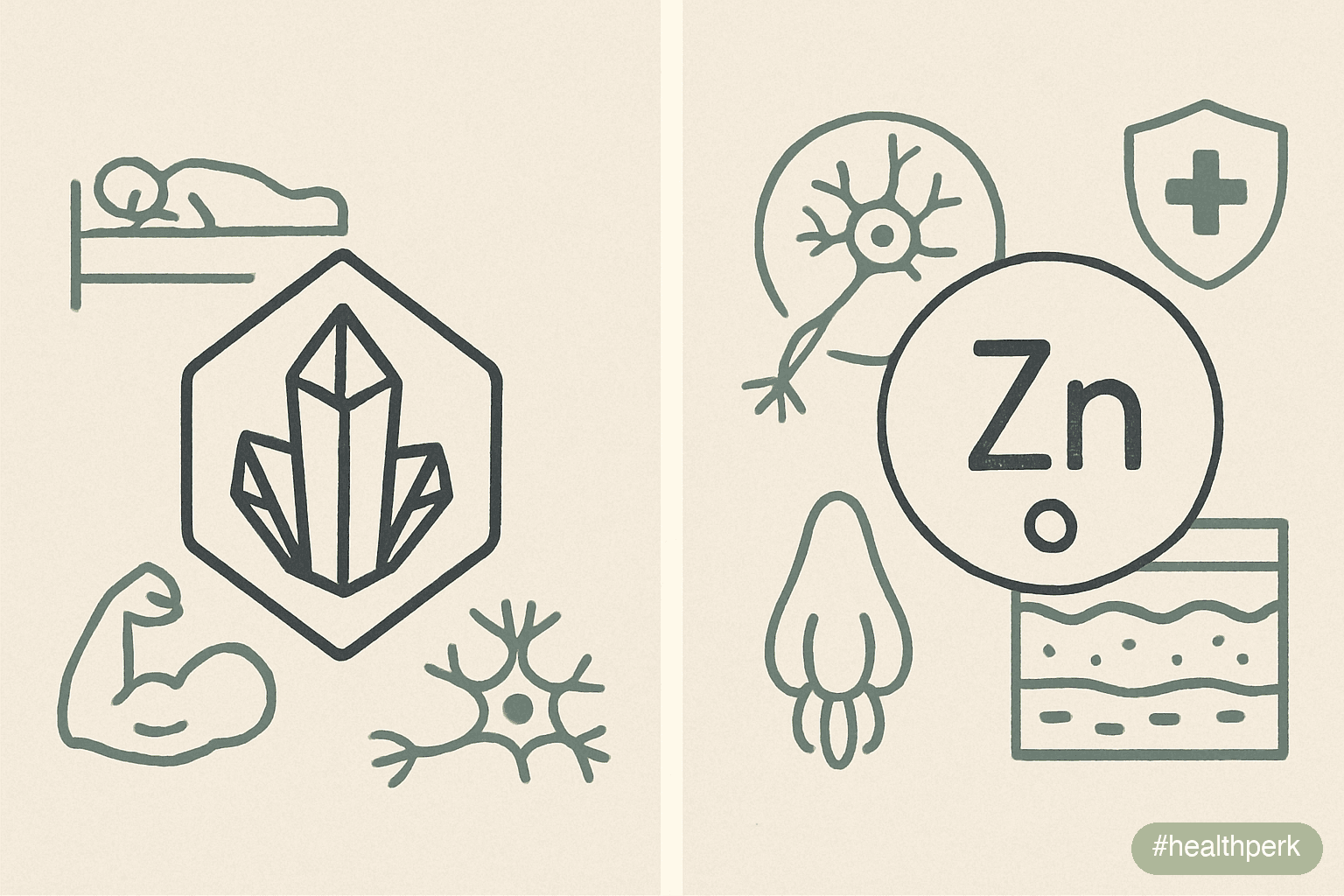
Magnesium vs zinc benefits is one of the more common comparison searches in 2026, and the framing slightly misses the point: the two minerals do almost entirely different things, and the more useful question is whether you need both and how to schedule them.
Magnesium is involved in over 300 enzymatic reactions and has its strongest clinical evidence in:
- Sleep onset and subjective sleep quality (modest but reproducible).
- Subjective anxiety and stress (small to moderate effect).
- Migraine prophylaxis (300–600 mg/day, moderate evidence).
- Constipation (oxide and citrate forms specifically, via osmotic effect).
- Muscle cramps (mixed evidence in athletes; better evidence in pregnancy-related cramps).
Common forms: glycinate (gentle GI profile, sleep-friendly), citrate (mild laxative effect), malate (sometimes used for fatigue/fibromyalgia, weak evidence), oxide (poorly absorbed; mostly useful for constipation), threonate (marketed for cognitive effects; small trials, evidence is preliminary).
Zinc is required for immune function, wound healing, taste/smell, sperm production, and over 100 enzyme systems. Its strongest evidence is in:
- Shortening common cold duration (lozenges at 75–100 mg/day for ≤7 days; only zinc acetate or zinc gluconate forms; not the long-term dose).
- Treatment of confirmed zinc deficiency.
- Wound healing in deficient or borderline adults.
- Acne (some evidence at 30 mg/day, 4–8 weeks).
Common forms: gluconate, citrate, picolinate, bisglycinate (chelated forms are generally well-tolerated and well-absorbed); zinc oxide (poorly absorbed). Long-term high-dose zinc (>40 mg/day routine) impairs copper absorption and can cause copper-deficiency anemia and neurologic symptoms over months to years.
When to pair them:
Most adults do not need to take both as routine separate supplements. A balanced diet provides adequate zinc for most non-vegetarian adults, and magnesium gaps are more common. Taking both makes the most sense in:
- Adults with documented deficiencies in both (uncommon outside of specific clinical contexts).
- Athletes with heavy sweat losses (magnesium and zinc are both excreted in sweat).
- Adults on long-term proton-pump inhibitors (which reduce absorption of both).
- Older adults with poor appetite or restrictive diets.
When to separate them in time:
If both are taken at high doses (e.g., 300+ mg magnesium and 30+ mg zinc), they compete for divalent mineral absorption pathways. Practical rule: take them at least 2 hours apart. Magnesium at bedtime + zinc with dinner is a reasonable schedule. At lower combined-formula doses (the typical multivitamin level), the competition is too small to worry about.
The bottom-line decision: if you can only pick one, pick the one whose target outcome matches the gap you actually have. Magnesium for sleep, stress, and muscle complaints. Zinc for cold-shortening (short-term, high dose) or confirmed deficiency. Routine long-term zinc supplementation without a documented gap is not particularly defensible in 2026.
Related Articles on HealthPerk
Explore more on this topic:
- How to Choose Supplements Safely
- Supplement Routine for Beginners
- Magnesium Benefits for Sleep and Anxiety
- Zinc Benefits for Immunity
- Supplement Side Effects List
- Best Supplements for Immune System
Frequently Asked Questions
Can you take multiple supplements together safely?
In most cases yes, with two structural caveats. Separate divalent minerals (calcium, iron, zinc, magnesium) by at least two hours when each is at therapeutic dose; take fat-soluble nutrients (vitamin D, omega-3) with a fat-containing meal; and never duplicate the same nutrient across multiple products without adding the doses together. Adults on prescription medications — especially anticoagulants, thyroid medications, and SSRIs — should run any new supplement past a clinician.
How to combine supplements safely when taking three or four daily?
Apply three rules: separate competing minerals by 2+ hours; anchor fat-soluble nutrients to a fat-containing meal; audit total daily intake of each ingredient across all products against the tolerable upper intake level. A standard schedule that handles most three-to-four-supplement routines: vitamin D + omega-3 + a multivitamin with breakfast; magnesium glycinate before bed; iron (if prescribed) between meals on an empty stomach with vitamin C.
What should be in a supplement stack for energy?
For most adults with documented fatigue, the highest-yield supplements are iron (only if ferritin is low), vitamin B12 (only if low), vitamin D (if low), and creatine monohydrate 3–5 g/day. Caffeine via coffee or tea is the cheapest and best-studied stimulant. Avoid "adrenal support" formulas, proprietary energy blends, and high-dose stimulant cocktails. If energy is chronically low, address sleep, ferritin, thyroid, and depression before assuming a supplement gap.
What is the best supplement stack for sleep?
A defensible evening stack is magnesium glycinate 200–400 mg plus L-theanine 100–200 mg, optionally with low-dose (0.3–0.5 mg) melatonin if circadian timing is part of the issue. Glycine 3 g before bed has independent evidence. Used consistently for at least 4 weeks. Pair with non-supplement basics — consistent sleep timing, morning sunlight, no screens before bed — without which no stack does much.
What is in a sensible supplement stack for focus?
A short stack: caffeine 100–200 mg (ideally as coffee or tea), L-theanine 100–200 mg, and creatine monohydrate 3–5 g/day. Omega-3 1 g/day is a long-term cognitive investment. Skip most proprietary "nootropic" blends — they tend to be under-dosed and over-priced. Avoid stacking four or five novel compounds at once because no single effect can be attributed to any one ingredient.
Magnesium vs zinc benefits — do I need both?
Most adults do not need both as separate daily supplements. Magnesium has its strongest evidence in sleep, stress, and muscle complaints. Zinc has its strongest evidence in shortening common cold duration (short-term, high dose) and in confirmed deficiency. If you only pick one, match it to the outcome you actually want. If you take both, separate by at least 2 hours when each is at therapeutic dose.
Are there supplement combinations that are genuinely dangerous?
A short list of pairings deserves real attention. High-dose fish oil, vitamin E, ginkgo, garlic, and turmeric extracts with prescription anticoagulants (bleeding risk). St. John's wort with SSRIs (serotonin syndrome) and with most prescription medications (broad CYP450 interaction profile). Iron, calcium, and magnesium with levothyroxine (reduced absorption — separate by 4 hours). Red yeast rice with statins (additive monacolin K). Any of these combinations should be cleared with a clinician.
This article is for informational purposes only and does not constitute medical advice. Combining supplements can produce drug-nutrient interactions and may be inappropriate during pregnancy, breastfeeding, or in the presence of certain medical conditions including kidney disease, liver disease, bleeding disorders, and thyroid disease. Adults on prescription medications — including but not limited to anticoagulants, thyroid hormone replacement, SSRIs, statins, and diabetes medications — should consult a qualified healthcare provider before adding any supplement to their routine. Individual results may vary.
About the author The HealthPerk Editorial Team reviews nutritional and supplement research through evidence synthesis cross-referenced with peer-reviewed clinical trials, Cochrane reviews, and clinical practice guidelines. Our supplement content is reviewed for medical accuracy against current internal medicine and nutritional science standards. How we review →
References
Office of Dietary Supplements, National Institutes of Health. (2024). Dietary Supplements: Background Information for Health Professionals. U.S. Department of Health and Human Services. https://ods.od.nih.gov/factsheets/list-all/
Supports: tolerable upper intake levels, divalent mineral absorption competition, and timing recommendations for combined supplement regimens
Lönnerdal, B. (2010). Calcium and iron absorption — mechanisms and public health relevance. International Journal for Vitamin and Nutrition Research, 80(4–5), 293–299. https://doi.org/10.1024/0300-9831/a000036
Supports: divalent mineral absorption competition between calcium, iron, and zinc, justifying 2-hour separation at therapeutic doses
Dawson-Hughes, B., Harris, S. S., Lichtenstein, A. H., Dolnikowski, G., Palermo, N. J., & Rasmussen, H. (2015). Dietary fat increases vitamin D-3 absorption. Journal of the Academy of Nutrition and Dietetics, 115(2), 225–230. https://doi.org/10.1016/j.jand.2014.09.014
Supports: rationale for anchoring fat-soluble vitamins (D, omega-3) to fat-containing meals
Boyle, N. B., Lawton, C., & Dye, L. (2017). The effects of magnesium supplementation on subjective anxiety and stress — A systematic review. Nutrients, 9(5), 429. https://doi.org/10.3390/nu9050429
Supports: magnesium in evening sleep and stress stacks; reproducible subjective effects in healthy adults
Yamadera, W., Inagawa, K., Chiba, S., Bannai, M., Takahashi, M., & Nakayama, K. (2007). Glycine ingestion improves subjective sleep quality in human volunteers, correlating with polysomnographic changes. Sleep and Biological Rhythms, 5(2), 126–131. https://doi.org/10.1111/j.1479-8425.2007.00262.x
Supports: glycine 3 g before bed for reduced sleep onset latency and improved next-day fatigue ratings
Owen, G. N., Parnell, H., De Bruin, E. A., & Rycroft, J. A. (2008). The combined effects of L-theanine and caffeine on cognitive performance and mood. Nutritional Neuroscience, 11(4), 193–198. https://doi.org/10.1179/147683008X301513
Supports: caffeine + L-theanine combination in focus stacks; smoother attention profile than caffeine alone
Roschel, H., Gualano, B., Ostojic, S. M., & Rawson, E. S. (2021). Creatine supplementation and brain health. Nutrients, 13(2), 586. https://doi.org/10.3390/nu13020586
Supports: creatine monohydrate for cognitive performance under sleep deprivation and mental fatigue, including in vegetarian and vegan adults
Stoffel, N. U., Cercamondi, C. I., Brittenham, G., Zeder, C., Geurts-Moespot, A. J., Swinkels, D. W., ... & Zimmermann, M. B. (2017). Iron absorption from oral iron supplements given on consecutive versus alternate days and as single morning doses versus twice-daily split dosing in iron-depleted women. Lancet Haematology, 4(11), e524–e533. https://doi.org/10.1016/S2352-3026(17)30182-5
Supports: alternate-day iron dosing protocol and separation from competing minerals in energy-focused regimens
Hemilä, H., & Chalker, E. (2015). The effectiveness of high dose zinc acetate lozenges on various common cold symptoms: A meta-analysis. BMC Family Practice, 16, 24. https://doi.org/10.1186/s12875-015-0237-6
Supports: short-term high-dose zinc lozenges for cold-symptom duration; rationale for not taking high-dose zinc as a long-term routine
Maughan, R. J., Burke, L. M., Dvorak, J., Larson-Meyer, D. E., Peeling, P., Phillips, S. M., ... & Engebretsen, L. (2018). IOC consensus statement: Dietary supplements and the high-performance athlete. British Journal of Sports Medicine, 52(7), 439–455. https://doi.org/10.1136/bjsports-2018-099027
Supports: framework for combining supplements in athletes, including iron, magnesium, vitamin D, creatine, and caffeine timing
Frequently Asked Questions
Can you take multiple supplements together safely?
In most cases yes, with two structural caveats. Separate divalent minerals (calcium, iron, zinc, magnesium) by at least two hours at therapeutic dose; take fat-soluble nutrients (vitamin D, omega-3) with a fat-containing meal; never duplicate the same nutrient across multiple products. Adults on anticoagulants, thyroid medications, or SSRIs should run any new supplement past a clinician.
How to combine supplements safely when taking three or four daily?
Apply three rules: separate competing minerals by 2+ hours; anchor fat-soluble nutrients to a fat-containing meal; audit total daily intake across all products against the tolerable upper intake level. Standard schedule: vitamin D, omega-3, and a multivitamin with breakfast; magnesium glycinate before bed; iron (if prescribed) between meals with vitamin C.
What should be in a supplement stack for energy?
The highest-yield supplements are iron (only if ferritin is low), B12 (only if low), vitamin D (if low), and creatine monohydrate 3-5 g/day. Caffeine via coffee or tea is the best-studied stimulant. Avoid adrenal support formulas and proprietary energy blends. If energy is chronically low, address sleep, ferritin, thyroid, and depression before assuming a supplement gap.
What is the best supplement stack for sleep?
A defensible evening stack is magnesium glycinate 200-400 mg plus L-theanine 100-200 mg, optionally with low-dose (0.3-0.5 mg) melatonin if circadian timing is part of the issue. Glycine 3 g before bed has independent evidence. Used consistently for at least 4 weeks. Pair with non-supplement basics: consistent sleep timing, morning sunlight, no screens before bed.
What is in a sensible supplement stack for focus?
A short stack: caffeine 100-200 mg (ideally as coffee or tea), L-theanine 100-200 mg, and creatine monohydrate 3-5 g/day. Omega-3 1 g/day is a long-term cognitive investment. Skip most proprietary nootropic blends - they tend to be under-dosed and over-priced. Avoid stacking four or five novel compounds at once.
Magnesium vs zinc benefits - do I need both?
Most adults do not need both as separate daily supplements. Magnesium has its strongest evidence in sleep, stress, and muscle complaints. Zinc has its strongest evidence in shortening common cold duration (short-term, high dose) and in confirmed deficiency. If you only pick one, match it to the outcome you actually want. If you take both, separate by at least 2 hours at therapeutic dose.
Are there supplement combinations that are genuinely dangerous?
A short list deserves real attention. High-dose fish oil, vitamin E, ginkgo, garlic, and turmeric extracts with prescription anticoagulants (bleeding risk). St. John's wort with SSRIs (serotonin syndrome) and with most prescription medications. Iron, calcium, magnesium with levothyroxine (reduced absorption - separate by 4 hours). Red yeast rice with statins. Clear any of these with a clinician.
More from Supplements