Omega 3 Benefits for Brain Health: A 2026 Evidence-Based Guide
Omega 3 Benefits for Brain Health: A 2026 Evidence-Based Guide
By the HealthPerk Editorial Team · Last updated: May 2026
Quick Answer
What are the main omega 3 benefits for brain health?
The defensible 2026 evidence supports a modest but real role for the marine omega-3 fatty acids EPA and DHA in cardiovascular triglyceride reduction, in slowing age-related cognitive decline in adults with low baseline omega-3 status, in supporting fetal and infant neurodevelopment when intake is adequate during pregnancy and lactation, and as adjunctive treatment in moderate-to-severe depression (where EPA-dominant formulations of roughly 1–2 g/day have outperformed placebo in meta-analyses). Outside these contexts, claims that omega 3 supplements prevent dementia, lift mood in healthy adults, or improve focus in adults without deficiency are not supported by the trial evidence. The two molecules that do the work are EPA (eicosapentaenoic acid) and DHA (docosahexaenoic acid); ALA (alpha-linolenic acid, from flax and walnut) converts to EPA and DHA poorly in humans — typically below 5–10% — so vegetarian sources are usefully supplemented with algal oil rather than relied on alone.
A short orientation table:
| Question | Short answer |
|---|---|
| Active molecules | EPA and DHA (marine), ALA (plant) |
| Adult AI (US, ALA) | 1.6 g/day (men), 1.1 g/day (women) |
| Combined EPA+DHA, general health | 250–500 mg/day (most agency consensus) |
| Cardiovascular triglyceride therapy | 2–4 g/day combined EPA+DHA (clinician-supervised) |
| Mood (adjunctive depression) | 1–2 g/day EPA-dominant (≥60% EPA) |
| Form to prefer for absorption | Re-esterified triglyceride (rTG) or natural triglyceride |
| Quality markers | TOTOX <26, IFOS/USP/NSF certification, third-party heavy-metal testing |
| Take with | A fat-containing meal |
| Fish targets, general adults | 2 servings/week of fatty fish (≈ 200–500 mg EPA+DHA/day average) |
The phrase omega 3 benefits for brain health is one of the most-searched supplement queries in 2026, and the interest has a defensible biological basis: DHA is the dominant structural fatty acid of grey-matter neuronal membranes and the retina, and EPA is the substrate for a family of resolving lipid mediators (resolvins, protectins, maresins) that quiet neuroinflammation. The trial evidence, however, is far more conditional than the consumer narrative implies. Marine omega-3 supplementation produces clear, reproducible effects on triglyceride levels, modest effects on cognitive trajectory in adults with low baseline status, and meaningful adjunctive effects in moderate-to-severe depression — and very little detectable effect on dementia incidence, on mood in healthy adults, or on attention in adults who already meet dietary intake recommendations.
This guide walks through what omega-3 actually is and which forms matter, what the 2026 dosing landscape looks like, the honest benefit-and-risk balance for fish oil specifically, where omega-3 sits inside the broader brain-health supplement evidence map, and a structured framework for deciding whether you personally need a supplement.
Table of Contents
- Omega 3: What It Actually Is and Why EPA and DHA Are the Numbers That Matter
- Omega 3 Dosage Per Day: What Authoritative Bodies Recommend in 2026
- Fish Oil Benefits and Risks: An Honest 2026 Balance Sheet
- Supplements for Brain Health: Where Omega 3 Sits in the Wider Evidence Map
- Do I Need Omega 3 Supplements? A Decision Framework Based on Diet and Risk
- Frequently Asked Questions
- References
Omega 3: What It Actually Is and Why EPA and DHA Are the Numbers That Matter

Omega 3 is a family name, not a single molecule. The three omega-3 fatty acids that matter in human nutrition are alpha-linolenic acid (ALA, 18 carbons, plant-derived), eicosapentaenoic acid (EPA, 20 carbons, marine), and docosahexaenoic acid (DHA, 22 carbons, marine). All three share the same defining structural feature — the first carbon-carbon double bond located three carbons from the methyl end of the molecule — but their biological roles and clinical effects are not interchangeable.
ALA is an essential fatty acid: humans cannot synthesize it and must obtain it from diet. The major dietary sources are flaxseed, chia, walnuts, hemp, and canola oil. In adults, ALA can be converted to EPA and DHA through a sequence of elongation and desaturation reactions in the liver, but the conversion is inefficient — most studies put adult conversion of ALA to EPA at roughly 5–10% and ALA to DHA at well under 1%, with women of reproductive age generally converting more efficiently than men. This is why dietary recommendations and trial protocols speak in terms of EPA+DHA, not ALA equivalents, when the goal is cardiovascular or neurological.
EPA and DHA are the molecules that do most of the clinical work. They are concentrated in fatty cold-water fish (salmon, sardines, mackerel, anchovies, herring), in algal oil produced from marine microalgae (the original biological source — fish accumulate EPA and DHA through their food chain), and in krill oil (with EPA and DHA bound largely as phospholipids rather than triglycerides). EPA is the dominant substrate for the eicosanoid and specialized pro-resolving mediator pathways that govern resolution of inflammation. DHA is the dominant structural lipid of brain grey matter (roughly 8–15% of total fatty acids in mature cortical neurons), the photoreceptor outer segments of the retina, and synaptic membranes.
Three practical implications follow from this biology:
- The label number that matters is EPA+DHA, not total fish oil. A 1,000 mg "fish oil" softgel commonly contains 300 mg of EPA+DHA combined; the rest is other fatty acids and triglyceride backbone. Read the back-of-bottle Supplement Facts panel, not the front-label claim.
- Form affects absorption. EPA and DHA in fish oil exist naturally as triglycerides (TG). Cheap concentrated oils are often re-esterified to ethyl esters (EE) for processing, then sometimes re-converted to triglycerides (re-esterified triglyceride, rTG). Bioavailability studies generally rank rTG ≈ natural TG > phospholipid (krill) > ethyl ester (EE), with EE absorbing meaningfully better when taken with a high-fat meal than on an empty stomach.
- The omega-3 index is the status measure that maps to outcomes. Just as 25(OH)D is the status measure for vitamin D, the omega-3 index — EPA+DHA as a percentage of total fatty acids in red blood cell membranes — is the status measure for omega-3. A target of 8% or above is associated with the lowest cardiovascular event risk in observational cohorts; most US adults sit between 4% and 6%.
Omega 3 Dosage Per Day: What Authoritative Bodies Recommend in 2026

Omega 3 dosage per day is a question that only has a defensible answer once you specify the goal. The numbers that matter cluster into four columns: general health, cardiovascular triglyceride lowering, mood (adjunctive treatment of depression), and pregnancy/lactation. Each has different evidence behind it and a different defensible dose.
US dietary reference values (Institute of Medicine / National Academies, still the basis of US nutrition labeling in 2026):
- Adequate Intake of ALA, adults 19+: 1.6 g/day for men, 1.1 g/day for women, 1.4 g/day for pregnancy, 1.3 g/day for lactation. The IOM has not set a formal RDA or AI specifically for EPA+DHA.
European Food Safety Authority (EFSA, 2010, reaffirmed through 2024 updates):
- EPA+DHA combined: 250 mg/day as an adequate intake for cardiovascular health in adults. An additional 100–200 mg/day of DHA during pregnancy and lactation.
- Tolerable Upper Intake Level: long-term combined EPA+DHA up to 5 g/day appears not to raise safety concerns for the general adult population.
American Heart Association (2017 scientific statement, 2024 cardiovascular guidance update):
- General adults: at least two servings of (preferably fatty) fish per week, equivalent to roughly 250–500 mg/day average EPA+DHA, for cardiovascular risk reduction.
- Adults with established coronary heart disease: approximately 1 g/day EPA+DHA from oily fish or, if not feasible, from a supplement under clinician guidance.
- Adults with hypertriglyceridemia (triglycerides ≥150 mg/dL): 2–4 g/day combined EPA+DHA, prescription-strength preparations preferred for the higher end of that range, reduces triglycerides by roughly 20–30%.
Doses used in major contemporary trials and what they showed:
- VITAL (2019, NEJM). 1 g/day fish oil (840 mg EPA+DHA) for ~5.3 years in 25,871 US adults. No effect on the primary composite endpoint of major cardiovascular events. Secondary signal for myocardial infarction (28% reduction) reached significance; total cardiovascular mortality did not.
- REDUCE-IT (2019, NEJM). 4 g/day icosapent ethyl (purified EPA, prescription) for ~4.9 years in 8,179 statin-treated adults with elevated triglycerides and cardiovascular risk. 25% relative reduction in the primary composite of major adverse cardiovascular events.
- STRENGTH (2020, JAMA). 4 g/day mixed EPA+DHA carboxylic acid in 13,078 statin-treated adults at high cardiovascular risk. Did not reduce the primary endpoint. The contrast with REDUCE-IT shaped 2026 cardiology guidance toward EPA-dominant prescription preparations specifically, not mixed EPA+DHA generally.
- Cochrane review of omega-3 for mood disorders (2021). EPA-dominant supplementation (≥60% EPA) at 1–2 g/day showed a modest but reproducible adjunctive effect in major depressive disorder; DHA-dominant or balanced formulations did not.
- DHA Omega-3 / Memory Trial and follow-on pooled analyses. DHA supplementation in healthy older adults with adequate baseline omega-3 did not significantly slow cognitive decline overall. Subgroup signals appeared in adults with low baseline omega-3 index and in APOE-ε4 non-carriers.
Practical translation for 2026:
- For a generally healthy adult, 250–500 mg/day combined EPA+DHA is a defensible floor, achievable through two fatty-fish servings per week or a small daily supplement.
- For adults with elevated triglycerides or established cardiovascular disease, 1–4 g/day under clinician supervision, with EPA-dominant prescription preparations preferred at the higher end of the range.
- For adults with diagnosed moderate-to-severe depression using omega-3 as adjunctive to standard treatment, 1–2 g/day of an EPA-dominant formulation (≥60% EPA), discussed with the prescribing clinician.
- During pregnancy and lactation, an additional 200 mg/day of DHA on top of normal dietary intake, ideally from algal oil or low-mercury fatty fish (sardines, salmon, anchovies).
- Doses above 3 g/day should be clinician-supervised, both for bleeding-risk monitoring and because the marginal benefit above this intake is small in most adults.
Fish Oil Benefits and Risks: An Honest 2026 Balance Sheet
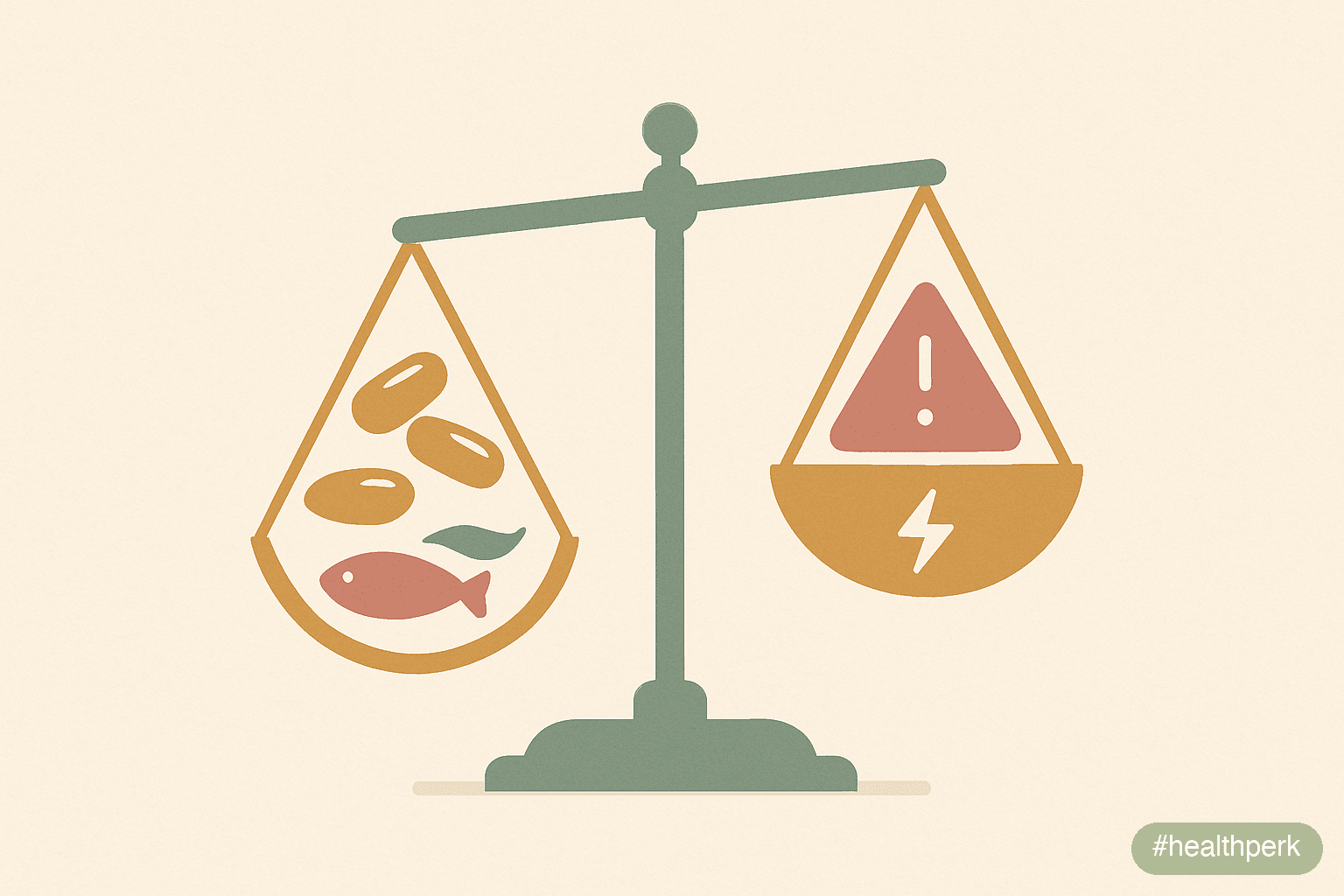
Fish oil benefits and risks is one of the supplement-aisle conversations that benefits most from being treated as a balance sheet rather than a slogan. The benefits are real but conditional; the risks are real but modest in most adults. The honest framing in 2026 is that fish oil is a useful supplement for specific people in specific contexts, and an unnecessary expense for many adults who already eat fatty fish regularly.
Defensible benefits (2026 evidence base):
- Triglyceride reduction. The most reliable, clinically meaningful effect. At 2–4 g/day combined EPA+DHA, fasting triglycerides drop by roughly 20–30% in adults with hypertriglyceridemia. The effect is dose-dependent and consistent across formulations.
- Cardiovascular event reduction in selected populations. REDUCE-IT demonstrated a 25% relative reduction in major adverse cardiovascular events with 4 g/day icosapent ethyl in statin-treated adults with elevated triglycerides. The general-population trials (VITAL, ASCEND, STRENGTH) showed null or much smaller effects, so this benefit is specific to a particular clinical context, not a general claim.
- Adjunctive effect in moderate-to-severe depression. EPA-dominant formulations at 1–2 g/day produce a small but reproducible improvement when added to standard antidepressant therapy in adults with diagnosed major depressive disorder. The effect is not seen in non-depressed adults.
- Maternal and infant outcomes during pregnancy. Adequate DHA intake (200 mg/day above baseline) is associated with longer gestation and a small reduction in preterm birth risk in adults with low baseline omega-3 status. Effects on long-term offspring cognitive outcomes are inconsistent.
- Modest cognitive benefit in older adults with low baseline omega-3. Adults in the lowest quartile of omega-3 index show slower age-related cognitive decline with supplementation; adults already in the upper quartiles do not.
Defensible risks and downsides:
- Mild bleeding risk. EPA and DHA reduce platelet aggregation modestly. At ≤3 g/day combined the clinical bleeding risk is negligible in healthy adults. At higher doses, particularly in combination with anticoagulants (warfarin, apixaban, rivaroxaban), antiplatelet agents (clopidogrel, aspirin), or in adults scheduled for surgery, the bleeding risk becomes clinically relevant and warrants clinician oversight or a short pre-operative pause.
- Atrial fibrillation signal at high doses. REDUCE-IT, STRENGTH, and meta-analyses since 2020 have shown a small but consistent increased incidence of atrial fibrillation in adults taking ≥1 g/day omega-3, particularly in those with preexisting cardiovascular disease. The absolute risk is small (roughly 1–2 additional cases per 1,000 person-years) and must be weighed against cardiovascular benefit on an individual basis.
- Eructation, fishy aftertaste, and gastrointestinal upset. The most common complaints. Taking the supplement with a fat-containing meal, freezing the softgels, or switching to enteric-coated, rTG, or algal preparations usually resolves the symptom.
- Oxidation and rancidity. Omega-3 oils are highly unsaturated and oxidize readily on exposure to heat, light, and oxygen. Independent retail testing has repeatedly found a meaningful fraction of fish oil products exceeding the GOED voluntary TOTOX limit of 26. Oxidized fish oil delivers less EPA/DHA and may be net-harmful. Practical mitigations: third-party-certified products (IFOS, USP, NSF), recent manufacture date, opaque or amber packaging, refrigeration after opening.
- Heavy-metal and persistent organic pollutant contamination. Fish oil sourced from large predatory species can accumulate mercury, PCBs, and dioxins. Third-party-certified products (IFOS in particular) test and disclose levels. Algal oil and oil from small forage species (anchovy, sardine, mackerel) carry lower contamination loads at source.
- Cost and adherence drag. A defensible daily dose of EPA+DHA from supplements costs roughly $0.20–0.80 per day in 2026. For adults who can eat two servings of fatty fish per week, dietary intake is typically less expensive and provides protein, selenium, vitamin D, and iodine at the same time.
- Sustainability considerations. Wild-caught fish oil sourcing pressures small forage-fish stocks. Algal oil produced from cultivated microalgae sidesteps both the contamination and the ecosystem pressure but currently costs roughly 2–3 times more per gram of EPA+DHA.
Supplements for Brain Health: Where Omega 3 Sits in the Wider Evidence Map
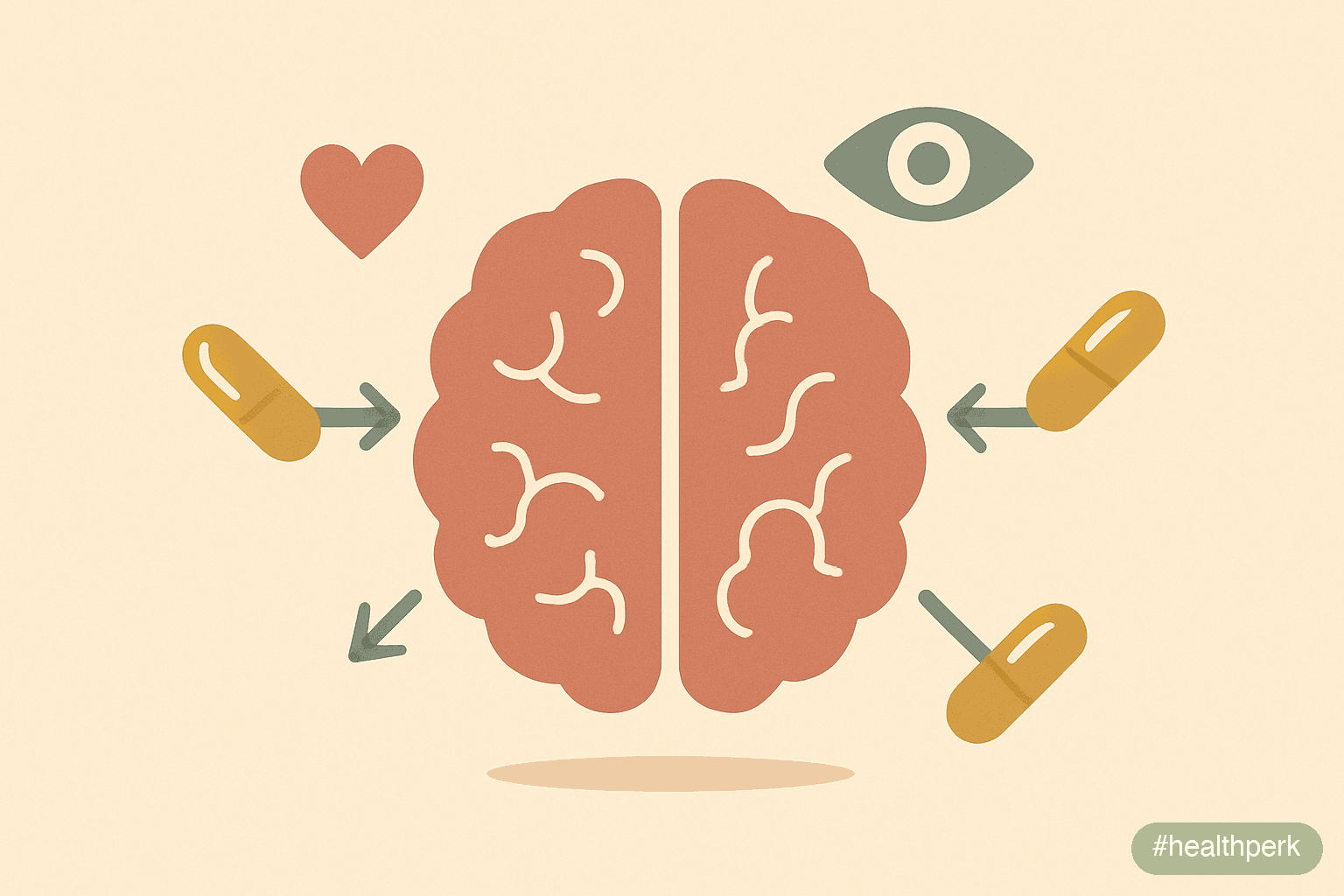
Supplements for brain health as a category in 2026 is unusually marketing-saturated relative to the evidence base. A small set of compounds has reproducible trial evidence for specific brain outcomes in specific contexts; the rest of the aisle is either weakly supported or supported only by mechanistic reasoning. Omega-3 is one of the better-supported entries, but its place in the map is narrower than the consumer narrative suggests.
Defensible 2026 evidence picture:
- Omega-3 (EPA + DHA). Modest evidence for slower cognitive decline in older adults with low baseline omega-3 index; modest evidence for adjunctive effect in moderate-to-severe depression with EPA-dominant formulations; no evidence for preventing Alzheimer's disease incidence in adults who are already replete; no evidence for improving attention or focus in healthy adults at typical Western intakes.
- B vitamins (folate, B6, B12). In adults with elevated homocysteine and mild cognitive impairment, combined B-vitamin supplementation has slowed brain atrophy on MRI (VITACOG and related trials). The effect is concentrated in adults with adequate baseline omega-3; the omega-3 and B-vitamin pathways interact at the level of homocysteine metabolism.
- Creatine monohydrate. Acute cognitive performance under sleep deprivation and high mental load improves modestly with 3–5 g/day, particularly in vegetarians (who have lower baseline muscle creatine). The effect on long-term cognitive trajectory is not established.
- Caffeine and L-theanine. Reproducible acute effects on attention and reaction time at 50–200 mg caffeine and 100–200 mg L-theanine. No long-term cognitive disease modification.
- Vitamin D. See the dedicated guide; observational links to cognitive decline exist but trial evidence for prevention is weaker than for cardiovascular endpoints.
Compounds with weaker or context-dependent evidence:
- Phosphatidylserine, citicoline, acetyl-L-carnitine, huperzine A. Mixed or small-trial evidence, largely in adults with diagnosed cognitive impairment rather than healthy adults.
- Ginkgo biloba. Multiple large trials (GEM, EVA, GuidAge) failed to show prevention of dementia or improvement in cognition in healthy older adults.
- Curcumin, resveratrol, "nootropic" proprietary blends. Mechanistic plausibility outpaces trial evidence in 2026. Bioavailability of curcumin and resveratrol from oral supplements is poor without specific delivery systems.
- Lion's mane, Bacopa monnieri, Rhodiola. Small trials suggest possible effects on memory and stress-resilience markers; effect sizes and study quality are not yet sufficient to recommend at the population level.
Where omega-3 sits in this map: it is one of the few supplements with reproducible effects on a clinically meaningful brain outcome (adjunctive treatment of depression), with a plausible effect on age-related cognitive trajectory in adults starting from low status, and with biological mechanisms that are well-characterized. It is not a cognitive enhancer, it does not prevent Alzheimer's, and it does not produce noticeable acute changes in attention or focus. Buying it for any of those reasons is misallocating supplement spend.
Do I Need Omega 3 Supplements? A Decision Framework Based on Diet and Risk

Do I need omega 3 supplements is, like the vitamin D question, one of the rare supplement decisions that has a defensible structured answer in 2026. The cleanest decision is "test the omega-3 index, then decide" — but in the absence of that test, a structured estimate based on diet, life stage, and cardiovascular risk is reasonable.
Daily omega-3 supplementation is likely useful if:
- You eat fatty fish (salmon, sardines, mackerel, herring, anchovies, trout) fewer than two times per week. Two weekly servings of fatty fish deliver roughly 250–500 mg/day average combined EPA+DHA, which lines up with the AHA and EFSA general-health intakes.
- You follow a vegetarian or vegan diet. ALA from flax, chia, and walnuts converts to EPA and DHA at well under 10%, and DHA in particular is hard to obtain from plant sources. Algal-oil supplementation (rather than fish oil) is the appropriate choice for these adults.
- You are pregnant or breastfeeding and not eating two servings of low-mercury fatty fish per week. An additional 200 mg/day of DHA, ideally from algal oil or a third-party-tested fish oil, is the standard 2026 obstetric recommendation.
- You have elevated triglycerides (≥150 mg/dL) or established cardiovascular disease, where 1–4 g/day of EPA+DHA under clinician supervision has defensible benefit.
- You are being treated for moderate-to-severe depression and your clinician supports an adjunctive trial of EPA-dominant omega-3 at 1–2 g/day on top of standard treatment.
- Your most recent omega-3 index is below 4% (in the bottom population quartile) and your dietary habits are not changing.
Daily omega-3 supplementation is probably unnecessary if:
- You routinely eat two or more servings per week of low-mercury fatty fish, with no cardiovascular or pregnancy-related indication.
- Your most recent omega-3 index is at or above 8% and your circumstances have not changed.
- You are buying fish oil specifically to improve focus, energy, or general cognitive performance in the absence of a deficit. The trial evidence does not support these benefits in already-replete adults.
Omega-3 supplementation needs clinician oversight if:
- You take an anticoagulant (warfarin, apixaban, rivaroxaban, dabigatran) or dual antiplatelet therapy. Doses above 1 g/day combined EPA+DHA may amplify bleeding risk.
- You are scheduled for elective surgery within two weeks. Many surgical guidelines suggest a short pre-operative pause at higher doses.
- You have a history of atrial fibrillation or are at elevated risk. The atrial fibrillation signal at ≥1 g/day omega-3 is small but real and warrants individual discussion.
- You have diabetes with brittle glycemic control. High-dose fish oil can modestly raise LDL cholesterol in some patients on triglyceride-lowering doses.
Practical defaults for the "likely useful" group in 2026:
- 500 mg/day combined EPA+DHA for general health.
- 200–300 mg/day DHA (in addition to baseline diet) during pregnancy and lactation.
- 1 g/day combined EPA+DHA for adults with established coronary heart disease, under clinician guidance.
- 2–4 g/day combined EPA+DHA for hypertriglyceridemia, with prescription preparations preferred at the higher range.
- Algal oil for vegetarians, vegans, and adults seeking lower contamination loads.
Choose a product that lists EPA and DHA separately on the Supplement Facts panel (not just "fish oil"), prefer rTG or natural-triglyceride forms, look for IFOS, USP, or NSF third-party certification, store opened bottles refrigerated, and pay attention to expiration dates. Take the dose with a fat-containing meal to maximize absorption. A noticeable fishy aftertaste or "fish burp" usually indicates oxidation, an empty stomach, or a low-quality product, not normal use.
Related Articles on HealthPerk
Explore more on this topic:
- How to Choose Supplements Safely
- Supplement Routine for Beginners
- Can You Take Multiple Supplements Together?
- Magnesium Benefits for Sleep and Anxiety
- Vitamin D Deficiency Symptoms
- Best Supplements for Immune System
Frequently Asked Questions
What are the main omega 3 benefits for brain health?
The defensible 2026 evidence supports a modest role for marine EPA and DHA in slowing age-related cognitive decline in adults with low baseline omega-3 status, in supporting fetal and infant neurodevelopment during pregnancy and lactation, and as adjunctive treatment in moderate-to-severe depression with EPA-dominant formulations of 1–2 g/day. The evidence does not support fish oil as a cognitive enhancer in healthy adults, as a treatment for attention problems, or as a way to prevent Alzheimer's disease incidence in adults who are already replete. DHA contributes structurally to neuronal membranes; EPA modulates neuroinflammation through specialized pro-resolving mediators.
What does Omega 3 actually mean?
Omega 3 is a family name for three fatty acids: alpha-linolenic acid (ALA, plant-derived from flax, chia, walnuts), eicosapentaenoic acid (EPA, marine), and docosahexaenoic acid (DHA, marine). All three share a double bond at the third carbon from the methyl end of the molecule, but their biological roles are not interchangeable. EPA and DHA do most of the clinically meaningful work in cardiovascular, mood, and cognitive endpoints. ALA can be converted to EPA and DHA in the liver, but the conversion in adults is inefficient — typically below 5–10% for EPA and well under 1% for DHA.
What is the right omega 3 dosage per day?
The defensible 2026 dosing landscape depends on the goal. For general health in adults, 250–500 mg/day combined EPA+DHA is the consensus (EFSA, AHA), achievable through two fatty-fish servings per week or a small daily supplement. For established cardiovascular disease, roughly 1 g/day under clinician guidance. For hypertriglyceridemia, 2–4 g/day combined EPA+DHA with prescription-strength preparations preferred at the higher end. For adjunctive treatment of moderate-to-severe depression, 1–2 g/day of an EPA-dominant formulation (≥60% EPA). For pregnancy and lactation, an additional 200 mg/day of DHA above baseline diet. Doses above 3 g/day should be clinician-supervised.
What are the real fish oil benefits and risks?
Benefits with reproducible 2026 evidence: triglyceride reduction of roughly 20–30% at 2–4 g/day; a 25% relative reduction in major cardiovascular events with 4 g/day icosapent ethyl in statin-treated adults with elevated triglycerides (REDUCE-IT); modest adjunctive improvement in moderate-to-severe depression with EPA-dominant formulations; longer gestation and reduced preterm birth risk in pregnant adults with low baseline omega-3. Risks: mild bleeding risk at high doses (especially with anticoagulants or before surgery); a small increase in atrial fibrillation incidence at ≥1 g/day; eructation and fishy aftertaste; oxidation/rancidity, mercury and PCB contamination if sourcing is poor; cost and adherence burden compared to dietary fatty fish.
Do I need omega 3 supplements?
Likely yes if you eat fatty fish fewer than twice a week, follow a vegetarian or vegan diet (algal oil preferred), are pregnant or breastfeeding without regular low-mercury fatty fish intake, have elevated triglycerides or established cardiovascular disease, are being treated for moderate-to-severe depression and your clinician supports an adjunctive omega-3 trial, or have a recent omega-3 index below 4%. Probably no if you eat two or more weekly servings of fatty fish, have an omega-3 index at or above 8%, or are buying fish oil purely as a focus or general-cognitive supplement in already-replete circumstances. Clinician oversight is needed with anticoagulants, before elective surgery, in atrial fibrillation, and in brittle diabetic glycemic control.
Where do supplements for brain health sit in 2026, and where does omega 3 fit?
Supplements for brain health is a heavily marketed category with a small genuinely evidence-based core. The compounds with reproducible 2026 trial support are omega-3 (adjunctive depression, modest cognitive trajectory benefit in adults with low baseline status), B vitamins (slower brain atrophy in adults with elevated homocysteine and mild cognitive impairment), creatine monohydrate (acute cognitive performance under stress and sleep deprivation), and caffeine + L-theanine (acute attention). Ginkgo biloba has been tested in large prevention trials and failed; curcumin, resveratrol, lion's mane, and most "nootropic" blends have mechanistic plausibility but thin clinical evidence. Omega-3 occupies the cardiovascular and mood-adjunctive corners of this map, not a general cognitive-enhancement role.
Which form of omega 3 should I buy?
Look for the EPA and DHA milligram totals on the Supplement Facts panel (not the front-label "fish oil" total). Prefer re-esterified triglyceride (rTG) or natural triglyceride forms over ethyl ester (EE) for absorption, especially if you cannot take the supplement with a high-fat meal. Krill oil delivers EPA and DHA as phospholipids and absorbs well but provides less EPA+DHA per dollar in 2026. Algal oil is appropriate for vegetarians, vegans, pregnancy, and adults seeking lower contamination loads. Look for IFOS, USP, or NSF third-party certification, a recent manufacture date, opaque packaging, and a TOTOX or peroxide value disclosed by the manufacturer.
Can omega 3 supplements interact with my medications?
Yes. EPA and DHA mildly inhibit platelet aggregation and can amplify the effect of anticoagulants (warfarin, apixaban, rivaroxaban, dabigatran) and antiplatelets (aspirin, clopidogrel), particularly at doses above 1 g/day combined EPA+DHA. Most surgical practices recommend a short pre-operative pause at higher doses. Adults with a history of atrial fibrillation should discuss the modest AF-incidence signal at high doses with their cardiologist. High-dose omega-3 can modestly raise LDL cholesterol in some adults on triglyceride-lowering therapy; lipid panels should be monitored. Routine doses up to 1 g/day combined EPA+DHA are generally well-tolerated in healthy adults.
This article is for informational purposes only and does not constitute medical advice. Omega-3 supplementation at doses above 1 g/day combined EPA+DHA, in adults on anticoagulants or antiplatelets, before elective surgery, with a history of atrial fibrillation, with brittle diabetes, or during pregnancy and lactation, requires clinician oversight. Treatment of hypertriglyceridemia and adjunctive treatment of major depressive disorder should be clinician-directed. Individual results may vary.
About the author The HealthPerk Editorial Team reviews nutritional and supplement research through evidence synthesis cross-referenced with peer-reviewed clinical trials, Cochrane reviews, and clinical practice guidelines. Our supplement content is reviewed for medical accuracy against current internal medicine and nutritional science standards. How we review →
References
Office of Dietary Supplements, National Institutes of Health. (2024). Omega-3 Fatty Acids: Fact Sheet for Health Professionals. U.S. Department of Health and Human Services. https://ods.od.nih.gov/factsheets/Omega3FattyAcids-HealthProfessional/
Supports: AI for ALA, EPA/DHA dietary intake estimates, food sources, contamination considerations, and 2024 guideline references
EFSA Panel on Dietetic Products, Nutrition and Allergies. (2010, updates through 2024). Scientific opinion on dietary reference values for fats, including saturated, polyunsaturated, monounsaturated, trans fatty acids, and cholesterol. EFSA Journal, 8(3), 1461. https://doi.org/10.2903/j.efsa.2010.1461
Supports: EFSA 250 mg/day EPA+DHA adequate intake, 100–200 mg/day additional DHA in pregnancy/lactation, 5 g/day tolerable upper intake guidance
Rimm, E. B., Appel, L. J., Chiuve, S. E., Djoussé, L., Engler, M. B., Kris-Etherton, P. M., ... & Lichtenstein, A. H. (2018). Seafood long-chain n-3 polyunsaturated fatty acids and cardiovascular disease: A science advisory from the American Heart Association. Circulation, 138(1), e35–e47. https://doi.org/10.1161/CIR.0000000000000574
Supports: AHA two-servings-per-week fish guidance, 250–500 mg/day average EPA+DHA, ~1 g/day for established CHD
Bhatt, D. L., Steg, P. G., Miller, M., Brinton, E. A., Jacobson, T. A., Ketchum, S. B., ... & Ballantyne, C. M. (2019). Cardiovascular risk reduction with icosapent ethyl for hypertriglyceridemia. New England Journal of Medicine, 380(1), 11–22. https://doi.org/10.1056/NEJMoa1812792
Supports: REDUCE-IT trial — 25% relative reduction in major adverse cardiovascular events with 4 g/day icosapent ethyl in statin-treated adults with elevated triglycerides
Nicholls, S. J., Lincoff, A. M., Garcia, M., Bash, D., Ballantyne, C. M., Barter, P. J., ... & Nissen, S. E. (2020). Effect of high-dose omega-3 fatty acids vs corn oil on major adverse cardiovascular events in patients at high cardiovascular risk: The STRENGTH randomized clinical trial. JAMA, 324(22), 2268–2280. https://doi.org/10.1001/jama.2020.22258
Supports: STRENGTH trial — null primary endpoint with 4 g/day mixed EPA+DHA carboxylic acid, contrast with REDUCE-IT shaping 2026 cardiology guidance
Manson, J. E., Cook, N. R., Lee, I. M., Christen, W., Bassuk, S. S., Mora, S., ... & Buring, J. E. (2019). Marine n-3 fatty acids and prevention of cardiovascular disease and cancer. New England Journal of Medicine, 380(1), 23–32. https://doi.org/10.1056/NEJMoa1811403
Supports: VITAL fish oil arm — null primary CV composite, secondary signal for myocardial infarction reduction at 1 g/day fish oil
Liao, Y., Xie, B., Zhang, H., He, Q., Guo, L., Subramanieapillai, M., ... & McIntyre, R. S. (2019). Efficacy of omega-3 PUFAs in depression: A meta-analysis. Translational Psychiatry, 9, 190. https://doi.org/10.1038/s41398-019-0515-5
Supports: meta-analysis of EPA-dominant formulations (≥60% EPA) at 1–2 g/day in major depressive disorder adjunctive treatment
Middleton, P., Gomersall, J. C., Gould, J. F., Shepherd, E., Olsen, S. F., & Makrides, M. (2018). Omega-3 fatty acid addition during pregnancy. Cochrane Database of Systematic Reviews, 11, CD003402. https://doi.org/10.1002/14651858.CD003402.pub3
Supports: Cochrane review of pregnancy omega-3 — reduction in preterm birth and low-birth-weight risk with supplementation in adults with low baseline omega-3
Yokoyama, Y., Levin, S. M., & Barnard, N. D. (2017). Association between plant-based diets and plasma lipids: A systematic review and meta-analysis. Nutrition Reviews, 75(9), 683–698. https://doi.org/10.1093/nutrit/nux030
Supports: ALA-to-EPA-and-DHA conversion limitations in adults on plant-based diets and rationale for algal-oil supplementation
Albert, B. B., Derraik, J. G. B., Cameron-Smith, D., Hofman, P. L., Tumanov, S., Villas-Boas, S. G., ... & Cutfield, W. S. (2015). Fish oil supplements in New Zealand are highly oxidised and do not meet label content of n-3 PUFA. Scientific Reports, 5, 7928. https://doi.org/10.1038/srep07928
Supports: oxidation and rancidity in retail fish oil products, rationale for TOTOX/peroxide limits and third-party certification
Frequently Asked Questions
What are the main omega 3 benefits for brain health?
The defensible 2026 evidence supports a modest role for marine EPA and DHA in slowing age-related cognitive decline in adults with low baseline omega-3 status, in supporting fetal and infant neurodevelopment during pregnancy and lactation, and as adjunctive treatment in moderate-to-severe depression with EPA-dominant formulations of 1-2 g/day. The evidence does not support fish oil as a cognitive enhancer in healthy adults, as a treatment for attention problems, or as a way to prevent Alzheimer's disease incidence in adults who are already replete. DHA contributes structurally to neuronal membranes; EPA modulates neuroinflammation through specialized pro-resolving mediators.
What does Omega 3 actually mean?
Omega 3 is a family name for three fatty acids: alpha-linolenic acid (ALA, plant-derived from flax, chia, walnuts), eicosapentaenoic acid (EPA, marine), and docosahexaenoic acid (DHA, marine). All three share a double bond at the third carbon from the methyl end of the molecule, but their biological roles are not interchangeable. EPA and DHA do most of the clinically meaningful work in cardiovascular, mood, and cognitive endpoints. ALA can be converted to EPA and DHA in the liver, but the conversion in adults is inefficient - typically below 5-10% for EPA and well under 1% for DHA.
What is the right omega 3 dosage per day?
The defensible 2026 dosing landscape depends on the goal. For general health in adults, 250-500 mg/day combined EPA+DHA is the consensus (EFSA, AHA), achievable through two fatty-fish servings per week or a small daily supplement. For established cardiovascular disease, roughly 1 g/day under clinician guidance. For hypertriglyceridemia, 2-4 g/day combined EPA+DHA with prescription-strength preparations preferred at the higher end. For adjunctive treatment of moderate-to-severe depression, 1-2 g/day of an EPA-dominant formulation (60%+ EPA). For pregnancy and lactation, an additional 200 mg/day of DHA above baseline diet. Doses above 3 g/day should be clinician-supervised.
What are the real fish oil benefits and risks?
Benefits with reproducible 2026 evidence: triglyceride reduction of roughly 20-30% at 2-4 g/day; a 25% relative reduction in major cardiovascular events with 4 g/day icosapent ethyl in statin-treated adults with elevated triglycerides (REDUCE-IT); modest adjunctive improvement in moderate-to-severe depression with EPA-dominant formulations; longer gestation and reduced preterm birth risk in pregnant adults with low baseline omega-3. Risks: mild bleeding risk at high doses (especially with anticoagulants or before surgery); a small increase in atrial fibrillation incidence at 1 g/day or more; eructation and fishy aftertaste; oxidation/rancidity, mercury and PCB contamination if sourcing is poor; cost and adherence burden compared to dietary fatty fish.
Do I need omega 3 supplements?
Likely yes if you eat fatty fish fewer than twice a week, follow a vegetarian or vegan diet (algal oil preferred), are pregnant or breastfeeding without regular low-mercury fatty fish intake, have elevated triglycerides or established cardiovascular disease, are being treated for moderate-to-severe depression and your clinician supports an adjunctive omega-3 trial, or have a recent omega-3 index below 4%. Probably no if you eat two or more weekly servings of fatty fish, have an omega-3 index at or above 8%, or are buying fish oil purely as a focus or general-cognitive supplement in already-replete circumstances. Clinician oversight is needed with anticoagulants, before elective surgery, in atrial fibrillation, and in brittle diabetic glycemic control.
Where do supplements for brain health sit in 2026, and where does omega 3 fit?
Supplements for brain health is a heavily marketed category with a small genuinely evidence-based core. The compounds with reproducible 2026 trial support are omega-3 (adjunctive depression, modest cognitive trajectory benefit in adults with low baseline status), B vitamins (slower brain atrophy in adults with elevated homocysteine and mild cognitive impairment), creatine monohydrate (acute cognitive performance under stress and sleep deprivation), and caffeine + L-theanine (acute attention). Ginkgo biloba has been tested in large prevention trials and failed; curcumin, resveratrol, lion's mane, and most nootropic blends have mechanistic plausibility but thin clinical evidence. Omega-3 occupies the cardiovascular and mood-adjunctive corners of this map, not a general cognitive-enhancement role.
Which form of omega 3 should I buy?
Look for the EPA and DHA milligram totals on the Supplement Facts panel (not the front-label fish oil total). Prefer re-esterified triglyceride (rTG) or natural triglyceride forms over ethyl ester (EE) for absorption, especially if you cannot take the supplement with a high-fat meal. Krill oil delivers EPA and DHA as phospholipids and absorbs well but provides less EPA+DHA per dollar in 2026. Algal oil is appropriate for vegetarians, vegans, pregnancy, and adults seeking lower contamination loads. Look for IFOS, USP, or NSF third-party certification, a recent manufacture date, opaque packaging, and a TOTOX or peroxide value disclosed by the manufacturer.
Can omega 3 supplements interact with my medications?
Yes. EPA and DHA mildly inhibit platelet aggregation and can amplify the effect of anticoagulants (warfarin, apixaban, rivaroxaban, dabigatran) and antiplatelets (aspirin, clopidogrel), particularly at doses above 1 g/day combined EPA+DHA. Most surgical practices recommend a short pre-operative pause at higher doses. Adults with a history of atrial fibrillation should discuss the modest AF-incidence signal at high doses with their cardiologist. High-dose omega-3 can modestly raise LDL cholesterol in some adults on triglyceride-lowering therapy; lipid panels should be monitored. Routine doses up to 1 g/day combined EPA+DHA are generally well-tolerated in healthy adults.
More from Supplements