
Magnesium Benefits for Sleep and Anxiety: A 2026 Evidence-Based Guide
Magnesium Benefits for Sleep and Anxiety: A 2026 Evidence-Based Guide
By the HealthPerk Editorial Team · Last updated: May 2026
Quick Answer
What are the magnesium benefits for sleep and anxiety?
Magnesium acts as a quiet regulator of the nervous system: it modulates the NMDA glutamate receptor, supports GABAergic tone, dampens the HPA-axis stress response, and helps maintain parasympathetic balance. In 2026 the best-supported clinical effects are modest but reproducible improvements in subjective sleep quality, sleep onset latency, and subjective anxiety in adults whose baseline magnesium status is suboptimal — which, on US NHANES data, is about half of the adult population. The effect on adults with already-replete magnesium status is small. The most defensible daily dose for sleep and anxiety outcomes is 200–400 mg of elemental magnesium from a well-absorbed chelated form (glycinate or bisglycinate), taken 30–60 minutes before bed, with a four-week trial before judging.
A short orientation table:
| Question | Short answer |
|---|---|
| RDA (adults) | 310–320 mg/day for women, 400–420 mg/day for men (US, IOM 1997 DRI, ODS 2024 fact sheet) |
| Sleep/anxiety dose used in trials | 200–500 mg elemental magnesium/day |
| Best form for sleep & anxiety | Glycinate (bisglycinate), gentle on GI |
| Best form for constipation | Citrate or oxide (osmotic effect) |
| Best form for migraine prophylaxis | Citrate or glycinate 400–600 mg/day |
| Worst-absorbed form | Oxide (about 4% bioavailable) |
| Upper limit (supplemental) | 350 mg/day in the US (excludes food) |
| Watch out for | Kidney disease, certain antibiotics, bisphosphonates, thyroid medication |

The phrase magnesium benefits for sleep and anxiety sits near the top of supplement searches in 2026, and for once the popularity is largely deserved. Magnesium is one of the more unusually qualified supplements: it has a well-characterized biochemical role in over 300 enzymatic reactions, a measurable population-level deficit (about half of US adults consume less than the EAR), a benign safety profile in healthy adults at standard supplemental doses, and a small but consistent body of randomized evidence for the very outcomes — sleep onset, sleep quality, subjective anxiety — that drive the search interest.
That said, the marketing tends to overshoot the data. Magnesium is not a sedative. It is not an anxiolytic in the pharmacological sense. The trial effects are real but modest, the response varies substantially between individuals, and the largest beneficiaries are adults whose baseline intake is genuinely low. This guide walks through what magnesium does, how a deficit shows up, the dosage that has actually been studied, which form to choose for which goal, and the honest answer to whether you should take it daily.
Table of Contents
- Magnesium: What It Does in the Body and Why Deficits Show Up as Sleep and Anxiety
- Magnesium Benefits for Sleep: What the Evidence Actually Shows
- Magnesium Deficiency Symptoms: How a Quiet Gap Shows Up
- Magnesium Dosage Per Day for Adults: What the RDA Says and What Trials Actually Used
- Magnesium Glycinate vs Citrate: Choosing the Right Form for Sleep, Anxiety, or Bowel Effect
- Should I Take Magnesium Daily? When Routine Supplementation Makes Sense and When It Doesn't
- Frequently Asked Questions
- References
Magnesium: What It Does in the Body and Why Deficits Show Up as Sleep and Anxiety

Magnesium is the fourth most abundant mineral in the human body, with the majority stored in bone (about 60%), the remainder distributed across soft tissue (about 39%) and a vanishingly small fraction (about 1%) in the blood. That distribution matters because it explains why standard serum magnesium tests are a poor screen for marginal status — serum is the last compartment the body lets fall, so plasma levels stay in range until the deficit is substantial. RBC magnesium and ionized magnesium are more sensitive markers, but they remain non-standard in most clinical workups in 2026.
Mechanistically, the reasons magnesium matters for sleep and anxiety in particular cluster around four well-described actions:
- NMDA receptor modulation. Magnesium ions occupy a voltage-dependent block of the NMDA glutamate receptor. Lower magnesium availability means easier NMDA activation, which translates physiologically into more excitatory neurotransmission and, plausibly, a more "on" nervous system at bedtime.
- GABAergic tone. Magnesium acts as a positive modulator at GABA-A receptors, the same family of receptors that benzodiazepines and ethanol bind to. The effect size is much smaller than those drugs, but the direction is the same: a slight increase in inhibitory tone.
- HPA-axis dampening. Several studies have shown magnesium repletion reduces cortisol responses to stress challenges and lowers diurnal cortisol slope in adults with marginal status.
- Parasympathetic activation. Heart rate variability data suggests magnesium supports vagal tone, which is the autonomic substrate of the "rest-and-digest" state that sleep onset depends on.
These four mechanisms also explain why magnesium's effects feel subtle rather than dramatic. It is not a sedative that turns the nervous system off; it is a regulator that helps the system shift more easily from sympathetic-dominant to parasympathetic-dominant. For an adult whose magnesium status is genuinely low, this shift is the missing piece. For an adult whose status is already adequate, more magnesium does not produce a larger shift.
Magnesium Benefits for Sleep: What the Evidence Actually Shows
Magnesium benefits for sleep rest on a literature that is small but consistent. The headline trials and reviews in 2026:
- Abbasi et al. (2012). A small RCT in 46 older adults with insomnia, 500 mg magnesium oxide daily for 8 weeks, showed statistically significant improvements in sleep onset latency, sleep time, and serum melatonin compared with placebo.
- Mah & Pitre (2021). Systematic review and meta-analysis of three RCTs (151 older adults). Magnesium supplementation reduced sleep onset latency by about 17 minutes versus placebo, a clinically meaningful effect in adults with insomnia. The authors noted the small sample sizes and called for larger trials.
- Arab et al. (2023). A more recent systematic review covering nine studies (mix of RCTs and observational), concluding that dietary and supplemental magnesium associate with modest improvements in sleep duration and subjective sleep quality, with effects more reliable in adults with baseline intake below the EAR.
- Boyle et al. (2017). Often cited for anxiety, this systematic review also indirectly supports the sleep case — most trials show parallel improvements in self-reported sleep quality and stress markers, consistent with a shared mechanism.
Practical translation: in adults with marginal magnesium intake (which is roughly half the adult population in the US), 200–400 mg of elemental magnesium taken 30–60 minutes before bed can be expected to shorten sleep onset by a quarter to a third of an hour on average and modestly improve self-reported sleep quality over four to eight weeks. Larger effects are possible in clinically deficient adults, smaller-to-no effect in adults already at intake adequacy.
Two important caveats for sleep specifically:
- Form matters. Magnesium glycinate and bisglycinate are gentler on the GI tract and avoid the laxative effect that can wake adults from sleep with cramping or loose stools. Magnesium oxide and citrate at sleep-supportive doses can cause exactly that problem. For sleep, glycinate is the default.
- Consistency matters more than acute timing. Magnesium is not a hypnotic. Single-dose effects are minimal. The clinical effect builds with consistent daily use over 2–4 weeks, similar in profile to a slow nutritional shift rather than an immediate-acting drug.
Magnesium Deficiency Symptoms: How a Quiet Gap Shows Up

Magnesium deficiency symptoms rarely arrive as a single dramatic complaint. They tend to cluster as a low-grade constellation that overlaps heavily with stress, poor sleep, and dietary monotony — which is part of why population-level magnesium gaps are so frequently missed.
The most commonly reported symptoms in marginal or frank magnesium deficiency:
- Muscle twitches, especially the small involuntary eyelid twitch (myokymia) that comes and goes over days to weeks.
- Muscle cramps, especially at night, in the calves, feet, or hands.
- Subjective fatigue out of proportion to sleep hours.
- Poor sleep quality: prolonged sleep onset, light sleep, frequent awakenings without an obvious cause.
- Irritability, low frustration tolerance, and a low-grade background anxiety that does not resolve with rest.
- Palpitations or awareness of irregular heartbeats — magnesium is a key cofactor in cardiac rhythm regulation, and gaps can manifest as benign ectopic beats.
- Constipation (paradoxically, since high-dose magnesium causes loose stools — but low intake slows transit).
- In more severe deficiency: numbness, tingling, personality changes, and (in clinical settings) seizures.
Risk factors that quietly produce a magnesium gap:
- Long-term proton-pump inhibitor (PPI) use — a well-documented mechanism, with FDA warnings since 2011 about hypomagnesemia in adults on PPIs for more than a year.
- Loop and thiazide diuretics.
- Heavy alcohol intake (chronic alcohol use directly increases urinary magnesium loss).
- Type 2 diabetes and insulin resistance (urinary loss is increased).
- Inflammatory bowel disease, chronic diarrhea, or short-bowel syndrome.
- Older age — absorption decreases and renal conservation becomes less efficient.
- A diet centered on refined carbohydrates with low intake of leafy greens, nuts, seeds, legumes, and whole grains.
How to investigate: serum magnesium is widely available but insensitive (will only flag overt deficiency). Red blood cell (RBC) magnesium and ionized magnesium are more sensitive but less available. In most cases the more practical approach is to estimate dietary intake against the EAR (about 350 mg/day for men, 265 mg/day for women) and trial a 4–8 week supplementation period if intake is clearly below that and symptoms are present.
Magnesium Dosage Per Day for Adults: What the RDA Says and What Trials Actually Used

Magnesium dosage per day for adults is one of those numbers where the official recommendation, the actual clinical-trial doses, and the typical supplement bottle dose all sit close enough to be useful but distinct enough to be worth disentangling.
The official figures (US Institute of Medicine / National Academies, 1997 Dietary Reference Intakes, reaffirmed in the 2024 ODS Fact Sheet for Health Professionals):
- RDA, women (19–30): 310 mg/day.
- RDA, women (31+): 320 mg/day.
- RDA, men (19–30): 400 mg/day.
- RDA, men (31+): 420 mg/day.
- Pregnancy: 350–360 mg/day (slightly higher than the non-pregnant RDA).
- Lactation: 310–320 mg/day.
- Tolerable Upper Intake Level (UL) for supplements only: 350 mg/day of elemental magnesium from supplements (does not include food sources). Higher supplement intakes are tolerated in many adults but increase risk of diarrhea, cramping, and (rarely, in kidney impairment) hypermagnesemia.
These numbers refer to elemental magnesium — the magnesium content stripped of its carrier compound. Supplement labels in 2026 vary in transparency on this point. A "400 mg magnesium glycinate" capsule typically contains around 80 mg elemental magnesium (the glycinate carrier weighs more than the magnesium it carries). Always read the "elemental magnesium" or "Magnesium (as glycinate)" line on the Supplement Facts panel.
Doses actually used in clinical trials by goal:
- Sleep and anxiety: 200–500 mg elemental magnesium/day, usually as glycinate, oxide, or citrate, taken in the evening.
- Migraine prophylaxis: 400–600 mg elemental magnesium/day (citrate or glycinate), per the Canadian Headache Society guideline (Pringsheim et al., 2012) and consistent with the 2012 American Academy of Neurology / American Headache Society evidence assessment.
- Constipation (acute): 250–500 mg as citrate or oxide, often as a single morning dose.
- Type 2 diabetes / insulin sensitivity adjunct: 250–365 mg/day in trials showing modest HbA1c improvements in adults with deficiency or marginal status.
- Pregnancy-related leg cramps: 300 mg/day evening dose, generally well tolerated.
Practical sequencing: start at the lower end (200 mg elemental/day) for at least a week to assess GI tolerance, then titrate up to a target dose. If the goal is sleep or anxiety, take the dose in the evening; if the goal is migraine prophylaxis, split between morning and evening; if the goal is constipation, take in the morning.
When to not aim for the supplement UL of 350 mg/day:
- Chronic kidney disease stage 3 or later — risk of hypermagnesemia.
- Concurrent use of magnesium-containing antacids or laxatives.
- Bradycardia, heart block, or myasthenia gravis (rare but relevant clinical contexts).
In all of these scenarios, dosing should be set by a clinician rather than from a supplement bottle.
Magnesium Glycinate vs Citrate: Choosing the Right Form for Sleep, Anxiety, or Bowel Effect
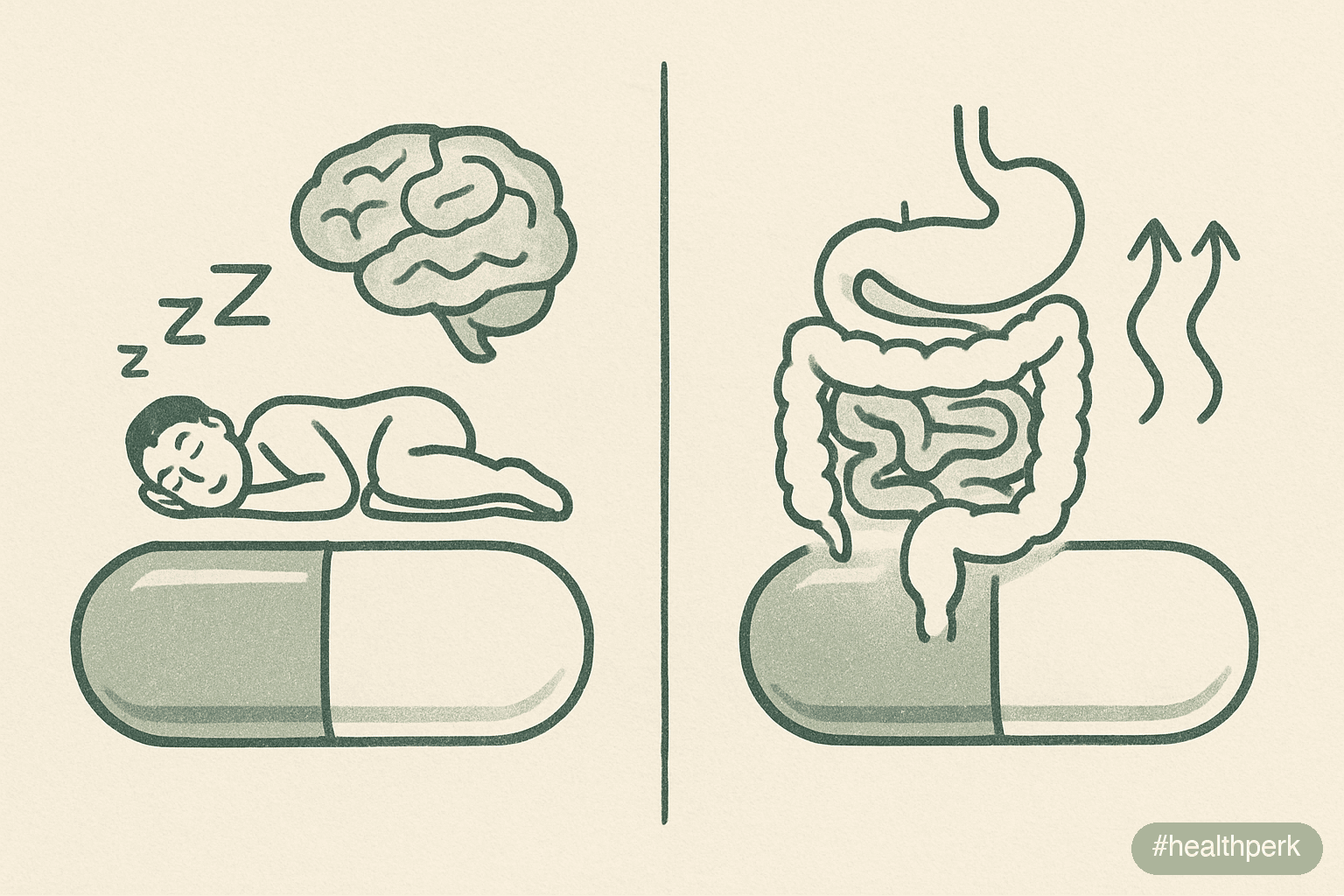
Magnesium glycinate vs citrate is the most common form question in 2026, and the right answer depends entirely on what you are trying to achieve. The two forms are not interchangeable for clinical purposes despite sharing the same elemental ion.
Magnesium glycinate (also called bisglycinate) is magnesium bound to two molecules of the amino acid glycine. Key properties:
- Bioavailability: Good. Comparable to citrate in absorption studies; some data suggest slightly better tissue retention.
- GI tolerance: Excellent. The chelated structure is absorbed via a dipeptide transporter rather than via the divalent mineral pathway, which substantially reduces the osmotic load in the colon. Loose stools are uncommon at standard doses.
- Additional effect of the carrier: Glycine itself has independent evidence for sleep support (a 2007 Japanese RCT showed 3 g of oral glycine before bed reduced sleep onset latency and improved next-day fatigue). The amount of glycine in a typical 200–400 mg elemental magnesium glycinate dose is well below 3 g but is not zero.
- Best uses: Sleep, anxiety, stress, long-term routine supplementation, adults sensitive to magnesium-induced GI effects.
Magnesium citrate is magnesium bound to citric acid. Key properties:
- Bioavailability: Good. Citrate is one of the more bioavailable common forms, with absorption efficiency around 25–30% in healthy adults.
- GI tolerance: Variable. At doses above about 200 mg elemental, citrate frequently produces a mild laxative effect because the unabsorbed fraction draws water into the colon (osmotic mechanism). At higher doses (400 mg+) the laxative effect is reliable and is the basis for using magnesium citrate as a bowel prep before colonoscopies.
- Best uses: Constipation, migraine prophylaxis (citrate is well-studied for this indication), short-term magnesium repletion where some GI movement is acceptable.
A comparison table of the other forms commonly seen on shelves in 2026:
| Form | Bioavailability | GI tolerance | Best use |
|---|---|---|---|
| Glycinate / bisglycinate | Good | Excellent | Sleep, anxiety, routine use |
| Citrate | Good | Variable (laxative at higher doses) | Constipation, migraine |
| Malate | Good | Good | Fatigue, fibromyalgia (weak evidence) |
| L-threonate | Moderate; only form with consistent CNS penetration data in animal models | Good | Cognitive support (preliminary evidence) |
| Taurate | Good | Good | Cardiovascular adjunct (modest evidence) |
| Chloride | Good | Variable | General repletion |
| Oxide | Poor (~4% bioavailable) | Strong laxative | Constipation only |
| Sulfate (Epsom salts, oral) | Variable | Strong laxative | Not recommended for routine oral use |
The practical heuristic: if you cannot remember the form to buy, glycinate for daily routine, citrate for occasional constipation covers the great majority of real-world use cases.
Should I Take Magnesium Daily? When Routine Supplementation Makes Sense and When It Doesn't

Should I take magnesium daily is the natural follow-up to all of the above, and it has a more defensible answer than most supplement questions. Magnesium has unusually good odds of being routinely useful, but only for the right person.
Daily magnesium makes sense if:
- Your dietary intake is below the EAR (about 350 mg/day for men, 265 mg/day for women) — most easily estimated by whether you eat servings of leafy greens, nuts, seeds, legumes, and whole grains daily. If most days are bread, processed carbohydrate, and meat, you are probably below the EAR.
- You have one of the cluster symptoms — chronic poor sleep, low-grade anxiety, frequent muscle cramps, eyelid twitches — and have ruled out the more obvious clinical causes.
- You are in a known risk group: long-term PPI use, thiazide or loop diuretic use, type 2 diabetes, IBD or chronic diarrhea, heavy alcohol use, age 60+, or pregnancy.
- You experience migraine — daily magnesium 400–600 mg is recommended for prophylaxis by the Canadian Headache Society and rated as probably effective (Level B) in the 2012 American Academy of Neurology / American Headache Society evidence assessment.
- You are an athlete with heavy sweat losses (sweat magnesium loss adds up over training cycles).
Daily magnesium is probably unnecessary if:
- You eat a Mediterranean-style or similarly varied diet with regular leafy greens, nuts, seeds, and whole grains.
- You have no symptoms in the cluster above and no risk factors.
- Your purpose is "general wellness" without a defined target — magnesium is not a useful tonic in an already-replete adult and the marginal benefit at population scale is small.
Daily magnesium needs clinician oversight if:
- You have chronic kidney disease (any stage 3 or higher) — magnesium is renally cleared and accumulates.
- You take bisphosphonates, certain antibiotics (quinolones, tetracyclines), or levothyroxine — magnesium binds these in the gut. Separate by 2–4 hours.
- You have bradycardia, heart block, or myasthenia gravis.
- You are pregnant — the appropriate dose is well within RDA range and is generally safe, but worth confirming with prenatal care.
For an adult who fits the "yes, daily" profile, a defensible routine is 200–300 mg elemental magnesium as glycinate or bisglycinate, taken 30–60 minutes before bed, for an initial 8-week trial. Re-evaluate against the symptom cluster at 8 weeks. If subjective sleep, anxiety, or muscle complaints are clearly better, continue. If nothing has changed, the dose is unlikely to be a useful long-term investment, and the supplement budget is better redirected.
Side effects to expect from honest dosing: mild softening of stool is common in the first week; this generally resolves or can be addressed by switching to glycinate from citrate or oxide. True adverse effects (diarrhea, abdominal cramping, hypotension, slowed reflexes) only become a real concern at doses well above 500 mg elemental/day or in adults with impaired kidney function.
Related Articles on HealthPerk
Explore more on this topic:
- How to Choose Supplements Safely
- Supplement Routine for Beginners
- Can You Take Multiple Supplements Together?
- Vitamin D Deficiency Symptoms
- Zinc Benefits for Immunity
- Best Supplements for Immune System
Frequently Asked Questions
What are the magnesium benefits for sleep and anxiety?
Magnesium supports sleep and anxiety by modulating NMDA glutamate receptors, enhancing GABAergic tone, dampening the HPA-axis stress response, and supporting parasympathetic activation. In randomized trials, 200–500 mg of elemental magnesium per day for 4–8 weeks produces modest but reproducible reductions in sleep onset latency and subjective anxiety, particularly in adults whose baseline intake is below the EAR. Effects are slow to build and consistency matters more than acute timing.
What does magnesium do that matters most for daily function?
Magnesium is a cofactor in over 300 enzymatic reactions, including ATP production, DNA synthesis, muscle contraction, nerve transmission, and cardiac rhythm. Its system-wide role explains why low intake shows up as a cluster of low-grade symptoms — poor sleep, muscle cramps, irritability, palpitations, fatigue — rather than one dramatic complaint. About 60% of body magnesium is in bone, 39% in soft tissue, and only 1% in blood, which is why standard serum tests miss marginal deficits.
What are the main magnesium deficiency symptoms?
The most common signs are nocturnal muscle cramps, eyelid or small-muscle twitches (myokymia), poor sleep quality, low-grade background anxiety, irritability, fatigue out of proportion to sleep hours, palpitations or ectopic beats, and paradoxical constipation. Risk groups include adults on long-term proton-pump inhibitors, loop or thiazide diuretics, heavy alcohol users, those with type 2 diabetes or IBD, older adults, and adults with low intake of leafy greens, nuts, seeds, and legumes.
What is the right magnesium dosage per day for adults?
The US RDA is 310–320 mg/day for women and 400–420 mg/day for men, with slightly higher requirements in pregnancy. Clinical trials for sleep and anxiety used 200–500 mg of elemental magnesium per day; migraine prophylaxis trials used 400–600 mg per day. The Tolerable Upper Intake Level for supplemental magnesium is 350 mg per day, above which diarrhea and cramping become common. Always check the elemental magnesium content on the label, not the total compound weight.
Magnesium glycinate vs citrate — which form should I choose?
Glycinate (bisglycinate) is the default for sleep, anxiety, and routine daily use: well-absorbed, very gentle on the GI tract, and the glycine carrier has independent sleep-supportive properties. Citrate is well-absorbed and useful for constipation and migraine prophylaxis but tends to produce a mild laxative effect at sleep-supportive doses. For most adults whose goal is sleep and stress, glycinate is the better choice; for constipation, citrate or oxide is more appropriate.
Should I take magnesium daily?
Daily magnesium is defensible for adults whose dietary intake is below the EAR, who have the symptom cluster (poor sleep, muscle cramps, low-grade anxiety), or who are in a known risk group (PPIs, diuretics, type 2 diabetes, heavy alcohol use, age 60+). It is unnecessary in adults with a varied Mediterranean-style diet and no symptoms. It needs clinician oversight in adults with chronic kidney disease, bradycardia, myasthenia gravis, or those taking bisphosphonates, certain antibiotics, or levothyroxine.
How long until magnesium starts working for sleep?
Magnesium is not a hypnotic and single-dose effects are minimal. The clinical effect on sleep onset and subjective sleep quality builds over 2–4 weeks of consistent daily use, and most trials evaluated outcomes at 4–8 weeks. A reasonable trial is 200–300 mg of elemental magnesium glycinate taken 30–60 minutes before bed, every night, for at least 4 weeks before judging whether the supplement is useful for you.
Can magnesium interact with my medications?
Yes. Magnesium reduces absorption of certain antibiotics (quinolones and tetracyclines), bisphosphonates, and levothyroxine — separate by at least 2–4 hours. Concurrent use with potassium-sparing diuretics requires caution because both can raise potassium. Magnesium can additively lower blood pressure with antihypertensives. Adults with chronic kidney disease should not take routine magnesium supplements without clinician oversight because magnesium is renally cleared and accumulates.
This article is for informational purposes only and does not constitute medical advice. Magnesium supplementation may be inappropriate during pregnancy, breastfeeding, or in the presence of chronic kidney disease, bradycardia, heart block, myasthenia gravis, or concurrent use of certain antibiotics, bisphosphonates, levothyroxine, or potassium-sparing diuretics. Adults on prescription medications should consult a qualified healthcare provider before adding magnesium to their routine. Individual results may vary.
About the author The HealthPerk Editorial Team reviews nutritional and supplement research through evidence synthesis cross-referenced with peer-reviewed clinical trials, Cochrane reviews, and clinical practice guidelines. Our supplement content is reviewed for medical accuracy against current internal medicine and nutritional science standards. How we review →
References
Office of Dietary Supplements, National Institutes of Health. (2024). Magnesium: Fact Sheet for Health Professionals. U.S. Department of Health and Human Services. https://ods.od.nih.gov/factsheets/Magnesium-HealthProfessional/
Supports: RDA values, Tolerable Upper Intake Level for supplemental magnesium, deficiency risk groups, and drug-nutrient interactions
Abbasi, B., Kimiagar, M., Sadeghniiat, K., Shirazi, M. M., Hedayati, M., & Rashidkhani, B. (2012). The effect of magnesium supplementation on primary insomnia in elderly: A double-blind placebo-controlled clinical trial. Journal of Research in Medical Sciences, 17(12), 1161–1169. https://pubmed.ncbi.nlm.nih.gov/23853635/
Supports: 500 mg magnesium oxide for 8 weeks improved sleep onset, sleep time, and serum melatonin in older adults with insomnia
Mah, J., & Pitre, T. (2021). Oral magnesium supplementation for insomnia in older adults: A systematic review and meta-analysis. BMC Complementary Medicine and Therapies, 21(1), 125. https://doi.org/10.1186/s12906-021-03297-z
Supports: meta-analytic estimate of approximately 17 minute reduction in sleep onset latency versus placebo
Arab, A., Rafie, N., Amani, R., & Shirani, F. (2023). The role of magnesium in sleep health: A systematic review of available literature. Biological Trace Element Research, 201(1), 121–128. https://doi.org/10.1007/s12011-022-03162-1
Supports: association of dietary and supplemental magnesium with sleep duration and quality, with stronger effects in adults below the EAR
Boyle, N. B., Lawton, C., & Dye, L. (2017). The effects of magnesium supplementation on subjective anxiety and stress — A systematic review. Nutrients, 9(5), 429. https://doi.org/10.3390/nu9050429
Supports: modest but reproducible effects of magnesium on subjective anxiety, stress, and parallel sleep quality outcomes
Schwalfenberg, G. K., & Genuis, S. J. (2017). The importance of magnesium in clinical healthcare. Scientifica, 2017, 4179326. https://doi.org/10.1155/2017/4179326
Supports: population prevalence of suboptimal magnesium intake; NHANES-based estimates of US adult intake below EAR
Yamadera, W., Inagawa, K., Chiba, S., Bannai, M., Takahashi, M., & Nakayama, K. (2007). Glycine ingestion improves subjective sleep quality in human volunteers, correlating with polysomnographic changes. Sleep and Biological Rhythms, 5(2), 126–131. https://doi.org/10.1111/j.1479-8425.2007.00262.x
Supports: independent sleep effect of the glycine carrier in magnesium glycinate
Pringsheim, T., Davenport, W., Mackie, G., Worthington, I., Aubé, M., Christie, S. N., ... & Becker, W. J. (2012). Canadian Headache Society guideline for migraine prophylaxis. Canadian Journal of Neurological Sciences, 39(2 Suppl 2), S1–S59. https://pubmed.ncbi.nlm.nih.gov/22683887/
Supports: 400–600 mg/day magnesium dosing for migraine prophylaxis as a Level B / Strong recommendation
Veronese, N., Demurtas, J., Pesolillo, G., Celotto, S., Barnini, T., Calusi, G., ... & Maggi, S. (2020). Magnesium and health outcomes: An umbrella review of systematic reviews and meta-analyses of observational and intervention studies. European Journal of Nutrition, 59(1), 263–272. https://doi.org/10.1007/s00394-019-01905-w
Supports: breadth of plausible health outcomes associated with magnesium status across cardiovascular, metabolic, and neurological endpoints
Walker, A. F., Marakis, G., Christie, S., & Byng, M. (2003). Mg citrate found more bioavailable than other Mg preparations in a randomised, double-blind study. Magnesium Research, 16(3), 183–191. https://pubmed.ncbi.nlm.nih.gov/14596323/
Supports: comparative bioavailability data for magnesium citrate, glycinate, and oxide in healthy adults
Frequently Asked Questions
What are the magnesium benefits for sleep and anxiety?
Magnesium supports sleep and anxiety by modulating NMDA glutamate receptors, enhancing GABAergic tone, dampening the HPA-axis stress response, and supporting parasympathetic activation. In randomized trials, 200-500 mg of elemental magnesium per day for 4-8 weeks produces modest but reproducible reductions in sleep onset latency and subjective anxiety, particularly in adults whose baseline intake is below the EAR. Effects are slow to build and consistency matters more than acute timing.
What does magnesium do that matters most for daily function?
Magnesium is a cofactor in over 300 enzymatic reactions, including ATP production, DNA synthesis, muscle contraction, nerve transmission, and cardiac rhythm. Its system-wide role explains why low intake shows up as a cluster of low-grade symptoms - poor sleep, muscle cramps, irritability, palpitations, fatigue - rather than one dramatic complaint. About 60% of body magnesium is in bone, 39% in soft tissue, and only 1% in blood, which is why standard serum tests miss marginal deficits.
What are the main magnesium deficiency symptoms?
The most common signs are nocturnal muscle cramps, eyelid or small-muscle twitches (myokymia), poor sleep quality, low-grade background anxiety, irritability, fatigue out of proportion to sleep hours, palpitations or ectopic beats, and paradoxical constipation. Risk groups include adults on long-term proton-pump inhibitors, loop or thiazide diuretics, heavy alcohol users, those with type 2 diabetes or IBD, older adults, and adults with low intake of leafy greens, nuts, seeds, and legumes.
What is the right magnesium dosage per day for adults?
The US RDA is 310-320 mg/day for women and 400-420 mg/day for men, with slightly higher requirements in pregnancy. Clinical trials for sleep and anxiety used 200-500 mg of elemental magnesium per day; migraine prophylaxis trials used 400-600 mg per day. The Tolerable Upper Intake Level for supplemental magnesium is 350 mg per day, above which diarrhea and cramping become common. Always check the elemental magnesium content on the label, not the total compound weight.
Magnesium glycinate vs citrate - which form should I choose?
Glycinate (bisglycinate) is the default for sleep, anxiety, and routine daily use: well-absorbed, very gentle on the GI tract, and the glycine carrier has independent sleep-supportive properties. Citrate is well-absorbed and useful for constipation and migraine prophylaxis but tends to produce a mild laxative effect at sleep-supportive doses. For most adults whose goal is sleep and stress, glycinate is the better choice; for constipation, citrate or oxide is more appropriate.
Should I take magnesium daily?
Daily magnesium is defensible for adults whose dietary intake is below the EAR, who have the symptom cluster (poor sleep, muscle cramps, low-grade anxiety), or who are in a known risk group (PPIs, diuretics, type 2 diabetes, heavy alcohol use, age 60+). It is unnecessary in adults with a varied Mediterranean-style diet and no symptoms. It needs clinician oversight in adults with chronic kidney disease, bradycardia, myasthenia gravis, or those taking bisphosphonates, certain antibiotics, or levothyroxine.
How long until magnesium starts working for sleep?
Magnesium is not a hypnotic and single-dose effects are minimal. The clinical effect on sleep onset and subjective sleep quality builds over 2-4 weeks of consistent daily use, and most trials evaluated outcomes at 4-8 weeks. A reasonable trial is 200-300 mg of elemental magnesium glycinate taken 30-60 minutes before bed, every night, for at least 4 weeks before judging whether the supplement is useful for you.
Can magnesium interact with my medications?
Yes. Magnesium reduces absorption of certain antibiotics (quinolones and tetracyclines), bisphosphonates, and levothyroxine - separate by at least 2-4 hours. Concurrent use with potassium-sparing diuretics requires caution because both can raise potassium. Magnesium can additively lower blood pressure with antihypertensives. Adults with chronic kidney disease should not take routine magnesium supplements without clinician oversight because magnesium is renally cleared and accumulates.
More from Supplements