
How to Choose Supplements Safely: A 2026 Evidence-Based Buyer's Guide
How to Choose Supplements Safely: A 2026 Evidence-Based Buyer's Guide
By the HealthPerk Editorial Team · Last updated: May 2026
Quick Answer
How do you choose supplements safely in 2026?
Choose supplements the way a careful clinician would: start from a documented need (a blood test, a dietary gap, a life stage), not from a marketing claim. Confirm three things on the label before buying — the per-ingredient dose is disclosed, the product carries an independent third-party verification mark (USP, NSF, or Informed Choice), and the form of the nutrient matches the evidence (for example, methylcobalamin or cyanocobalamin for B12, cholecalciferol for vitamin D, EPA + DHA totals for fish oil). Avoid proprietary blends, "10x" claims, and stacks that include stimulants beyond caffeine.
A four-step framework for 2026:
| Step | Question | What to look for |
|---|---|---|
| 1 — Identify need | Is there a documented deficiency or dietary gap? | Blood test, dietary review, life stage |
| 2 — Verify quality | Is the product independently tested? | USP, NSF, Informed Choice seals |
| 3 — Read the label | Are doses disclosed and clinically meaningful? | Per-ingredient mg/mcg, not "proprietary blend" |
| 4 — Plan the trial | How long, what outcome, when to re-test? | 8–12 weeks, single variable, re-measure |

How to choose supplements safely is the question that should sit upstream of every other supplement decision, and it is the one that most product pages quietly skip. The global supplement market is projected to exceed $250 billion in 2026, and the volume of marketing — influencer reels, before-and-after photos, "doctor formulated" badges — has outpaced regulatory oversight. In the United States, supplements remain regulated under DSHEA as a category of food, not as drugs, which means manufacturers do not have to prove efficacy or pre-market safety before selling a product. The burden of evaluation lands on the buyer.
This guide is written for that buyer. It is organized around the questions a thoughtful pharmacist or clinical nutritionist would ask before recommending a supplement: is there a real need, is the product trustworthy, is the dose clinically meaningful, and is the cost-to-benefit ratio defensible. The framework applies to both single-ingredient supplements (vitamin D, magnesium, omega-3) and to multi-ingredient products (multivitamins, herbal blends), with the same evidence-first lens.
Table of Contents
- Are Supplements Worth Taking, or Mostly Marketing?
- Do Supplements Actually Work? What the 2026 Evidence Says
- Do You Need Supplements If You Eat Healthy?
- Multivitamin vs Individual Supplements: Which Approach Wins?
- Natural Supplements vs Synthetic: A More Honest Comparison
- Food vs Supplements Nutrients: Where Each One Actually Helps
- Frequently Asked Questions
- References
Are Supplements Worth Taking, or Mostly Marketing?
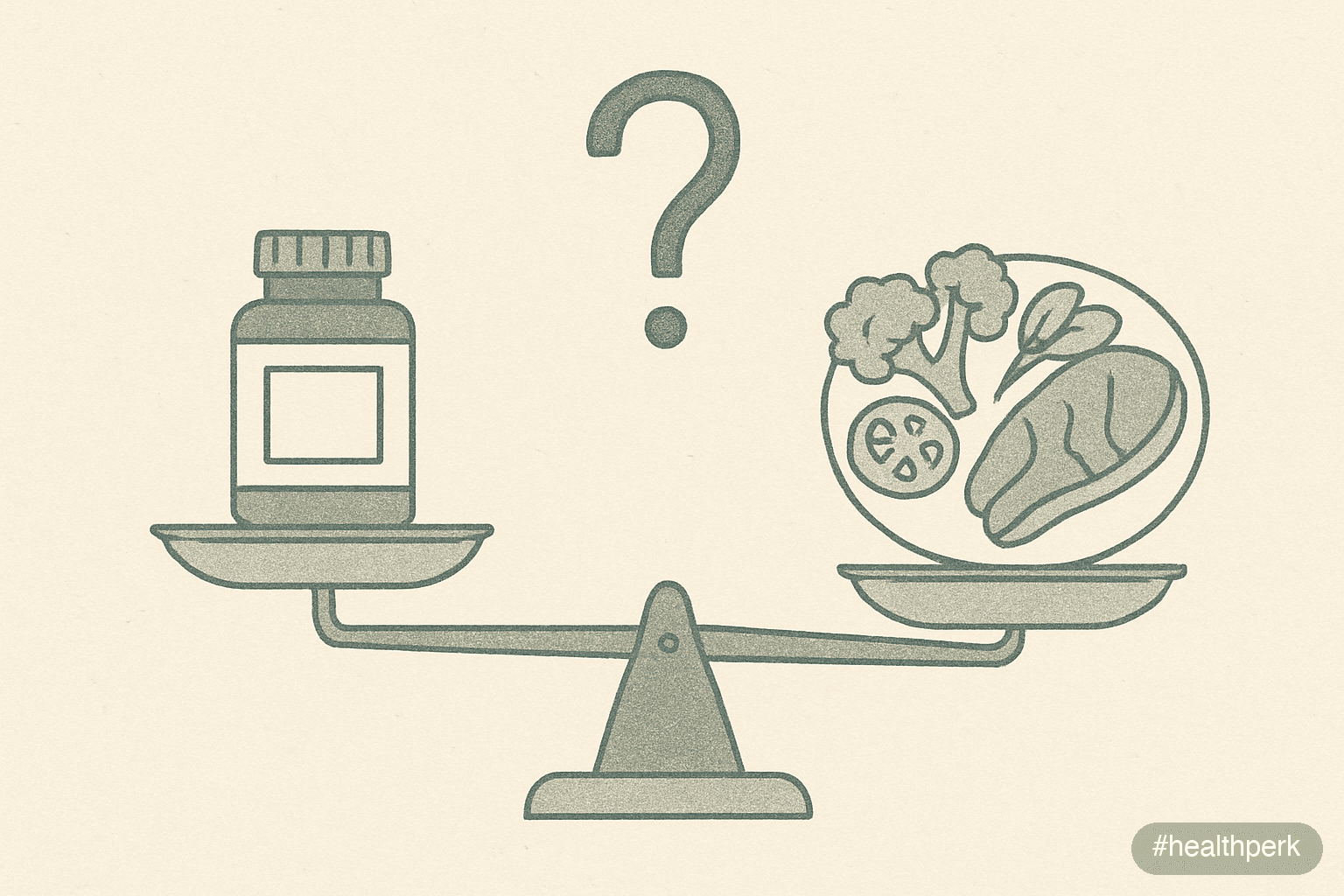
Are supplements worth taking in 2026? The honest answer depends entirely on the user. For an adult with a documented deficiency, a restrictive diet, a life stage with elevated demand (pregnancy, post-menopause, age 65+), or a clinical condition that impairs absorption, a targeted supplement is often genuinely worth taking and well-supported by the evidence. For a healthy adult with a varied diet and no documented gap, the marginal benefit of most supplements is small to negligible, and the cost-per-effect is poor.
The 2026 meta-analytic picture supports a few clear patterns:
- Omega-3 (EPA + DHA) has consistent modest benefit on triglycerides and cardiovascular outcomes in adults with low baseline fish intake; the effect shrinks in populations that already eat oily fish twice weekly.
- Vitamin D repletion in deficient adults (25-OH < 30 ng/mL) reliably normalizes serum markers and improves musculoskeletal symptoms; supplementation in already-replete adults shows little additional benefit and at high doses may cause harm.
- Iron in low-ferritin adults — especially menstruating women — produces measurable improvements in energy and cognition; iron supplementation in non-deficient adults is not benign and increases oxidative stress.
- Vitamin B12 in vegans, adults over 60, and people on metformin or proton-pump inhibitors is one of the highest-value supplement interventions in the entire field.
- Multivitamins in well-fed adults show small effects in some large cohort studies (notably COSMOS in 2023) and neutral effects in others; the realistic interpretation is "low cost, low risk, modest possible benefit."
The categories where supplements are less worth taking, on current evidence, include high-dose antioxidant packs (vitamin E megadoses in particular), most proprietary "detox" or "cleanse" formulas, weight-loss supplements that are not just stimulants in a colored bottle, and broad-spectrum "immune boosters" without documented deficiency.
The marketing-vs-medicine test
A reasonable internal test before buying any supplement: would a published systematic review describe this product the way the brand describes itself? If the brand language is much more confident than the underlying evidence — "transforms your energy," "unlocks peak performance," "doctor-formulated for radical results" — the supplement is being sold on confidence rather than data. That is the moment to put it back on the shelf.
Do Supplements Actually Work? What the 2026 Evidence Says
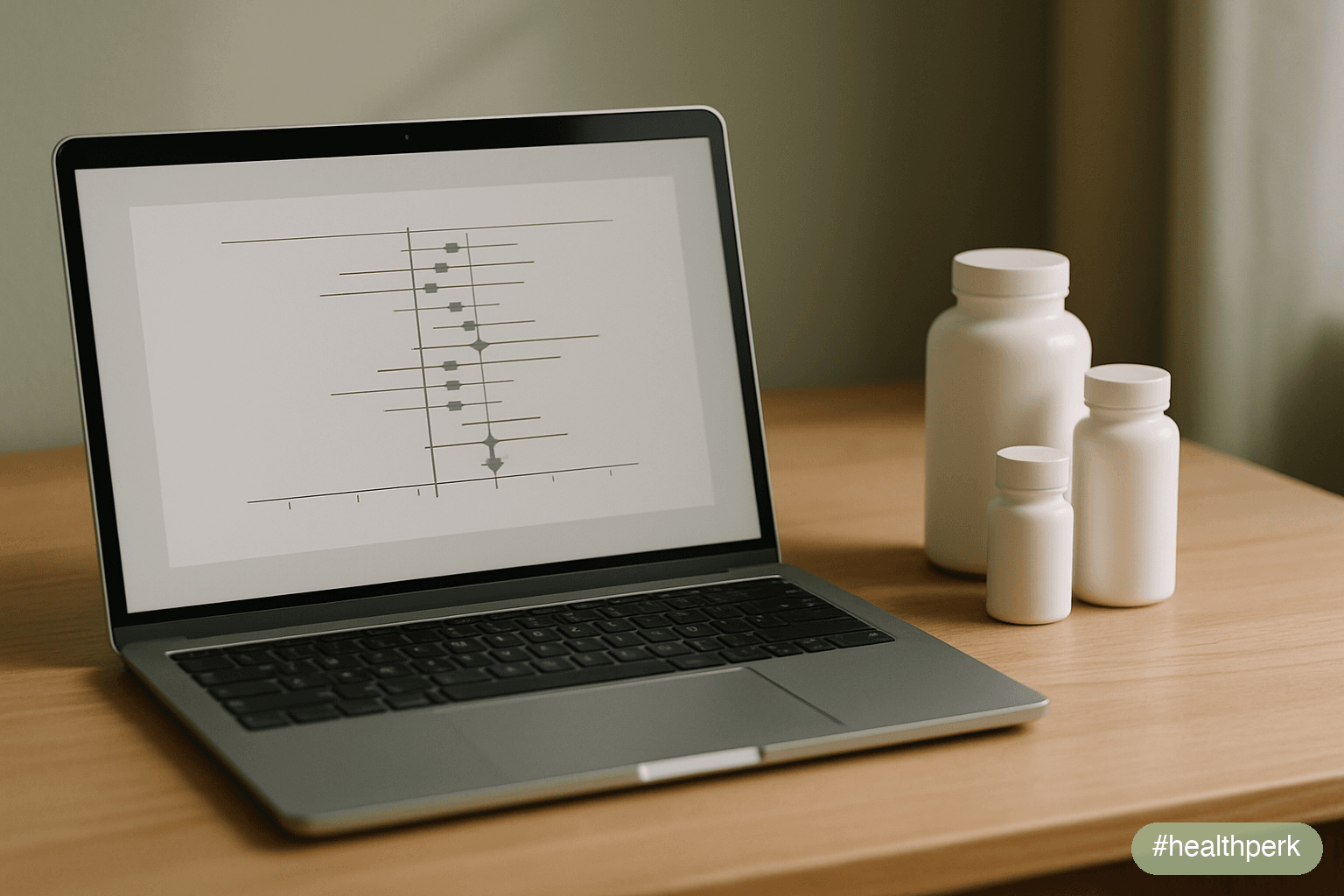
Do supplements actually work is one of the most popular questions in the wellness space, and the answer is not a single yes or no. Supplements work robustly for some indications, modestly for others, and not at all for many of the use-cases under which they are marketed. The pattern across the 2026 evidence base — including Cochrane reviews and major meta-analyses published through 2024–2025 — looks like this:
Strong evidence (consistent, replicated benefit in the deficient or at-risk population):
- Folic acid in women planning pregnancy (prevention of neural tube defects)
- Vitamin B12 in deficient adults
- Vitamin D in deficient adults
- Iron in iron-deficient adults
- Calcium + vitamin D in older adults at risk of osteoporosis
- Omega-3 (EPA + DHA) for elevated triglycerides
Moderate evidence (real but smaller effects, individual response varies):
- Magnesium for sleep onset and muscle cramps
- Creatine monohydrate for cognition and muscle performance
- Probiotics for antibiotic-associated diarrhea and IBS in specific strains
- Coenzyme Q10 in adults on statins with statin-associated muscle symptoms
Weak or contested evidence:
- High-dose antioxidant blends (vitamins A, C, E in megadoses) for cancer or cardiovascular prevention
- Most "brain support" or "anti-aging" proprietary blends
- Generic "immune boosters" outside zinc lozenges within 24 hours of cold onset
- Most weight-loss supplements
The single most useful interpretation of the 2026 evidence is that supplements work best when they correct an identified gap, less well when they are added on top of an already-adequate diet, and almost never when used as a substitute for sleep, food quality, or physical activity. The further a supplement claim sits from a documented mechanism (deficiency correction, well-characterized pharmacology), the weaker the underlying evidence is likely to be.
Same supplement, different effect
The dose, the form, and the population matter as much as the ingredient. A 1,000 IU vitamin D capsule taken daily by a deficient adult in winter behaves differently from the same capsule taken by a sun-exposed adult in summer. Iron from heme sources in a meal behaves differently from a 65 mg ferrous sulfate tablet on an empty stomach. A 200 mg magnesium glycinate capsule is biologically not the same intervention as 400 mg magnesium oxide, even at "similar" elemental doses. The honest version of "does it work" almost always requires specifying for whom, at what dose, in what form, and for what outcome.
Do You Need Supplements If You Eat Healthy?
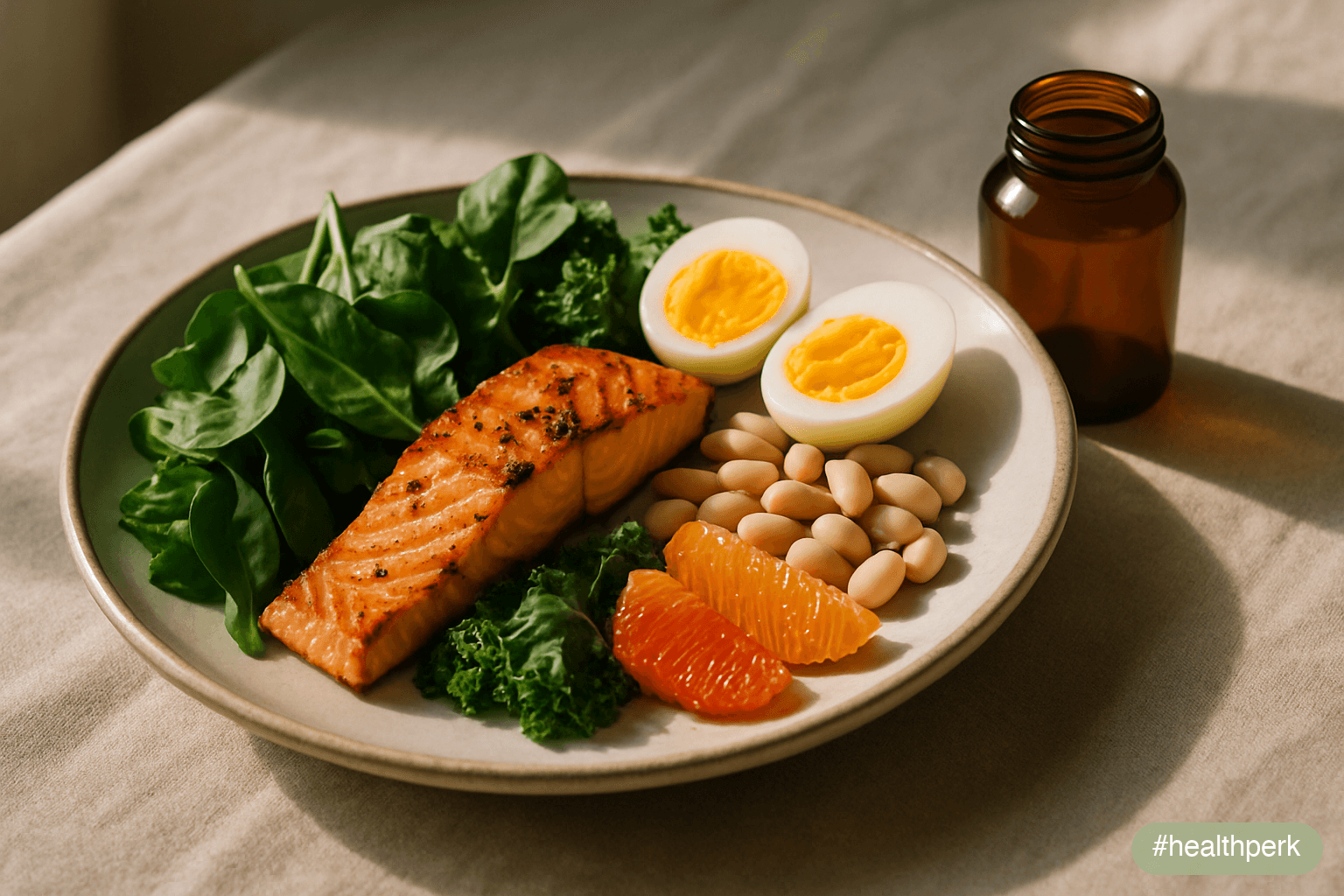
Do you need supplements if you eat healthy is a question with a generally encouraging answer and several worthwhile exceptions. A diet that consistently includes leafy greens, oily fish twice weekly, legumes, whole grains, nuts and seeds, dairy or fortified plant alternatives, and a variety of fruits and vegetables will cover most micronutrient needs for most adults. The U.S. Dietary Guidelines, the EFSA dietary reference values, and the WHO healthy diet framework all converge on the conclusion that food first, supplements second is the right default.
That said, even a careful eater has predictable gap areas worth knowing about:
- Vitamin D. Few foods contain meaningful vitamin D (oily fish, egg yolks, fortified dairy or plant milks). Latitudes above ~37° and skin protection from sunscreen limit cutaneous synthesis. Most adults living in temperate climates do not reach replete serum levels on diet alone in winter.
- Vitamin B12 in plant-based diets. B12 is essentially absent from plant foods (algae and fermented foods are not reliable sources). Vegan and many vegetarian adults need a supplement or fortified foods to maintain status.
- Omega-3 (EPA + DHA) in adults who don't eat oily fish. Plant ALA from flax, chia, and walnuts converts poorly to EPA and even more poorly to DHA. Algal oil is a reasonable supplement source for adults who avoid fish.
- Iron in menstruating women, frequent blood donors, and endurance athletes. Even iron-rich diets sometimes do not keep up with losses.
- Calcium in adults avoiding dairy without a strong replacement (fortified plant milks, tofu set with calcium sulfate, leafy greens).
- Iodine in adults using non-iodized salts without seafood, dairy, or seaweed.
- Folic acid in women planning pregnancy — the evidence here is strong enough that supplementation is a routine recommendation regardless of diet quality.
For a healthy adult who eats well and falls into none of the above categories, the honest answer is that routine supplementation is optional. A small daily multivitamin is reasonable as a low-cost, low-risk hedge against day-to-day dietary variability; it is not required, and it should never be marketed as transformative. The far more impactful interventions remain sleep, regular physical activity, and the overall pattern of what is on the plate.
Multivitamin vs Individual Supplements: Which Approach Wins?
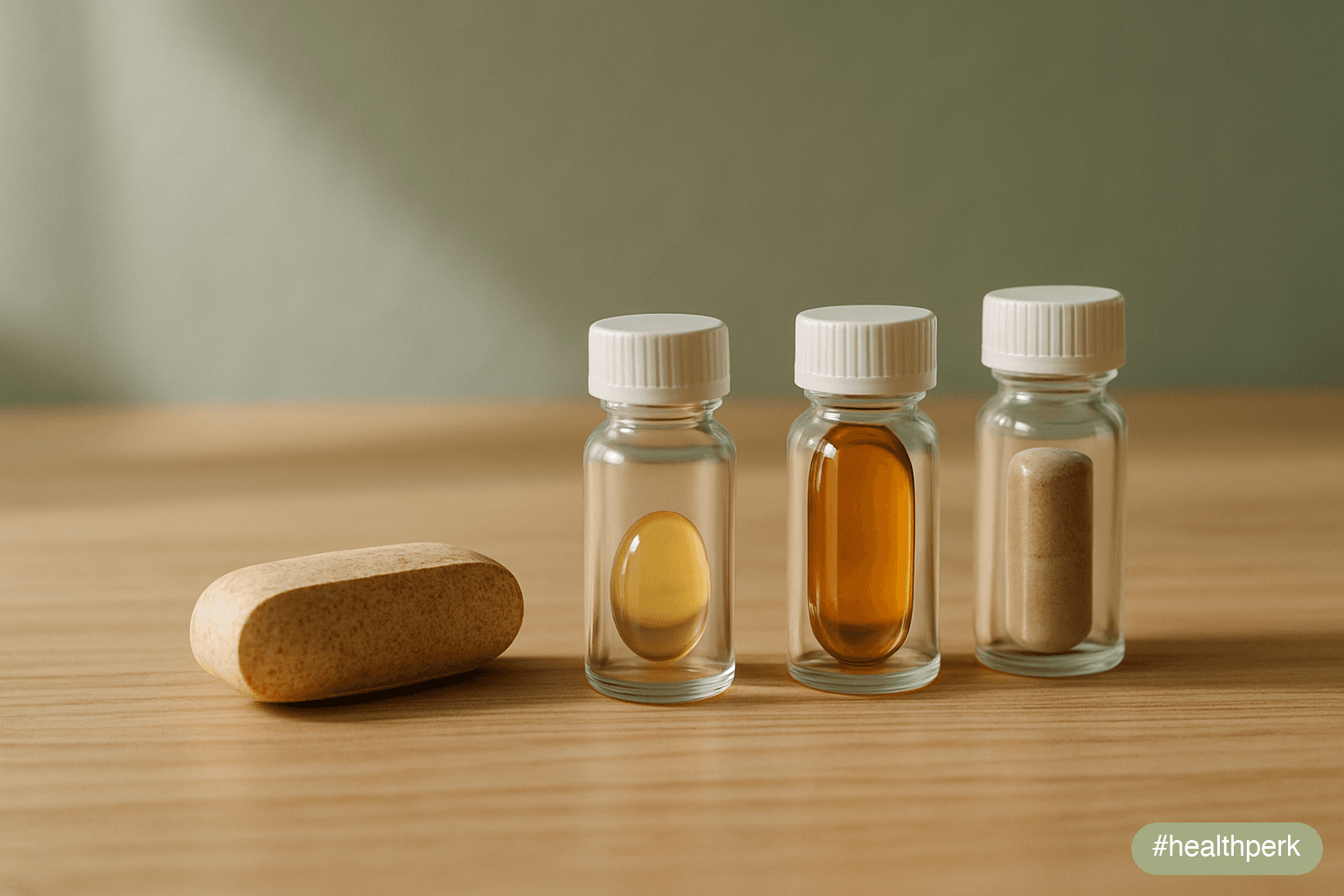
Multivitamin vs individual supplements is one of the most common decision points for new buyers, and the right answer is "it depends on the goal." A multivitamin offers modest insurance across a wide range of micronutrients at low cost; individual supplements offer higher, clinically meaningful doses of specific nutrients identified by need.
The multivitamin case:
- Low cost (typically $10–25/month)
- Single capsule, easy adherence
- Broad coverage of fat- and water-soluble vitamins plus trace minerals
- The 2022 COSMOS-Mind study and its 2023 follow-ups in Alzheimer's & Dementia reported small but statistically meaningful cognitive benefits over three years in older adults taking a standard daily multivitamin
- Reasonable as a hedge during periods of irregular eating (travel, illness, exam season)
The individual-supplement case:
- Allows clinically meaningful repletion doses (a multivitamin's 800 IU vitamin D will not reliably correct a documented deficiency)
- Allows the right form (magnesium glycinate for sleep vs magnesium oxide for laxative effect)
- Avoids unwanted ingredients (high-dose iron in a non-deficient man; vitamin K in someone on warfarin)
- Allows trial-and-error one variable at a time
A reasonable framework for most adults:
- Identify a specific need through testing or diet review.
- Use an individual supplement at a clinically meaningful dose for that need.
- Optionally add a basic multivitamin as a hedge — but expect it to be a backstop, not a hero.
The wrong move is to take a multivitamin and an individual supplement of the same nutrient at the same time without checking for additive doses. A daily multi with 5,000 IU vitamin A plus a "high-potency" individual vitamin A can push intake well past safe thresholds — vitamin A toxicity is one of the more common over-the-counter supplement injuries.
A note on "men's", "women's", and "50+" formulas
The differentiation is real but modest. Women's formulas typically contain higher iron (relevant for menstruating women, potentially excessive for postmenopausal women); 50+ formulas typically contain higher B12 and vitamin D and less iron. The marketing differentiation often exceeds the biological differentiation, but the iron content is the most clinically important variable to check.
Natural Supplements vs Synthetic: A More Honest Comparison
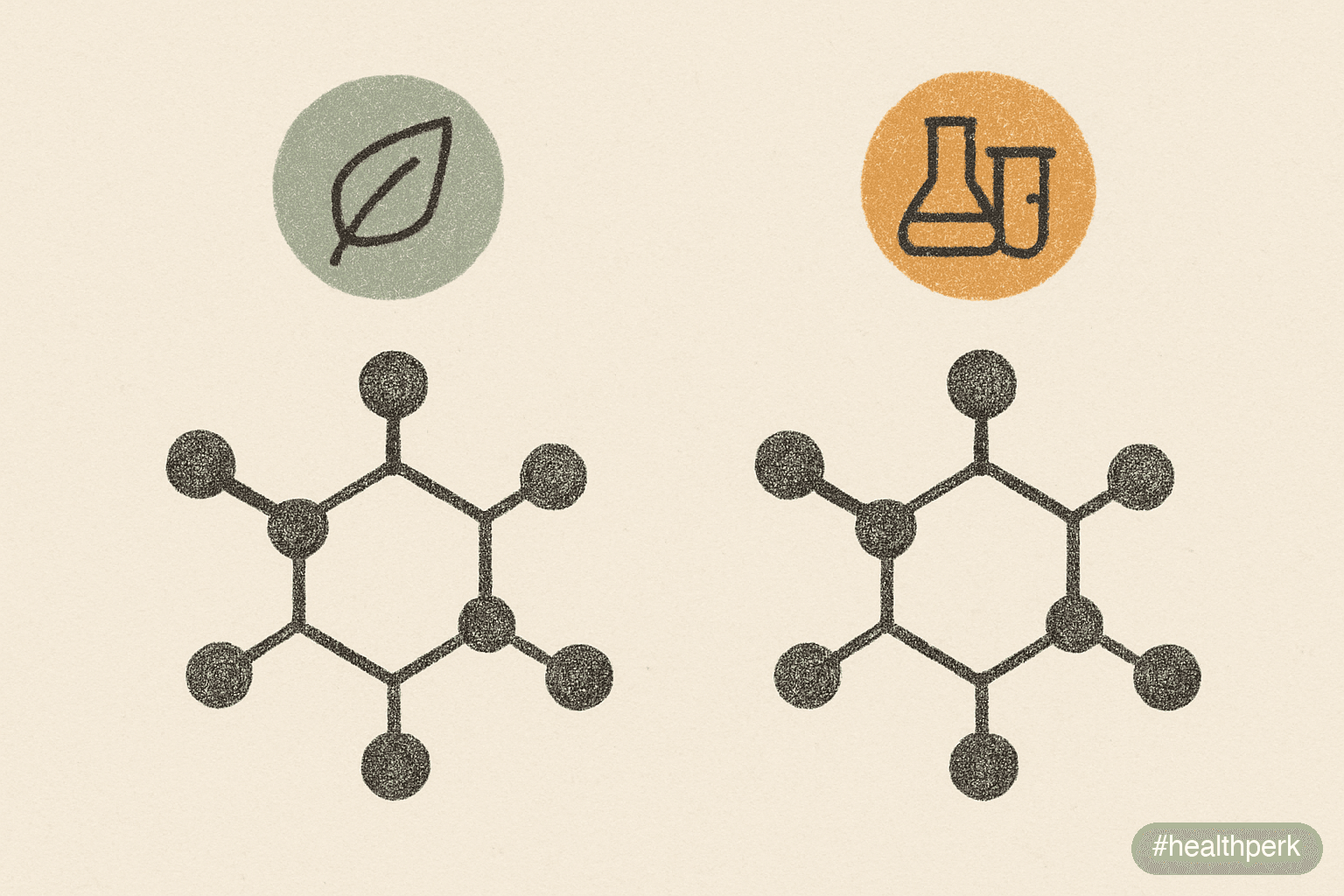
Natural supplements vs synthetic is a comparison that the marketing world treats as obvious and the chemistry world treats as misleading. The body absorbs and uses an isolated molecule based on its structure, not on its origin story. A synthetic vitamin C molecule and a plant-extracted vitamin C molecule are chemically identical and behave identically once absorbed. The same is true for most B vitamins, minerals, and amino acids.
There are a few legitimate exceptions where source genuinely matters:
- Vitamin E. Natural d-alpha tocopherol has about twice the biological activity of synthetic dl-alpha tocopherol on a per-IU basis. This is one of the clearer cases where "natural" provides a real, measurable advantage.
- Folate vs folic acid. Synthetic folic acid is highly bioavailable and is what the strong neural-tube-defect-prevention evidence is built on. In adults with MTHFR polymorphisms, methylated folate (5-MTHF) may be preferred, though the clinical importance is debated.
- Omega-3. Triglyceride and re-esterified triglyceride forms are absorbed somewhat better than ethyl ester forms, particularly when taken with a low-fat meal. Source (fish vs algal) matters for vegetarians; the EPA/DHA totals matter more than the species.
Natural supplements for health: useful framework
Natural supplements for health can be a worthwhile category when "natural" means whole-food-derived with documented standardization — a turmeric extract standardized to a specified percentage of curcuminoids, an ashwagandha extract standardized to withanolide content, a green-tea extract standardized to EGCG content. The standardization is what makes the product reproducible. "Natural" without standardization often means inconsistent active-compound content from bottle to bottle.
The marketing trap is the reverse: "natural" used as a halo for unstandardized, undisclosed-dose blends. A bottle labeled "pure natural herbs" with no per-ingredient milligram doses is a worse product than a transparent synthetic equivalent with disclosed doses.
Herbal supplements benefits — and the genuine cautions
Herbal supplements benefits are real for several well-studied compounds: turmeric (curcumin) for osteoarthritis and mild inflammatory conditions; ashwagandha for stress and sleep with reasonable evidence; ginger for nausea; peppermint oil for IBS symptoms; St John's wort for mild depression (with significant drug interactions). The cautions are also real: herbs can interact strongly with prescription medications. St John's wort accelerates the metabolism of dozens of drugs, including oral contraceptives, antiretrovirals, and SSRIs. Ginkgo and high-dose garlic can increase bleeding risk in people on anticoagulants. Many herbs are contraindicated in pregnancy.
The honest comparison: choose synthetic when chemical structure makes source irrelevant and standardization is the dominant variable; choose plant-derived when the active compound is a complex matrix (a standardized herb extract) and the standardization is documented on the label.
Food vs Supplements Nutrients: Where Each One Actually Helps
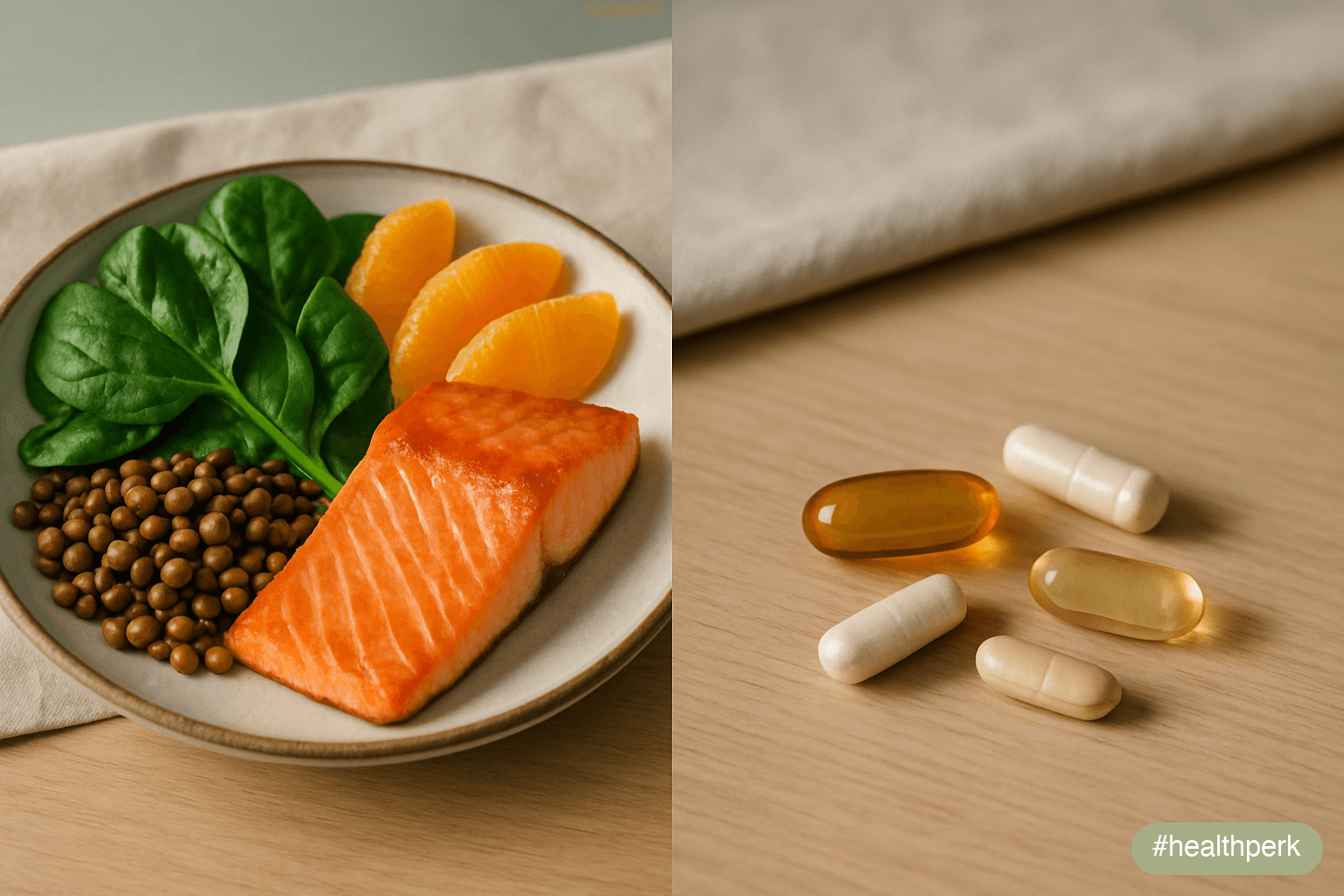
Food vs supplements nutrients is the comparison that most often gets framed as a war and most usefully gets framed as a division of labor. Food provides nutrients in a complex matrix — fiber, polyphenols, bioactive peptides, fats that aid absorption, and synergies between compounds that no capsule reproduces. Supplements provide concentrated, standardized doses that food rarely matches when a specific repletion target is required.
Where food clearly wins:
- Polyphenols and fiber. Berries, leafy greens, legumes, and whole grains deliver thousands of bioactive compounds whose health effects show up consistently in cohort studies but have repeatedly failed to replicate when isolated into pills.
- Long-term cardiovascular and cognitive outcomes. Dietary patterns (Mediterranean, DASH, MIND) consistently outperform single-supplement interventions in long-term outcomes.
- Satiety, glycemic control, and metabolic health. Driven by total dietary pattern, not by individual nutrients in pill form.
- Microbiome diversity. Built by varied plant intake; no probiotic supplement reproduces the diversity of a fiber-rich diet.
Where supplements clearly win:
- Reaching specific repletion doses. Correcting a vitamin D deficiency in winter requires far more vitamin D than any practical diet provides.
- Pregnancy folate. The 400–800 mcg folic acid evidence base for neural tube defect prevention is built on supplements, not food folate.
- B12 in vegan adults. No plant food reliably provides B12; a supplement or fortified food is required.
- Therapeutic doses. EPA + DHA at 2–4 g/day for triglyceride lowering, or magnesium at 300–400 mg for sleep, are pharmacologic doses that food does not realistically deliver.
- Standardized actives in herbal medicine. Curcumin at trial doses, ashwagandha at standardized withanolide content — these are reproducible only in supplement form.
A practical synthesis: build the foundation on food, use supplements as a targeted second layer for documented gaps or therapeutic doses, and avoid the trap of treating supplements as a substitute for the dietary pattern they cannot replace.
The 80/20 of buying decisions
For most adults, 80% of the nutritional benefit comes from improving the dietary pattern; 20% from well-chosen supplements. Most marketing budgets are spent inverting this ratio. The single most useful internal discipline is to ask, before any supplement purchase, "what dietary change would deliver the same outcome, and have I made it first?" If the answer is yes, the supplement is a reasonable addition. If the answer is no, the supplement is probably premature.
Related Articles on HealthPerk
Explore more on this topic:
- Supplement Routine for Beginners
- Can You Take Multiple Supplements Together?
- Supplement Side Effects List
- Best Supplements for Immune System
- Magnesium Benefits for Sleep and Anxiety
- Vitamin D Deficiency Symptoms
Frequently Asked Questions
How do you actually choose supplements safely as a beginner?
Start with a documented need, not a marketing claim. Get a basic blood panel covering ferritin, vitamin B12, vitamin D (25-OH), and a complete blood count; review your diet for obvious gaps (no oily fish, plant-based eating, limited sun exposure); and let those two inputs drive the first supplement choices. Verify the product carries an independent quality mark (USP, NSF, or Informed Choice), confirm the label discloses per-ingredient milligram doses, and avoid proprietary blends. Trial one supplement at a time for 8–12 weeks before adding another.
Are supplements worth taking if I already have a fairly varied diet?
For a healthy adult with a varied diet and no documented gap, the marginal benefit of most supplements is small. The exceptions are vitamin D (most adults in temperate latitudes are sub-optimal in winter), omega-3 (in people who don't eat oily fish), B12 (in plant-based eaters and adults over 60), iron (in menstruating women), and folate (in women planning pregnancy). For these, a targeted supplement is genuinely worth taking. A daily multivitamin is reasonable as a low-cost hedge but is not transformative.
Do supplements actually work, or is the entire industry overhyped?
Both can be true. Several supplements work robustly when matched to the right population: folic acid in pregnancy, vitamin D in deficient adults, iron in deficient adults, omega-3 in low fish intake, B12 in vegans and older adults. Many marketed claims — fat-burning blends, generic immune boosters, brain pills with proprietary blends — are not supported by the 2026 meta-analytic evidence. The category contains real medicine and real marketing, and the buyer's job is to separate them.
Do you need supplements if you eat healthy and exercise regularly?
Mostly no, with predictable exceptions. Even a careful eater will commonly need vitamin D in winter at higher latitudes, B12 if eating plant-based, iron if menstruating heavily, folate if planning pregnancy, and omega-3 if not eating oily fish. Outside these specific gaps, a healthy adult with a varied diet and regular physical activity does not need most supplements. A basic daily multivitamin is reasonable insurance and rarely harmful.
Multivitamin vs individual supplements — which is better long term?
For broad insurance against day-to-day dietary variability, a multivitamin is a reasonable low-cost option, and recent large trials (COSMOS-Mind) suggest small cognitive benefits in older adults. For correcting a documented deficiency, individual supplements at clinically meaningful doses are required — a multivitamin's typical vitamin D content (400–1,000 IU) is not enough to correct a true deficiency. Most adults end up using both: a multivitamin as a hedge and one or two individual supplements for specific needs.
Natural supplements vs synthetic — does the source actually matter?
Usually no, biologically. Synthetic and natural vitamin C, for example, are chemically identical and absorbed identically. The genuine exceptions are vitamin E (natural d-alpha tocopherol has roughly twice the biological activity of synthetic dl-alpha tocopherol), folate (methylfolate may be preferred over folic acid in some individuals), and herbal extracts (where standardization to a documented active-compound percentage is what makes the product reproducible). For most other nutrients, label transparency and third-party testing matter far more than the natural-versus-synthetic label.
Food vs supplements nutrients — when do supplements beat food?
Supplements beat food when a specific therapeutic dose is required: vitamin D repletion in deficiency, folate in pregnancy planning, B12 in plant-based eaters, EPA + DHA at 2–4 g/day for triglyceride lowering, or magnesium at 300–400 mg for sleep. Food beats supplements for long-term cardiovascular and cognitive outcomes, polyphenol and fiber intake, microbiome diversity, and overall metabolic health. The honest framing is complementary, not competitive — food first, supplements as a targeted second layer for documented gaps.
This article is for informational purposes only and does not constitute medical advice. Supplements can interact with medications and may be inappropriate during pregnancy, breastfeeding, or in the presence of certain medical conditions including kidney disease, liver disease, bleeding disorders, and thyroid disease. Consult a qualified healthcare provider before starting any supplement regimen, particularly if you are taking prescription medications. Always have suspected deficiencies confirmed by laboratory testing before beginning replacement-dose supplementation. Individual results may vary.
About the author The HealthPerk Editorial Team reviews nutritional and supplement research through evidence synthesis cross-referenced with peer-reviewed clinical trials, Cochrane reviews, and clinical practice guidelines. Our supplement content is reviewed for medical accuracy against current internal medicine and nutritional science standards. How we review →
References
Office of Dietary Supplements, National Institutes of Health. (2024). Dietary Supplements: What You Need to Know. U.S. Department of Health and Human Services. https://ods.od.nih.gov/factsheets/WYNTK-Consumer/
Supports: regulatory framing under DSHEA and consumer guidance on quality, dosing, and label literacy
Manson, J. E., Cook, N. R., Lee, I.-M., Christen, W., Bassuk, S. S., Mora, S., ... & Buring, J. E. (2019). Vitamin D supplements and prevention of cancer and cardiovascular disease. New England Journal of Medicine, 380(1), 33–44. https://doi.org/10.1056/NEJMoa1809944
Supports: vitamin D supplementation in non-deficient adults shows limited benefit on hard cardiovascular and cancer outcomes
Yeung, L. K., Alschuler, D. M., Wall, M., Luttmann-Gibson, H., Copeland, T., Hale, C., Sloan, R. P., Sesso, H. D., Manson, J. E., & Brickman, A. M. (2023). Multivitamin supplementation improves memory in older adults: A randomized clinical trial. American Journal of Clinical Nutrition, 118(1), 273–282. https://doi.org/10.1016/j.ajcnut.2023.05.011
Supports: small but measurable cognitive benefit of standard daily multivitamins in older adults over multi-year follow-up
Bjelakovic, G., Nikolova, D., Gluud, L. L., Simonetti, R. G., & Gluud, C. (2012). Antioxidant supplements for prevention of mortality in healthy participants and patients with various diseases. Cochrane Database of Systematic Reviews, 3, CD007176. https://doi.org/10.1002/14651858.CD007176.pub2
Supports: high-dose antioxidant supplements do not reduce mortality and may increase risk in some populations
Skeie, G., Braaten, T., Hjartåker, A., Lentjes, M., Amiano, P., Jakszyn, P., ... & Slimani, N. (2009). Use of dietary supplements in the European Prospective Investigation into Cancer and Nutrition calibration study. European Journal of Clinical Nutrition, 63 Suppl 4, S226–S238. https://doi.org/10.1038/ejcn.2009.83
Supports: prevalence and demographic distribution of supplement use across European adult populations
Pawlak, R., Parrott, S. J., Raj, S., Cullum-Dugan, D., & Lucus, D. (2013). How prevalent is vitamin B12 deficiency among vegetarians? Nutrition Reviews, 71(2), 110–117. https://doi.org/10.1111/nure.12001
Supports: vitamin B12 deficiency is common in vegetarian and vegan adults without supplementation
Holick, M. F., Binkley, N. C., Bischoff-Ferrari, H. A., Gordon, C. M., Hanley, D. A., Heaney, R. P., ... & Weaver, C. M. (2011). Evaluation, treatment, and prevention of vitamin D deficiency: An Endocrine Society clinical practice guideline. Journal of Clinical Endocrinology & Metabolism, 96(7), 1911–1930. https://doi.org/10.1210/jc.2011-0385
Supports: thresholds and repletion strategies for vitamin D deficiency in adults
AbuMweis, S. S., Jew, S., Tayyem, R., & Agraib, L. M. (2018). Eicosapentaenoic acid and docosahexaenoic acid containing supplements modulate risk factors for cardiovascular disease: A meta-analysis of randomised placebo-control human clinical trials. Journal of Human Nutrition and Dietetics, 31(1), 67–84. https://doi.org/10.1111/jhn.12493
Supports: meta-analysis of EPA + DHA supplementation effects on triglycerides and cardiovascular risk factors
Daneshzad, E., Shab-Bidar, S., Mohammadpour, Z., & Djafarian, K. (2019). Effect of saffron on fasting blood sugar, hemoglobin A1c, and lipid profile: A systematic review and meta-analysis. Complementary Therapies in Medicine, 47, 102201. https://doi.org/10.1016/j.ctim.2019.102201
Supports: standardized herbal extracts produce reproducible effects when active-compound content is documented, in contrast to undisclosed-blend herbal products
United States Pharmacopeia. (2024). USP Verified Mark Program: Quality assurance for dietary supplements. https://www.usp.org/verification-services/verified-mark
Supports: independent third-party verification programs as the most reliable quality signal available to consumers in the unregulated supplement market
Frequently Asked Questions
How do you actually choose supplements safely as a beginner?
Start with a documented need from a basic blood panel (ferritin, B12, vitamin D, CBC) and a diet review, not a marketing claim. Verify a third-party quality mark (USP, NSF, Informed Choice), confirm per-ingredient milligram doses are disclosed, and avoid proprietary blends. Trial one supplement at a time for 8-12 weeks before adding another.
Are supplements worth taking if I already have a fairly varied diet?
For most healthy adults with no documented gap, marginal benefit is small. Exceptions worth supplementing: vitamin D in winter, B12 in plant-based eaters and adults over 60, iron in menstruating women, folate in women planning pregnancy, and omega-3 in people who don't eat oily fish. A daily multivitamin is a reasonable low-cost hedge.
Do supplements actually work, or is the entire industry overhyped?
Both. Folic acid in pregnancy, vitamin D and iron in deficiency, B12 in vegans, and omega-3 in low fish intake work robustly when matched to the right population. Most fat-burning, generic immune, or proprietary-blend brain pills are not supported by 2026 meta-analytic evidence.
Do you need supplements if you eat healthy and exercise regularly?
Mostly no, with predictable exceptions: vitamin D in winter, B12 if plant-based, iron if menstruating heavily, folate if planning pregnancy, and omega-3 if not eating oily fish. Outside these, a healthy active adult with a varied diet does not need most supplements; a basic multivitamin is reasonable insurance.
Multivitamin vs individual supplements — which is better long term?
A multivitamin is reasonable broad insurance and recent COSMOS-Mind data suggest small cognitive benefits in older adults. Individual supplements at clinically meaningful doses are required to correct documented deficiencies. Most adults use both: a multivitamin as a hedge and one or two individual supplements for specific needs.
Natural supplements vs synthetic — does the source actually matter?
Usually no — most synthetic and natural vitamins are chemically identical. Genuine exceptions: natural vitamin E (d-alpha) has roughly twice the activity of synthetic (dl-alpha), methylfolate may be preferred over folic acid in some individuals, and standardized herbal extracts depend on documented active-compound content. Third-party testing and label transparency matter more than the natural label.
Food vs supplements nutrients — when do supplements beat food?
Supplements beat food when therapeutic doses are required: vitamin D repletion, folate in pregnancy, B12 in plant-based eaters, EPA + DHA at 2-4 g/day for triglycerides, magnesium at 300-400 mg for sleep. Food beats supplements for long-term cardiovascular and cognitive outcomes, polyphenols, fiber, and microbiome diversity. Food first, supplements as a targeted second layer.
More from Supplements