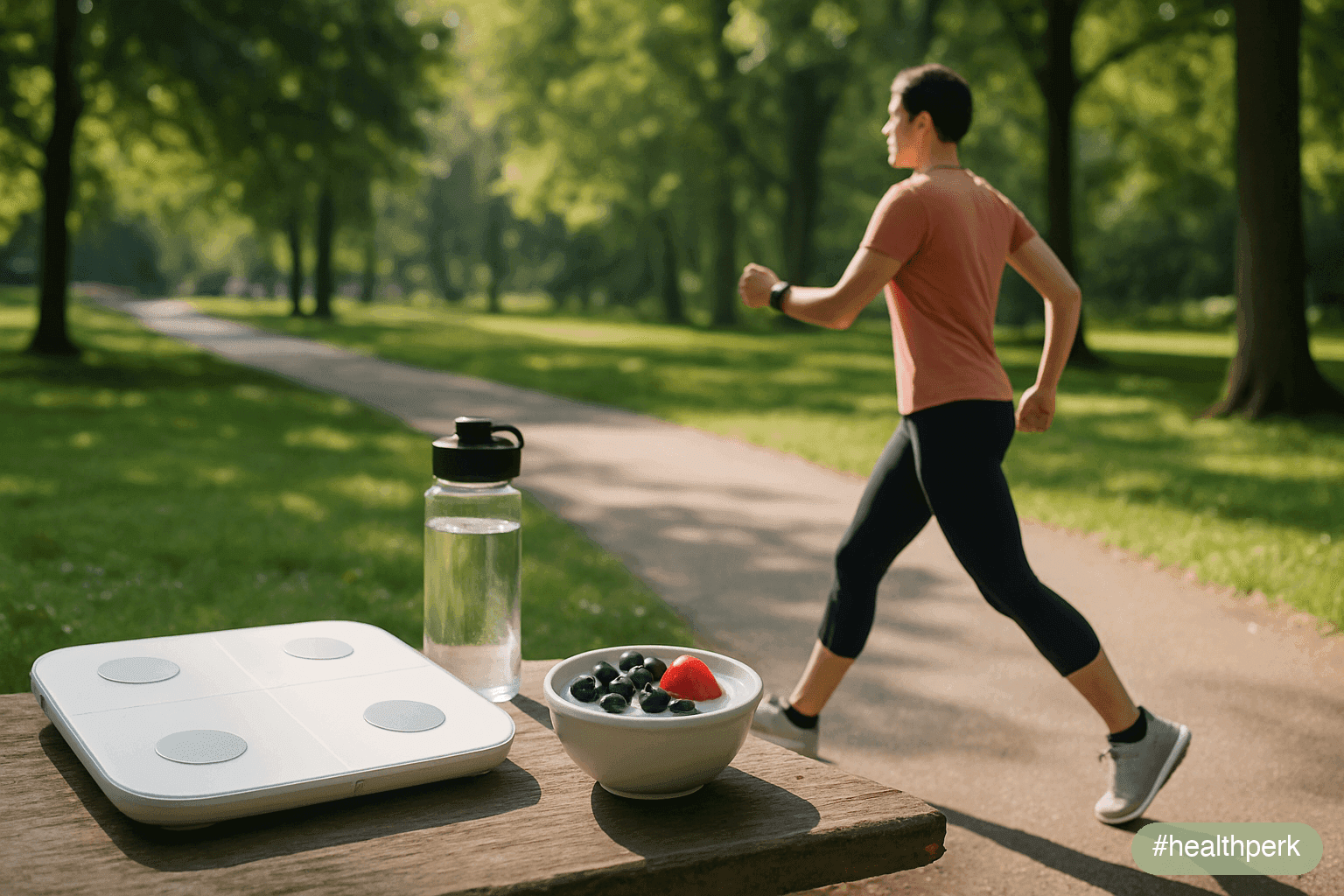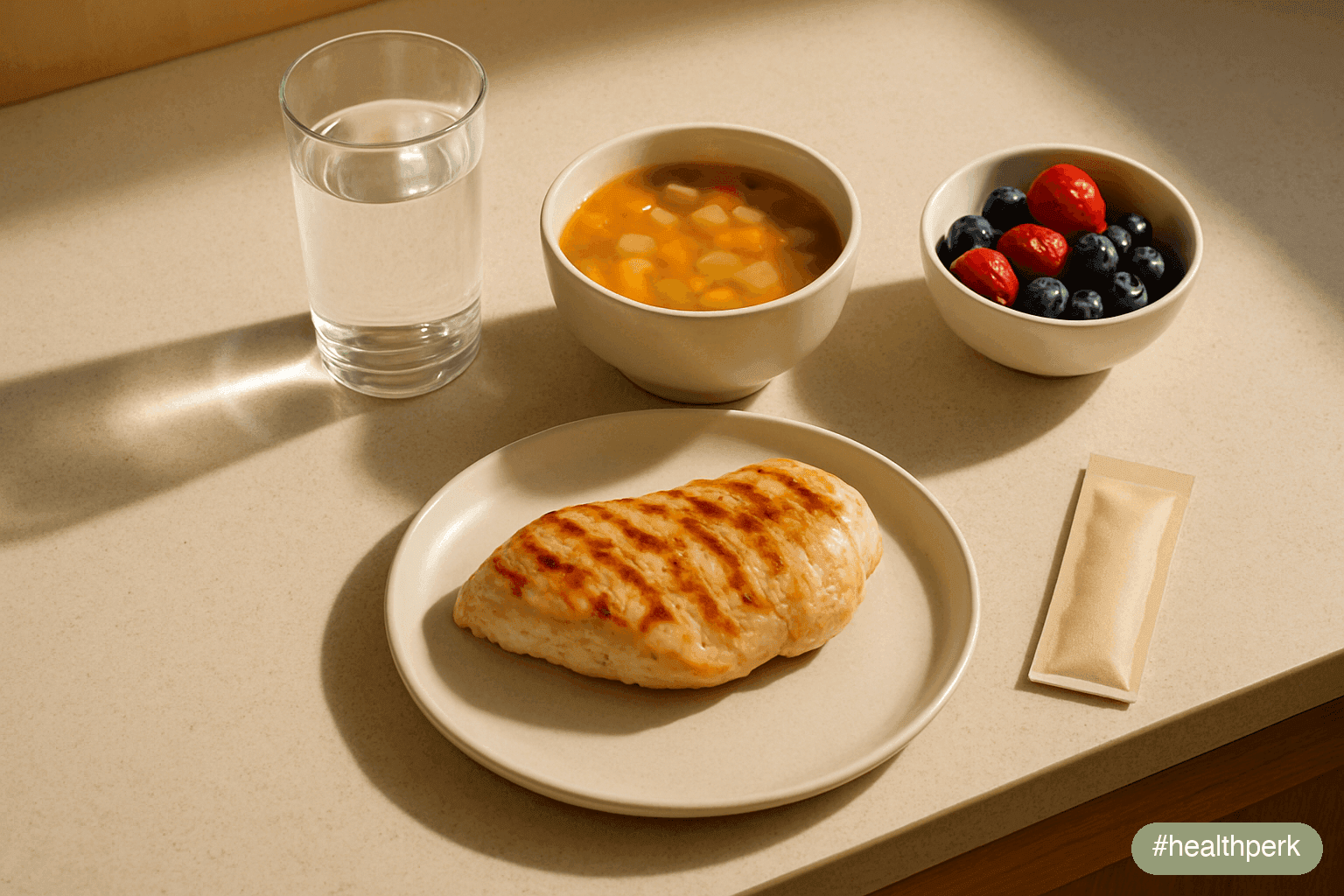
Natural Appetite Suppressants That Work: A 2026 Evidence Guide
Natural Appetite Suppressants That Work: A 2026 Evidence Guide
By the HealthPerk Editorial Team · Last updated: May 2026
Quick Answer
Which natural appetite suppressants that work actually have evidence in 2026?
Hunger is a biological signal driven by hormones (ghrelin, leptin, GLP-1, PYY, CCK), stomach stretch, blood glucose, sleep debt, and habit. The natural appetite suppressants with replicated randomized-trial support work by amplifying one or more of those pathways — not by tricking the brain into ignoring hunger. The categories with the strongest 2026 evidence are high-protein meals, viscous soluble fibers (glucomannan, psyllium, beta-glucan), high-volume low-calorie foods, water intake before meals, sleep extension, and a small set of supplements with credible trial data. Stimulant-based "appetite control" pills, ketone esters, and most herbal blends have weak or null evidence.
A short orientation table:
| If your hunger pattern is… | Strongest natural lever | Realistic effect |
|---|---|---|
| Hungry between meals | Soluble fiber (glucomannan, psyllium) 10–15 g/day | 200–400 kcal/day spontaneous reduction |
| Constant grazing urges | Higher protein (0.7–1.0 g/lb) per meal | Improved satiety hormone response |
| Evening cravings | Sleep extension to 7+ hours, protein at dinner | ~270 kcal/day spontaneous reduction |
| Large portions feel small | Volume eaters: vegetables, broth, fruit | Same satiety at lower calories |
| Sweet cravings post-meal | Apple cider vinegar 15 ml, slower eating | Reduced post-meal glucose swings |
| New to dieting | Mediterranean or DASH-style pattern | Highest adherence in trials |
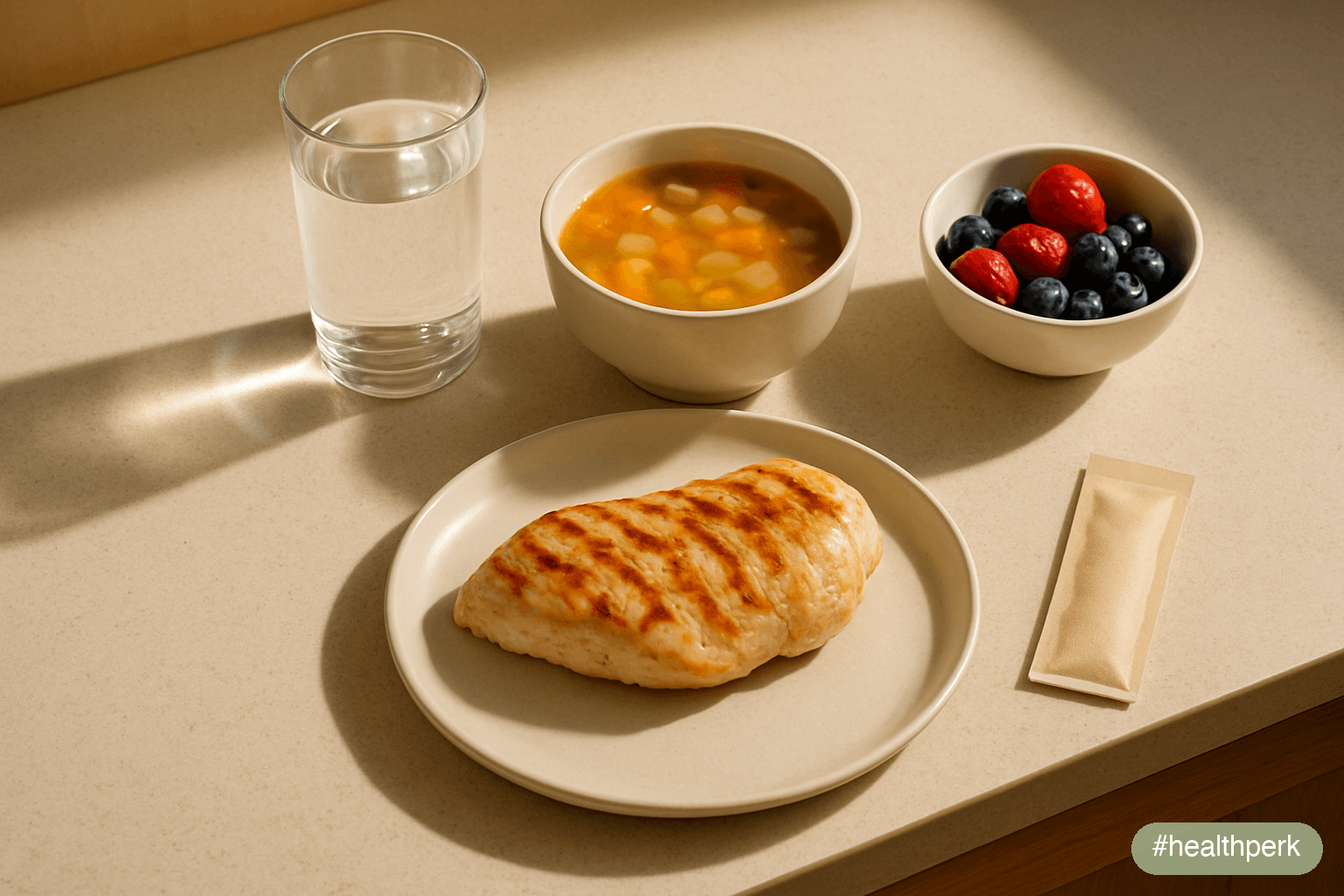
The phrase natural appetite suppressants that work is widely searched precisely because most marketed appetite suppressants do not. Stimulant blends quiet hunger briefly and rebound it later. "Detox" teas reduce intake by causing nausea or laxation, not by genuine satiety. Most herbal "Hoodia" or "African mango" products have no replicated trial evidence at clinically relevant doses. The compounds and behaviors that actually reduce hunger in 2026 work by changing the underlying biology — slowing gastric emptying, raising satiety hormones (PYY, GLP-1, CCK), lowering ghrelin, or improving sleep so leptin sensitivity recovers.
This guide covers the foods, fibers, supplements, and lifestyle inputs with credible randomized-trial support, plus a starter eating pattern for beginners that bakes in appetite control without requiring willpower as the primary tool. Expect modest, replicable effects rather than dramatic transformations — the honest 2026 finding is that real appetite suppression averages 200–400 kcal/day across the population, which is enough to drive 0.3–0.5 kg/week of fat loss when the rest of the protocol is in place.
Table of Contents
- Why Hunger Is Hard to Suppress (and What Actually Helps)
- Foods That Reduce Appetite
- Supplements to Reduce Appetite Naturally
- What to Eat to Lose Weight Fast
- Best Diet for Weight Loss Beginners
- Natural Weight Loss Methods That Pair With Appetite Control
- Frequently Asked Questions
- References
Why Hunger Is Hard to Suppress (and What Actually Helps)
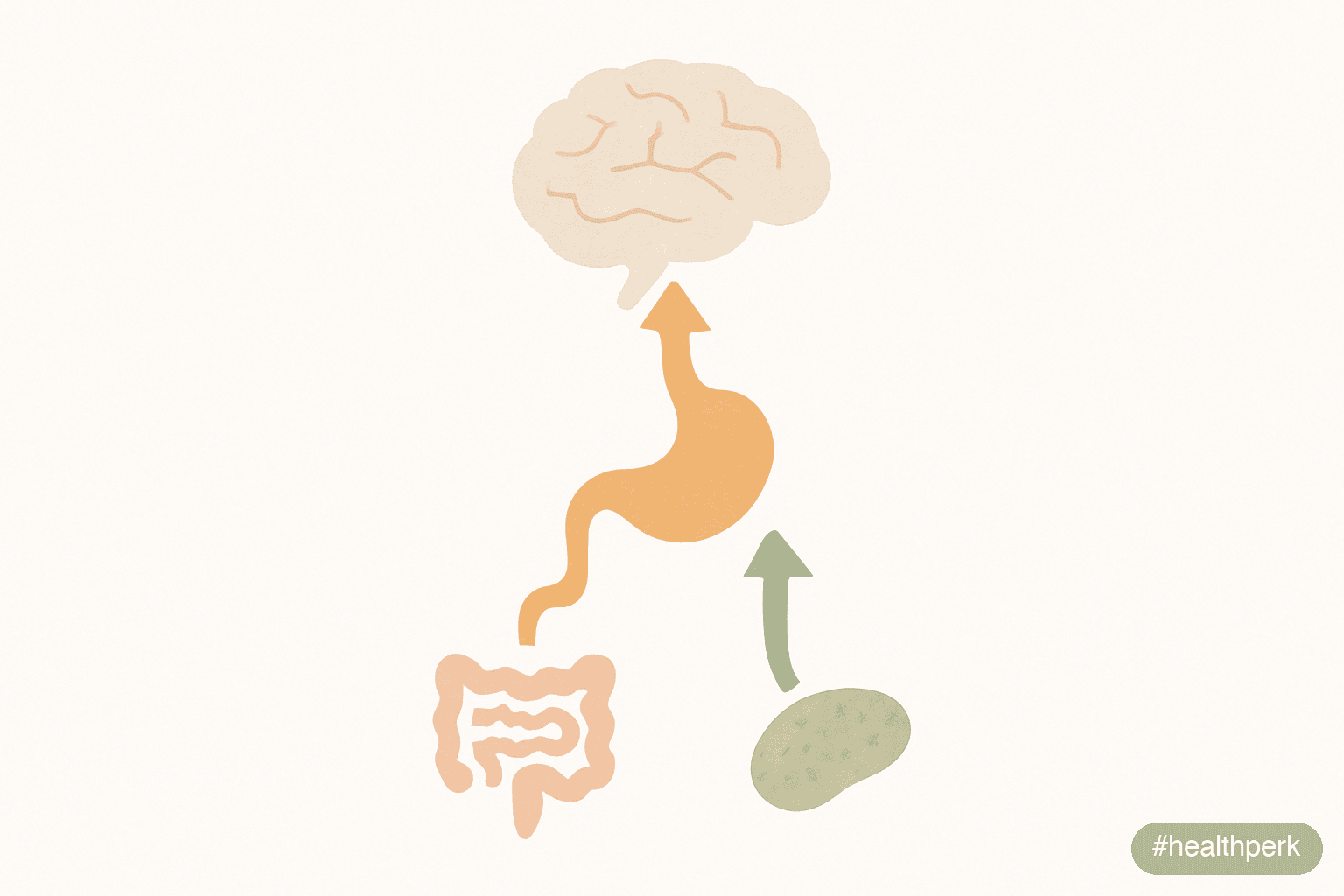
Hunger is regulated by overlapping hormonal, neural, and behavioral systems. The relevant signals in 2026 textbooks:
- Ghrelin rises before meals and falls after eating; sleep loss raises ghrelin chronically.
- Leptin is secreted by adipose tissue and signals long-term energy reserves; obesity often comes with leptin resistance.
- GLP-1, PYY, CCK are intestinal satiety hormones released as food enters the small intestine.
- Gastric stretch receptors signal fullness based on volume in the stomach.
- Blood glucose and insulin influence the timing of hunger return between meals.
- Hedonic hunger is the brain's reward-driven desire for palatable food, partially independent of physiological need.
Natural appetite suppressants that work target these systems directly. Soluble fibers slow gastric emptying and stretch the stomach. Protein elevates GLP-1, PYY, and CCK more than carbohydrate or fat. High-volume low-calorie foods (vegetables, soups, fruit) trigger gastric stretch without high caloric load. Sleep extension restores leptin sensitivity and lowers ghrelin. Mindful eating slows intake enough for satiety hormones to register before overeating occurs.
Stimulant-based suppressants (ephedra, high-dose caffeine, banned phenethylamines) work by suppressing hunger through sympathetic nervous system activation. They produce rebound hunger, sleep disruption, anxiety, and cardiovascular risk. The natural toolkit is slower, smaller per dose, and far more sustainable.
The honest 2026 framing: there is no natural compound that quietly removes hunger for hours without cost. The credible toolkit reduces hunger by 15–30% on average — enough to make a moderate caloric deficit feel manageable rather than punishing. That is a meaningful result over months but does not match the marketing claims of most products in the appetite-suppressant aisle.
Foods That Reduce Appetite
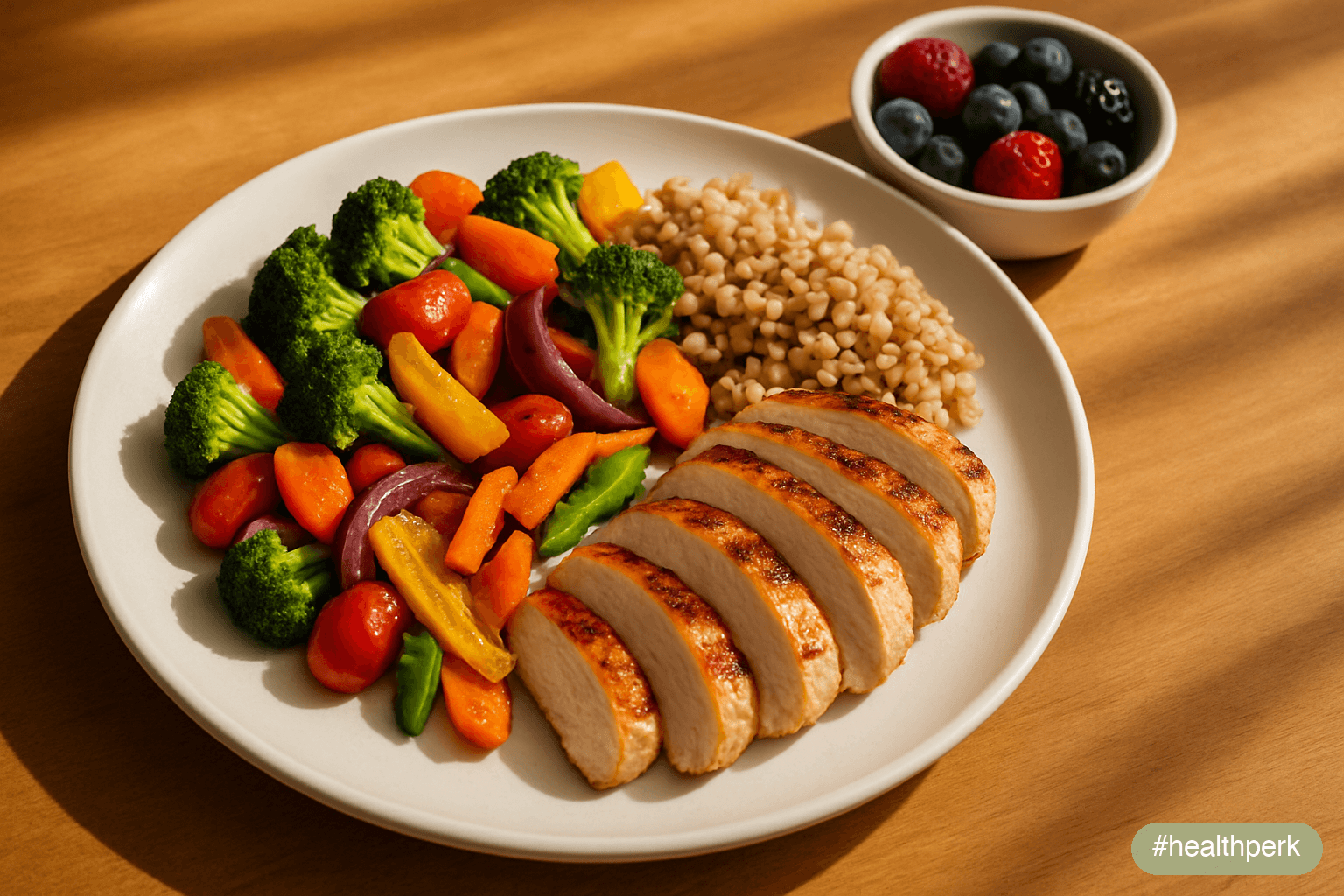
Foods that reduce appetite share a small set of features: high protein per calorie, high fiber per calorie, high water content, low energy density, and minimal hyper-palatable processing. Whole-food diets built around these features routinely produce 200–400 kcal/day spontaneous reduction in intake without conscious calorie tracking, because hunger drops below the deficit set point.
The food categories with the strongest satiety evidence in 2026:
- Lean protein at every meal. Eggs, chicken breast, turkey, white fish, salmon, tofu, tempeh, Greek yogurt, cottage cheese, lentils, beans. Aim for 25–40 g protein per meal. The thermic effect of protein (20–30% of its calories) and its strong stimulation of GLP-1 and PYY make it the most satiating macronutrient per calorie (Weigle et al., 2005).
- Vegetables in volume. Leafy greens, cruciferous vegetables (broccoli, cauliflower, cabbage), peppers, zucchini, mushrooms, tomatoes. Fill half the plate. The combination of volume, fiber, and water triggers gastric stretch at very low calorie cost.
- Soups and broth-based meals. A 2007 Appetite trial found a low-energy-density soup before lunch reduced total meal intake by ~20% (Flood & Rolls, 2007). Broth-based, not cream-based.
- Whole fruits (especially berries, apples, citrus). Fiber, water, and slower glycemic response distinguish whole fruit from juice. A medium apple before a meal has been shown to reduce subsequent intake.
- Legumes (beans, lentils, chickpeas). High protein, high fiber, slow-digesting starch. A 2014 Obesity meta-analysis found legume consumption increased satiety 31% versus equivalent meals without legumes (Li et al., 2014).
- Oats and barley (beta-glucan sources). Viscous soluble fiber slows gastric emptying. A bowl of overnight oats with Greek yogurt and berries reliably outperforms most breakfast cereals on satiety metrics.
- Eggs at breakfast. A 2008 International Journal of Obesity trial found an egg-based breakfast reduced 24-hour caloric intake more than a calorically matched bagel breakfast (Vander Wal et al., 2008).
- Nuts in moderation. 20–30 g of almonds, walnuts, or pistachios. Despite calorie density, the combination of protein, fat, fiber, and chewing time produces strong satiety; not all nut calories are absorbed.
- Plain water. 500 ml before a meal modestly reduces intake in adults, especially adults over 50 (Dennis et al., 2010).
What distinguishes these from "diet foods": none of them are processed-food substitutes. The same hunger control comes from eating real, minimally processed food in the right combinations rather than from special low-calorie versions.
The simplest plate for hunger control: half plate non-starchy vegetables, quarter plate lean protein, quarter plate whole grain or starchy vegetable, side of fruit, water as the beverage. Repeat 3–4 times daily. Most adults under-eat by 200–400 kcal naturally on this template without conscious effort.
Supplements to Reduce Appetite Naturally
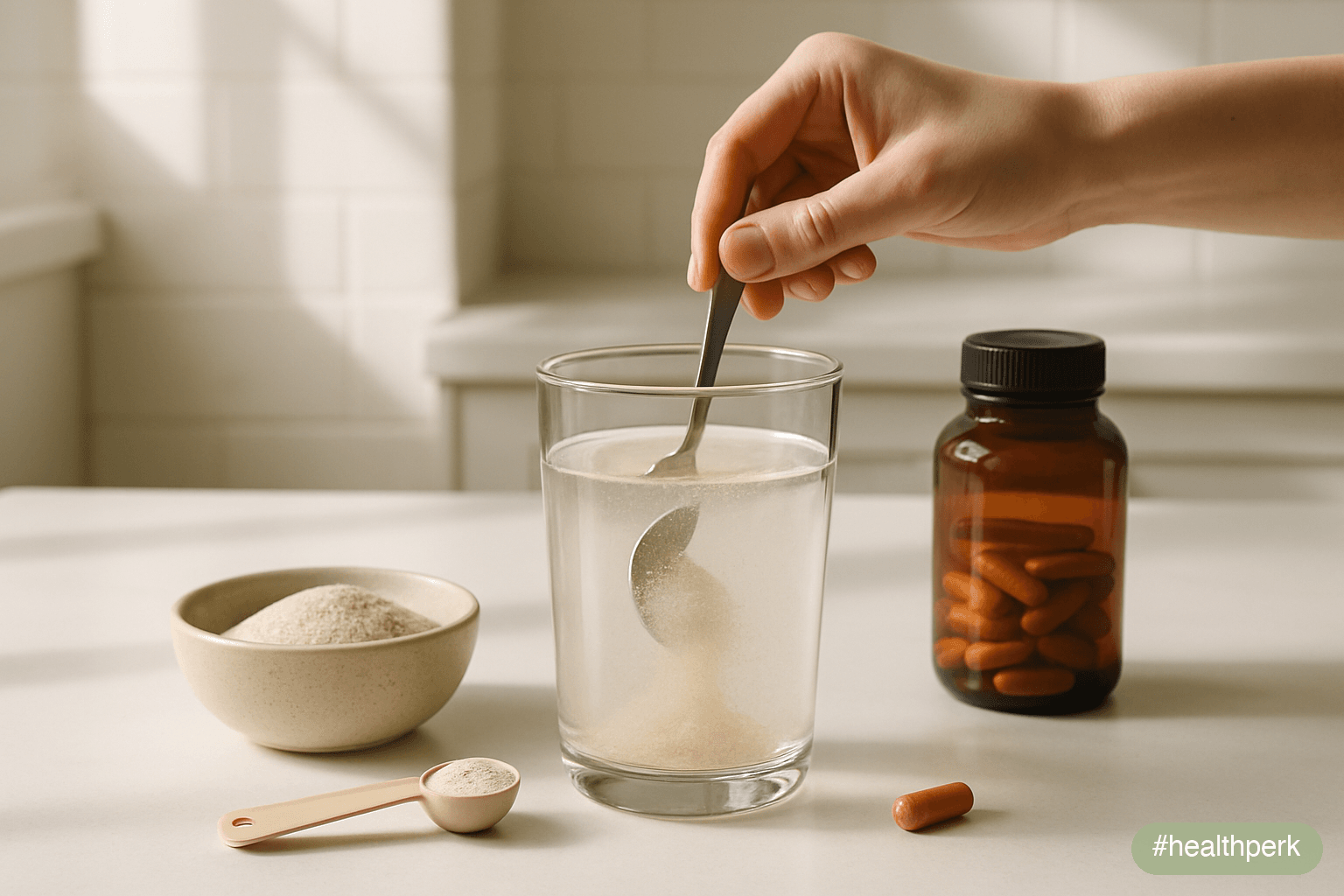
Supplements to reduce appetite naturally sit in a much narrower evidence band than supplements marketed for appetite control. The credible 2026 list is short, fiber-dominated, and mostly works through gastric mechanisms rather than central nervous system effects.
The compounds with the strongest 2026 evidence:
- Glucomannan (konjac fiber). 1 g three times daily, 30 minutes before meals, with 250 ml water. A viscous soluble fiber that swells 10–17 times its dry weight in water, slowing gastric emptying and increasing satiety. A 2014 Journal of Obesity meta-analysis found glucomannan produced modest weight reduction over 8+ weeks (Onakpoya et al., 2014).
- Psyllium husk. 5–10 g daily in water, before or with meals. Strong satiety effects, dose-dependent reduction in subsequent intake, and additional cholesterol benefits. A pantry staple for low-cost appetite control.
- Oat beta-glucan. 3–5 g daily as concentrate, or via oatmeal. Viscous fiber with strong satiety and metabolic profile.
- Acacia fiber, partially hydrolyzed guar gum. Lower-viscosity soluble fibers; gentler on GI symptoms; modest satiety effects.
- Whey or casein protein concentrate. 25–40 g pre-meal as a "satiety pre-load" reduces subsequent intake more than carbohydrate or fat pre-loads of equal calories.
- Apple cider vinegar. 15 ml diluted in water before meals. A 2024 RCT in 120 adults showed modest placebo-adjusted reductions in weight and waist; partly mediated by satiety and slowed gastric emptying (Abou-Khalil et al., 2024).
- Green tea catechins (EGCG). 400–500 mg daily; the appetite effect is small and inconsistent, but the thermogenic effect adds modest support to a fat-loss protocol.
What does not have credible 2026 evidence at clinically relevant doses:
- Hoodia gordonii. Multiple commercial trials failed to replicate the original anecdotal effects.
- African mango (Irvingia gabonensis). Promising small trials never replicated in larger samples.
- Garcinia cambogia. Failed RCT replication for both appetite and weight outcomes.
- 5-HTP at consumer doses. Limited and conflicting evidence; serotonin-medication interaction risks.
- Most "appetite control" proprietary blends. Typically caffeine plus inactive bystanders; no replicated specific appetite effect.
A reasonable starter stack for an adult struggling with hunger on a moderate deficit: 5–10 g psyllium husk in water before the largest meal of the day, 25–40 g whey protein at breakfast or as a pre-meal at the meal where hunger is hardest, and 15 ml apple cider vinegar before lunch and dinner. Build fiber dose gradually over 2 weeks to avoid GI symptoms. Take psyllium with a full glass of water and away from medications by at least 2 hours.
The honest framing: supplements move appetite by 10–20% on average. The food choices and meal structure described above move it more, with no cost.
What to Eat to Lose Weight Fast
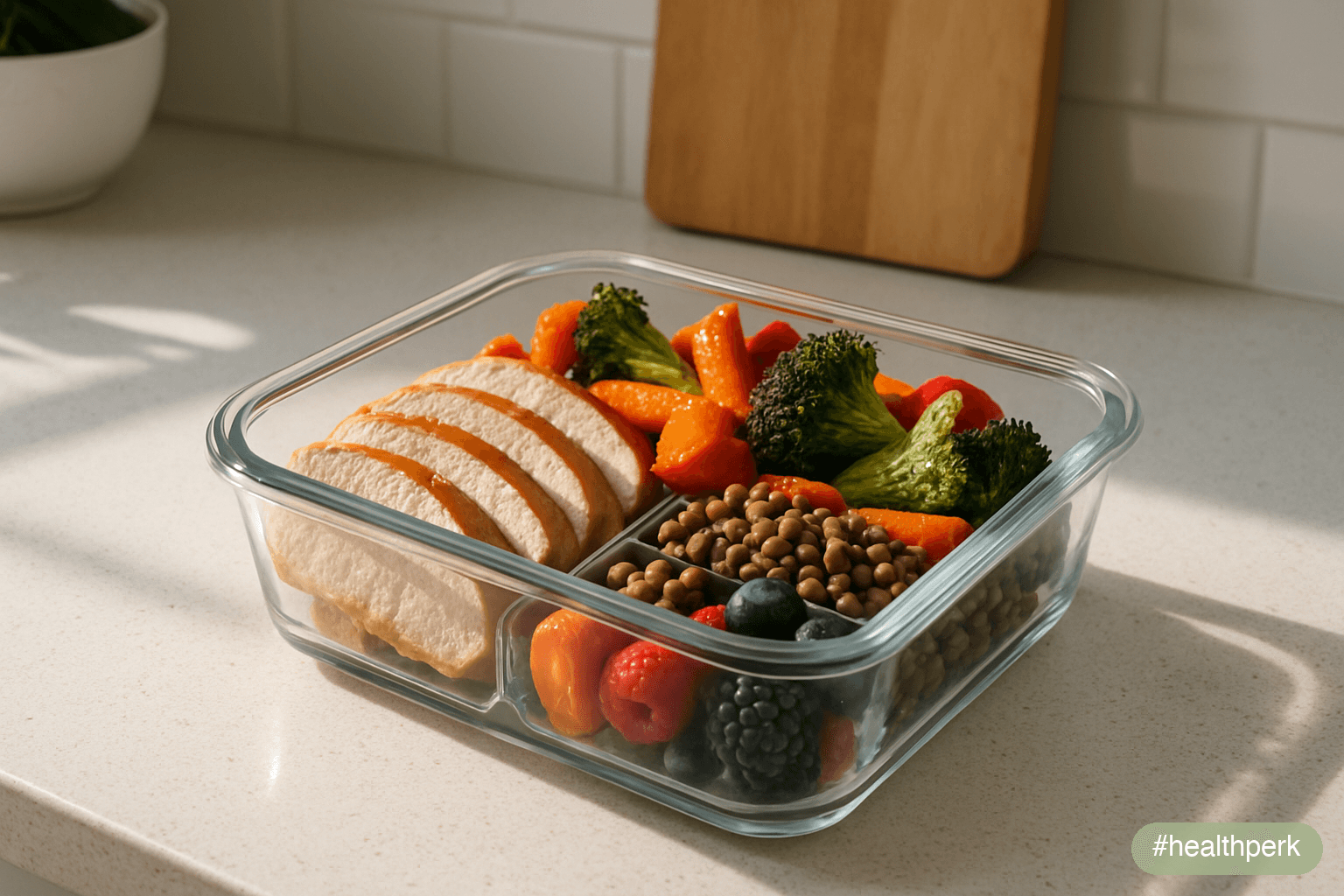
What to eat to lose weight fast is best answered with the recognition that "fast" weight loss without lean-mass loss requires high protein, sufficient fiber, a moderate-to-large caloric deficit, and reasonable adherence over weeks. Crash diets that drop weight quickly via water and glycogen loss rebound just as quickly when normal eating resumes.
The reasonable 2026 fast-but-sustainable framework:
Daily targets for an adult eating to lose weight quickly without losing lean mass:
- Caloric deficit: 25–30% below maintenance (typical: 500–800 kcal/day deficit for adults)
- Protein: 0.8–1.0 g per pound body weight (or 1.6–2.2 g/kg)
- Fiber: 30–40 g/day from whole food
- Vegetables: 4–6 servings daily, half the plate at lunch and dinner
- Water: 2.5–3.5 L/day, including a 500 ml pre-meal glass
- Sleep: 7–9 hours nightly (non-negotiable for hunger control)
- Alcohol: 0–3 drinks/week; ideally none during a 12-week fast-loss block
- Step count: 8,000–12,000 daily
A high-leverage daily meal template:
- Breakfast: 3–4 eggs + 200 g vegetables + 200 g berries + black coffee or green tea (~450 kcal, 35 g protein)
- Lunch: 150 g grilled chicken/fish/tofu + large salad + 50 g (uncooked) lentils or quinoa + olive oil dressing (~550 kcal, 40 g protein)
- Snack: 200 g Greek yogurt + 30 g almonds + 1 apple (~400 kcal, 25 g protein)
- Dinner: 150 g lean protein + 300 g roasted vegetables + 100 g sweet potato + small side of fruit (~500 kcal, 40 g protein)
That template is roughly 1,900 kcal, 140 g protein, 35+ g fiber, ~150 g carbohydrate, ~75 g fat — a typical fast-loss day for an adult of 165–185 lb in a 25% deficit. Adjust portions up or down by 100–200 kcal per meal based on starting body weight, training volume, and rate of progress.
What to avoid during a fast-loss block:
- Liquid calories (juice, sweetened drinks, alcohol) — they bypass satiety mechanisms.
- Hyper-palatable processed foods (chips, sweet pastries, ice cream) — they short-circuit hedonic and homeostatic hunger.
- Long stretches without protein — protein leverage is real; if a meal lacks 25+ g protein, hunger returns sooner.
- Unstructured grazing — five small meals can work, but most adults add calories rather than reducing them when meals are unstructured.
A realistic 12-week fast-loss outcome on this template: 5–10 kg loss for adults in the 75–110 kg starting range, with most of the loss being fat and a modest preservation or even gain in lean mass when resistance training is included 2–4 times per week. Faster losses (12+ kg in 12 weeks) are possible but typically come with more lean-mass loss and a higher rebound risk.
The honest framing: "fast" is a function of being precise and consistent for 8–12 weeks, not of finding a special food or pill. The fastest sustainable losses are by adults who build a high-protein, high-fiber meal template they actually like and can repeat without willpower.
Best Diet for Weight Loss Beginners
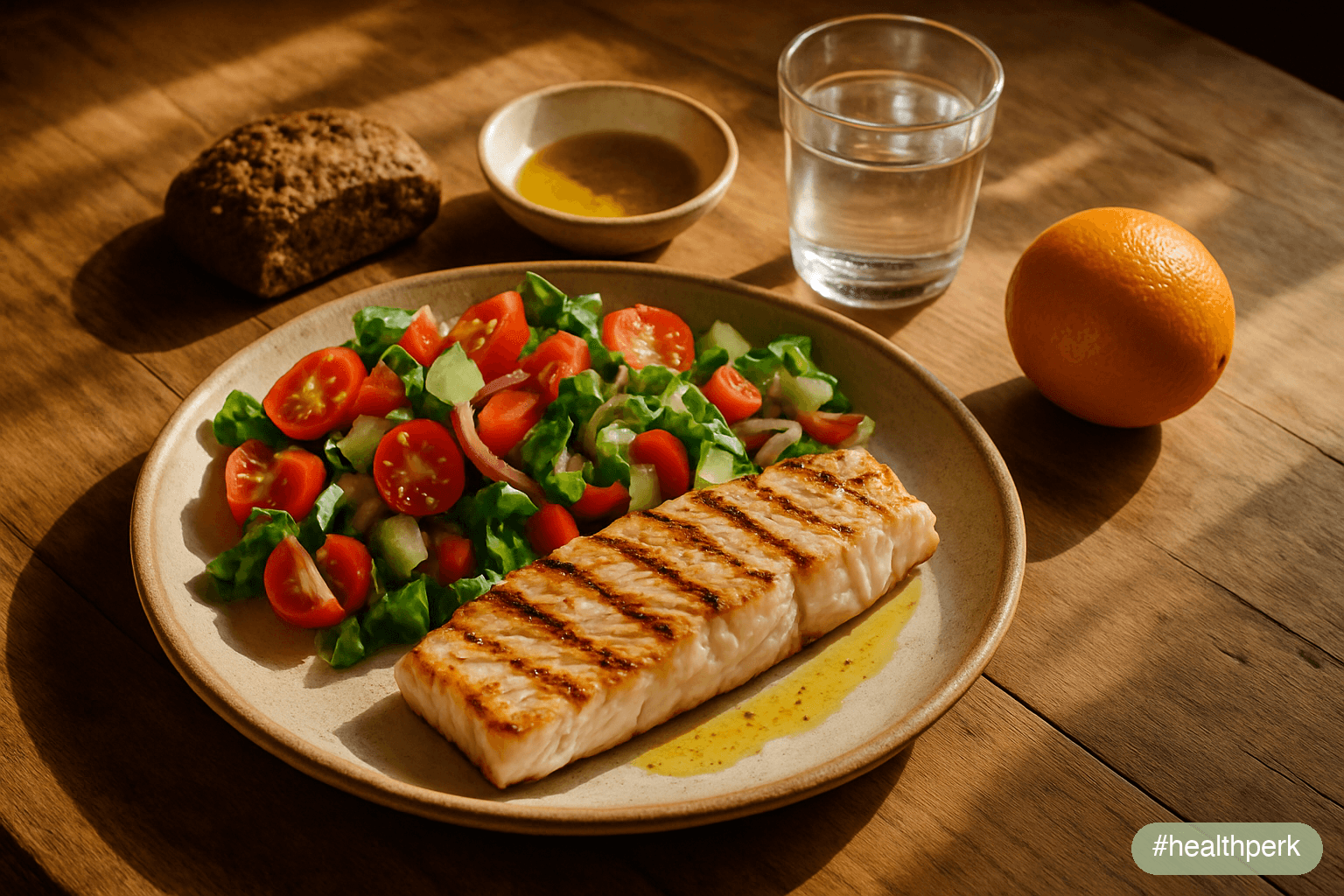
Best diet for weight loss beginners is a question with a remarkably consistent 2026 answer: the diet you can sustain for 12+ months at a moderate caloric deficit. Adherence is the dominant predictor of long-term outcome, and adherence depends on personal preferences, schedule, food culture, and how punishing the protocol feels week after week.
That said, three patterns repeatedly outperform others in long-term randomized trials and real-world adherence data:
1. The Mediterranean pattern. Emphasizes vegetables, fruit, legumes, whole grains, fish, olive oil, nuts, moderate dairy and poultry, minimal red meat, optional moderate red wine. The PREDIMED trials and follow-up data show strong cardiometabolic outcomes plus modest weight loss with very high adherence rates (Estruch et al., 2018). Beginner-friendly because no major food group is forbidden and meals are recognizable.
2. The DASH pattern. Originally designed for blood pressure but consistently top-ranked for weight control. Emphasizes fruits, vegetables, whole grains, low-fat dairy, lean protein, nuts; limits sodium, sweets, and red meat. Highly compatible with American food culture and easy for beginners to follow without specialty foods.
3. A moderately low-carbohydrate, high-protein pattern. 100–150 g carbohydrate, 0.7–1.0 g/lb protein, fats from olive oil, nuts, fish, eggs, full-fat dairy as preferred. Often produces faster early weight loss (water + glycogen depletion adds 1–3 kg in week 1), strong satiety, and good metabolic outcomes for adults with insulin resistance.
What none of the credible patterns require:
- Meal replacements
- Branded "system" foods
- Tracking every calorie indefinitely (tracking is useful for the first 4–8 weeks to learn portions, then becomes optional)
- Eliminating major food groups
- Eating 6 small meals per day
- Avoiding carbohydrates entirely
- Cleansing or detoxing
A beginner protocol that combines the best evidence:
- Weeks 1–2: Build the dietary structure. Half plate vegetables, quarter plate lean protein, quarter plate whole grain. Drop sugar-sweetened drinks. Add a 30-minute walk daily.
- Weeks 3–4: Track calories for 2 weeks using any free app to learn portion sizes and meal calorie counts. Aim for a 20% deficit. Keep protein at 0.7 g/lb.
- Weeks 5–8: Introduce 2 weekly resistance-training sessions (full-body, 30–45 minutes). Continue the eating pattern.
- Weeks 9–12: Stabilize the routine. Most beginners can stop calorie tracking at this point and rely on the established meal template plus weekly weigh-ins.
- Beyond: Maintain the pattern. Allow planned flexibility (1–2 less-structured meals per week) for sustainability.
A reasonable 12-week beginner outcome on this protocol: 5–9 kg loss for most adults with starting BMI 28–35, with the largest losses in adults who add resistance training and protect sleep. Adherence at 12 months is the key to whether the loss holds.
The biggest beginner mistake to avoid: over-restricting in week 1, generating intense hunger and rebound eating in weeks 3–4. A moderate, sustainable plan with realistic adherence beats an aggressive plan that crashes within a month.
Natural Weight Loss Methods That Pair With Appetite Control
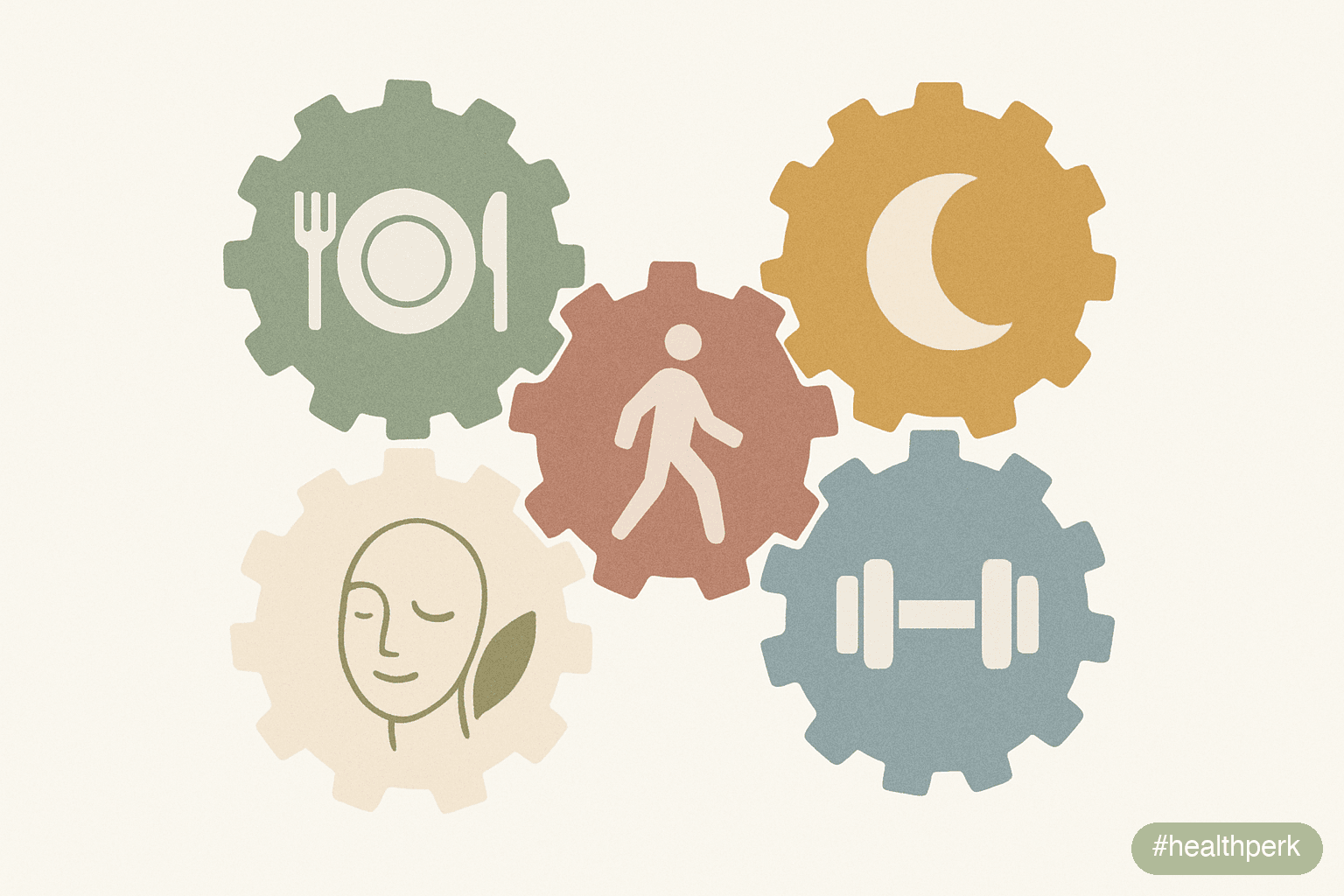
Natural weight loss methods that pair effectively with the appetite control toolkit are the same structural inputs that drive every credible long-term protocol: sleep, walking, resistance training, stress management, and hydration. Each independently lowers hunger or raises expenditure; combined, they produce most of the outcome that adults credit to their diet.
The methods with the strongest 2026 evidence:
- Sleep extension. Adults sleeping under 6.5 hours who extended sleep by 1.2 hours/night spontaneously reduced caloric intake by ~270 kcal/day in a 2022 JAMA Internal Medicine trial (Tasali et al., 2022). Sleep is the single highest-leverage non-dietary intervention for hunger control.
- Walking 7,000–10,000 steps daily. Burns 150–400 kcal/day depending on pace and weight. Combined with resistance training, it preserves lean mass during a deficit.
- Resistance training 2–4 times per week. Preserves and often builds lean mass during fat loss, raises basal metabolic rate, improves insulin sensitivity, supports glucose disposal so meals produce smaller blood sugar swings (and therefore less rebound hunger).
- Hydration with water before meals. A simple 500 ml glass before meals reduces intake by 75–100 kcal in adults, especially those over 50.
- Stress management — sleep, breath work, social connection, time outdoors. Chronically elevated cortisol drives appetite for hyper-palatable food and central fat deposition. Lower stress, lower hunger, easier deficit.
- Mindful eating practices. Eating without screens, slowing pace to 20+ minutes per meal, putting utensils down between bites — produces ~10% reductions in intake on average.
- Time-restricted eating (14:10 or 16:8). Compresses the eating window, often producing a 200–300 kcal spontaneous reduction in intake without conscious tracking. Works best for adults who naturally are not hungry until late morning.
What does not work as natural weight loss methods despite popularity:
- "Detox" cleanses, juice fasts (3–7 day) — short-term water loss, no durable fat-loss benefit, often nutrient-depleting.
- Sweat suits, sauna belts — water loss, not fat loss.
- "Spot reduction" exercises — no robust evidence; fat loss happens systemically, not by training a specific area.
- Crash dieting (under 1,000 kcal/day for adults without medical supervision) — produces lean-mass loss, metabolic adaptation, and high rebound risk.
- Drinking excessive water "to fill up" — modest pre-meal effect is real; chronic high water intake without thirst is not.
The integrated 2026 protocol that combines appetite control with natural weight loss methods:
- 25% caloric deficit with 0.7–1.0 g/lb protein, 30+ g fiber, 4–6 vegetable servings, water as the default beverage
- 7+ hours sleep nightly
- 8,000+ daily steps
- 2–3 weekly resistance-training sessions (45 minutes)
- Optional 14:10 time-restricted eating window
- Optional supplement support: 5–10 g psyllium pre-meal, 25–40 g protein powder if needed to hit targets
- Stress management practice (5–15 minutes of breath work, walking, or social time daily)
This combined protocol produces 5–10 kg fat loss over 12 weeks for most adults with starting BMI 28–35, preserves lean mass, and crucially, holds at 12 and 24 months in adults who continue the structural inputs even when conscious dieting ends.
The honest framing: appetite control is one lever, not the entire system. Natural weight loss methods that integrate sleep, movement, training, and stress with the appetite-friendly eating pattern produce far more durable results than any single tool — including any "natural appetite suppressant that works."
Related Articles on HealthPerk
Explore more on this topic:
- Supplements That Help Weight Loss Naturally
- How to Boost Metabolism Naturally
- Why Can't I Lose Weight Even Dieting?
- How to Lose Belly Fat Naturally
- Hormonal Weight Gain Causes
Frequently Asked Questions
What are the natural appetite suppressants that work in 2026?
The credible categories with replicated trial evidence are: viscous soluble fibers (glucomannan 1 g three times daily, psyllium 5–10 g daily, oat beta-glucan 3–5 g daily), high-protein meals at 25–40 g per meal, high-volume low-calorie foods (vegetables, broth-based soups, whole fruit), water 500 ml before meals, sleep extension to 7+ hours, and apple cider vinegar 15 ml diluted before meals. These reduce hunger by amplifying satiety hormones (GLP-1, PYY, CCK), slowing gastric emptying, restoring leptin sensitivity, or triggering gastric stretch — not by suppressing appetite chemically.
Which supplements to reduce appetite naturally have the best evidence?
Glucomannan (konjac fiber) at 1 g three times daily 30 minutes before meals with full water has the strongest dedicated satiety evidence. Psyllium husk at 5–10 g daily and oat beta-glucan at 3–5 g daily are close seconds and lower cost. Whey or casein protein at 25–40 g pre-meal as a satiety pre-load works reliably. Apple cider vinegar at 15 ml has modest 2024 trial support. What does not have credible evidence: hoodia, African mango, garcinia cambogia, most proprietary "appetite control" blends — these have failed replication or never had it.
What foods that reduce appetite work best?
Lean protein at every meal (eggs, chicken, fish, Greek yogurt, legumes), large vegetable portions (leafy greens, cruciferous vegetables, peppers), broth-based soups before meals, whole fruit (especially apples, berries, citrus), legumes (beans, lentils, chickpeas), oats and barley, eggs at breakfast, moderate nuts, and plain water 500 ml before meals. The shared features are high protein per calorie, high fiber per calorie, high water content, low energy density, and minimal processing. Half-plate vegetables, quarter-plate lean protein, quarter-plate whole grain reliably underfeed adults by 200–400 kcal/day without conscious effort.
What to eat to lose weight fast without losing muscle?
A 25–30% caloric deficit with 0.8–1.0 g/lb protein, 30–40 g fiber, 4–6 vegetable servings, and 7+ hours sleep. A typical day: 3–4 eggs + vegetables + berries at breakfast; 150 g grilled protein + large salad + 50 g uncooked lentils at lunch; Greek yogurt + nuts + apple as a snack; 150 g lean protein + 300 g vegetables + 100 g sweet potato at dinner. Avoid liquid calories, hyper-palatable processed foods, and meals without 25+ g protein. Add resistance training 2–4 times per week to preserve lean mass. Realistic 12-week loss: 5–10 kg for adults in the 75–110 kg range.
What is the best diet for weight loss beginners?
The Mediterranean pattern, the DASH pattern, and a moderate low-carb high-protein pattern all outperform marketed "diets" in long-term trials. Beginners do best with: half-plate vegetables, quarter-plate lean protein, quarter-plate whole grain at most meals; 0.7 g/lb protein; sugar-sweetened drinks dropped; calorie tracking for 4–8 weeks to learn portions; 2 weekly resistance sessions added by week 5; 30-minute daily walks. A 12-week beginner outcome on this protocol is typically 5–9 kg loss with high adherence at 12 months. The biggest beginner mistake is over-restricting in week 1 and rebounding by week 4.
What natural weight loss methods pair best with appetite control?
Sleep extension to 7+ hours nightly (~270 kcal/day spontaneous reduction in chronically short sleepers), 7,000–10,000 daily steps, 2–4 weekly resistance-training sessions (preserves lean mass and raises BMR), 500 ml water before meals, stress management (lower cortisol, less hyper-palatable cravings), mindful eating to slow meal pace to 20+ minutes, and optional 14:10 or 16:8 time-restricted eating. These work together, not separately. Combined with an appetite-friendly eating pattern, they typically produce 5–10 kg fat loss over 12 weeks while preserving lean mass and holding at 12+ months.
How long until natural appetite suppressants start working?
Soluble fibers (psyllium, glucomannan, beta-glucan) produce satiety within 30–60 minutes of the meal they accompany; the metabolic and weight effects emerge over 8–12 weeks. Higher protein at meals reduces hunger acutely within hours. Sleep extension changes ghrelin and leptin within 1–2 weeks of consistent 7+ hours nightly. Apple cider vinegar effects on weight emerge over 8–12 weeks per the 2024 trial. Mindful eating reduces intake from the first meal practiced. None of the credible natural suppressants produce the dramatic instant suppression that stimulant pills temporarily deliver — they work by sustained, modest, biological adjustment.
Are there foods or fibers to avoid while trying to suppress appetite?
Liquid calories — fruit juice, sweetened coffee drinks, soda, alcohol — bypass satiety mechanisms and add hundreds of unmeasured calories daily. Hyper-palatable processed foods (chips, pastries, ice cream, sweetened cereals) short-circuit both homeostatic and hedonic appetite signals; they drive overeating even when the underlying nutritional need is met. Refined carbohydrates without protein or fiber (white bread alone, plain rice cakes, sugary breakfast cereals) produce sharp glucose-insulin swings that bring hunger back faster. Insoluble-fiber-only supplements (cellulose powders) help bowel regularity but have weaker satiety effects than viscous soluble fibers.
This article is for informational purposes only and does not constitute medical advice. Hunger and appetite are influenced by many factors including medications, hormonal conditions (thyroid, PCOS, insulin resistance), eating disorders, mental health conditions, and individual variation. Consult a qualified healthcare provider before starting fiber supplements, particularly if you take prescription medications (psyllium and glucomannan can interfere with absorption of many drugs — separate doses by at least 2 hours), have diabetes, gastrointestinal disease, swallowing difficulties, or are pregnant or breastfeeding. If you have signs of an eating disorder — restrictive eating, binge eating, compulsive exercise, or distress around food — consult a clinician before starting any weight-loss protocol. Individual results may vary.
About the author The HealthPerk Editorial Team reviews appetite, satiety, and weight management research through evidence synthesis cross-referenced with peer-reviewed clinical trials, behavioral nutrition reviews, and clinical practice guidelines. Our weight-loss content is reviewed for medical accuracy against current obesity-medicine, endocrinology, and behavioral nutrition standards. How we review →
References
Weigle, D. S., Breen, P. A., Matthys, C. C., Callahan, H. S., Meeuws, K. E., Burden, V. R., & Purnell, J. Q. (2005). A high-protein diet induces sustained reductions in appetite, ad libitum caloric intake, and body weight despite compensatory changes in diurnal plasma leptin and ghrelin concentrations. American Journal of Clinical Nutrition, 82(1), 41–48. https://doi.org/10.1093/ajcn/82.1.41
Supports: high-protein diets reduce appetite and ad libitum caloric intake via sustained satiety hormone changes
Flood, J. E., & Rolls, B. J. (2007). Soup preloads in a variety of forms reduce meal energy intake. Appetite, 49(3), 626–634. https://doi.org/10.1016/j.appet.2007.04.002
Supports: low-energy-density soup preloads before a meal reduce subsequent intake by ~20%
Vander Wal, J. S., Gupta, A., Khosla, P., & Dhurandhar, N. V. (2008). Egg breakfast enhances weight loss. International Journal of Obesity, 32(10), 1545–1551. https://doi.org/10.1038/ijo.2008.130
Supports: egg-based breakfasts reduce 24-hour caloric intake compared to calorically matched bagel breakfasts
Li, S. S., Kendall, C. W., de Souza, R. J., Jayalath, V. H., Cozma, A. I., Ha, V., Mirrahimi, A., Chiavaroli, L., Augustin, L. S., Blanco Mejia, S., Leiter, L. A., Beyene, J., Jenkins, D. J., & Sievenpiper, J. L. (2014). Dietary pulses, satiety and food intake: A systematic review and meta-analysis of acute feeding trials. Obesity, 22(8), 1773–1780. https://doi.org/10.1002/oby.20782
Supports: legume consumption increases satiety 31% versus equivalent meals without legumes
Dennis, E. A., Dengo, A. L., Comber, D. L., Flack, K. D., Savla, J., Davy, K. P., & Davy, B. M. (2010). Water consumption increases weight loss during a hypocaloric diet intervention in middle-aged and older adults. Obesity, 18(2), 300–307. https://doi.org/10.1038/oby.2009.235
Supports: 500 ml of water before meals modestly increases weight loss in adults during a hypocaloric diet
Onakpoya, I., Posadzki, P., & Ernst, E. (2014). The efficacy of glucomannan supplementation in overweight and obesity: A systematic review and meta-analysis of randomized clinical trials. Journal of the American College of Nutrition, 33(1), 70–78. https://doi.org/10.1080/07315724.2014.870013
Supports: glucomannan supplementation produces modest body weight reduction over 8+ weeks
Abou-Khalil, R., Andary, J., & El-Hayek, E. (2024). Apple cider vinegar for weight management in Lebanese adolescents and young adults with overweight and obesity: A randomised, double-blind, placebo-controlled study. BMJ Nutrition, Prevention & Health, 7(1), 61–67. https://doi.org/10.1136/bmjnph-2023-000823
Supports: 15 ml of apple cider vinegar daily over 12 weeks produces modest placebo-adjusted weight loss with satiety component
Estruch, R., Ros, E., Salas-Salvadó, J., Covas, M.-I., Corella, D., Arós, F., Gómez-Gracia, E., Ruiz-Gutiérrez, V., Fiol, M., Lapetra, J., Lamuela-Raventós, R. M., Serra-Majem, L., Pintó, X., Basora, J., Muñoz, M. A., Sorlí, J. V., Martínez, J. A., Fitó, M., Gea, A., … Martínez-González, M. A. (2018). Primary prevention of cardiovascular disease with a Mediterranean diet supplemented with extra-virgin olive oil or nuts. New England Journal of Medicine, 378(25), e34. https://doi.org/10.1056/NEJMoa1800389
Supports: the Mediterranean dietary pattern produces strong cardiometabolic outcomes with high adherence
Tasali, E., Wroblewski, K., Kahn, E., Kilkus, J., & Schoeller, D. A. (2022). Effect of sleep extension on objectively assessed energy intake among adults with overweight in real-life settings: A randomized clinical trial. JAMA Internal Medicine, 182(4), 365–374. https://doi.org/10.1001/jamainternmed.2021.8098
Supports: extending sleep by ~1.2 hours/night reduces caloric intake by ~270 kcal/day in adults with overweight and habitual short sleep
Rebello, C. J., O'Neil, C. E., & Greenway, F. L. (2016). Dietary fiber and satiety: The effects of oats on satiety. Nutrition Reviews, 74(2), 131–147. https://doi.org/10.1093/nutrit/nuv063
Supports: oat beta-glucan and oat-based meals improve satiety and reduce subsequent intake versus matched controls
Frequently Asked Questions
What are the natural appetite suppressants that work in 2026?
The credible categories with replicated trial evidence are: viscous soluble fibers (glucomannan, psyllium, oat beta-glucan), high-protein meals at 25-40 g per meal, high-volume low-calorie foods (vegetables, broth-based soups, whole fruit), water 500 ml before meals, sleep extension to 7+ hours, and apple cider vinegar 15 ml diluted before meals. These reduce hunger by amplifying satiety hormones (GLP-1, PYY, CCK), slowing gastric emptying, restoring leptin sensitivity, or triggering gastric stretch — not by suppressing appetite chemically.
Which supplements to reduce appetite naturally have the best evidence?
Glucomannan (konjac fiber) at 1 g three times daily 30 minutes before meals with full water has the strongest dedicated satiety evidence. Psyllium husk at 5-10 g daily and oat beta-glucan at 3-5 g daily are close seconds and lower cost. Whey or casein protein at 25-40 g pre-meal as a satiety pre-load works reliably. Apple cider vinegar at 15 ml has modest 2024 trial support. Hoodia, African mango, garcinia cambogia, and most proprietary appetite-control blends have failed replication.
What foods that reduce appetite work best?
Lean protein at every meal (eggs, chicken, fish, Greek yogurt, legumes), large vegetable portions, broth-based soups before meals, whole fruit (especially apples, berries, citrus), legumes (beans, lentils, chickpeas), oats and barley, eggs at breakfast, moderate nuts, and plain water 500 ml before meals. The shared features are high protein per calorie, high fiber per calorie, high water content, and low energy density. Half-plate vegetables, quarter-plate lean protein, quarter-plate whole grain reliably underfeeds adults by 200-400 kcal/day.
What to eat to lose weight fast without losing muscle?
A 25-30% caloric deficit with 0.8-1.0 g/lb protein, 30-40 g fiber, 4-6 vegetable servings, and 7+ hours sleep. A typical day: eggs + vegetables + berries at breakfast; grilled protein + large salad + lentils at lunch; Greek yogurt + nuts + apple as a snack; lean protein + vegetables + sweet potato at dinner. Avoid liquid calories, hyper-palatable processed foods, and meals without 25+ g protein. Add resistance training 2-4 times per week. Realistic 12-week loss: 5-10 kg.
What is the best diet for weight loss beginners?
The Mediterranean pattern, the DASH pattern, and a moderate low-carb high-protein pattern all outperform marketed diets in long-term trials. Beginners do best with: half-plate vegetables, quarter-plate lean protein, quarter-plate whole grain; 0.7 g/lb protein; sugar-sweetened drinks dropped; calorie tracking for 4-8 weeks to learn portions; 2 weekly resistance sessions added by week 5; 30-minute daily walks. A 12-week outcome is typically 5-9 kg loss with high 12-month adherence.
What natural weight loss methods pair best with appetite control?
Sleep extension to 7+ hours nightly (~270 kcal/day spontaneous reduction in short sleepers), 7,000-10,000 daily steps, 2-4 weekly resistance training sessions, 500 ml water before meals, stress management, mindful eating to slow meal pace to 20+ minutes, and optional 14:10 or 16:8 time-restricted eating. Combined with an appetite-friendly eating pattern, they typically produce 5-10 kg fat loss over 12 weeks while preserving lean mass.
How long until natural appetite suppressants start working?
Soluble fibers produce satiety within 30-60 minutes of the meal they accompany; the weight effects emerge over 8-12 weeks. Higher protein at meals reduces hunger acutely within hours. Sleep extension changes ghrelin and leptin within 1-2 weeks of consistent 7+ hours nightly. Apple cider vinegar effects on weight emerge over 8-12 weeks. Mindful eating reduces intake from the first meal practiced. None produce the dramatic instant suppression that stimulant pills temporarily deliver — they work by sustained, modest, biological adjustment.
Are there foods or fibers to avoid while trying to suppress appetite?
Liquid calories (juice, sweetened coffee drinks, soda, alcohol) bypass satiety mechanisms. Hyper-palatable processed foods (chips, pastries, ice cream, sweetened cereals) short-circuit both homeostatic and hedonic appetite signals. Refined carbohydrates without protein or fiber (white bread alone, sugary cereals) produce sharp glucose-insulin swings that bring hunger back faster. Insoluble-fiber-only supplements help bowel regularity but have weaker satiety effects than viscous soluble fibers like psyllium and glucomannan.
More from Supplements