Oura vs Whoop (2026): Which Is Better for Sleep, Recovery, and Health?
Oura Ring 5 is the better pick for sleep tracking and comfort, with the strongest recent independent data for overnight HRV, at about $609 over three years. Whoop is the better training tool, with Strain and Recovery coaching, a 14-day battery, and an FDA-cleared ECG on the $359-a-year Whoop Life tier.
Oura vs Whoop (2026): Which Is Better for Sleep, Recovery, and Health?
By the HealthPerk Editorial Team · Last updated: October 2026
Quick Answer
Oura vs Whoop: which one should I buy?
Choose Oura Ring 5 if sleep tracking, all-day comfort, and a lower yearly fee matter most. It has the stronger independent evidence for overnight heart rate and HRV. Choose Whoop if you train hard and want daily strain coaching, a 14-day battery, or (on Whoop Life) an FDA-cleared ECG.
| Your situation | First step |
|---|---|
| You mainly want better sleep data and a discreet wearable | Start with Oura Ring 5 and order the sizing kit before you buy |
| You lift, run, or play a sport most days and want training load guidance | Start with Whoop One or Peak and wear it 24/7 for a month to calibrate |
| You want to record an ECG to check for atrial fibrillation | Only Whoop Life (with the Whoop MG band) offers an FDA-cleared ECG of the two |
| You're watching your blood pressure | Buy a validated upper-arm cuff first; treat both brands' blood pressure features as trend flags |
| You're cost-sensitive over 3 years | Compare $608.97 (Oura Ring 5 base) with $597 (Whoop One) before deciding |
| You already own one and are thinking of switching | Don't compare HRV numbers across brands; rebuild your baseline for 2–4 weeks |
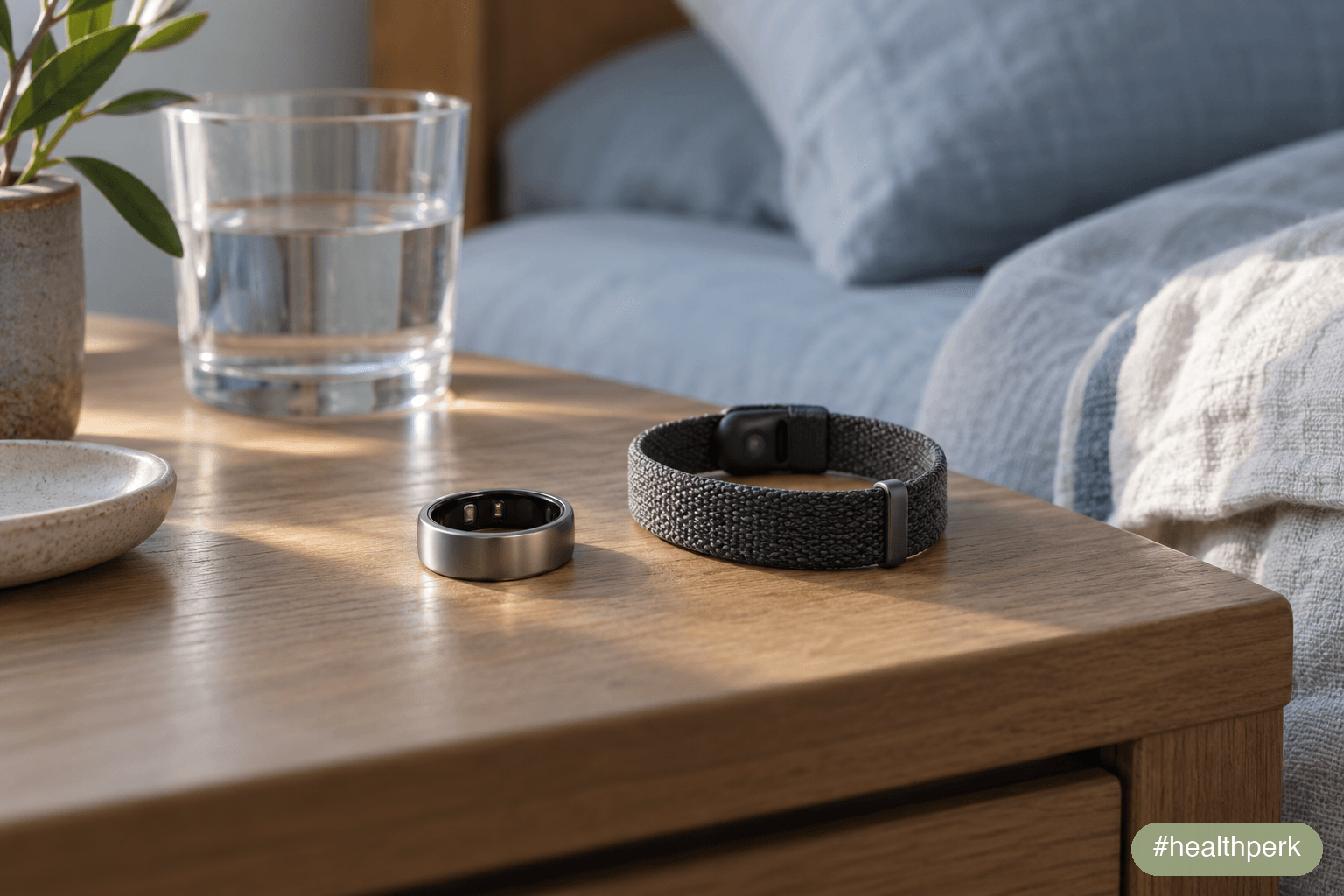
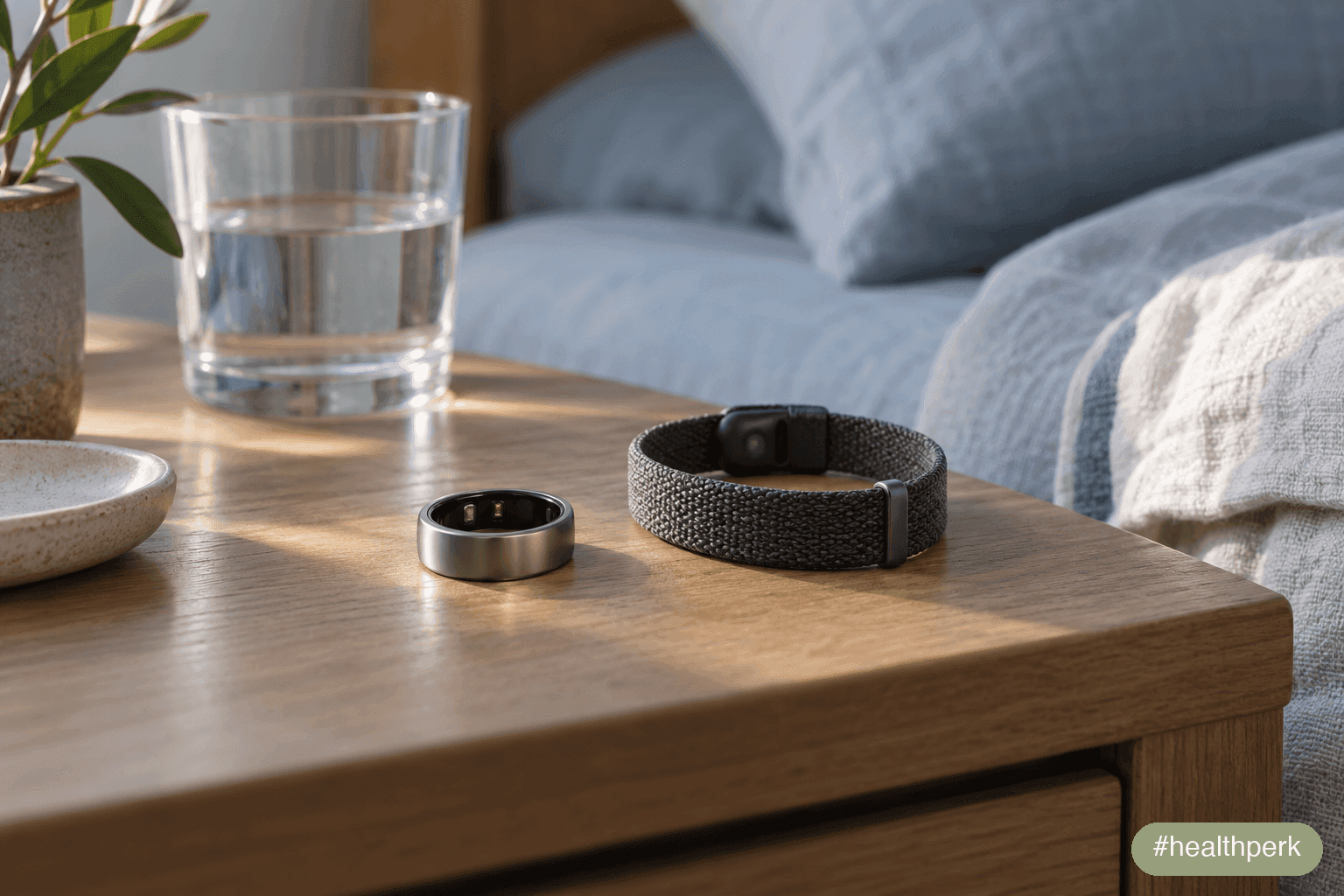
A smart ring and a screenless band take two different routes to the same goal: overnight recovery data you can act on.
The Oura vs Whoop question changed in 2026. Oura began shipping Oura Ring 5 on June 4, a ring about 40% smaller than its predecessor, with a new Health Radar feature set that includes Blood Pressure Signals [2]. Whoop's current hardware, the Whoop 5.0 and Whoop MG bands launched in May 2025, now comes in three membership tiers. In June 2026 the FDA also closed its warning letter over Whoop's blood pressure feature [1][14].
Both devices track sleep, heart rate variability (HRV), resting heart rate, and skin temperature. They differ in what they emphasize, how you wear them, and how you pay. This guide compares the current models on sensors, accuracy studies, health features, regulatory status, and three-year cost, then tells you which one fits your goals. We follow our published review methodology and accept no payment from either company.
Table of Contents
- Oura vs Whoop at a Glance
- How Oura and Whoop Measure Your Body
- Oura Ring 5 vs Whoop 5.0 and MG: Specs and Plans
- Whoop vs Oura Accuracy: What the Studies Show
- Health Features and Regulatory Status
- Oura vs Whoop Cost Over Three Years
- Oura Ring vs Whoop Comparison Table
- Which Is Right for You: Oura or Whoop?
- How to Choose and Set Up Your Tracker: Step by Step
- Common Myths About Oura and Whoop
- When to See a Doctor
- Related Articles on Health Perk
- Frequently Asked Questions
- References
Oura vs Whoop at a Glance
Oura is a titanium smart ring. It's built around sleep and a morning Readiness Score, with activity, stress, heart health, and women's health insights layered on top [4]. It's the more discreet option and the one most people forget they're wearing.
Whoop is a screenless band, usually worn on the wrist. Its daily loop is built around three numbers: Strain (0–21), Recovery (0–100%), and Sleep [5]. It's aimed at people who train and want to know how hard to push today.
Both require a paid membership for full features. Oura sells the ring and charges a smaller monthly or yearly fee. Whoop includes the band in a yearly membership, with no separate hardware price [1][3].
How Oura and Whoop Measure Your Body
Both devices use photoplethysmography (PPG). LEDs shine light into the skin, and photodetectors measure how much comes back as blood volume pulses with each heartbeat. From that pulse signal, the software estimates heart rate, the beat-to-beat intervals behind HRV, and blood oxygen. An accelerometer adds movement, and a temperature sensor tracks nightly shifts in skin temperature [4].
Why the finger and the wrist behave differently. The finger has dense blood vessels close to the surface, and a ring sits snugly. That usually gives a clean pulse signal at night, when you're still. Oura says its Ring 5 pulse signal is up to 100 times stronger than wrist-based wearables, though it hasn't published the method behind that figure [2]. The wrist moves more with the hand and has more tendon and bone under the sensor. Whoop compensates by asking you to wear the band snugly and keep it on 24/7.
One level deeper: when each device measures HRV. HRV is the variation in time between heartbeats. Higher values usually reflect stronger parasympathetic ("rest and digest") activity [18]. Both brands report RMSSD, a short-term HRV measure. But they don't sample it over the same window. Oura shows an average across the night. Whoop's HRV is weighted toward the last stretch of slow-wave (deep) sleep, according to Whoop's own scientists [8].
This has two practical effects. First, Oura and Whoop HRV numbers aren't interchangeable, even on the same night. Second, if you switch brands, your old baseline doesn't carry over. Our guide to what counts as a good HRV explains why your own trend matters more than any single number.
How the scores are built. Whoop's Recovery score is calculated each morning from resting heart rate, HRV, respiratory rate, sleep, skin temperature, and blood oxygen. Green is 67–100%, yellow 34–66%, and red 0–33% [5]. Strain is a 0–21 scale modeled on the Borg scale of perceived exertion [5]. Oura's Readiness Score combines HRV balance, resting heart rate, body temperature, sleep, and activity balance against your own long-term averages. Neither company publishes its exact weighting.
Oura Ring 5 vs Whoop 5.0 and MG: Specs and Plans
Oura Ring 5 (launched May 28, 2026)
- Price: $399 in Black or Silver, $499 in Gold, Stealth, Brushed Silver, or Deep Rose, as of October 2026 [2].
- Membership: $5.99 per month or $69.99 per year; one tier [3].
- Size: 6.09 mm wide and 2.28 mm thick, about 40% smaller than Ring 4; US sizes 6–13, with sizing that differs from Ring 4 [2][4].
- Sensors: two tri-LED emitters, two photodetectors, a digital temperature sensor, and an accelerometer [4].
- Battery: typically 6–9 days; about 80 minutes to charge. An optional $99 wireless charging case is sold separately [4][19].
- Durability: titanium with a hard PVD coating; water resistant to 100 m, but not for diving [4].
- Memory: about three days of offline data, down from seven on Ring 4, so sync at least every couple of days [4].
New software in 2026 includes Health Radar (Blood Pressure Signals and Nighttime Breathing), health-record import in the US, GLP-1 medication insights, and paid on-demand care through Counsel Health [2][3]. Our full Oura Ring 5 review covers comfort, the app, and day-to-day use in more depth.
Whoop 5.0 and Whoop MG (launched May 8, 2025)
- Hardware: two screenless bands. Whoop 5.0 comes with One and Peak; Whoop MG comes with Life [1].
- Battery: up to 14 days, roughly triple Whoop 4.0's 4–5 days. The hardware is 7% smaller than Whoop 4.0 [1].
- Membership, as of October 2026: Whoop One $199 per year, Whoop Peak $239 per year, Whoop Life $359 per year in the US. These are the launch prices, and we found no announced US price change since [1].
- Whoop One: sleep, strain, recovery, workout impact, and cycle and pregnancy tracking [1].
- Whoop Peak: adds Health Monitor (respiratory rate, heart rate, blood oxygen, skin temperature), a real-time Stress Monitor, and Healthspan, which estimates a "Whoop Age" and "Pace of Aging" from nine metrics [1].
- Whoop Life: adds the FDA-cleared ECG and Blood Pressure Insights on the Whoop MG band [1][13].
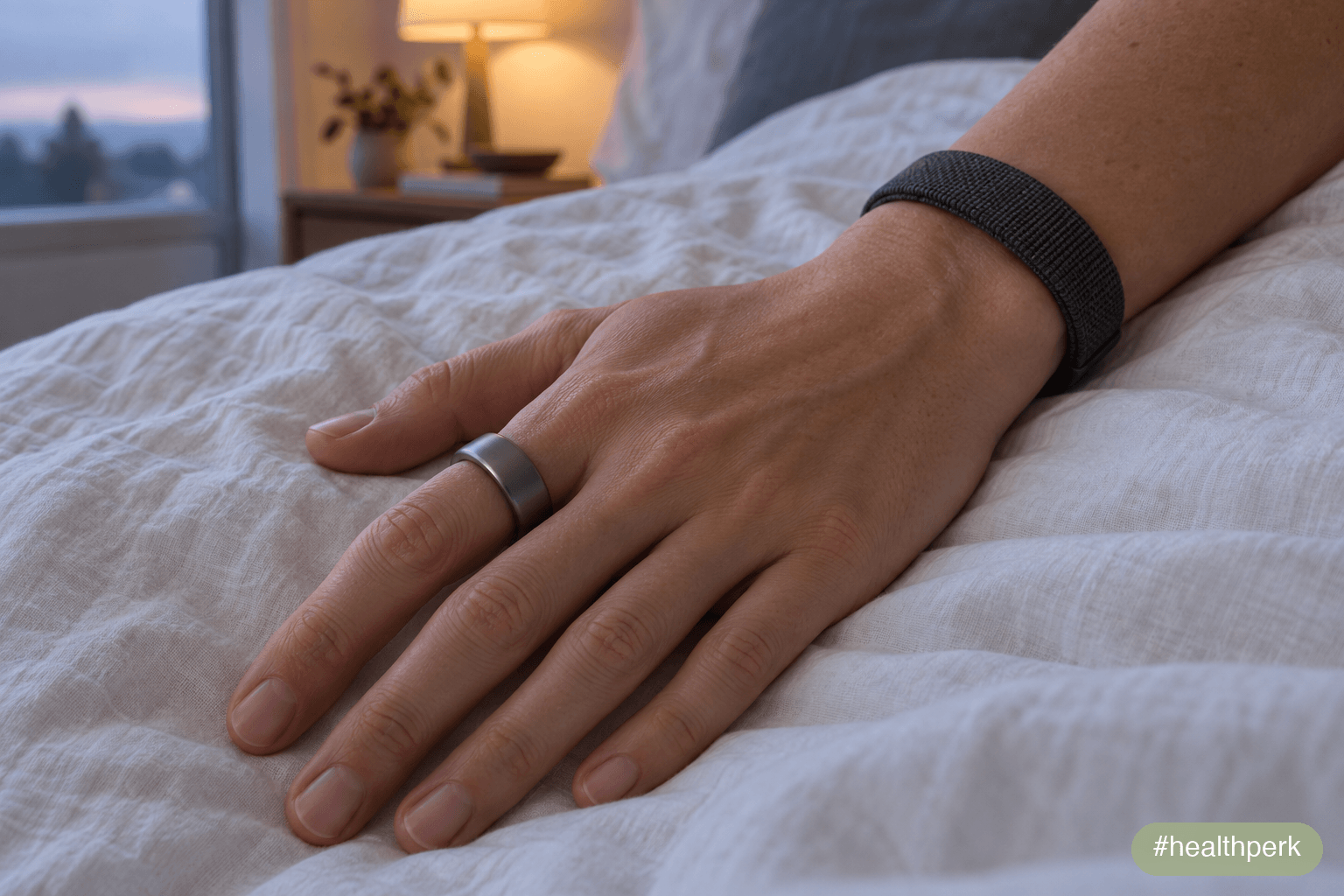
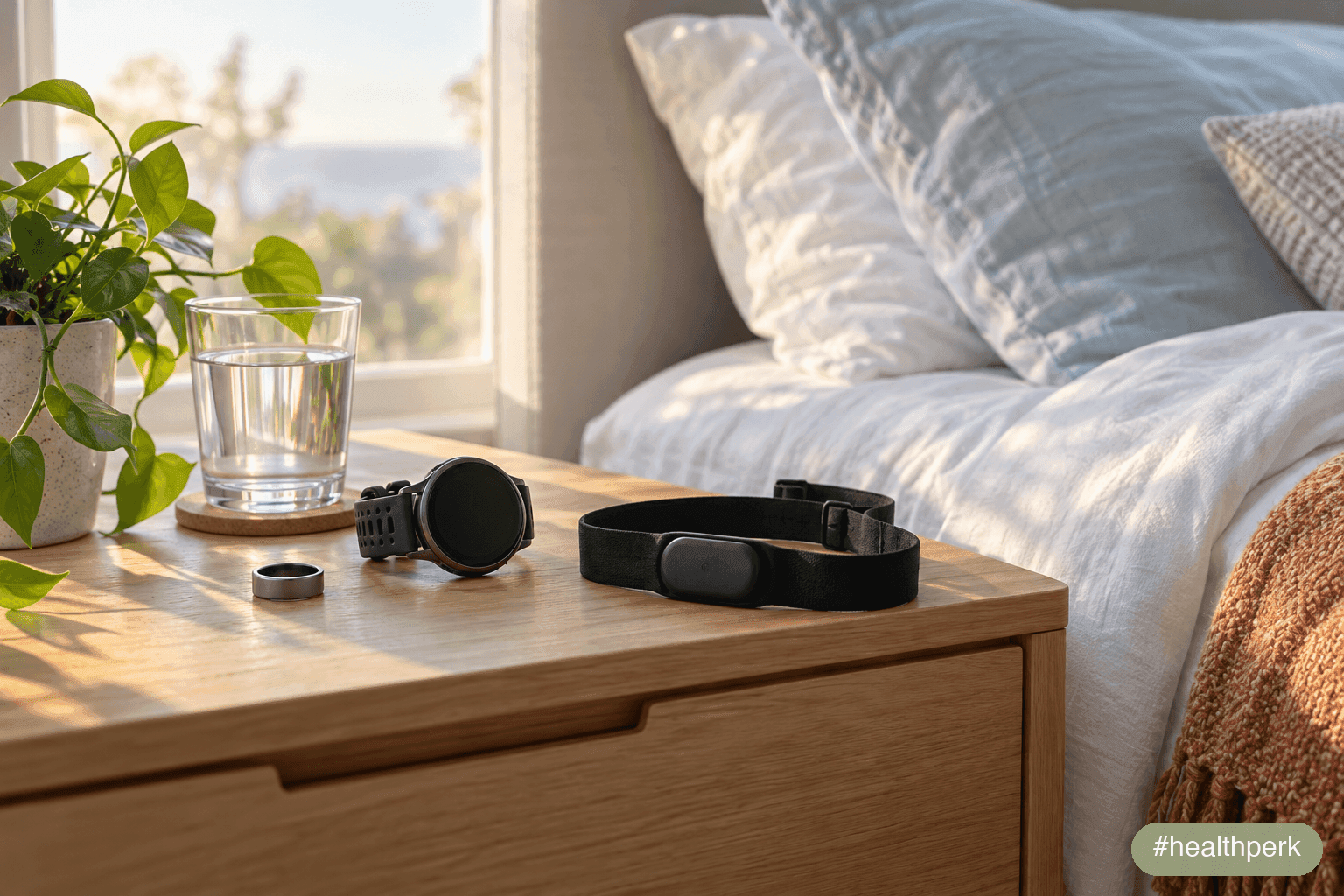
Both devices do their most important work overnight, when you're still and the pulse signal is cleanest.
Whoop vs Oura Accuracy: What the Studies Show
No peer-reviewed study we could find has tested Oura Ring 5 or Whoop 5.0/MG against polysomnography (PSG) or ECG as of October 2026. The evidence below covers earlier generations. Algorithms carry over between hardware generations, so it's still useful, but treat it as a guide, not a guarantee.
Overnight heart rate and HRV
The most direct head-to-head is Dial et al. (2025), funded by the US Air Force Research Laboratory with no declared conflicts. Thirteen healthy adults wore several devices at home with a Polar H10 ECG chest strap as the reference [7]. For HRV, agreement (Lin's concordance correlation coefficient, where 1.0 is perfect) was 0.99 for Oura Gen 4, 0.97 for Oura Gen 3, and 0.94 for Whoop 4.0. Mean absolute percentage error was 5.96%, 7.15%, and 8.17%. For resting heart rate, the coefficients were 0.98, 0.97, and 0.91 [7].
Two scientists employed by Whoop responded that the comparison wasn't fair to Whoop, because Whoop's HRV targets late deep sleep while the reference averaged the whole night [8]. That's a reasonable point, and it's the same measurement-window difference described above.
An earlier lab study by Miller et al. (2022) points the other way for HRV. Against ECG in 53 adults, Whoop 3.0 had an HRV intraclass correlation of 0.99, compared with 0.63 for Oura Gen 2 [6]. The authors' group receives support from Whoop, though Whoop wasn't involved in the study [6]. Both studies tested older hardware, and Oura's algorithms have changed since Gen 2.
Bottom line: Both devices track overnight heart rate and HRV closely enough for trend-watching in healthy adults. The newest independent data slightly favors Oura.
Sleep vs polysomnography
PSG is the lab gold standard for sleep. No consumer wearable matches it, and the American Academy of Sleep Medicine says consumer sleep technology can't diagnose sleep disorders [17].
- Oura: In 96 Japanese adults over multiple nights, Oura Gen 3 with its updated sleep algorithm didn't differ significantly from PSG for total sleep time, light sleep, or deep sleep. It underestimated REM by about 4–6 minutes, and stage accuracy ranged from 75.5% (light sleep) to 90.6% (REM) [9]. The authors received financial support from Oura.
- Whoop: In a 2020 lab study, Whoop overestimated total sleep time by about 8 minutes, a non-significant difference, with 64% agreement for four-stage sleep [11]. A 2025 independent study of six wrist wearables found only "fair" agreement for Whoop 4.0 (kappa 0.37). It overestimated total sleep time by about 24 minutes, deep sleep by about 31 minutes, and REM by about 15 minutes [10].
- Head-to-head: In the Miller 2022 lab study, Oura Gen 2 and Whoop 3.0 were close: 89% vs 86% sleep–wake agreement and 61% vs 60% four-stage agreement [6].
Oura-funded work (2021) found that adding heart and temperature signals to movement raised four-stage accuracy from 57% to 79% [12]. That explains why the ring performs better than movement-only trackers, but it's company research, so weigh it accordingly.
Bottom line for sleep: Oura has the stronger and more recent sleep validation. Whoop is reasonable for sleep vs wake, but the latest independent data suggests it may overstate deep sleep. If sleep is your main reason to buy, compare more options in our guide to the best sleep tracking devices.
Health Features and Regulatory Status
This is where the two brands differ most in 2026.
ECG (Whoop Life only). The Whoop ECG feature was FDA-cleared on April 4, 2025 (510(k) K243236) as over-the-counter ECG software [13]. It can detect atrial fibrillation (AFib), normal rhythm, and low or high heart rate. It's intended for adults 22 and older and not for people with a pacemaker or other implanted device [1]. Oura Ring 5 has no ECG.
Whoop Blood Pressure Insights (Whoop Life). It gives daily estimated systolic and diastolic ranges after you calibrate it with a standard cuff, and it isn't intended for diagnosis or treatment [1]. The FDA issued a warning letter over it in July 2025. After the agency loosened its general wellness policy in January 2026 [16], it closed the letter in June 2026, once Whoop changed the dial boundaries so they no longer suggest clinical categories [14]. That means the FDA doesn't intend to enforce device rules against it, not that the feature is cleared.
Oura Blood Pressure Signals (Health Radar). Oura's feature looks at nighttime blood pressure patterns and flags possible cardiovascular strain. It doesn't show systolic or diastolic numbers, and Oura sells it as a wellness feature, not a medical device [2][15]. Oura says a separate hypertension-risk feature is under study and would go through the FDA [15]. We found no FDA decision on it as of mid-October 2026.
Nighttime Breathing (Oura). This feature gives a 30-day view of breathing disturbances during sleep [2]. It isn't a sleep apnea test. If you suspect apnea, our guide to GLP-1 drugs vs CPAP for sleep apnea explains how diagnosis and treatment actually work.
For blood pressure, a validated upper-arm cuff still beats any ring or band. Our guide on whether a smartwatch or smart ring can track blood pressure compares every major brand's feature.
Oura vs Whoop Cost Over Three Years
Prices are US list prices as of October 2026 and assume no promotions or price changes [1][2][3].
| Configuration | Year 1 | 3-year total |
|---|---|---|
| Oura Ring 5 (Black/Silver) + yearly membership | $468.99 | $608.97 |
| Oura Ring 5 (premium finish) + yearly membership | $568.99 | $708.97 |
| Whoop One (5.0) | $199 | $597 |
| Whoop Peak (5.0) | $239 | $717 |
| Whoop Life (MG) | $359 | $1,077 |
The Oura charging case adds $99 if you want it [19]. Oura gets cheaper the longer you keep the ring, because you've already paid for the hardware. Whoop costs the same every year and includes the band at sign-up; later hardware upgrades depend on your membership status and may require an extension or upgrade fee.
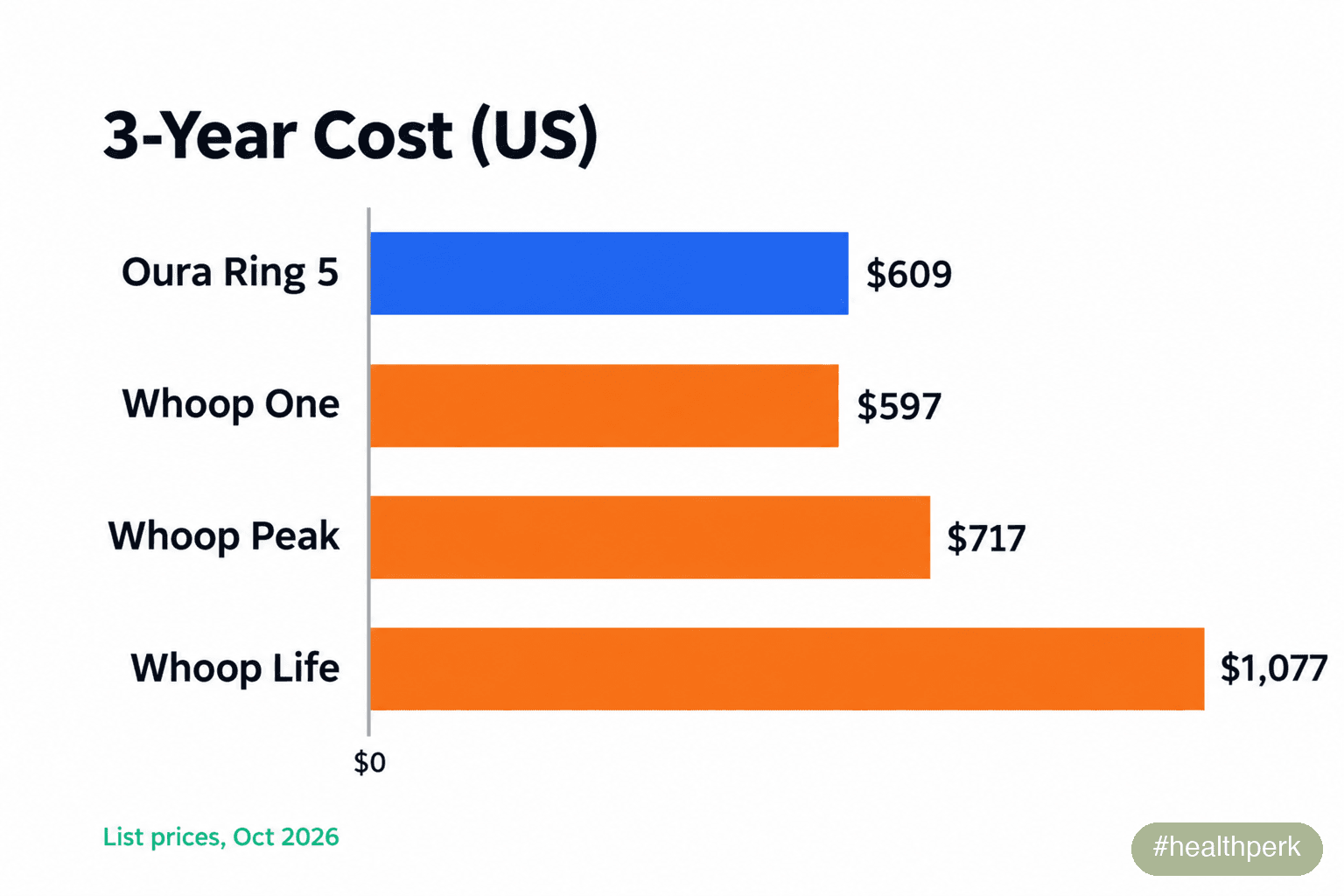
Three-year cost at US list prices as of October 2026: Oura Ring 5 base $608.97, Whoop One $597, Whoop Peak $717, Whoop Life $1,077.
Oura Ring vs Whoop Comparison Table
| Criterion | Oura Ring 5 | Whoop One | Whoop Peak | Whoop Life |
|---|---|---|---|---|
| Form factor | Titanium ring | Screenless band (5.0) | Screenless band (5.0) | Screenless band (MG) |
| Battery | 6–9 days | Up to 14 days | Up to 14 days | Up to 14 days |
| Core daily scores | Sleep, Readiness, Activity | Sleep, Recovery, Strain | + Health Monitor, Stress, Healthspan | + ECG, BP Insights |
| Best independent HRV data | CCC 0.99 (Gen 4) | CCC 0.94 (4.0) | CCC 0.94 (4.0) | CCC 0.94 (4.0) |
| ECG | No | No | No | Yes, FDA-cleared |
| Blood pressure feature | Nighttime patterns, wellness | No | No | Cuff-calibrated estimates, wellness |
| 3-year cost (US) | $608.97–$708.97 | $597 | $717 | $1,077 |
Editorial verdict: For most people who mainly want better sleep, Oura Ring 5 is the better pick. It's more comfortable at night, has the strongest recent validation for overnight HRV and sleep, and costs about the same as Whoop One over three years. Whoop is the better training tool. Strain and Recovery give clearer daily guidance on how hard to push, and the 14-day battery means fewer gaps in your data. Whoop Life is the only option here with an FDA-cleared ECG, but it costs nearly twice as much as Oura over three years.
Which Is Right for You: Oura or Whoop?
The poor or light sleeper. Pick Oura. The ring is less intrusive in bed, and it has the stronger sleep validation. Pair it with the sleep cycle calculator to plan bedtimes around 90-minute cycles.
The athlete or serious gym-goer. Pick Whoop One or Peak. Strain gives you a running total of cardiovascular load, and Recovery tells you whether today is for hard work or easy work. A ring can also be uncomfortable when you grip a barbell or kettlebell. Use our heart rate zones calculator to set your training ranges.
The person with heart rhythm concerns. If your doctor wants you to record an ECG during palpitations, Whoop Life is the only one of the two with an FDA-cleared ECG. Talk to your clinician first. They may prefer a dedicated device or a monitor they prescribe.
The budget-conscious buyer. Over three years, Oura Ring 5 in Black or Silver ($608.97) and Whoop One ($597) cost about the same. Oura becomes cheaper in year four and beyond. If you don't need Peak's extra features, Whoop One is the cheapest way in.
The minimalist or professional who wants discretion. Oura looks like jewelry. Whoop is visible on the wrist but has no screen, so it won't buzz you with notifications. If you also want notifications and apps, neither fits; see our fitness tracker vs smartwatch guide.
The person tracking a cycle or pregnancy. Both offer cycle and pregnancy insights [1][4]. Oura's skin temperature trend is a central part of its cycle features. Neither is a contraceptive or a fertility diagnosis.
How to Choose and Set Up Your Tracker: Step by Step
- Name your main goal. Write down one goal: better sleep, smarter training, or heart and blood pressure awareness. Let it decide the brand.
- Check your three-year budget. Use the cost table above, and add $99 if you want the Oura charging case.
- Size correctly. For Oura, use the sizing kit, since Ring 5 sizing differs from Ring 4 [4]. For Whoop, wear the band snugly, just above the wrist bone.
- Wear it 24/7 for 30 days before you judge it. Both devices build personal baselines, and early scores are less reliable.
- Log behaviors. Tag alcohol, late meals, caffeine, and hard workouts so you can see which ones move your HRV and sleep.
- Watch 7-day trends, not single days. One red recovery or low Readiness score is noise. A week-long drift is a signal.
- Sync often. Oura Ring 5 stores about three days of data offline, so open the app at least every other day [4].
- Confirm health alerts with a medical device. Check blood pressure flags with a validated cuff and rhythm concerns with your doctor.
Common Myths About Oura and Whoop
Myth: "Whoop can't track sleep because it's on the wrist." Mostly false. Both had similar sleep–wake agreement with PSG in a head-to-head lab study [6]. The difference shows up more in sleep stages, where recent data favors Oura [9][10].
Myth: "A higher HRV on Oura means I'm fitter than my friend with Whoop." False. The devices measure HRV over different windows [8], and HRV varies a lot with age and genetics [18]. Compare yourself only with your own baseline on the same device.
Myth: "Whoop MG is a medical-grade device." Only the ECG feature is FDA-cleared [13]. "MG" is a product name. Other features, including Blood Pressure Insights, are wellness features [14].
Myth: "Oura's Blood Pressure Signals tells me my blood pressure." False. It shows nighttime patterns and doesn't display systolic or diastolic readings [15]. A cuff is still the only way to get a number you can act on.
Myth: "Sleep stages from these devices can diagnose insomnia or sleep apnea." False. Consumer sleep technology isn't meant for diagnosis [17]. Nighttime Breathing and similar features can prompt a conversation with your doctor, but they can't replace a sleep study.
When to See a Doctor
Your wearable is a wellness tool. See a clinician promptly if:
- You have chest pain, fainting, severe shortness of breath, or sudden weakness. Call 911 or your local emergency number.
- A Whoop ECG shows possible AFib, or you feel palpitations, a racing heart, or skipped beats, especially with dizziness.
- Your resting heart rate stays above 100 bpm at rest, or below 50 bpm with fatigue or dizziness, for several days.
- Someone notices loud snoring, gasping, or pauses in your breathing, or Nighttime Breathing shows frequent disturbances and you're very sleepy during the day.
- Insomnia lasts more than three months despite good sleep habits.
- A blood pressure flag is confirmed by cuff readings of 130/80 mmHg or higher across a week of home measurements.
- You get a fever and an unexplained rise in skin temperature that lasts several days.
Related Articles on Health Perk
- Oura Ring 5 review: is it the best smart ring of 2026?
- What is a good HRV? Heart rate variability by age
- Best sleep tracker for light sleepers: 2026 devices compared
- Can a smartwatch or smart ring track blood pressure?
- Fitness tracker vs smartwatch for health
- Wearable health devices list 2026
Frequently Asked Questions
Is Oura or Whoop more accurate?
For overnight heart rate and HRV, the most recent independent study favored Oura. Oura Gen 4 reached an HRV agreement of 0.99 vs ECG, compared with 0.94 for Whoop 4.0. Older lab data favored Whoop 3.0 for HRV. Neither Oura Ring 5 nor Whoop 5.0 has been independently validated yet.
Is Oura or Whoop better for sleep tracking?
Oura is better for sleep tracking for most people. Oura Gen 3 closely matched lab polysomnography for total, light, and deep sleep, while a 2025 independent study found Whoop 4.0 overestimated deep sleep by about 31 minutes. A ring is also less intrusive in bed than a wrist band.
Is Whoop better than Oura for working out?
Yes, Whoop is generally better for training. Its Strain score tracks daily cardiovascular load on a 0–21 scale, and Recovery suggests how hard to train. Oura tracks activity and workouts well, but it's built around sleep and readiness rather than load, and a ring can be uncomfortable when you lift.
How much does Oura cost compared with Whoop?
As of October 2026, Oura Ring 5 costs $399–$499 plus $69.99 a year, or about $608.97 over three years for the base finish. Whoop costs $199, $239, or $359 a year with the band included, so $597, $717, or $1,077 over three years. Check both brands' sites for current promotions.
Does Oura or Whoop have an ECG?
Only Whoop has an ECG, and only on the Whoop Life membership with the Whoop MG band. It was FDA-cleared in April 2025 to detect atrial fibrillation, normal rhythm, and low or high heart rate in adults 22 and older. Oura Ring 5 has no ECG feature.
Can Oura or Whoop measure blood pressure?
Neither measures blood pressure the way a cuff does. Whoop Life gives cuff-calibrated daily estimates as a wellness feature, and Oura Ring 5 flags nighttime blood pressure patterns without showing numbers. Neither feature is FDA-cleared, so confirm any concern with a validated upper-arm cuff.
Can you wear Oura and Whoop together?
Yes, you can wear both, and some people do to compare them. Expect different HRV and sleep numbers, because the devices measure over different windows and use different algorithms. Pick one as your main source of truth and follow its 7-day trends, rather than averaging the two.
Do you need a subscription for Oura and Whoop?
Yes, both need a subscription for full features. Oura's membership costs $5.99 a month or $69.99 a year on top of the ring price. Whoop has no separate hardware price, but you need an active One, Peak, or Life membership, starting at $199 a year.
Medical disclaimer: This article is for general information only and isn't medical advice. Oura and Whoop are consumer wellness devices. Except for the FDA-cleared Whoop ECG feature, their metrics aren't intended to diagnose, treat, or prevent any disease. Talk to a qualified healthcare professional about symptoms, heart rhythm concerns, blood pressure, or sleep problems, and don't change medication based on wearable data.
References
- Capoot, A. (2025). Whoop launches two new wearables with 14-day battery life. CNBC. https://www.cnbc.com/2025/05/08/whoop-wearables-whoop-50-mg-price.html
Supports: Whoop 5.0/MG launch on May 8, 2025; 14-day battery; 7% smaller; One $199, Peak $239, Life $359; features per tier; ECG FDA-cleared, not for under 22 or implanted devices; Blood Pressure Insights requires cuff baseline.
- Malik, A. (2026). Oura unveils its Ring 5 with a thinner, lighter design starting at $399. TechCrunch. https://techcrunch.com/2026/05/28/oura-unveils-its-ring-5-with-a-thinner-lighter-design-starting-at-399/
Supports: May 28, 2026 announcement; shipping from June 4; $399/$499 pricing; sizes 6–13; 6–9 day battery; Health Radar with Blood Pressure Signals and Nighttime Breathing; Counsel Health, health records, GLP-1 insights.
- 9to5Mac (2026). New Oura Ring 5 unveiled with dramatically smaller design, Blood Pressure Signals, more. 9to5Mac. https://9to5mac.com/2026/05/28/oura-ring-5-launched-features-price/
Supports: Oura membership $5.99 per month or $69.99 per year; 40% smaller than Ring 4; Blood Pressure Signals with nighttime blood pressure.
- Oura Health (2026). Discover Oura Ring 5. Oura Help Center. https://support.ouraring.com/hc/en-us/articles/50997181300243-Discover-Oura-Ring-5
Supports: Ring 5 sensors, 6–9 day battery, 80-minute charge, 100 m water resistance, sizes 6–13, dimensions, three-day data storage, membership features.
- WHOOP (2026). WHOOP 101. WHOOP Developer Platform. https://developer.whoop.com/docs/whoop-101
Supports: Strain 0–21 scale based on the Borg scale; Recovery 0–100% from RHR, HRV, respiratory rate and other inputs; green/yellow/red bands.
- Miller, D. J., Sargent, C., & Roach, G. D. (2022). A Validation of Six Wearable Devices for Estimating Sleep, Heart Rate and Heart Rate Variability in Healthy Adults. Sensors, 22(16), 6317. https://doi.org/10.3390/s22166317
Supports: Oura Gen 2 vs Whoop 3.0 sleep–wake (89% vs 86%) and four-stage agreement (61% vs 60%); HRV ICC 0.63 vs 0.99; WHOOP support disclosure.
- Dial, M. B., Hollander, M. E., Vatne, E. A., Emerson, A. M., Edwards, N. A., & Hagen, J. A. (2025). Validation of nocturnal resting heart rate and heart rate variability in consumer wearables. Physiological Reports, 13(16), e70527. https://doi.org/10.14814/phy2.70527
Supports: 13 adults, ECG reference; HRV CCC 0.99 Oura Gen 4, 0.97 Gen 3, 0.94 Whoop 4.0; RHR CCC 0.98, 0.97, 0.91; AFRL funding, no competing interests.
- Grosicki, G. J., & Presby, D. M. (2025). Accurate comparison of wearables requires contextual equivalence. Physiological Reports, 13(23), e70710. https://doi.org/10.14814/phy2.70710
Supports: WHOOP-employed authors argue Whoop HRV is weighted toward the last slow-wave sleep phase and that all-night reference averages are not equivalent.
- Svensson, T., Madhawa, K., NT, H., Chung, U. I., & Svensson, A. K. (2024). Validity and reliability of the Oura Ring Generation 3 (Gen3) with Oura sleep staging algorithm 2.0 (OSSA 2.0) when compared to multi-night ambulatory polysomnography: A validation study of 96 participants and 421,045 epochs. Sleep Medicine, 115, 251–263. https://doi.org/10.1016/j.sleep.2024.01.020
Supports: No significant difference from PSG for total, light and deep sleep; REM underestimated by 4.1–5.6 min; stage accuracy 75.5–90.6%; Oura funding disclosure.
- Schyvens, A. M., Peters, B., Van Oost, N. C., Aerts, J. M., Masci, F., Neven, A., Dirix, H., Wets, G., Ross, V., & Verbraecken, J. (2025). A performance validation of six commercial wrist-worn wearable sleep-tracking devices for sleep stage scoring compared to polysomnography. SLEEP Advances, 6(2), zpaf021. https://doi.org/10.1093/sleepadvances/zpaf021
Supports: Whoop 4.0 kappa 0.37 (fair agreement); overestimated TST by 24.46 min, deep sleep by 31.49 min, REM by 15.28 min.
- Miller, D. J., Lastella, M., Scanlan, A. T., Bellenger, C., Halson, S. L., Roach, G. D., & Sargent, C. (2020). A validation study of the WHOOP strap against polysomnography to assess sleep. Journal of Sports Sciences, 38(22), 2631–2636. https://doi.org/10.1080/02640414.2020.1797448
Supports: Whoop overestimated TST by 8.2 min (non-significant); 64% four-stage agreement.
- Altini, M., & Kinnunen, H. (2021). The Promise of Sleep: A Multi-Sensor Approach for Accurate Sleep Stage Detection Using the Oura Ring. Sensors, 21(13), 4302. https://doi.org/10.3390/s21134302
Supports: Four-stage accuracy rose from 57% (accelerometer only) to 79% with autonomic and circadian features; Oura-affiliated authors.
- U.S. Food and Drug Administration (2025). 510(k) Premarket Notification K243236: WHOOP ECG (electrocardiogram) Feature (1.0). FDA 510(k) Database. https://www.accessdata.fda.gov/scripts/cdrh/cfdocs/cfpmn/pmn.cfm?ID=K243236
Supports: WHOOP ECG feature cleared April 4, 2025 as over-the-counter electrocardiograph software (product code QDA).
- Reuter, E. (2026). FDA drops Whoop warning letter over blood pressure feature. MedTech Dive. https://www.medtechdive.com/news/fda-drops-whoop-warning-letter-over-blood-pressure-feature/823652/
Supports: July 2025 warning letter; June 2026 closeout after Whoop changed dial boundaries; FDA does not intend to enforce device requirements on the modified feature.
- Reuter, E. (2026). Ōura to add blood pressure feature following FDA policy change. MedTech Dive. https://www.medtechdive.com/news/oura-to-add-blood-pressure-feature-following-fda-policy-change/821427/
Supports: Oura's nighttime blood pressure feature is a wellness feature, shows no systolic/diastolic readings; separate hypertension feature under study would be FDA-regulated.
- U.S. Food and Drug Administration (2026). General Wellness: Policy for Low Risk Devices. FDA Guidance Document. https://www.fda.gov/regulatory-information/search-fda-guidance-documents/general-wellness-policy-low-risk-devices
Supports: January 2026 revision allowing non-invasive wellness wearables to estimate blood pressure without disease claims.
- Khosla, S., Deak, M. C., Gault, D., Goldstein, C. A., Hwang, D., Kwon, Y., et al. (2018). Consumer Sleep Technology: An American Academy of Sleep Medicine Position Statement. Journal of Clinical Sleep Medicine, 14(5), 877–880. https://doi.org/10.5664/jcsm.7128
Supports: Consumer sleep technology is not intended for diagnosing or treating sleep disorders.
- Shaffer, F., & Ginsberg, J. P. (2017). An Overview of Heart Rate Variability Metrics and Norms. Frontiers in Public Health, 5, 258. https://doi.org/10.3389/fpubh.2017.00258
Supports: Definitions of HRV and RMSSD; HRV reflects autonomic (parasympathetic) activity and varies with age and individual factors.
- GSMArena (2026). Oura Ring 5 announced with slim design, updated sensors and blood pressure monitoring. GSMArena. https://www.gsmarena.com/oura_ring_5_announced_with_slim_design_updated_sensors_and_blood_pressure_monitoring-news-73036.php
Supports: Optional Oura Ring 5 charging case costs $99 and is sold separately, with wireless charging.
- Oura offers superior sleep staging accuracy
- Whoop provides better real-time strain tracking
- Both have excellent HRV monitoring
- Ring versus band gives distinct comfort profiles
- Both require ongoing subscriptions for full features
- Neither replaces a full-featured smartwatch
- Oura lacks workout strain metrics
- Whoop lacks a screen for quick data checks
Frequently Asked Questions
Is Oura or Whoop more accurate?
For overnight heart rate and HRV, the most recent independent study favored Oura. Oura Gen 4 reached an HRV agreement of 0.99 vs ECG, compared with 0.94 for Whoop 4.0. Older lab data favored Whoop 3.0 for HRV. Neither Oura Ring 5 nor Whoop 5.0 has been independently validated yet.
Is Oura or Whoop better for sleep tracking?
Oura is better for sleep tracking for most people. Oura Gen 3 closely matched lab polysomnography for total, light, and deep sleep, while a 2025 independent study found Whoop 4.0 overestimated deep sleep by about 31 minutes. A ring is also less intrusive in bed than a wrist band.
Is Whoop better than Oura for working out?
Yes, Whoop is generally better for training. Its Strain score tracks daily cardiovascular load on a 0–21 scale, and Recovery suggests how hard to train. Oura tracks activity and workouts well, but it's built around sleep and readiness rather than load, and a ring can be uncomfortable when you lift.
How much does Oura cost compared with Whoop?
As of October 2026, Oura Ring 5 costs $399–$499 plus $69.99 a year, or about $608.97 over three years for the base finish. Whoop costs $199, $239, or $359 a year with the band included, so $597, $717, or $1,077 over three years. Check both brands' sites for current promotions.
Does Oura or Whoop have an ECG?
Only Whoop has an ECG, and only on the Whoop Life membership with the Whoop MG band. It was FDA-cleared in April 2025 to detect atrial fibrillation, normal rhythm, and low or high heart rate in adults 22 and older. Oura Ring 5 has no ECG feature.
Can Oura or Whoop measure blood pressure?
Neither measures blood pressure the way a cuff does. Whoop Life gives cuff-calibrated daily estimates as a wellness feature, and Oura Ring 5 flags nighttime blood pressure patterns without showing numbers. Neither feature is FDA-cleared, so confirm any concern with a validated upper-arm cuff.
Can you wear Oura and Whoop together?
Yes, you can wear both, and some people do to compare them. Expect different HRV and sleep numbers, because the devices measure over different windows and use different algorithms. Pick one as your main source of truth and follow its 7-day trends, rather than averaging the two.
Do you need a subscription for Oura and Whoop?
Yes, both need a subscription for full features. Oura's membership costs $5.99 a month or $69.99 a year on top of the ring price. Whoop has no separate hardware price, but you need an active One, Peak, or Life membership, starting at $199 a year.
Dr James Carter
PhD Biomedical Engineering, Certified Health Informatics ProfessionalDevices & Apps Editor
Health technology analyst and former biomedical engineer specializing in wearable devices, health applications, and digital therapeutics evaluation