
Do Calorie-Counting Apps Work? Yes, but Not Because the Numbers Are Right
Calorie-counting apps help people lose weight, but modestly. In a June 2026 meta-analysis of 23 trials, app users lost about 4.6 lb (2.07 kg) more than people on a waitlist over six months. How often you log matters more than how precise you are. The numbers are estimates: photo-based apps undercounted meals by 250–345 calories in a 2026 NIH test. Skip counting if you have had an eating disorder.
Do calorie-counting apps work?
For most adults trying to lose weight, yes, a little. Trials show a few extra pounds over six months, mostly in people who keep logging. The app's calorie totals are rough, and photo features tend to run low. Use the app as a mirror, not a scale.
Log every meal as you eat it, daily, for the next 8–12 weeks.
Check every estimate. Add oils and sauces, and fix the portion size.
Log less detail, more often. A rough entry still counts.
Never dose insulin from a photo estimate. Ask your care team first.
Skip calorie counting. Ask your clinician about safer ways to track.
- Evidence strength
- Moderate: dozens of trials, small average effects
- Typical result
- About 4.6 lb (2.07 kg) more than no help, at 6 months
- Accuracy
- Estimates only; photo apps ran 250–345 kcal low per meal
- Our verdict
- Worth trying for weight loss. Not for anyone with an eating disorder history.
In July 2026, researchers at the National Institutes of Health took photos of 102 meals whose every ingredient had been weighed to a tenth of a gram. They gave the photos to four popular calorie-tracking apps. Every app came in low, by about 250 to 345 calories a meal on average. A month earlier, a meta-analysis of 23 trials had found that weight-loss apps do help, and that precise calorie counting didn't seem to be the reason.
Put those two results together and a clear picture forms. Calorie apps can help you lose weight. But they mostly work by making you notice what you eat, not by giving you a perfect number. This guide explains the two new studies, how food tracking works, what the trials show, why most people stop logging, how accurate each logging method is, who should not count calories, and how to set up an app so it helps.
What's New: Two 2026 Studies on Calorie-Counting Apps
A June 2026 meta-analysis of 23 trials found app users lost 4.6 lb (2.07 kg) more than a waitlist at six months, with no extra benefit from precise counting. A July 2026 NIH test found four photo apps undercounted meals by 250–345 calories.
The meta-analysis. Kadri Arumäe, Uku Vainik and colleagues at the University of Tartu in Estonia pooled randomized controlled trials of smartphone apps that target eating habits in adults. Their paper appeared in Scientific Reports on June 5, 2026, and included 23 studies. At six months, people using an app lost 4.6 lb (2.07 kg) more than people on a waitlist, and 3.6 lb (1.64 kg) more than people in programs without an app.
The surprise was in the details. The team coded each app for how it handled calories: no counting, rough estimates, or precise tracking. None of these made a measurable difference. In the authors' words, they "found no moderating effects of factors such as calorie counting, social support, involvement of medical workers, or automatic feedback reports."
The accuracy test. Aaron Hengist, a visiting fellow at the National Institute of Diabetes and Digestive and Kidney Diseases (NIDDK), led the second study. Olivia Charles presented it at NUTRITION 2026, the American Society for Nutrition's annual meeting, on July 25, 2026. The team used photos of 102 meals from a diet study at the NIH Clinical Center. Each meal had been made in a metabolic kitchen, so its true calories were known. They tested four apps with photo features: MyFitnessPal, Lose It!, Cal AI and Appediet.
All four apps underestimated calories, by about 250 to 345 calories per meal on average. They also missed about 30 grams of fat per meal. That alone is about 270 calories, since fat carries 9 calories per gram. Carbohydrates were estimated more consistently. In more than 200 further meals, early results suggested the apps did even worse with low-carb, high-fat ketogenic meals.
These apps tend to underestimate calories, especially from fats, so what they actually ate is likely higher than what the app shows.
What the studies don't show. The NIH work is a conference abstract. It has not yet been through full peer review, and the press release gave no separate result for each app. It tested photo estimates without any correction by the user. The meta-analysis found signs of publication bias, which means small trials with poor results may never have been published. Its estimates for weight lost in app groups ranged from 1.4 to 8.5 lb (0.63 to 3.87 kg), depending on the method used to correct for that bias.
Our read. Logging what you eat helps. Trusting the calorie total to the last digit is a mistake. Treat the number as an estimate that probably runs low, especially for meals with oil, butter, cheese or nuts.
How Food Tracking Works: Attention, Not Arithmetic
Writing down what you eat makes you notice it, and noticing changes choices. Behavioral weight-loss programs have relied on this "self-monitoring" for decades. A 2021 review of 39 trials linked more logging to more weight loss in 74% of cases.
Dietitians call food tracking "self-monitoring." It was the core of weight-loss programs long before smartphones. A 2011 review by Lora Burke and colleagues at the University of Pittsburgh called it "the centerpiece of behavioral weight loss intervention programs." Most of the early studies used paper diaries.
The idea is simple. When you have to log a snack, you think about it first. When you see a day's total, you can adjust dinner. Over weeks, you learn which foods are larger than they look. The calorie number is a tool for that feedback. It does not need to be exact to change what you do.
You notice portions, snacks and drinks you used to miss.
A smaller serving here, a skipped snack there. They add up over weeks.
Why apps instead of paper. Apps make logging faster, and they let you log on the spot. In a 2021 systematic review in the journal Obesity, Michele Patel, Gary Bennett and a colleague looked at 39 trials from 2009 to 2019. People logged more often with digital tools than with paper in 21 of 34 head-to-head comparisons, and less often in just 2. Across the trials, more digital logging was linked to more weight loss in 74% of cases.
Why memory alone fails. People are poor at recalling what they ate. In a classic 1992 study in the New England Journal of Medicine, adults who said they could not lose weight on fewer than 1,200 calories a day were measured in a lab. They had underreported their food intake by 47% on average and overreported their activity by 51%. Logging as you go narrows that gap.
Do Calorie-Counting Apps Work? What the Trials Show
Yes, modestly. Pooled trials show about 3.6 to 6.3 lb (1.64 to 2.87 kg) of extra weight loss with app-based tracking. One trial that only handed people an app found no difference.
Three meta-analyses point the same way. Apps help, by a few pounds on average. In 2021, Rebecca Berry, Aikaterini Kassavou and Stephen Sutton at the University of Cambridge pooled 12 trials of digital tracking of both diet and activity. People who tracked lost 6.3 lb (2.87 kg) more than comparison groups and ate about 182 fewer calories a day. Programs that tailored advice to the person worked better than generic ones.
To put those numbers in context, US obesity guidelines say a lasting loss of 3% to 5% of body weight brings meaningful health benefits, such as lower blood sugar and triglycerides. For a 200-pound adult, that is 6 to 10 lb. An app on its own gets an average person part of the way there. Some people lose much more, and many lose nothing.
The trial that found nothing. In 2014, Brian Laing and colleagues at UCLA randomly assigned 212 primary-care patients with overweight to usual care, with or without help downloading MyFitnessPal. After six months, the difference was 0.7 lb (0.30 kg), which is no real difference. Patients liked the app, but "logins decreased sharply after the first month." The authors concluded that apps "may be useful for persons who are ready to self-monitor calories," but that handing one out is unlikely to change much on its own.
Does it last? A 2022 meta-analysis by Han Shi Jocelyn Chew and colleagues at the National University of Singapore found that app-based weight loss peaked at 4.8 lb (2.18 kg) at three months and was 3.6 lb (1.63 kg) at 12 months. The authors called the effects "minimal in their current states." In the 2026 Tartu analysis, people in app groups had lost 5.8 lb (2.64 kg) on average at longer follow-ups.
The evidence has limits. Most trials paired the app with something else, such as coaching, goals or feedback. That makes it hard to credit the calorie counter alone. Many participants were women, and many trials were small. Drop-out was often high, and people who quit tend to be the ones who aren't losing weight.
How the evidence built up
- 1992 · Lab study, NEJM
People underreported what they ate by 47% from memory.
- 2011 · Review, 22 studies
Self-monitoring linked to weight loss, mostly with paper diaries.
- 2013 · Pilot trial, 128 adults
An app kept people logging for 92 days, vs 29 on paper.
- 2014 · Trial, 212 patients
Just handing out an app made no difference at six months.
- 2021 · Meta-analysis, 12 trials
Digital diet and activity tracking: 6.3 lb (2.87 kg) more lost.
- 2026 · Meta-analysis, 23 trials
Apps beat a waitlist by 4.6 lb; precise counting added nothing.
- 2026 · NIH abstract, 102 meals
Photo apps undercounted by 250–345 calories per meal.
Why Most People Stop Logging, and Why It Matters
Logging drops off in every study. The people who lose the most log often: 2.7 times a day vs 1.7 in one trial. Time spent fell from 23 to about 15 minutes a day by month six.
Every study of food tracking finds the same pattern. People start keen, then log less each week. In the 2021 Obesity review of 39 trials, few programs kept people logging on at least 75% of days. The good news is that the people who keep going tend to do well, and that logging gets quicker with practice.
App vs paper vs website. In a 2013 pilot trial at the University of Leeds, Michelle Carter and colleagues randomly assigned 128 adults with overweight to log their food with a smartphone app, a website or a paper diary for six months. Logging dropped in all three groups, but the app group kept it up far longer:
It was a small pilot, so the weight differences between groups are uncertain. A later analysis of the app group found that people who logged on 129 days or more weighed 14.1 lb (6.4 kg) less at follow-up than those who logged on 42 days or fewer. People who logged on and off over the full six months did better than those who logged every day for a while and then stopped.
Frequency beats detail. In 2019, Jean Harvey at the University of Vermont and colleagues tracked how 142 adults in a 24-week online program used their food log. Logging took 23.2 minutes a day in the first month and 14.6 minutes by the sixth. Among people still logging at six months, time spent did not predict success. How often they opened the log did:
The practical lesson: log in short bursts, right after you eat, rather than in one long session at night. And if you lapse, start again. A rough entry today is worth more than a perfect one you never make.
How Accurate Are Calorie-Counting Apps?
It depends on how you log. With weighed food and careful entries, MyFitnessPal was off by 3.7% in a 2025 trial. Photo features and chatbots miss by far more and usually run low.
An app's total is only as good as two things: the food database and the amount you enter. Studies have tested both. The pattern is consistent. Careful manual logging with weighed portions can be quite accurate. Every shortcut adds error, and most errors make the total look lower than it really is. Choose how you log to see the typical error:
In a 2025 trial at Pennington Biomedical, 44 trained adults ate only pre-weighed foods and logged them in MyFitnessPal. Their calorie totals were within 3.7% of the truth on average. That is the best case: weighed portions and careful entries.
Scanning pulls the numbers from the package. Under FDA rules, a food isn't misbranded unless its calories are more than 20% above the label. So a bar labeled 200 calories could test at up to about 240 and still pass. You still have to enter how much you ate.
In the 2026 NIH test, four apps with photo logging undercounted 102 weighed meals by this much on average, and missed about 30 g of fat. Carbs were more consistent. Results are preliminary, from an abstract.
A 2025 Swedish study gave 52 food photos to three general AI chatbots. The best two, ChatGPT-4o and Claude 3.5 Sonnet, were off by 35.8% on calories on average; Gemini 1.5 Pro did worse. All underestimated more as portions got bigger.
A 2011 Tufts study measured 269 dishes from 42 restaurants in a lab. Menus were right on average, but 19% of items held at least 100 calories more than stated. Restaurant meals also vary from one plate to the next.
In the 1992 NEJM study, adults who reported eating very little had underreported their intake by 47% on average. That group was chosen because their diets "didn't work," so most people do better. But memory is the weakest method.
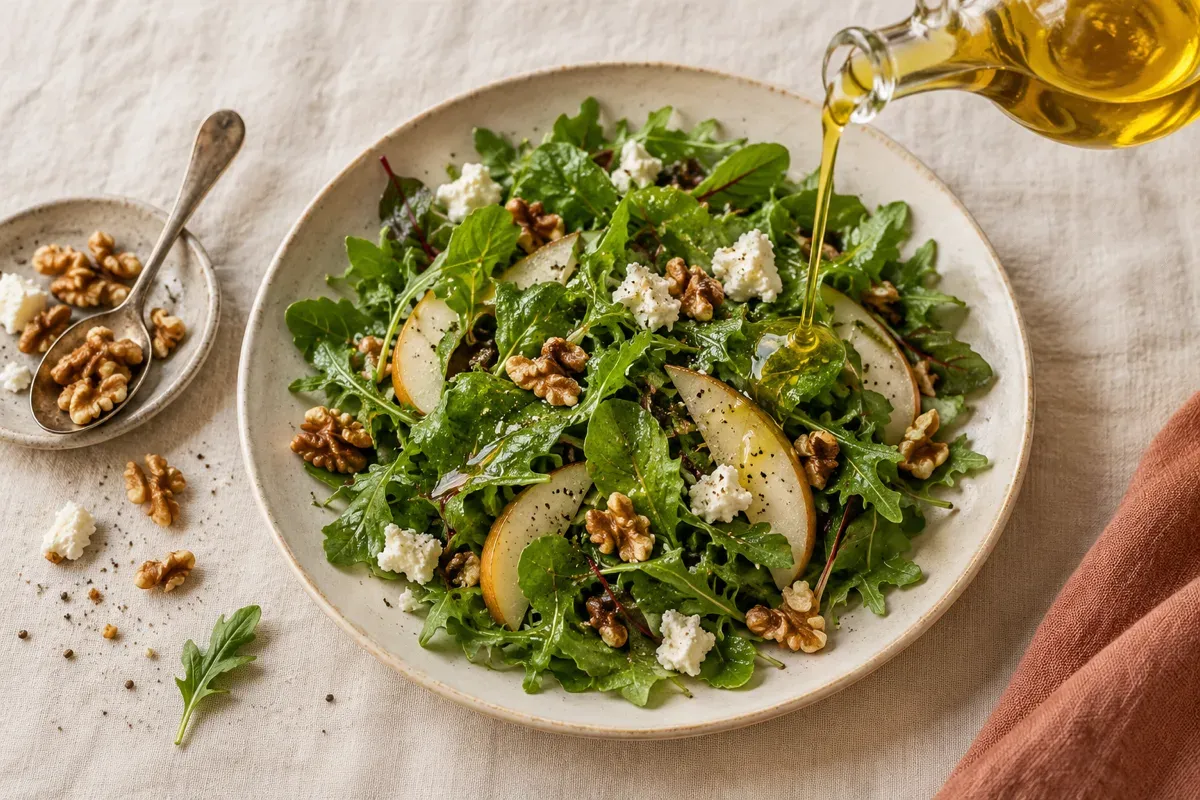
Why photos run low. A photo shows food on a plate, not how it was cooked. Oil in the pan, butter in rice and dressing on leaves are hard or impossible to see. Fat is also the densest nutrient, at 9 calories per gram, so small misses add up. A 2025 study from University College Dublin found ChatGPT named the foods in 114 meal photos correctly 93% of the time, but judged medium and large portions poorly and underestimated 11 of 16 nutrients.
Databases vary too. Many apps let users add foods, so the same item can have several entries. In a 2020 KU Leuven study, MyFitnessPal totals matched a national reference database well (r = 0.96) once a few extreme entries were removed. A 2024 University of Sydney study of 16 manual-logging apps found energy overestimated by about 249 calories (1,040 kJ) for a Western day of eating and underestimated by about 363 calories (1,520 kJ) for an Asian day. Pick entries marked as verified, or scan the barcode.
The NIH team suggested combining photo features with traditional logging. In practice, that means: take the photo, then fix the portion and add what the camera missed.
Calorie-Counting App vs Photo Logging vs Paper Diary
| Criterion | Calorie app (typed or scanned) | Photo logging (AI estimates) | Paper diary or notes | No tracking |
|---|---|---|---|---|
| Weight-loss evidence | Best studied; about 4.6 lb more than a waitlist at 6 months | No weight-loss trials found yet | Works too; the original method in behavioral programs | Waitlist groups in trials lost the least |
| Calorie accuracy | Within 3.7% with weighed food; worse with guessed portions | Undercounted meals by 250–345 calories in a 2026 test | Depends on the database you look things up in | None |
| Keeps you logging | Best: 92 of about 182 days in one trial | Unknown; fast, which may help | 29 days in the same trial | Not applicable |
| Time per day | About 23 minutes at first, about 15 by month 6 | A minute or two per meal, plus corrections | Similar to an app, harder to total up | None |
| Best for | Most adults trying to lose weight | People who won't log any other way | People who dislike screens | Anyone with an eating disorder history |
| Watch out for | Wrong user-added entries, guessed portions | Hidden fats, large portions, mixed dishes | Logging from memory at night | Weight creep goes unnoticed |
For weight loss, a calorie app is our default pick. Log often, weigh for two weeks, and read every total as a low estimate.
Typed or scanned entries are the most accurate and the best studied. Photo logging is fine as a shortcut if you correct each estimate, but its totals ran low in the only rigorous test so far. A paper diary works if you prefer it. What matters most is that you keep logging, so pick the method you will still use in month three. If tracking makes you anxious or obsessive, stop, and choose a plan that doesn't need numbers.
Calorie Counting and Eating Disorders: Who Should Skip It
For most adults with overweight, a 12-month trial found tracking did not raise eating disorder symptoms. But 73% of people with an eating disorder who used MyFitnessPal felt it made things worse. If that's you, skip counting.
For most adults trying to lose weight, tracking appears safe. In a 2018 trial in New Zealand, Michelle Jospe and colleagues randomly assigned 250 adults with overweight or obesity to one of four ways of monitoring, including MyFitnessPal, or to a control group for 12 months. Eating disorder symptoms did not differ significantly between groups at the end.
The picture is different for people who have, or have had, an eating disorder. In a 2017 study of 105 people diagnosed with one, Cheri Levinson and colleagues at the University of Louisville found that about 75% had used MyFitnessPal. Of those users, 73% felt the app had contributed to their eating disorder. A survey of 493 college students the same year linked calorie-tracker use to more eating concern and dietary restraint. Those two studies show links, not cause, but they are a clear warning.
Signs tracking is hurting more than helping
You feel anxious or guilty when you can't log a meal, or you skip meals you can't measure.
Your calorie target keeps falling, or going over it leads to fasting, purging or extra exercise.
You avoid eating with others because you can't track the food.
Numbers fill your thoughts for much of the day.
If any of these sound familiar, stop tracking and talk to a doctor or a registered dietitian. Weight goals can be worked on without counting, for example with regular meal times, a plate method or a set shopping list.
Is a Calorie-Counting App Right for You?
You want to lose 10–20 pounds and have never tracked.
Use a free calorie app for 8–12 weeks. Weigh your food for the first two weeks, then estimate. Log right after each meal and aim to open the app two or three times a day. Weigh yourself once a week and watch the trend. If you have high blood pressure, diabetes or another condition, or don't lose weight after three months, ask your doctor about a structured program.
Our guide to the best apps for weight loss.You've quit calorie apps before after a week or two.
Lower the bar. Log quickly, with rough portions, or use photo logging and fix only the big items. In one trial, people who logged on and off over six months did better than those who logged every day and then stopped. Restart whenever you lapse. If logging always feels like a fight, a dietitian can help you find a plan without numbers.
You lift or train and track protein and calories for performance.
Accuracy matters more for you. Weigh food, scan barcodes and choose verified database entries. Don't rely on photo estimates for targets. Re-check your numbers every few weeks against your body weight and training. If your weight drops fast or your periods stop, see a doctor or a sports dietitian.
How much protein you need per day.You take semaglutide, tirzepatide or another GLP-1 medicine.
Your appetite may be low, so the risk is eating too little, not too much. Ask your prescriber or a dietitian what to track. Some people use an app to make sure they still get enough protein and fluids. Tell your care team if you feel dizzy, can't keep food down or lose weight very fast. Don't change your dose on your own.
How to keep weight off after stopping a GLP-1.You have type 1 or type 2 diabetes.
An app can help with carb counting, and photo apps estimated carbs more consistently than fat in the NIH test. But never dose insulin from an AI estimate without checking it. If you take insulin or a sulfonylurea, cutting calories can cause low blood sugar. Talk to your diabetes care team before you start a calorie target.
You have, or have had, an eating disorder.
Skip calorie counting apps. In one study, 73% of people with an eating disorder who used one felt it made their illness worse. Work with your treatment team on any health goal. If you are struggling now, contact your clinician. In a crisis, call or text 988.
How to Set Up a Calorie-Counting App So It Helps
Log as you eat.
People who lost 10% or more opened their log 2.7 times a day. Short, frequent entries beat one long session at night.
Weigh your food for two weeks.
A basic kitchen scale teaches you what a portion looks like. After that, estimating gets much better.
Scan barcodes and pick verified entries.
User-added entries can be wrong. Barcode data comes from the label, which is usually close.
Correct every photo estimate.
Check the portion size and the foods it found. Photo apps ran 250–345 calories low per meal in the NIH test.
Log the oil, butter and dressing.
Hidden fats are the biggest blind spot. A tablespoon of olive oil is about 120 calories, according to USDA data.
Judge it by the weekly trend.
If the app says you're in a deficit but your weight hasn't moved in three or four weeks, your entries are probably running low. Adjust the target, not your honesty.
Stop if it makes you anxious.
Tracking is a tool for a few months, not a lifelong rule. Guilt, fear of food or skipped meals are signs to stop.
Common Misconceptions About Calorie-Counting Apps
The app's calorie total is accurate.
True or not? Tap to find outHere’s what the evidence says
Not really. Careful entries with weighed food came within 3.7% in one trial, but labels may run 20% high and photo apps missed 250–345 calories a meal. Treat it as an estimate.
AI photo logging has solved the hard part.
True or not? Tap to find outHere’s what the evidence says
Not yet. Photo tools are good at naming foods but poor at judging portions and hidden fats. General chatbots were off by 35.8% on calories in a 2025 study.
The more precise you are, the more you lose.
True or not? Tap to find outHere’s what the evidence says
The evidence says no. The 2026 meta-analysis found no difference between apps with precise counting, rough estimates or none. How often you log mattered more in other studies.
Just downloading an app will do it.
True or not? Tap to find outHere’s what the evidence says
It won't. When UCLA doctors' patients were simply helped to install an app, weight loss after six months was no different from usual care. The app works only if you use it.
Counting calories causes eating disorders.
True or not? Tap to find outHere’s what the evidence says
Not for most people. A 12-month trial in adults with overweight found no rise in symptoms. But for people with an eating disorder history, tracking can make things worse, and they should skip it.
When to See a Doctor
An app can support weight loss, but it can't find the cause of weight changes or spot a medical problem. See a clinician promptly if you have:
- Weight loss you can't explain: losing weight without trying, or much faster than you planned.
- Signs of an eating disorder: fear of eating, bingeing, vomiting, using laxatives or exercising to make up for food, or missed periods.
- Diabetes medicines: insulin or sulfonylureas plus a calorie target, or shaky, sweaty spells that could be low blood sugar.
- A GLP-1 medicine with problems eating: you can't keep food or fluids down, or you feel faint.
- Special situations: pregnancy, breastfeeding, a teenager who wants to count calories, or kidney or heart disease with a special diet.
- No progress after three months of steady logging. Medical weight-loss care may help.