Best Apps for Weight Loss Tracking in 2026: An Independent Guide
Best Apps for Weight Loss Tracking in 2026: An Independent Guide
By the HealthPerk Editorial Team · Last updated: May 2026
Quick Answer
Which weight loss app should most people install first in 2026, and how should the daily numbers actually be read?
The shortest defensible 2026 answer is that a single food-logging app plus a smart scale plus one weekly progress photo outperforms any stack of seven. MyFitnessPal, Lose It!, Cronometer, and MacroFactor remain the durable food-logging picks; MacroFactor and Carbon Diet Coach add adaptive calorie targets that recalibrate weekly from real-world weight trend rather than from a one-time TDEE estimate. The single highest-leverage habit is daily weigh-ins read as a 7-day moving average — the 2020 Obesity Reviews meta-analysis by Madigan and colleagues showed that daily self-weighing combined with goal feedback produced consistent, modest weight-loss benefits versus less-frequent weighing. The clinically meaningful target for sustainable fat loss in adults is roughly 0.5-1% of body weight per week, in line with the NICE CG189 obesity guideline and ACSM position statements.
| Layer | Goal | 2026 picks (iOS / Android) | Free tier strong enough? |
|---|---|---|---|
| Food logging | Calorie and macro accuracy | MyFitnessPal, Lose It!, Cronometer, MacroFactor, Yazio | Mostly |
| Adaptive coaching | Weekly target recalibration | MacroFactor, Carbon Diet Coach, Lose It! Premium | Paid |
| Behavior coaching | Habit and adherence | Noom, WW, Lifesum | Paid |
| Activity / NEAT | Step count, training load | Apple Health, Health Connect, Fitbit, Garmin, Strava | Yes |
| Progress (scale + body) | Weight trend, body composition | Renpho, Withings Body+, Eufy Smart Scale companion apps | Yes |
| Beginner training | Structured, low-friction starts | Couch to 5K, FitOn, Nike Training Club, Peloton App One | Mostly |

The phrase best apps for weight loss tracking is one of the most-searched 2026 wellness queries, and most search results compare features rather than measured outcomes. This guide is organised by what each app actually changes week-to-week: whether it improves food-logging accuracy, surfaces a meaningful weight trend, adapts targets as the body adapts, tracks fat-loss rather than scale weight alone, or lowers the activation cost for a beginner who has never trained before. The aim is to leave the reader with one food log, one scale, and one beginner-level training source — not ten overlapping apps.
All recommendations reflect app availability, pricing, and clinical evidence as of May 2026, cross-checked against App Store, Google Play, and developer release notes plus the most recent peer-reviewed evidence on digital behaviour-change interventions for weight loss. Where an app has changed substantially since 2024 (acquired, rebuilt, deprecated, or relicensed), that is flagged. The framing borrows from NICE CG189 (obesity assessment and management in adults), the AHA 2013 lifestyle management guideline, and the ACSM 2022 position stand on exercise prescription — which converge on energy balance, sustainable rates of loss, and resistance training as the durable levers.
Table of Contents
- Calorie Tracking Apps Best in 2026: What the Free Tiers Actually Cover
- Apps to Track Weight Loss Progress: Beyond the Daily Scale Number
- Fitness Apps for Beginners: Where to Start Without Burning Out
- Apps for Fat Loss Tracking: Body Composition, Not Just Body Weight
- Apps for Diet Tracking: Macros, Fiber, Protein, and Adherence
- Frequently Asked Questions
- References
Calorie Tracking Apps Best in 2026: What the Free Tiers Actually Cover
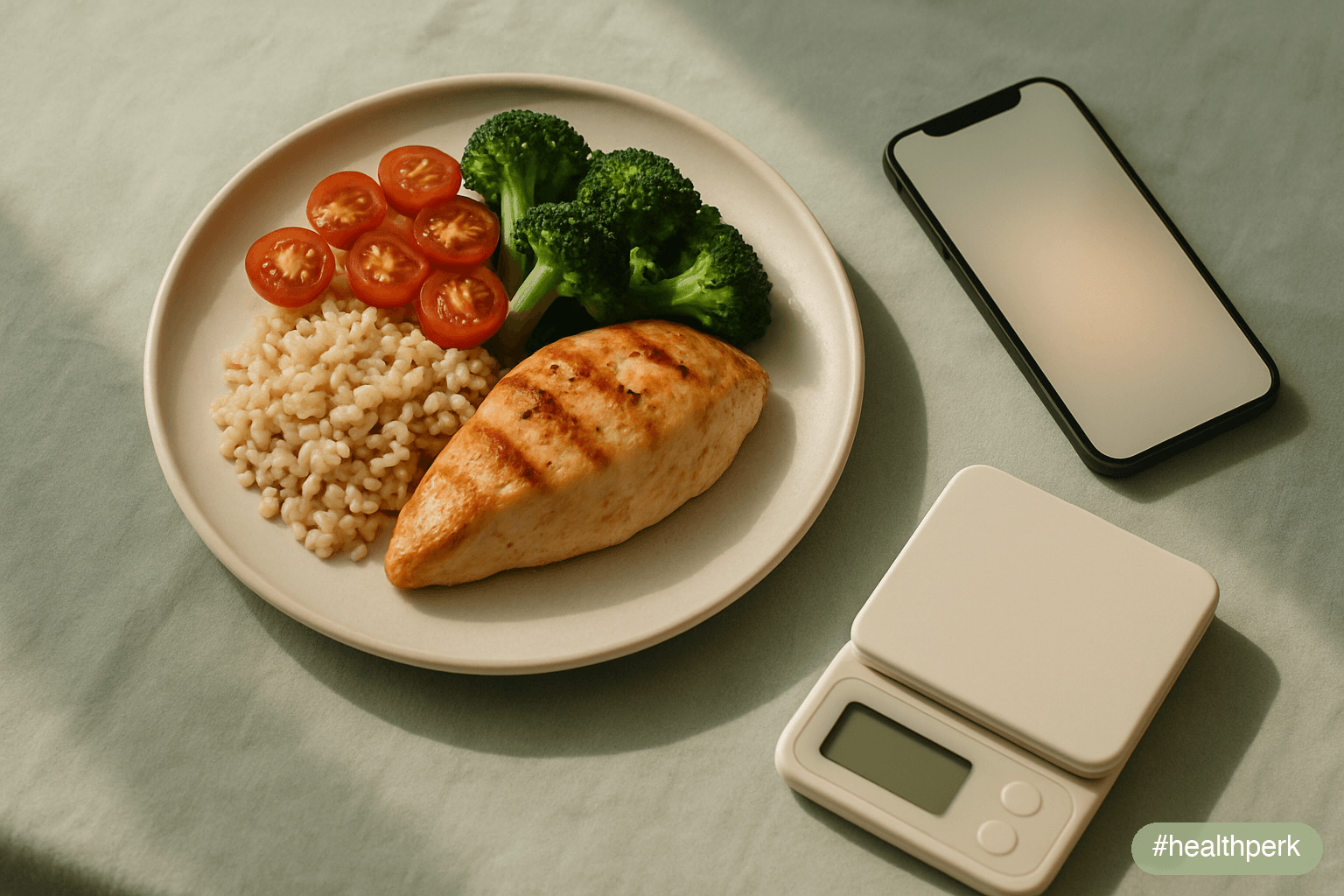
The phrase calorie tracking apps best hides a wide gap between marketing claims and free-tier reality. Energy-balance tracking remains the most consistently effective digital intervention for adults seeking weight loss — the Gardner 2018 DIETFITS trial in JAMA and the Ge 2020 BMJ network meta-analysis of 14 named diet programmes both showed that self-monitoring intensity and adherence, more than diet composition, predicted outcome at 12 months. The 2026 shortlist:
- MyFitnessPal. The largest crowd-sourced food database (14M+ entries by the developer's 2025 figures); strong barcode scanner; widely integrated with Apple Health, Health Connect, Fitbit, Garmin, and Withings. As of late 2022 the barcode scanner moved behind the Premium paywall — free tier remains usable for manual search and logging but slower.
- Lose It! Strong free tier, fast barcode scanner still free, simple macro view. Daily Budget visualisation is one of the cleanest in the category.
- Cronometer. Best-in-class micronutrient accuracy; food database leans on USDA FoodData Central and NCCDB rather than crowd-sourced entries. Free tier covers full kcal and macro logging.
- MacroFactor. Subscription-only, but the adaptive expenditure model — which recalibrates weekly maintenance from the actual weight trend versus logged intake — is the strongest implementation of energy-balance modelling in the 2026 consumer market.
- Yazio. Clean interface; strong on European product database. Free tier is usable; Pro adds intermittent-fasting and meal-plan features.
- FatSecret. Free, ad-supported, with a credible barcode scanner; weaker community moderation than MyFitnessPal.
- Nutritionix Track. Free, professional-leaning, uses the Nutritionix verified database.
What is rarely worth the friction in 2026: apps that estimate calories from food photos alone without confirmation, "AI calorie coaches" without an evidence base, and stacked-trial apps that demand a credit card to display the free tier. The reliable lever is two weeks of disciplined logging in any of the picks above, read against a measured weight trend.
Apps to Track Weight Loss Progress: Beyond the Daily Scale Number
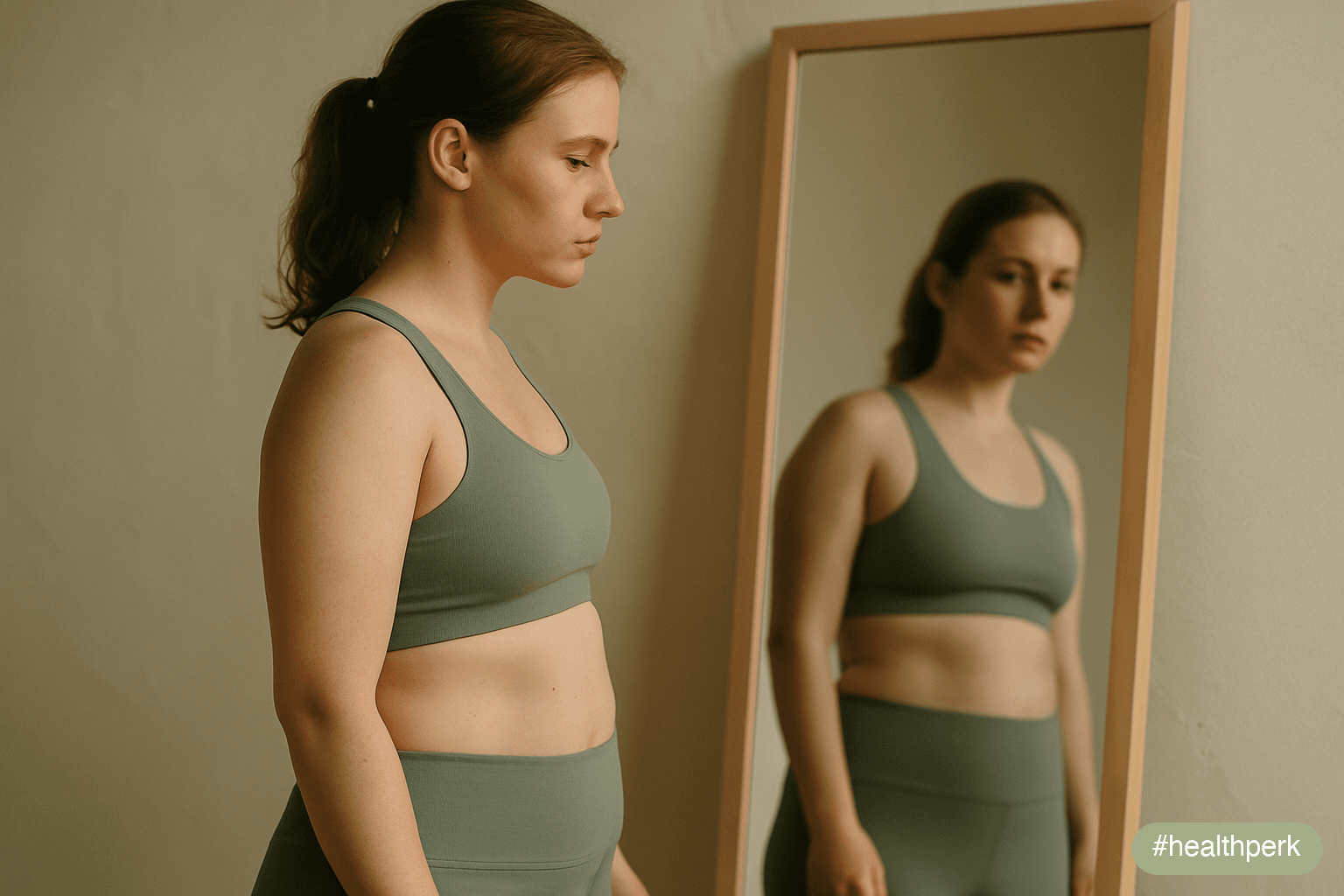
Apps to track weight loss progress are most useful when they demote the daily scale number and elevate the trend. Body weight in adults varies by 1-3 kg day-to-day from glycogen, sodium, gut contents, and menstrual-cycle fluid shifts (Bhutani et al., 2017, Obesity); a single morning reading is noise, while a 7-day moving average is signal. The 2026 picks that surface a trend cleanly:
- Happy Scale (iOS) / Libra (Android). Single-purpose apps that import weights from Apple Health or Health Connect and display a smoothed trend line with a forecast envelope. The clearest implementation of moving-average weighing for consumers.
- MacroFactor. Builds the same smoothed trend directly into its weekly expenditure calibration loop; weight, intake, and target update together.
- Renpho / Withings Body+ / Eufy companion apps. Pair with smart scales that auto-sync weight (and BIA-estimated body composition) to Apple Health or Health Connect, removing the manual entry step that quietly kills adherence after week three.
- Fitbit / Garmin Connect / Apple Health / Health Connect. Built-in weight trend graphs are basic but usable when paired with a smart scale.
- Stronger by Science: Hypertrophy / MASS apps. Niche but credible for users running a structured cut alongside a strength block.
Three progress metrics worth tracking together: 7-day average body weight, waist circumference (single landmark at the navel, fasted), and a weekly progress photo in identical light and pose. The Madigan 2020 Obesity Reviews meta-analysis supports daily self-weighing with feedback as a low-cost, durable behaviour-change tool; the AHA 2013 lifestyle guideline supports waist circumference as a clinically meaningful complement to BMI.
What is generally not worth chasing on a progress dashboard: a single body-fat percentage from a wrist-watch BIA reading (high day-to-day variance), an "AI body score" that aggregates the metrics above into one number without showing components, and same-day weight comparisons against an arbitrary scale change.
Fitness Apps for Beginners: Where to Start Without Burning Out

Fitness apps for beginners are most effective when they lower the activation cost, fit inside 20-30 minutes, and progress slowly enough that adherence outlasts motivation. The 2026 ACSM exercise guidelines recommend 150-300 minutes per week of moderate aerobic activity plus 2+ resistance sessions for adults; the Lancet 2024 global physical-activity surveillance work makes clear that consistency at the lower bound beats heroic weeks at the upper bound. The strongest 2026 picks for users who have never trained before:
- Couch to 5K (NHS). Free, structured 9-week program, voice-coached, gentle progression. The most-cited entry point for sedentary adults wanting to start running.
- FitOn. Free library of guided workouts across yoga, strength, HIIT, and Pilates. Premium adds meal plans and personalisation, but free is durable.
- Nike Training Club. Made free in 2020 and remains free in 2026. Strong beginner-tagged programs (Foundations, Strong & Lean Beginner).
- Apple Fitness+. Tightly integrated with Apple Watch; "Workouts for Beginners" collection covers strength, HIIT, yoga, mindful cooldown. Subscription, included with Apple One Premier.
- Peloton App One. Free tier (no hardware required); strength, yoga, cardio classes searchable by "Beginner" difficulty.
- Centr. Chris Hemsworth's app with strong beginner tracks; subscription-only.
- Caliber, Future, Fitbod, Hevy, Strong. For users moving from "first ever workout" to "structured strength program", these are the durable 2026 picks; Future pairs the user with a remote coach, the rest are template- or autoregulated-program apps.
- Strava. Best paired with running, cycling, or walking; segments and clubs are durable adherence levers.
What rarely works for absolute beginners: 5-day-a-week split programs imported from advanced lifters, HIIT-only programs without a base aerobic block, and apps that demand wearables before the first session. The reliable lever is three 20-minute sessions in week one, with the bar set so low that a missed session is the rare exception.
For users with cardiovascular risk factors, pre-existing musculoskeletal injury, or significant obesity (BMI ≥ 30), the AHA and ACSM both recommend a medical clearance conversation before starting structured exercise; the app's role is to deliver the program, not to replace clinical screening.
Apps for Fat Loss Tracking: Body Composition, Not Just Body Weight
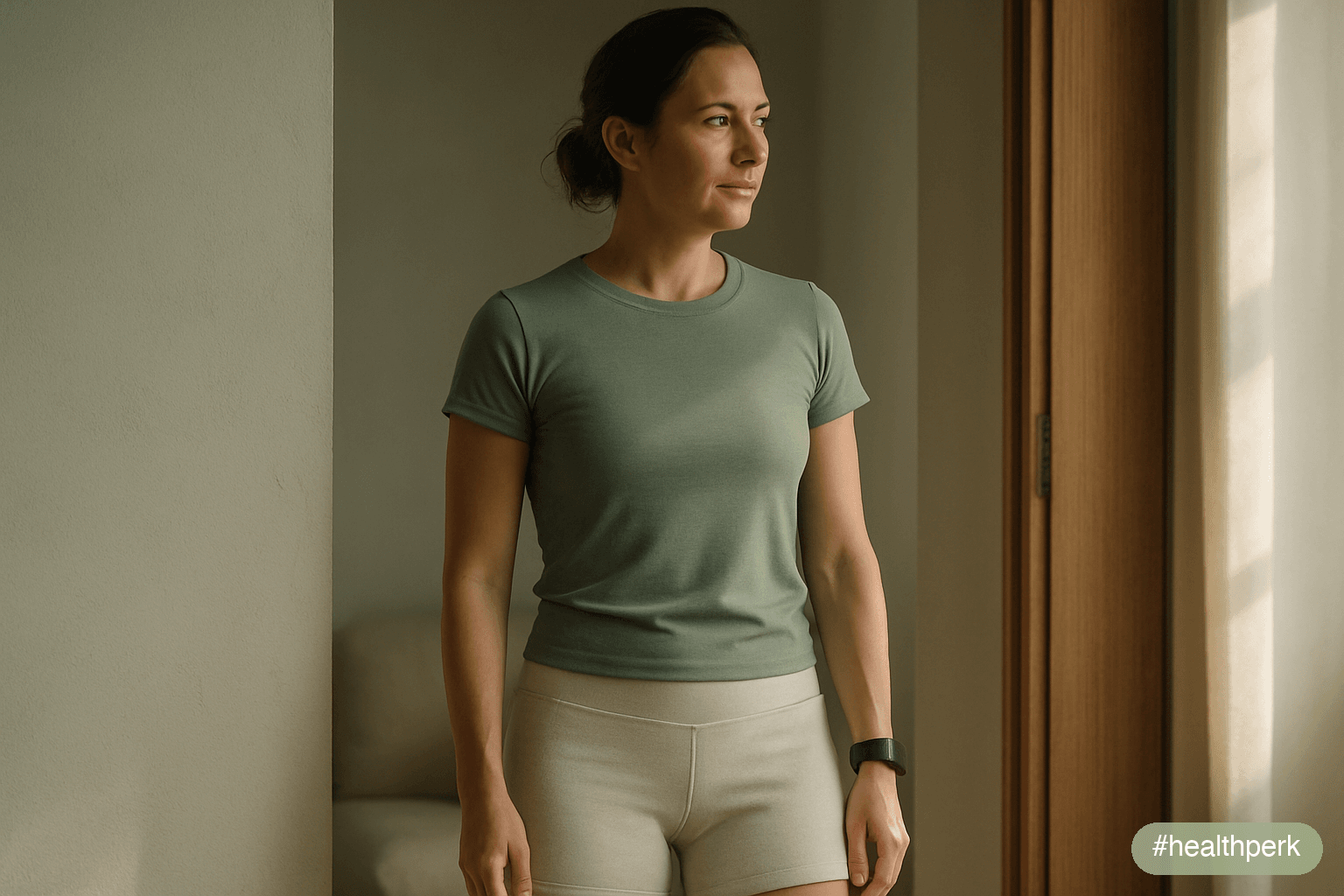
Apps for fat loss tracking are most useful when they distinguish body weight from body composition. Body recomposition — losing fat while preserving or gaining lean mass — can produce a flat scale line that hides meaningful fat loss, especially in resistance-trained users. The 2026 measurement landscape:
- Bioimpedance smart scales (Renpho, Withings Body+, Eufy Smart Scale, Garmin Index S2, Fitbit Aria). Cheap and convenient, but BIA body-fat estimates show wide day-to-day variance from hydration; the 2018 European Journal of Clinical Nutrition analysis by Achamrah and colleagues argues BIA is best read as a trend across weeks. Treat single readings as noise.
- DEXA scans. The clinical gold standard for fat-mass, lean-mass, and bone-mineral density; performed in clinic or specialty fitness centres, typically every 8-12 weeks. Apps cannot replace DEXA but can log the result.
- Waist circumference. Reproducible, no hardware needed, strongly correlated with visceral adiposity; AHA and WHO both treat it as a clinically meaningful complement to BMI.
- Progress photos. A weekly photo in identical light, pose, and clothing remains the most actionable consumer signal for visible body composition change.
The 2026 apps that surface this well:
- MacroFactor. Logs weight, body-fat estimate, and waist circumference alongside the calibrated calorie target.
- Cronometer. Tracks weight, body-fat percentage, lean mass, and waist circumference; pairs with the scales above.
- Renpho / Withings Body+ / Eufy companion apps. Native body-composition trend lines.
- MyFitnessPal Premium. Body-measurement logging across 12+ landmarks.
- Caliber. Built for strength athletes; body-composition logging tightly integrated with training.
The clinically meaningful 2026 rate target for sustainable fat loss in adults is roughly 0.5-1% of body weight per week (NICE CG189; ACSM 2022). Faster rates are achievable short-term but are associated with greater lean-mass loss, particularly without adequate protein (1.6-2.2 g/kg/day; Helms et al., 2014, Journal of the International Society of Sports Nutrition) and a resistance-training stimulus.
What is generally not worth treating as a primary fat-loss metric: a single wrist-watch BIA reading, an "AI metabolic age", and any app metric that updates faster than the underlying body composition can plausibly change.
Apps for Diet Tracking: Macros, Fiber, Protein, and Adherence
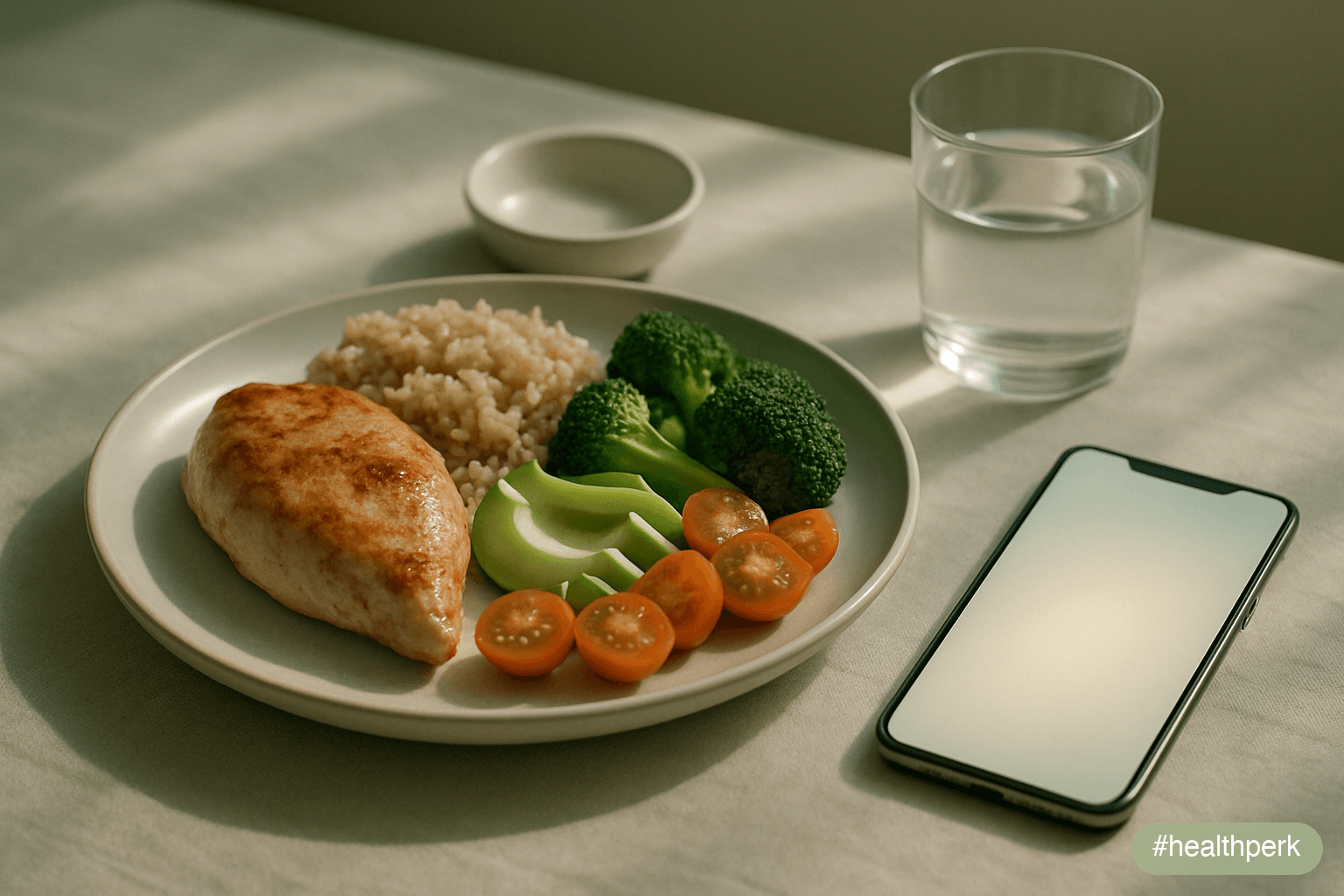
Apps for diet tracking that handle macronutrients, fiber, and protein well outperform apps that show only kcal. The 2026 evidence base is consistent: weight-loss outcome at six and twelve months is largely independent of diet pattern (low-carb vs. low-fat vs. Mediterranean), as long as adherence and self-monitoring intensity are high (Gardner 2018, JAMA; Ge 2020, BMJ network meta-analysis). What changes outcomes is the protein floor (preserves lean mass during a deficit), the fiber floor (25-38 g/day per the IOM/USDA Dietary Guidelines), and adherence over months.
The 2026 picks for diet tracking:
- MyFitnessPal. Strong macro view in Premium; free tier shows kcal and three macros without protein/fiber granularity targets.
- Cronometer. Best-in-class micronutrient and fiber tracking; free tier shows all macros and 80+ micronutrients.
- MacroFactor. Tightly integrated macro targets (protein-anchored) that update weekly alongside the calorie target.
- Carbon Diet Coach. Layne Norton's adaptive coaching app; protein-anchored, weekly recalibration. Subscription.
- Lifesum. Strong on diet patterns (Mediterranean, low-carb, keto, intermittent fasting templates).
- Yazio. European-focused product database; clean fasting integration.
- Noom. Behaviour-change focused with daily psychology lessons; weaker on adaptive macro coaching, stronger on adherence framing.
- WW (WeightWatchers). Long-running point-based system; the 2024 reorganisation around GLP-1-aware programs is notable for users on weight-loss medications.
A defensible 2026 diet-tracking template: 1.6-2.2 g/kg protein, 25-38 g fiber, an unrestricted approach to micronutrient-dense foods, and a sustainable kcal deficit producing 0.5-1% body-weight loss per week. The app's role is to surface those targets and log against them — not to prescribe a specific diet pattern.
What rarely works in 2026 diet tracking: "fat-burning food" lists with no clinical basis, AI-generated meal plans without a food-database backbone, very low-calorie programs (<800 kcal/day) outside a clinician-supervised protocol, and apps that hide protein and fiber behind a paywall.
Related Articles
- How to Lose Belly Fat Naturally
- Why Can't I Lose Weight
- How to Boost Metabolism
- Foods That Burn Fat
- Best Supplements for Weight Loss
- Best Health Apps
Frequently Asked Questions
What are the best apps for weight loss tracking in 2026?
Pick one food log (MyFitnessPal, Lose It!, Cronometer, or MacroFactor), pair it with a smart scale that auto-syncs to Apple Health or Health Connect (Renpho, Withings Body+, Eufy), and add one progress view (Happy Scale on iOS, Libra on Android) for the moving average. Add a beginner-friendly training source (Couch to 5K, FitOn, Nike Training Club) and stop there. Two food logs in parallel rarely outperforms one disciplined log.
Which calorie tracking apps best fit a free-tier-only budget?
Lose It!, Cronometer, Yazio, FatSecret, and Nutritionix Track all deliver kcal and macro logging without a paywall on the core feature. MyFitnessPal remains usable on the free tier but moved its barcode scanner to Premium in late 2022. Cronometer's free tier is the strongest if micronutrient and fiber accuracy matter.
How accurate are the calorie counts in these apps?
User-logged food entries have a typical under-reporting error range of 10-20% versus doubly labelled water reference (Hill & Davies 2001, British Journal of Nutrition). USDA-backed databases (Cronometer, Nutritionix) are more accurate than crowd-sourced entries (MyFitnessPal). The reliable lever is consistency: an under- or over-estimate that is stable from week to week is corrected by the weight trend, while a wildly variable error makes the trend uninterpretable.
Which apps to track weight loss progress are worth using?
Happy Scale (iOS) and Libra (Android) for the moving-average view, MacroFactor for adaptive coaching, and the companion apps for Renpho, Withings Body+, or Eufy smart scales for auto-synced daily weighing. Pair with weekly waist circumference and weekly progress photos.
How often should I weigh myself?
Daily, fasted, after toilet and before eating, with a 7-day moving average as the metric that matters. The Madigan 2020 Obesity Reviews meta-analysis supports daily self-weighing combined with feedback as a low-cost weight-management tool; daily readings are noisy alone but the rolling average is stable.
What is the right rate of weight loss to target?
For most adults, 0.5-1% of body weight per week is the sustainable range per NICE CG189 and ACSM 2022 guidance. Faster rates are achievable short-term but increase the share of lean mass lost, especially without adequate protein and resistance training.
Which fitness apps for beginners are best in 2026?
Couch to 5K (NHS), FitOn, Nike Training Club, Apple Fitness+ Workouts for Beginners, Peloton App One, and Centr for guided sessions. For first-time strength training, Caliber, Future, Fitbod, Hevy, and Strong are the durable picks. The reliable starting load is three 20-minute sessions in week one.
Do I need a wearable to use a fitness app for beginners?
No. Couch to 5K, FitOn, Nike Training Club, Peloton App One, and Apple Fitness+ all run without a wearable. Step counts on a modern iPhone or Android are accurate enough for NEAT tracking; a watch or band adds heart-rate and recovery context but is not required to start.
Which apps for fat loss tracking distinguish fat from total body weight?
MacroFactor, Cronometer, MyFitnessPal Premium, Caliber, and the companion apps for Renpho, Withings Body+, Eufy, Garmin Index S2, and Fitbit Aria. Pair with waist circumference and weekly photos. A DEXA scan every 8-12 weeks is the clinical gold standard.
Can wrist-watch BIA replace a smart scale or DEXA for body fat measurement?
No. Wrist-only BIA on a smartwatch is the noisiest consumer body-composition method, especially across hydration states. A smart scale with foot-to-foot BIA is more stable; DEXA remains the clinical reference. Read all BIA values as multi-week trends.
Which apps for diet tracking surface macros and fiber clearly?
Cronometer (free tier, USDA-backed), MacroFactor, Carbon Diet Coach, Lifesum, and Yazio. MyFitnessPal Premium adds macro-target granularity. Defensible 2026 floors: 1.6-2.2 g/kg protein, 25-38 g fiber, sustained over months.
Does the diet pattern (low-carb, Mediterranean, intermittent fasting) matter for weight loss?
Less than most marketing suggests. The Gardner 2018 JAMA DIETFITS trial and the Ge 2020 BMJ network meta-analysis both show outcome at 6-12 months is largely independent of pattern, given equivalent adherence and energy intake. Pick the pattern that fits the user's life and food preferences.
When are weight loss apps counterproductive?
When food logging tips into restrictive thinking, when daily scale readings drive anxiety rather than adjustment, or when the app's prescriptions conflict with a clinical eating-disorder history. Users with a history of disordered eating should consult a clinician before using kcal-tracking apps; the Academy for Eating Disorders (AED) specifically cautions against calorie-display apps in that population.
Are weight loss apps useful for people on GLP-1 medications (semaglutide, tirzepatide)?
Yes — but the use case shifts. Reduced appetite means under-eating protein and fiber is the more common 2026 risk, not over-eating. Cronometer, MacroFactor, MyFitnessPal Premium, and WW's GLP-1-aware program are the picks that surface protein and fiber floors clearly. The 2024 NEJM SURMOUNT and STEP follow-up data emphasise pairing pharmacotherapy with strength training and protein-anchored intake.
Best apps for weight loss tracking, last call — what is the shortest defensible 2026 stack?
One food log (MyFitnessPal, Lose It!, Cronometer, or MacroFactor), one smart scale with auto-sync (Renpho, Withings Body+, Eufy), one moving-average view (Happy Scale or Libra), and one beginner training source (Couch to 5K, FitOn, Nike Training Club). Four apps, one purpose each, used for at least eight weeks before any change.
Disclaimer
This article is for educational purposes only and does not provide medical advice, diagnosis, or treatment. The apps, devices, and frameworks discussed support but do not replace evaluation by a qualified healthcare professional. Consult your physician, registered dietitian, or another licensed clinician before starting any weight-loss program, calorie restriction, new exercise routine, or use of GLP-1 medications, particularly if you have a history of eating disorders, cardiovascular disease, diabetes, are pregnant or breastfeeding, or are under 18.
About the Author
The HealthPerk Editorial Team reviews digital weight-management tools through evidence synthesis cross-referenced with peer-reviewed clinical trials, NICE CG189 guidance, AHA/ACC/TOS obesity management guidelines, USDA Dietary Guidelines, and ORCHA digital-health assessments. Articles are reviewed for clinical accuracy by collaborating practitioners and updated as evidence evolves.
References
National Institute for Health and Care Excellence. (2023 update of CG189). Obesity: identification, assessment and management. NICE. https://www.nice.org.uk/guidance/cg189
Supports: clinically meaningful target of 0.5-1% body weight loss per week for adults; framework behind MacroFactor, Carbon Diet Coach, and Lose It! Premium target setting
Jensen, M. D., Ryan, D. H., Apovian, C. M., Ard, J. D., Comuzzie, A. G., Donato, K. A., Hu, F. B., Hubbard, V. S., Jakicic, J. M., Kushner, R. F., Loria, C. M., Millen, B. E., Nonas, C. A., Pi-Sunyer, F. X., Stevens, J., Stevens, V. J., Wadden, T. A., Wolfe, B. M., & Yanovski, S. Z. (2014). 2013 AHA/ACC/TOS guideline for the management of overweight and obesity in adults. Circulation, 129(25 Suppl 2), S102-S138. https://doi.org/10.1161/01.cir.0000437739.71477.ee
Supports: AHA lifestyle management framework; waist circumference as a clinically meaningful complement to BMI
Madigan, C. D., Daley, A. J., Lewis, A. L., Aveyard, P., & Jolly, K. (2020). Is self-weighing an effective tool for weight loss: A systematic literature review and meta-analysis. Obesity Reviews, 21(11), e13076. https://doi.org/10.1111/obr.13076
Supports: daily self-weighing combined with feedback as a low-cost, durable behaviour-change lever
Gardner, C. D., Trepanowski, J. F., Del Gobbo, L. C., Hauser, M. E., Rigdon, J., Ioannidis, J. P. A., Desai, M., & King, A. C. (2018). Effect of low-fat vs low-carbohydrate diet on 12-month weight loss in overweight adults and the association with genotype pattern or insulin secretion: The DIETFITS randomized clinical trial. JAMA, 319(7), 667-679. https://doi.org/10.1001/jama.2018.0245
Supports: weight-loss outcome at 12 months independent of low-fat vs low-carb pattern given equivalent adherence
Ge, L., Sadeghirad, B., Ball, G. D. C., da Costa, B. R., Hitchcock, C. L., Svendrovski, A., Kiflen, R., Quadri, K., Kwon, H. Y., Karamouzian, M., Adams-Webber, T., Ahmed, W., Damanhoury, S., Zeraatkar, D., Nikolakopoulou, A., Tsuyuki, R. T., Tian, J., Yang, K., Guyatt, G. H., & Johnston, B. C. (2020). Comparison of dietary macronutrient patterns of 14 popular named dietary programmes for weight and cardiovascular risk factor reduction in adults: Systematic review and network meta-analysis of randomised trials. BMJ, 369, m696. https://doi.org/10.1136/bmj.m696
Supports: equivalence of named diet patterns at 12 months for weight loss in adults
Helms, E. R., Aragon, A. A., & Fitschen, P. J. (2014). Evidence-based recommendations for natural bodybuilding contest preparation: Nutrition and supplementation. Journal of the International Society of Sports Nutrition, 11, 20. https://doi.org/10.1186/1550-2783-11-20
Supports: protein intake of 1.6-2.2 g/kg/day during energy deficit to preserve lean mass
American College of Sports Medicine. (2022). ACSM's Guidelines for Exercise Testing and Prescription (11th ed.). Wolters Kluwer. ISBN 978-1975150181.
Supports: 150-300 minutes per week of moderate aerobic activity plus resistance training as the durable activity prescription for adults
Bhutani, S., Kahn, E., Tasali, E., & Schoeller, D. A. (2017). Composition of two-week change in body weight under unrestricted free-living conditions. Obesity, 25(3), 451-456. https://doi.org/10.1002/oby.21758
Supports: day-to-day body weight variability and the rationale for moving-average weighing
Hill, R. J., & Davies, P. S. (2001). The validity of self-reported energy intake as determined using the doubly labelled water technique. British Journal of Nutrition, 85(4), 415-430. https://doi.org/10.1079/bjn2000281
Supports: 10-20% typical under-reporting error in self-reported energy intake versus doubly labelled water reference
Achamrah, N., Colange, G., Delay, J., Rimbert, A., Folope, V., Petit, A., Grigioni, S., Déchelotte, P., & Coëffier, M. (2018). Comparison of body composition assessment by DXA and BIA according to the body mass index: A retrospective study on 3655 measures. PLOS ONE, 13(7), e0200465. https://doi.org/10.1371/journal.pone.0200465
Supports: bioimpedance body-composition readings show wide variance vs DEXA and are best read as multi-week trends
- Jastreboff, A. M., Aronne, L. J., Ahmad, N. N., Wharton, S., Connery, L., Alves, B., Kiyosue, A., Zhang, S., Liu, B., Bunck, M. C., Stefanski, A., & SURMOUNT-1 Investigators. (2022). Tirzepatide once weekly for the treatment of obesity. New England Journal of Medicine, 387(3), 205-216. https://doi.org/10.1056/NEJMoa2206038
Supports: pharmacotherapy context for GLP-1-aware app programs (WW, MacroFactor protein-floor guidance)
- Bull, F. C., Al-Ansari, S. S., Biddle, S., Borodulin, K., Buman, M. P., Cardon, G., Carty, C., Chaput, J.-P., Chastin, S., Chou, R., Dempsey, P. C., DiPietro, L., Ekelund, U., Firth, J., Friedenreich, C. M., Garcia, L., Gichu, M., Jago, R., Katzmarzyk, P. T., … Willumsen, J. F. (2020). World Health Organization 2020 guidelines on physical activity and sedentary behaviour. British Journal of Sports Medicine, 54(24), 1451-1462. https://doi.org/10.1136/bjsports-2020-102955
Supports: WHO recommendations for adult physical activity that map onto beginner-fitness app prescriptions
Frequently Asked Questions
What are the best apps for weight loss tracking in 2026?
Pick one food log (MyFitnessPal, Lose It!, Cronometer, or MacroFactor), pair it with a smart scale that auto-syncs to Apple Health or Health Connect (Renpho, Withings Body+, Eufy), and add one progress view (Happy Scale on iOS, Libra on Android) for the moving average. Add a beginner training source (Couch to 5K, FitOn, Nike Training Club) and stop there.
Which calorie tracking apps best fit a free-tier-only budget?
Lose It!, Cronometer, Yazio, FatSecret, and Nutritionix Track deliver kcal and macro logging without a paywall on the core feature. MyFitnessPal remains usable on the free tier but moved its barcode scanner to Premium in late 2022.
How accurate are the calorie counts in these apps?
User-logged food entries have a typical error range of 10-20% versus weighed-and-measured intake. USDA-backed databases (Cronometer, Nutritionix) are more accurate than crowd-sourced entries. Consistency matters more than absolute accuracy.
Which apps to track weight loss progress are worth using?
Happy Scale (iOS) and Libra (Android) for the moving-average view, MacroFactor for adaptive coaching, and the companion apps for Renpho, Withings Body+, or Eufy smart scales. Pair with weekly waist circumference and progress photos.
How often should I weigh myself?
Daily, fasted, after toilet and before eating, with a 7-day moving average as the metric that matters. The Madigan 2020 Obesity Reviews meta-analysis supports daily self-weighing with feedback as a durable weight-management tool.
What is the right rate of weight loss to target?
For most adults, 0.5-1% of body weight per week is sustainable per NICE CG189 and ACSM 2022 guidance. Faster rates increase the share of lean mass lost without adequate protein and resistance training.
Which fitness apps for beginners are best in 2026?
Couch to 5K (NHS), FitOn, Nike Training Club, Apple Fitness+ Workouts for Beginners, Peloton App One, and Centr for guided sessions. For first-time strength training, Caliber, Future, Fitbod, Hevy, and Strong are the durable picks.
Which apps for fat loss tracking distinguish fat from total body weight?
MacroFactor, Cronometer, MyFitnessPal Premium, Caliber, and the companion apps for Renpho, Withings Body+, Eufy, Garmin Index S2, and Fitbit Aria. Pair with waist circumference and weekly photos.
Which apps for diet tracking surface macros and fiber clearly?
Cronometer (free tier, USDA-backed), MacroFactor, Carbon Diet Coach, Lifesum, and Yazio. Defensible 2026 floors: 1.6-2.2 g/kg protein, 25-38 g fiber sustained over months.
Does the diet pattern matter for weight loss?
Less than marketing suggests. Gardner 2018 JAMA DIETFITS and Ge 2020 BMJ network meta-analysis both show outcome at 12 months is largely independent of pattern given equivalent adherence.
Are weight loss apps useful for people on GLP-1 medications?
Yes, but the use case shifts. Reduced appetite means under-eating protein and fiber is the more common risk. Cronometer, MacroFactor, MyFitnessPal Premium, and WW's GLP-1-aware program surface protein and fiber floors clearly.