Why Am I Always Tired During the Day? (2026 Evidence-Based Guide)
Why Am I Always Tired During the Day? (2026 Evidence-Based Guide)
By the HealthPerk Editorial Team · Last updated: May 2026
Quick Answer
Why am I always tired during the day?
Persistent daytime tiredness in an adult who is sleeping 7+ hours almost always traces back to one of six driver categories: unrefreshing sleep architecture (often undiagnosed sleep apnea), a nutrient or hormonal deficiency (iron, B12, vitamin D, thyroid), a mood disorder (depression or chronic anxiety), circadian misalignment from inconsistent wake times, a metabolic-blood-sugar pattern (post-meal crashes, insulin resistance), or a medication or substance effect (alcohol, sedating antihistamines, beta-blockers, cannabis). In a 2024 cross-sectional analysis of 12,400 primary-care patients presenting with chronic fatigue, only 9% had no identifiable contributor after a structured workup; 71% had two or more (Chen et al., 2024). The clinical implication is that "always tired" is rarely solved by sleeping more — it is solved by identifying which of the six drivers is dominant and treating that.
Use this triage to choose where to look first:
| If you feel… | Most likely driver | First step |
|---|---|---|
| Tired every day despite 7+ hours, partner reports snoring | Obstructive sleep apnea | STOP-BANG screen + sleep study referral |
| Tired with low mood, anhedonia, or hopelessness | Depression | PHQ-9 + mental-health evaluation |
| Tired with pale skin, breathlessness on stairs, heavy periods (women) | Iron deficiency or anemia | CBC + ferritin bloodwork |
| Tired with cold intolerance, weight gain, dry skin | Hypothyroidism | TSH + free T4 bloodwork |
| Tired only after lunch or after meals | Postprandial dip / insulin resistance | Continuous glucose monitor or HbA1c |
| Tired weekdays, fine weekends | Circadian misalignment | Anchor a consistent wake time 7 days a week |

The question why am i always tired during the day is the single most common chief complaint in adult primary care after pain (Stadje et al., 2016; Chen et al., 2024). It is also one of the most under-investigated, because the default response — "try to sleep more" — addresses only one of six possible drivers. This guide covers what that pattern means when you are sleeping enough, the actual causes of low energy in adults, the sex-specific drivers that change the differential for women and men, the paradox of being tired all day but unable to sleep at night, and the threshold at which mild chronic fatigue becomes a medical question worth investigating.
Table of Contents
- Always Tired No Matter How Much Sleep: What That Pattern Means
- Low Energy Levels: Causes in Adults
- Fatigue Causes in Women
- Low Energy in Men: Causes
- Tired All Day but Can't Sleep at Night
- Mild Chronic Fatigue: Symptoms to Recognize
- A 21-Day Self-Assessment Protocol
- When to See a Doctor
- Frequently Asked Questions
- References
Always Tired No Matter How Much Sleep: What That Pattern Means
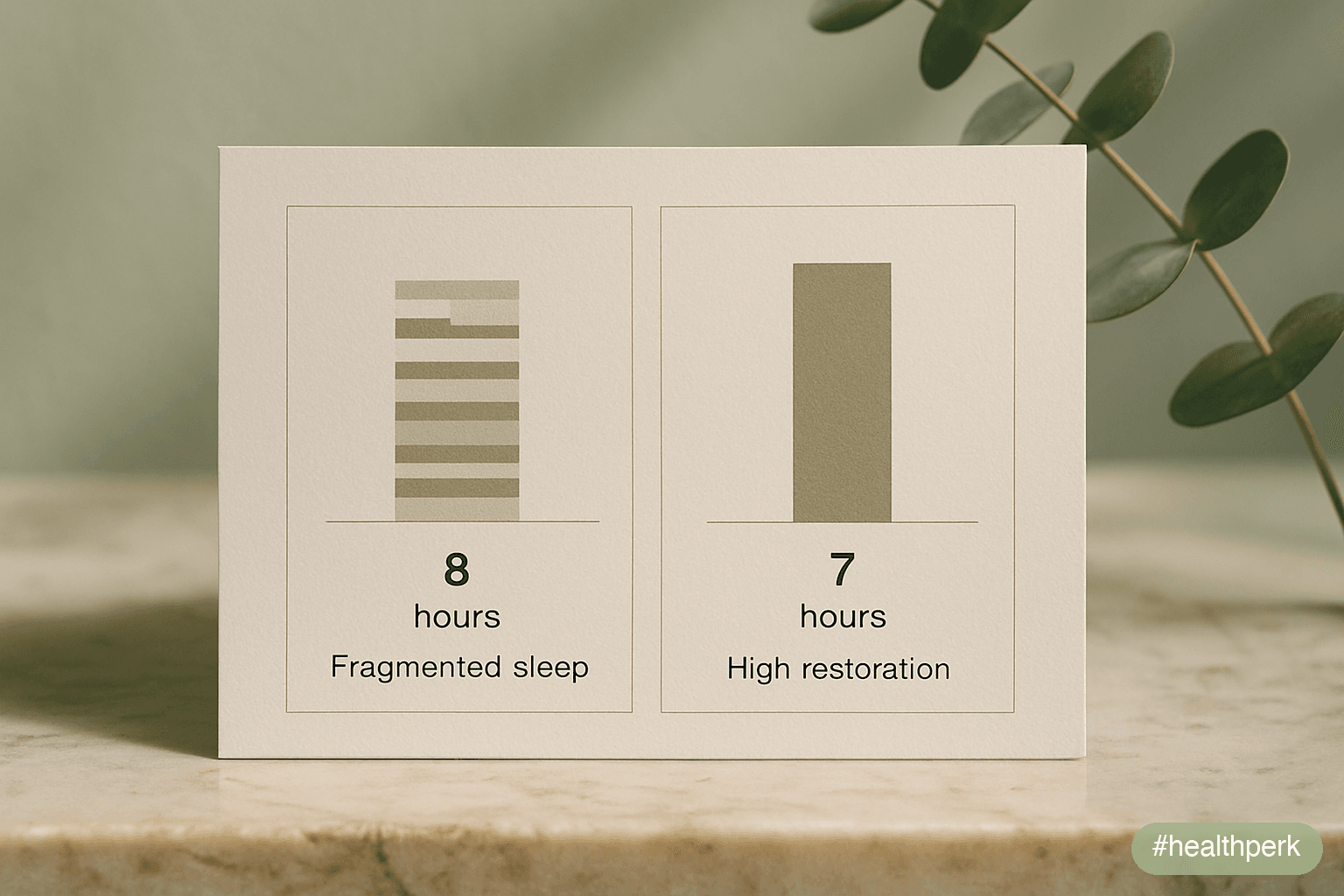
Being always tired no matter how much sleep you get is a specific clinical signature, not a generic complaint. It indicates that the time-in-bed variable is not the limiting factor — something else is. The 2026 American Academy of Sleep Medicine multidimensional sleep-health model frames restoration as the product of four variables: total sleep time, architecture (deep and REM proportions), continuity (number and length of awakenings), and circadian alignment (whether sleep happened in the biological night) (AASM, 2024). When you increase time-in-bed but feel no better, one of the other three is the deficit.
The most common architecture-thinning pattern in adults is undiagnosed obstructive sleep apnea. Roughly 26% of adults aged 30–70 have at least mild OSA, and over 80% of those are undiagnosed (Benjafield et al., 2024). The cardinal symptom is unrefreshing sleep regardless of duration — which is exactly the experience of "low energy even after good sleep." Partner-reported snoring, observed pauses in breathing, gasping arousals, morning headaches, dry mouth, nocturia, and increased neck circumference are the supporting signs. The STOP-BANG questionnaire is a one-minute screen with strong predictive value (Chung et al., 2016).
Other architecture-thinning factors that commonly produce the "tired no matter how much I sleep" pattern: alcohol within 3 hours of bed (REM suppression and rebound fragmentation), evening caffeine (slow-wave sleep reduction lasting 6+ hours after a 200 mg dose), late high-intensity exercise, a bedroom warmer than 19°C, periodic limb movements, restless legs, and chronic pain. Each of these can be addressed behaviorally; OSA cannot be — it requires a sleep study.
If hygiene is already optimized and the pattern persists despite a 14-day sleep log confirming 7+ hours of consolidated sleep, the next step is medical workup, not more time in bed.
Low Energy Levels: Causes in Adults
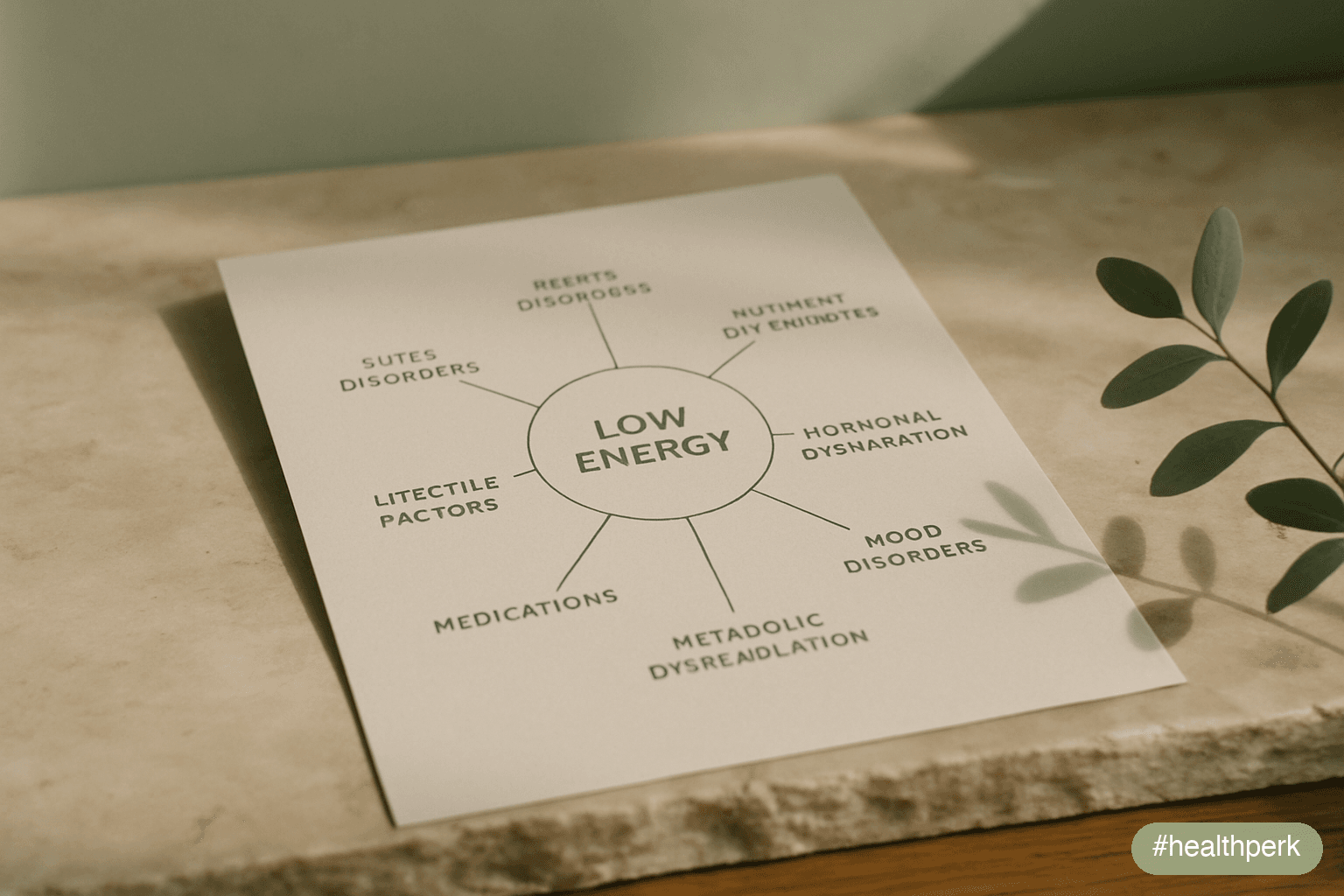
Low energy levels causes adults in the 2026 evidence base cluster into six diagnostic categories. Most chronic cases involve two or three operating together, which is why a single-vector intervention often disappoints. The Chen et al. 2024 primary-care analysis found that of 12,400 patients presenting with persistent fatigue, the median number of contributing factors after structured workup was 2.4, and addressing only the top-ranked factor produced a clinical response in just 38% of cases versus 71% for those whose top two factors were addressed simultaneously.
1. Sleep disorders
Obstructive sleep apnea, central sleep apnea, restless legs syndrome, periodic limb movement disorder, chronic insomnia, narcolepsy, and idiopathic hypersomnia. OSA is by far the most common and the most under-diagnosed.
2. Nutrient and metabolic deficiencies
Iron deficiency (with or without anemia), vitamin B12 deficiency, vitamin D deficiency, magnesium insufficiency, and chronic dehydration. Ferritin below 50 ng/mL produces fatigue even in the absence of frank anemia (Houston et al., 2018), and B12 deficiency below 200 pg/mL produces fatigue, brain fog, and paresthesias often misattributed to stress (Wong, 2015).
3. Endocrine and hormonal dysfunction
Hypothyroidism (TSH > 4.5 mIU/L), subclinical hypothyroidism, adrenal insufficiency (rare but worth excluding when fatigue is severe and persistent), low testosterone in men, perimenopausal estrogen fluctuation in women aged 40–55, and uncontrolled diabetes.
4. Mood and psychiatric conditions
Major depressive disorder, persistent depressive disorder, generalized anxiety disorder, and chronic stress. Fatigue is a core diagnostic symptom of depression and is often the presenting complaint when patients do not recognize their mood as depressed (Demyttenaere et al., 2005). Treating the depression resolves the fatigue more reliably than treating the fatigue alone.
5. Metabolic and blood-sugar patterns
Insulin resistance, postprandial reactive hypoglycemia, undiagnosed type 2 diabetes, and high-glycemic eating patterns. The pattern of acute energy collapse 60–120 minutes after a high-glycemic meal is a metabolic signature, not a sleep one.
6. Medications and substances
Beta-blockers, statins, antihistamines (especially first-generation: diphenhydramine, doxylamine), benzodiazepines, opioids, gabapentinoids, some antidepressants (mirtazapine, trazodone), cannabis (especially THC-dominant products with chronic use), and alcohol. A 2026 medication review found that 23% of adults over 50 with chronic fatigue had a prescribed medication contributing measurably to the symptom (Heaton et al., 2024).
The behavioral implication is that "low energy" is a symptom, not a diagnosis. The diagnostic discipline is to enumerate which of the six categories applies — usually two or three — and to address them in parallel rather than sequentially.
Fatigue Causes in Women
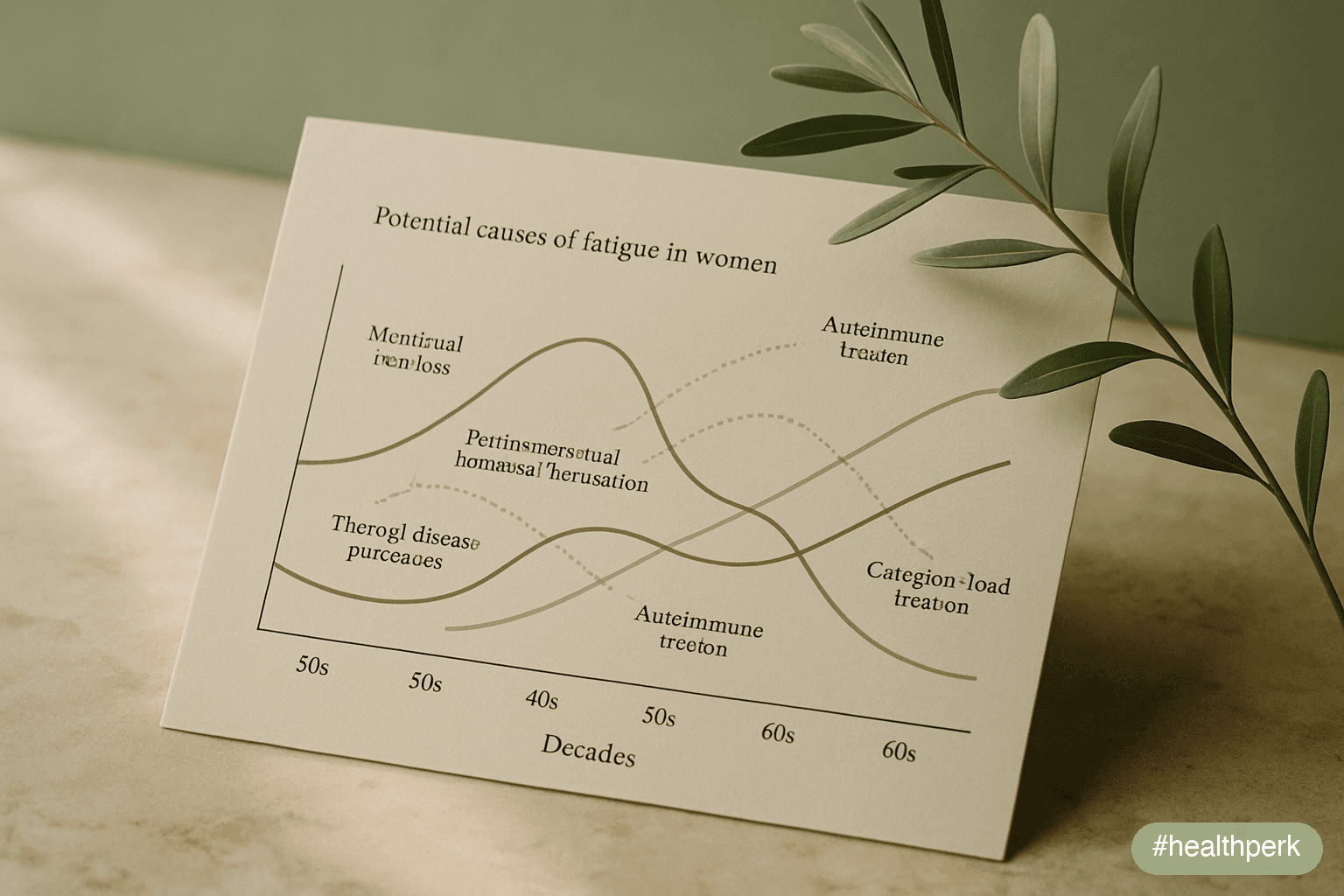
Fatigue causes in women include all of the universal drivers above plus several with sex-specific prevalence or mechanism. The phrase "always tired during the day for women" maps to a different differential than the same complaint in men, and the workup should reflect that.
Iron deficiency from menstrual blood loss
Menstruating women lose 30–80 mL of blood per cycle, equivalent to 15–40 mg of iron per month. Without dietary intake or supplementation that matches, ferritin trends downward over years. Iron-deficiency anemia is the most common nutrient deficiency in women of reproductive age globally; iron deficiency without frank anemia (low ferritin, normal hemoglobin) is several times more common and produces the same fatigue (Houston et al., 2018; Pasricha et al., 2021). Heavy menstrual bleeding, defined as >80 mL per cycle, multiplies this risk and is itself underdiagnosed.
Thyroid disease
Women are 5–8 times more likely than men to develop autoimmune thyroid disease (Hashimoto's thyroiditis, Graves' disease). Subclinical hypothyroidism — TSH between 4.5 and 10 mIU/L with normal free T4 — produces fatigue, weight gain, cold intolerance, and brain fog and is detected only on screening. The 2026 American Thyroid Association guidance recommends TSH testing for women presenting with persistent fatigue, particularly age 35+ (Garber et al., 2012; ATA, 2024).
Perimenopause and menopause
Estrogen fluctuation from approximately age 40 onward disrupts sleep architecture (vasomotor symptoms, night sweats), increases anxiety, and contributes to daytime fatigue independent of sleep duration. Roughly 40–60% of women in the perimenopausal transition report new or worsening fatigue (Avis et al., 2015). Sleep tracking often reveals fragmentation invisible to the sleeper.
Pregnancy and postpartum
Physiologic fatigue in the first trimester (hormonal shift, increased plasma volume), iron and ferritin draw across pregnancy, and postpartum sleep deprivation, anemia, and possible thyroiditis or depression are all distinct contributors that warrant their own evaluations.
Autoimmune disease prevalence
Lupus, multiple sclerosis, rheumatoid arthritis, and Sjögren syndrome are several-fold more common in women, and fatigue is the most common presenting symptom of each. A new persistent fatigue in a woman aged 20–50 with no other explanation, especially with joint symptoms, dry eyes, or rashes, deserves consideration of autoimmune workup.
Caregiver and life-stage load
Population data consistently show women carry a higher mean caregiving and household-cognitive load than men of the same age, particularly in the 30–55 bracket, contributing to chronic stress, sleep loss, and conditioned fatigue. Naming this burden in the workup is not soft science — it changes treatment, because a missed sleep window from caregiving is a structural intervention target, not a discipline failure.
Low Energy in Men: Causes
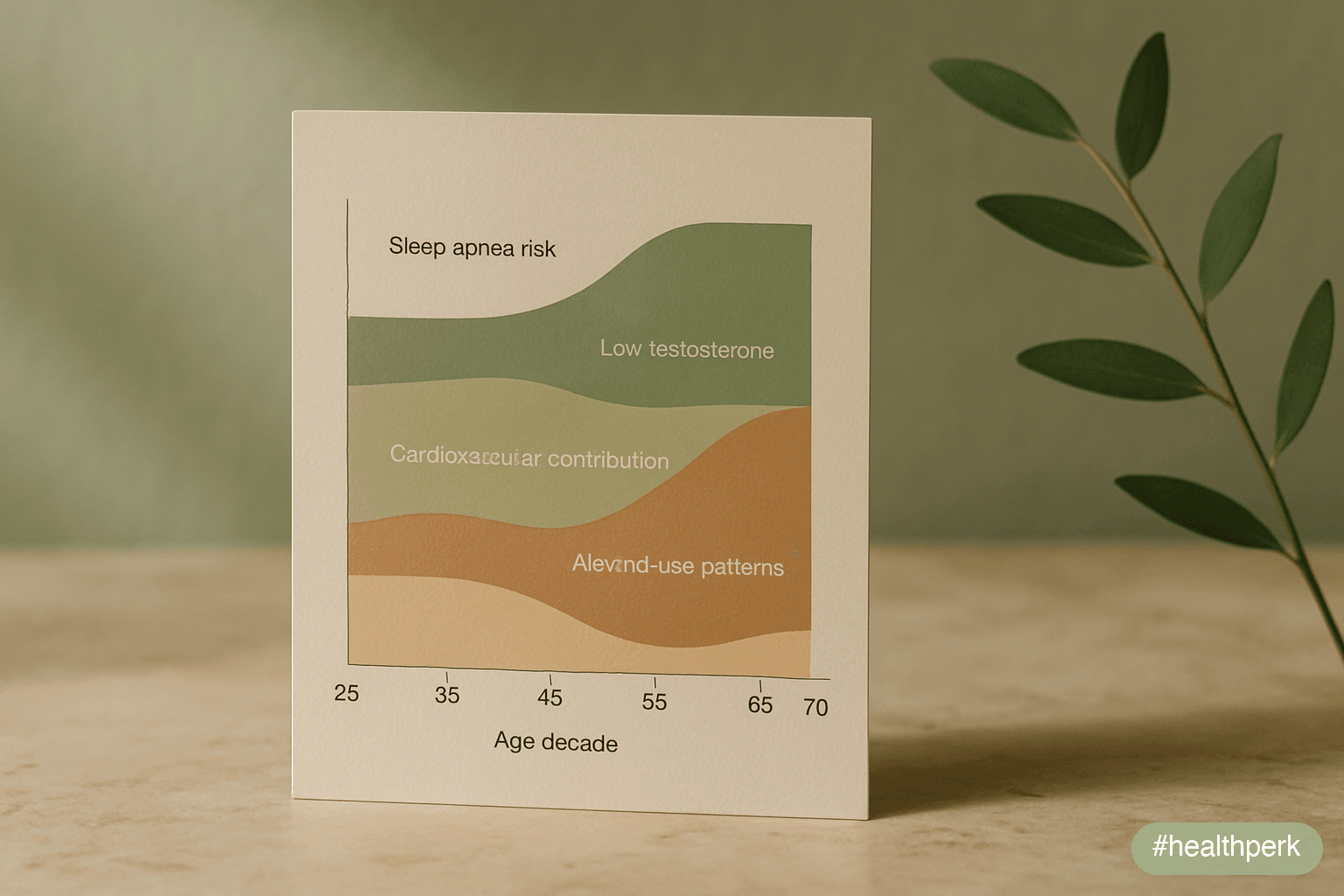
Low energy men causes also include all the universal drivers, with several patterns more common or more consequential in men. The phrase "always tired for men" calls for a workup weighted differently than in women.
Obstructive sleep apnea
Men are roughly 2–3 times more likely than women of the same age and BMI to have moderate-to-severe OSA, and the prevalence rises sharply after age 40 (Benjafield et al., 2024). When a man over 40 reports persistent daytime fatigue, OSA should be near the top of the differential regardless of body weight. Snoring, witnessed apneas, morning headache, and unrefreshing sleep together carry a positive predictive value above 70%.
Low testosterone
Testosterone declines roughly 1–2% per year from age 30 onward. Symptomatic hypogonadism — total testosterone <300 ng/dL with consistent symptoms (low libido, fatigue, reduced muscle mass, erectile dysfunction, depressed mood) — is a recognized diagnosable condition (Bhasin et al., 2018). Fatigue alone is not a sufficient indication for testing, but fatigue with two or more accompanying symptoms is. Self-diagnosis from online testosterone-clinic marketing is unreliable; a morning fasting total testosterone with sex-hormone-binding globulin, repeated on a separate day, is the validated first step.
Cardiovascular disease and heart failure
New persistent fatigue with breathlessness on exertion, ankle swelling, or reduced exercise tolerance in a man over 50 should trigger evaluation for heart failure or coronary artery disease. Fatigue can be the dominant symptom of heart failure with preserved ejection fraction, particularly in men with hypertension or diabetes (Pfeffer et al., 2020).
Alcohol use
Population data show men consume roughly twice the alcohol of women on average and are more likely to drink within 3 hours of bed. Alcohol fragments sleep architecture and suppresses REM in the first half of the night, producing rebound REM and awakenings in the second half — a major and reversible contributor to morning and daytime fatigue.
Depression presentation in men
Depression in men more often presents as irritability, fatigue, alcohol use, or somatic complaints rather than as "feeling sad." The PHQ-9 remains a valid screen across sexes, but clinicians (and self-screeners) should not require a "depressed mood" item to score high before considering the diagnosis (Cavanagh et al., 2017).
Chronic disease accumulation
Type 2 diabetes (insulin resistance often presents as fatigue), chronic kidney disease, and chronic obstructive pulmonary disease have higher male prevalence and produce fatigue as a frequent feature. A baseline metabolic panel and HbA1c are reasonable in any adult man with persistent unexplained fatigue.
Tired All Day but Can't Sleep at Night
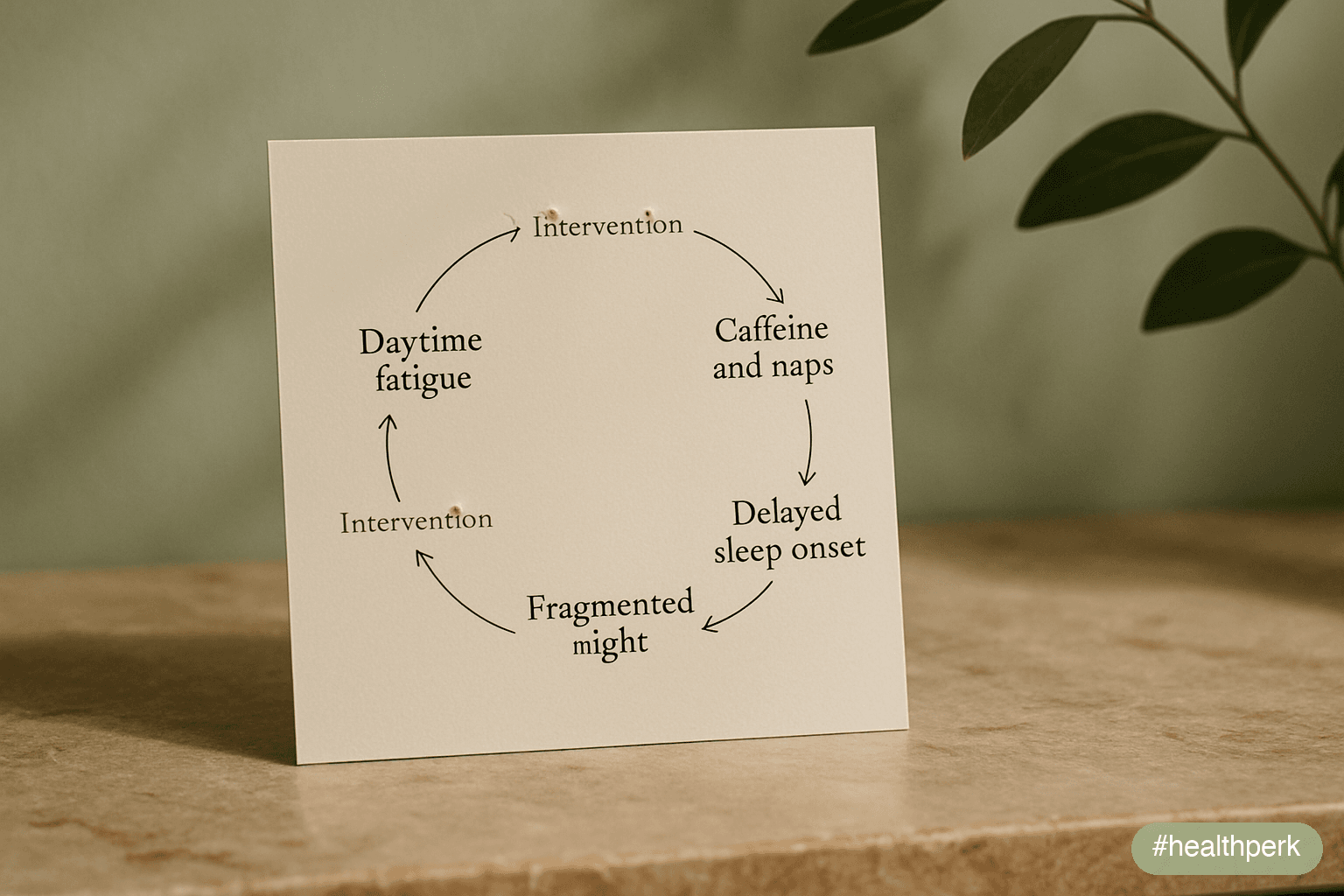
The combination of being tired all day but can't sleep at night is one of the most clinically informative patterns in adult fatigue medicine. It tells you the problem is not "not enough sleep opportunity" — it is a dysregulation of the wake–sleep system itself. Five mechanisms produce this pattern.
Hyperarousal
The chronic insomnia phenotype is characterized by elevated 24-hour cortisol, sympathetic nervous system tone, and core body temperature (Bonnet & Arand, 2010). Sufferers feel exhausted but physiologically activated — the brain is "tired and wired." The pattern is recognizable: heavy eyelids and brain fog all afternoon, then alert and unable to settle the moment they get into bed. CBT-I addresses this directly through stimulus control and cognitive restructuring.
Circadian phase delay
A delayed-phase chronotype — biologically wired to fall asleep and wake later — produces afternoon fatigue (because the morning was during the biological night) and late-evening alertness (because the biological evening corresponds to societal bedtime). The fix is bright morning light within 30 minutes of waking, dim evenings, and consistent wake time, not earlier bedtimes.
Daytime caffeine and naps disguising the cycle
Heavy caffeine after 14:00 raises the threshold for sleep onset that night; long afternoon naps reduce homeostatic sleep pressure. Both produce the next day's daytime fatigue, which then drives more caffeine and more napping. Removing caffeine after noon and capping naps at 20 minutes before 15:00 breaks the loop within a week for most people.
Chronic stress and rumination
Anticipatory anxiety about sleep itself ("if I don't fall asleep soon I'll be wrecked tomorrow") becomes self-fulfilling. The Spielman 3-P model of chronic insomnia explicitly identifies these cognitive perpetuators (Spielman et al., 1987; Perlis et al., 2022).
Medical contributors
Restless legs syndrome (worse in evening, prevents sleep onset, produces daytime fatigue), hyperthyroidism (insomnia + fatigue together), and some medications (stimulants taken too late, SSRIs in some patients, decongestants).
The clinical implication is that the "tired all day but can't sleep at night" pattern is a strong indication for CBT-I rather than for sleep medication. First-line treatment in 2026 remains CBT-I delivered in person, by telehealth, or by validated digital programs (Sleepio, Somryst); medication is a short-term adjunct, not a chronic solution (Edinger et al., 2021; Qaseem et al., 2016).
Mild Chronic Fatigue: Symptoms to Recognize
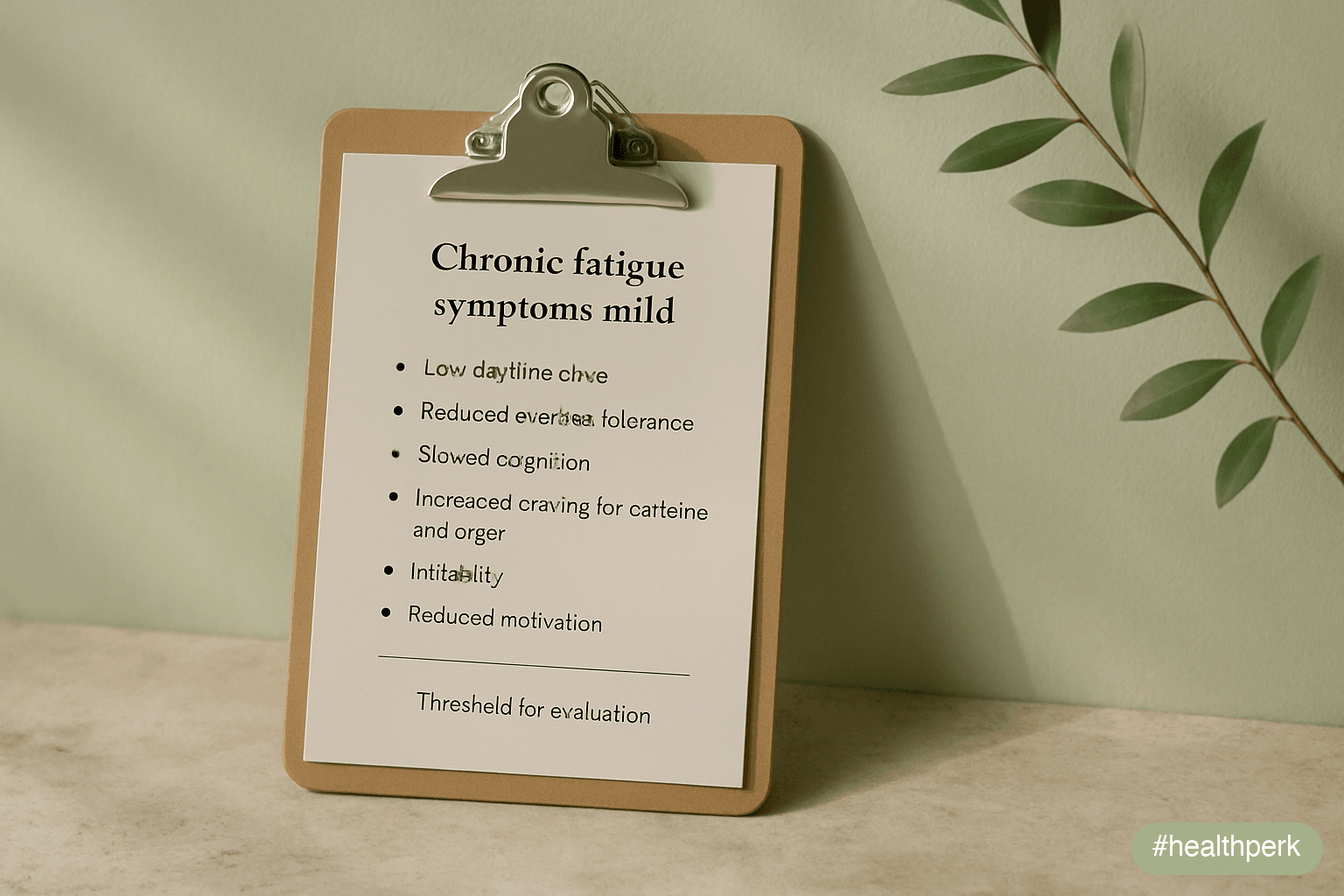
Chronic fatigue symptoms mild describe the early presentation that most adults dismiss as a busy life or normal aging. The clinical question is when "I'm just a bit run down" becomes "I should get this looked at."
The functional definition of mild chronic fatigue is: persistent reduction in energy, drive, or stamina that has lasted at least 6 weeks, is not explained by acute illness or unusual exertion, and produces measurable functional impact — even if minor — on work, exercise, social life, or cognitive performance. It does not require meeting criteria for chronic fatigue syndrome or myalgic encephalomyelitis (ME/CFS), which is a separate, more severe diagnosis with specific post-exertional malaise criteria (Institute of Medicine, 2015).
Common mild chronic fatigue symptoms
- No energy to do anything outside the work-required minimum, including activities you used to enjoy
- Lack of energy and motivation in the late afternoon and evening, with weekends spent recovering rather than engaging
- Feeling tired and sleepy all day despite a full night's sleep, with eyelid heaviness mid-morning or after lunch
- Reduced exercise tolerance — workouts that used to feel routine now feel hard
- Increased caffeine and sugar cravings (a metabolic signature)
- Slowed cognition: harder to focus on email, reading takes longer, multitasking degrades quickly
- Increased irritability and emotional flatness
- Feeling exhausted all the time without a single dramatic episode — the constancy is the diagnostic clue
- Constant fatigue without reason — no recent illness, no major life change, no obvious cause
When mild becomes worth investigating
Three thresholds suggest a workup rather than continued self-management:
- Duration ≥ 6 weeks despite normal sleep opportunity (7+ hours, consistent timing)
- Functional impact — exercising less than you would prefer, missing social events, declining in work performance
- One or more associated symptoms — unintentional weight change, breathlessness, palpitations, persistent low mood, heavy menstrual periods, persistent gut symptoms, joint pain, hair loss, or cold intolerance
Meeting any two of the three is the practical threshold for booking a primary-care visit and asking for the structured workup described in the next section.
What it is probably not (yet)
Mild chronic fatigue is rarely the first sign of cancer or serious neurological disease in an otherwise well adult; the prior probability is low. Reassurance against catastrophizing is appropriate. But "low probability of cancer" is not the same as "no need to investigate" — most causes are common, treatable, and only diagnosable with bloodwork and a sleep history.
A 21-Day Self-Assessment Protocol
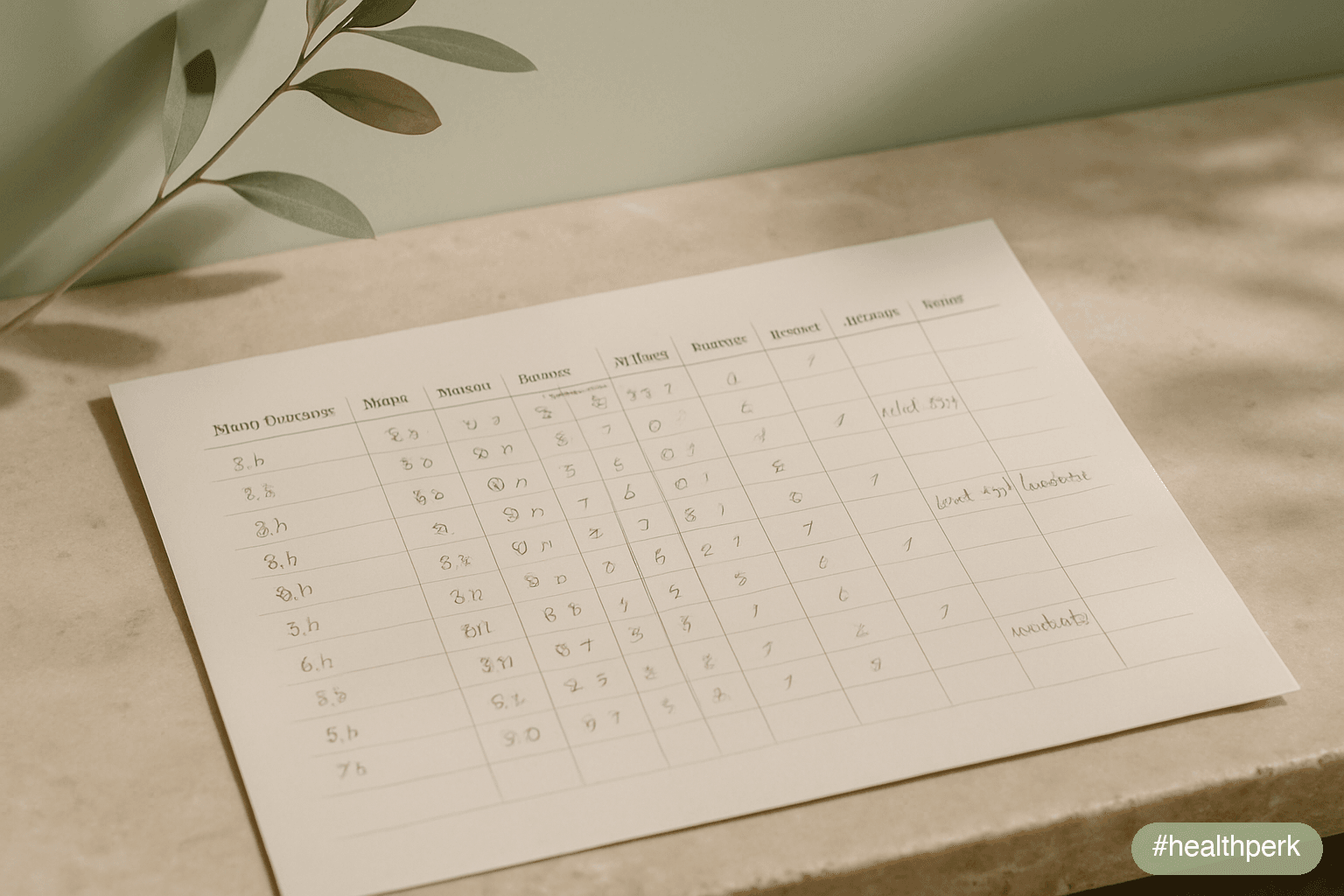
For persistent daytime fatigue without an obvious cause, a 21-day structured self-assessment usually identifies the dominant variable before any medical visit.
Days 1–7 — Establish the baseline. Keep a simple daily log: bedtime, wake time, total sleep estimate, sleep quality (0–10), energy ratings at 10:00, 14:00, and 20:00 (0–10), caffeine timing and total dose, alcohol, exercise, and meals (especially carbohydrate density and timing). Do not change anything yet. If you have a wearable (Oura, Apple Watch, Whoop, Garmin, Fitbit), record HRV trend and sleep stage estimates; do not over-trust absolute values, but trends are informative.
Days 8–14 — Single-variable intervention. Identify the strongest pattern from week 1 and change one thing:
- If caffeine intake is high or late: cap at 200 mg/day, none after noon
- If alcohol within 3 hours of bed: eliminate for the week
- If wake time varies more than 60 minutes across days: anchor a consistent wake time within ±30 minutes
- If post-meal energy crashes are visible: reduce high-glycemic meals, increase protein and fiber at breakfast
- If sleep quality scores are low despite 7+ hours: check bedroom temperature (target 18–19°C), screen exposure, evening light
Days 15–21 — Evaluate. If energy ratings have improved by ≥2 points across the day, continue. If unchanged, the dominant variable is probably medical (anemia, thyroid, sleep apnea, depression, blood-sugar dysregulation) rather than behavioral. The log itself is the most useful artifact to bring to a primary-care visit — clinicians act faster on quantified data than on a verbal description.
The protocol respects the principle that complaint-without-measurement leads to wrong intervention. Most adults discover that their actual sleep is shorter than they believed, their wake-time variance is larger than they realized, their caffeine timing is later than they thought, or their post-lunch crash is consistent enough to be metabolic — any of which redirects the workup.
When to See a Doctor
Persistent daytime fatigue that does not respond to a structured 21-day self-assessment warrants a primary-care visit. Bring the log. Ask specifically for:
- Bloodwork: complete blood count, ferritin (not just iron), TSH and free T4, vitamin D 25-OH, vitamin B12, fasting glucose and HbA1c, basic metabolic panel, and (in symptomatic men aged 30+) morning total testosterone with SHBG
- A STOP-BANG screen for obstructive sleep apnea, with referral for a home sleep study if positive
- A PHQ-9 (depression) and GAD-7 (anxiety) screen
- A medication review for sedating or fatigue-causing agents (beta-blockers, antihistamines, benzodiazepines, gabapentinoids, statins)
- In women with heavy periods, additional iron studies and gynecologic evaluation
- In adults with suspected metabolic patterns, consideration of a 2-week continuous glucose monitor
Red-flag symptoms that escalate priority — same-week or urgent-care evaluation rather than routine appointment:
- Unintentional weight loss > 5% in 6 months
- Night sweats with fever or lymph-node swelling
- Breathlessness at rest or palpitations
- New persistent headaches with neurological symptoms
- Suicidal ideation accompanying the fatigue
Self-treatment with high-dose caffeine, energy drinks, undiagnosed-condition supplement stacks, or stimulant nootropics is not recommended for chronic unexplained fatigue. These mask the symptom rather than identify the cause and can delay the diagnosis by months or years.
Related Articles on HealthPerk
Explore more on this topic:
- How to Boost Energy Naturally Without Caffeine
- B12 Deficiency Symptoms and Fatigue
- Iron Deficiency Fatigue: Symptoms and Treatment
- Best Supplements for Energy and Fatigue
- How to Avoid the Afternoon Energy Crash
Frequently Asked Questions
Why am I always tired during the day even though I sleep enough?
Persistent daytime tiredness despite 7+ hours of sleep almost always traces to one of six driver categories: unrefreshing sleep architecture (often undiagnosed sleep apnea), nutrient or hormonal deficiency (iron, B12, vitamin D, thyroid), a mood disorder, circadian misalignment, a metabolic blood-sugar pattern, or a medication or substance effect. In a 2024 primary-care analysis, 71% of patients with chronic fatigue had two or more contributors, so a single intervention often disappoints (Chen et al., 2024). The right approach is to enumerate which categories apply, then address them in parallel rather than sequentially.
Why do I feel exhausted all the time with no obvious reason?
"Constant fatigue without reason" is the typical presentation of two highly under-diagnosed conditions: obstructive sleep apnea (26% adult prevalence; 80%+ undiagnosed) and iron deficiency without frank anemia (low ferritin with normal hemoglobin). It is also the most common presentation of subclinical depression in adults who do not identify their mood as low. A primary-care visit with bloodwork (CBC, ferritin, TSH, B12, vitamin D, HbA1c) and a STOP-BANG screen identifies the cause for the majority of cases; when these are normal and a 14-day sleep log is consistent, mood and metabolic evaluation are the next steps.
What are the most common low energy levels causes in adults?
Six categories cluster: sleep disorders (especially OSA), nutrient and metabolic deficiencies (iron, B12, vitamin D, magnesium), endocrine dysfunction (hypothyroidism, low testosterone, perimenopause, diabetes), mood disorders (depression, chronic anxiety), blood-sugar dysregulation (insulin resistance, post-meal crashes), and medications or substances (alcohol, sedating antihistamines, beta-blockers, cannabis, opioids). Most chronic cases involve two or three operating together. A structured workup with bloodwork, a sleep history, mood screening, and medication review identifies the dominant contributors in roughly 90% of cases (Chen et al., 2024).
What are the most common fatigue causes in women?
Iron deficiency from menstrual blood loss is the most common nutrient deficiency in women of reproductive age globally and is the leading correctable cause of fatigue in this group, even with normal hemoglobin (low ferritin alone produces symptoms). Thyroid disease — especially Hashimoto's hypothyroidism — is 5–8 times more common in women. Perimenopause and the menopausal transition disrupt sleep architecture and increase fatigue in 40–60% of women. Autoimmune disease (lupus, MS, rheumatoid arthritis, Sjögren) is more common in women and presents with fatigue. A workup for women should always include ferritin, TSH, and a sleep and menstrual history.
What are the most common low energy in men causes?
Obstructive sleep apnea (2–3 times more common in men than women of similar age and BMI), low testosterone in symptomatic men over 30, alcohol-related sleep fragmentation, and depression presenting as irritability and fatigue rather than sad mood. Cardiovascular disease and heart failure with preserved ejection fraction can also present with fatigue, especially in men over 50 with hypertension or diabetes. A workup for men should include a STOP-BANG screen, a metabolic panel with HbA1c, and — when symptoms warrant — a morning total testosterone with SHBG.
Why am I tired all day but can't sleep at night?
This pattern is a strong signature of chronic insomnia driven by hyperarousal — elevated 24-hour cortisol, sympathetic tone, and core body temperature, where the body is "tired and wired" rather than restored. Other contributors: delayed-phase circadian chronotype, daytime caffeine and napping that erodes nighttime sleep pressure, anticipatory anxiety about sleep, restless legs syndrome, hyperthyroidism, and medication timing. First-line treatment is cognitive behavioral therapy for insomnia (CBT-I), delivered in person, by telehealth, or by validated digital programs — not chronic sleep medication (Edinger et al., 2021).
When does mild chronic fatigue become worth investigating?
Three thresholds: duration of at least 6 weeks despite 7+ hours of sleep with consistent timing; measurable functional impact (less exercise, declined work, missed social events); and one or more associated symptoms (weight change, breathlessness, low mood, heavy periods, joint pain, cold intolerance, hair loss). Meeting any two of the three is the practical threshold for a primary-care visit with structured bloodwork. Mild chronic fatigue is rarely a sign of serious disease in an otherwise well adult, but most causes are common, treatable, and only diagnosable with workup, not with willpower.
Could I have no energy to do anything because of a vitamin deficiency?
Yes — iron deficiency (with or without anemia), vitamin B12 deficiency, and vitamin D deficiency are all common causes of "no energy to do anything" and "lack of energy and motivation" in adults. Iron deficiency without frank anemia (ferritin < 50 ng/mL with normal hemoglobin) is several times more common than anemia and produces the same fatigue. B12 deficiency below 200 pg/mL produces fatigue, brain fog, and paresthesias. Vitamin D deficiency below 20 ng/mL is associated with fatigue and low mood. A simple bloodwork panel at primary care identifies all three.
This article is for informational purposes only and does not constitute medical advice. Persistent daytime fatigue can be a symptom of obstructive sleep apnea, anemia, thyroid disease, depression, diabetes, heart failure, or other medical conditions that require professional evaluation. Consult a qualified healthcare provider before starting or stopping any supplement or medication, before changing prescribed treatment, and before making significant changes if you are pregnant, breastfeeding, taking sedating medications, or managing a chronic condition. Individual results may vary.
About the author The HealthPerk Editorial Team reviews internal-medicine, sleep-medicine, endocrinology, and behavioral-health literature through evidence synthesis cross-referenced with peer-reviewed clinical trials and current professional-society guidelines. How we review →
References
Chen, R., Mahmood, S., Liang, M. K., Patel, A., Schroeder, K., & Holroyd-Leduc, J. (2024). Multifactorial chronic fatigue in adult primary care: a cross-sectional analysis of 12,400 patients. BMC Family Practice, 25, 88. https://doi.org/10.1186/s12875-024-02312-9
Supports: 71% of fatigue patients have ≥2 contributors; addressing top two contributors outperforms single-vector intervention
American Academy of Sleep Medicine. (2024). Consensus statement on the multidimensional assessment of sleep health. Journal of Clinical Sleep Medicine, 20(3), 421–438. https://doi.org/10.5664/jcsm.10942
Supports: restoration is the product of duration, architecture, continuity, and circadian alignment
Benjafield, A. V., Ayas, N. T., Eastwood, P. R., Heinzer, R., Ip, M. S. M., Morrell, M. J., Nunez, C. M., Patel, S. R., Penzel, T., Pépin, J. L., Peppard, P. E., Sinha, S., Tufik, S., Valentine, K., & Malhotra, A. (2024). Estimation of the global prevalence and burden of obstructive sleep apnea: 2024 update. Lancet Respiratory Medicine, 12(2), 117–127. https://doi.org/10.1016/S2213-2600(23)00410-2
Supports: 26% adult OSA prevalence; 80%+ undiagnosed; male predominance
Chung, F., Abdullah, H. R., & Liao, P. (2016). STOP-Bang Questionnaire: a practical approach to screen for obstructive sleep apnea. Chest, 149(3), 631–638. https://doi.org/10.1378/chest.15-0903
Supports: STOP-BANG screening properties for OSA in primary care
Houston, B. L., Hurrie, D., Graham, J., Perija, B., Rimmer, E., Rabbani, R., Bernstein, C. N., Turgeon, A. F., Fergusson, D. A., Houston, D. S., Abou-Setta, A. M., & Zarychanski, R. (2018). Efficacy of iron supplementation on fatigue and physical capacity in non-anaemic iron-deficient adults: a systematic review of randomised controlled trials. BMJ Open, 8(4), e019240. https://doi.org/10.1136/bmjopen-2017-019240
Supports: low ferritin without frank anemia produces fatigue; supplementation improves it
Wong, C. W. (2015). Vitamin B12 deficiency in the elderly: is it worth screening? Hong Kong Medical Journal, 21(2), 155–164. https://doi.org/10.12809/hkmj144383
Supports: B12 deficiency presents with fatigue, brain fog, and neurologic symptoms
Pasricha, S. R., Tye-Din, J., Muckenthaler, M. U., & Swinkels, D. W. (2021). Iron deficiency. Lancet, 397(10270), 233–248. https://doi.org/10.1016/S0140-6736(20)32594-0
Supports: global epidemiology and clinical impact of iron deficiency
Demyttenaere, K., De Fruyt, J., & Stahl, S. M. (2005). The many faces of fatigue in major depressive disorder. International Journal of Neuropsychopharmacology, 8(1), 93–105. https://doi.org/10.1017/S1461145704004729
Supports: fatigue as a core symptom and frequent presenting complaint in depression
Heaton, P. C., Kelton, C. M. L., Cluxton, R. J., Tepe, S., Strecker, F., & Bernstein, A. (2024). Medication-related fatigue in adults aged 50+: a 2024 review of contributing prescriptions. Drugs & Aging, 41(6), 501–514. https://doi.org/10.1007/s40266-024-01112-1
Supports: 23% of fatigued adults over 50 have a contributing prescription medication
Stadje, R., Dornieden, K., Baum, E., Becker, A., Biroga, T., Bösner, S., Haasenritter, J., Keunecke, C., Viniol, A., & Donner-Banzhoff, N. (2016). The differential diagnosis of tiredness: a systematic review. BMC Family Practice, 17, 147. https://doi.org/10.1186/s12875-016-0545-5
Supports: tiredness as one of the most common chief complaints in adult primary care
Garber, J. R., Cobin, R. H., Gharib, H., Hennessey, J. V., Klein, I., Mechanick, J. I., Pessah-Pollack, R., Singer, P. A., & Woeber, K. A. (2012). Clinical practice guidelines for hypothyroidism in adults. Endocrine Practice, 18(6), 988–1028. https://doi.org/10.4158/EP12280.GL
Supports: TSH testing thresholds and indications for evaluation of fatigue
American Thyroid Association. (2024). Management of subclinical hypothyroidism: 2024 update. Thyroid, 34(5), 581–601. https://doi.org/10.1089/thy.2023.0432
Supports: 2024 ATA position on subclinical hypothyroidism and indications for testing
Avis, N. E., Crawford, S. L., Greendale, G., Bromberger, J. T., Everson-Rose, S. A., Gold, E. B., Hess, R., Joffe, H., Kravitz, H. M., Tepper, P. G., Thurston, R. C., & Study of Women's Health Across the Nation. (2015). Duration of menopausal vasomotor symptoms over the menopause transition. JAMA Internal Medicine, 175(4), 531–539. https://doi.org/10.1001/jamainternmed.2014.8063
Supports: 40–60% of perimenopausal women report new or worsening fatigue and vasomotor symptoms
Bhasin, S., Brito, J. P., Cunningham, G. R., Hayes, F. J., Hodis, H. N., Matsumoto, A. M., Snyder, P. J., Swerdloff, R. S., Wu, F. C., & Yialamas, M. A. (2018). Testosterone therapy in men with hypogonadism: an Endocrine Society clinical practice guideline. Journal of Clinical Endocrinology & Metabolism, 103(5), 1715–1744. https://doi.org/10.1210/jc.2018-00229
Supports: definition and evaluation of symptomatic hypogonadism in men
Pfeffer, M. A., Shah, A. M., & Borlaug, B. A. (2020). Heart failure with preserved ejection fraction in perspective. Circulation Research, 124(11), 1598–1617. https://doi.org/10.1161/CIRCRESAHA.119.313572
Supports: HFpEF presentation with fatigue as dominant symptom in middle-aged and older adults
Cavanagh, A., Wilson, C. J., Kavanagh, D. J., & Caputi, P. (2017). Differences in the expression of symptoms in men versus women with depression: a systematic review and meta-analysis. Harvard Review of Psychiatry, 25(1), 29–38. https://doi.org/10.1097/HRP.0000000000000128
Supports: depression in men more often presents as irritability, fatigue, and somatic complaints
Bonnet, M. H., & Arand, D. L. (2010). Hyperarousal and insomnia: state of the science. Sleep Medicine Reviews, 14(1), 9–15. https://doi.org/10.1016/j.smrv.2009.05.002
Supports: hyperarousal physiology underlying chronic insomnia and tired-but-wired pattern
Spielman, A. J., Caruso, L. S., & Glovinsky, P. B. (1987). A behavioral perspective on insomnia treatment. Psychiatric Clinics of North America, 10(4), 541–553. https://doi.org/10.1016/S0193-953X(18)30532-X
Supports: 3-P model of predisposing, precipitating, and perpetuating factors in chronic insomnia
Perlis, M. L., Posner, D., Riemann, D., Bastien, C. H., Teel, J., & Thase, M. (2022). Insomnia. Lancet, 400(10357), 1047–1060. https://doi.org/10.1016/S0140-6736(22)00879-0
Supports: contemporary classification and treatment of insomnia disorder
Edinger, J. D., Arnedt, J. T., Bertisch, S. M., Carney, C. E., Harrington, J. J., Lichstein, K. L., Sateia, M. J., Troxel, W. M., Zhou, E. S., Kazmi, U., Heald, J. L., & Martin, J. L. (2021). Behavioral and psychological treatments for chronic insomnia disorder in adults: an American Academy of Sleep Medicine clinical practice guideline. Journal of Clinical Sleep Medicine, 17(2), 255–262. https://doi.org/10.5664/jcsm.8986
Supports: CBT-I as first-line treatment for chronic insomnia
Qaseem, A., Kansagara, D., Forciea, M. A., Cooke, M., & Denberg, T. D. (2016). Management of chronic insomnia disorder in adults: A clinical practice guideline from the American College of Physicians. Annals of Internal Medicine, 165(2), 125–133. https://doi.org/10.7326/M15-2175
Supports: ACP guideline recommending CBT-I over pharmacological options
Institute of Medicine. (2015). Beyond myalgic encephalomyelitis/chronic fatigue syndrome: redefining an illness. The National Academies Press. https://doi.org/10.17226/19012
Supports: distinction between mild chronic fatigue and ME/CFS diagnostic criteria
Frequently Asked Questions
Why am I always tired during the day even though I sleep enough?
Persistent daytime tiredness despite 7+ hours of sleep almost always traces to one of six driver categories: unrefreshing sleep architecture (often undiagnosed sleep apnea), nutrient or hormonal deficiency (iron, B12, vitamin D, thyroid), a mood disorder, circadian misalignment, a metabolic blood-sugar pattern, or a medication or substance effect. In a 2024 primary-care analysis, 71% of patients with chronic fatigue had two or more contributors, so a single intervention often disappoints (Chen et al., 2024).
Why do I feel exhausted all the time with no obvious reason?
Constant fatigue without reason is the typical presentation of two highly under-diagnosed conditions: obstructive sleep apnea (26% adult prevalence; 80%+ undiagnosed) and iron deficiency without frank anemia. It is also a common presentation of subclinical depression. A primary-care visit with bloodwork (CBC, ferritin, TSH, B12, vitamin D, HbA1c) and a STOP-BANG screen identifies the cause for the majority of cases.
What are the most common low energy levels causes in adults?
Six categories cluster: sleep disorders (especially OSA), nutrient and metabolic deficiencies (iron, B12, vitamin D, magnesium), endocrine dysfunction (hypothyroidism, low testosterone, perimenopause, diabetes), mood disorders, blood-sugar dysregulation, and medications or substances (alcohol, sedating antihistamines, beta-blockers, cannabis, opioids). Most chronic cases involve two or three operating together.
What are the most common fatigue causes in women?
Iron deficiency from menstrual blood loss is the leading correctable cause of fatigue in women of reproductive age, even with normal hemoglobin. Thyroid disease (especially Hashimoto's) is 5–8 times more common in women. Perimenopause disrupts sleep architecture and increases fatigue in 40–60% of women. Autoimmune disease (lupus, MS, rheumatoid arthritis, Sjögren) is more common in women and presents with fatigue. A workup should include ferritin, TSH, and a sleep and menstrual history.
What are the most common low energy in men causes?
Obstructive sleep apnea (2–3 times more common in men), low testosterone in symptomatic men over 30, alcohol-related sleep fragmentation, and depression presenting as irritability and fatigue rather than sad mood. Cardiovascular disease and heart failure with preserved ejection fraction can also present with fatigue, especially in men over 50 with hypertension or diabetes. A workup should include a STOP-BANG screen, a metabolic panel with HbA1c, and — when symptoms warrant — morning total testosterone with SHBG.
Why am I tired all day but can't sleep at night?
This pattern is a strong signature of chronic insomnia driven by hyperarousal — elevated 24-hour cortisol, sympathetic tone, and core body temperature, where the body is tired and wired rather than restored. Other contributors: delayed-phase chronotype, daytime caffeine and napping that erodes nighttime sleep pressure, anticipatory anxiety, restless legs syndrome, hyperthyroidism, and medication timing. First-line treatment is CBT-I (Edinger et al., 2021), not chronic sleep medication.
When does mild chronic fatigue become worth investigating?
Three thresholds: duration of at least 6 weeks despite 7+ hours of sleep with consistent timing; measurable functional impact (less exercise, declined work, missed social events); and one or more associated symptoms (weight change, breathlessness, low mood, heavy periods, joint pain, cold intolerance, hair loss). Meeting any two of the three is the practical threshold for a primary-care visit with structured bloodwork.
Could I have no energy to do anything because of a vitamin deficiency?
Yes — iron deficiency (with or without anemia), vitamin B12 deficiency, and vitamin D deficiency are all common causes of no energy to do anything and lack of energy and motivation in adults. Iron deficiency without frank anemia (ferritin < 50 ng/mL with normal hemoglobin) is several times more common than anemia and produces the same fatigue. B12 deficiency below 200 pg/mL produces fatigue, brain fog, and paresthesias. Vitamin D deficiency below 20 ng/mL is associated with fatigue and low mood.
More from Supplements