Red Light Therapy Benefits: A 2026 Evidence-Based Guide
Red Light Therapy Benefits: A 2026 Evidence-Based Guide
By the HealthPerk Editorial Team · Last updated: May 2026
Quick Answer
What are the real red light therapy benefits in 2026, and which home devices are worth the money?
The 2026 evidence picture for red light therapy benefits is narrower and more specific than the marketing suggests. Photobiomodulation (PBM) in the 630-680 nm and 800-850 nm wavelength ranges has consumer-grade evidence for short-term improvements in skin appearance (collagen, mild wrinkles, post-acne erythema), local musculoskeletal pain and recovery after exercise, and modest hair-density gains in androgenic alopecia. It does not have human RCT evidence for lifespan extension, "mitochondrial reset", thyroid normalization, fat loss, or systemic anti-aging. A defensible 2026 home PBM device is one with measured irradiance disclosed at a stated distance, both red and near-infrared wavelengths, third-party safety certification, and 10-20 minute sessions 3-5 times per week.
A practical 2026 home-device decision frame:
| Category | What it does well | Where it overpromises | Realistic monthly time |
|---|---|---|---|
| Red light therapy (PBM) panels | Skin, joints, local recovery | Lifespan, fat loss, "mitochondrial reset" | 60-100 min |
| Cold therapy devices home (cold plunge, ice bath) | Subjective recovery, mood, alertness | Hypertrophy gains, lifespan | 40-80 min |
| Wearable devices for optimization | Sleep regularity, HRV trends, training load | Stress scores, "biological age" | passive |
| Best longevity devices (BP monitor, body comp scale, CGM trials) | Cardiometabolic risk tracking | Anti-aging promises | passive |
| Devices for recovery optimization (massage gun, compression, pneumatic boots) | Soreness, perceived recovery | Performance gains beyond placebo | 30-60 min |
Red light therapy benefits has become one of the most aggressive paid-content categories of 2026, with influencer protocols promising everything from mitochondrial repair to reversed gray hair. The actual peer-reviewed literature on photobiomodulation is more useful than that and considerably more boring: a small set of narrow indications with measurable effect sizes, a long list of unproven claims, and a device market where third-party irradiance verification still matters more than ingredient-list-style ad copy.
This guide is built around what the 2026 evidence supports for red light therapy benefits, how PBM compares to cold exposure and other home recovery tools, and how to assemble a small, defensible biohacking device stack that earns its footprint and its monthly time. The aim is to leave a reader able to spend $300-$1,500 on home devices over the next year with a clear rationale, rather than $5,000 on a bedroom full of underused hardware.
Table of Contents
- Red Light Therapy Devices Benefits: What the 2026 Evidence Actually Shows
- Biohacking Devices for Home: A 2026 Buyer's Framework
- Best Longevity Devices: A Sober 2026 Category Map
- Wearable Devices for Optimization: What They Measure Well and Where They Mislead
- Cold Therapy Devices for Home: What Is Useful and What Is Marketing
- Devices for Recovery Optimization: The Stack That Earns Its Footprint
- Red Light Therapy vs Cold Therapy: Different Tools, Different Claims
- Wearable Devices Comparison Biohacking: How to Pick One Without Overspending
- Frequently Asked Questions
- References
Red Light Therapy Devices Benefits: What the 2026 Evidence Actually Shows

Red light therapy devices benefits in 2026 fall into three evidence tiers, and most consumer marketing collapses them into one. The defensible tier covers narrow, measurable indications with multiple RCTs or meta-analyses. The plausible tier covers areas with mechanistic biology and short, small trials. The unsupported tier covers most of the lifespan and systemic-anti-aging marketing.
The defensible 2026 indications for home PBM:
- Skin appearance and mild photoaging. Multiple RCTs and meta-analyses show small but measurable improvements in collagen density, fine wrinkles, and skin texture with 630-680 nm and 800-850 nm wavelengths over 8-12 week protocols.
- Local musculoskeletal pain and post-exercise recovery. Systematic reviews support reduced muscle soreness and faster perceived recovery when PBM is applied to specific muscle groups before or after exercise.
- Androgenic alopecia. Low-level laser therapy and LED-based home devices show modest hair-density and hair-count improvements over 6-12 months in androgenic alopecia.
The plausible-but-narrow tier
PBM has mechanistic and small-trial support for tendinopathies, joint pain in osteoarthritis, oral mucositis in cancer therapy, and some wound-healing indications. These are real research areas, but consumer panels are rarely the right tool for them; clinical protocols and supervised dosing matter, and effect sizes vary widely with wavelength, irradiance, and treatment area.
The unsupported claims tier
Lifespan extension in healthy adults, fat loss, full-body "mitochondrial repair", thyroid normalization, autoimmune reversal, and "cellular detox" are not supported by 2026 randomized trial evidence in consumer-device use. Treat such marketing claims as ad copy, not health data. The honest framing of PBM in a home biohacking stack is "narrow, real, modest" rather than "central anti-aging tool".
Biohacking Devices for Home: A 2026 Buyer's Framework
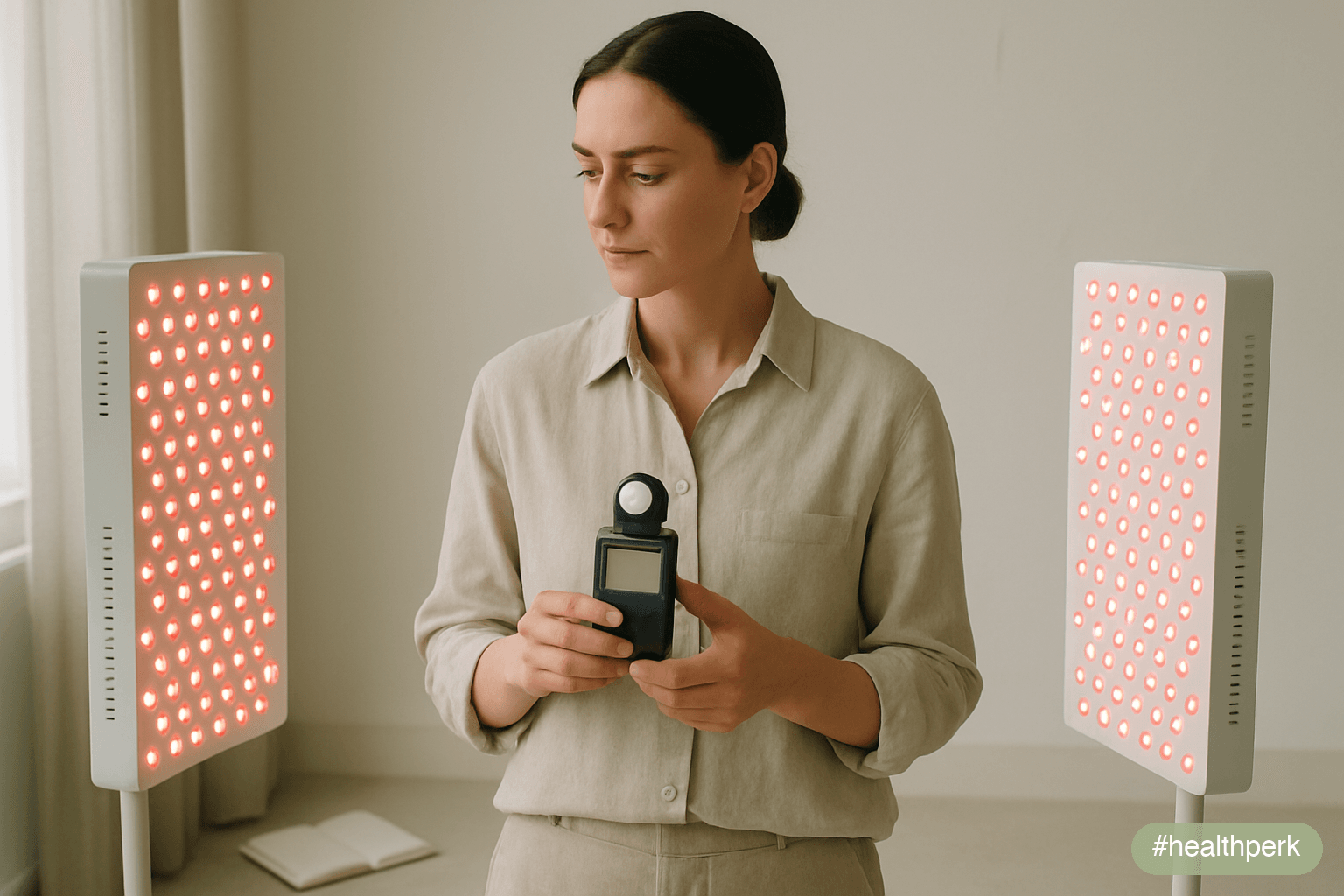
Biohacking devices for home in 2026 is a crowded category where ad budgets often correlate inversely with evidence. A workable buyer's framework filters most of the noise: a device should have a clear indication, a published specification, third-party safety certification, a return policy, and a realistic time and space cost that the household can sustain.
The 2026 home-device decision filter, in five questions:
- What indication am I targeting? Skin, joint pain, muscle soreness, sleep regularity, cardiometabolic tracking, and recovery are reasonable targets. "Anti-aging" and "lifespan" are not actionable targets.
- Is the specification disclosed? PBM panels should disclose wavelengths, irradiance at a stated distance, and treatment area. Wearables should disclose what they measure and what is derived. Devices that hide specs behind proprietary scores deserve scrutiny.
- Is there third-party safety and quality certification? FDA registration where applicable, IEC electrical safety standards, and independent irradiance verification are minimum bars.
- Will it actually be used 3-5 times per week for at least 12 weeks? A $600 panel used four times is more expensive per session than a $1,500 panel used three times a week.
- Does it fit the space and the household? A device that requires moving furniture, a dedicated room, or unsafe water handling rarely survives the second month.
Devices worth a 2026 home footprint
A red and near-infrared LED panel with disclosed irradiance, a basic upper-arm blood pressure monitor, a body composition scale of modest precision, and one validated wrist or finger wearable. Optionally: a cold plunge tub or chiller if cold exposure is genuinely a recovery preference, and one recovery tool (massage gun or compression sleeves) for soreness.
Devices that rarely earn their cost
Full-body PEMF mats and "frequency therapy" devices outside specific medical contexts; "biological age" home scanners; smart rings or watches added on top of a watch that already measures the same metrics; expensive infrared saunas in spaces where a regular sauna at the gym already exists. The default should be skepticism toward any device with a four-figure price tag and a one-figure number of RCTs.
Best Longevity Devices: A Sober 2026 Category Map
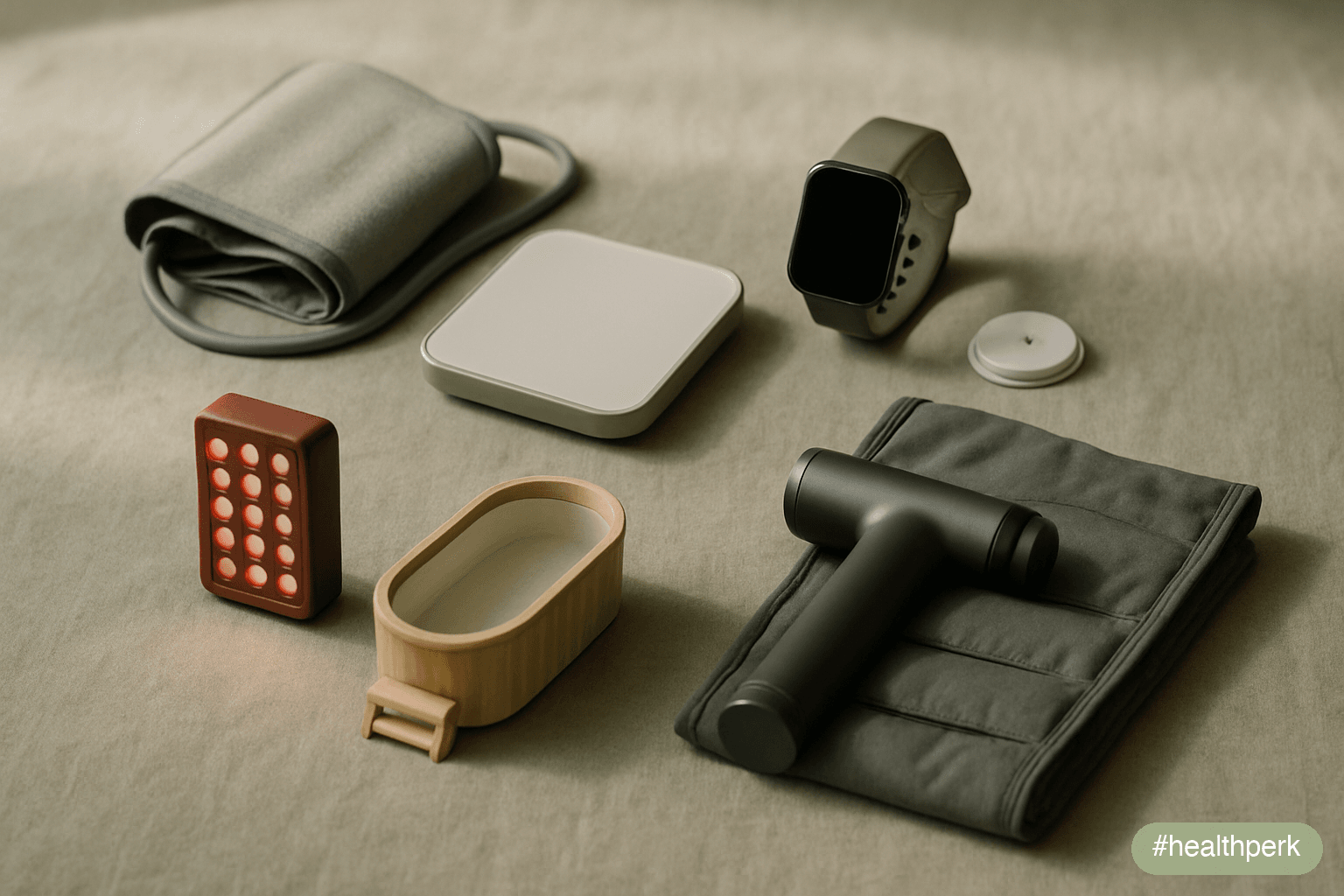
Best longevity devices in 2026 are not a single magic gadget. They are a small set of category-specific tools that support the lifestyle inputs with the largest mortality and healthspan effects: cardiometabolic risk, sleep regularity, muscle and bone preservation, and recovery. A device only belongs on a longevity stack if it changes a decision a user actually makes — about when to sleep, how hard to train, when to call a doctor, when to deload.
The 2026 longevity device map:
- Cardiometabolic tracking. An upper-arm blood pressure monitor (the single most evidence-backed home device), a body composition scale, a home lipid panel kit for periodic checks, and a short-term continuous glucose monitor trial for users investigating glycemic responses.
- Sleep and circadian inputs. A wearable focused on sleep regularity rather than proprietary sleep scores; ideally one with a 7-day rolling view of bed/wake variance.
- Strength and movement support. Adjustable dumbbells, resistance bands, and a pull-up bar are not "biohacking devices" in marketing terms but produce far larger longevity effects than any electronic gadget on the page.
- Skin and local pain. A PBM panel for the narrow indications above.
- Recovery. A massage gun and compression sleeves cover most of the consumer recovery category at modest cost.
What is missing from most longevity-device buying guides
The boring, evidence-strong tools — a $30 blood pressure cuff, a $50 set of resistance bands, a $20 timer for sleep regularity — produce more longevity effect than the $3,000 devices that dominate paid placement. A defensible longevity device stack in 2026 leans on the boring tools as the base, with a small number of premium devices layered on top.
Where the category map breaks
When a device is bought as a substitute for a lifestyle habit it does not replace — a PBM panel as a substitute for resistance training, a cold plunge as a substitute for sleep, a wearable as a substitute for primary-care visits. Devices supplement habits; they do not substitute for them.
Wearable Devices for Optimization: What They Measure Well and Where They Mislead
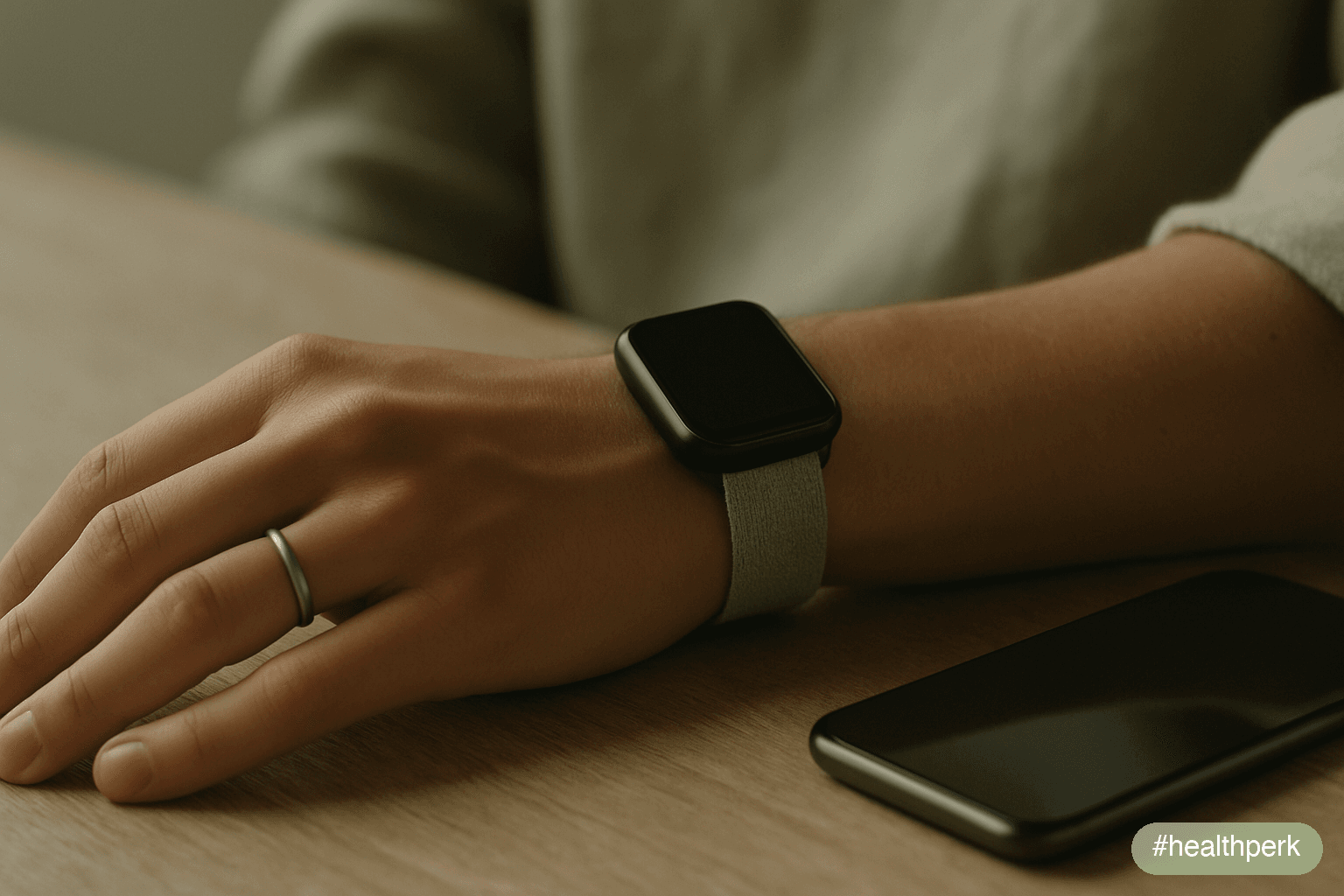
Wearable devices for optimization in 2026 are most useful when their output is read as a multi-week trend, not a daily score. Modern wrist and finger wearables measure heart rate, heart rate variability, sleep stages, and approximate sleep duration with reasonable accuracy at the trend level. They do not measure stress, biological age, or recovery in any validated absolute sense, despite the prominence of these scores in their apps.
What wearables measure well enough to act on:
- Sleep regularity. Bed and wake times across a 7-14 day window are accurately captured by most validated wearables and are one of the highest-yield outputs of the category.
- Resting heart rate trends. A 30-60 day baseline that shifts upward by 5-10 beats often reflects detraining, illness, alcohol use, or chronic stress and is a useful early signal.
- HRV trends, when smoothed. Day-to-day HRV is noisy; a 7-day rolling average is a more honest readout and can support training-load decisions.
- Step counts and active minutes. Cheap, accurate enough at the trend level, and connected to mortality cohorts via the Paluch et al. meta-analysis.
Where wearables mislead
Proprietary "stress scores", single-night "recovery scores", and emerging "biological age" features lack peer-reviewed validation linking score changes to clinically meaningful outcomes. Users who chase daily scores often degrade their own sleep and training adherence in pursuit of a number that does not generalize. The 2026 honest framing: wearables are weekly trend tools, not daily prescriptions.
A minimal wearable rule of thumb
One wearable per person, used for 8-12 weeks at a time, with attention to sleep regularity, resting heart rate, and HRV trend, and a deliberate de-emphasis on proprietary aggregate scores. Adding a second wearable rarely improves decisions; it usually multiplies noise.
Cold Therapy Devices for Home: What Is Useful and What Is Marketing
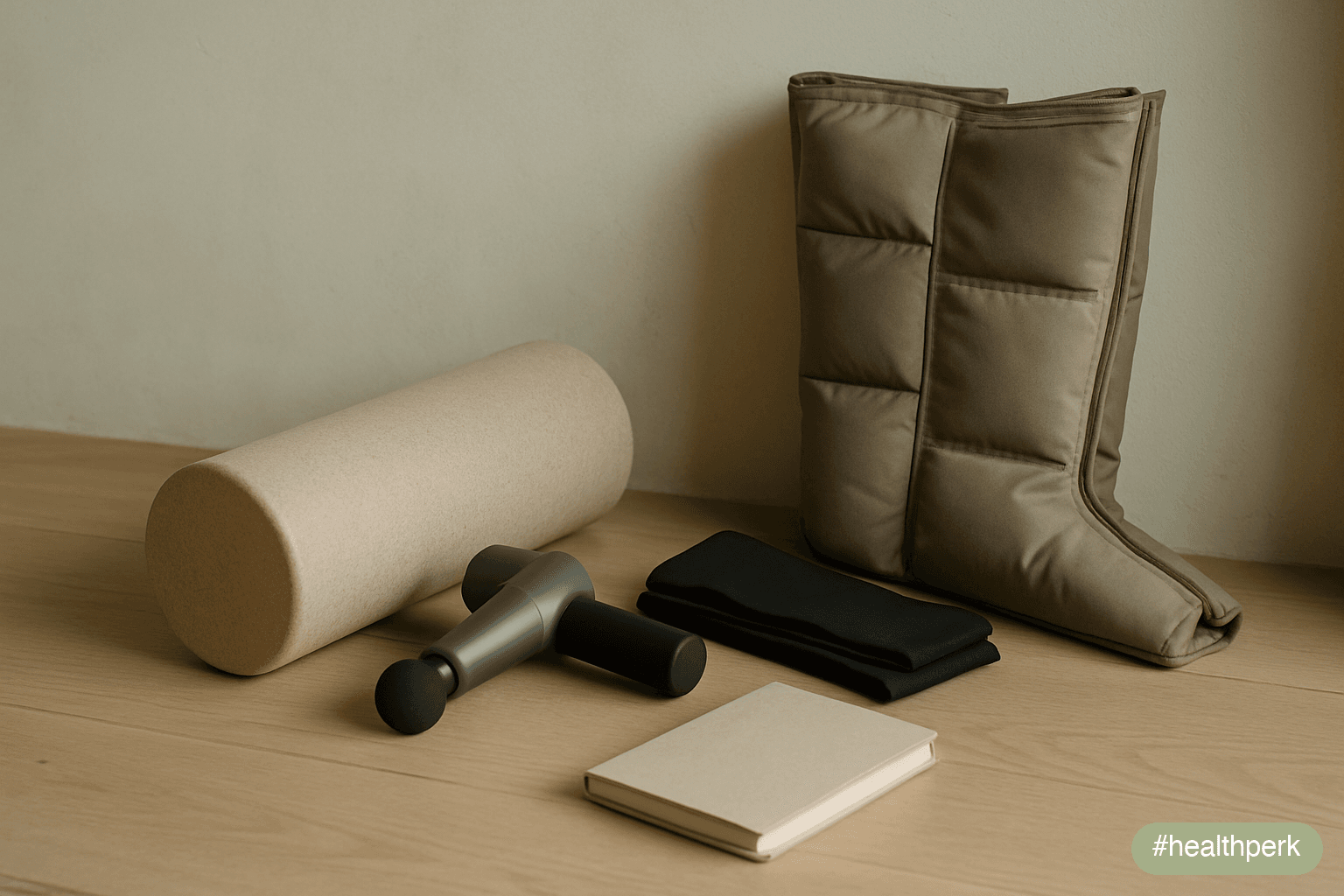
Cold therapy devices home is one of the most photogenic biohacking categories of 2026, and one whose evidence is narrower than its marketing. Short-duration cold-water immersion — typically 2-5 minutes at 10-15 °C — has consistent short-term effects on subjective recovery, alertness, and mood. It has limited or null evidence for some performance and longevity claims and a real evidence base for one inconvenient finding: post-exercise cold exposure can blunt long-term muscle hypertrophy adaptations when applied immediately after resistance training.
What home cold exposure consistently delivers:
- Subjective recovery and mood. Many users report improved mood and alertness after 2-5 minute immersions, supported by short-term physiological data on norepinephrine and vagal-tone shifts.
- Reduced perceived muscle soreness. Meta-analyses support short-term decreases in delayed onset muscle soreness when cold-water immersion is used after intense exercise.
- Adherence-friendly stress exposure. For users who tolerate cold well, brief daily exposures can serve as a controlled hormetic stressor without major adherence costs.
Where cold therapy does not deliver
Direct lifespan extension, fat loss beyond trivial caloric effects, large hypertrophy gains, or "metabolic reset" claims are not supported by 2026 trial evidence in healthy consumers. The Roberts et al. (2015) work and subsequent replications support a real concern that immediate post-resistance-training cold exposure can attenuate strength and hypertrophy adaptations. Users training for muscle and strength should consider separating cold exposure from training by at least 4-6 hours.
A defensible 2026 cold-exposure protocol
2-5 minute immersions at 10-15 °C, 2-4 times per week, scheduled away from immediate post-resistance-training windows, with a return-to-warmth plan and supervision in the first sessions. A $200-$400 chest freezer adaptation, a simple cold plunge tub, or even consistent cold-shower exposure can deliver the defensible benefits without a premium device.
Devices for Recovery Optimization: The Stack That Earns Its Footprint
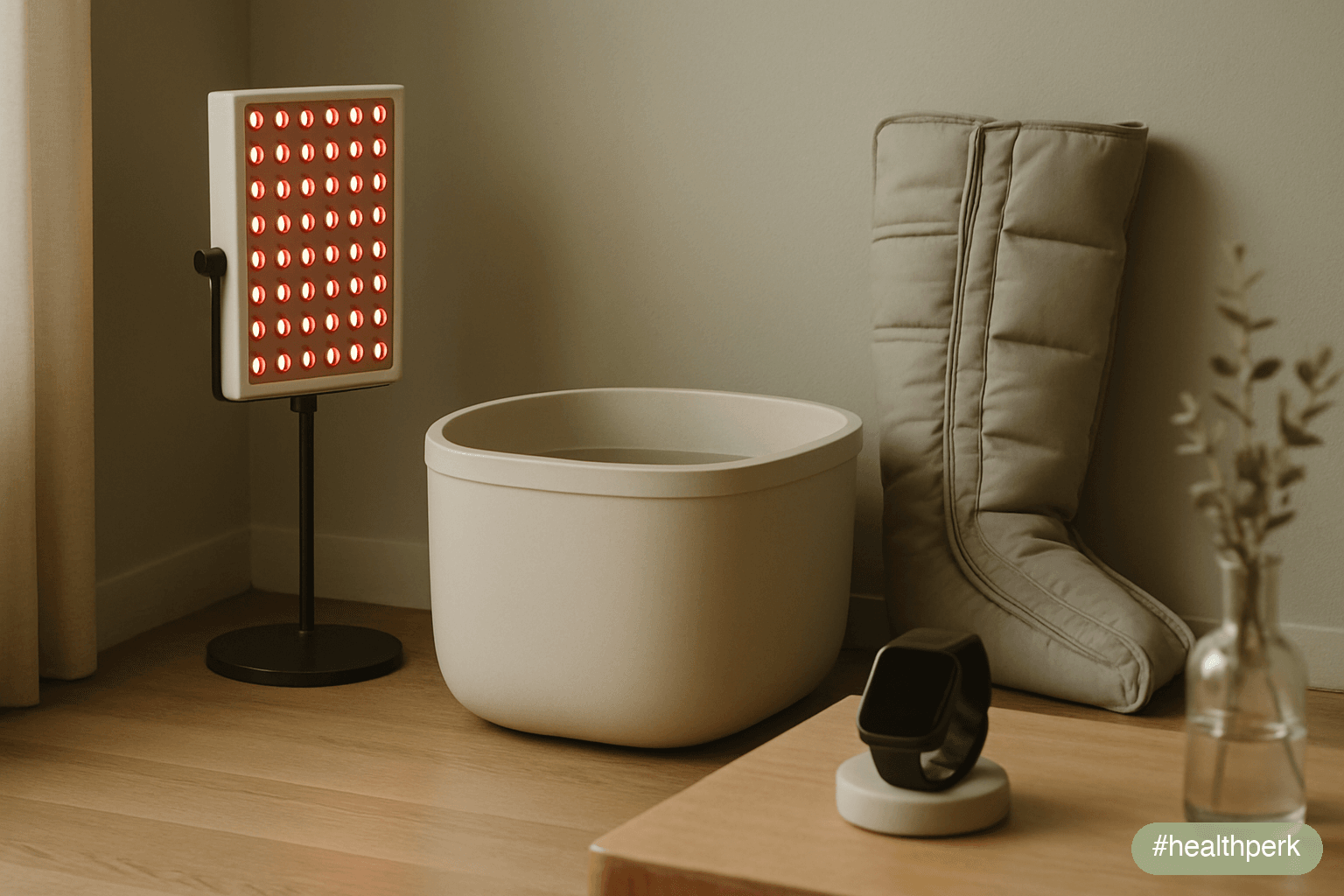
Devices for recovery optimization in 2026 cover a wide price range from $20 foam rollers to $1,500 pneumatic compression boots. The evidence base for the category is dominated by short-term, perceived-recovery and soreness effects rather than performance gains, which is a useful and honest framing to apply when buying. A defensible recovery stack is small, used consistently, and tied to a training plan that itself drives the adaptations the devices support.
What recovery devices reliably deliver:
- Percussion massage guns. Short-term reductions in muscle stiffness and perceived soreness; convenient and inexpensive relative to clinic massage.
- Compression sleeves and pneumatic recovery boots. Modest reductions in perceived recovery time after intense lower-body sessions; effect sizes are real but small.
- Foam rollers and lacrosse balls. Comparable subjective recovery effects to higher-cost devices at a fraction of the price for users who do the work.
- Heat exposure (sauna where available). A real and increasingly well-evidenced cardiovascular and recovery tool; not strictly a "device" in the gadget sense.
What recovery devices do not deliver
Direct performance gains beyond what training itself produces, "metabolic reset", lymphatic detox claims, or lifespan effects. Recovery devices work on perceived recovery and soreness on time-scales of hours to a few days; they do not substitute for sleep, protein intake, or training periodization.
A 2026 recovery-stack budget allocation
Spend the first $50 on a foam roller and basic mobility tools. The next $200-$400 on a percussion massage gun and compression sleeves if a clear use case exists. Reserve pneumatic recovery boots ($800-$1,500) for users training hard enough that the marginal time-to-feel-fresh actually changes a training decision. Skip the rest.
Red Light Therapy vs Cold Therapy: Different Tools, Different Claims
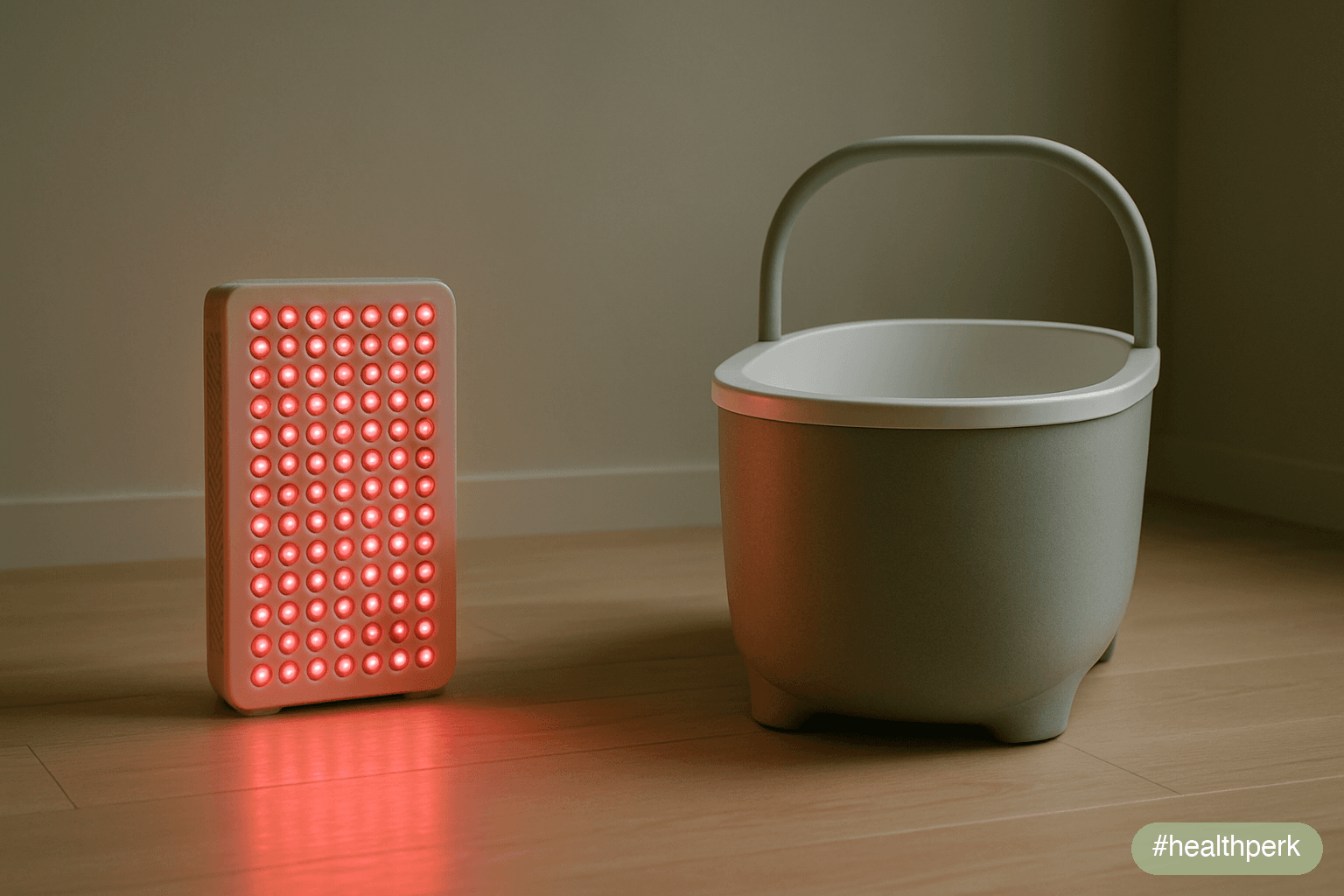
Red light therapy vs cold therapy is a question that misframes both tools when treated as a head-to-head competition. They sit in different mechanistic territory, have different evidence bases, and address different problems. The useful 2026 question is which jobs each tool is good at, and whether either belongs in a particular reader's stack.
A direct 2026 comparison:
| Dimension | Red light therapy (PBM) | Cold therapy |
|---|---|---|
| Strongest indications | Skin appearance, local pain, post-exercise recovery, androgenic alopecia | Subjective recovery, mood, alertness, soreness |
| Mechanism | Photon absorption by cytochrome c oxidase; modulation of local mitochondrial activity | Sympathetic activation; vasoconstriction; norepinephrine; reduced inflammation perception |
| Time commitment | 10-20 minutes, 3-5 days a week | 2-5 minutes, 2-4 days a week |
| Equipment cost | $150-$1,500 | $50-$5,000 |
| Risk profile | Generally well tolerated; eye protection for high-power devices | Real cardiovascular risk in untrained users; hypothermia and falls; should not be used unsupervised in vulnerable users |
| Interaction with hypertrophy | Mostly neutral or supportive at modest doses | Immediate post-training cold blunts strength and hypertrophy adaptations |
| Lifespan claims | Not supported by 2026 trials | Not supported by 2026 trials |
When PBM is the right tool
Skin appearance goals over 8-12 weeks, localized joint or tendon pain, post-exercise local recovery on muscles trained, and androgenic alopecia are the cleanest cases. PBM is also the better tool for users who cannot tolerate cold exposure or have cardiovascular contraindications.
When cold exposure is the right tool
Users who tolerate cold well, who already have stable sleep and training, and who want a short adherence-friendly stressor with mood and alertness effects. Cold exposure is contraindicated for users with uncontrolled hypertension, certain arrhythmias, Raynaud's phenomenon, severe peripheral vascular disease, pregnancy, and a number of other conditions; this list is not exhaustive and clinician input matters.
The honest verdict
Most readers do not need both. Pick the tool whose strongest indications match the reader's actual problem, run it for 8-12 weeks, and decide based on personal response and adherence whether to keep it.
Wearable Devices Comparison Biohacking: How to Pick One Without Overspending
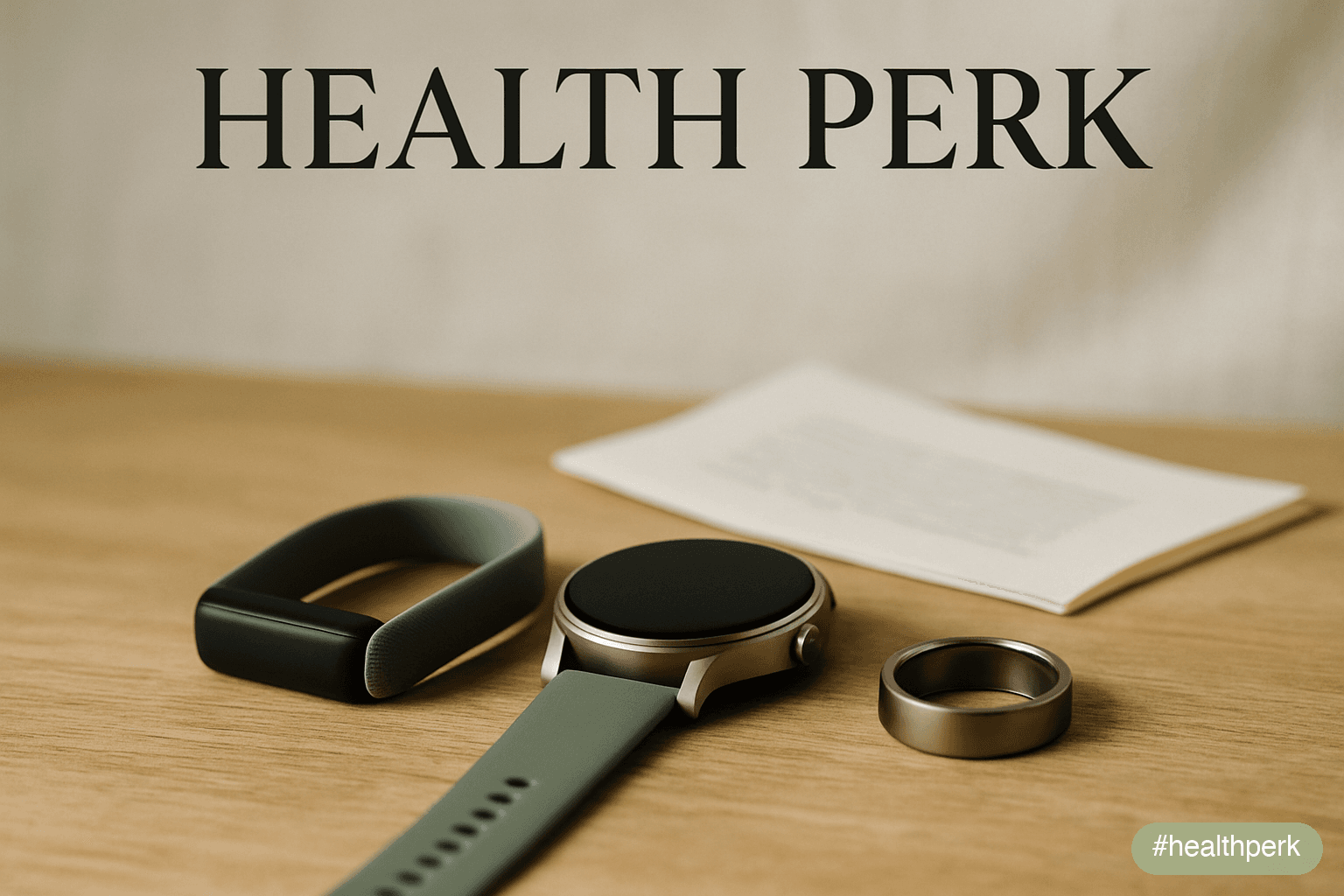
Wearable devices comparison biohacking is a comparison readers usually overthink. In 2026, the meaningful differences between mainstream wearables are smaller at the consumer level than ad copy implies, and the more impactful decisions are about how many wearables to own (ideally one) and which subscription model is acceptable.
A 2026 wearable-pick checklist:
- Sleep regularity, HRV trend, and resting heart rate as core outputs. Any wearable that surfaces these clearly without forcing a proprietary score on top is fundamentally fit for purpose.
- Battery life. A wearable that needs charging every night will see lower sleep adherence. 5-7 day battery life is a meaningful upgrade for sleep-focused users.
- Subscription model. A device that locks basic logging behind a monthly fee is more expensive than its sticker price; a one-time-purchase device with sufficient core features is often the better value.
- Form factor and skin tolerance. A finger ring suits users who do not want a wrist device; a wrist watch suits users who want continuous time and notifications. Both can support the same evidence-backed metrics.
- Data export and ownership. Wearables that allow export to a personal log are more durable; those that gate data behind a vendor app are more fragile across years.
Where to spend more, where to save
Spend more on battery life, sleep-regularity prominence, and a one-time-purchase model where possible. Save on premium materials, additional sensors that duplicate phone-based measurements, and aggregate "stress" or "biological age" scores. The marginal value of a $400 wearable over a $200 wearable for a typical user is rarely justified by the additional sensors; the marginal value of a $200 wearable over a $40 fitness tracker, by contrast, can be substantial.
The minimal-friction recommendation
One mainstream wearable that surfaces sleep regularity and HRV trend cleanly, used for 8-12 weeks at a time, reviewed weekly rather than daily, and replaced only when the data it provides materially changes a decision the reader is making.
Related Articles on HealthPerk
Explore more on this topic:
- Biohacking for Beginners
- How to Optimize Your Health Naturally
- Best Supplements for Longevity
- Anti Aging Supplements That Work
- Best Supplements for Focus and Concentration
- How to Improve Focus Naturally
Frequently Asked Questions
What are the real red light therapy benefits in 2026?
The defensible 2026 indications for home photobiomodulation are skin appearance and mild photoaging, localized musculoskeletal pain and post-exercise recovery, and androgenic alopecia, when devices use 630-680 nm and 800-850 nm wavelengths at disclosed irradiance for 10-20 minute sessions 3-5 times per week. Claims of lifespan extension, full-body "mitochondrial reset", thyroid normalization, autoimmune reversal, or fat loss are not supported by 2026 randomized trial evidence in consumer-device use.
Which red light therapy devices benefits are supported by RCT evidence?
The clearest RCT support is for skin appearance (collagen density, fine wrinkles, texture), local pain and post-exercise recovery, and androgenic alopecia. There is plausible but narrower evidence for tendinopathies, joint pain in osteoarthritis, and oral mucositis. Whole-body lifespan and "anti-aging" claims are not supported by consumer-device RCTs in 2026. Wavelength, irradiance, and dose specifics matter — devices that hide these behind proprietary scores deserve skepticism.
What biohacking devices for home are actually worth buying in 2026?
A defensible 2026 home stack is small: a red and near-infrared LED panel with disclosed irradiance, a basic upper-arm blood pressure monitor, a body composition scale, one validated wrist or finger wearable, a foam roller, a percussion massage gun, and optionally a cold plunge tub or chiller and compression sleeves. The pattern is to favor devices with clear indications, disclosed specifications, third-party certification, and time commitments the household will actually sustain over 12-week trials.
Which best longevity devices have the most evidence behind them?
The unglamorous tools — an upper-arm blood pressure monitor, a body composition scale, resistance bands and dumbbells for strength training, and a wearable focused on sleep regularity — produce more longevity effect than the premium $3,000 gadgets that dominate paid placement. Continuous glucose monitor trials and home lipid panels are reasonable periodic add-ons. Cardiometabolic risk control, sleep regularity, and muscle preservation drive the available longevity gains; devices are useful only insofar as they support these.
How accurate are wearable devices for optimization?
Modern wrist and finger wearables capture sleep regularity, resting heart rate trends, HRV trends (smoothed), and step counts at the trend level reasonably well, and these are the outputs worth acting on. Proprietary "stress scores", single-night "recovery scores", and emerging "biological age" features lack peer-reviewed validation linking score changes to clinically meaningful outcomes and should be read with caution. Wearables are weekly trend tools, not daily prescriptions.
Are cold therapy devices home worth the money?
Cold-water immersion at 10-15 °C for 2-5 minutes, 2-4 times per week, has consistent short-term effects on subjective recovery, mood, and alertness, and meta-analyses support reduced perceived muscle soreness after intense exercise. Lifespan extension, large hypertrophy gains, and "metabolic reset" claims are not supported by 2026 evidence in healthy consumers, and immediate post-resistance-training cold exposure can blunt strength and hypertrophy adaptations. A $200-$400 chest freezer adaptation or cold plunge tub can deliver the defensible benefits without a premium device.
Which devices for recovery optimization actually move the needle?
Percussion massage guns, compression sleeves, foam rollers, and pneumatic recovery boots reliably reduce perceived recovery time and soreness on time-scales of hours to a few days; effect sizes are real but small. Sauna exposure has a stronger evidence base, particularly for cardiovascular outcomes. None of these substitute for sleep, protein intake, or training periodization. A reasonable 2026 budget allocation is foam roller first, percussion gun and compression sleeves next, and pneumatic boots only for users training hard enough that they materially change a training decision.
Red light therapy vs cold therapy — which one should I pick?
They address different problems and most readers do not need both. Pick red light therapy for skin appearance goals, localized joint or tendon pain, post-exercise local recovery, or androgenic alopecia, or for users with cardiovascular contraindications to cold. Pick cold therapy for users who tolerate cold well, already have stable sleep and training, and want a short adherence-friendly stressor with mood and alertness effects, scheduled at least 4-6 hours away from resistance training. Neither has 2026 evidence for lifespan extension.
What should I look for in a wearable devices comparison biohacking guide?
Prioritize sleep regularity, HRV trend, and resting heart rate as core outputs; 5-7 day battery life; one-time-purchase models over subscription-locked basics; data export; and a form factor (wrist or ring) that the user will actually wear nightly. De-emphasize proprietary stress, recovery, or biological-age aggregate scores. One wearable used consistently outperforms two wearables used inconsistently. Replace only when the data materially changes a decision.
This article is for informational purposes only and does not constitute medical advice. Photobiomodulation (red light therapy), cold-water immersion, sauna exposure, and home recovery devices may interact with medical conditions including cardiovascular disease, uncontrolled hypertension, arrhythmias, Raynaud's phenomenon, peripheral vascular disease, pregnancy, photosensitive skin conditions, certain medications (including photosensitizing drugs, anticoagulants, and antihypertensives), and active malignancy, and may be inappropriate for adolescents and people with implanted devices. Eye protection should be used with high-power LED panels. Cold-water immersion should not be performed unsupervised in vulnerable users. Consult a qualified healthcare provider before starting any new device-based protocol, particularly if you take medications, have a medical condition, or are planning significant changes to training or recovery. Individual results vary.
About the author The HealthPerk Editorial Team reviews lifestyle, recovery, and longevity-device research through evidence synthesis cross-referenced with peer-reviewed clinical trials, Cochrane reviews, and clinical practice guidelines. Our biohacking content is reviewed for medical accuracy against current sports medicine, dermatology, cardiology, and internal medicine standards. How we review →
References
Avci, P., Gupta, A., Sadasivam, M., Vecchio, D., Pam, Z., Pam, N., & Hamblin, M. R. (2013). Low-level laser (light) therapy (LLLT) in skin: Stimulating, healing, restoring. Seminars in Cutaneous Medicine and Surgery, 32(1), 41-52. https://www.ncbi.nlm.nih.gov/pmc/articles/PMC4126803/
Supports: photobiomodulation in 630-680 nm and 800-850 nm wavelength ranges produces measurable effects on skin appearance, collagen, and wound healing
Wunsch, A., & Matuschka, K. (2014). A controlled trial to determine the efficacy of red and near-infrared light treatment in patient satisfaction, reduction of fine lines, wrinkles, skin roughness, and intradermal collagen density increase. Photomedicine and Laser Surgery, 32(2), 93-100. https://doi.org/10.1089/pho.2013.3616
Supports: red and near-infrared LED therapy produces measurable improvements in fine wrinkles, skin roughness, and intradermal collagen density
Leal-Junior, E. C. P., Vanin, A. A., Miranda, E. F., de Carvalho, P. de T. C., Dal Corso, S., & Bjordal, J. M. (2015). Effect of phototherapy (low-level laser therapy and light-emitting diode therapy) on exercise performance and markers of exercise recovery: A systematic review with meta-analysis. Lasers in Medical Science, 30(2), 925-939. https://doi.org/10.1007/s10103-013-1465-4
Supports: photobiomodulation reduces muscle soreness and supports post-exercise recovery in controlled trials
Afifi, L., Maranda, E. L., Zarei, M., Delcanto, G. M., Falto-Aizpurua, L., Kluijfhout, W. P., & Jimenez, J. J. (2017). Low-level laser therapy as a treatment for androgenetic alopecia. Lasers in Surgery and Medicine, 49(1), 27-39. https://doi.org/10.1002/lsm.22512
Supports: low-level laser and LED therapy produces modest hair-count and hair-density gains in androgenic alopecia
Roberts, L. A., Raastad, T., Markworth, J. F., Figueiredo, V. C., Egner, I. M., Shield, A., ... & Peake, J. M. (2015). Post-exercise cold water immersion attenuates acute anabolic signalling and long-term adaptations in muscle to strength training. The Journal of Physiology, 593(18), 4285-4301. https://doi.org/10.1113/JP270570
Supports: immediate post-resistance-training cold-water immersion attenuates long-term strength and hypertrophy adaptations
Hohenauer, E., Taeymans, J., Baeyens, J. P., Clarys, P., & Clijsen, R. (2015). The effect of post-exercise cryotherapy on recovery characteristics: A systematic review and meta-analysis. PLOS ONE, 10(9), e0139028. https://doi.org/10.1371/journal.pone.0139028
Supports: post-exercise cold-water immersion reduces perceived muscle soreness in healthy adults
Windred, D. P., Burns, A. C., Lane, J. M., Saxena, R., Rutter, M. K., Cain, S. W., & Phillips, A. J. K. (2024). Sleep regularity is a stronger predictor of mortality risk than sleep duration: A prospective cohort study. Sleep, 47(1), zsad253. https://doi.org/10.1093/sleep/zsad253
Supports: sleep regularity, measurable by wearables, independently predicts mortality beyond sleep duration
Paluch, A. E., Bajpai, S., Bassett, D. R., Carnethon, M. R., Ekelund, U., Evenson, K. R., ... & Steps for Health Collaborative. (2022). Daily steps and all-cause mortality: A meta-analysis of 15 international cohorts. The Lancet Public Health, 7(3), e219-e228. https://doi.org/10.1016/S2468-2667(21)00302-9
Supports: step counts measured by consumer wearables associate with substantial mortality reductions at trend level
Laukkanen, T., Khan, H., Zaccardi, F., & Laukkanen, J. A. (2015). Association between sauna bathing and fatal cardiovascular and all-cause mortality events. JAMA Internal Medicine, 175(4), 542-548. https://doi.org/10.1001/jamainternmed.2014.8187
Supports: regular sauna bathing associates with reduced cardiovascular and all-cause mortality, supporting heat exposure as a recovery and longevity input
Hamblin, M. R. (2017). Mechanisms and applications of the anti-inflammatory effects of photobiomodulation. AIMS Biophysics, 4(3), 337-361. https://doi.org/10.3934/biophy.2017.3.337
Supports: mechanistic basis of photobiomodulation via cytochrome c oxidase and mitochondrial activity at specific wavelengths
Frequently Asked Questions
What are the real red light therapy benefits in 2026?
The defensible 2026 indications for home photobiomodulation are skin appearance and mild photoaging, localized musculoskeletal pain and post-exercise recovery, and androgenic alopecia, when devices use 630-680 nm and 800-850 nm wavelengths at disclosed irradiance for 10-20 minute sessions 3-5 times per week. Claims of lifespan extension, full-body mitochondrial reset, thyroid normalization, autoimmune reversal, or fat loss are not supported by 2026 randomized trial evidence in consumer-device use.
Which red light therapy devices benefits are supported by RCT evidence?
The clearest RCT support is for skin appearance, local pain and post-exercise recovery, and androgenic alopecia. There is plausible but narrower evidence for tendinopathies, joint pain in osteoarthritis, and oral mucositis. Whole-body lifespan and anti-aging claims are not supported by consumer-device RCTs in 2026. Wavelength, irradiance, and dose specifics matter.
What biohacking devices for home are actually worth buying in 2026?
A defensible 2026 home stack is small: a red and near-infrared LED panel with disclosed irradiance, a basic upper-arm blood pressure monitor, a body composition scale, one validated wrist or finger wearable, a foam roller, a percussion massage gun, and optionally a cold plunge tub and compression sleeves. Favor devices with clear indications, disclosed specifications, third-party certification, and sustainable time commitments.
Which best longevity devices have the most evidence behind them?
The unglamorous tools — an upper-arm blood pressure monitor, a body composition scale, resistance bands and dumbbells for strength training, and a wearable focused on sleep regularity — produce more longevity effect than premium gadgets. Cardiometabolic risk control, sleep regularity, and muscle preservation drive the available longevity gains; devices are useful only insofar as they support these.
How accurate are wearable devices for optimization?
Modern wrist and finger wearables capture sleep regularity, resting heart rate trends, HRV trends (smoothed), and step counts at the trend level reasonably well. Proprietary stress scores, single-night recovery scores, and biological age features lack peer-reviewed validation linking score changes to clinically meaningful outcomes. Wearables are weekly trend tools, not daily prescriptions.
Are cold therapy devices home worth the money?
Cold-water immersion at 10-15 °C for 2-5 minutes, 2-4 times per week, has consistent short-term effects on subjective recovery, mood, alertness, and perceived soreness. Lifespan extension, large hypertrophy gains, and metabolic reset claims are not supported by 2026 evidence, and immediate post-resistance-training cold exposure can blunt strength and hypertrophy adaptations. A chest freezer adaptation or cold plunge tub delivers the defensible benefits without a premium device.
Which devices for recovery optimization actually move the needle?
Percussion massage guns, compression sleeves, foam rollers, and pneumatic recovery boots reliably reduce perceived recovery time and soreness on hours-to-days time scales. Sauna exposure has a stronger evidence base for cardiovascular outcomes. None substitute for sleep, protein intake, or training periodization. A reasonable budget: foam roller first, percussion gun and compression sleeves next, pneumatic boots only for high training volumes.
Red light therapy vs cold therapy — which one should I pick?
They address different problems and most readers do not need both. Pick red light therapy for skin appearance, localized joint or tendon pain, post-exercise local recovery, or androgenic alopecia, or for users with cardiovascular contraindications to cold. Pick cold therapy for users who tolerate cold well and want a short adherence-friendly stressor with mood and alertness effects, scheduled at least 4-6 hours away from resistance training.
What should I look for in a wearable devices comparison biohacking guide?
Prioritize sleep regularity, HRV trend, and resting heart rate as core outputs; 5-7 day battery life; one-time-purchase models over subscription-locked basics; data export; and a form factor (wrist or ring) the user will actually wear nightly. De-emphasize proprietary stress, recovery, or biological-age aggregate scores.
More from Supplements