How to Lose Belly Fat Naturally: An Evidence-Based 2026 Guide
How to Lose Belly Fat Naturally: An Evidence-Based 2026 Guide
By the HealthPerk Editorial Team · Last updated: May 2026
Quick Answer
What is the most effective way to lose belly fat naturally?
Belly fat — visceral fat surrounding organs plus subcutaneous fat under the skin — responds to a small set of structural inputs rather than any single trick. A moderate calorie deficit, protein at 0.7–1.0 g/lb of body weight, 2–3 weekly resistance sessions, 7,000–10,000 daily steps, 7+ hours of sleep, and managed stress will reduce waist circumference within 8–12 weeks in most adults. Spot reduction does not work; the abdomen is one of the more stubborn fat depots and responds to overall energy balance rather than crunches. Supplements (green tea extract, soluble fiber) add a small edge; apple cider vinegar produces a modest effect that depends on adherence over months.
Pick the highest-leverage lever for your current pattern:
| If your situation is… | Highest-leverage lever | Realistic effect |
|---|---|---|
| Sedentary, no resistance training | Add 2–3 weekly lifts + 8,000 daily steps | -2 to -4 cm waist in 12 weeks |
| Already training but low protein | Raise protein to 0.7–1.0 g/lb | Preserves lean mass, improves composition |
| Chronic short sleep | Extend sleep to 7+ hours with stable timing | -270 kcal/day spontaneous intake; lower cortisol |
| High alcohol intake | Reduce to ≤3 drinks/week | Removes a major visceral-fat driver |
| Adequate baseline, plateaued | Add soluble fiber 25–35 g/day + green tea extract | Modest waist-circumference reduction |

The abdomen draws more anxiety than any other body region in weight management, and most of that anxiety is misplaced onto the wrong levers — crunches, "fat-burning" creams, waist trainers, detox teas. The honest physiology: belly fat is metabolically active tissue that responds to sustained caloric balance, protein intake, sleep, stress, and movement. How to lose belly fat naturally is therefore a question about the structure of a day and a week, not about any single food, exercise, or supplement.
By 2026, the evidence base has consolidated around what works (moderate deficits, resistance training, protein, sleep, fiber) and what does not (spot reduction, detoxes, waist trainers, most "thermogenic" stacks). The encouraging part: visceral fat — the more dangerous depot, wrapping organs and driving cardiometabolic risk — responds faster than subcutaneous fat to the right inputs. Waist circumference can drop 2–4 cm in 12 weeks at a sustainable pace, even when scale weight falls more slowly.
Table of Contents
- How to Lose Belly Fat Naturally: The Core Protocol
- Stubborn Belly Fat Causes
- Difficulty Losing Belly Fat: Why the Stomach Resists
- How to Burn Fat Without Exercise
- Supplements for Belly Fat Reduction
- Best Exercises for Weight Loss Beginners
- A Daily Routine for Fat Loss
- Fat Loss Tips for Men
- Frequently Asked Questions
- References
How to Lose Belly Fat Naturally: The Core Protocol
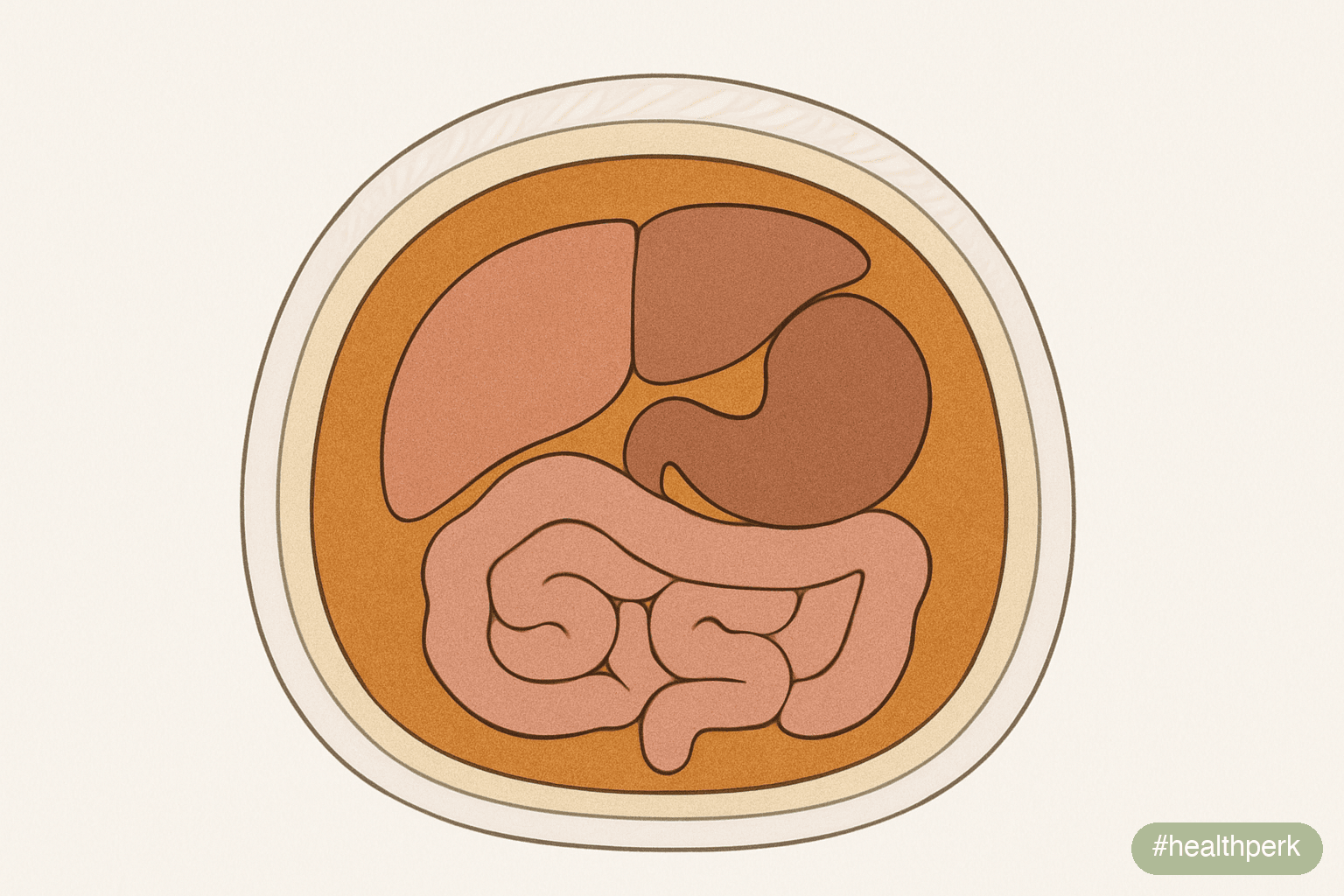
The first move in how to lose belly fat naturally is to know what tissue you are actually trying to shift. Belly fat is two distinct depots: visceral adipose tissue (VAT), which surrounds the liver, pancreas, and intestines, and subcutaneous adipose tissue (SAT), which sits between muscle and skin. VAT is more metabolically active, drives insulin resistance and inflammation, and responds faster to behavioral change. SAT is the depot you can pinch; it shrinks more slowly but accounts for most of the visible "belly."
A 2018 European Journal of Clinical Nutrition meta-analysis of 19 trials found that combined diet plus exercise interventions reduced visceral fat by 1.4 kg on average over 12+ weeks, while diet-only and exercise-only interventions produced smaller effects (Verheggen et al., 2016).
The structural inputs with the strongest 2026 evidence:
- A moderate caloric deficit of 15–25% below maintenance. Aggressive deficits accelerate lean-mass loss and rebound; moderate deficits sustain composition shift.
- Protein at 0.7–1.0 g/lb body weight to preserve lean mass and support satiety.
- Resistance training 2–4 times weekly with progressive load — the primary signal for lean-mass retention during a deficit.
- 7,000–10,000 daily steps to protect non-exercise activity thermogenesis (NEAT).
- 7+ hours of sleep with stable timing — short sleep amplifies visceral fat deposition independent of caloric intake.
- Soluble fiber at 25–35 g/day from oats, legumes, vegetables, and fruit — slows gastric emptying, supports satiety, and is independently associated with lower visceral fat (Hairston et al., 2012).
- Alcohol below 3 drinks per week — alcohol calories preferentially deposit as visceral fat and suppress fat oxidation for hours after consumption.
A practical 12-week protocol that captures most of the effect: 3 weekly lifts (full-body or upper/lower split), 8,000+ daily steps, 0.8 g/lb protein, 30 g fiber daily, 7+ hours of sleep, and a 20% caloric deficit. Most adults will see 2–4 cm of waist-circumference reduction by week 12 even when scale weight falls less than expected.
Stubborn Belly Fat Causes

Stubborn belly fat causes rarely come from a single dietary culprit. The pattern almost always reflects a cluster of structural inputs that together favor visceral fat deposition over time. Understanding the cluster is what makes intervention sustainable.
The drivers with the strongest 2026 evidence:
- Chronic energy surplus. The primary driver. Visceral fat does not deposit without a sustained caloric surplus over weeks to months.
- Insulin resistance. Elevated insulin promotes lipid storage in visceral tissue. Insulin resistance often develops before frank diabetes and can persist for years undiagnosed.
- Chronic stress and elevated cortisol. Cortisol promotes visceral fat deposition, particularly when combined with caloric surplus and short sleep (Epel et al., 2000).
- Short sleep duration. Adults sleeping under 6 hours have measurably higher visceral fat at any given weight; sleep-restricted dieters lose less fat and more lean mass than rested peers (Nedeltcheva et al., 2010).
- Alcohol intake above 3–5 drinks/week. Alcohol calories preferentially deposit as visceral fat; ethanol suppresses fat oxidation for hours.
- Low protein, low fiber dietary patterns. Drive overconsumption through poor satiety; protein under 0.5 g/lb body weight accelerates lean-mass loss during any deficit.
- Sedentary daily structure. Sitting more than 9 hours daily is associated with higher visceral fat independent of formal exercise.
- Perimenopausal hormonal shifts in women — declining estrogen redistributes fat toward the abdomen.
- Genetic predisposition. Family history of central obesity predicts where weight is deposited, not whether it can be addressed.
The frame that helps: the abdomen is the "balance sheet" of the past 6–24 months of lifestyle. It reflects sustained inputs more than recent ones. The same logic applies to reduction — meaningful changes appear at the 8–12 week mark and consolidate across months.
Difficulty Losing Belly Fat: Why the Stomach Resists
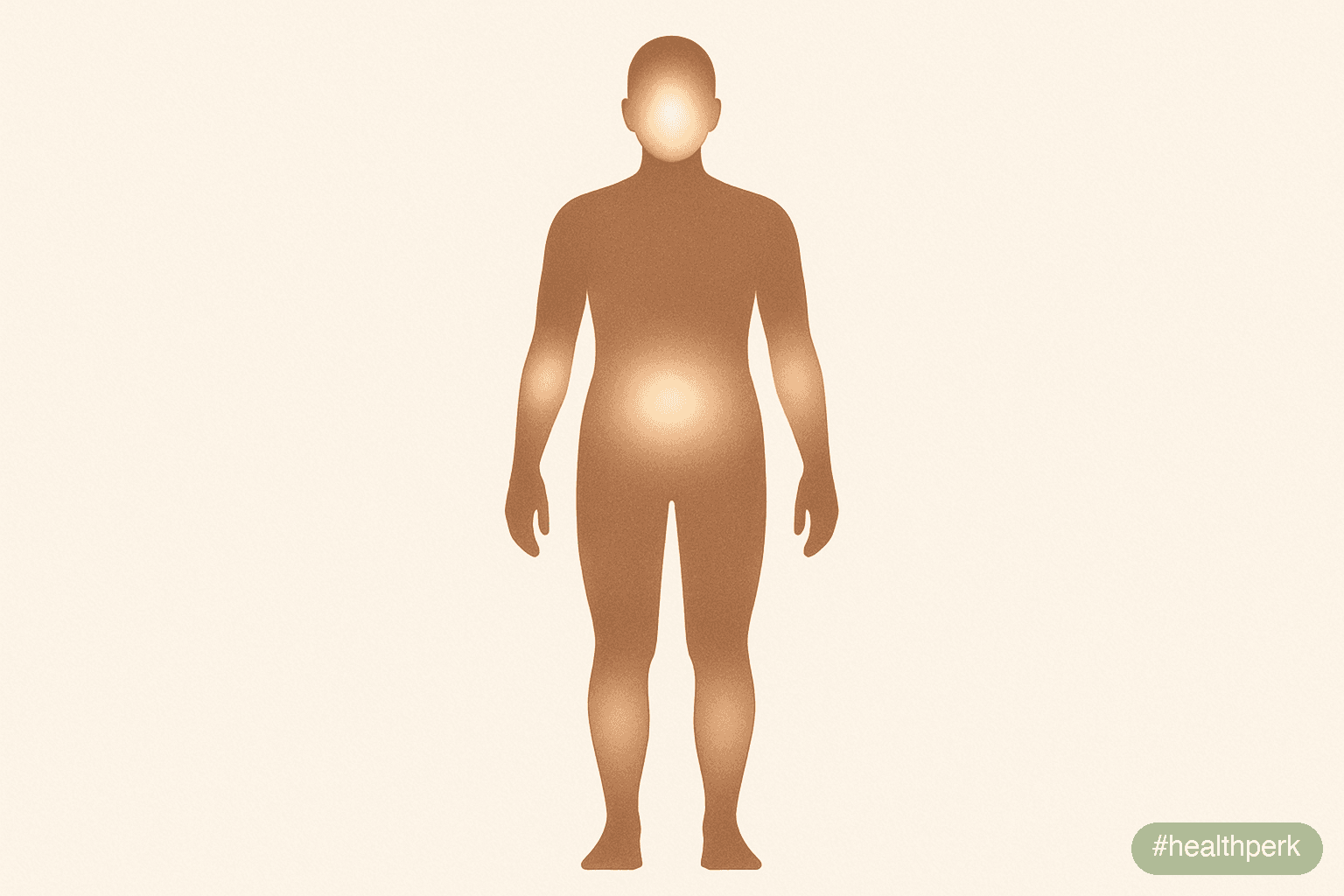
Difficulty losing belly fat is a near-universal experience in weight loss, and it is not evidence of a metabolic defect — it reflects how regional fat loss is ordered. The abdomen, particularly in adult men and post-menopausal women, is biologically primed to retain fat longer than the face, arms, and chest. Several mechanisms compound this pattern.
The mechanisms in 2026 evidence:
- Alpha-2 adrenergic receptor density. Abdominal fat cells have a higher density of alpha-2 receptors, which inhibit lipolysis (fat breakdown). Limbs have more beta-adrenergic receptors, which promote lipolysis. This creates a regional bias toward holding abdominal fat.
- Lower blood flow to abdominal fat cells. Reduces delivery of lipolytic signals and slows fat mobilization.
- Higher cortisol sensitivity. Visceral fat cells are particularly responsive to cortisol; chronic stress slows abdominal fat loss disproportionately.
- Sex hormone effects. Testosterone in men and estrogen in premenopausal women both modulate fat distribution. Declines in either (aging in men, perimenopause in women) shift fat toward the abdomen.
- Regional adipose insulin resistance. Visceral fat cells become less responsive to insulin's anti-lipolytic signal as obesity progresses, but more responsive in adipose tissue inflammation — a complex pattern that can favor or oppose loss depending on context.
- Order of fat-loss preference. Most adults lose face and limb fat first, abdomen second to last, lower-back/hips last. Patience is biologically warranted.
What this means practically: the right inputs are working before the mirror shows it. A waist measurement tracked weekly will detect change 4–6 weeks before progress photos and 6–10 weeks before subjective "looking different." Stopping the protocol because the abdomen has not visibly changed in 4 weeks is the most common reason fat-loss efforts fail.
The honest framing: if waist circumference, weight, and strength performance all move in the right direction across 8–12 weeks, the protocol is working — even if the abdomen still looks the same.
How to Burn Fat Without Exercise
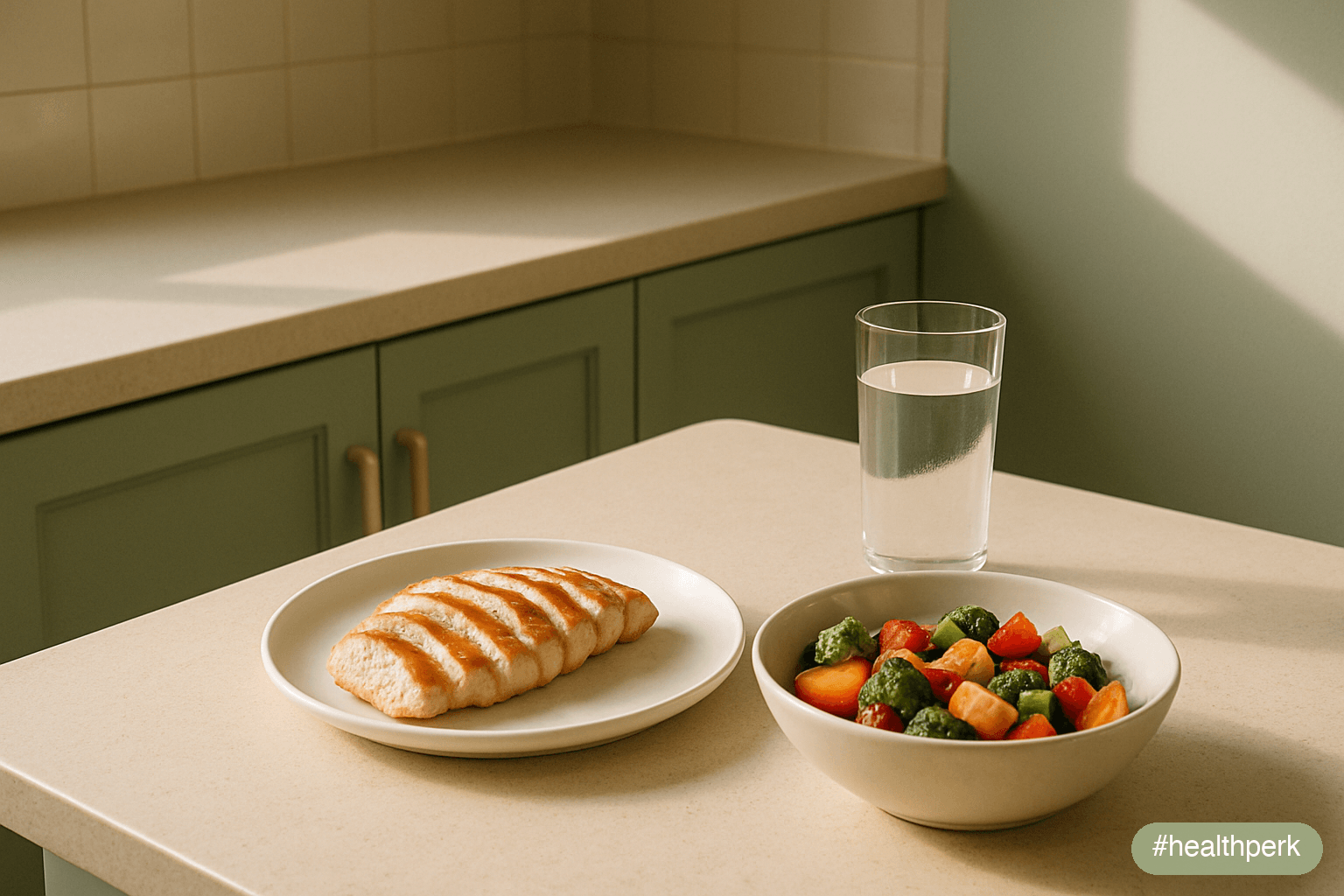
How to burn fat without exercise is a fair question — for people recovering from injury, with limited time, or starting from a sedentary baseline. The honest framing: most fat loss comes from diet and daily lifestyle rather than from formal workouts. A reasonable 70/30 rule applies — roughly 70% of fat-loss outcomes track diet, sleep, and daily movement; 30% tracks formal exercise.
The non-exercise inputs that produce measurable fat loss:
- A moderate caloric deficit of 15–25% below maintenance — the only non-negotiable. Without it, no other input produces sustained fat loss.
- Protein at 0.7–1.0 g/lb body weight. The thermic effect of protein (20–30%) means roughly 100 kcal/day of additional thermogenesis at higher intakes, plus satiety that reduces spontaneous overeating (Pesta & Samuel, 2014).
- Soluble fiber at 25–35 g/day. Slows gastric emptying, improves satiety, supports insulin sensitivity, and is independently linked to lower visceral fat.
- Daily steps at 7,000–10,000. Walking is exercise in a sense, but the threshold is achievable without a gym, and each 1,000 steps adds 30–50 kcal/day in most adults.
- Sleep extension to 7+ hours if currently short — reduces spontaneous caloric intake by ~270 kcal/day in habitually short sleepers (Tasali et al., 2022).
- Reduced alcohol intake. Eliminates a major visceral-fat driver and removes 100–200 kcal per drink.
- Hydration with water rather than caloric beverages. Cutting one daily sugar-sweetened beverage often removes 100–250 kcal/day with no exercise change.
- Time-restricted eating, where it improves adherence. An 8–10 hour eating window often produces a 200–300 kcal daily reduction without conscious tracking (Cienfuegos et al., 2020).
What this approach cannot do as well as adding training: preserve lean mass during the deficit. Without resistance training, 25–35% of weight loss comes from lean tissue rather than fat — leaving body fat percentage less changed than expected. Even 1–2 brief resistance sessions weekly substantially improves the composition of the loss, and these can be done at home with bodyweight or minimal equipment.
A reasonable no-gym protocol: 20% caloric deficit, 0.8 g/lb protein, 30 g fiber daily, 8,000+ daily steps, 7+ hours of sleep, ≤3 drinks/week, and one weekly bodyweight resistance session (push-ups, squats, lunges, rows, planks). Most adults will see 2–3 cm waist reduction in 12 weeks.
Supplements for Belly Fat Reduction
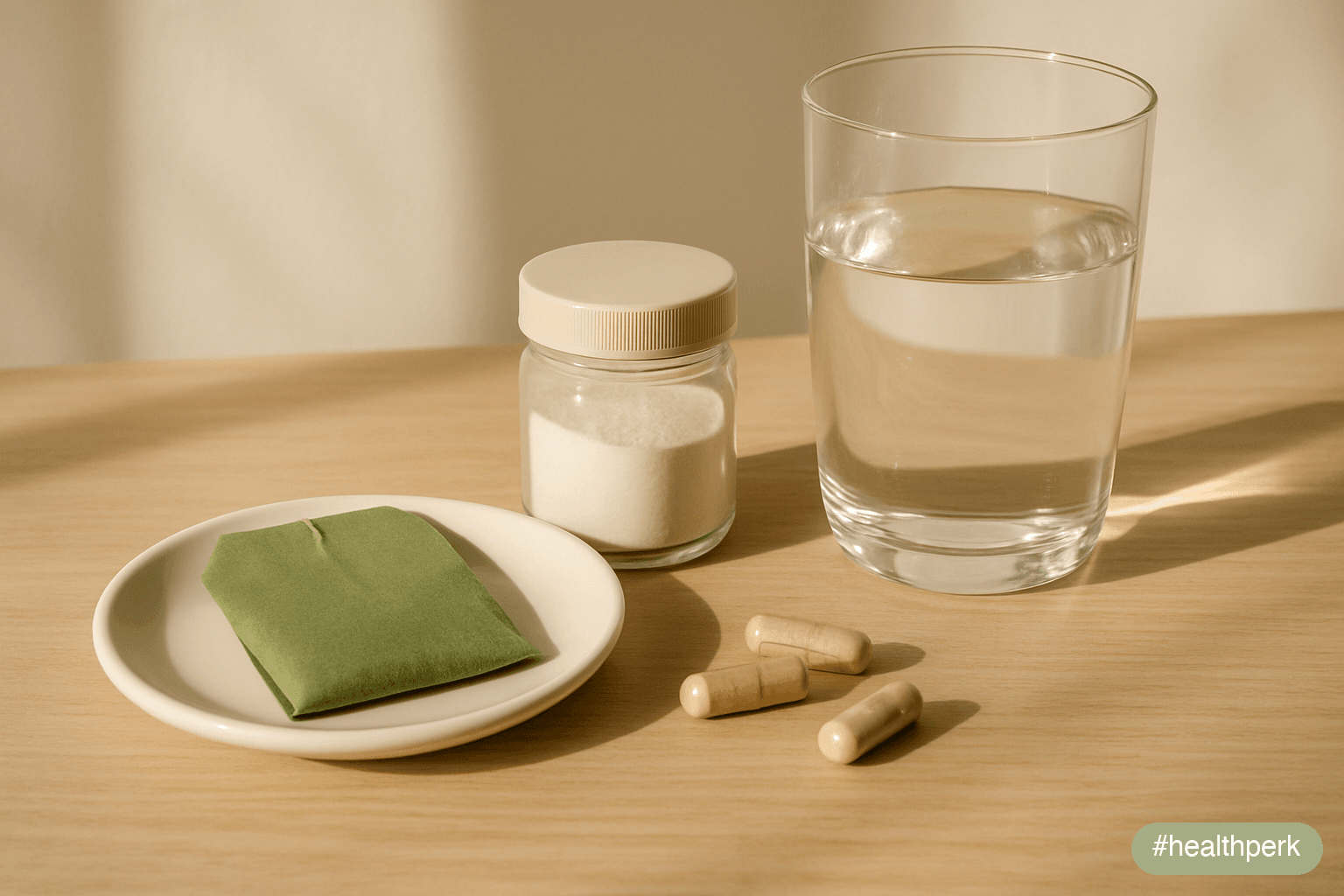
Supplements for belly fat reduction add a small edge to a working protocol. None substitute for caloric balance, protein, and sleep. The compounds with credible randomized-trial evidence produce modest waist-circumference reductions over 12+ weeks when stacked with adequate diet and training.
The compounds with the strongest 2026 evidence for visceral or abdominal fat:
- Soluble fiber (psyllium, glucomannan, oat beta-glucan). 10–15 g/day supplemental, on top of dietary fiber. A 2017 American Journal of Clinical Nutrition meta-analysis found soluble fiber supplementation produced modest reductions in waist circumference (~1.4 cm) over 12+ weeks (Thompson et al., 2017).
- Green tea extract (EGCG). 400–500 mg EGCG daily produces small thermogenic effects and modest waist reduction when paired with caffeine and resistance training (Lin et al., 2020).
- Caffeine. 3–6 mg/kg pre-training raises 24-hour expenditure 3–4% and supports training performance (Tabrizi et al., 2019).
- Protein powder. Not a thermogenic per se, but the most reliable way to hit 0.7–1.0 g/lb protein — the highest-leverage dietary input for body composition.
- Probiotics (specific strains). Certain Lactobacillus strains (e.g., L. gasseri SBT2055) show modest visceral fat reductions in small trials; the strain specificity matters and the effect is small.
What does not have credible evidence for belly fat reduction in 2026: garcinia cambogia, raspberry ketones, CLA at consumer doses, "detox" teas, and most proprietary belly-fat-burning blends whose effects come from caffeine content alone.
Apple cider vinegar weight loss effectiveness
Apple cider vinegar weight loss effectiveness is one of the most-searched topics in the category and one where the evidence has actually firmed up by 2026 — modestly. A 2024 randomized trial in 120 adults with overweight found that 15 ml of apple cider vinegar daily over 12 weeks produced a placebo-adjusted weight loss of about 4 kg and a modest waist-circumference reduction (Abou-Khalil et al., 2024). The effect was larger at 12 weeks than at 4 or 8 weeks, suggesting gradual adherence-dependent change.
Mechanism: acetic acid slows gastric emptying (modest satiety effect), reduces postprandial glucose and insulin spikes (improves insulin sensitivity over time), and may modestly increase fat oxidation. The effects are small per dose; clinical relevance depends on adherence over months.
Practical use: 15 ml (1 tablespoon) diluted in 200 ml water before one or two meals daily. Always dilute to protect tooth enamel and esophageal lining. Side effects include indigestion at higher doses and rare interactions with diuretics and insulin. Apple cider vinegar is not a primary fat-loss intervention; treat it as a small consistent edge layered on the structural inputs.
The 2024 finding has been criticized for methodological limitations (single-site, possible inadequate blinding), so the effect size should be interpreted cautiously and may attenuate in replication. Expect modest results at best, and prioritize fiber, protein, and sleep over vinegar.
Best Exercises for Weight Loss Beginners
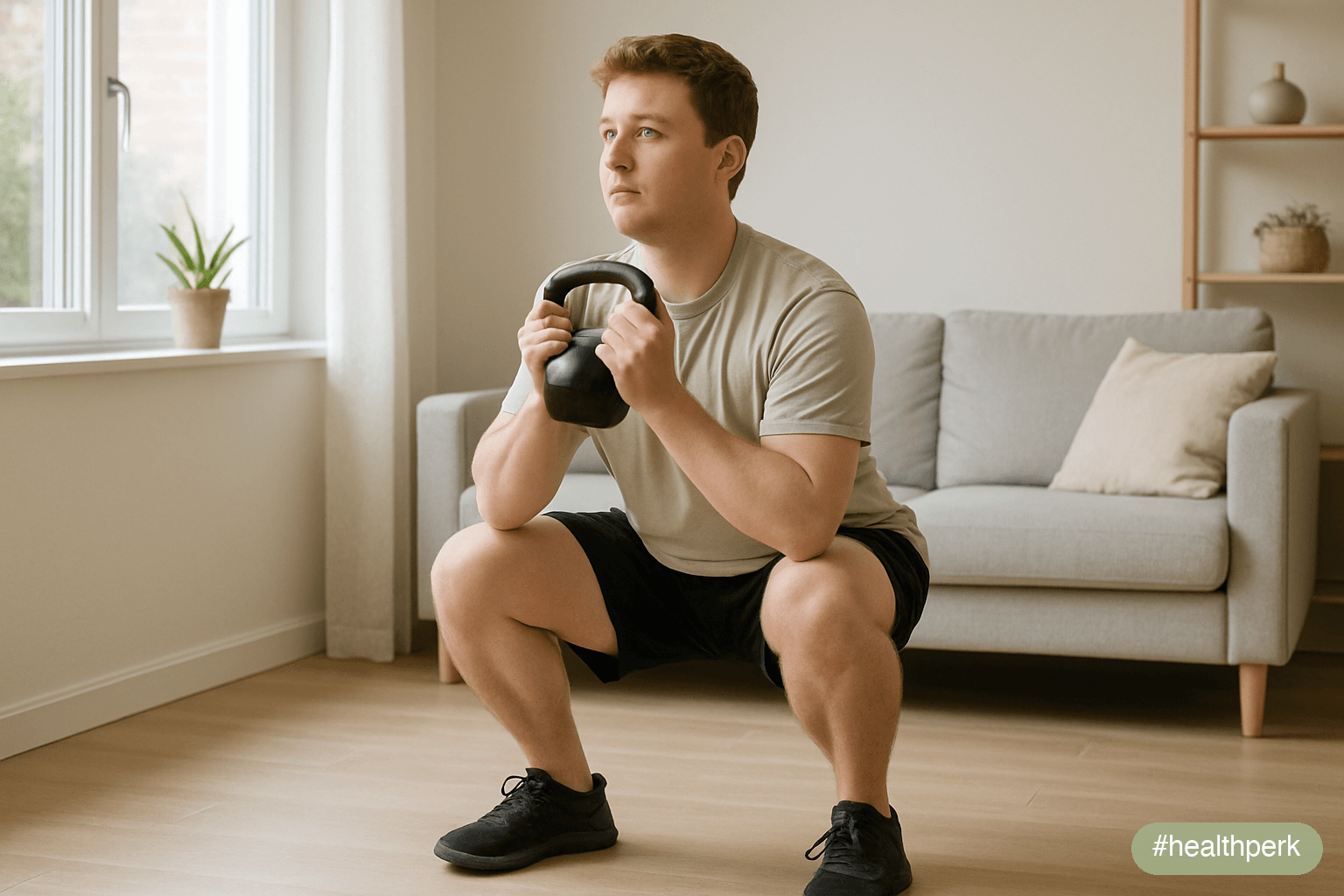
Best exercises for weight loss beginners prioritize three criteria: high energy expenditure per unit time, sufficient training stimulus to preserve or build lean mass, and low injury risk to support consistency. Beginners progress faster than experienced trainees on almost every metric, so even simple programs produce strong outcomes in the first 12–24 weeks.
The exercise categories with the strongest 2026 evidence for fat loss:
- Compound resistance movements. Squats, deadlifts (or hip hinges), lunges, presses, rows, and carries train multiple large muscle groups simultaneously. They produce the highest training expenditure, the strongest lean-mass signal, and the largest EPOC ("afterburn") effect. Begin with bodyweight or light dumbbells, focus on form, progress load over weeks.
- Walking. The most under-prescribed fat-loss tool. 7,000–10,000 daily steps adds 200–400 kcal/day expenditure with near-zero injury risk and no recovery cost. Acceptable for daily use.
- Brisk walking on incline. A 5–10% incline at 3.5 mph approaches the metabolic cost of jogging at a fraction of the joint stress — particularly useful for beginners with knee or hip concerns.
- Cycling (stationary or outdoor). Low-impact, sustainable for 30–60 minutes, builds aerobic capacity, supports recovery on non-lifting days.
- Swimming and aqua aerobics. Joint-friendly, full-body, good for adults with significant excess weight or orthopedic limitations.
- Bodyweight circuit training. Push-ups, squats, lunges, planks, glute bridges arranged as a 20–30 minute circuit. Builds strength endurance and produces meaningful caloric expenditure.
A reasonable 12-week beginner protocol:
- Weeks 1–4. 2 weekly full-body resistance sessions (45 min each) with 4–5 compound movements at 2 sets each. 7,000 daily steps. One longer walk (30–45 min) on the weekend.
- Weeks 5–8. 3 weekly resistance sessions, progress sets to 3, add load progressively. 8,000 daily steps. Add one optional cycling or incline-walking session of 20–30 min.
- Weeks 9–12. 3 weekly resistance sessions with 3 sets and continued load progression. 9,000–10,000 daily steps. Optional second cardio session.
What does not produce meaningful fat loss in beginners: long isolated cardio without resistance training (loses lean mass alongside fat), spot-reduction exercises like sit-ups and crunches alone (no measurable abdominal-fat effect from local exercise), and excessive volume that exceeds recovery capacity. More is not better — recoverable training, consistently completed, beats ambitious programs that get abandoned.
The honest expectation for beginners: 0.5–1.0% body weight loss per week, 1–3 kg of lean-mass gain over the first 12 weeks (the "newbie gains" effect), and 2–4 cm of waist reduction by week 12 in adults with adequate protein and sleep.
A Daily Routine for Fat Loss
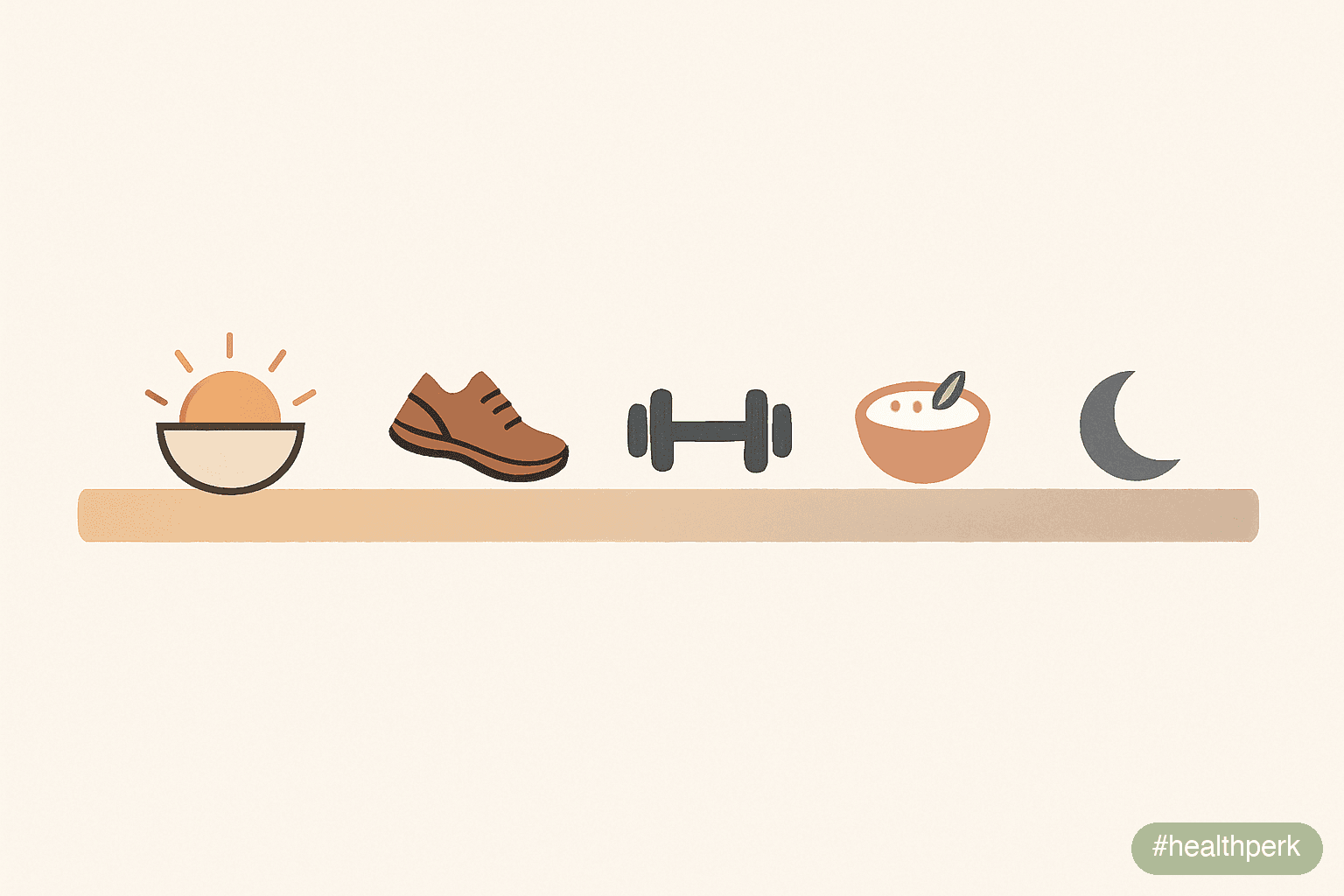
Daily routine for fat loss is where the structural inputs become a livable schedule. The compound effect of a well-structured day is larger than any single dietary tweak — and crucially, it is repeatable indefinitely, which is what produces 12-week and 12-month results.
A realistic weekday template for an adult targeting fat loss:
- 6:30–7:00 am — Wake at a consistent time. Stable wake times stabilize circadian rhythm, hunger hormones, and energy. 7+ hours since lights-out is the floor.
- 7:00–7:30 am — 10–15 min of daylight exposure. Anchors circadian timing, improves later sleep quality.
- 7:30–8:00 am — Protein-anchored breakfast. 30–40 g protein (eggs, Greek yogurt, cottage cheese, or protein shake), fiber (oats, berries, or vegetables), water. Coffee acceptable.
- 9:00 am–12:00 pm — Work block with stand/walk breaks. Brief movement every 60–90 min — even a 2-minute walk to refill water — preserves NEAT and prevents the postural-fatigue snack pattern.
- 12:00–1:00 pm — Protein-anchored lunch. 30–40 g protein, vegetables, complex carbohydrate, 500 ml water.
- 1:00–5:00 pm — Afternoon work with one short walk (15–20 min) — outside if possible. Adds 1,500–2,500 steps and improves afternoon energy without caffeine.
- 5:30–6:30 pm — Resistance training (3 days/week) or active recovery walk (other days). Pre-workout caffeine and 20–30 g protein within 1 hour after, on training days.
- 7:00–8:00 pm — Protein-anchored dinner. 30–40 g protein, vegetables, lower carbohydrate. Stop eating 2–3 hours before bed if possible.
- 9:00–10:00 pm — Wind-down. Reduce screens, dim lights, light reading, no work email.
- 10:00–10:30 pm — Lights out. Target 7+ hours sleep for 6:30 am wake.
Weekly totals from this template: 4 weekly protein-anchored meals × 7 days = 4 × 30–40 g = 120–160 g protein daily, 8,000–10,000 daily steps, 3 resistance sessions, 7+ hours nightly sleep, 2+ liters water daily. This template alone — without supplement protocols or caloric tracking — produces consistent fat loss in adults coming from a less structured baseline.
Realistic adjustments by life pattern:
- Shift workers. Anchor protein meals around your wake, not clock time. Prioritize sleep duration over consistency.
- Parents of young children. Compress training to 30-minute home sessions; replace evening walks with stroller walks.
- High-travel work. Pack protein bars or shakes for unreliable meal access; use hotel gyms or 20-minute bodyweight sessions.
- Long commute. Walking commute segments (parking farther, partial walking) often add 2,000–3,000 steps without separate "exercise time."
The honest framing: the routine is the protocol. Supplements, fasting protocols, and specific exercises are details that matter only on the foundation of a livable daily structure.
Fat Loss Tips for Men

Fat loss tips for men require addressing some physiological and behavioral patterns that differ from women's fat-loss protocols, even though the core inputs (deficit, protein, training, sleep) are identical. Men carry more lean mass, lose weight slightly faster than women at the same relative deficit, but also tend to underestimate alcohol intake, neglect sleep, and rely more on cardio than resistance training.
The tips with the strongest 2026 evidence:
- Resistance training is the highest-leverage input. Men's higher baseline testosterone and lean-mass response make resistance training disproportionately effective. 3 weekly sessions produce 1–3 kg of lean-mass gain in beginners over 12 weeks, alongside fat loss.
- Hit protein at 0.7–1.0 g/lb body weight. Most men under-consume protein, often eating 0.4–0.5 g/lb. Raising to 0.8 g/lb often produces visible composition change without any other input over 8–12 weeks.
- Audit alcohol honestly. A "couple of drinks with dinner" pattern often runs 800–1,500 weekly calories of alcohol that preferentially deposit as visceral fat. Reducing to ≤3 drinks/week is one of the highest-leverage moves available.
- Sleep matters more than you think. Short sleep tanks testosterone, raises cortisol, increases visceral fat deposition, and reduces training quality. 7+ hours is non-negotiable.
- Walk more. Men often skew toward bursts of intense activity (weekend hikes, occasional sports) and a sedentary weekday baseline. 7,000–10,000 daily steps closes a major expenditure gap.
- Track waist, not just weight. Visceral fat reduction is the cardiometabolic priority; waist circumference is a better proxy than scale weight. Target less than half your height in cm.
- Realistic rate. 0.5–1.0% body weight loss per week — for a 200 lb adult, 1–2 lb/week. Faster than this in men sacrifices lean mass.
- Address insulin sensitivity. Insulin resistance affects roughly 1 in 3 American men by 2026 prevalence estimates. Fiber 30+ g/day, walking after meals, lower added-sugar intake, and resistance training all improve it (Soliman, 2024).
- Get a basic health panel. TSH, fasting glucose, HbA1c, lipid panel, and total testosterone are inexpensive and decisive for any man with stubborn central obesity. Low testosterone is common and treatable; thyroid issues less common but worth ruling out.
A realistic 12-week protocol for men: 20% caloric deficit, 0.8 g/lb protein, 3 weekly full-body resistance sessions with progressive load, 9,000 daily steps, 7.5 hours sleep, alcohol under 3 drinks/week, and 30+ g daily fiber. Expected outcome: 4–8 kg of fat loss, 1–2 kg of lean-mass gain (in beginners), 3–5 cm waist reduction, and visible composition change by week 12.
Common errors specific to male fat-loss patterns:
- Cardio without resistance training. Loses lean mass, leaves body fat percentage relatively unchanged.
- Weekend overcompensation. A clean weekday diet wiped out by Friday-Sunday excess. Often 2,000–4,000 kcal weekly surplus that prevents progress entirely.
- All-or-nothing approach. Two-week sprints followed by 10-week relapse. Consistency at 80% effort beats sporadic 100%.
- Ignoring lower-body training. Skipping leg day removes the largest training stimulus available for lean-mass maintenance.
Related Articles on HealthPerk
Explore more on this topic:
- How to Boost Metabolism Naturally
- Why Can't I Lose Weight Even Dieting?
- Best Supplements for Weight Loss
- Natural Appetite Suppressants That Work
- Hormonal Weight Gain Causes
Frequently Asked Questions
How long does it take to lose belly fat naturally?
For most adults on a reasonable protocol (15–25% caloric deficit, protein at 0.7–1.0 g/lb, 2–3 weekly resistance sessions, 7,000–10,000 daily steps, 7+ hours sleep), waist circumference begins to decline at week 3–4 and shows clear cumulative change by week 8–12. Expected reduction in 12 weeks is 2–4 cm. Visceral fat (the deeper, more dangerous depot) responds faster than subcutaneous fat — meaning cardiometabolic risk drops before the abdomen visibly changes. Sustained protocols across 6 months produce the cleanest composition results.
What are the main stubborn belly fat causes?
Chronic caloric surplus, insulin resistance, elevated cortisol from chronic stress, short sleep duration, alcohol intake above 3–5 drinks/week, low protein and fiber intake, sedentary daily structure, perimenopausal hormonal shifts in women, and genetic predisposition to central fat deposition. The pattern almost always reflects a cluster of inputs over 6–24 months rather than a single cause. Visceral fat is the "balance sheet" of sustained lifestyle inputs, and meaningful change appears at the 8–12 week mark.
Why is there such difficulty losing belly fat compared to other body regions?
Abdominal fat cells have a higher density of alpha-2 adrenergic receptors (which inhibit fat breakdown) and lower density of beta-receptors (which promote it) than limbs. Blood flow to abdominal fat is lower, slowing fat mobilization. Visceral fat is highly responsive to cortisol, so chronic stress disproportionately holds abdominal fat. Most adults lose face and limb fat first, abdomen second to last. The protocol is working before the mirror shows it — track waist measurement weekly rather than relying on visible change.
Can I burn fat without exercise?
Yes, partially. About 70% of fat-loss outcomes track diet, sleep, and daily movement; 30% tracks formal exercise. A moderate caloric deficit, protein at 0.7–1.0 g/lb, soluble fiber at 25–35 g/day, 7,000–10,000 daily steps, 7+ hours sleep, and reduced alcohol intake produce meaningful fat loss without gym training. The trade-off: without resistance training, 25–35% of weight lost comes from lean tissue rather than fat. Adding even 1–2 weekly bodyweight resistance sessions substantially improves composition without requiring a gym.
Do supplements for belly fat reduction actually work?
Some do, modestly. Soluble fiber supplements (10–15 g/day) reduce waist circumference by ~1.4 cm over 12+ weeks per a 2017 meta-analysis. Green tea extract at 400–500 mg EGCG daily produces small thermogenic effects. Caffeine 3–6 mg/kg pre-training adds 3–4% to 24-hour expenditure. Apple cider vinegar shows modest effects in a 2024 trial. None substitute for caloric deficit, protein intake, and sleep — they add a small consistent edge to a working protocol. Avoid garcinia cambogia, raspberry ketones, and proprietary "fat-burning" blends.
Apple cider vinegar weight loss effectiveness — is it real?
Modestly real, with some methodological caveats. A 2024 randomized trial in 120 adults with overweight found 15 ml of apple cider vinegar daily over 12 weeks produced about 4 kg of placebo-adjusted weight loss and modest waist-circumference reduction. Mechanism is acetic acid slowing gastric emptying and reducing postprandial glucose. The effect emerged across weeks of adherence, not within days. Practical use: 15 ml diluted in 200 ml water before a meal, daily. The 2024 finding awaits replication; treat it as a small consistent edge rather than a primary intervention.
What are the best exercises for weight loss beginners?
Compound resistance movements (squats, hip hinges, lunges, presses, rows, carries) train multiple large muscle groups and produce strong lean-mass and metabolic effects. Walking at 7,000–10,000 daily steps is the most under-prescribed fat-loss tool. Incline walking, cycling, swimming, and bodyweight circuits round out the toolkit. A reasonable beginner protocol: 2 weekly full-body resistance sessions in weeks 1–4, progressing to 3 weekly sessions with added load by week 8, alongside 8,000+ daily steps. Avoid long isolated cardio without resistance training and excessive volume that exceeds recovery.
What does a realistic daily routine for fat loss look like?
Wake at a consistent time, 10–15 minutes of morning daylight, protein-anchored breakfast (30–40 g), brief movement breaks every 60–90 minutes during work, protein-anchored lunch, an afternoon walk of 15–20 minutes, evening resistance training 3 days a week, protein-anchored dinner, screen-light reduction at night, and lights out for 7+ hours of sleep. Weekly totals: 120–160 g daily protein, 8,000–10,000 daily steps, 3 resistance sessions, 7+ hours nightly sleep. The routine is the protocol — supplements and specific exercises matter only on this foundation.
What are the most effective fat loss tips for men specifically?
Resistance training is the highest-leverage input given men's higher baseline lean-mass response. Hit protein at 0.7–1.0 g/lb (most men under-consume). Audit alcohol honestly — a "couple of drinks with dinner" often runs 800–1,500 weekly alcohol calories that preferentially deposit as visceral fat. Sleep 7+ hours. Walk 7,000–10,000 daily steps. Track waist circumference (target less than half your height in cm). Get a basic health panel including TSH, fasting glucose, HbA1c, lipid panel, and total testosterone — low testosterone and insulin resistance are common in adult men and both treatable.
This article is for informational purposes only and does not constitute medical advice. Persistent central obesity, rapid weight changes, unusual fatigue, or metabolic symptoms can reflect treatable conditions including hypothyroidism, insulin resistance, type 2 diabetes, hypogonadism, Cushing's syndrome, and other medical conditions. Consult a qualified healthcare provider before starting supplements, particularly if you take prescription medications, have diabetes or pre-diabetes, liver or kidney disease, are pregnant or breastfeeding, or have cardiovascular conditions. Apple cider vinegar can interact with diuretics and insulin and may erode tooth enamel if undiluted. Individual results may vary.
About the author The HealthPerk Editorial Team reviews weight management and metabolic research through evidence synthesis cross-referenced with peer-reviewed clinical trials, supplement-safety reviews, and clinical practice guidelines. Our weight-loss content is reviewed for medical accuracy against current obesity-medicine, endocrinology, and sports-nutrition standards. How we review →
References
Verheggen, R. J. H. M., Maessen, M. F. H., Green, D. J., Hermus, A. R. M. M., Hopman, M. T. E., & Thijssen, D. H. T. (2016). A systematic review and meta-analysis on the effects of exercise training versus hypocaloric diet: Distinct effects on body weight and visceral adipose tissue. Obesity Reviews, 17(8), 664–690. https://doi.org/10.1111/obr.12406
Supports: combined diet plus exercise interventions reduce visceral fat by ~1.4 kg over 12+ weeks; diet-only and exercise-only produce smaller effects
Hairston, K. G., Vitolins, M. Z., Norris, J. M., Anderson, A. M., Hanley, A. J., & Wagenknecht, L. E. (2012). Lifestyle factors and 5-year abdominal fat accumulation in a minority cohort: The IRAS Family Study. Obesity, 20(2), 421–427. https://doi.org/10.1038/oby.2011.171
Supports: higher soluble fiber intake is associated with lower visceral fat accumulation over 5 years independent of total caloric intake
Epel, E. S., McEwen, B., Seeman, T., Matthews, K., Castellazzo, G., Brownell, K. D., Bell, J., & Ickovics, J. R. (2000). Stress and body shape: Stress-induced cortisol secretion is consistently greater among women with central fat. Psychosomatic Medicine, 62(5), 623–632. https://doi.org/10.1097/00006842-200009000-00005
Supports: chronic stress and elevated cortisol promote visceral fat deposition, particularly when combined with caloric surplus
Nedeltcheva, A. V., Kilkus, J. M., Imperial, J., Schoeller, D. A., & Penev, P. D. (2010). Insufficient sleep undermines dietary efforts to reduce adiposity. Annals of Internal Medicine, 153(7), 435–441. https://doi.org/10.7326/0003-4819-153-7-201010050-00006
Supports: at identical caloric deficits, shorter sleepers lose 55% less fat and 60% more lean mass than longer sleepers
Pesta, D. H., & Samuel, V. T. (2014). A high-protein diet for reducing body fat: Mechanisms and possible caveats. Nutrition & Metabolism, 11(1), 53. https://doi.org/10.1186/1743-7075-11-53
Supports: protein has a thermic effect of 20–30%; higher-protein intakes raise daily thermogenesis and support lean mass during deficits
Tasali, E., Wroblewski, K., Kahn, E., Kilkus, J., & Schoeller, D. A. (2022). Effect of sleep extension on objectively assessed energy intake among adults with overweight in real-life settings: A randomized clinical trial. JAMA Internal Medicine, 182(4), 365–374. https://doi.org/10.1001/jamainternmed.2021.8098
Supports: increasing sleep duration in habitually short sleepers reduces spontaneous energy intake by ~270 kcal/day
Cienfuegos, S., Gabel, K., Kalam, F., Ezpeleta, M., Wiseman, E., Pavlou, V., Lin, S., Oliveira, M. L., & Varady, K. A. (2020). Effects of 4- and 6-h time-restricted feeding on weight and cardiometabolic health: A randomized controlled trial in adults with obesity. Cell Metabolism, 32(3), 366–378.e3. https://doi.org/10.1016/j.cmet.2020.06.018
Supports: time-restricted eating windows produce a 200–300 kcal daily reduction without conscious caloric tracking
Thompson, S. V., Hannon, B. A., An, R., & Holscher, H. D. (2017). Effects of isolated soluble fiber supplementation on body weight, glycemia, and insulinemia in adults with overweight and obesity: A systematic review and meta-analysis of randomized controlled trials. American Journal of Clinical Nutrition, 106(6), 1514–1528. https://doi.org/10.3945/ajcn.117.163246
Supports: soluble fiber supplementation produces modest waist-circumference reductions (~1.4 cm) over 12+ weeks
Lin, Y., Shi, D., Su, B., Wei, J., Găman, M. A., Sedanur Macit, M., et al. (2020). The effect of green tea supplementation on obesity: A systematic review and dose-response meta-analysis of randomized controlled trials. Phytotherapy Research, 34(10), 2459–2470. https://doi.org/10.1002/ptr.6697
Supports: green tea extract produces placebo-adjusted weight loss of ~1.3 kg over 12+ weeks at 400–600 mg/day catechins
Tabrizi, R., Saneei, P., Lankarani, K. B., Akbari, M., Kolahdooz, F., Esmaillzadeh, A., et al. (2019). The effects of caffeine intake on weight loss: A systematic review and dose-response meta-analysis of randomized controlled trials. Critical Reviews in Food Science and Nutrition, 59(16), 2688–2696. https://doi.org/10.1080/10408398.2018.1507996
Supports: caffeine 3–6 mg/kg raises 24-hour expenditure 3–4% and produces small additional weight loss
Abou-Khalil, R., Andary, J., & El-Hayek, E. (2024). Apple cider vinegar for weight management in Lebanese adolescents and young adults with overweight and obesity: A randomised, double-blind, placebo-controlled study. BMJ Nutrition, Prevention & Health, 7(1), 61–67. https://doi.org/10.1136/bmjnph-2023-000823
Supports: 15 ml of apple cider vinegar daily over 12 weeks produced ~4 kg placebo-adjusted weight loss and modest waist-circumference reduction
Soliman, G. A. (2024). Insulin resistance: A pathway to metabolic syndrome and chronic disease. Nutrients, 16(6), 845. https://doi.org/10.3390/nu16060845
Supports: insulin resistance affects roughly 1 in 3 American adults; lifestyle inputs (fiber, walking after meals, lower added sugar, resistance training) all improve insulin sensitivity
Frequently Asked Questions
How long does it take to lose belly fat naturally?
For most adults on a reasonable protocol (15-25% caloric deficit, protein at 0.7-1.0 g/lb, 2-3 weekly resistance sessions, 7,000-10,000 daily steps, 7+ hours sleep), waist circumference begins to decline at week 3-4 and shows clear cumulative change by week 8-12. Expected reduction in 12 weeks is 2-4 cm. Visceral fat responds faster than subcutaneous fat — cardiometabolic risk drops before the abdomen visibly changes.
What are the main stubborn belly fat causes?
Chronic caloric surplus, insulin resistance, elevated cortisol from chronic stress, short sleep, alcohol above 3-5 drinks/week, low protein and fiber, sedentary daily structure, perimenopausal hormonal shifts in women, and genetic predisposition. The pattern reflects a cluster of inputs over 6-24 months rather than a single cause. Visceral fat is the balance sheet of sustained lifestyle inputs; meaningful change appears at 8-12 weeks.
Why is there such difficulty losing belly fat compared to other body regions?
Abdominal fat cells have higher alpha-2 adrenergic receptor density (which inhibits fat breakdown) and lower beta-receptor density than limbs. Blood flow is lower, slowing fat mobilization. Visceral fat is highly cortisol-responsive, so chronic stress disproportionately holds it. Most adults lose face and limb fat first, abdomen second to last. Track waist measurement weekly rather than relying on visible change.
Can I burn fat without exercise?
Yes, partially. About 70% of fat-loss outcomes track diet, sleep, and daily movement; 30% tracks formal exercise. A moderate caloric deficit, protein at 0.7-1.0 g/lb, soluble fiber at 25-35 g/day, 7,000-10,000 daily steps, 7+ hours sleep, and reduced alcohol produce meaningful fat loss without gym training. The trade-off: without resistance training, 25-35% of weight lost comes from lean tissue rather than fat.
Do supplements for belly fat reduction actually work?
Some do, modestly. Soluble fiber supplements (10-15 g/day) reduce waist circumference by ~1.4 cm over 12+ weeks. Green tea extract at 400-500 mg EGCG daily produces small thermogenic effects. Caffeine 3-6 mg/kg pre-training adds 3-4% to 24-hour expenditure. Apple cider vinegar shows modest effects in a 2024 trial. None substitute for caloric deficit, protein intake, and sleep — they add a small consistent edge to a working protocol.
Apple cider vinegar weight loss effectiveness — is it real?
Modestly real with methodological caveats. A 2024 randomized trial in 120 adults with overweight found 15 ml of ACV daily over 12 weeks produced about 4 kg of placebo-adjusted weight loss and modest waist reduction. Mechanism is acetic acid slowing gastric emptying and reducing postprandial glucose. Practical use: 15 ml diluted in 200 ml water before a meal, daily. The finding awaits replication; treat it as a small consistent edge rather than a primary intervention.
What are the best exercises for weight loss beginners?
Compound resistance movements (squats, hip hinges, lunges, presses, rows, carries), walking at 7,000-10,000 daily steps, incline walking, cycling, swimming, and bodyweight circuits. A reasonable beginner protocol: 2 weekly full-body resistance sessions in weeks 1-4, progressing to 3 weekly sessions with added load by week 8, alongside 8,000+ daily steps. Avoid long isolated cardio without resistance training and excessive volume.
What does a realistic daily routine for fat loss look like?
Wake at a consistent time, 10-15 minutes of morning daylight, protein-anchored breakfast (30-40 g), brief movement breaks every 60-90 minutes, protein-anchored lunch, afternoon walk of 15-20 minutes, evening resistance training 3 days a week, protein-anchored dinner, screen-light reduction at night, lights out for 7+ hours sleep. Weekly totals: 120-160 g daily protein, 8,000-10,000 daily steps, 3 resistance sessions.
What are the most effective fat loss tips for men specifically?
Resistance training is the highest-leverage input given men's lean-mass response. Hit protein at 0.7-1.0 g/lb. Audit alcohol honestly — a couple of drinks daily often runs 800-1,500 weekly alcohol calories that preferentially deposit as visceral fat. Sleep 7+ hours. Walk 7,000-10,000 daily steps. Track waist circumference (target less than half your height in cm). Get a basic health panel including TSH, fasting glucose, HbA1c, lipid panel, and total testosterone.
More from Supplements