Magnesium vs Melatonin for Sleep: The 2026 Comparison Guide
Magnesium vs Melatonin for Sleep: The 2026 Comparison Guide
By the HealthPerk Editorial Team · Last updated: May 2026
Quick Answer
Magnesium vs melatonin for sleep — which one should you take?
They solve different problems and the choice should follow the symptom, not the marketing. Melatonin is a circadian-timing hormone: low doses (0.3–0.5 mg) taken at a fixed evening time advance sleep onset in adults whose internal clock is misaligned (jet lag, shift work, delayed sleep phase). It is not a sedative and does not increase deep sleep. Magnesium is a mineral cofactor in over 600 enzymatic reactions, including GABA-A potentiation and NMDA receptor regulation: 200–400 mg of elemental magnesium glycinate before bed produces a small-to-moderate improvement in sleep onset latency (~17 min) and total sleep time (~16 min) in adults with suboptimal baseline status, with the calming effect felt within 60–90 minutes (Mah & Pitre, 2024; Costello et al., 2014).
| If your problem is… | Start with | Typical dose |
|---|---|---|
| Jet lag, shift work, delayed bedtime drift | Melatonin | 0.3–0.5 mg, 60 min before target bedtime |
| Anxious-mind onset, muscle tension, 3 a.m. wakings | Magnesium glycinate | 200–400 mg elemental, 60 min before bed |
| Onset insomnia plus daytime stress/cortisol load | Ashwagandha (KSM-66) | 300–600 mg, evening |
| Onset insomnia, sensitive to next-morning grogginess | Magnesium glycinate | 200 mg elemental, 60 min before bed |
| Onset insomnia, prefers a single botanical with sedative track record | Valerian root | 300–600 mg standardized extract, 30–60 min before bed |
| Severe or chronic insomnia | None of the above as monotherapy — see a clinician about CBT-I |
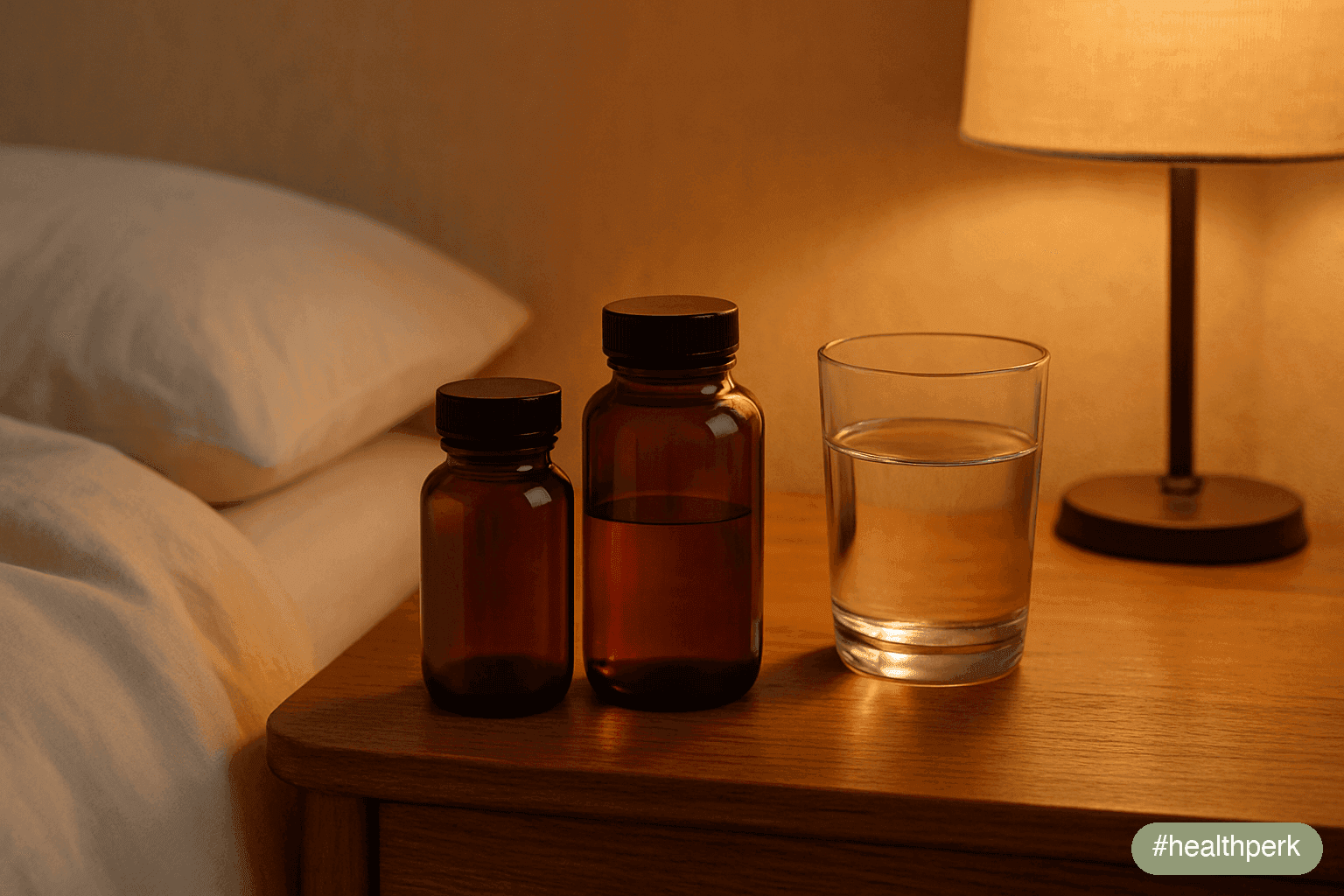
Wide horizontal photo of two amber supplement bottles labeled "Melatonin 0.5 mg" and "Magnesium Glycinate 200 mg" beside a glass of water on a wooden nightstand under warm bedside light, with a blurred bed in the background — illustrating the magnesium vs melatonin for sleep choice.
The decision between magnesium vs melatonin for sleep is not "which is stronger" — they act through entirely different mechanisms and shine in different scenarios. This guide compares them directly, then expands to valerian root vs melatonin, ashwagandha vs magnesium sleep, and a broader sleep supplements comparison guide so you can match the right tool to the actual sleep problem. We also cover natural vs synthetic sleep aids — a distinction that matters less than the marketing suggests once you understand what is actually in the bottle.
Table of Contents
- Magnesium vs Melatonin for Sleep: Side-by-Side
- How to Pick Between Magnesium and Melatonin
- Valerian Root vs Melatonin
- Ashwagandha vs Magnesium for Sleep
- Sleep Supplements Comparison Guide (At a Glance)
- Natural vs Synthetic Sleep Aids: What the Label Doesn't Tell You
- Safety, Stacking, and What Not to Combine
- Frequently Asked Questions
- References
Magnesium vs Melatonin for Sleep: Side-by-Side
Two-column infographic with melatonin on the left (suprachiasmatic nucleus, MT1/MT2 receptors, circadian timing) and magnesium on the right (NMDA blockade, GABA-A potentiation, parasympathetic tone) — illustrating the different mechanisms of magnesium vs melatonin for sleep.
The most useful way to think about magnesium vs melatonin for sleep is by mechanism and target symptom, not by potency.
What melatonin actually does
Melatonin is a hormone produced by the pineal gland in response to darkness; it binds MT1 and MT2 receptors in the suprachiasmatic nucleus and signals "biological night" to the rest of the brain (Brzezinski, 1997). Supplemental melatonin is a chronobiotic — it shifts the timing of the internal clock — far more than it is a sedative. The dose-response curve is non-monotonic: very low doses (0.3 mg) can be as effective as or more effective than 3–10 mg for phase-shifting and sleep onset, with fewer next-morning effects (Zhdanova et al., 2001; Costello et al., 2014).
What melatonin tends to help:
- Jet lag eastbound (≥3 time-zone shift)
- Rotating or night-shift work scheduling
- Delayed sleep-phase syndrome (adolescent and adult)
- Age-related decline in endogenous melatonin (older adults aged 55+)
- Free-running sleep in adults who are totally blind
What melatonin tends to not help:
- Anxiety-driven onset insomnia in adults with normal circadian timing
- Sleep maintenance (3 a.m. awakenings) when the underlying issue is cortisol, alcohol, or apnea
- Deep-sleep percentage and sleep architecture (mostly unchanged)
- Stress-related racing-mind hyperarousal
What magnesium actually does
Magnesium is a divalent cation and intracellular cofactor; in the central nervous system it sits in the NMDA glutamate receptor under resting conditions (blocking excitation), potentiates GABA-A inhibitory currents, supports two melatonin-synthesis enzymes (AANAT and HIOMT), and dampens HPA-axis cortisol response (de Baaij et al., 2015; Boyle et al., 2017; Möykkynen et al., 2001; Held et al., 2002). Its sleep effect is therefore best described as calming and architectural, not timing-related.
What magnesium tends to help:
- Anxious-mind sleep onset
- 3 a.m. cortisol-driven awakenings (modestly)
- Adults whose dietary magnesium is low (~48% of U.S. adults — Rosanoff et al., 2012)
- Coexisting muscle cramps or restless legs
- Adults on proton-pump inhibitors, loop diuretics, or chronic alcohol use (all deplete magnesium)
What magnesium tends to not help:
- Circadian-misalignment problems (jet lag, shift work)
- Severe insomnia as monotherapy
- Adults whose baseline magnesium status is already adequate
Direct comparison
| Melatonin | Magnesium (glycinate) | |
|---|---|---|
| What it is | Hormone (chronobiotic) | Mineral / enzyme cofactor |
| Main target | Circadian timing | Calming, sleep architecture |
| Best for | Jet lag, shift work, delayed bedtime | Anxious onset, muscle tension, mild maintenance issues |
| Typical adult dose | 0.3–0.5 mg | 200–400 mg elemental |
| Timing | 60 min before target bedtime | 60–90 min before bed |
| Onset of effect | 30–60 min (first dose) | 60–90 min (first dose); architectural benefit after 3–4 weeks |
| Next-morning grogginess | Common at ≥3 mg, rare at 0.3–0.5 mg | Rare at sleep-aisle doses |
| Dependence risk | None known | None |
| Cost (monthly) | $4–$12 | $10–$25 |
| Avoid if | Pregnant/breastfeeding, autoimmune flare, on immunosuppressants (theoretical) | CKD stage 3+, advanced heart block, lithium, digoxin |
For most adults choosing between magnesium vs melatonin for sleep, the deciding factor is what the sleep complaint actually looks like — not which one is "stronger."
How to Pick Between Magnesium and Melatonin
Vertical flowchart starting with "What is your main sleep problem?" branching to circadian (melatonin), calming/onset (magnesium), maintenance (magnesium ± low-dose melatonin), and severe/chronic (clinician + CBT-I) — illustrating how to choose between magnesium vs melatonin for sleep.
Pick melatonin first if:
- Your bedtime drifts later than you want (you fall asleep at 02:00 even when you turn the lights off at 23:00)
- You are crossing time zones (eastbound especially) or rotating shifts
- You are age 55+ with a recent decline in sleep quality and no anxiety, no apnea, no medication change to explain it
- Your sleep onset works fine on weekends when you sleep "naturally" but fails on weekdays when you try to enforce a schedule
Practical protocol: 0.3–0.5 mg melatonin, 60 minutes before target bedtime, every night for 14 nights. Do not exceed 0.5 mg without specific reason — the higher doses on sale at retail (3, 5, 10 mg) overshoot the receptor and tend to cause next-morning grogginess and unpredictable phase effects (Costello et al., 2014; Burgess et al., 2010).
Pick magnesium first if:
- Your mind races at bedtime even when your schedule is steady
- You wake at 03:00 with no obvious trigger and lie awake for 30+ minutes
- You have muscle cramps, restless legs, or jaw tension at night
- You are on a PPI, loop diuretic, or have high alcohol use (all deplete magnesium)
- Your diet is low in pumpkin seeds, almonds, leafy greens, beans, dark chocolate
Practical protocol: 200 mg elemental magnesium glycinate, 60 minutes before bed, for 14 nights. If well-tolerated and partial response, escalate to 300–400 mg elemental.
Pick both if:
The two can be stacked without pharmacologic conflict. The rational pairing is low-dose melatonin (0.3–0.5 mg) for timing + magnesium glycinate (200–400 mg elemental) for calming. Do not stack high-dose melatonin (3–10 mg) chronically — it is not more effective and may blunt endogenous rhythm over months (Costello et al., 2014).
Pick neither if:
- Snoring loudly, daytime sleepiness despite "8 hours" → screen for obstructive sleep apnea
- Depression, persistent anxiety, or chronic pain dominates the picture → treat that first
- Insomnia ≥3 nights/week for ≥3 months → cognitive-behavioral therapy for insomnia (CBT-I) is first-line per the American Academy of Sleep Medicine and outperforms any supplement (Edinger et al., 2021)
Valerian Root vs Melatonin
Two-column photo of a brown bottle labeled "Valerian Root Extract 600 mg" on the left and a small amber bottle labeled "Melatonin 0.5 mg" on the right, both on a wooden surface with dried valerian root nearby — illustrating valerian root vs melatonin.
The valerian root vs melatonin comparison comes up most often for adults who want a botanical alternative to a hormone supplement, or who tried melatonin and felt groggy.
What valerian root is
Valeriana officinalis root has been used as a sleep aid for over two millennia. The proposed mechanism is GABAergic — valerenic acid and valerenol appear to potentiate GABA-A receptor function and inhibit GABA breakdown, similar in receptor target to benzodiazepines but with much lower potency (Murphy et al., 2010; Bent et al., 2006). Modern extracts standardize valerenic acid content to 0.8% as a quality marker.
What the evidence says
The Cochrane-style and meta-analytic literature on valerian for insomnia is mixed: a 2020 systematic review of 60 trials found a small-to-moderate subjective improvement in sleep quality but inconsistent polysomnographic findings, with substantial heterogeneity in extract standardization across studies (Shinjyo et al., 2020). Effective doses cluster at 300–600 mg of standardized aqueous or ethanolic extract, 30–60 minutes before bed, with the benefit emerging more clearly after 2–4 weeks of nightly use rather than acutely.
Valerian vs melatonin — when each is the better pick
| Valerian root | Melatonin | |
|---|---|---|
| Mechanism | GABA-A potentiation (sedating) | MT1/MT2 receptor binding (timing) |
| Best for | Onset insomnia with mild anxious component, intolerance to melatonin grogginess | Circadian misalignment, jet lag, shift work |
| Onset of effect | 30–60 min acute; full effect after 2–4 weeks | 30–60 min acute |
| Typical adult dose | 300–600 mg standardized extract | 0.3–0.5 mg |
| Cost monthly | $15–$30 | $4–$12 |
| Side effects | Mild GI upset, vivid dreams, rare paradoxical stimulation | Rare at 0.3–0.5 mg; headaches and grogginess at higher doses |
| Avoid if | Pregnancy, liver disease, on benzodiazepines, before driving | Pregnancy, autoimmune flare, on immunosuppressants |
Valerian is reasonable for adults who want a botanical with sedating mechanism and who responded poorly to melatonin's timing-only effect. Melatonin is the better starting point if the problem is timing rather than agitation. They are not commonly stacked, because the combined sedation is not pharmacologically additive in a clean way and the evidence base for the combination is thin.
Ashwagandha vs Magnesium for Sleep
Side-by-side photo of dried ashwagandha root and a labeled bottle of KSM-66 ashwagandha capsules on the left, with a magnesium glycinate bottle and capsules on the right, on a clean wooden surface — illustrating ashwagandha vs magnesium for sleep.
Withania somnifera (ashwagandha) is an adaptogenic herb used in Ayurvedic medicine for over 3,000 years. Its species name "somnifera" literally means "sleep-bringing," and modern randomized-controlled trials support a sleep benefit primarily mediated through HPA-axis modulation rather than direct sedation.
What ashwagandha actually does
Ashwagandha lowers evening and morning cortisol in adults with chronic stress (Salve et al., 2019; Chandrasekhar et al., 2012). The two most-studied standardized extracts are KSM-66 (water-based extraction of the root, 5% withanolides) and Sensoril (root and leaf, ≥10% withanolides). A 2021 meta-analysis of five RCTs in 400 adults found ashwagandha improved sleep onset latency by ~12 minutes and PSQI score by ~1.5 points compared with placebo, with the largest effects in adults with clinical insomnia or high baseline stress (Cheah et al., 2021).
Ashwagandha vs magnesium — when each is the better pick
The ashwagandha vs magnesium sleep decision largely tracks whether the dominant driver of poor sleep is stress/cortisol or mineral status/CNS hyperexcitability.
| Ashwagandha (KSM-66) | Magnesium glycinate | |
|---|---|---|
| Mechanism | HPA-axis cortisol modulation, GABAergic | NMDA blockade + GABA-A + cortisol modulation |
| Best for | Stress-driven insomnia, high cortisol pattern, work-related sleep complaints | Anxious onset, muscle tension, low dietary magnesium |
| Typical adult dose | 300–600 mg, once daily evening (or 300 mg twice daily) | 200–400 mg elemental, 60–90 min before bed |
| Onset of full effect | 4–8 weeks | 3–4 weeks |
| Side effects | GI upset, drowsiness, rare liver issues with high doses | Loose stools (form-dependent), mild nausea |
| Avoid if | Autoimmune disease flare, pregnancy, hyperthyroidism, immunosuppressant therapy | CKD stage 3+, advanced heart block, lithium, digoxin |
| Cost monthly | $20–$40 | $10–$25 |
Can you stack them?
Yes, and the combination is reasonable for adults whose poor sleep is both stress-driven and CNS-hyperaroused — for example, a knowledge worker with chronic work stress, racing thoughts at bedtime, and a low-magnesium diet. The 2026 evidence does not show pharmacologic conflict between them; the practical limit is cost and the discipline of adding only one variable at a time. The cleanest sequence is to trial each for 4 weeks separately, then stack if each produced partial benefit.
Sleep Supplements Comparison Guide (At a Glance)
Large matrix infographic with rows for melatonin, magnesium glycinate, valerian root, ashwagandha, L-theanine, glycine, apigenin, and GABA, and columns for mechanism, evidence quality, typical dose, onset of effect, and best-for use case — illustrating a sleep supplements comparison guide.
For adults wanting a single reference, the table below maps the eight most-evidenced non-prescription sleep supplements in 2026 against the dominant sleep complaint each addresses. This sleep supplements comparison guide treats evidence quality (multiple RCTs vs single trial vs mechanistic-only) honestly — not all "natural sleep aids" sit on the same evidence shelf.
| Supplement | Mechanism | Evidence (2026) | Typical adult dose | Best for | Avoid if |
|---|---|---|---|---|---|
| Melatonin | MT1/MT2 receptor agonist, chronobiotic | Strong for circadian use, modest for onset | 0.3–0.5 mg | Jet lag, shift work, delayed bedtime, age 55+ | Pregnancy, autoimmune flare, immunosuppressants |
| Magnesium glycinate | NMDA blockade + GABA-A + cortisol | Moderate (2024 meta-analysis) | 200–400 mg elemental | Anxious onset, muscle tension, low-Mg diet | CKD 3+, heart block, lithium, digoxin |
| Valerian root | GABA-A potentiation | Modest, heterogeneous | 300–600 mg standardized | Mild onset insomnia, melatonin intolerance | Pregnancy, liver disease, benzodiazepines |
| Ashwagandha (KSM-66) | HPA-axis cortisol modulation | Moderate (2021 meta-analysis) | 300–600 mg evening | Stress-driven insomnia, high cortisol | Autoimmune flare, pregnancy, hyperthyroidism |
| L-theanine | Glutamate modulation, alpha-wave generation | Modest, mostly small trials | 200–400 mg | Anxious onset, evening caffeine "wind-down" | None major; mild BP-lowering effect |
| Glycine | NMDA receptor co-agonist (paradoxically calming at high doses) | Modest (Yamadera 2007) | 3 g before bed | Onset insomnia, subjective sleep quality | None major |
| Apigenin | GABA-A binding (chamomile flavonoid) | Modest, mostly chamomile-extract data | 50 mg evening, or chamomile tea 1–2 cups | Mild onset insomnia, anxiety-tinged | Pregnancy (theoretical estrogenic activity) |
| GABA (oral) | Poor blood-brain barrier penetration | Weak | 100–200 mg | Subjective relaxation (peripheral) — not a primary sleep tool | None major |
Three observations from this comparison guide worth noting:
No supplement on this list rivals prescription Z-drugs or benzodiazepines in raw potency. The meta-analytic effects cluster at 10–20 minutes of sleep onset improvement and 1–2 points on the Pittsburgh Sleep Quality Index. That is meaningful for many adults; it is not a fix for severe or chronic insomnia.
Evidence quality varies more than the supplement aisle implies. Melatonin (for circadian use) and magnesium have the strongest aggregate evidence in 2026; oral GABA has the weakest because the molecule poorly crosses the blood-brain barrier.
The "right" supplement depends entirely on the symptom pattern. Picking the wrong one for the wrong problem (e.g., melatonin for cortisol-driven 3 a.m. wakings) wastes a 4-week trial.
Natural vs Synthetic Sleep Aids: What the Label Doesn't Tell You
Two-column infographic with "natural" sleep aids on the left (botanicals: valerian, chamomile, passionflower) and "synthetic" sleep aids on the right (melatonin, magnesium salts, OTC antihistamines, Z-drugs), with a center column noting that both categories require quality control and dose verification — illustrating natural vs synthetic sleep aids.
The natural vs synthetic sleep aids distinction is one of the most marketed and least useful framings in the sleep supplement aisle. Both categories include compounds with strong evidence and weak evidence; both include products with quality-control issues; and several of the most popular "natural" sleep aids on the U.S. market are in fact synthetic molecules.
What "natural" actually means in this context
In supplement marketing, "natural" usually means one of three things:
- Botanical extracts: valerian root, chamomile, passionflower, hops, lemon balm — derived from plant material, with active constituents that vary by extraction method and source.
- Bioidentical to endogenous human compounds: melatonin and glycine sold as supplements are chemically identical to the molecules your body already makes, but the supplement is synthesized in a lab in nearly all retail products. Calling melatonin "natural" is technically misleading.
- Whole-food–derived: magnesium from sea-mineral concentrate, for example, versus magnesium from synthesized magnesium glycinate. The body cannot distinguish source once absorbed.
What "synthetic" usually means
In the same marketing context, "synthetic" usually refers to:
- OTC antihistamines marketed for sleep (diphenhydramine in ZzzQuil, doxylamine in Unisom) — these are pharmaceuticals, not supplements, with meaningful side-effect and tolerance profiles
- Prescription Z-drugs (zolpidem, eszopiclone) and benzodiazepines (temazepam) — pharmaceuticals only
- Synthesized mineral salts (magnesium glycinate, magnesium citrate) — these are the dominant forms on supplement shelves and are not pharmacologically different from "natural" source claims
Where the distinction actually matters
The natural-vs-synthetic divide matters in three concrete ways that have nothing to do with the marketing:
Quality control variance. Botanical extracts ("natural") have higher batch-to-batch variance in active constituent concentration than chemically synthesized supplements. A USP, NSF Contents Certified, or ConsumerLab-verified seal matters more than the natural/synthetic label.
Side-effect profile of OTC pharmaceutical "sleep aids". Diphenhydramine and doxylamine ("synthetic" OTC) have anticholinergic effects, are associated with next-morning cognitive impairment, and — per the American Geriatrics Society Beers Criteria — should be avoided in adults aged 65+ due to dementia-risk and fall-risk concerns (AGS, 2023). Most botanical and mineral supplements ("natural" or "synthetic" depending on framing) do not carry this profile at retail doses.
Dose verification. Synthesized supplements (magnesium glycinate, melatonin) usually deliver the labeled dose within 10–15%. Botanical extracts can be off by 30%+ from labeled active-constituent content without third-party verification (NIH ODS supplement-quality reports).
For most adults, the relevant question is not "is this natural?" — it is "what does this molecule do, what dose, what evidence, and is the product third-party tested?" Apply that filter and the natural-vs-synthetic frame mostly dissolves.
Safety, Stacking, and What Not to Combine
Color-coded matrix showing safe combinations (green: melatonin + magnesium, magnesium + L-theanine), cautious combinations (yellow: ashwagandha + thyroid medication, valerian + alcohol), and unsafe combinations (red: any sedating supplement + benzodiazepines, multiple GABA-active supplements without medical supervision) — illustrating sleep supplement stacking safety.
A few practical rules for combining the supplements above:
- Melatonin + magnesium glycinate: safe and rational; cover both timing and calming.
- Magnesium + L-theanine: safe; both are mild calming agents with different mechanisms.
- Ashwagandha + magnesium: safe; covers both stress and calming, but adds cost and complexity — trial sequentially first.
- Valerian + melatonin: little upside; both target onset by different mechanisms, evidence for the combination is thin.
- Any sedating supplement + alcohol: avoid; alcohol disrupts sleep architecture, fragments sleep, and additively depresses CNS function.
- Any sedating supplement + benzodiazepines or Z-drugs: do not combine without prescriber sign-off; additive sedation is real.
- Stacking three or more sedating supplements simultaneously: rarely justified; you lose the ability to know what is working and what is causing side effects.
The most common diagnostic mistake adults make with magnesium vs melatonin for sleep and the broader sleep supplement aisle is changing too many variables at once. The disciplined approach is one supplement, one dose, for a 14- to 28-night trial — then reassess against an objective metric (sleep tracker, sleep log, or Pittsburgh Sleep Quality Index) before adding or switching.
Related Articles on HealthPerk
Explore more on this topic:
- Best Supplements for Sleep Without Melatonin
- Magnesium for Sleep Dosage and Benefits
- How to Improve Sleep Quality Naturally
- How to Stay Asleep All Night Naturally
Frequently Asked Questions
Magnesium vs melatonin for sleep — which one is stronger?
Neither is "stronger" in a way that makes them interchangeable. Melatonin is a circadian-timing hormone that helps adults whose internal clock is misaligned (jet lag, shift work, delayed bedtime); it does not produce sedation and does not increase deep sleep. Magnesium is a mineral cofactor that calms CNS hyperarousal, potentiates GABA-A, and modestly improves sleep onset and total sleep time in adults with suboptimal baseline magnesium status. Picking between them should follow the symptom: timing issue → melatonin; anxious-mind or maintenance issue → magnesium. For many adults, a low-dose combination (0.3–0.5 mg melatonin + 200–400 mg elemental magnesium glycinate) is the most efficient pairing (Costello et al., 2014; Mah & Pitre, 2024).
Can I take magnesium and melatonin together every night?
Yes — there is no known pharmacologic conflict between low-dose melatonin (0.3–0.5 mg) and magnesium glycinate (200–400 mg elemental). The combination is commonly used and rational when sleep problems involve both circadian drift and CNS hyperarousal. The caveats: avoid chronic high-dose melatonin (3–10 mg), because the receptor pharmacology overshoots at those doses and tends to cause next-morning grogginess and unpredictable phase effects; and verify magnesium contraindications (CKD stage 3+, advanced heart block, lithium, digoxin) before starting nightly use.
Valerian root vs melatonin — which works faster?
Both produce a perceptible effect within 30–60 minutes of the first dose, but they do different things. Valerian root produces mild GABA-A-mediated sedation, similar in receptor target to benzodiazepines at much lower potency, so the acute feel is "drowsy and calmer." Melatonin produces a "biological night" signal that shifts the internal clock toward sleep, so the acute feel is more subtle — many adults describe it as "feeling sleep-ready" rather than "feeling drowsy." Valerian's full sleep-quality benefit usually requires 2–4 weeks of nightly use to emerge clearly; melatonin's circadian effect is more immediately measurable but requires consistent timing each night (Shinjyo et al., 2020; Burgess et al., 2010).
Ashwagandha vs magnesium sleep — can I take both?
Yes, and the combination is reasonable for adults whose sleep complaint is both stress-driven (high cortisol pattern) and CNS-hyperaroused (anxious onset, racing thoughts). Ashwagandha (KSM-66, 300–600 mg evening) acts mainly through HPA-axis cortisol modulation; magnesium glycinate (200–400 mg elemental) acts through NMDA blockade, GABA-A potentiation, and cortisol modulation. The cleanest sequence is to trial each one separately for 4 weeks, identify which produced more benefit, and then stack only if each produced partial-but-incomplete improvement.
Is one of these natural and the other synthetic?
Both categories are mixed once you look at the chemistry rather than the marketing. Retail melatonin is almost entirely synthesized in a lab (bioidentical to the endogenous human hormone, but not extracted from any natural source). Magnesium glycinate and magnesium citrate are synthesized mineral salts. Valerian root and ashwagandha extracts are botanical and therefore "natural" in the literal sense, but their active constituent concentration depends heavily on extraction method and standardization. The more useful filter than natural-vs-synthetic is: third-party tested (USP, NSF, ConsumerLab), labeled with elemental or standardized active-constituent dose, and matched to a real sleep complaint.
Which one causes the most next-morning grogginess?
In comparable adult doses, the ranking is roughly: high-dose melatonin (3–10 mg) > valerian root > ashwagandha > low-dose melatonin (0.3–0.5 mg) ≈ magnesium glycinate, with magnesium and low-dose melatonin producing the least next-morning effect in most adults. Diphenhydramine (the OTC antihistamine in ZzzQuil and similar) — sometimes lumped into "sleep aids" — produces meaningfully more next-morning cognitive impairment than any of the supplements above and is not recommended for chronic use, particularly in adults 65+.
How do I decide if I need a sleep supplement at all?
Sleep supplements are most appropriate for adults with mild-to-moderate sleep complaints in the context of an otherwise reasonable sleep environment (cool dark bedroom, consistent schedule, no late caffeine, no alcohol within 3 hours of bed). For adults with insomnia ≥3 nights per week for ≥3 months, cognitive-behavioral therapy for insomnia (CBT-I) is the first-line treatment per the American Academy of Sleep Medicine — it outperforms any supplement and produces durable improvement. Supplements can be a reasonable adjunct during a CBT-I course or for adults with situational sleep complaints (work stress, travel, schedule changes), but they should not replace a workup for snoring, daytime sleepiness, mood symptoms, or chronic pain (Edinger et al., 2021).
What about a "sleep stack" that combines five or more supplements?
Marketed sleep stacks (often including melatonin, magnesium, valerian, L-theanine, GABA, glycine, apigenin, and 5-HTP in one capsule) make individual dose adjustment impossible and remove your ability to tell which compound is actually helping or causing a side effect. They also frequently underdose the components individually below the doses used in clinical trials. The disciplined approach is one supplement at adequate dose for a 2- to 4-week trial; if benefit is partial and well-tolerated, then add a second supplement targeting a different mechanism — not a five-ingredient stack chosen for shelf appeal.
This article is for informational purposes only and does not constitute medical advice. Sleep supplements can interact with prescription medications and may be contraindicated in pregnancy, lactation, kidney disease, liver disease, autoimmune conditions, and several cardiac conditions. Consult a qualified healthcare provider before starting, stopping, or significantly changing supplement regimens, particularly if you are pregnant, breastfeeding, taking prescription medication, or managing a chronic medical condition. Persistent insomnia (≥3 nights per week for ≥3 months) warrants medical evaluation rather than supplement self-treatment. Individual results may vary.
About the author The HealthPerk Editorial Team reviews supplement and sleep-medicine evidence through cross-referenced peer-reviewed clinical trials, monographs from the U.S. National Institutes of Health Office of Dietary Supplements, and consensus guidelines from the American Academy of Sleep Medicine. We do not accept manufacturer payment for editorial coverage. How we review →
References
Mah, J., & Pitre, T. (2024). Oral magnesium supplementation for insomnia in adults: a systematic review and meta-analysis. BMC Complementary Medicine and Therapies, 24, 17. https://doi.org/10.1186/s12906-023-04309-w
Supports: 320–500 mg/day magnesium for ≥4 weeks improves sleep onset latency by ~17 min and total sleep time by ~16 min in adults
Costello, R. B., Lentino, C. V., Boyd, C. C., O'Connell, M. L., Crawford, C. C., Sprengel, M. L., & Deuster, P. A. (2014). The effectiveness of melatonin for promoting healthy sleep: a rapid evidence assessment of the literature. Nutrition Journal, 13, 106. https://doi.org/10.1186/1475-2891-13-106
Supports: low-dose melatonin (0.3–0.5 mg) more effective and better tolerated than high doses for adult sleep onset
Brzezinski, A. (1997). Melatonin in humans. New England Journal of Medicine, 336(3), 186–195. https://doi.org/10.1056/NEJM199701163360306
Supports: melatonin physiology, MT1/MT2 receptor function, chronobiotic mechanism
Zhdanova, I. V., Wurtman, R. J., Regan, M. M., Taylor, J. A., Shi, J. P., & Leclair, O. U. (2001). Melatonin treatment for age-related insomnia. Journal of Clinical Endocrinology and Metabolism, 86(10), 4727–4730. https://doi.org/10.1210/jcem.86.10.7901
Supports: 0.3 mg melatonin equivalent or superior to higher doses for sleep onset in older adults
Burgess, H. J., Revell, V. L., Molina, T. A., & Eastman, C. I. (2010). Human phase response curves to three days of daily melatonin: 0.5 mg versus 3.0 mg. Journal of Clinical Endocrinology and Metabolism, 95(7), 3325–3331. https://doi.org/10.1210/jc.2009-2590
Supports: 0.5 mg melatonin produces phase shifts comparable to 3.0 mg with fewer side effects
de Baaij, J. H. F., Hoenderop, J. G. J., & Bindels, R. J. M. (2015). Magnesium in man: implications for health and disease. Physiological Reviews, 95(1), 1–46. https://doi.org/10.1152/physrev.00012.2014
Supports: magnesium as cofactor in 600+ enzymes; cellular and systemic physiology
Boyle, N. B., Lawton, C., & Dye, L. (2017). The effects of magnesium supplementation on subjective anxiety and stress — a systematic review. Nutrients, 9(5), 429. https://doi.org/10.3390/nu9050429
Supports: magnesium effects on anxiety and CNS hyperarousal via NMDA blockade
Möykkynen, T., Uusi-Oukari, M., Heikkilä, J., Lovinger, D. M., Lüddens, H., & Korpi, E. R. (2001). Magnesium potentiation of the function of native and recombinant GABA(A) receptors. NeuroReport, 12(10), 2175–2179. https://doi.org/10.1097/00001756-200107200-00026
Supports: GABA-A receptor potentiation by magnesium
Held, K., Antonijevic, I. A., Künzel, H., Uhr, M., Wetter, T. C., Golly, I. C., Steiger, A., & Murck, H. (2002). Oral Mg(2+) supplementation reverses age-related neuroendocrine and sleep EEG changes in humans. Pharmacopsychiatry, 35(4), 135–143. https://doi.org/10.1055/s-2002-33195
Supports: magnesium repletion increases slow-wave sleep and modulates HPA axis in older adults
Rosanoff, A., Weaver, C. M., & Rude, R. K. (2012). Suboptimal magnesium status in the United States: are the health consequences underestimated? Nutrition Reviews, 70(3), 153–164. https://doi.org/10.1111/j.1753-4887.2011.00465.x
Supports: ~48% of U.S. adults consume below estimated average requirement for magnesium
Murphy, K., Kubin, Z. J., Shepherd, J. N., & Ettinger, R. H. (2010). Valeriana officinalis root extracts have potent anxiolytic effects in laboratory rats. Phytomedicine, 17(8–9), 674–678. https://doi.org/10.1016/j.phymed.2009.10.020
Supports: valerian GABAergic mechanism, anxiolytic effect
Bent, S., Padula, A., Moore, D., Patterson, M., & Mehling, W. (2006). Valerian for sleep: a systematic review and meta-analysis. American Journal of Medicine, 119(12), 1005–1012. https://doi.org/10.1016/j.amjmed.2006.02.026
Supports: valerian modest subjective sleep-quality improvement; heterogeneity in extracts
Shinjyo, N., Waddell, G., & Green, J. (2020). Valerian root in treating sleep problems and associated disorders — a systematic review and meta-analysis. Journal of Evidence-Based Integrative Medicine, 25, 2515690X20967323. https://doi.org/10.1177/2515690X20967323
Supports: 60-trial systematic review on valerian; effective dose range; mixed polysomnographic findings
Salve, J., Pate, S., Debnath, K., & Langade, D. (2019). Adaptogenic and anxiolytic effects of ashwagandha root extract in healthy adults: a double-blind, randomized, placebo-controlled clinical study. Cureus, 11(12), e6466. https://doi.org/10.7759/cureus.6466
Supports: ashwagandha (KSM-66) lowers cortisol and improves stress measures in healthy adults
Chandrasekhar, K., Kapoor, J., & Anishetty, S. (2012). A prospective, randomized double-blind, placebo-controlled study of safety and efficacy of a high-concentration full-spectrum extract of ashwagandha root in reducing stress and anxiety in adults. Indian Journal of Psychological Medicine, 34(3), 255–262. https://doi.org/10.4103/0253-7176.106022
Supports: ashwagandha root extract reduces stress and serum cortisol in adults
Cheah, K. L., Norhayati, M. N., Husniati Yaacob, L., & Abdul Rahman, R. (2021). Effect of ashwagandha (Withania somnifera) extract on sleep: a systematic review and meta-analysis. PLOS ONE, 16(9), e0257843. https://doi.org/10.1371/journal.pone.0257843
Supports: meta-analysis of ashwagandha on sleep — onset latency improvement ~12 min, PSQI improvement ~1.5 points
Yamadera, W., Inagawa, K., Chiba, S., Bannai, M., Takahashi, M., & Nakayama, K. (2007). Glycine ingestion improves subjective sleep quality in human volunteers, correlating with polysomnographic changes. Sleep and Biological Rhythms, 5(2), 126–131. https://doi.org/10.1111/j.1479-8425.2007.00262.x
Supports: 3 g glycine improves subjective and polysomnographic sleep quality
Hidese, S., Ogawa, S., Ota, M., Ishida, I., Yasukawa, Z., Ozeki, M., & Kunugi, H. (2019). Effects of L-theanine administration on stress-related symptoms and cognitive functions in healthy adults: a randomized controlled trial. Nutrients, 11(10), 2362. https://doi.org/10.3390/nu11102362
Supports: L-theanine improves stress and sleep quality measures in healthy adults
Edinger, J. D., Arnedt, J. T., Bertisch, S. M., Carney, C. E., Harrington, J. J., Lichstein, K. L., Sateia, M. J., Troxel, W. M., Zhou, E. S., Kazmi, U., Heald, J. L., & Martin, J. L. (2021). Behavioral and psychological treatments for chronic insomnia disorder in adults: an American Academy of Sleep Medicine clinical practice guideline. Journal of Clinical Sleep Medicine, 17(2), 255–262. https://doi.org/10.5664/jcsm.8986
Supports: CBT-I as first-line treatment for chronic insomnia per AASM consensus
American Geriatrics Society Beers Criteria Update Expert Panel. (2023). American Geriatrics Society 2023 updated AGS Beers Criteria for potentially inappropriate medication use in older adults. Journal of the American Geriatrics Society, 71(7), 2052–2081. https://doi.org/10.1111/jgs.18372
Supports: diphenhydramine and other anticholinergic sleep aids inappropriate for adults 65+
National Institutes of Health, Office of Dietary Supplements. (2024). Magnesium — Health Professional Fact Sheet. https://ods.od.nih.gov/factsheets/Magnesium-HealthProfessional/
Supports: RDA values, food sources, supplement upper intake, drug interactions
National Center for Complementary and Integrative Health. (2024). Valerian. https://www.nccih.nih.gov/health/valerian
Supports: regulatory and safety profile of valerian root supplements
Foster, B. C., Cvijovic, K., Boon, H. S., Tannous, Z. S., Lui, E. M. K., Al Faraj, S., Wong, A. H. C., & Vohra, S. (2017). Melatonin interactions with medications and other substances. Therapeutic Drug Monitoring, 39(4), 367–375. https://doi.org/10.1097/FTD.0000000000000413
Supports: melatonin drug interaction and contraindication considerations
Sarris, J., Byrne, G. J., Cribb, L., Oliver, G., Murphy, J., Macdonald, P., Nazareth, S., Karamacoska, D., Galea, S., Short, A., Ee, C., Birling, Y., Menon, R., & Ng, C. H. (2019). L-theanine in the adjunctive treatment of generalized anxiety disorder: a double-blind, randomised, placebo-controlled trial. Journal of Psychiatric Research, 110, 31–37. https://doi.org/10.1016/j.jpsychires.2018.12.014
Supports: L-theanine adjunctive evidence in anxiety; sleep-quality secondary outcomes
Frequently Asked Questions
Magnesium vs melatonin for sleep — which one is stronger?
Neither is stronger in a way that makes them interchangeable. Melatonin is a circadian-timing hormone that helps adults whose internal clock is misaligned (jet lag, shift work, delayed bedtime); it does not produce sedation. Magnesium is a mineral cofactor that calms CNS hyperarousal and modestly improves sleep onset and total sleep time in adults with suboptimal baseline status. Pick by symptom: timing issue then melatonin; anxious-mind or maintenance issue then magnesium. For many adults, low-dose melatonin (0.3–0.5 mg) plus magnesium glycinate (200–400 mg elemental) is the most efficient pairing.
Can I take magnesium and melatonin together every night?
Yes — there is no known pharmacologic conflict between low-dose melatonin (0.3–0.5 mg) and magnesium glycinate (200–400 mg elemental). Avoid chronic high-dose melatonin (3–10 mg) because the receptor pharmacology overshoots at those doses and tends to cause next-morning grogginess. Verify magnesium contraindications (chronic kidney disease stage 3+, advanced heart block, lithium, digoxin) before nightly use.
Valerian root vs melatonin — which works faster?
Both produce a perceptible effect within 30–60 minutes of the first dose, but they do different things. Valerian root produces mild GABA-A-mediated sedation, so the acute feel is drowsy and calmer. Melatonin produces a biological-night signal that shifts the internal clock toward sleep, which is a more subtle feel. Valerian's full sleep-quality benefit usually requires 2–4 weeks of nightly use to emerge clearly; melatonin's circadian effect is more immediately measurable but requires consistent timing each night.
Ashwagandha vs magnesium sleep — can I take both?
Yes, and the combination is reasonable for adults whose sleep complaint is both stress-driven (high cortisol pattern) and CNS-hyperaroused. Ashwagandha (KSM-66, 300–600 mg evening) acts mainly through HPA-axis cortisol modulation; magnesium glycinate (200–400 mg elemental) acts through NMDA blockade, GABA-A potentiation, and cortisol modulation. The cleanest sequence is to trial each separately for 4 weeks, then stack only if each produced partial-but-incomplete improvement.
Is one of these natural and the other synthetic?
Both categories are mixed once you look at the chemistry rather than the marketing. Retail melatonin is almost entirely synthesized in a lab (bioidentical to the endogenous hormone). Magnesium glycinate and citrate are synthesized mineral salts. Valerian and ashwagandha extracts are botanical and therefore natural in the literal sense, but their active constituent concentration depends heavily on extraction method. A more useful filter is third-party tested (USP, NSF, ConsumerLab), labeled with elemental or standardized active-constituent dose, and matched to a real sleep complaint.
Which one causes the most next-morning grogginess?
In comparable adult doses, the ranking is roughly: high-dose melatonin (3–10 mg) more than valerian root more than ashwagandha more than low-dose melatonin (0.3–0.5 mg) about equal to magnesium glycinate. Magnesium and low-dose melatonin produce the least next-morning effect in most adults. Diphenhydramine (the OTC antihistamine in ZzzQuil and similar) produces meaningfully more next-morning cognitive impairment than any supplement listed and is not recommended for chronic use, particularly in adults 65 and older.
How do I decide if I need a sleep supplement at all?
Sleep supplements are most appropriate for adults with mild-to-moderate sleep complaints in the context of an otherwise reasonable sleep environment. For adults with insomnia three or more nights per week for three or more months, cognitive-behavioral therapy for insomnia (CBT-I) is the first-line treatment per the American Academy of Sleep Medicine — it outperforms any supplement. Supplements can be a reasonable adjunct during a CBT-I course or for situational sleep complaints, but they should not replace a workup for snoring, daytime sleepiness, mood symptoms, or chronic pain.
What about a sleep stack that combines five or more supplements?
Marketed sleep stacks make individual dose adjustment impossible and remove your ability to tell which compound is actually helping or causing a side effect. They also frequently underdose the components below the doses used in clinical trials. The disciplined approach is one supplement at adequate dose for a 2- to 4-week trial; if benefit is partial and well-tolerated, add a second supplement targeting a different mechanism rather than choosing a five-ingredient stack designed for shelf appeal.
More from Supplements