How to Boost Metabolism Naturally: An Evidence-Based 2026 Guide
How to Boost Metabolism Naturally: An Evidence-Based 2026 Guide
By the HealthPerk Editorial Team · Last updated: May 2026
Quick Answer
How do I boost my metabolism naturally?
Resting metabolic rate (RMR) is dominated by lean body mass, so the highest-leverage moves are the ones that build or preserve muscle and protect the daily non-exercise movement that fluctuates the most. Protein at 0.7–1.0 g/lb of body weight, 2–3 weekly resistance sessions, 7,000–10,000 daily steps, stable sleep, and avoiding aggressive sub-maintenance dieting reliably support a higher RMR within weeks. Supplements (green tea extract, L-carnitine, caffeine) add a small additional thermogenic effect but cannot substitute for these structural inputs.
Pick the lever that matches the current pattern:
| If your situation is… | Highest-leverage lever | Realistic effect |
|---|---|---|
| Sedentary desk job, low daily steps | Raise daily step count to 7,000–10,000 | +100–300 kcal/day expenditure |
| No resistance training, losing weight on diet | Add 2–3 weekly lifts, protein 0.7–1.0 g/lb | Preserves lean mass, protects RMR |
| Adequate training, looking for incremental edge | Caffeine 3–6 mg/kg pre-training; green tea extract 400–500 mg EGCG/day | +3–4% 24-hour expenditure |
| Endurance-trained, low-carb intake | L-carnitine 2 g/day with carbohydrate | Modest fat-oxidation support |
| Persistent fatigue, cold intolerance, hair changes | See a physician for thyroid panel | Rules out hypothyroidism |

Metabolism is one of the most misunderstood ideas in weight management. The term "boosting metabolism" usually conflates four different things: resting metabolic rate (the calories burned at rest), the thermic effect of food (energy used to digest meals), non-exercise activity thermogenesis (everyday movement), and formal exercise. Each responds to different inputs. How to boost metabolism naturally is therefore not a single trick — it is a small set of structural choices that together protect a higher daily expenditure, plus a few well-studied supplements that add a marginal edge.
By 2026, the evidence base for what actually raises daily energy expenditure has converged on lean body mass, protein intake, movement, sleep, and a handful of bioactive compounds. The encouraging part: most of these levers are accessible without expensive interventions, and most produce measurable changes within 4–8 weeks.
Table of Contents
- How to Boost Metabolism Naturally: Structural Foundations
- Slow Metabolism Symptoms in Females
- Metabolism Slowing Down: Signs to Watch
- How to Speed Up Metabolism Fast (and Honestly)
- How to Reduce Body Fat Percentage
- Supplements for a Metabolism Boost
- Foods That Boost Metabolism Naturally
- L-Carnitine vs Green Tea Extract
- Frequently Asked Questions
- References
How to Boost Metabolism Naturally: Structural Foundations

The first move in how to boost metabolism naturally is to know the components in proportion. For most adults, total daily energy expenditure is roughly 60–75% resting metabolic rate, 8–15% thermic effect of food, 10–30% non-exercise activity thermogenesis, and only 0–10% formal exercise. The biggest movable segments are RMR (driven by lean mass) and NEAT (driven by daily lifestyle). Workouts matter but are usually the smaller lever.
The structural inputs with the strongest 2026 evidence:
- Lean body mass. Each pound of lean tissue contributes roughly 5–8 kcal/day to RMR — small per pound, meaningful per 10 pounds. Resistance-trained adults can run 100–200 kcal/day higher RMR than sedentary peers of similar weight (McMurray et al., 2014).
- Protein intake. Protein has a thermic effect of 20–30% versus 5–10% for carbohydrate and 0–3% for fat, so a 30 g protein meal expends ~6–9 kcal more than an equivalent fat-heavy meal. Across a day, 0.7–1.0 g/lb of body weight adds up to 100+ kcal/day of additional thermogenesis and protects lean mass during deficits (Pesta & Samuel, 2014).
- Daily steps. Each additional 1,000 steps adds roughly 30–50 kcal/day in most adults. Differences of 5,000+ daily steps translate into 150–250 kcal/day of expenditure gap — meaningful over weeks.
- Sleep regularity. Short sleep reduces RMR by 2–5%, reduces NEAT the following day, and biases food choice toward calorically dense options (Nedeltcheva et al., 2010).
- Avoiding aggressive deficits. Sub-1,200 kcal/day intakes accelerate adaptive thermogenesis — RMR falls faster than predicted by weight loss, and that suppression persists for months to years after the diet ends (Fothergill et al., 2016).
A practical 4-week protocol that captures most of the effect: lift 3× weekly, hit 0.8 g/lb protein, walk 8,000+ daily steps, sleep 7+ hours with stable timing, and avoid dropping more than 20% below maintenance. Most adults can measure the change at the 6–8 week mark in body composition rather than scale.
Slow Metabolism Symptoms in Females

Slow metabolism symptoms female is a high-traffic search because the experience is common and the causes overlap. The honest framing: a truly low RMR (more than 10% below predicted) is uncommon and almost always reflects a treatable cause — usually thyroid, perimenopausal hormonal shifts, prolonged dieting history, or low lean mass — rather than a stable trait of being female.
Symptoms that warrant attention:
- Cold intolerance, especially hands and feet, and a low resting body temperature
- Persistent fatigue, particularly afternoon energy crashes and difficulty waking
- Hair thinning or dry skin appearing over months rather than days
- Constipation without dietary explanation
- Slow weight loss at a logged moderate deficit, particularly after rapid prior dieting
- Irregular cycles or new PMS severity in premenopausal women
- Brain fog and concentration drops unaccompanied by mood disorder
These symptoms overlap with hypothyroidism, perimenopause, iron deficiency anemia, vitamin D deficiency, and the metabolic adaptation that follows aggressive weight loss. A 2017 Thyroid practice review estimated that 4–10% of adult women have subclinical or overt hypothyroidism, and that prevalence rises sharply with age (Garber et al., 2017). The condition is well-treated when identified, and a TSH plus free T4 panel is inexpensive and decisive.
Practical steps when these symptoms are present:
- Get a thyroid panel (TSH, free T4, free T3 if symptomatic) and a basic metabolic and CBC panel
- Confirm iron status (ferritin in particular) — low ferritin produces symptoms identical to slow metabolism
- Audit sleep and recovery before adding more restriction
- Consider a 1–2 week diet break at maintenance if symptoms appeared during a deficit
- Resistance train — even one weekly session preserves lean mass and supports thyroid hormone signaling at the tissue level
The biggest mistake in this pattern is to interpret slow scale movement as evidence to cut calories further. The opposite is usually correct: pull back, recover, and restore.
Metabolism Slowing Down: Signs to Watch
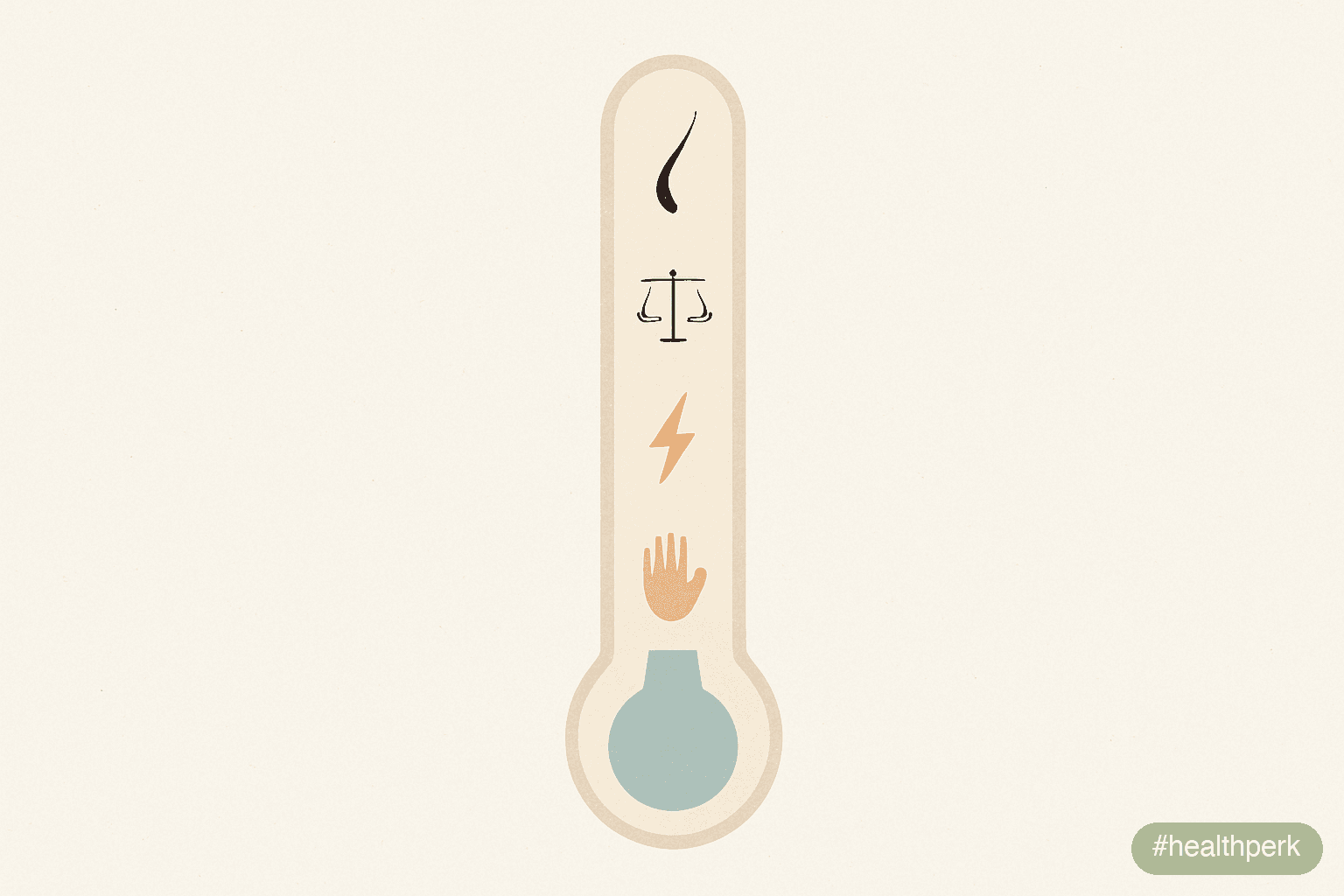
Metabolism slowing down signs rarely appear as a single dramatic change. The honest pattern is a slow drift in 3–4 markers over 2–3 months, often coinciding with a stressful life period, a prolonged diet, a new medication, or perimenopausal transition.
The cluster with the strongest evidence:
- Lower morning body temperature (consistently below 36.4 °C / 97.5 °F over two weeks)
- Resting heart rate trending lower without endurance training to explain it
- Cold extremities even in mild ambient temperatures
- Diminished morning energy and increased afternoon crashes
- Plateau at calorie intakes that previously produced weight loss
- Reduced spontaneous movement — less fidgeting, taking the elevator more often, less inclination to walk
- Reduced exercise capacity at the same workload — strength flat, conditioning slipping
Mechanistically, "metabolism slowing down" usually means some combination of:
- Adaptive thermogenesis. RMR falls below predicted after weight loss; the larger the loss and the faster the rate, the bigger the gap. The Fothergill study of Biggest Loser participants documented a 500 kcal/day suppression persisting six years (Fothergill et al., 2016).
- NEAT contraction. The subconscious reduction in daily movement that accompanies low energy availability. Detectable as drift in step counts.
- Thyroid downshift. A diet-induced fall in T3 is normal and reversible, but pathological hypothyroidism produces the same symptoms and needs treatment.
- Loss of lean mass from aggressive deficits without resistance training and adequate protein.
The diagnostic question is whether the cluster appeared after a behavioral change (long diet, less movement, worse sleep) or whether it appeared without an obvious trigger. The first reverses with structured recovery; the second deserves a medical workup.
How to Speed Up Metabolism Fast (and Honestly)

How to speed up metabolism fast is a fair question, but the honest answer is bounded: short-term increases in daily energy expenditure of 5–10% are realistic; doubling RMR or "supercharging" metabolism is not. The inputs that produce the largest short-term shift, in approximate order of magnitude:
- Restore food intake to maintenance for 1–2 weeks if currently in deficit. RMR can rise 5–8% within 10–14 days of refeeding after adaptive suppression. The effect is real, measurable, and reversible.
- Add 3,000–5,000 daily steps. Worth 100–250 kcal/day of additional expenditure, available the day you change the input.
- Caffeine, 3–6 mg/kg before training. Raises 24-hour expenditure 3–4% on dosing day and acutely supports training performance (Tabrizi et al., 2019).
- Cold exposure of 15+ minutes at 14–17 °C activates brown adipose tissue and raises thermogenesis modestly. Effect is small per session; cumulative across weeks (van der Lans et al., 2013).
- Two resistance sessions in week 1. Produces an EPOC (post-exercise oxygen consumption) bump of 50–100 kcal across 24 hours, plus immediate protection of lean mass.
- Sleep extension by 60 minutes for a week if currently sleep-restricted. Restores leptin and ghrelin signaling and reduces spontaneous intake by ~270 kcal/day in habitually short sleepers (Tasali et al., 2022).
What does not work, despite marketing claims: ice water "fat burning" (the effect is real but tiny — 5–25 kcal per glass), eating frequent small meals (no demonstrated RMR effect versus equal-calorie larger meals in controlled studies), spot reduction exercises, "metabolism-boosting" thermogenic stacks beyond the active compounds reviewed below, and detox protocols.
A reasonable 7-day protocol: 10,000 steps daily, two resistance sessions, protein at 0.8 g/lb, 7+ hours sleep, caffeine pre-training, and 1 cup of strong green tea daily. Most adults will see 3–6% higher daily expenditure by day 7, sustainable across weeks.
How to Reduce Body Fat Percentage

How to reduce body fat percentage is a different question from "how to lose weight." Body fat percentage falls when fat mass declines faster than lean mass — which depends on the deficit size, protein intake, training stimulus, and sleep more than on the diet pattern.
The parameters with the strongest 2026 evidence:
- Moderate deficit, not aggressive. 15–25% below maintenance preserves lean mass; deeper deficits sacrifice it.
- Protein at 0.7–1.0 g/lb body weight during the deficit. A 2018 British Journal of Sports Medicine meta-analysis found higher-protein intakes substantially preserved lean mass during caloric restriction (Morton et al., 2018).
- Resistance training, 2–4 sessions weekly, with progressive load. The signal for lean-mass retention.
- Sleep regularity. Sleep-restricted dieters lose ~55% less fat and 60% more lean mass than rested dieters on identical calorie deficits (Nedeltcheva et al., 2010).
- Realistic rate. 0.5–1.0% of body weight per week — for a 180 lb adult, 0.9–1.8 lb/week.
- Patience with weeks of identical scale. Body composition shifts often appear at the 6–8 week mark in measurements and photos before they appear cleanly on the scale.
Common errors that flatten body fat percentage progress:
- Cardio-on-cardio approach without resistance training. Loses lean mass alongside fat, often leaving body fat percentage unchanged.
- Low protein during a deficit. Same scale loss, worse composition.
- Daily weighing without averaging. Daily noise drives discouragement; weekly averages match composition trends.
- Confusing fat loss with water shifts. A 5 lb drop in the first week of a diet is mostly glycogen and water; the corresponding rebound is not fat regain.
Tracking that matches the question: weekly weight average, waist measurement at a fixed landmark, monthly progress photos, and strength performance in resistance training. Body fat percentage estimates from smart scales and consumer devices carry ±3–5 percentage point error and should be used for trend rather than absolute value.
Supplements for a Metabolism Boost
Supplements for metabolism boost are real but bounded. The compounds with credible randomized-trial evidence add roughly 3–5% to 24-hour energy expenditure when stacked with adequate training and protein — meaningful over months, modest week to week. They are an additional lever, not a substitute for the structural inputs.
The compounds with the strongest 2026 evidence:
- Caffeine. 3–6 mg/kg body weight raises 24-hour expenditure 3–4% and supports training performance. Tolerance develops; cycling helps preserve effect (Tabrizi et al., 2019).
- Green tea extract (EGCG). 400–500 mg EGCG daily produces a small but consistent thermogenic and fat-oxidation effect, particularly when paired with caffeine.
- L-carnitine. 2 g/day, taken with carbohydrate to support muscle uptake, modestly improves fat oxidation in endurance-trained adults.
- Protein powder. Not a thermogenic per se, but the easiest way to hit 0.7–1.0 g/lb protein, which is the highest-leverage dietary input.
- Creatine monohydrate, 3–5 g/day. Not a fat burner; supports training performance and lean mass preservation, which protects RMR over time.
What does not have credible evidence in 2026: garcinia cambogia (mixed and largely negative), raspberry ketones (no human data of substance), CLA at consumer doses (small effect at high doses, poor practical relevance), and most proprietary thermogenic blends whose effects come from their caffeine content alone.
Green tea extract for weight loss
Green tea extract for weight loss has a credible but modest evidence base. A 2020 Phytomedicine meta-analysis of 26 randomized trials found green tea extract produced a placebo-adjusted weight loss of about 1.3 kg over 12+ weeks at doses providing 400–600 mg/day of catechins, primarily EGCG (Lin et al., 2020). The effect is larger when combined with caffeine and with resistance training, and smaller in habitual caffeine consumers.
Mechanism: EGCG inhibits catechol-O-methyltransferase (COMT), prolonging norepinephrine signaling and increasing thermogenesis and fat oxidation. The effect is real but small per dose; clinical relevance depends on dose, training context, and adherence over months.
Practical use: 400–500 mg EGCG daily, taken with food, paired with caffeine if tolerated. Monitor for upper-GI discomfort. Hepatotoxicity is rare but documented at very high doses (>800 mg/day EGCG), particularly when taken fasted; do not exceed 500 mg/day without medical supervision (Hu et al., 2018).
L-carnitine weight loss benefits
L-carnitine weight loss benefits are real but specific. L-carnitine transports long-chain fatty acids into the mitochondria for oxidation; supplementation modestly improves fat oxidation in adults with reduced muscle carnitine (older adults, vegetarians, endurance athletes) and produces small weight-loss effects in some randomized trials.
A 2016 Obesity Reviews meta-analysis of 9 randomized trials found L-carnitine supplementation produced an additional 1.3 kg weight loss versus placebo over 12+ weeks at 1.8–4 g/day (Pooyandjoo et al., 2016). The effect was largest in adults with obesity and modest in lean, well-trained adults.
Practical use: 2 g/day, taken with a carbohydrate meal (carbohydrate is needed for muscle carnitine uptake). The L-carnitine L-tartrate form is well-absorbed; acetyl-L-carnitine has nootropic effects but less metabolic data. Effects emerge across weeks of consistent dosing, not within hours.
The honest framing for both: supplements add a small consistent edge to a working protocol. They cannot rescue a non-working protocol.
Foods That Boost Metabolism Naturally
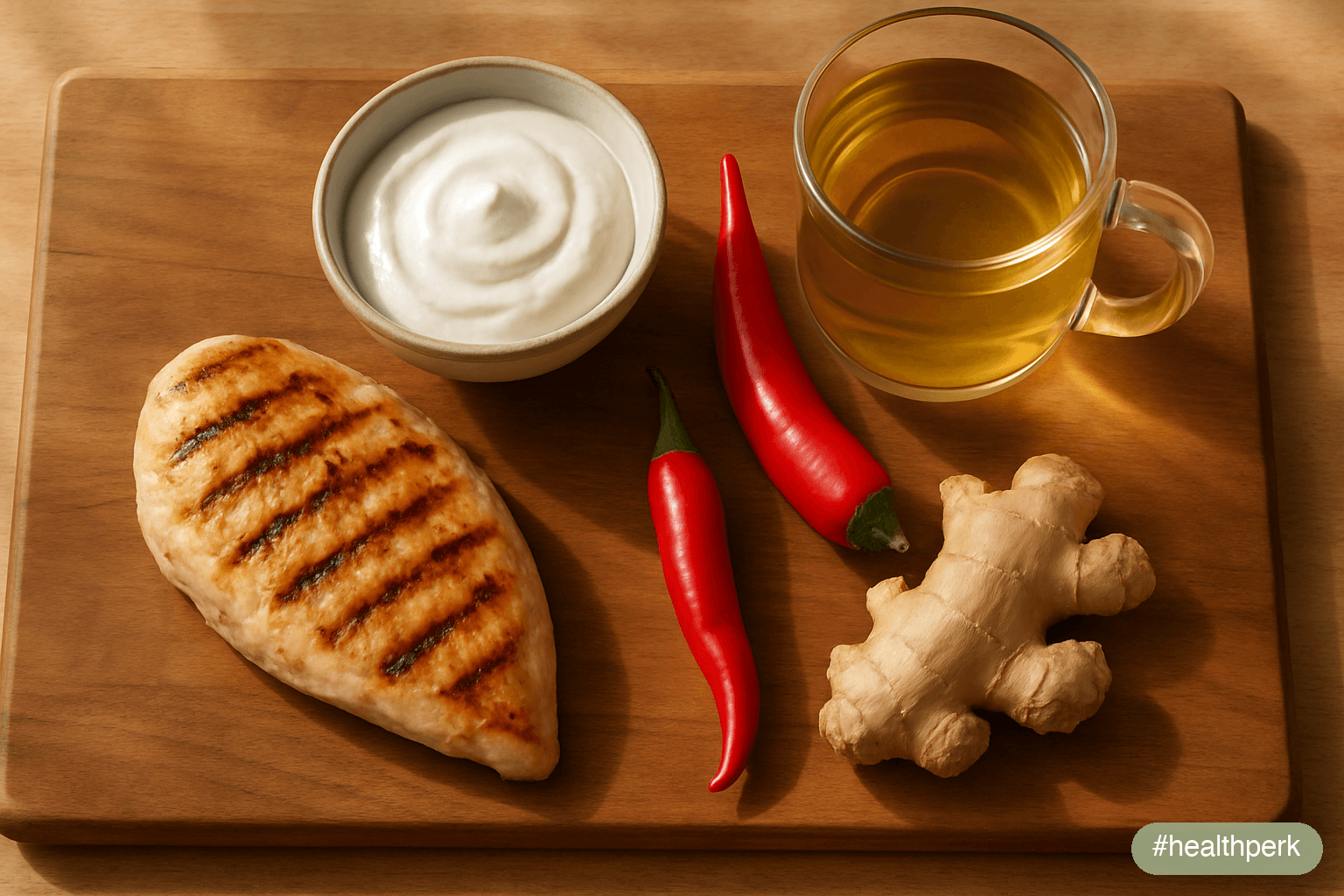
Foods that boost metabolism naturally work through three mechanisms: high thermic effect (protein-rich foods), bioactive thermogenic compounds (caffeine, catechins, capsaicin), and satiety effects that prevent the spontaneous overconsumption that masks calorie deficits.
The food categories with the strongest evidence:
- Lean proteins. Chicken, turkey, white fish, lean beef, Greek yogurt, cottage cheese, eggs, and tofu. The thermic effect of protein (20–30%) is the largest of any macronutrient. A 30 g protein meal burns 6–9 more kcal in digestion than the same energy from carbohydrate, and 15–25 more kcal than from fat. Across 4 meals at 30 g protein, this adds 60–100 kcal/day of expenditure without any other change (Pesta & Samuel, 2014).
- Green tea. 2–3 cups daily provide 200–400 mg of catechins and 70–140 mg of caffeine; small thermogenic effect plus useful hydration.
- Coffee. 2–4 cups daily provide an acute thermogenic and performance effect from caffeine, and beneficial polyphenols.
- Chili peppers (capsaicin). A 2012 Appetite meta-analysis found capsaicin and capsiate produced a small but consistent thermogenic effect (~50 kcal/day) and modest appetite reduction (Whiting et al., 2012).
- Greek yogurt and cottage cheese. Slowly digested protein supports overnight muscle protein synthesis and satiety.
- Fiber-rich vegetables and legumes. Slow gastric emptying, blunt postprandial glucose, and support satiety — supporting adherence rather than RMR directly.
- Water. Not a food, but drinking 500 ml of cold water acutely raises metabolic rate ~30% for 30–40 minutes (~25 kcal per dose). Small per glass; cumulative across the day if substituted for caloric drinks (Boschmann et al., 2003).
What does not raise metabolism in any meaningful way despite popular claims: lemon water, apple cider vinegar shots, "metabolism-boosting" smoothies, MCT oil at moderate doses, and most superfood marketing.
A practical pattern: 3–4 meals daily anchored on 30–40 g protein, two of them with vegetables or legumes, 2–3 cups of green tea or coffee distributed earlier in the day, capsaicin in one meal if tolerated, and 2+ liters of water across the day.
L-Carnitine vs Green Tea Extract
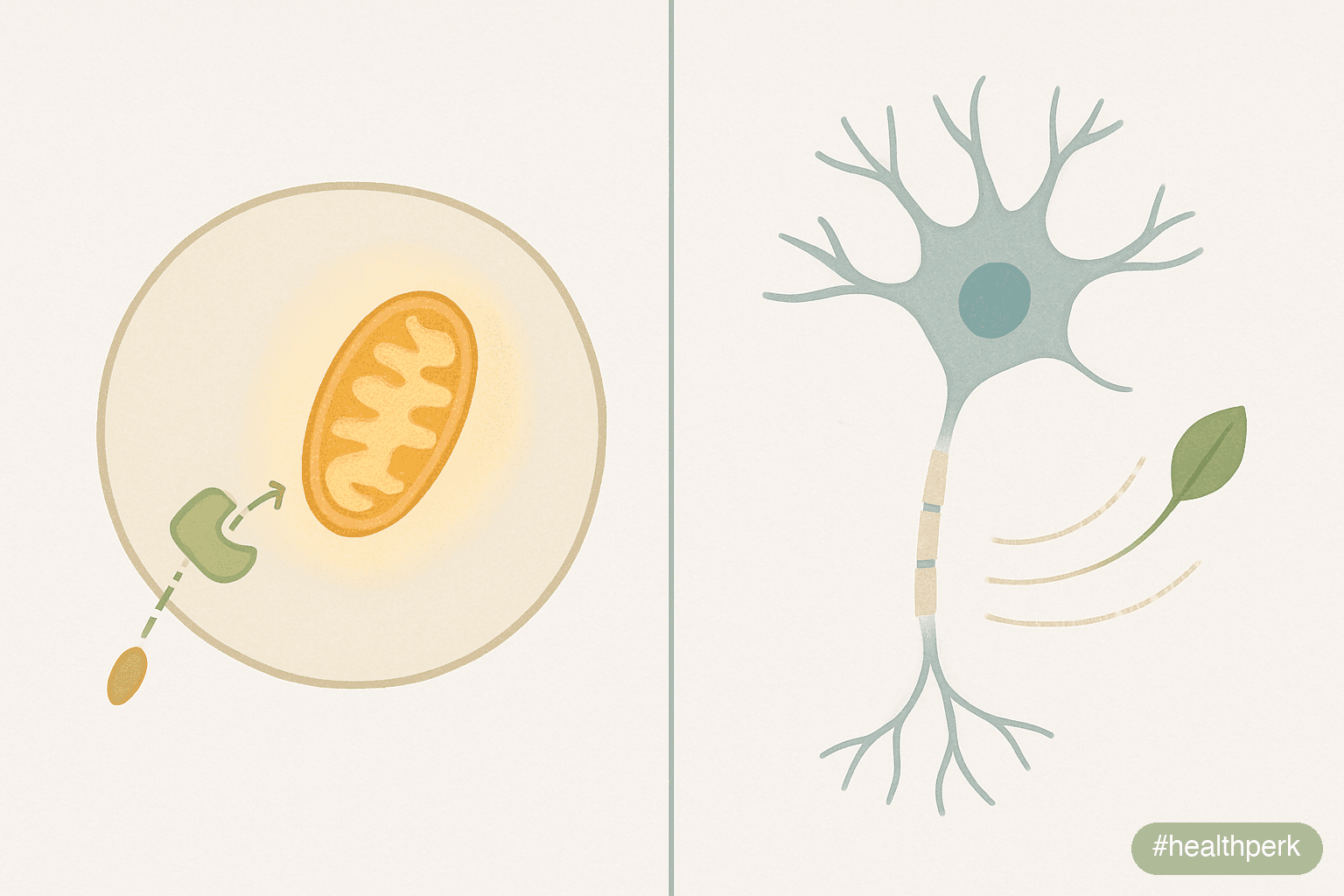
L-carnitine vs green tea extract is a useful comparison because the two compounds work through different mechanisms and suit different protocols. Both have credible randomized-trial evidence, both produce roughly 1–1.5 kg additional weight loss versus placebo over 12+ weeks, and neither produces dramatic results in isolation.
| Feature | L-Carnitine | Green Tea Extract (EGCG) |
|---|---|---|
| Mechanism | Fatty acid transport into mitochondria | COMT inhibition; prolonged norepinephrine; increased thermogenesis |
| Best dose | 2 g/day with carbohydrate meal | 400–500 mg EGCG daily, with food |
| Effect on RMR | Minimal; works through improved oxidation | +3–4% on dosing day |
| Effect on training | Reduces muscle damage markers; supports endurance | Acute thermogenic; modest performance with caffeine |
| Best fit | Endurance training, older adults, vegetarians | Resistance training, caffeine non-users, fat-loss phases |
| Side effect risk | Low; fishy body odor at high doses | GI discomfort; rare hepatotoxicity above 800 mg/day |
| Stacks with caffeine? | Neutral | Yes — additive thermogenic |
| Evidence quality (2026) | Moderate; meta-analyses positive | Moderate to high; multiple meta-analyses positive |
When to choose L-carnitine: endurance-trained, lower-caffeine tolerance, vegetarian or low-meat eater (since dietary L-carnitine is lower), older adults with reduced muscle carnitine, or those who prefer not to add stimulants.
When to choose green tea extract: resistance-trained, low to moderate baseline caffeine intake, fat-loss phase where a small thermogenic edge is wanted, and no liver concerns.
When to use both: reasonable for many adults, since the mechanisms do not overlap. Practical stack: 2 g L-carnitine L-tartrate with breakfast, 400 mg EGCG with lunch (away from the carnitine to avoid potential absorption interaction with high-polyphenol meals), and caffeine at usual training time.
Neither should be expected to substitute for the structural inputs — resistance training, protein intake, daily steps, sleep, and a moderate deficit. They earn their place by adding a small consistent edge to a working protocol over months.
Related Articles on HealthPerk
Explore more on this topic:
- Why Can't I Lose Weight Even Dieting?
- How to Lose Belly Fat Naturally
- Best Supplements for Weight Loss
- Natural Appetite Suppressants That Work
- Hormonal Weight Gain Causes
Frequently Asked Questions
How do I boost metabolism naturally without supplements?
The five structural inputs cover most of the achievable effect: 2–3 weekly resistance sessions to build and preserve lean mass, protein at 0.7–1.0 g/lb of body weight distributed across 3–4 meals daily, 7,000–10,000 daily steps to protect NEAT, 7+ hours of sleep with stable timing, and avoiding aggressive sub-maintenance deficits. These together can raise daily energy expenditure 5–10% in adults coming from a sedentary, low-protein baseline, with most of the gain visible at the 6–8 week mark.
What are the most common slow metabolism symptoms in females?
The cluster includes cold intolerance and low resting body temperature, persistent fatigue (especially afternoon crashes), hair thinning or dry skin over months, constipation without dietary explanation, slow weight loss at a logged moderate deficit, and irregular cycles in premenopausal women. These overlap with hypothyroidism, perimenopause, iron deficiency, vitamin D deficiency, and metabolic adaptation from prior dieting. A TSH plus free T4 panel, ferritin, and CBC are inexpensive and decisive first steps before assuming the symptoms are dietary.
What are the early signs metabolism is slowing down?
The pattern is usually a 3–4 marker drift over 2–3 months rather than a single dramatic change: lower morning body temperature, lower resting heart rate without endurance training to explain it, cold extremities in mild ambient temperatures, diminished morning energy, plateau at calorie intakes that previously produced loss, and reduced spontaneous movement. If the cluster appears after a long diet or major life-stress period, structured recovery (diet break, sleep restoration, resistance training) usually reverses it. If it appears without a behavioral trigger, a medical workup is warranted.
How to speed up metabolism fast — what actually works in a week?
Restore food intake to maintenance for 1–2 weeks if currently in deficit (RMR rises 5–8% within 10–14 days), add 3,000–5,000 daily steps, train resistance 2× in the week, take caffeine 3–6 mg/kg pre-training, and extend sleep by 60 minutes if currently short. Realistic weekly gain in daily energy expenditure is 3–6% — meaningful and measurable, but not dramatic. Doubling RMR or "supercharging" metabolism in days is marketing, not biology.
How to reduce body fat percentage versus just lose scale weight?
Use a moderate 15–25% deficit, hold protein at 0.7–1.0 g/lb, train resistance 2–4 times weekly with progressive load, sleep 7+ hours, target 0.5–1.0% body weight loss per week, and track waist measurement and progress photos alongside the scale. A 2018 meta-analysis found higher protein intakes substantially preserved lean mass during caloric restriction. Sleep-restricted dieters lose ~55% less fat and 60% more lean mass than rested dieters on identical calorie deficits — sleep is non-negotiable for composition.
Does green tea extract for weight loss actually work?
The evidence is real but modest. A 2020 meta-analysis of 26 randomized trials found green tea extract produced placebo-adjusted weight loss of about 1.3 kg over 12+ weeks at doses providing 400–600 mg/day of catechins. The effect is larger with caffeine pairing and resistance training, smaller in habitual caffeine consumers. Mechanism is COMT inhibition that prolongs norepinephrine signaling. Practical dose 400–500 mg EGCG daily with food; do not exceed 500 mg/day without medical supervision because of rare hepatotoxicity at very high fasted doses.
What are the L-carnitine weight loss benefits in 2026?
A 2016 Obesity Reviews meta-analysis of 9 randomized trials found L-carnitine produced an additional 1.3 kg weight loss versus placebo over 12+ weeks at 1.8–4 g/day. Mechanism is fatty acid transport into mitochondria for oxidation. Effects are largest in adults with obesity, vegetarians (lower dietary intake), endurance athletes, and older adults with reduced muscle carnitine. Practical dose 2 g/day taken with a carbohydrate meal, since carbohydrate is needed for muscle uptake. Effects emerge across weeks of consistent dosing, not within hours.
L-carnitine vs green tea extract — which should I pick?
Choose L-carnitine if endurance-trained, lower-caffeine tolerant, vegetarian, or older — its mechanism (fatty-acid transport) suits these contexts. Choose green tea extract if resistance-trained, low-to-moderate caffeine baseline, in a fat-loss phase, and looking for a small thermogenic edge. Using both is reasonable for many adults since the mechanisms do not overlap; a typical stack is 2 g L-carnitine L-tartrate with breakfast, 400 mg EGCG with lunch, and caffeine at training time. Neither substitutes for resistance training, protein, daily steps, sleep, and a moderate deficit.
This article is for informational purposes only and does not constitute medical advice. Persistent fatigue, cold intolerance, hair changes, unexplained weight changes, or irregular cycles can be symptoms of treatable conditions including hypothyroidism, iron deficiency anemia, vitamin D deficiency, perimenopausal hormonal shifts, and other medical conditions. Consult a qualified healthcare provider before starting supplements, particularly if you take prescription medications, have liver or kidney disease, are pregnant or breastfeeding, or have cardiovascular conditions. Green tea extract at very high doses has been linked to rare cases of hepatotoxicity. Individual results may vary.
About the author The HealthPerk Editorial Team reviews weight management and metabolic research through evidence synthesis cross-referenced with peer-reviewed clinical trials, supplement-safety reviews, and clinical practice guidelines. Our weight-loss content is reviewed for medical accuracy against current obesity-medicine, endocrinology, and sports-nutrition standards. How we review →
References
McMurray, R. G., Soares, J., Caspersen, C. J., & McCurdy, T. (2014). Examining variations of resting metabolic rate of adults: A public health perspective. Medicine & Science in Sports & Exercise, 46(7), 1352–1358. https://doi.org/10.1249/MSS.0000000000000232
Supports: lean body mass is the dominant determinant of resting metabolic rate; resistance-trained adults run measurably higher RMR than sedentary peers of similar weight
Pesta, D. H., & Samuel, V. T. (2014). A high-protein diet for reducing body fat: Mechanisms and possible caveats. Nutrition & Metabolism, 11(1), 53. https://doi.org/10.1186/1743-7075-11-53
Supports: protein has a thermic effect of 20–30% versus 5–10% for carbohydrate and 0–3% for fat; higher-protein intakes raise daily thermogenesis and support lean mass during deficits
Nedeltcheva, A. V., Kilkus, J. M., Imperial, J., Schoeller, D. A., & Penev, P. D. (2010). Insufficient sleep undermines dietary efforts to reduce adiposity. Annals of Internal Medicine, 153(7), 435–441. https://doi.org/10.7326/0003-4819-153-7-201010050-00006
Supports: at identical caloric deficits, shorter sleepers lose 55% less fat and 60% more lean mass than longer sleepers
Fothergill, E., Guo, J., Howard, L., Kerns, J. C., Knuth, N. D., Brychta, R., ... & Hall, K. D. (2016). Persistent metabolic adaptation 6 years after "The Biggest Loser" competition. Obesity, 24(8), 1612–1619. https://doi.org/10.1002/oby.21538
Supports: adaptive thermogenesis suppresses RMR below predicted for years after aggressive weight loss
Garber, J. R., Cobin, R. H., Gharib, H., Hennessey, J. V., Klein, I., Mechanick, J. I., ... & Woeber, K. A. (2017). Clinical practice guidelines for hypothyroidism in adults. Thyroid, 22(12), 1200–1235. https://doi.org/10.1089/thy.2012.0205
Supports: 4–10% of adult women have subclinical or overt hypothyroidism; prevalence rises with age and TSH plus free T4 are appropriate first-line evaluation
Tabrizi, R., Saneei, P., Lankarani, K. B., Akbari, M., Kolahdooz, F., Esmaillzadeh, A., ... & Asemi, Z. (2019). The effects of caffeine intake on weight loss: A systematic review and dose-response meta-analysis of randomized controlled trials. Critical Reviews in Food Science and Nutrition, 59(16), 2688–2696. https://doi.org/10.1080/10408398.2018.1507996
Supports: caffeine 3–6 mg/kg raises 24-hour energy expenditure 3–4% and produces small additional weight loss in dose-dependent fashion
van der Lans, A. A. J. J., Hoeks, J., Brans, B., Vijgen, G. H. E. J., Visser, M. G. W., Vosselman, M. J., ... & van Marken Lichtenbelt, W. D. (2013). Cold acclimation recruits human brown fat and increases nonshivering thermogenesis. Journal of Clinical Investigation, 123(8), 3395–3403. https://doi.org/10.1172/JCI68993
Supports: cold exposure activates brown adipose tissue and increases non-shivering thermogenesis; cumulative effect across weeks
Tasali, E., Wroblewski, K., Kahn, E., Kilkus, J., & Schoeller, D. A. (2022). Effect of sleep extension on objectively assessed energy intake among adults with overweight in real-life settings: A randomized clinical trial. JAMA Internal Medicine, 182(4), 365–374. https://doi.org/10.1001/jamainternmed.2021.8098
Supports: increasing sleep duration in habitually short sleepers reduces spontaneous energy intake by ~270 kcal/day without conscious diet intervention
Lin, Y., Shi, D., Su, B., Wei, J., Găman, M. A., Sedanur Macit, M., ... & Zhou, Y. (2020). The effect of green tea supplementation on obesity: A systematic review and dose-response meta-analysis of randomized controlled trials. Phytotherapy Research, 34(10), 2459–2470. https://doi.org/10.1002/ptr.6697
Supports: green tea extract produces placebo-adjusted weight loss of ~1.3 kg over 12+ weeks at 400–600 mg/day catechins
Pooyandjoo, M., Nouhi, M., Shab-Bidar, S., Djafarian, K., & Olyaeemanesh, A. (2016). The effect of (L-)carnitine on weight loss in adults: A systematic review and meta-analysis of randomized controlled trials. Obesity Reviews, 17(10), 970–976. https://doi.org/10.1111/obr.12436
Supports: L-carnitine supplementation produces ~1.3 kg additional weight loss versus placebo over 12+ weeks at 1.8–4 g/day
- Morton, R. W., Murphy, K. T., McKellar, S. R., Schoenfeld, B. J., Henselmans, M., Helms, E., ... & Phillips, S. M. (2018). A systematic review, meta-analysis and meta-regression of the effect of protein supplementation on resistance training-induced gains in muscle mass and strength in healthy adults. British Journal of Sports Medicine, 52(6), 376–384. https://doi.org/10.1136/bjsports-2017-097608
Supports: higher protein intakes during caloric restriction substantially preserve lean mass and support training-induced lean-mass gains
- Whiting, S., Derbyshire, E., & Tiwari, B. K. (2012). Capsaicinoids and capsinoids: A potential role for weight management? A systematic review of the evidence. Appetite, 59(2), 341–348. https://doi.org/10.1016/j.appet.2012.05.015
Supports: capsaicin and capsiate produce a small consistent thermogenic effect (~50 kcal/day) and modest appetite reduction
- Boschmann, M., Steiniger, J., Hille, U., Tank, J., Adams, F., Sharma, A. M., ... & Jordan, J. (2003). Water-induced thermogenesis. Journal of Clinical Endocrinology & Metabolism, 88(12), 6015–6019. https://doi.org/10.1210/jc.2003-030780
Supports: drinking 500 ml of cold water acutely raises metabolic rate ~30% for 30–40 minutes
- Hu, J., Webster, D., Cao, J., & Shao, A. (2018). The safety of green tea and green tea extract consumption in adults — results of a systematic review. Regulatory Toxicology and Pharmacology, 95, 412–433. https://doi.org/10.1016/j.yrtph.2018.03.019
Supports: rare hepatotoxicity associated with very high EGCG doses, particularly fasted; supports the 500 mg/day practical ceiling without medical supervision
Frequently Asked Questions
How do I boost metabolism naturally without supplements?
Five structural inputs cover most of the achievable effect: 2-3 weekly resistance sessions, protein at 0.7-1.0 g/lb across 3-4 meals, 7,000-10,000 daily steps, 7+ hours of stable-timing sleep, and avoiding sub-maintenance deficits. Together these raise daily energy expenditure 5-10% in adults coming from a sedentary, low-protein baseline, with most of the gain visible at 6-8 weeks.
What are the most common slow metabolism symptoms in females?
Cold intolerance, low resting body temperature, persistent fatigue with afternoon crashes, hair thinning or dry skin, constipation, slow weight loss at logged moderate deficits, and irregular cycles in premenopausal women. These overlap with hypothyroidism, perimenopause, iron deficiency, and metabolic adaptation. A TSH plus free T4, ferritin, and CBC are inexpensive and decisive first steps.
What are the early signs metabolism is slowing down?
A 3-4 marker drift over 2-3 months: lower morning body temperature, lower resting heart rate without training to explain it, cold extremities, diminished morning energy, plateau at calorie intakes that previously produced loss, and reduced spontaneous movement. After a long diet or stress period, structured recovery usually reverses it; without a behavioral trigger, a medical workup is warranted.
How to speed up metabolism fast — what actually works in a week?
Restore food intake to maintenance for 1-2 weeks if currently in deficit (RMR rises 5-8% in 10-14 days), add 3,000-5,000 daily steps, train resistance twice, take caffeine 3-6 mg/kg pre-training, and extend sleep by 60 minutes if currently short. Realistic gain in daily expenditure is 3-6% in a week — meaningful but not dramatic.
How to reduce body fat percentage versus just lose scale weight?
Use a moderate 15-25% deficit, hold protein at 0.7-1.0 g/lb, train resistance 2-4 times weekly with progressive load, sleep 7+ hours, target 0.5-1.0% body weight loss per week, and track waist measurement and photos alongside the scale. Sleep-restricted dieters lose 55% less fat and 60% more lean mass than rested dieters on identical deficits.
Does green tea extract for weight loss actually work?
Yes, modestly. A 2020 meta-analysis of 26 trials found placebo-adjusted weight loss of about 1.3 kg over 12+ weeks at 400-600 mg/day catechins. Effect is larger with caffeine pairing and resistance training. Mechanism is COMT inhibition prolonging norepinephrine signaling. Practical dose 400-500 mg EGCG daily with food; do not exceed 500 mg/day without medical supervision.
What are the L-carnitine weight loss benefits in 2026?
A 2016 meta-analysis of 9 trials found L-carnitine produced 1.3 kg additional weight loss versus placebo over 12+ weeks at 1.8-4 g/day. Mechanism is fatty acid transport into mitochondria. Effects are largest in adults with obesity, vegetarians, endurance athletes, and older adults. Practical dose 2 g/day with a carbohydrate meal.
L-carnitine vs green tea extract — which should I pick?
Choose L-carnitine if endurance-trained, low-caffeine tolerant, vegetarian, or older. Choose green tea extract if resistance-trained, low-to-moderate caffeine baseline, in a fat-loss phase, and looking for a thermogenic edge. Using both is reasonable; the mechanisms do not overlap. Typical stack is 2 g L-carnitine L-tartrate with breakfast and 400 mg EGCG with lunch.
More from Supplements