How to Boost Your Immune System Naturally: An Evidence-Based 2026 Guide
How to Boost Your Immune System Naturally: An Evidence-Based 2026 Guide
By the HealthPerk Editorial Team · Last updated: May 2026
Quick Answer
How do you boost the immune system naturally?
The immune system is not a dial you can turn up with a single supplement or habit. It is a layered defense whose function tracks the same recovery inputs that govern energy and metabolism. Across 2026 evidence, four daily inputs account for the majority of natural immune support in healthy adults: 7–8 hours of consistent sleep, 25–35 g of fiber from diverse plants plus 1–3 servings of fermented food, 150–300 minutes of moderate exercise per week, and repletion of documented micronutrient deficiencies (especially vitamin D and zinc). Stacking 4–5 evidence-based levers reliably outperforms any single "immune-boosting" pill.
Match the goal to the most effective lever:
| If the goal is… | Highest-yield lever | Realistic timeframe |
|---|---|---|
| Reduce yearly cold count | Stable sleep ≥7 hours nightly | 4–8 weeks |
| Recover faster mid-infection | Zinc lozenges (start within 24 h), rest, hydration | Days |
| Build long-term resilience | Fiber + fermented food + moderate exercise | 8–12 weeks |
| Survive winter with kids at home | Vitamin D repletion + hand hygiene + humidified air | Across one season |
| Boost vaccine response | Adequate sleep the week of vaccination | Days |
The phrase how to boost immune system naturally captures a goal most adults share but a process most marketing misrepresents. By 2026, the consensus across immunology, sleep medicine, and nutrition has shifted from single-ingredient "boosters" to a structural view: immune function is a downstream readout of recovery, nutrition, movement, and barrier care, and improvement comes from stacking these inputs consistently across weeks and seasons.
This guide maps the strongest 2026 evidence on natural immune support, organized by leverage rather than novelty. Each section pairs a specific lever with the trial-grade evidence behind it and a practical entry point you can apply this week.
Table of Contents
- How to Strengthen the Immune System
- How to Improve Immunity Fast
- How to Improve Immunity Naturally for Adults
- Ways to Boost the Immune System Quickly
- Daily Habits to Improve Immunity
- A Daily Routine for Immunity
- Exercise and the Immune System
- Hydration and Immunity
- How to Boost Immunity in Winter
- Frequently Asked Questions
- References
How to Strengthen the Immune System
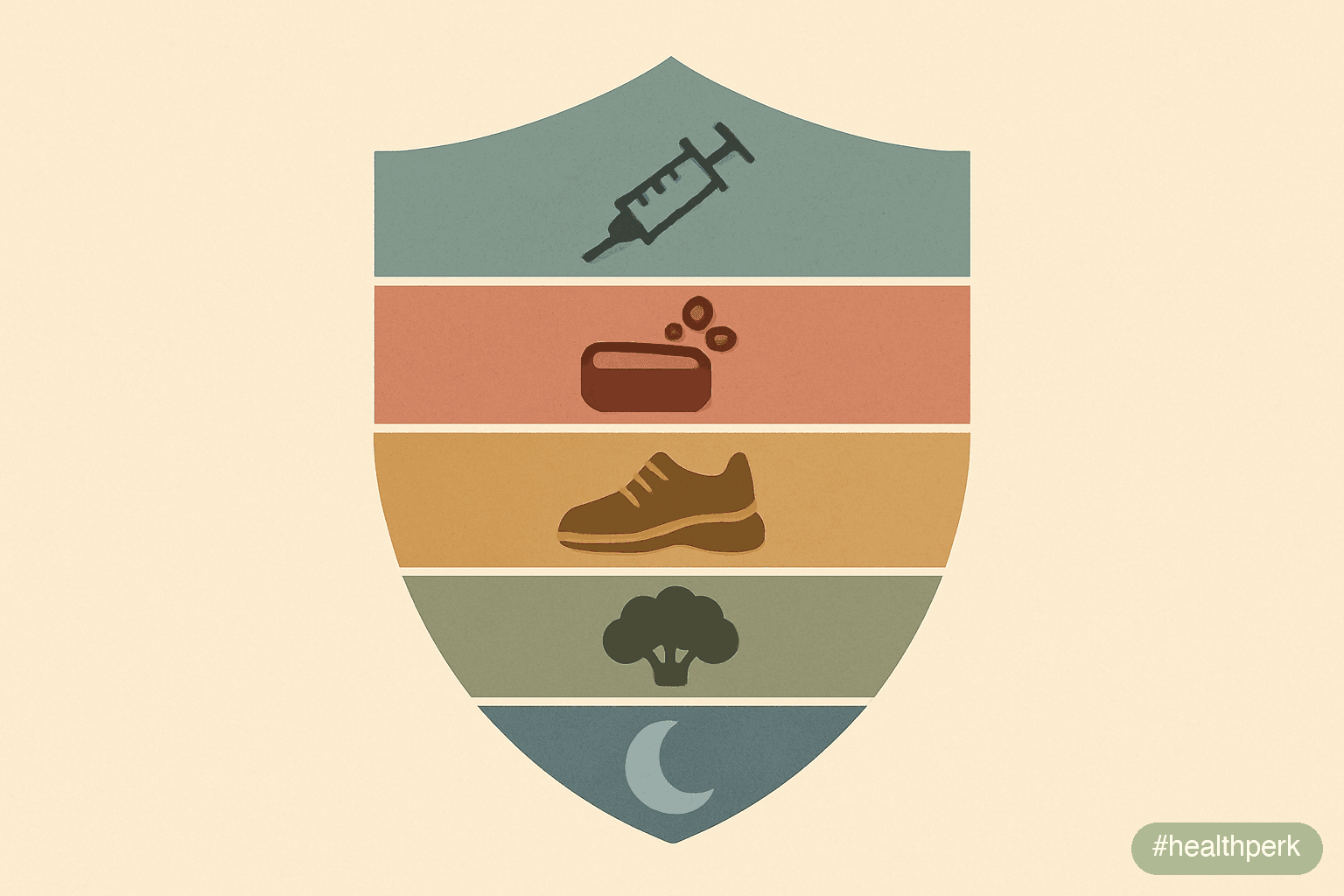
How to strengthen immune system function is best answered as a layered-defense problem rather than a single-pill problem. The immune system comprises physical barriers (skin, nasal cilia, mucus), innate immunity (neutrophils, macrophages, natural-killer cells), and adaptive immunity (T and B lymphocytes with antibody memory). Each layer responds to different inputs, and the most reliable path to a stronger overall response is to support every layer at once rather than overload one.
The 2026 evidence-supported levers, ranked by effect size in healthy adults:
- Consistent sleep duration of 7–8 hours. A 2015 Sleep trial inoculated 164 adults with rhinovirus and found those sleeping under 6 hours were 4.2 times more likely to develop a clinical cold than those sleeping over 7 (Prather et al., 2015).
- Moderate exercise, 150–300 minutes per week. A J-curve relationship — both sedentary patterns and high-volume intense training above 600 minutes weekly increase infection risk; the middle range reliably supports immune surveillance (Nieman & Wentz, 2019).
- Repletion of documented deficiencies. A 2017 BMJ meta-analysis of 25 RCTs (11,321 participants) found vitamin D supplementation reduced acute respiratory infections, with the strongest effect in those with baseline 25(OH)D under 25 nmol/L (Martineau et al., 2017).
- Fiber 25–35 g/day plus fermented foods 1–3 servings/day. A 10-week Stanford trial showed the combination increased microbiome diversity and reduced 19 inflammatory proteins (Wastyk et al., 2021).
- Up-to-date vaccinations per regional guidance. Among the largest single-effect immune interventions available.
- Hand hygiene at transition points. A 2020 Cochrane review of 67 trials found regular handwashing reduced respiratory infection transmission by 16–21% (Jefferson et al., 2020).
How to build strong immune system architecture over time
How to build strong immune system capacity is a months-and-seasons project rather than a days project. Adults who rarely catch infections in the same exposure environment as those who get sick often usually differ on multiple structural inputs at once — sleep regularity, dietary fiber, indoor humidity in winter, exercise volume, alcohol intake. The compounding effect across 8–12 weeks reliably outperforms any single intervention attempted in isolation.
Practical entry point: pick the two weakest inputs in your current pattern (most often sleep regularity and fiber intake), commit to them for 4 weeks, then layer a third. Sustained 4–5-lever stacks outperform any "immune-boost protocol" that touts a single supplement or food.
How to Improve Immunity Fast
How to improve immunity fast is the most common search around acute infection or impending exposure (travel, a sick household member, a critical work week). The honest answer is that the structural immune system cannot be quickly "upgraded" — antibody production, T-cell maturation, and microbiome composition shift over weeks. However, several short-window interventions measurably reduce infection probability or severity within days.
What actually works on a fast timescale, with current trial evidence:
- Protect 7–8 hours of sleep this week. A single week of restricted sleep cuts antibody response to influenza vaccination by more than half (Spiegel et al., 2002). Conversely, restoring sleep within days measurably improves measures of immune competence.
- Zinc lozenges at first symptom. Started within 24 hours of cold onset at 75 mg/day elemental zinc, lozenges modestly shorten cold duration in a 2017 meta-analysis (Hemilä, 2017). Do not use chronically — high-dose zinc impairs copper absorption.
- Vitamin D loading dose if deficient. Faster repletion under physician supervision can normalize 25(OH)D within 2–4 weeks; benefits accrue most in baseline-deficient adults (Martineau et al., 2017).
- Hand hygiene and avoidance of face-touching during exposure windows. Effect is measurable within hours, not weeks.
- Humidify indoor air to 40–60% during heating season. Restores nasal mucus barrier within a day or two.
- Cyclic sighing 5 minutes daily if stress is the dominant input — measurable reductions in physiological arousal in a 2023 Cell Reports Medicine trial (Balban et al., 2023).
Fast ways to improve immunity that do not actually work
Fast ways to improve immunity are heavily marketed, and several popular ones lack supporting evidence. High-dose vitamin C taken acutely does not prevent colds in the general population, though it modestly shortens duration in established infection and shows preventive effect only in high physical-stress contexts like marathon runners (Hemilä & Chalker, 2013). Echinacea, elderberry, and "immune-boost" multi-herb tonics have weak and inconsistent trial evidence. IV vitamin "drips" lack outcome-based trial support for healthy adults. The strongest acute levers remain sleep, zinc if symptomatic, vitamin D if deficient, and barrier behaviors — the simple ones.
How to Improve Immunity Naturally for Adults
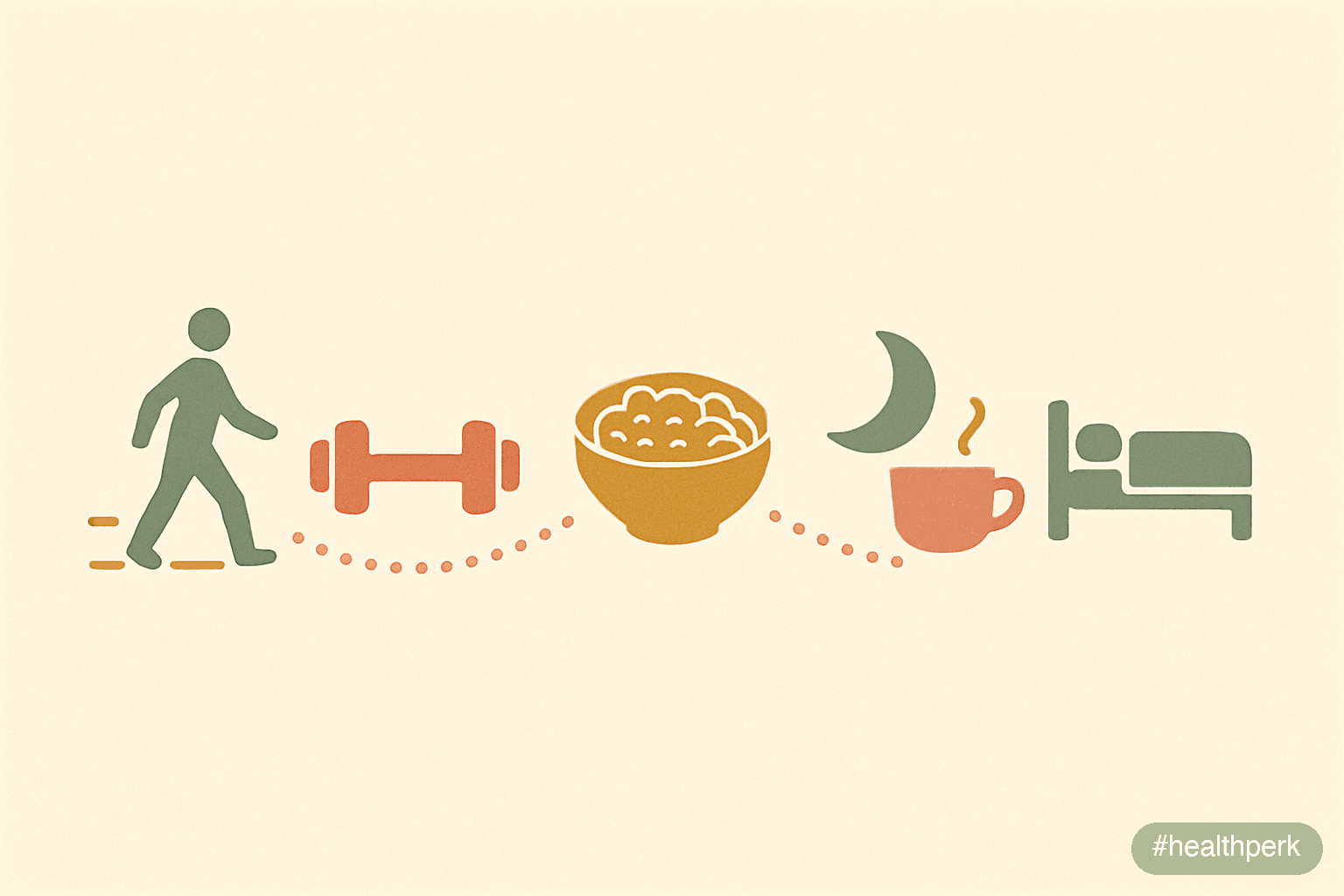
How to improve immunity naturally adults can apply varies by age band, exposure environment, and baseline health, but the core levers are stable across the adult lifespan. The differences are emphasis: younger adults usually under-sleep and under-eat fiber; midlife adults more often under-recover from chronic stress and over-rely on alcohol; adults over 60 face immunosenescence and benefit disproportionately from vaccination, protein intake, and resistance training.
The natural levers most adults benefit from, ordered by typical effect:
- Sleep regularity — fix wake time first; a 30-minute weekend window outperforms variable sleep timing of any duration.
- Protein 0.6–0.8 g/lb body weight, distributed across meals; under-eating protein blunts antibody synthesis.
- Fiber 25–35 g/day from diverse plants plus 1–3 servings/day of fermented foods (yogurt, kefir, sauerkraut, kimchi) to support microbiome diversity.
- Moderate exercise 150–300 minutes per week, with 2 sessions of resistance work — especially relevant after 40 for preserving lean mass and immune function.
- Vitamin D screening and repletion in northern latitudes and indoor occupations; target serum 30–50 ng/mL.
- Limited alcohol — under 5 drinks/week, no binges; even moderate alcohol measurably impairs mucosal immunity.
- Outdoor daylight 10+ minutes within 30 minutes of waking to anchor circadian-immune coupling.
- Up-to-date vaccinations including annual influenza, regional SARS-CoV-2 boosters, pneumococcal as indicated, and shingles after age 50.
How to boost immune system adults at different life stages
How to boost immune system adults is most effective when the program matches the life stage. Adults in their 20s and 30s get the highest leverage from sleep and dietary fiber; adults in their 40s and 50s benefit most from adding resistance exercise and stress recovery; adults 60+ should prioritize vaccination, protein intake (often higher — 0.7–1.0 g/lb), vitamin D and B12 status, and avoiding the cycle of falls and bed rest that compounds immunosenescence. None of these programs require expensive supplements; all are reversible behavior shifts with measurable immune effect.
Ways to Boost the Immune System Quickly
Ways to boost immune system quickly that have actual evidence overlap heavily with the "how to improve immunity fast" levers above, but with one important framing distinction. Quick interventions optimize the current state of immune readiness rather than building new capacity. The realistic effect window is 24 hours to 4 weeks.
Short-window interventions, ranked by effect:
- Restore a full 7–8 hour sleep night. Antibody and T-cell readiness measurably improve within days of restored sleep.
- Hydrate to clear urine. Dehydration reduces nasal mucus production and impairs mucociliary clearance within hours.
- Eat a fiber-rich meal pattern for the next 7 days. Microbiome shifts begin within 24–48 hours and influence inflammatory tone.
- Take zinc lozenges only if cold symptoms have appeared in the last 24 hours. Acute use, not chronic.
- Move daily — 20–40 minutes of moderate activity. A single bout transiently mobilizes natural-killer cells; daily repetition compounds.
- Reduce alcohol to zero this week if illness is imminent or in progress. Acute alcohol measurably impairs phagocyte function.
- Humidify dry indoor air. Effect on nasal barrier is measurable within a day.
How to boost immune system quickly without supplement traps
How to boost immune system quickly is the wedge most consumer immune marketing uses, and it is the area where evidence is weakest for the most heavily promoted products. High-dose multivitamins, "immune blends" with proprietary herb combinations, IV vitamin drips, and elderberry syrups do not consistently outperform sleep, hydration, zinc-if-symptomatic, and basic hand hygiene in trial settings. The shortest path to measurable improvement is almost always behavioral rather than pharmacological.
Daily Habits to Improve Immunity
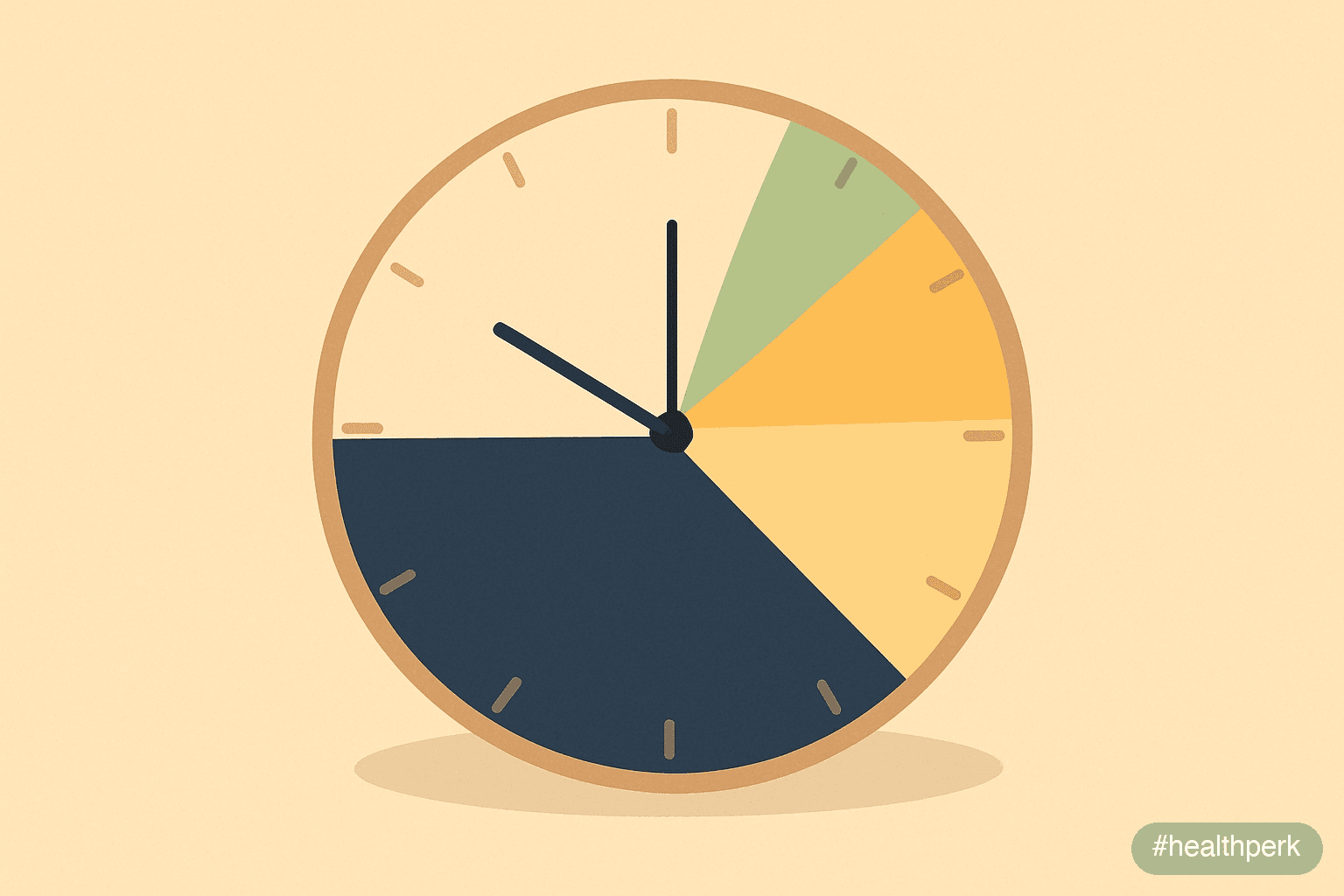
Daily habits to improve immunity are the structural choices that determine whether immune function operates at the high or low end of an adult's individual range. None are novel; their cumulative effect is what matters.
The daily habits with the strongest 2026 evidence:
- Wake at the same time every day, within a 30-minute window including weekends.
- Get 10+ minutes of outdoor daylight within 30 minutes of waking.
- Eat protein at every meal, totalling 0.6–0.8 g per pound of body weight per day.
- Hit 25–35 g of fiber per day from diverse plant sources.
- Add 1–3 servings of fermented foods daily — yogurt, kefir, sauerkraut, kimchi, miso.
- Move 20–40 minutes daily, mixing cardio and resistance across the week.
- Hydrate to clear urine.
- Cap caffeine at early afternoon to protect deep sleep.
- Limit alcohol to under 5 drinks/week with no binges.
- Wash hands on entry home, before eating, and after shared-surface contact.
- Brush and floss daily — oral health is independently linked to systemic inflammation.
- Wind down 30–60 minutes before bed, screens dim, lights warm, room cool.
- Sleep 7–8 hours in a cool, dark, quiet room.
Habits to strengthen immune system over weeks and seasons
Habits to strengthen immune system are most effective when treated as a 4–8 week implementation project rather than a fresh start every Monday. Pick two of the above to make non-negotiable for four weeks, then layer a third. Adults who maintain 5–7 of these habits consistently year-round have measurably lower respiratory-infection rates and faster recovery when infections do occur — the cumulative effect across the list far outweighs any single supplement.
A Daily Routine for Immunity
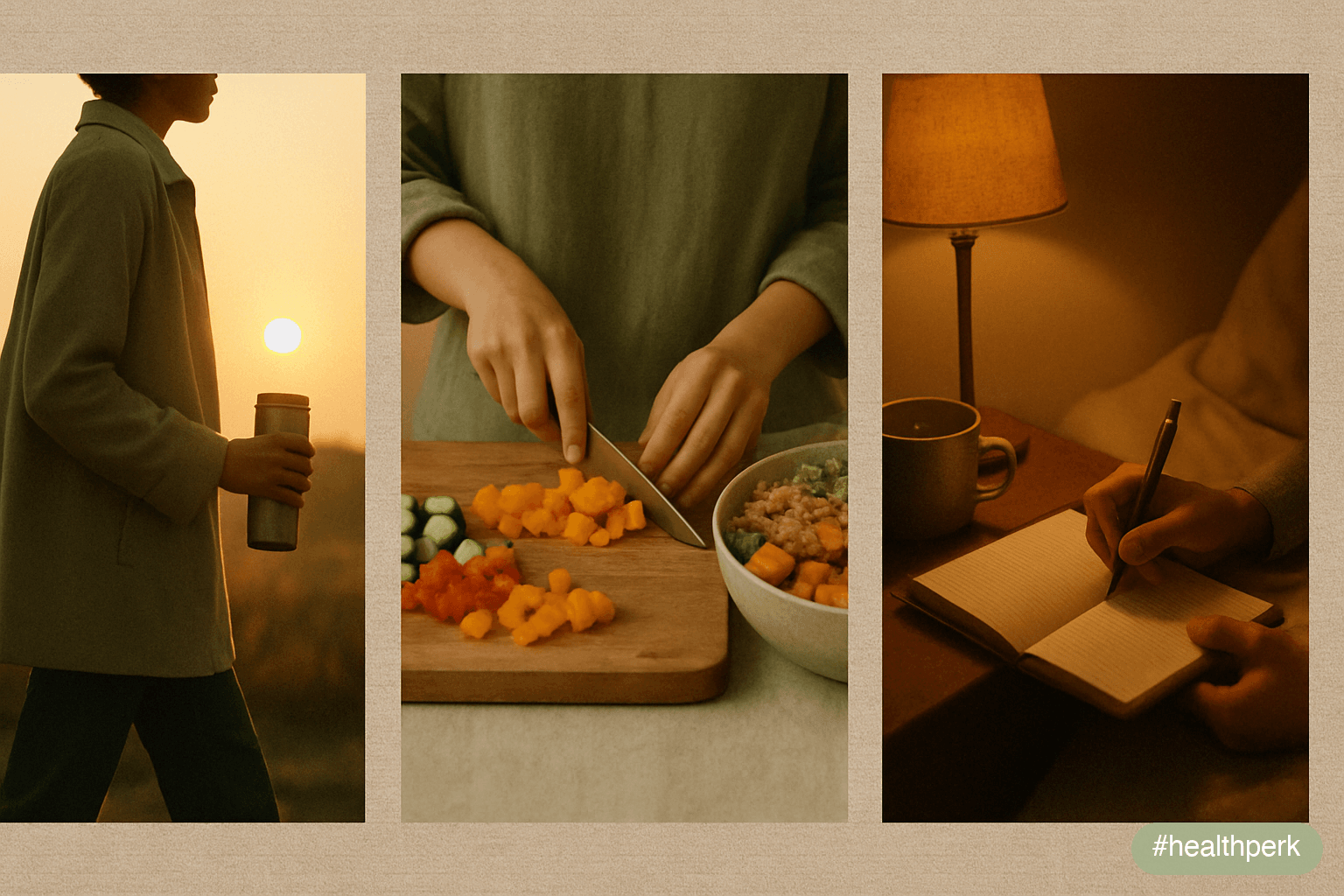
A practical daily routine for immunity anchors the levers above into a repeatable pattern most adults can sustain across seasons. The structure below is a template; the specific times shift to match your work and family schedule, but the sequence of inputs is what matters.
Morning (within 90 minutes of waking)
- Hydrate — 12–16 oz of water before caffeine
- Sunlight outdoors for 10+ minutes
- Protein-forward breakfast — eggs, Greek yogurt, cottage cheese, or a plant-protein alternative (20–30 g protein)
- A serving of fiber — oats, berries, chia, ground flax
Midday
- 20–40 minutes of movement — walking, cycling, lifting; intensity moderate
- A vegetable-heavy lunch with protein and 8–12 g of fiber
- A second hydration refill
Afternoon
- Cap caffeine by 14:00 if metabolism is slow
- Brief outdoor break for daylight and movement
- A snack with protein and fiber rather than refined carbohydrates
Evening
- Dinner with diverse plants — at least 4–5 distinct plant species across the day's meals
- Fermented food serving — yogurt, kefir, kimchi, sauerkraut
- A walk after dinner if sleep latency is an issue
Wind-down (last 60–90 minutes)
- Dim lights, screens to night mode or off
- Cool the bedroom to 16–19 °C
- Brief reading or stretching; avoid alcohol within 3 hours of bed
- Lights out at a consistent time
Sleep habits for immune health
Sleep habits for immune health are the highest-yield piece of the daily routine. The 2002 JAMA sleep-restriction trial cut influenza antibody titers more than half within a week of inadequate sleep (Spiegel et al., 2002), and a 2019 Journal of Experimental Medicine paper described the mechanism: sleep enhances T-cell adhesion to antigen-presenting cells through reduced sympathetic signaling, improving immune-memory formation (Dimitrov et al., 2019). The practical levers — fix wake time, protect 7–8 hours, cool dark room, screens out 60 minutes before bed, caffeine cut-off mid-afternoon — collectively produce the largest immune effect of any non-vaccination intervention.
Exercise and the Immune System
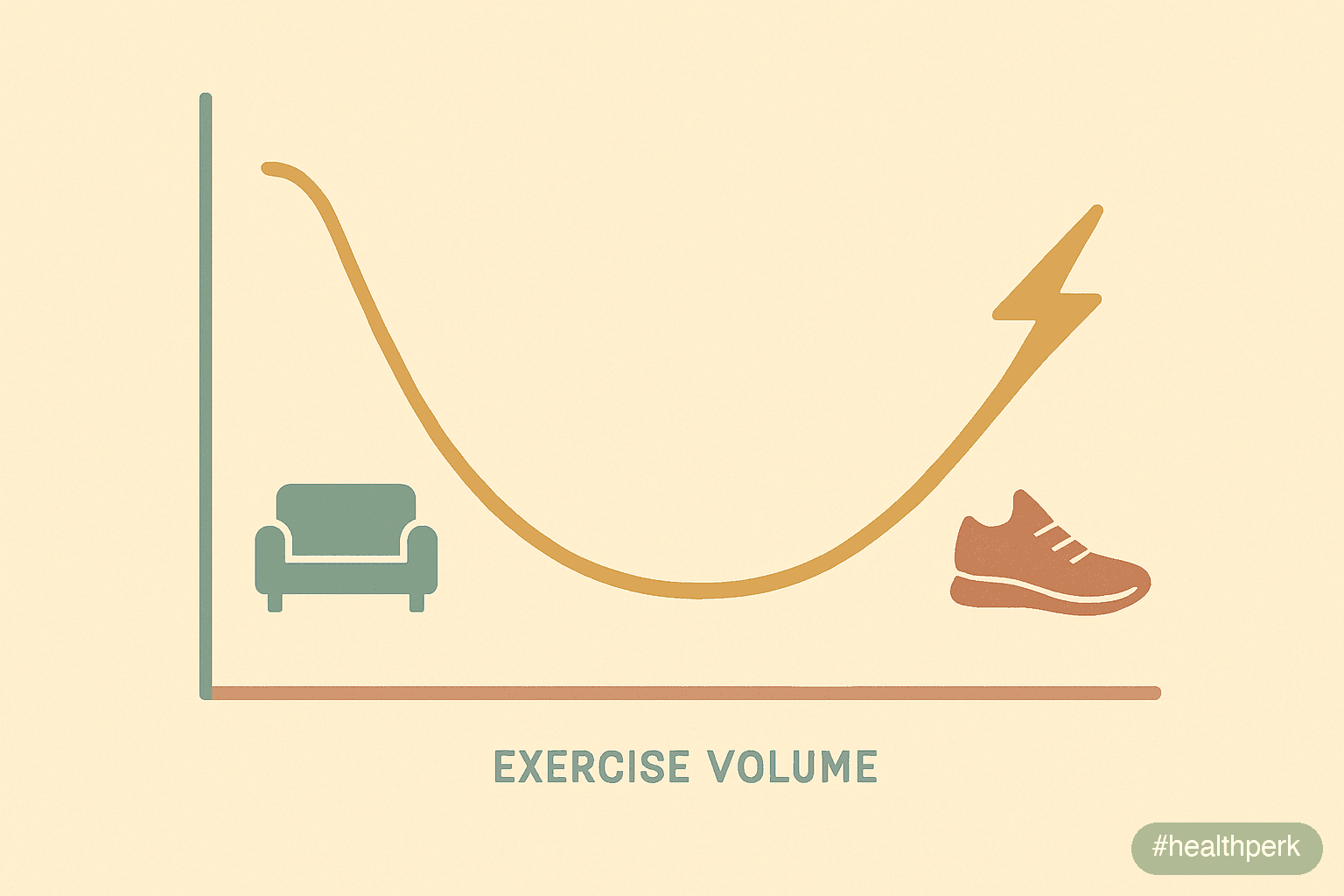
Exercise and immune system function follow a J-curve relationship documented across decades of research. Both sedentary patterns and very high-volume intense training increase infection risk; the moderate middle reliably supports immune surveillance and reduces respiratory infection rate.
The 2026 evidence, summarized:
- Sedentary patterns — under 60 minutes per week of moderate activity — are associated with elevated respiratory infection rates and weaker vaccine response (Nieman & Wentz, 2019).
- Moderate exercise — 150–300 minutes per week of moderate-intensity activity (brisk walking, cycling, swimming) plus 2 sessions of resistance work — produces the lowest infection risk and best immune-surveillance profile.
- Very high-volume training — over 600 minutes per week of high-intensity work without adequate recovery — raises infection risk, particularly upper-respiratory, in the post-event window (the "open window" hypothesis, modernized but still supported).
Mechanisms supported by current evidence:
- A single bout of moderate exercise transiently mobilizes natural-killer cells and circulating lymphocytes, improving immune surveillance across hours
- Regular moderate training reduces chronic inflammatory tone (IL-6, CRP) over weeks
- Resistance training preserves immune-cell production capacity into older age
- Outdoor exercise compounds with daylight exposure and circadian regulation
Practical guidance:
- Walk 20–40 minutes most days
- Add 2 resistance sessions per week — bodyweight or weights, 30–45 minutes each
- One slightly harder session per week — intervals, hike, sport — for cardiorespiratory stimulus
- During acute infection, scale back to gentle walking until recovery; pushing through worsens outcomes
The middle range is the immune sweet spot, not the maximum.
Hydration and Immunity
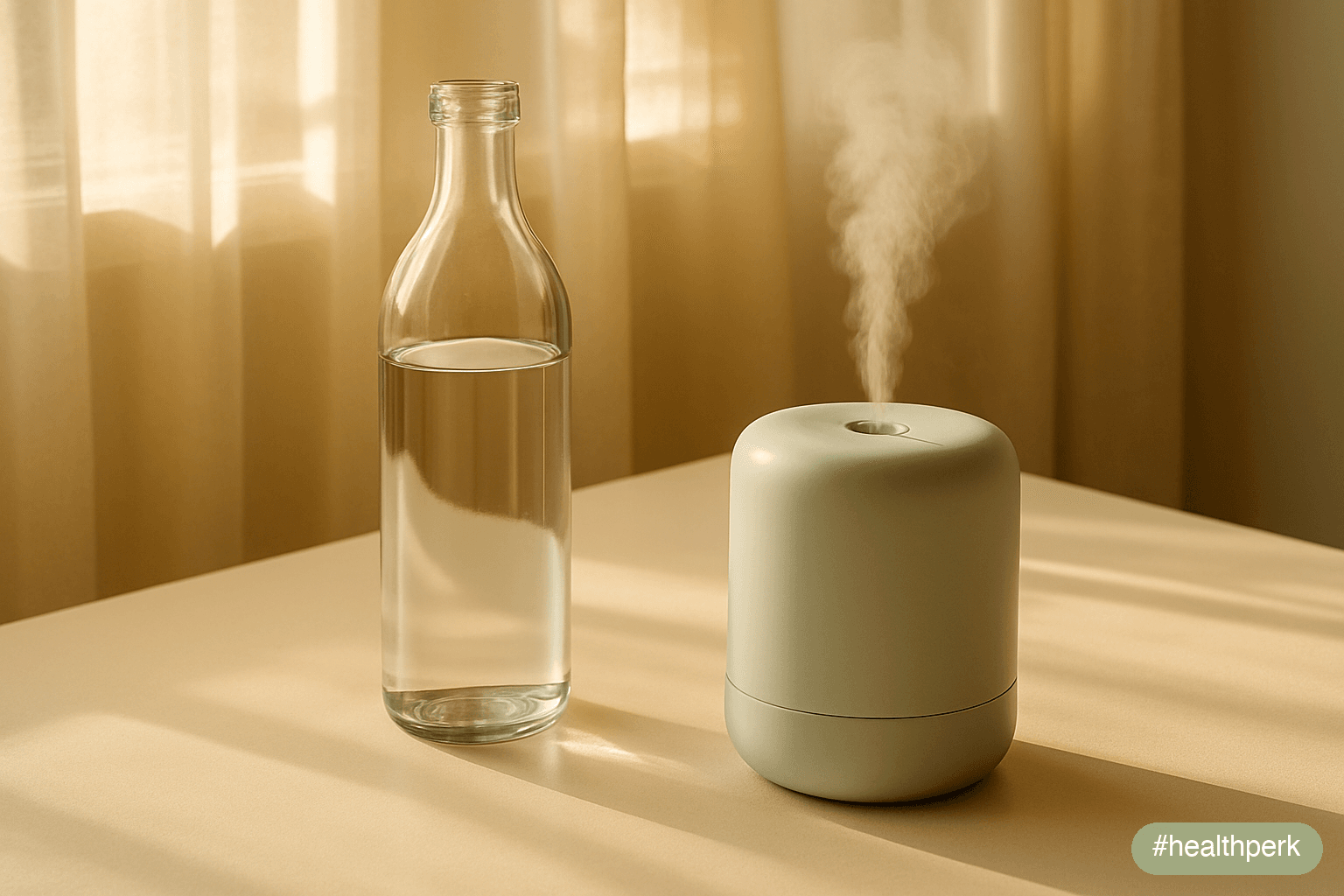
Hydration and immunity are linked through two distinct mechanisms: systemic fluid status that supports immune-cell trafficking and metabolic function, and airway-surface hydration that maintains the nasal and bronchial mucus barrier against pathogens.
Systemic dehydration of even 1–2% body weight measurably reduces blood plasma volume, slows lymphocyte trafficking, and impairs mucosal secretions (saliva, tears, nasal mucus) that supply IgA antibodies. Chronic mild dehydration is common in adults who substitute coffee, sugary drinks, or alcohol for water across the day.
Airway-surface hydration depends on ambient humidity as well as systemic water status. Dry indoor air during heating season pulls moisture from nasal mucus, slowing mucociliary clearance — the conveyor that removes inhaled viruses before they infect epithelial cells. Maintaining indoor humidity at 40–60% during heating season measurably preserves this barrier.
Practical guidance:
- Hydrate to clear urine across the day (target is "pale yellow," not "clear")
- Drink 12–16 oz on waking, before caffeine
- A glass of water with every meal
- Add electrolytes (sodium, potassium, magnesium) only if sweat losses or hot-climate exposure are significant
- Humidifier in bedrooms during heating season; target 40–60% relative humidity
- Avoid mouth-breathing during sleep — if snoring or dry mouth on waking, screen for nasal obstruction and sleep apnea
Hydration is rarely the single dominant immune lever, but it interacts with several others — sleep quality, mucosal barrier integrity, exercise tolerance — and a chronically under-hydrated state cancels much of the benefit of other inputs.
How to Boost Immunity in Winter
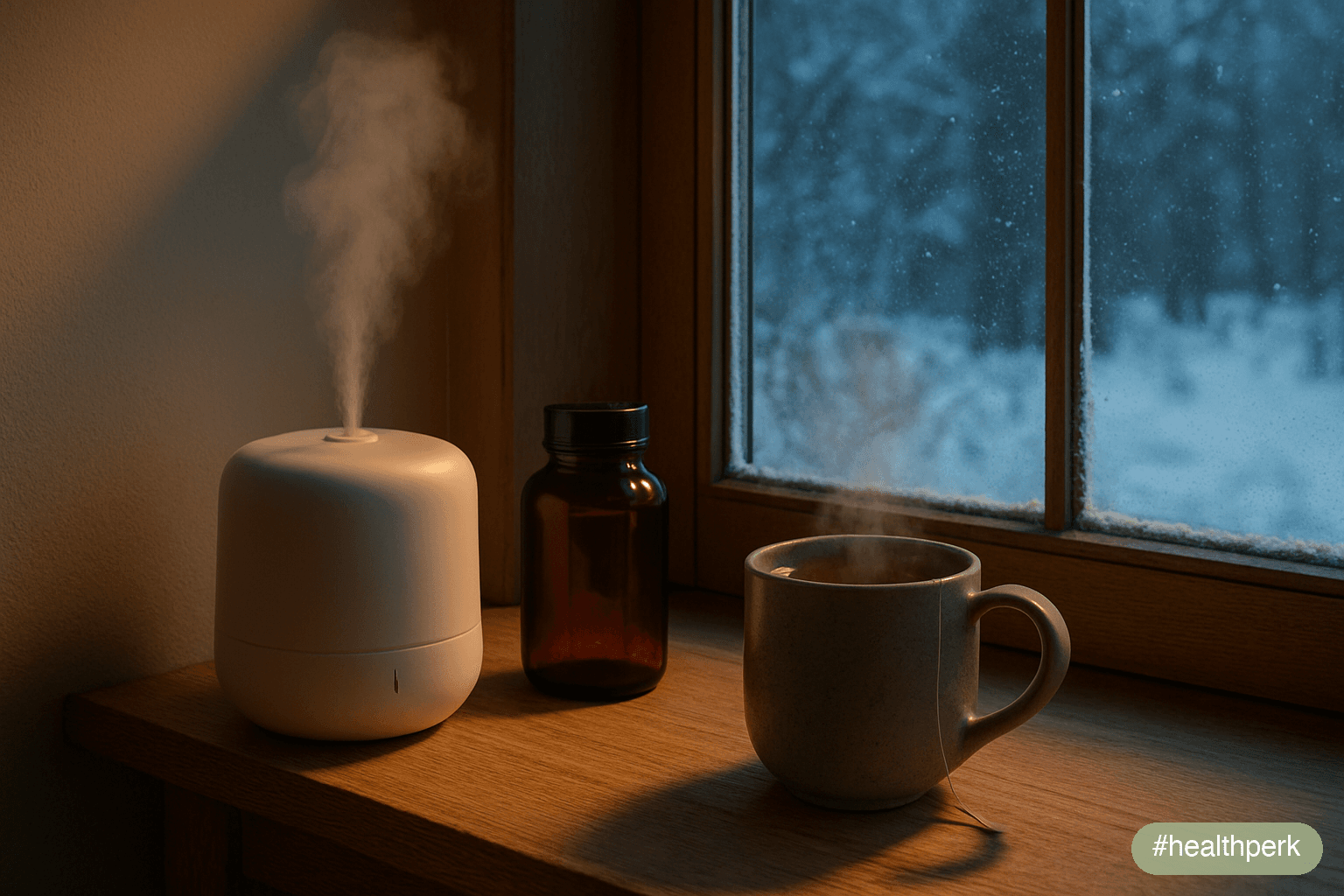
How to boost immunity in winter requires adjusting the same daily inputs to a tougher seasonal environment: less daylight, drier indoor air, more time indoors with other people, more respiratory virus circulation, and for many adults a measurable drop in serum vitamin D between November and March.
The 2026 winter-specific levers with the strongest evidence:
- Vitamin D supplementation — 1,000–2,000 IU/day from October through April for adults in northern latitudes, with a target serum level of 30–50 ng/mL. The 2017 BMJ meta-analysis showed the strongest preventive effect against acute respiratory infections in baseline-deficient adults (Martineau et al., 2017).
- Indoor humidity 40–60%. Use humidifiers in bedrooms and main living areas during heating season to preserve nasal mucus barrier.
- Annual influenza vaccination plus regional SARS-CoV-2 booster guidance plus pneumococcal vaccine as indicated.
- Hand hygiene on entry home, before eating, and after public transit or shared surfaces.
- Outdoor daylight even on cold days — 10+ minutes within 30 minutes of waking anchors circadian rhythm despite low light intensity.
- Sleep regularity especially across holiday and travel weeks when irregularity spikes.
- Cold-weather hydration — thirst sensation declines in winter; deliberate intake matters more.
- N95 or surgical mask in high-exposure indoor settings during community waves.
Prevent colds winter immunity protocol
Prevent colds winter immunity is most reliably achieved by stacking 4–5 winter-specific levers across the season rather than reacting to each emerging cold. A workable winter protocol: vaccinate in October, supplement vitamin D November through April after a 25(OH)D check, humidify the home, prioritize sleep through the holiday season, wash hands at every transition, and reduce indoor crowd exposure when community respiratory waves are active. Adults who maintain this stack reliably catch fewer colds than those who rely on reactive supplement loading at the first sign of symptoms.
Related Articles on HealthPerk
Explore more on this topic:
- Why Do I Get Sick So Often?
- Best Vitamins and Supplements for Immunity
- Foods That Boost the Immune System
- How to Stop Overthinking
- How to Lose Weight Sustainably
Frequently Asked Questions
How do I boost the immune system naturally without supplements?
The strongest 2026 evidence supports stacking four to five behavioral levers rather than relying on any single supplement: consistent 7–8 hours of sleep, 25–35 g fiber daily plus 1–3 servings of fermented food, moderate exercise 150–300 minutes per week with two resistance sessions, hydration to clear urine, and basic barrier behaviors (hand hygiene, indoor humidity 40–60% in winter, up-to-date vaccinations). Repletion of documented deficiencies — most commonly vitamin D and zinc — is the only supplement category with consistent trial support; empirical multivitamin use in already-replete adults rarely changes infection rate.
How can I improve immunity fast before travel or a busy week?
Protect a full 7–8 hours of sleep the week before, hydrate to clear urine, eat fiber-rich meals for 5–7 days, avoid alcohol, and apply hand hygiene rigorously during the exposure window. If symptoms appear, zinc lozenges started within 24 hours at 75 mg/day modestly shorten cold duration. Structural immune capacity cannot be quickly upgraded — antibody and T-cell readiness shift over weeks — but optimizing the current state of readiness within days is realistic.
How to strengthen immune system function in adults across seasons?
Treat it as a layered-defense problem: support physical barriers (humidify air in winter, brush and floss, avoid smoking and vaping), innate immunity (sleep, moderate exercise), and adaptive immunity (protein, micronutrient repletion, vaccination). Pick two weakest current inputs — most often sleep regularity and fiber — commit for 4 weeks, then layer a third. The compounding effect across 8–12 weeks reliably outperforms any single intervention attempted in isolation.
How to build strong immune system architecture over months?
Sustained adherence to 5–7 daily habits across 8–12 weeks produces measurable changes in infection rate, severity, and recovery time. Sleep regularity, dietary fiber and fermented food, moderate exercise, vitamin D status, alcohol limitation, and hand hygiene at transitions account for the bulk of the effect. Adults who maintain this stack year-round differ measurably from same-environment peers who rely on reactive supplements; the difference is in structural inputs, not in any single ingredient.
How to improve immunity naturally adults at different ages?
In the 20s and 30s, the highest leverage is sleep and dietary fiber. In the 40s and 50s, add resistance exercise and stress recovery. After 60, prioritize vaccination (influenza, pneumococcal, shingles, regional COVID guidance), higher protein intake (0.7–1.0 g/lb body weight), vitamin D and B12 status, and resistance training to preserve lean mass. None of these programs require expensive supplements; all are reversible behavior shifts with measurable immune effect.
What are the best ways to boost immune system quickly during a cold?
Sleep, hydration, zinc lozenges (started within 24 hours of first symptoms at 75 mg/day), and rest. Avoid alcohol, reduce training load to gentle walking, humidify dry indoor air, and skip the heavily marketed "immune blends" that lack outcome evidence. Vitamin C taken acutely does not prevent colds in the general population but may modestly shorten established infection. The fastest path to recovery is supportive care, not aggressive supplementation.
What daily habits to improve immunity should I start with first?
Start with the two highest-yield inputs that are weakest in your current pattern. For most adults, those are sleep regularity (fix wake time within a 30-minute window) and dietary fiber (target 25–35 g/day from diverse plant sources plus 1–3 servings of fermented food). Add a third habit at week 4 — most often moderate exercise 150 minutes per week if currently sedentary, or alcohol reduction if intake exceeds 5 drinks weekly. Layered habits compound; single-habit attempts often regress within 6 weeks.
What habits to strengthen immune system have the best evidence?
Consistent sleep ≥7 hours, moderate exercise 150–300 minutes per week, 25–35 g daily fiber, 1–3 servings of fermented food, adequate protein (0.6–0.8 g/lb body weight), vitamin D sufficiency in winter, limited alcohol (under 5 drinks/week), no smoking or vaping, hand hygiene at transition points, indoor humidity 40–60% in heating season, and up-to-date vaccinations. Cumulative effects across 5–7 of these reliably outperform any single supplement and persist as long as the habits do.
What does a daily routine for immunity look like?
A morning anchor (hydrate, daylight, protein-rich breakfast with fiber), midday movement (20–40 minutes), a vegetable-heavy lunch with protein, a caffeine cut-off mid-afternoon, a fiber-and-fermented dinner with diverse plants, a 60–90 minute wind-down with dim lights and screens off, and a consistent bedtime that protects 7–8 hours in a cool, dark room. Adjust timing to your schedule; the sequence and totals are what matter.
How do sleep habits for immune health work mechanically?
Deep sleep windows host peaks in growth hormone and prolactin that support T-cell proliferation; sympathetic activity drops, freeing T-cells to bind antigen-presenting cells efficiently; sleep loss elevates IL-6 and TNF-α, biasing immune output toward inflammation. A 2002 JAMA trial showed sleep-restricted adults developed less than half the antibody titers of rested controls after influenza vaccination. Sleep regularity has the best ratio of effect size to required effort among non-vaccination immune levers.
How are exercise and immune system function related?
A J-curve: sedentary patterns and very high-volume intense training both increase infection risk; the moderate middle (150–300 minutes per week of moderate activity plus 2 resistance sessions) reliably supports immune surveillance. A single bout of moderate exercise transiently mobilizes natural-killer cells; regular training reduces chronic inflammatory tone (IL-6, CRP) over weeks; resistance work preserves immune-cell production capacity into older age. Over-training above 600 minutes per week of intense work raises upper-respiratory infection risk in the recovery window.
What is the link between hydration and immunity?
Systemic dehydration of 1–2% body weight reduces plasma volume, slows lymphocyte trafficking, and impairs mucosal secretions that supply IgA antibodies. Airway-surface hydration depends on ambient humidity too — dry indoor air slows mucociliary clearance, the conveyor that removes inhaled viruses. Targets: hydrate to clear pale-yellow urine, drink water with every meal, humidify bedrooms to 40–60% relative humidity during heating season, and address mouth-breathing or sleep apnea if dry mouth on waking is chronic.
How to boost immunity in winter when daylight and outdoor time drop?
Supplement vitamin D (1,000–2,000 IU/day from October through April for northern-latitude adults, target serum 30–50 ng/mL), humidify indoor air to 40–60%, get annual influenza and indicated regional vaccinations, wash hands on entry home, protect sleep regularity through holiday travel, hydrate deliberately (winter thirst sensation drops), and get outdoor daylight even on cold days. Stacking these across the full season prevents more colds than reacting to early symptoms with supplement loading.
How to prevent colds winter immunity loss across the family?
A whole-household approach works best: shared hand-hygiene routines at entry, age-appropriate vaccinations for all members, bedroom humidifiers during heating season, vitamin D supplementation for adults and children per pediatric guidance, sleep regularity protected through the holiday season, and masks in high-exposure settings during community waves. Households with consistent winter routines reliably catch fewer infections than those that depend on reactive responses to early symptoms.
This article is for informational purposes only and does not constitute medical advice. Talk to a qualified healthcare provider before starting supplements, especially vitamin D, zinc, or any product that may interact with prescription medications. Frequent or severe infections may signal treatable conditions including primary or secondary immunodeficiency, HIV, undiagnosed diabetes, hypothyroidism, chronic kidney disease, malnutrition, and medication side effects. Pregnant or breastfeeding women, people with kidney disease, and people on immunosuppressive therapy should consult a physician before changing supplement intake. Individual results may vary.
About the author The HealthPerk Editorial Team reviews immune-system research through evidence synthesis cross-referenced with peer-reviewed clinical trials and clinical practice guidelines. Our immunity content is reviewed for medical accuracy against current immunology, infectious-disease, and clinical-immunology standards. How we review →
References
Prather, A. A., Janicki-Deverts, D., Hall, M. H., & Cohen, S. (2015). Behaviorally assessed sleep and susceptibility to the common cold. Sleep, 38(9), 1353–1359. https://doi.org/10.5665/sleep.4968
Supports: adults sleeping under 6 hours were 4.2× more likely to develop a clinical cold after experimental rhinovirus exposure compared with those sleeping over 7 hours
Spiegel, K., Sheridan, J. F., & Van Cauter, E. (2002). Effect of sleep deprivation on response to immunization. JAMA, 288(12), 1471–1472. https://doi.org/10.1001/jama.288.12.1471-a
Supports: sleep-restricted adults developed less than half the antibody titers of rested controls 10 days after influenza vaccination
Martineau, A. R., Jolliffe, D. A., Hooper, R. L., Greenberg, L., Aloia, J. F., Bergman, P., ... & Camargo, C. A. (2017). Vitamin D supplementation to prevent acute respiratory tract infections: Systematic review and meta-analysis of individual participant data. BMJ, 356, i6583. https://doi.org/10.1136/bmj.i6583
Supports: vitamin D supplementation reduces acute respiratory infection incidence, with strongest effect in baseline-deficient adults
Hemilä, H. (2017). Zinc lozenges and the common cold: A meta-analysis comparing zinc acetate and zinc gluconate, and the role of zinc dosage. JRSM Open, 8(5), 2054270417694291. https://doi.org/10.1177/2054270417694291
Supports: zinc lozenges at 75 mg/day started within 24 hours of symptom onset modestly shorten common-cold duration
Hemilä, H., & Chalker, E. (2013). Vitamin C for preventing and treating the common cold. Cochrane Database of Systematic Reviews, (1). https://doi.org/10.1002/14651858.CD000980.pub4
Supports: routine vitamin C does not prevent colds in the general population but modestly shortens duration; preventive effect in high physical-stress contexts
Nieman, D. C., & Wentz, L. M. (2019). The compelling link between physical activity and the body's defense system. Journal of Sport and Health Science, 8(3), 201–217. https://doi.org/10.1016/j.jshs.2018.09.009
Supports: J-curve relationship between exercise volume and immune competence — moderate activity supports immune surveillance while sedentary and very high-volume training both increase infection risk
Wastyk, H. C., Fragiadakis, G. K., Perelman, D., Dahan, D., Merrill, B. D., Yu, F. B., ... & Sonnenburg, J. L. (2021). Gut-microbiota-targeted diets modulate human immune status. Cell, 184(16), 4137–4153. https://doi.org/10.1016/j.cell.2021.06.019
Supports: a 10-week dietary intervention combining fiber and fermented foods increased microbiome diversity and reduced 19 inflammatory proteins in healthy adults
Jefferson, T., Del Mar, C. B., Dooley, L., Ferroni, E., Al-Ansary, L. A., Bawazeer, G. A., ... & Conly, J. M. (2020). Physical interventions to interrupt or reduce the spread of respiratory viruses. Cochrane Database of Systematic Reviews, (11). https://doi.org/10.1002/14651858.CD006207.pub5
Supports: regular handwashing reduces respiratory infection transmission by ~16–21% across community settings
Dimitrov, S., Lange, T., Gouttefangeas, C., Jensen, A. T. R., Szczepanski, M., Lehnnolz, J., ... & Born, J. (2019). Gαs-coupled receptor signaling and sleep regulate integrin activation of human antigen-specific T cells. Journal of Experimental Medicine, 216(3), 517–526. https://doi.org/10.1084/jem.20181169
Supports: sleep enhances T-cell adhesion to antigen-presenting cells through reduced sympathetic-adrenergic signaling, improving immune-memory formation
Balban, M. Y., Neri, E., Kogon, M. M., Weed, L., Nouriani, B., Jo, B., ... & Huberman, A. D. (2023). Brief structured respiration practices enhance mood and reduce physiological arousal. Cell Reports Medicine, 4(1), 100895. https://doi.org/10.1016/j.xcrm.2022.100895
Supports: cyclic sighing reduces physiological arousal and improves mood more than mindfulness meditation in the same time window
Frequently Asked Questions
How do I boost the immune system naturally without supplements?
The strongest 2026 evidence supports stacking four to five behavioral levers rather than relying on supplements: 7–8 hours of consistent sleep, 25–35 g daily fiber plus fermented foods, moderate exercise 150–300 min/week, hydration to clear urine, and barrier behaviors. Repletion of documented deficiencies (vitamin D, zinc) is the only supplement category with consistent trial support.
How can I improve immunity fast before travel or a busy week?
Protect 7–8 hours of sleep the week before, hydrate, eat fiber-rich meals, avoid alcohol, and apply hand hygiene rigorously. Zinc lozenges started within 24 hours of cold onset modestly shorten duration. Structural immune capacity cannot be quickly upgraded, but optimizing current readiness within days is realistic.
How to strengthen immune system function in adults across seasons?
Support physical barriers (humidify air, oral hygiene), innate immunity (sleep, moderate exercise), and adaptive immunity (protein, micronutrient repletion, vaccination). Pick two weakest inputs, commit 4 weeks, then layer a third. Compounding across 8–12 weeks reliably outperforms any single intervention.
How to build strong immune system architecture over months?
Sustained adherence to 5–7 daily habits across 8–12 weeks produces measurable changes in infection rate, severity, and recovery. Sleep regularity, fiber and fermented food, moderate exercise, vitamin D status, alcohol limitation, and hand hygiene account for the bulk of the effect.
How to improve immunity naturally adults at different ages?
20s–30s: sleep and fiber. 40s–50s: add resistance exercise and stress recovery. After 60: prioritize vaccination, higher protein (0.7–1.0 g/lb), vitamin D and B12 status, and resistance training. None require expensive supplements; all are reversible behavioral shifts.
What are the best ways to boost immune system quickly during a cold?
Sleep, hydration, zinc lozenges started within 24 hours at 75 mg/day, and rest. Avoid alcohol, reduce training to gentle walking, humidify dry air. Vitamin C does not prevent colds in the general population but may modestly shorten duration. Skip heavily marketed immune blends without outcome evidence.
What daily habits to improve immunity should I start with first?
Start with the two highest-yield weakest inputs. For most adults that is sleep regularity (fix wake time within a 30-minute window) and fiber (25–35 g/day plus fermented food). Add a third habit at week 4 — typically moderate exercise 150 min/week or alcohol reduction.
What habits to strengthen immune system have the best evidence?
Consistent sleep ≥7 hours, moderate exercise 150–300 min/week, 25–35 g fiber daily, fermented foods 1–3 servings/day, adequate protein 0.6–0.8 g/lb, vitamin D sufficiency, limited alcohol, no smoking, hand hygiene, indoor humidity 40–60% in winter, and up-to-date vaccinations. Stacking 5–7 of these outperforms any single supplement.
What does a daily routine for immunity look like?
Morning hydration plus daylight and protein-rich breakfast with fiber; midday movement 20–40 minutes; vegetable-heavy lunch; mid-afternoon caffeine cut-off; fiber-and-fermented dinner with diverse plants; 60–90 minute wind-down with dim lights and screens off; consistent bedtime protecting 7–8 hours in a cool dark room.
How do sleep habits for immune health work mechanically?
Deep sleep hosts growth hormone peaks supporting T-cell proliferation; sympathetic activity drops freeing T-cells to bind antigen-presenting cells; sleep loss elevates IL-6 and TNF-α biasing output toward inflammation. A 2002 JAMA trial showed sleep-restricted adults developed less than half the antibody titers of rested controls after influenza vaccination.
How are exercise and immune system function related?
A J-curve: sedentary patterns and very high-volume intense training both increase infection risk; the moderate middle of 150–300 min/week supports immune surveillance. A single bout of moderate exercise transiently mobilizes NK cells; regular training reduces chronic inflammatory tone over weeks.
What is the link between hydration and immunity?
Systemic dehydration of 1–2% body weight reduces plasma volume, slows lymphocyte trafficking, and impairs mucosal IgA secretions. Airway hydration depends on ambient humidity — dry indoor air slows mucociliary clearance. Targets: clear pale-yellow urine, water with every meal, humidify bedrooms to 40–60% in heating season.
How to boost immunity in winter when daylight and outdoor time drop?
Supplement vitamin D (1,000–2,000 IU/day October–April, target 30–50 ng/mL), humidify air to 40–60%, get annual influenza and indicated vaccinations, wash hands at transitions, protect sleep through holiday travel, hydrate deliberately, and get outdoor daylight even on cold days.
How to prevent colds winter immunity loss across the family?
Whole-household routine: shared hand-hygiene at entry, age-appropriate vaccinations, bedroom humidifiers, vitamin D supplementation per pediatric guidance for kids and adults, sleep regularity through holidays, masks in high-exposure settings during community waves. Consistent winter routines catch fewer infections than reactive symptom-stage supplement loading.
More from Supplements