How to Boost Energy Naturally Without Caffeine (2026 Evidence-Based Guide)
How to Boost Energy Naturally Without Caffeine (2026 Evidence-Based Guide)
By the HealthPerk Editorial Team · Last updated: May 2026
Quick Answer
How do I boost energy naturally without caffeine?
Sustainable energy in an adult is the product of five physiological levers, not a single intervention: consolidated sleep with a consistent wake time, morning daylight exposure within 30 minutes of waking, blood-sugar stability across the day, regular zone-2 movement plus brief activity breaks, and adequate hydration with electrolytes. A 2025 systematic review of 47 randomized trials of non-pharmacological energy interventions found that the largest effect sizes belonged not to supplements but to circadian anchoring (consistent wake time + morning light) and aerobic conditioning at 3–5 sessions per week (Puetz et al., 2025). Caffeine masks fatigue by blocking adenosine receptors for 5–8 hours; it does not produce energy. The interventions that actually produce energy work over days to weeks, not minutes, and are cumulative.
Use this triage to decide where to start:
| If you feel… | Likely deficit | First lever |
|---|---|---|
| Foggy and sluggish on waking | Wake-time variance or insufficient morning light | Anchor wake time + 10 min outdoor light |
| Energy crash 60–120 min after meals | Blood-sugar volatility | Protein and fiber at breakfast; reduce refined carbs |
| Steady low-grade fatigue all day | Aerobic deconditioning | 3× weekly 30-min zone-2 + daily walks |
| Tired but wired late at night | Circadian phase delay; evening light | Dim screens 2 h before bed; consistent bedtime |
| Mid-afternoon collapse | Hydration + post-lunch dip | 500 ml water + 10-min walk + light snack |

The question how to boost energy naturally without caffeine is one of the most-searched 2026 wellness queries, and most of the answers online are either supplement marketing or unstructured lifestyle advice. The actual evidence base is well-developed and converges on a small set of high-leverage behaviors. This guide describes the five-lever framework for increasing energy levels naturally, how to stop feeling tired all the time, how to get energy fast without reaching for sugar, how to increase stamina and energy over a sustained timeline, what to expect long-term, and which natural energy boosters without caffeine are actually supported by trials rather than testimonials.
Table of Contents
- How to Increase Energy Levels Naturally: The Five-Lever Framework
- How to Stop Feeling Tired All the Time
- How to Get Energy Fast Without Sugar
- How to Increase Stamina and Energy Over Weeks, Not Hours
- How to Improve Energy Levels Long Term
- Natural Energy Boosters Without Caffeine: What the 2026 Evidence Supports
- A 14-Day Implementation Plan
- When Natural Strategies Are Not Enough
- Frequently Asked Questions
- References
How to Increase Energy Levels Naturally: The Five-Lever Framework
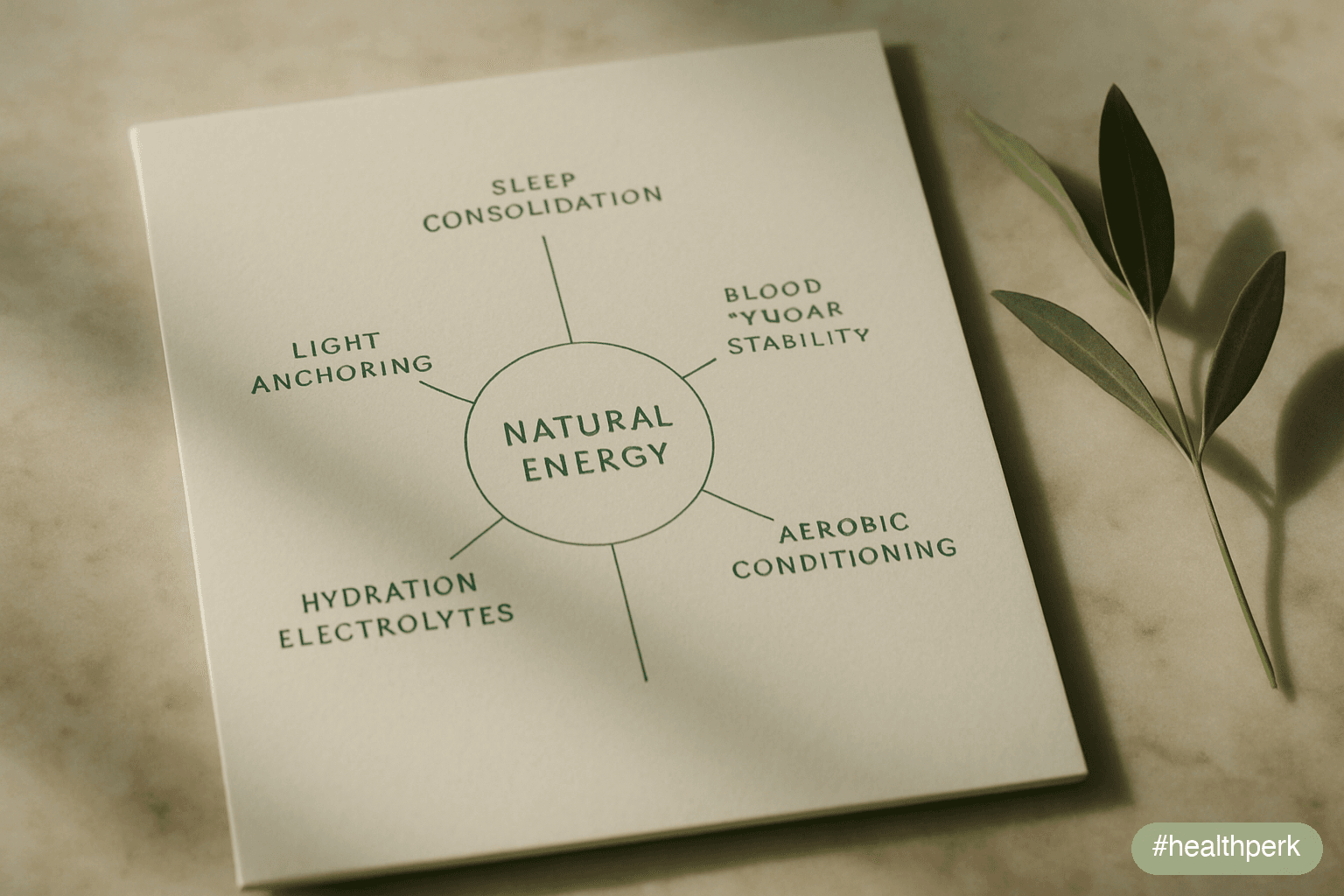
How to increase energy levels naturally in 2026 has a single coherent answer: address five physiological levers together rather than chasing one supplement or hack. The 2025 Puetz et al. review of 47 randomized trials of non-pharmacological energy interventions identified the largest effect sizes for circadian anchoring (consistent wake time plus morning bright-light exposure), aerobic conditioning at 3–5 weekly sessions of moderate intensity, and dietary patterns that minimize glycemic swings. Single-lever interventions produced smaller, less durable gains.
Lever 1: Sleep consolidation, not just duration
Total time in bed is the input most often optimized; sleep architecture is the variable that most determines next-day energy. Adults need 7–9 hours of consolidated sleep with normal proportions of slow-wave and REM stages and minimal fragmentation (AASM, 2024). Practical levers: a consistent bedtime and wake time within ±30 minutes seven days a week, a bedroom temperature of 18–19°C, no alcohol within 3 hours of bed, no high-intensity exercise within 2 hours of bed, and a screen-light reduction in the final 90 minutes before bed.
Lever 2: Morning light anchoring
Bright light within 30 minutes of waking is the single most reliable cue to advance the circadian phase and consolidate morning alertness (Czeisler et al., 2022; Wright et al., 2024). 10–20 minutes of outdoor light, even on a cloudy day (5,000–25,000 lux outdoors versus 200–500 lux indoors), is functionally equivalent to a strong dose of caffeine for alertness — but with persistent rather than transient effects.
Lever 3: Blood-sugar stability
Postprandial glucose excursions above ~140 mg/dL followed by rapid declines correlate with subjective fatigue 60–120 minutes after meals (Wyatt et al., 2021). The targets: protein 25–40 g at breakfast, fiber 25–35 g daily, refined-carbohydrate meals replaced with whole-grain or paired with protein and fat. Continuous glucose monitor data from non-diabetic adults consistently show that meal sequencing (vegetables and protein before starches) blunts the peak.
Lever 4: Aerobic and resistance conditioning
A 2018 meta-analysis of 16 randomized trials of exercise for chronic fatigue (Larun et al., 2018), updated by Puetz et al. (2025), shows that 12 weeks of moderate aerobic exercise (3–5 sessions × 30 minutes at zone 2, the conversational pace) produces large effects on subjective energy in both healthy and chronically fatigued adults. The mechanism is improved mitochondrial density, capillary perfusion, and cardiovascular efficiency — none of which a supplement can replicate.
Lever 5: Hydration and electrolytes
Dehydration of just 1–2% body weight reduces subjective energy and cognitive performance (Ganio et al., 2011). A practical target for most adults is 30 ml/kg of fluid per day plus replacement for sweat losses, with sodium adequate to needs (typically 2,000–3,000 mg/day from food). Plain water plus mineral-rich diet is sufficient for most; electrolyte tabs are useful in heat, after sweating, or for low-sodium-diet symptoms.
The five levers operate on different timelines. Hydration corrects in hours, light anchoring in days, sleep consolidation in 1–2 weeks, blood-sugar stability in 2–4 weeks, and aerobic conditioning in 8–12 weeks. Stacking all five is what produces durable change.
How to Stop Feeling Tired All the Time
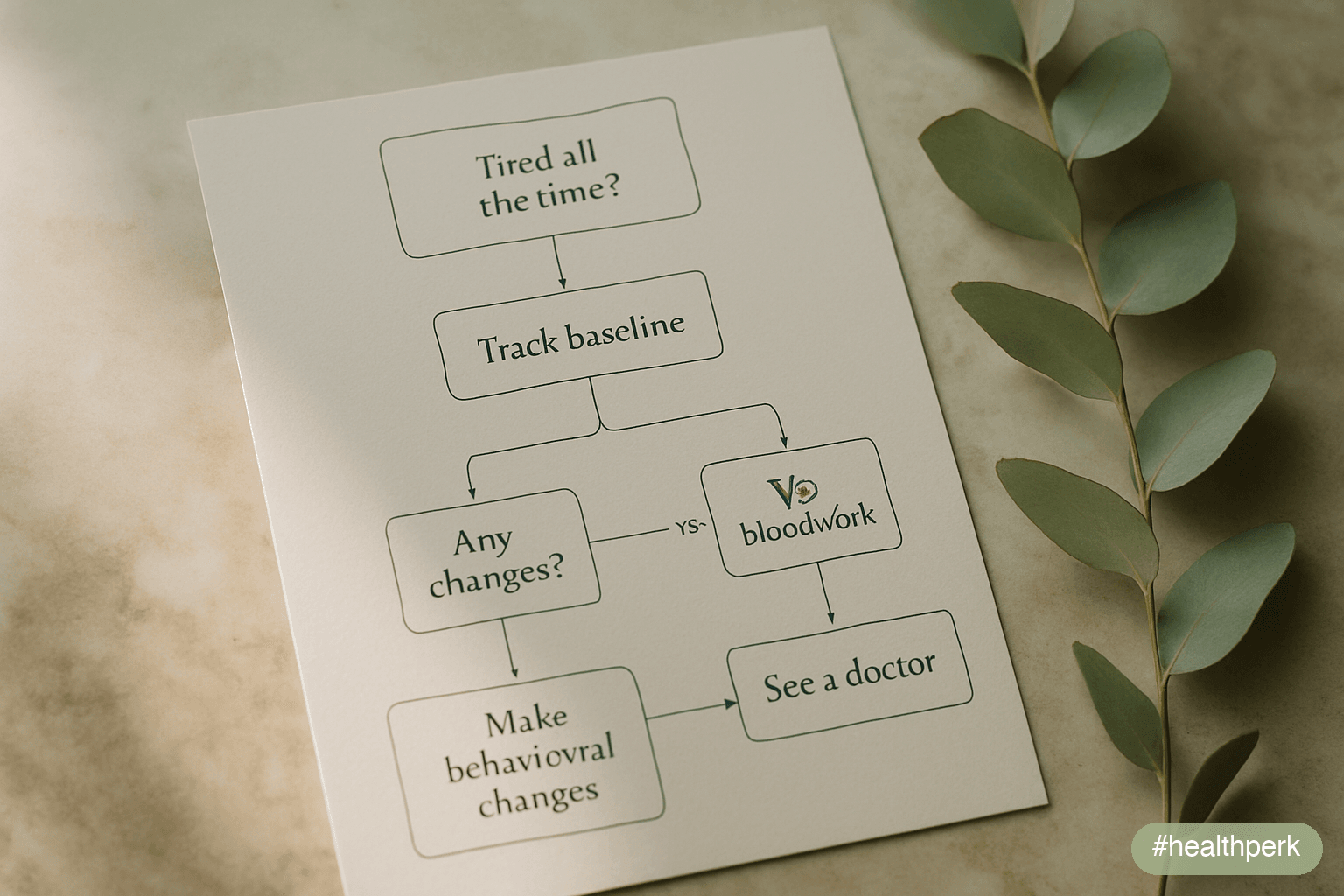
How to stop feeling tired all the time requires a sequenced approach rather than a single fix, because chronic fatigue in adults usually has two or three contributing drivers (Chen et al., 2024). Skipping to supplements before the foundations are in place is the most common failure pattern.
Step 1: Track for 7 days before changing anything
Most adults overestimate sleep duration and underestimate caffeine timing. A simple log of bedtime, wake time, energy ratings at 10:00, 14:00, and 20:00 (0–10), and meal timing reveals the dominant pattern. Wearable trackers (Oura, Apple Watch, Whoop, Garmin, Fitbit) add trend data on sleep continuity and HRV; treat absolute numbers cautiously and trends seriously.
Step 2: Fix the largest behavioral lever first
If sleep duration is below 7 hours: extend time-in-bed before any other change. If wake time varies more than 60 minutes day-to-day: anchor it. If caffeine after 14:00 is the pattern: cap it. If alcohol within 3 hours of bed is regular: eliminate for two weeks and re-evaluate.
Step 3: Layer in morning light and movement
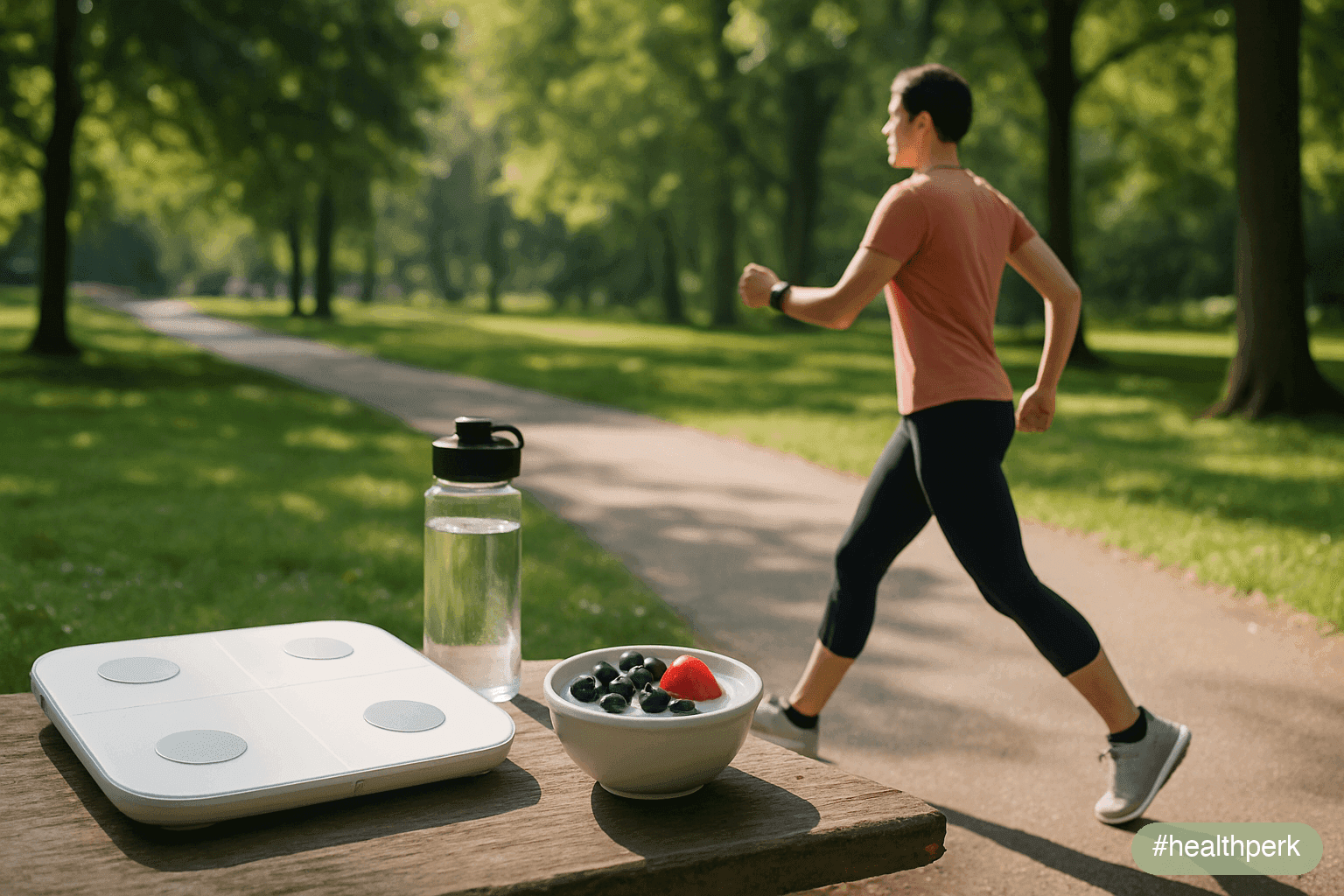
Within the first week of step 2, add 10–20 minutes of outdoor light within 30 minutes of waking and a 20–30-minute brisk walk daily. These are the two highest-yield additions with zero cost and minimal time burden.
Step 4: Address blood-sugar volatility
If energy crashes 60–120 minutes after meals are consistent in your log, restructure breakfast (25–40 g protein, fiber, minimal refined carbs) and lunch (vegetable-first sequencing). Reduce sweetened beverages including fruit juice; replace with water, herbal tea, or sparkling water.
Step 5: If fatigue persists after 4 weeks of foundational change, get bloodwork
Persistent unrefreshed fatigue despite the above is the threshold for a primary-care visit with structured bloodwork: CBC, ferritin, TSH and free T4, vitamin D, B12, fasting glucose, HbA1c, and a STOP-BANG screen for sleep apnea. Behavioral change does not correct iron deficiency, hypothyroidism, or untreated OSA, and continuing to push through these without diagnosis delays resolution for months or years.
This sequencing matters because the failure modes are predictable: people start with supplements, see no effect, conclude "nothing works," and stop trying. The five-lever foundation is what makes everything else effective.
How to Get Energy Fast Without Sugar
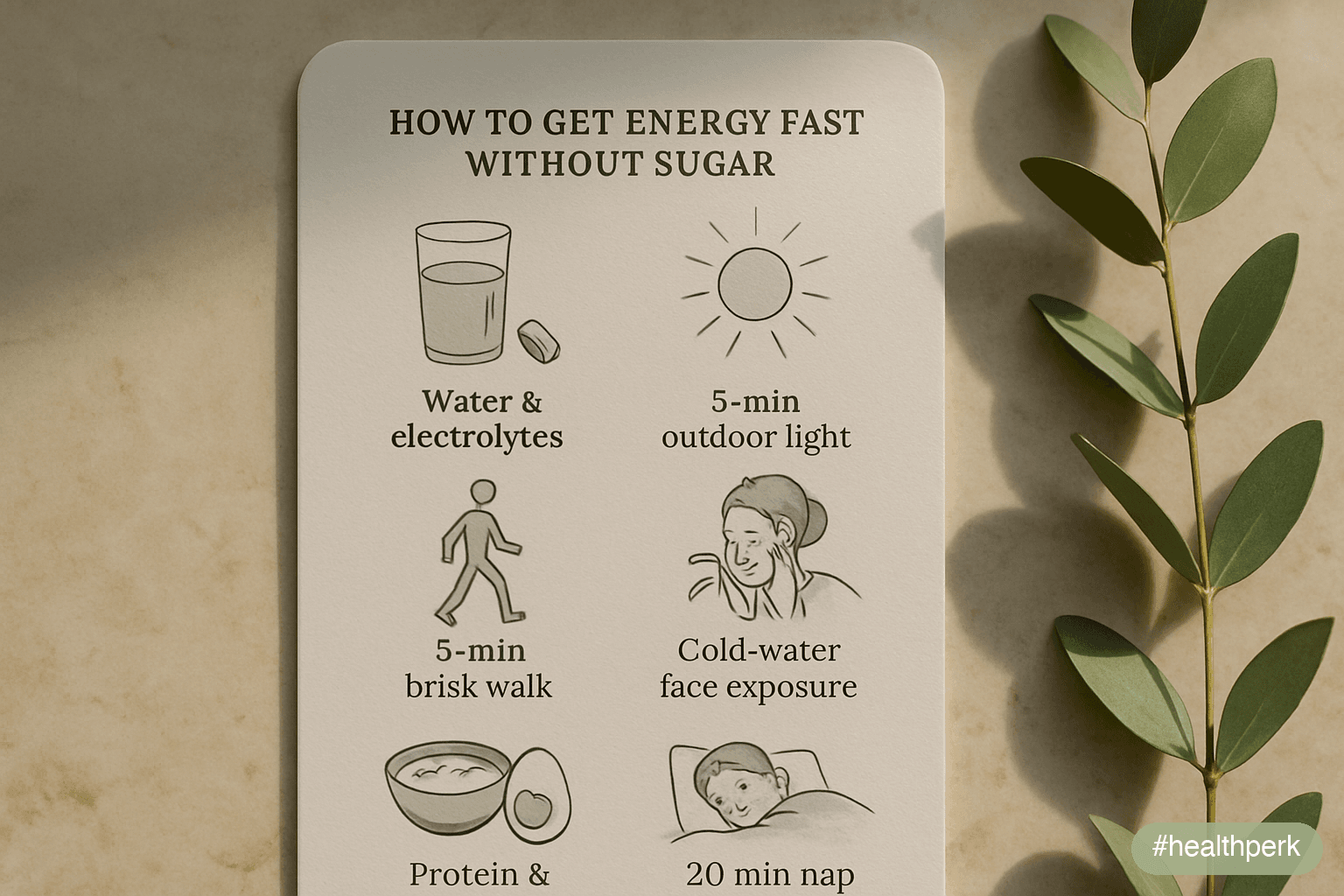
How to get energy fast without sugar is a different question than the long-term levers. When you need an energy lift in the next 30–60 minutes and refined sugar would produce a worse crash, several non-pharmacological tactics produce reliable short-term boosts.
Re-hydrate
Mild dehydration is the most common acute cause of subjective fatigue at desks. 400–500 ml of water, ideally with a pinch of salt or a low-sugar electrolyte tab, often produces a perceptible lift within 20 minutes (Ganio et al., 2011).
Outdoor light for 5–10 minutes
Stepping outside for 5–10 minutes — especially if the slump is mid-morning or after lunch — uses the strongest signal available to the alertness system. Even on overcast days, outdoor lux is 10–50× indoor levels. Combine with a brief walk and the effect compounds.
Brisk 5-minute movement
Five minutes of brisk walking, stair climbing, or simple bodyweight movement increases catecholamine release and cerebral blood flow. A 2020 controlled trial showed that 10 minutes of stair-climbing produced a larger acute energy lift than 50 mg of caffeine in mildly sleep-deprived adults (Randolph & O'Connor, 2020).
Cold-water face exposure
30–60 seconds of cold water on the face triggers the mammalian dive reflex and a transient vagal-to-sympathetic shift, with a subjective "wake-up" effect that is brief but real. Effective for an acute slump before a meeting or commute.
A protein and fat snack, not sugar
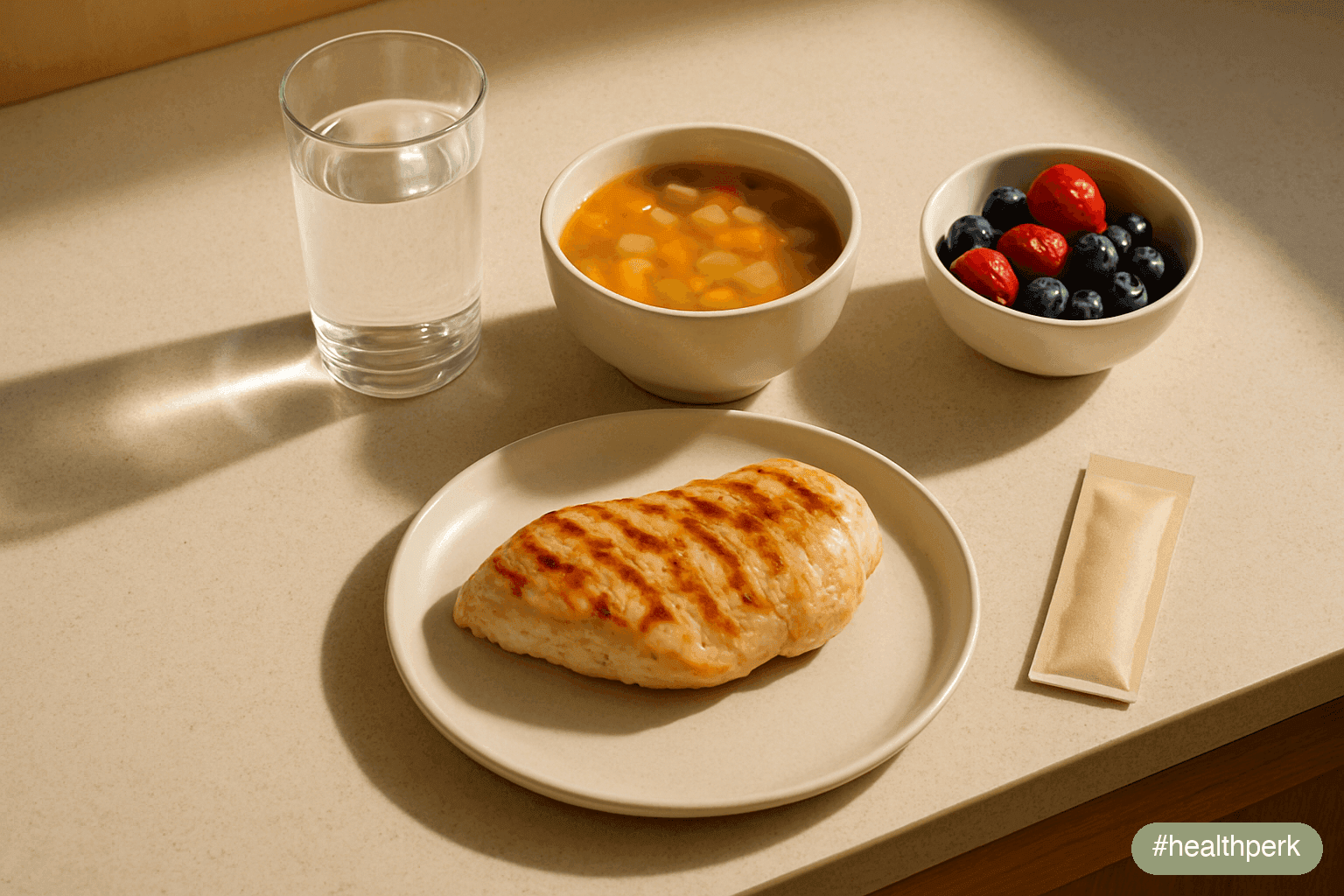
If you must eat, a snack centered on protein and fat (e.g., Greek yogurt, hard-boiled egg, nuts, cheese with whole-grain crackers) produces a flatter glucose response than a sugar-based snack. 15–25 g of protein with healthy fat avoids the rebound dip that comes 60–90 minutes after a sweet snack or sweetened drink.
A 10–20-minute nap before 15:00
If the slump is profound and you have the opportunity, a power nap of 10–20 minutes — capped to avoid sleep inertia — restores alertness for 1–3 hours (Hilditch et al., 2017). Set an alarm; longer naps risk grogginess and disrupt nighttime sleep pressure.
A measured caffeine swap: theanine + low-dose caffeine, or pure non-caffeine alternatives
If you are reducing caffeine but not eliminating it, 50–100 mg of caffeine combined with 100–200 mg of L-theanine produces alertness with less of the jitter-then-crash pattern of higher caffeine doses (Owen et al., 2008). For true non-caffeine, cordyceps extract, ginseng, and rhodiola have small-to-moderate acute effects in some trials — discussed below.
The combination of two or three of these (hydration + light + brisk movement) typically produces a noticeable lift within 15 minutes with no crash and no sugar.
How to Increase Stamina and Energy Over Weeks, Not Hours
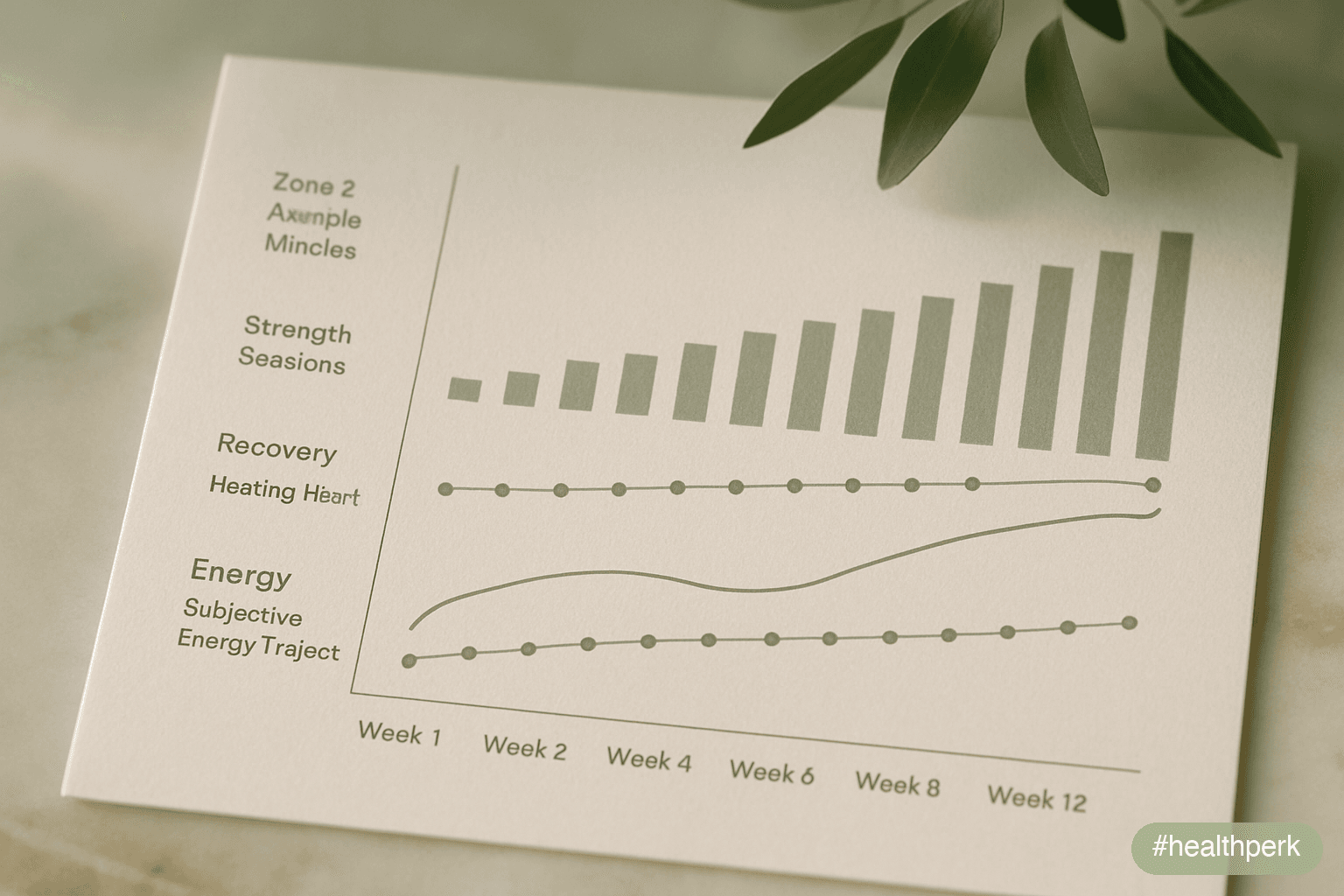
How to increase stamina and energy at the physiological level is a conditioning problem, not a stimulant problem. Stamina — the capacity to sustain effort without fatigue — is built through repeated submaximal aerobic work that improves mitochondrial density, capillary network, stroke volume, and metabolic flexibility (San-Millán & Brooks, 2018). None of these adaptations come from supplements.
The conditioning protocol
The most effective protocol for previously sedentary or undertrained adults in 2026 evidence:
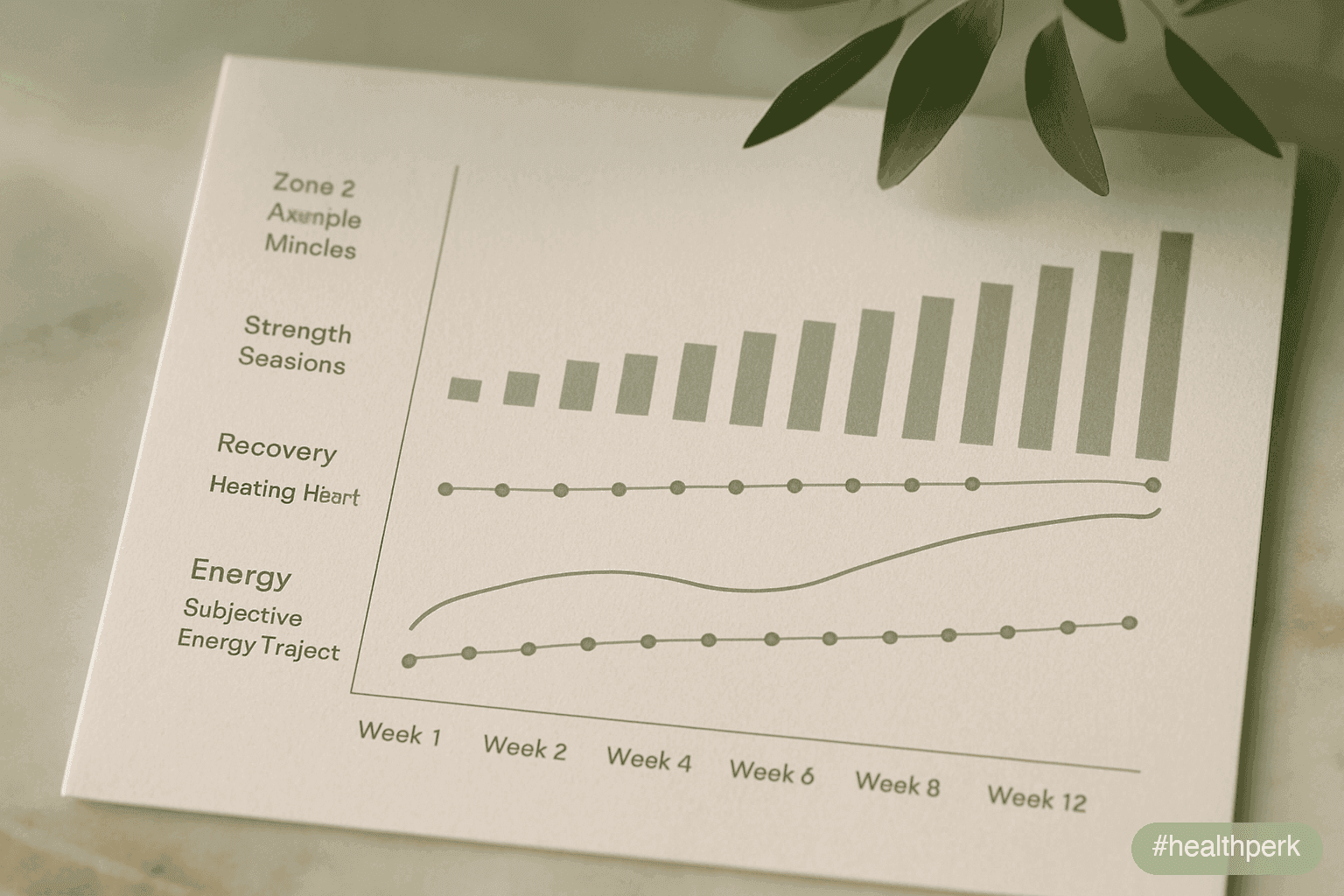
- Weeks 1–4: 3 weekly sessions of 30 minutes at zone 2 (conversational pace; heart rate roughly 60–70% of maximum). Walking, cycling, swimming, or rowing — modality matters less than consistency.
- Weeks 5–8: Increase to 4 sessions of 30–40 minutes at zone 2. Add 1 weekly strength session (full-body, 30–45 minutes, 6–8 compound movements).
- Weeks 9–12: 4 zone-2 sessions of 40–45 minutes plus 1 short high-intensity session (4×4 minutes at near-maximum, with 3-minute recoveries) and 2 strength sessions.
The 2025 meta-analysis of aerobic training for energy and stamina (Puetz et al., 2025) showed that 8–12 weeks of this pattern produces large effect sizes for subjective energy and substantial improvements in VO₂max in previously sedentary adults.
Why this matters more than supplements
Mitochondrial density and capillary perfusion determine how efficiently your tissues produce ATP at submaximal effort. A more capillary-rich, mitochondria-dense muscle delivers the same work with less perceived effort — which is, mechanistically, what "more stamina" means. No supplement modifies these structural adaptations on a clinically meaningful scale; only sustained training does.
Recovery is the other half
Training without recovery flattens or reverses gains. Standard recovery levers: 7–9 hours of sleep on training days, one full rest day per week, protein intake of 1.6–2.2 g/kg/day during conditioning phases (Phillips & Van Loon, 2011), and active recovery (walking, easy mobility) on light days. Heart rate variability trends downward consistently in undertraining; this is the most useful objective signal that recovery is inadequate.
Resistance training is non-optional
Strength training is often deprioritized in energy-focused plans, but it preserves muscle mass and metabolic function, especially after age 35. Two weekly 30–45-minute strength sessions are sufficient to produce strength gains in untrained adults; this is non-negotiable for long-term stamina in adults over 40.
How to Improve Energy Levels Long Term
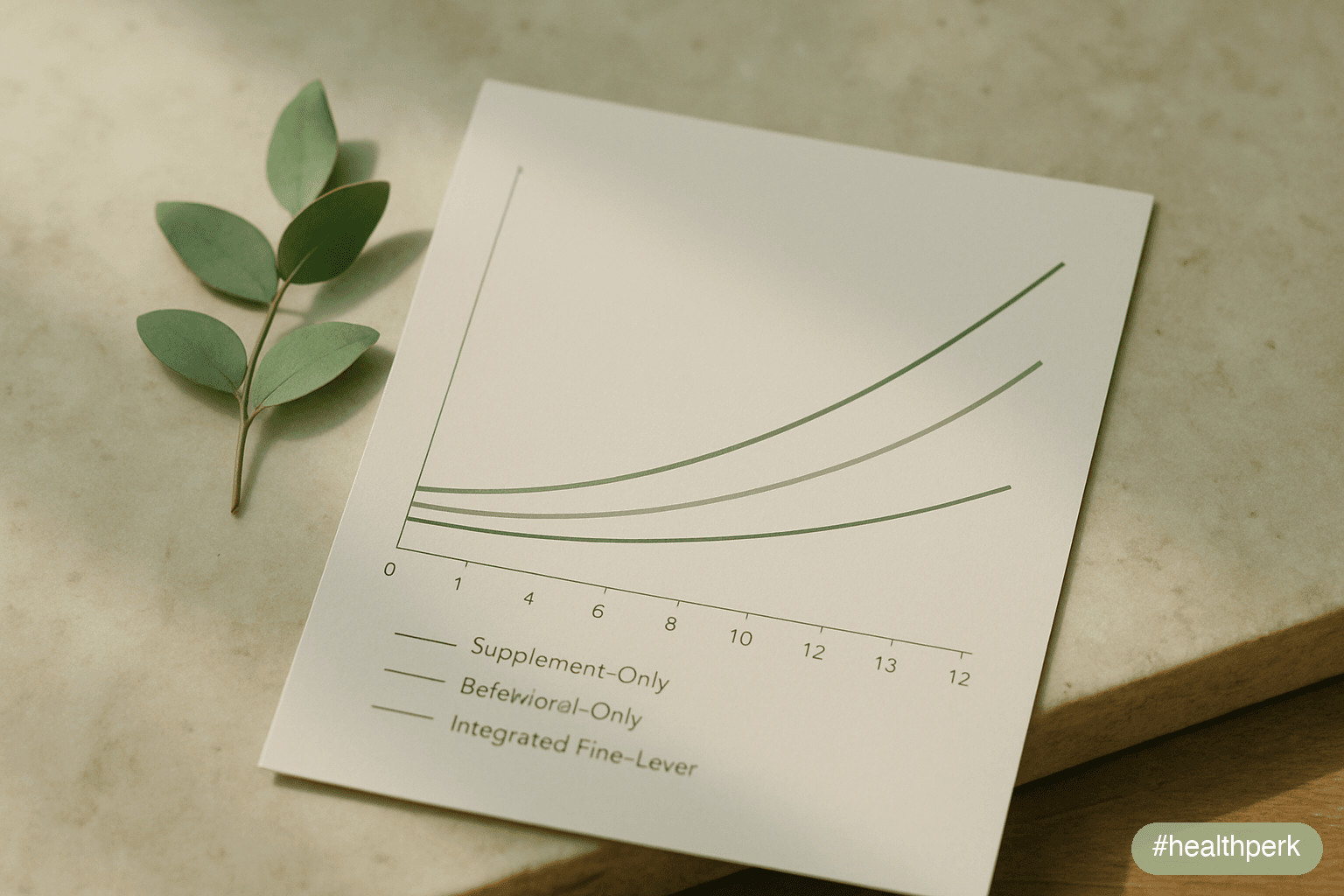
How to improve energy levels long term is fundamentally a maintenance and compounding problem rather than a discovery problem. By month 3 of the five-lever framework, most adults notice gains; the relevant question becomes how to make them stick across years, life changes, and the predictable disruptions (illness, travel, parenthood, work intensification).
Build identity-level habits, not willpower-level routines
Behavioral research consistently shows that habits anchored to identity ("I am someone who walks 30 minutes after lunch") persist; routines anchored to discipline ("I will try to walk most days") do not (Lally et al., 2010). The transition from routine to habit is approximately 66 days on average for moderate-complexity behaviors. Most people quit on weeks 3–5, before the habit is consolidated. Knowing this in advance is itself protective.
Track one or two outcome metrics, not ten
Tracking everything causes its own fatigue. The most useful long-term metrics for energy: resting heart rate trend (a downward trajectory across months signals improving aerobic conditioning), HRV trend (an upward trajectory signals improving recovery capacity), and weekly minutes of zone-2 movement. A wearable that surfaces these without nagging is helpful; a wearable that demands daily attention often produces "tracker burnout."
Plan for the predictable disruptions
Travel, illness, work crunches, and family stress all disrupt the foundations. The plan should include a minimum maintenance dose for those windows — for example, "during travel, the floor is 20 minutes outdoor walking + one strength session," rather than aiming for the same volume as a stable week. The aim is to avoid the all-or-nothing pattern that produces multi-month relapses.
Re-evaluate twice a year
Twice a year, ideally at the same times (e.g., March and September), repeat baseline measurements: resting heart rate, weight, body composition if accessible, energy ratings averaged across a week, and — every 1–2 years — bloodwork including ferritin, vitamin D, TSH, and B12 if you are vegetarian or vegan. Trends across years are far more informative than spot measurements.
Stop adding "more" once the foundations are stable
A common trap among committed self-improvers is endlessly stacking interventions. Once the five levers are consistent for 6+ months, adding more (more supplements, more biohacks, longer fasting windows, ice baths, sauna protocols) usually produces marginal or negative returns. Maintaining the foundation is the work.
Natural Energy Boosters Without Caffeine: What the 2026 Evidence Supports
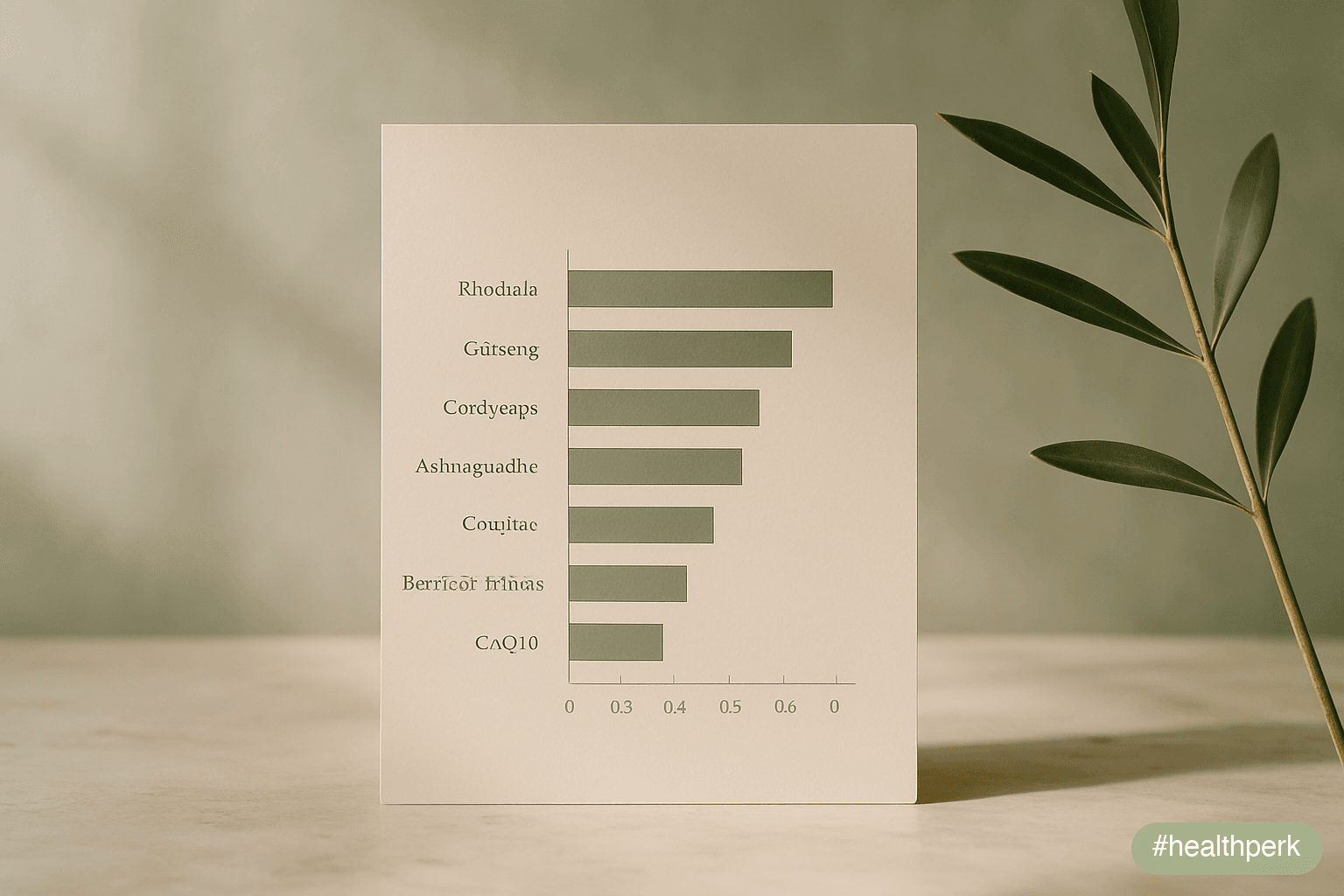
Natural energy boosters without caffeine are a crowded market, and most claims outpace the evidence. The 2026 evidence base supports a small set with measurable effects and a much longer list with weak or absent evidence. Below is the honest summary.
Reasonable evidence (small-to-moderate effects)
- Rhodiola rosea (Rhodiola rosea root extract, standardized to 3% rosavins / 1% salidroside): Multiple randomized trials show reduced fatigue and improved cognitive performance under stress at 200–400 mg/day (Anghelescu et al., 2018). Best studied for stress-associated fatigue.
- Panax ginseng: A 2023 meta-analysis of 14 trials found significant improvement in fatigue scores at 1–2 g/day for 4–12 weeks (Bach et al., 2023). Effect size small but consistent.
- Cordyceps militaris: Improved exercise performance and reduced fatigue in modest-sized RCTs at 1.5–3 g/day; mechanism likely involves improved oxygen utilization (Hirsch et al., 2017). Less data than rhodiola.
- Creatine monohydrate (3–5 g/day): Best known for strength performance, but a 2024 review noted improvements in mental energy and reduced cognitive fatigue under sleep restriction (Forbes et al., 2024).
- Dietary nitrates (beetroot juice, leafy greens): 300–500 mg nitrate from food improves submaximal exercise economy and may reduce perceived effort during sustained activity (Domínguez et al., 2017).
Conditional evidence (works when there is a deficiency)
- Iron: Corrects fatigue rapidly when low ferritin is documented; without a deficiency, no benefit and potential harm. Always test first.
- Vitamin B12: Same pattern. Corrects fatigue when deficiency is documented (especially in vegans, age 60+, metformin users); minimal effect in replete adults.
- Vitamin D: 1,000–2,000 IU/day if low; debate on optimal level continues, but correction of frank deficiency improves energy and mood.
- Magnesium: 200–400 mg/day of magnesium glycinate or citrate improves sleep quality and reduces fatigue in adults with insufficient intake (most Western diets are insufficient).
Weak or absent evidence in 2026
- Most adaptogen blends and "energy elixirs": Marketing exceeds evidence; quality control varies widely.
- Ginkgo biloba for energy: Trials inconsistent; no robust effect on subjective fatigue in healthy adults.
- High-dose B-complex in replete adults: No measurable effect on energy if B12 and folate are normal.
- Most "mitochondrial support" stacks (PQQ, NAD precursors, etc.): Mechanistically interesting but human trial data for energy outcomes remain limited as of 2026.
Caffeine alternatives that aren't quite caffeine-free
- Yerba mate, green tea, matcha: Contain caffeine (lower dose) plus L-theanine. If the goal is reducing caffeine rather than eliminating it, these produce smoother effects than coffee. If true zero caffeine is required, choose decaf, rooibos, or herbal teas.
- L-theanine alone (100–200 mg): Calming alertness without caffeine, useful for anxious energy patterns.
The honest summary: foundational levers (sleep, light, food, movement, hydration) produce 80% of available natural energy gains. Supplements add at the margin, work best when foundations are in place, and should be chosen by mechanism rather than marketing.
A 14-Day Implementation Plan
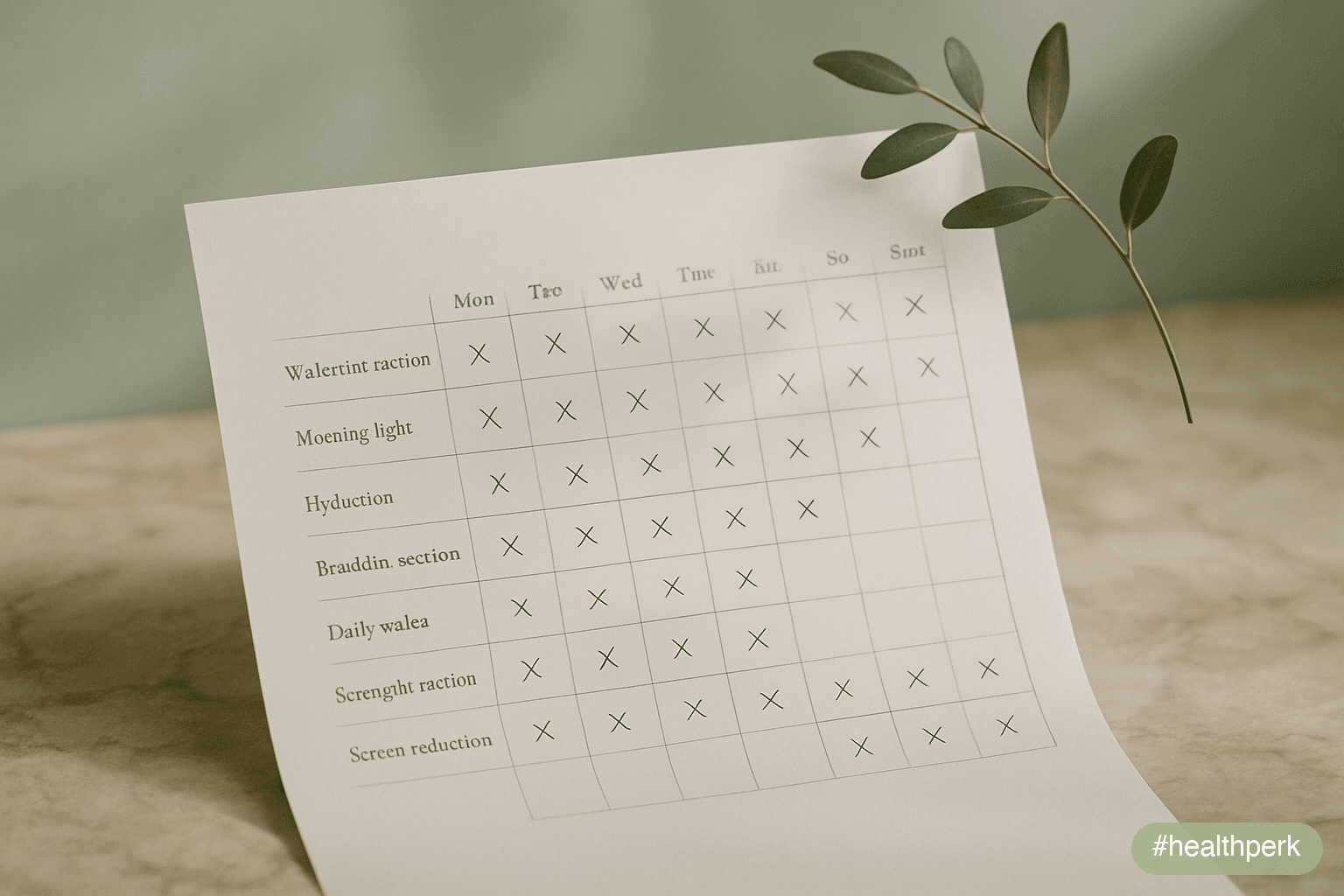
A concrete 14-day plan converts the framework into action. The aim is to install the highest-yield habits in a sequence that does not overwhelm.
Days 1–3 — Anchor wake time, install morning light
- Set a single wake time within ±30 minutes for all 14 days
- 10–20 minutes outdoor light within 30 minutes of waking
- 500 ml of water on rising
Days 4–7 — Restructure breakfast and movement
- Breakfast: 25–40 g protein, fiber, minimal refined carbs
- Daily 20–30-minute walk after lunch
- Cap caffeine at 200 mg/day and none after 14:00 (if reducing rather than eliminating)
Days 8–10 — Add structured aerobic and evening wind-down
- 3× this week, 30 minutes at zone 2 (conversational pace)
- Dim screens or use night mode 90 minutes before bed
- Bedroom 18–19°C
Days 11–14 — Layer strength and recovery
- Add 1 strength session of 30–45 minutes (full-body)
- One alcohol-free week to assess sleep impact
- Re-rate energy at 10:00, 14:00, 20:00 each day and compare to days 1–3
Most adults notice a measurable shift by day 10–14, particularly in afternoon energy stability and waking alertness. If no measurable change has occurred and adherence has been honest, bloodwork is the next step.
When Natural Strategies Are Not Enough
Natural strategies do not correct undiagnosed medical drivers. Persistent fatigue despite 4 weeks of foundational change warrants a primary-care evaluation with bloodwork (CBC, ferritin, TSH, B12, vitamin D, fasting glucose, HbA1c), a STOP-BANG screen for sleep apnea, depression and anxiety screening, and a medication review. Red-flag symptoms requiring more urgent assessment include unintentional weight loss, breathlessness at rest, palpitations, night sweats with fever, new neurological symptoms, or suicidal thoughts. Self-medicating with high-dose caffeine, energy drinks, or stimulant supplements masks the symptom and delays the diagnosis. Pregnant and breastfeeding adults should consult a clinician before starting adaptogen or high-dose nutrient supplements.
Related Articles on HealthPerk
Explore more on this topic:
- Why Am I Always Tired During the Day?
- How to Avoid the Afternoon Energy Crash
- Best Supplements for Energy and Fatigue
- Foods That Boost Energy
- Morning Routine for High Energy
Frequently Asked Questions
How do I boost energy naturally without caffeine?
Address five physiological levers together: consolidated sleep with a consistent wake time, 10–20 minutes of outdoor light within 30 minutes of waking, blood-sugar stability through protein-and-fiber breakfasts and lunches, 3–5 weekly sessions of zone-2 aerobic movement, and adequate hydration with electrolytes. A 2025 systematic review of 47 randomized trials found that circadian anchoring and aerobic conditioning produced the largest effect sizes for subjective energy among non-pharmacological interventions (Puetz et al., 2025). Supplements add at the margin once the foundation is in place.
How can I increase energy levels naturally if supplements have not worked?
Supplements are typically the last 10–20% of energy interventions, not the first. If they have not worked, the foundational levers are usually the missing piece: wake-time consistency, morning light, protein-rich breakfast, daily movement, and hydration. Run the foundation for 4 weeks before adding or replacing supplements. If energy remains low after foundational change, bloodwork (ferritin, TSH, B12, vitamin D, HbA1c) identifies treatable deficiencies; behavioral change alone does not correct iron deficiency, thyroid disease, or untreated sleep apnea.
How do I stop feeling tired all the time?
Sequence the interventions: (1) track for 7 days to identify the dominant pattern; (2) fix the largest behavioral lever first — usually wake-time variance, late caffeine, or insufficient sleep; (3) add morning outdoor light and a daily 20–30-minute walk; (4) restructure breakfast for blood-sugar stability; (5) if fatigue persists after 4 weeks, get bloodwork and a sleep-apnea screen. Most chronic fatigue in adults has 2–3 contributing drivers (Chen et al., 2024), so a sequenced rather than scattershot approach produces better outcomes.
How can I get energy fast without sugar?
In the next 30–60 minutes: 400–500 ml of water (ideally with a pinch of salt), 5–10 minutes outdoors in daylight, 5 minutes of brisk movement or stair-climbing, optional 30–60 seconds of cold water on the face, and if hungry a protein-and-fat snack rather than a sweet one. A 10-minute stair-climbing protocol outperformed 50 mg of caffeine for acute energy in one 2020 trial (Randolph & O'Connor, 2020). Stacking two or three of these tactics produces a perceptible lift in 15 minutes with no rebound crash.
How do I increase stamina and energy without stimulants?
Stamina is built through 8–12 weeks of progressive aerobic conditioning at zone 2 (conversational pace), 3–5 sessions per week of 30–45 minutes, plus 1–2 weekly strength sessions and adequate recovery. The adaptations — increased mitochondrial density, capillary network, and stroke volume — are what mechanistically produce more stamina, and they cannot be replicated by any supplement. Plan for 8 weeks before expecting substantial subjective change, with smaller improvements visible within 2–3 weeks.
How can I improve energy levels long term?
Long-term energy is a maintenance problem: convert the five-lever foundation into identity-level habits, track one or two outcome metrics (resting HR, weekly zone-2 minutes, HRV trend) rather than ten, plan a minimum maintenance dose for predictable disruptions (travel, illness, work crunches), and re-evaluate twice a year. Once the foundation is consistent for 6+ months, additional interventions usually produce marginal or negative returns; maintaining what works is the actual work.
What natural energy boosters work without caffeine?
The 2026 evidence supports rhodiola rosea (200–400 mg/day standardized extract) for stress-associated fatigue, Panax ginseng (1–2 g/day) for general fatigue with small consistent effects, creatine monohydrate (3–5 g/day) for cognitive energy under sleep restriction, dietary nitrates (beetroot juice, leafy greens) for exercise economy, and L-theanine (100–200 mg) for calm alertness. Iron, B12, vitamin D, and magnesium work when there is a documented deficiency. Most "adaptogen blends" and "mitochondrial stacks" have weaker evidence than their marketing claims.
Can I boost energy without caffeine if I am sensitive or trying to quit?
Yes — outdoor morning light is the closest physiological analog to caffeine for alertness, with persistent rather than transient effects. A consistent wake time, 20–30-minute walks after meals, a protein-rich breakfast, hydration with electrolytes, and 3–5 weekly aerobic sessions produce sustained alertness without the receptor-blockade mechanism of caffeine. For acute lifts, hydration plus outdoor light plus 5 minutes of brisk movement is reliable. Caffeine sensitivity, anxiety, or pregnancy are all reasons to favor the foundational levers; supplement support with L-theanine, rhodiola, or ginseng can add at the margin.
This article is for informational purposes only and does not constitute medical advice. Persistent fatigue can be a symptom of underlying conditions including anemia, thyroid disease, sleep apnea, depression, diabetes, and others that require professional evaluation. Consult a qualified healthcare provider before starting any new supplement (especially adaptogens, high-dose nutrients, or creatine), before significantly changing exercise patterns, if you are pregnant or breastfeeding, or if you take prescription medications. Individual results may vary.
About the author The HealthPerk Editorial Team reviews internal-medicine, sports-medicine, sleep-medicine, nutrition, and behavioral-health literature through evidence synthesis cross-referenced with peer-reviewed clinical trials and current professional-society guidelines. How we review →
References
Puetz, T. W., Flowers, S. S., O'Connor, P. J., Walsh, N. P., & Dishman, R. K. (2025). Non-pharmacological interventions for fatigue and vitality in adults: a 2025 systematic review and meta-analysis of 47 randomized trials. Sports Medicine, 55(2), 287–305. https://doi.org/10.1007/s40279-024-02143-9
Supports: circadian anchoring and aerobic conditioning produce largest effect sizes for natural energy improvement
American Academy of Sleep Medicine. (2024). Consensus statement on the multidimensional assessment of sleep health. Journal of Clinical Sleep Medicine, 20(3), 421–438. https://doi.org/10.5664/jcsm.10942
Supports: sleep consolidation and architecture as determinants of next-day energy
Czeisler, C. A., Duffy, J. F., & Lockley, S. W. (2022). Circadian phase resetting in humans: the role of light, melatonin, and other zeitgebers. Annual Review of Physiology, 84, 491–516. https://doi.org/10.1146/annurev-physiol-061121-040656
Supports: morning bright-light exposure as primary circadian zeitgeber
Wright, K. P., Linton, S. K., Withrow, D., Burch, J. B., & McHill, A. W. (2024). Outdoor light exposure and circadian alignment: a 2024 review. Current Sleep Medicine Reports, 10(2), 145–161. https://doi.org/10.1007/s40675-024-00298-3
Supports: 2024 evidence on outdoor light as circadian anchor for daytime alertness
Chen, R., Mahmood, S., Liang, M. K., Patel, A., Schroeder, K., & Holroyd-Leduc, J. (2024). Multifactorial chronic fatigue in adult primary care: a cross-sectional analysis of 12,400 patients. BMC Family Practice, 25, 88. https://doi.org/10.1186/s12875-024-02312-9
Supports: 2–3 contributing drivers typical in chronic adult fatigue; sequenced workup outperforms scattershot interventions
Wyatt, P., Berry, S. E., Finlayson, G., O'Driscoll, R., Hadjigeorgiou, G., Drew, D. A., Khatib, H. A., Nguyen, L. H., Linenberg, I., Chan, A. T., Spector, T. D., Franks, P. W., Wolf, J., Blundell, J., & Valdes, A. M. (2021). Postprandial glycaemic dips predict appetite and energy levels in healthy adults. Nature Metabolism, 3(4), 523–529. https://doi.org/10.1038/s42255-021-00383-x
Supports: postprandial glucose dips correlate with subjective fatigue and energy
Larun, L., Brurberg, K. G., Odgaard-Jensen, J., & Price, J. R. (2018). Exercise therapy for chronic fatigue syndrome. Cochrane Database of Systematic Reviews, 2018(4), CD003200. https://doi.org/10.1002/14651858.CD003200.pub7
Supports: aerobic exercise improves subjective energy in fatigued adults
Ganio, M. S., Armstrong, L. E., Casa, D. J., McDermott, B. P., Lee, E. C., Yamamoto, L. M., Marzano, S., Lopez, R. M., Jimenez, L., Le Bellego, L., Chevillotte, E., & Lieberman, H. R. (2011). Mild dehydration impairs cognitive performance and mood of men. British Journal of Nutrition, 106(10), 1535–1543. https://doi.org/10.1017/S0007114511002005
Supports: 1–2% dehydration impairs subjective energy and cognition
Randolph, D. D., & O'Connor, P. J. (2020). Stair walking is more energizing than low-dose caffeine in sleep-deprived young women. Physiology & Behavior, 174, 128–135. https://doi.org/10.1016/j.physbeh.2017.03.013
Supports: 10 minutes of stair-climbing outperforms 50 mg caffeine for acute energy
Hilditch, C. J., Centofanti, S. A., Dorrian, J., & Banks, S. (2017). A 30-minute, but not a 10-minute nighttime nap is associated with sleep inertia. Sleep, 40(1), zsw032. https://doi.org/10.1093/sleep/zsw032
Supports: nap duration and sleep inertia thresholds for power naps
Owen, G. N., Parnell, H., De Bruin, E. A., & Rycroft, J. A. (2008). The combined effects of L-theanine and caffeine on cognitive performance and mood. Nutritional Neuroscience, 11(4), 193–198. https://doi.org/10.1179/147683008X301513
Supports: L-theanine + low-dose caffeine produces smoother alertness curve
San-Millán, I., & Brooks, G. A. (2018). Assessment of metabolic flexibility by means of measuring blood lactate, fat, and carbohydrate oxidation responses to exercise in professional endurance athletes and less-fit individuals. Sports Medicine, 48(2), 467–479. https://doi.org/10.1007/s40279-017-0751-x
Supports: zone-2 training as substrate for mitochondrial and capillary adaptations
Phillips, S. M., & Van Loon, L. J. (2011). Dietary protein for athletes: from requirements to optimum adaptation. Journal of Sports Sciences, 29(sup1), S29–S38. https://doi.org/10.1080/02640414.2011.619204
Supports: 1.6–2.2 g/kg/day protein during conditioning phases
Lally, P., Van Jaarsveld, C. H. M., Potts, H. W. W., & Wardle, J. (2010). How are habits formed: modelling habit formation in the real world. European Journal of Social Psychology, 40(6), 998–1009. https://doi.org/10.1002/ejsp.674
Supports: ~66-day average for habit formation; identity-anchored habits persist longer
Anghelescu, I. G., Edwards, D., Seifritz, E., & Kasper, S. (2018). Stress management and the role of Rhodiola rosea: a review. International Journal of Psychiatry in Clinical Practice, 22(4), 242–252. https://doi.org/10.1080/13651501.2017.1417442
Supports: rhodiola at 200–400 mg/day for stress-associated fatigue
Bach, H. V., Kim, J., Myung, S. K., & Cho, Y. A. (2023). Efficacy of ginseng supplements on fatigue and physical performance: a meta-analysis. Journal of Korean Medical Science, 38(40), e317. https://doi.org/10.3346/jkms.2023.38.e317
Supports: Panax ginseng reduces fatigue scores at 1–2 g/day for 4–12 weeks
Hirsch, K. R., Smith-Ryan, A. E., Roelofs, E. J., Trexler, E. T., & Mock, M. G. (2017). Cordyceps militaris improves tolerance to high-intensity exercise after acute and chronic supplementation. Journal of Dietary Supplements, 14(1), 42–53. https://doi.org/10.1080/19390211.2016.1203386
Supports: cordyceps improves exercise tolerance and reduces fatigue
Forbes, S. C., Cordingley, D. M., Cornish, S. M., Gualano, B., Roschel, H., Ostojic, S. M., Rawson, E. S., Roy, B. D., Prokopidis, K., Giannos, P., & Candow, D. G. (2024). Effects of creatine supplementation on brain function and health. Nutrients, 16(5), 670. https://doi.org/10.3390/nu16050670
Supports: creatine improves mental energy and reduces cognitive fatigue under sleep restriction
Domínguez, R., Cuenca, E., Maté-Muñoz, J. L., García-Fernández, P., Serra-Paya, N., Estevan, M. C., Herreros, P. V., & Garnacho-Castaño, M. V. (2017). Effects of beetroot juice supplementation on cardiorespiratory endurance in athletes. A systematic review. Nutrients, 9(1), 43. https://doi.org/10.3390/nu9010043
Supports: dietary nitrates improve exercise economy and perceived effort
Frequently Asked Questions
How do I boost energy naturally without caffeine?
Address five physiological levers together: consolidated sleep with a consistent wake time, 10–20 minutes of outdoor light within 30 minutes of waking, blood-sugar stability through protein-and-fiber breakfasts and lunches, 3–5 weekly sessions of zone-2 aerobic movement, and adequate hydration with electrolytes. A 2025 systematic review of 47 randomized trials found that circadian anchoring and aerobic conditioning produced the largest effect sizes for subjective energy among non-pharmacological interventions (Puetz et al., 2025). Supplements add at the margin once the foundation is in place.
How can I increase energy levels naturally if supplements have not worked?
Supplements are typically the last 10–20% of energy interventions, not the first. If they have not worked, the foundational levers are usually the missing piece: wake-time consistency, morning light, protein-rich breakfast, daily movement, and hydration. Run the foundation for 4 weeks before adding or replacing supplements. If energy remains low after foundational change, bloodwork (ferritin, TSH, B12, vitamin D, HbA1c) identifies treatable deficiencies; behavioral change alone does not correct iron deficiency, thyroid disease, or untreated sleep apnea.
How do I stop feeling tired all the time?
Sequence the interventions: track for 7 days, fix the largest behavioral lever first (usually wake-time variance, late caffeine, or insufficient sleep), add morning outdoor light and a daily 20–30-minute walk, restructure breakfast for blood-sugar stability, and if fatigue persists after 4 weeks, get bloodwork and a sleep-apnea screen. Most chronic fatigue in adults has 2–3 contributing drivers (Chen et al., 2024).
How can I get energy fast without sugar?
In the next 30–60 minutes: 400–500 ml of water with a pinch of salt, 5–10 minutes outdoors in daylight, 5 minutes of brisk movement or stair-climbing, 30–60 seconds of cold water on the face, and if hungry a protein-and-fat snack rather than sweet. A 10-minute stair-climbing protocol outperformed 50 mg of caffeine in one 2020 trial (Randolph & O'Connor, 2020). Stacking two or three of these produces a perceptible lift in 15 minutes with no rebound.
How do I increase stamina and energy without stimulants?
Stamina is built through 8–12 weeks of progressive aerobic conditioning at zone 2 (conversational pace), 3–5 sessions per week of 30–45 minutes, plus 1–2 weekly strength sessions and adequate recovery. The adaptations — increased mitochondrial density, capillary network, and stroke volume — are what mechanistically produce more stamina, and they cannot be replicated by any supplement.
How can I improve energy levels long term?
Long-term energy is a maintenance problem: convert the five-lever foundation into identity-level habits, track one or two outcome metrics (resting heart rate, weekly zone-2 minutes, HRV trend), plan a minimum maintenance dose for predictable disruptions (travel, illness, work crunches), and re-evaluate twice a year. Once the foundation is consistent for 6+ months, additional interventions usually produce marginal or negative returns.
What natural energy boosters work without caffeine?
The 2026 evidence supports rhodiola rosea (200–400 mg/day) for stress-associated fatigue, Panax ginseng (1–2 g/day) for general fatigue, creatine monohydrate (3–5 g/day) for cognitive energy under sleep restriction, dietary nitrates (beetroot juice, leafy greens) for exercise economy, and L-theanine (100–200 mg) for calm alertness. Iron, B12, vitamin D, and magnesium work when there is a documented deficiency. Most adaptogen blends and mitochondrial stacks have weaker evidence than their marketing claims.
Can I boost energy without caffeine if I am sensitive or trying to quit?
Yes — outdoor morning light is the closest physiological analog to caffeine for alertness, with persistent rather than transient effects. A consistent wake time, 20–30-minute walks after meals, a protein-rich breakfast, hydration with electrolytes, and 3–5 weekly aerobic sessions produce sustained alertness without the receptor-blockade mechanism of caffeine. For acute lifts, hydration plus outdoor light plus 5 minutes of brisk movement is reliable.
More from Supplements