Hormonal Weight Gain Causes: A 2026 Evidence Guide
Hormonal Weight Gain Causes: A 2026 Evidence Guide
By the HealthPerk Editorial Team · Last updated: May 2026
Quick Answer
What are the most common hormonal weight gain causes in 2026?
The five replicated drivers in 2026 endocrinology textbooks and weight-management guidelines are: insulin resistance (high circulating insulin promotes fat storage and hunger), chronically elevated cortisol (HPA-axis activation driving central adiposity and cravings), hypothyroidism (low free T4 and elevated TSH slowing basal metabolic rate by 5–15%), polycystic ovary syndrome (hyperandrogenism plus insulin resistance), and the perimenopausal-to-menopausal shift (falling estrogen, body-composition redistribution, falling lean mass). Less commonly, leptin resistance, prolactin excess, growth hormone deficiency, and Cushing's syndrome contribute. None of these reverse with a generic diet alone — each has a different mechanism and a different lever.
A short orientation table for adults presenting with unexplained weight gain:
| Hormonal pattern | Typical signs | First lab to check |
|---|---|---|
| Insulin resistance | Belly fat, sugar cravings, fatigue after meals, skin tags | Fasting insulin, HOMA-IR, HbA1c |
| Hypothyroidism | Cold intolerance, fatigue, dry skin, constipation | TSH, free T4, anti-TPO |
| Chronic cortisol elevation | Stress, poor sleep, central fat, moon face if severe | Morning cortisol, late-night salivary cortisol |
| PCOS | Irregular cycles, acne, hair growth, central fat | Free testosterone, SHBG, AMH, ultrasound |
| Perimenopause/menopause | Hot flashes, sleep disruption, central fat redistribution | FSH, estradiol (caveat: cycle-dependent) |
| Leptin resistance | High BMI + chronic hunger despite adequate intake | Clinical pattern; no routine assay |

The phrase hormonal weight gain causes is one of the most-searched health questions in 2026, and for legitimate reason: the same caloric deficit that worked at age 28 stops working at age 38, women in perimenopause gain 0.5–1 kg per year on identical habits, and adults with insulin resistance or untreated thyroid disease can eat at maintenance and still gain. The 2026 endocrinology consensus is that the basic energy-balance equation still applies (calories in versus calories out drives long-term body weight), but the hormonal context determines how easy or hard achieving balance is, where fat is stored, and how strong hunger signals become.
This guide covers the five most replicated hormonal drivers of weight gain, the signs that suggest each one, the labs worth checking, what actually works to reverse each mechanism in 2026, and an honest assessment of supplements marketed for hormonal weight gain in women. The aim is to help adults recognize when generic weight-loss advice will fail and when a clinical workup is the higher-leverage move.
Table of Contents
- Hormonal Imbalance Weight Gain: The Underlying Mechanisms
- Insulin Resistance Weight Gain
- Thyroid Problems Weight Gain Symptoms
- Cortisol and Weight Gain
- PCOS Weight Gain Causes
- Hormonal Weight Gain in Women Across the Lifespan
- Weight Loss Supplements for Women With Hormonal Drivers
- Frequently Asked Questions
- References
Hormonal Imbalance Weight Gain: The Underlying Mechanisms
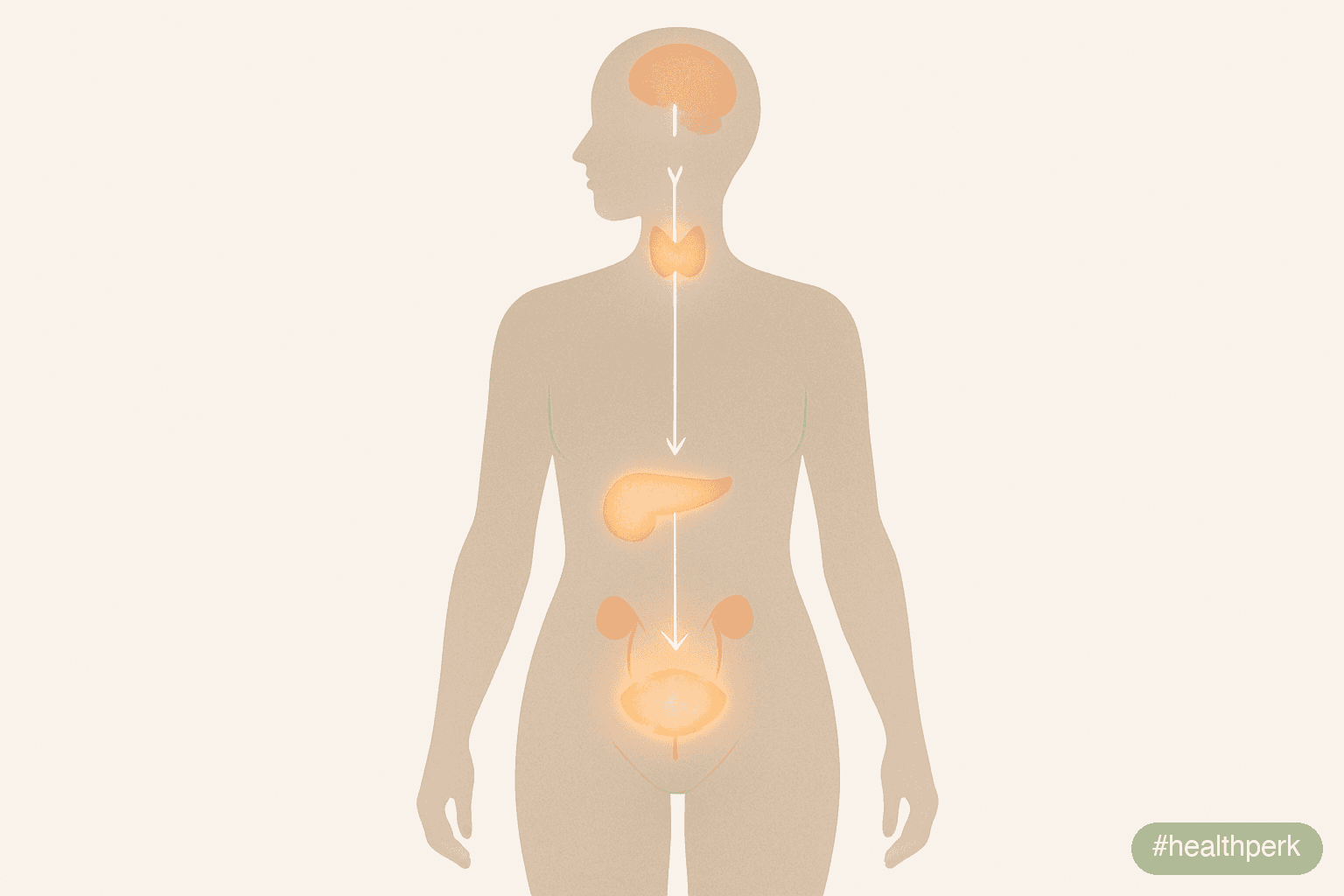
Hormonal imbalance weight gain is shorthand for a cluster of physiological states in which the endocrine system tilts the body toward fat storage, central adiposity, hunger, or reduced energy expenditure. The 2026 framing in endocrinology is not that hormones override caloric balance, but that they change the set point, the difficulty of maintaining a deficit, and the distribution of stored fat.
The hormones most commonly implicated:
- Insulin — chronically elevated insulin (from carbohydrate excess, sedentary behavior, or insulin resistance) suppresses lipolysis and promotes fat storage, especially in visceral compartments.
- Cortisol — elevated under chronic stress, sleep loss, or HPA-axis dysfunction; drives central fat deposition and cravings for hyper-palatable food.
- Thyroid hormones (T3, T4) — set basal metabolic rate; low levels reduce daily energy expenditure by 5–15%.
- Estrogen and progesterone — fluctuating across the cycle, perimenopause, and menopause; affect appetite, fat distribution, and lean-mass retention.
- Testosterone — too high in PCOS (hyperandrogenism), too low with aging or hypogonadism in men; both ends of the spectrum affect body composition.
- Leptin — secreted by adipose tissue; obesity often produces leptin resistance, weakening satiety signaling.
- Ghrelin — rises with sleep loss, dieting plateau, and weight loss itself; drives compensatory hunger.
- Growth hormone and IGF-1 — decline with age; affect lean-mass preservation and body composition.
The clinical pattern that points toward a hormonal driver rather than behavioral causes:
- Weight gain despite stable or reduced caloric intake (documented, not estimated)
- Gain concentrated in the abdomen and trunk rather than evenly distributed
- New onset after a clinical event (childbirth, illness, surgery, stress, medication change)
- Accompanying symptoms outside body weight — fatigue, cold intolerance, irregular cycles, mood change, sleep disruption, hair changes, acne
- Plateau or regain on a previously effective protocol
- First-degree relative with thyroid disease, PCOS, type 2 diabetes, or Cushing's
When two or more of these features cluster, a clinical workup is more useful than another diet. The 2026 endocrinology consensus: hormonal causes of weight gain are real, identifiable, and treatable, but they require diagnosis rather than guesswork (Apovian et al., 2015 endocrine society guideline; updated commentary through 2025).
Insulin Resistance Weight Gain
Insulin resistance weight gain is the most common single hormonal driver of unexplained weight gain in adults in 2026. The mechanism: when peripheral cells (muscle, liver, adipose) become less responsive to insulin, the pancreas secretes more of it to maintain glucose homeostasis. Chronically elevated insulin promotes fat storage (especially visceral), suppresses lipolysis, and amplifies hunger through complex hypothalamic effects.
Signs that point toward insulin resistance:
- Central fat deposition (waist circumference >88 cm in women, >102 cm in men)
- Acanthosis nigricans (dark, velvety skin patches at neck, armpits, groin)
- Skin tags
- Sugar cravings that worsen during weight loss attempts
- Energy crashes 1–2 hours after carbohydrate-heavy meals
- Fasting glucose 100–125 mg/dL (impaired fasting glucose)
- HbA1c 5.7–6.4% (prediabetes range)
- Family history of type 2 diabetes
- History of gestational diabetes or PCOS
Labs worth checking with a primary care or endocrinology clinician:
- Fasting insulin (above ~10 μIU/mL suggests insulin resistance)
- Fasting glucose
- HbA1c
- HOMA-IR calculation: (fasting glucose × fasting insulin) / 405 — values above 2.0 suggest insulin resistance, above 2.5 strongly suggest it
- Triglyceride-to-HDL ratio (above 3.0 is a credible surrogate)
- Hepatic ultrasound or FibroScan if NAFLD is suspected
What actually reverses insulin resistance in 2026:
- Moderate carbohydrate reduction to 100–150 g/day from refined-sugar and refined-grain sources, replaced by vegetables, legumes, whole grains, and protein. The 2023 Lancet Diabetes & Endocrinology meta-analysis confirmed that low-to-moderate carbohydrate patterns produce HbA1c reductions of 0.5–1.0% versus standard low-fat patterns in adults with insulin resistance and type 2 diabetes (Goldenberg et al., 2021).
- Weight loss of 5–10% body weight, sufficient for many adults to restore insulin sensitivity.
- Resistance training 2–4 times/week — single most effective intervention for muscle insulin sensitivity.
- Walking 7,000–10,000 daily steps; post-meal walks of 10–15 minutes blunt postprandial glucose by 12–22% in trial data.
- Sleep extension to 7+ hours nightly; sleep restriction acutely reduces insulin sensitivity in healthy adults (Spiegel et al., 1999, confirmed in multiple replications).
- Metformin (clinical decision) — for adults with confirmed prediabetes or type 2 diabetes; ~30% reduction in progression to type 2 diabetes in the Diabetes Prevention Program (Knowler et al., 2002; long-term follow-up through 2015).
- GLP-1 receptor agonists (semaglutide, tirzepatide) — for adults meeting clinical criteria; produce 12–22% body-weight reduction in 12–18 months in trial data (Jastreboff et al., 2022 for tirzepatide; STEP trial data for semaglutide).
Insulin resistance is the hormonal driver with the most actionable 2026 toolkit and the strongest evidence base. Many adults with apparent "hormonal weight gain" have insulin resistance as the dominant mechanism, even without a formal type 2 diabetes diagnosis.
Thyroid Problems Weight Gain Symptoms
Thyroid problems weight gain symptoms typically appear gradually and are easy to attribute to aging, stress, or lifestyle. The 2026 prevalence data: clinical hypothyroidism affects about 4–5% of adults, with another 5–10% in subclinical hypothyroidism (mildly elevated TSH with normal free T4). Hashimoto's thyroiditis is the most common cause of acquired hypothyroidism in iodine-replete countries; it disproportionately affects women aged 30–60.
Classic symptom cluster suggesting hypothyroidism:
- Cold intolerance — feeling cold when others are comfortable
- Fatigue disproportionate to sleep and activity
- Dry skin, brittle hair, hair thinning at the temples and outer eyebrows
- Constipation
- Weight gain of 2–7 kg over months despite stable eating
- Slow heart rate (under 60 bpm at rest, in non-athletes)
- Cognitive slowing, "brain fog"
- Heavier or more irregular menstrual periods
- Depression that is partial-responsive or non-responsive to standard treatment
- Goiter (visible enlargement of the thyroid)
- Family history of thyroid disease
Labs to ask for:
- TSH (reference range typically 0.4–4.0 mIU/L; many endocrinologists treat above 2.5 in symptomatic patients)
- Free T4
- Free T3 (and reverse T3 in selected cases)
- Anti-TPO and anti-thyroglobulin antibodies (for Hashimoto's)
- Thyroid ultrasound if structural concern
How weight gain occurs in hypothyroidism:
- Basal metabolic rate drops 5–15% with overt hypothyroidism
- Fluid retention (mucinous edema in severe cases) adds 2–4 kg of non-fat weight
- Reduced energy and motivation lower spontaneous activity (NEAT)
- Constipation contributes a few hundred grams of bowel content
- Insulin sensitivity can decline mildly, amplifying carbohydrate-related fat storage
What actually works for thyroid-driven weight gain in 2026:
- Correct treatment of the underlying thyroid disease. Levothyroxine (synthetic T4) restores euthyroid status in most adults with hypothyroidism; for some, combination T4/T3 therapy provides additional symptom relief. Treatment typically reverses 50–80% of the weight gain attributable to the thyroid mechanism itself, but does not erase weight gained over years of poor metabolism plus untreated symptoms (Pearce et al., 2013; ATA guidelines 2014, updated commentary through 2025).
- Adequate iodine and selenium intake — most adults in iodine-replete regions need no supplementation; selenium 100–200 μg/day supports T4-to-T3 conversion.
- Resistance training and protein adequacy to rebuild lean mass lost during the hypothyroid period.
- Sleep, stress management, and walking — same levers as for non-hormonal weight loss; necessary, not sufficient.
What does not work: "thyroid support" supplement blends marketed to adults with no thyroid testing. These typically contain iodine, kelp, and unspecified herbal extracts. Excess iodine can worsen Hashimoto's, and supplements never substitute for proper diagnosis. Subclinical hypothyroidism management remains controversial in 2026 — treatment helps some symptomatic adults and not others. The key principle: a TSH-confirmed thyroid problem deserves clinical treatment, not supplements.
Cortisol and Weight Gain
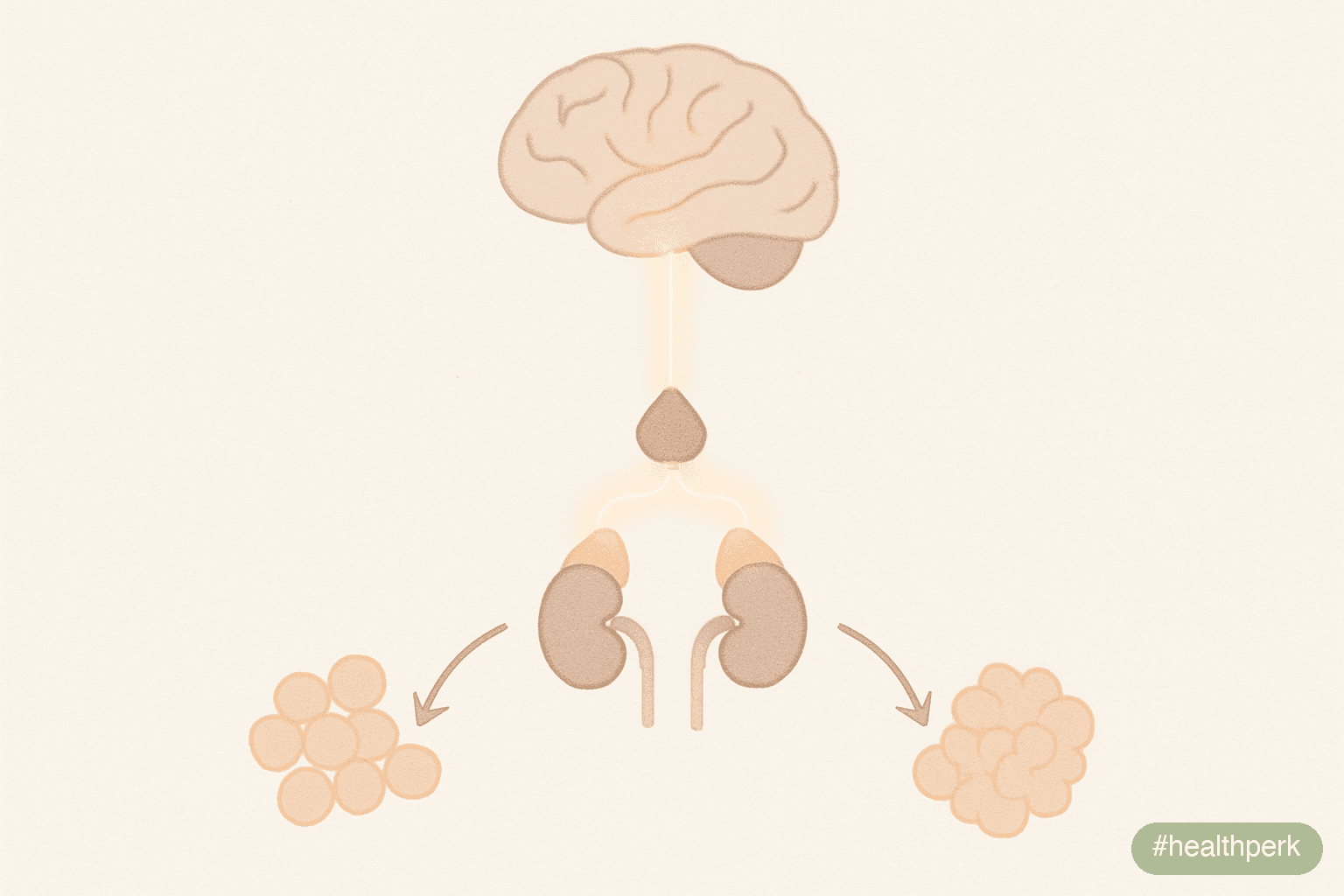
Cortisol and weight gain are linked through the HPA (hypothalamic-pituitary-adrenal) axis. Acute cortisol spikes are normal and adaptive; chronic elevation is not. Sustained cortisol drives central fat deposition, increases appetite for hyper-palatable food, impairs sleep quality (which further raises cortisol), and lowers insulin sensitivity. The classic clinical extreme is Cushing's syndrome (rare; cortisol-secreting tumor or chronic high-dose glucocorticoid use); the common version is "functional" HPA-axis activation from chronic life stress, sleep loss, alcohol, or shift work.
Signs suggesting cortisol involvement:
- Central, "apple-shaped" fat distribution
- Round, full face ("moon face") in severe cases
- Stretch marks (purplish if Cushing's; cosmetic if not)
- Poor sleep, early-morning awakening, or sleep that does not feel restorative
- Cravings for sugar, salt, and high-fat food, especially in evenings
- Mood symptoms: anxiety, irritability, depression
- High blood pressure
- Easy bruising
- High blood glucose
- Muscle loss in arms and legs alongside trunk fat gain
When to test for true Cushing's (rare but consequential):
- 24-hour urinary free cortisol
- Late-night salivary cortisol
- Dexamethasone suppression test
- ACTH if elevated cortisol confirmed
For most adults with cortisol-driven weight gain, formal Cushing's testing returns normal — the issue is functional cortisol elevation, not endocrine disease. Functional cortisol elevation is managed lifestyle-first, not pharmacologically.
What reduces cortisol-driven weight gain in 2026:
- Sleep extension to 7–9 hours nightly. Sleep restriction raises evening cortisol by 30–50% in trial data and contributes to most cases of functional HPA-axis activation.
- Stress management practices — 10–20 minutes daily of breath work, meditation, yoga, walking outdoors, or social connection. These reduce cortisol modestly across replicated trials; the cumulative effect over weeks matters more than any single session.
- Caffeine moderation — under 300 mg/day, none after midday for sensitive adults. Caffeine raises cortisol acutely.
- Alcohol reduction — alcohol disrupts deep sleep and raises overnight cortisol.
- Resistance training 2–4×/week — acutely raises cortisol but improves overall HPA-axis regulation chronically.
- Adequate protein and carbohydrate timing — extreme low-carbohydrate dieting can raise cortisol in some adults; modest carbohydrate intake (100–200 g/day) protects against this.
- Treating sleep apnea if present — undiagnosed OSA is a major driver of cortisol elevation in adults with central obesity.
- Time outdoors and morning sunlight — entrains circadian cortisol rhythm, improves nighttime sleep.
What does not credibly work: "cortisol blocker" supplements (phosphatidylserine, ashwagandha at consumer doses, "adrenal support" blends). Some, like ashwagandha at 500–600 mg/day standardized to withanolides, have small RCT support for stress and sleep markers, but the effect on weight is unmeasured or negligible. Cortisol-driven weight gain reverses primarily through the structural inputs (sleep, stress, training) rather than through supplementation.
PCOS Weight Gain Causes
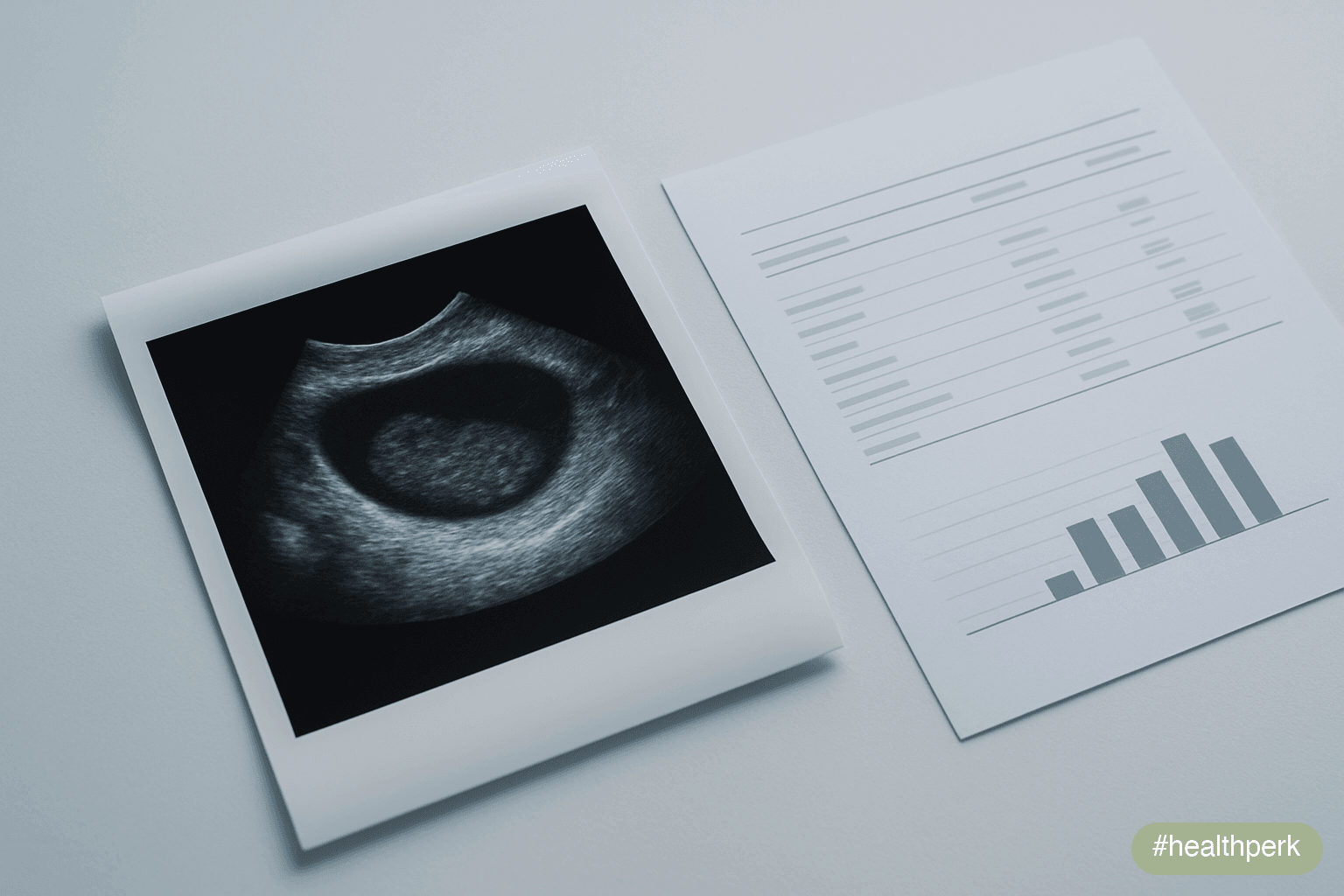
PCOS weight gain causes are multifactorial. Polycystic ovary syndrome affects about 8–13% of women of reproductive age in 2026 prevalence data and is characterized by some combination of: hyperandrogenism (elevated free testosterone or clinical signs — acne, hirsutism, scalp hair thinning), ovulatory dysfunction (irregular or absent cycles), and polycystic ovarian morphology on ultrasound (Rotterdam criteria). About 50–70% of women with PCOS also have insulin resistance — the dominant driver of PCOS-related weight gain.
The interlocking PCOS mechanisms driving weight gain:
- Insulin resistance and hyperinsulinemia (in 50–70% of cases) — drives fat storage, hunger, and central adiposity (Diamanti-Kandarakis & Dunaif, 2012; updated reviews through 2025).
- Hyperandrogenism — promotes visceral (abdominal) fat deposition, alters body-fat distribution toward male pattern, increases appetite in some women.
- Reduced SHBG (sex hormone binding globulin) — amplifies free androgen activity.
- Lower spontaneous activity — chronic fatigue and mood symptoms reduce NEAT in many women with PCOS.
- Sleep disturbance — higher rates of obstructive sleep apnea and insomnia in PCOS.
- Mood and emotional eating — higher rates of depression and binge eating in women with PCOS.
Signs that suggest a PCOS evaluation:
- Irregular cycles (longer than 35 days, fewer than 8 cycles per year, or amenorrhea)
- Acne, oily skin, scalp hair thinning, or facial/body hair growth
- Central weight gain or difficulty losing weight despite consistent efforts
- Insulin resistance signs (skin tags, acanthosis nigricans)
- Infertility or difficulty conceiving
- Family history of PCOS, type 2 diabetes, or metabolic syndrome
- Mood symptoms — anxiety, depression, binge eating
Labs and workup for suspected PCOS:
- Free and total testosterone; SHBG; DHEAS
- LH and FSH (ratio elevation classical but not required)
- Fasting insulin, glucose, HbA1c
- Lipid panel
- Thyroid panel (TSH) and prolactin (rule out mimics)
- Transvaginal ultrasound for ovarian morphology
- 17-OH-progesterone (to rule out non-classic CAH)
What actually works for PCOS-related weight gain in 2026:
- Weight loss of 5–10% body weight — restores ovulation in many women, reduces androgen excess, improves insulin sensitivity.
- Moderate carbohydrate reduction (100–150 g/day) and Mediterranean-style eating — reduces fasting insulin and improves cycle regularity (Moran et al., 2013; replicated 2020–2024).
- Resistance training 2–4×/week — improves insulin sensitivity more reliably than aerobic exercise alone in PCOS trials.
- Metformin — first-line for women with confirmed insulin resistance or impaired glucose tolerance; reduces weight 1–3 kg and improves cycle regularity.
- Inositol (myo + d-chiro at 40:1 ratio, ~4 g/day) — improves insulin sensitivity, ovulation, and modest weight outcomes; the meta-analyses show consistent improvements in HOMA-IR (Unfer et al., 2017; subsequent reviews through 2024).
- GLP-1 receptor agonists (where clinically appropriate) — produce strong weight loss and improve PCOS metabolic markers; access varies by region and insurance.
- Spironolactone for hyperandrogenism (does not directly drive weight loss but addresses acne, hirsutism).
- Combined oral contraceptives for cycle regulation and androgen suppression in women not seeking pregnancy.
What does not credibly work: stand-alone "PCOS supplements" without lifestyle change, "ovary detox" protocols, or restrictive crash diets. PCOS responds best to a coordinated approach: insulin sensitization (diet + training + metformin or inositol where indicated), androgen management (clinical), and sustained moderate caloric deficit. The 2026 endocrine consensus: PCOS is a chronic metabolic-reproductive syndrome; weight gain is one of its clinical features and responds to insulin-sensitizing interventions far more than to generic dieting.
Hormonal Weight Gain in Women Across the Lifespan
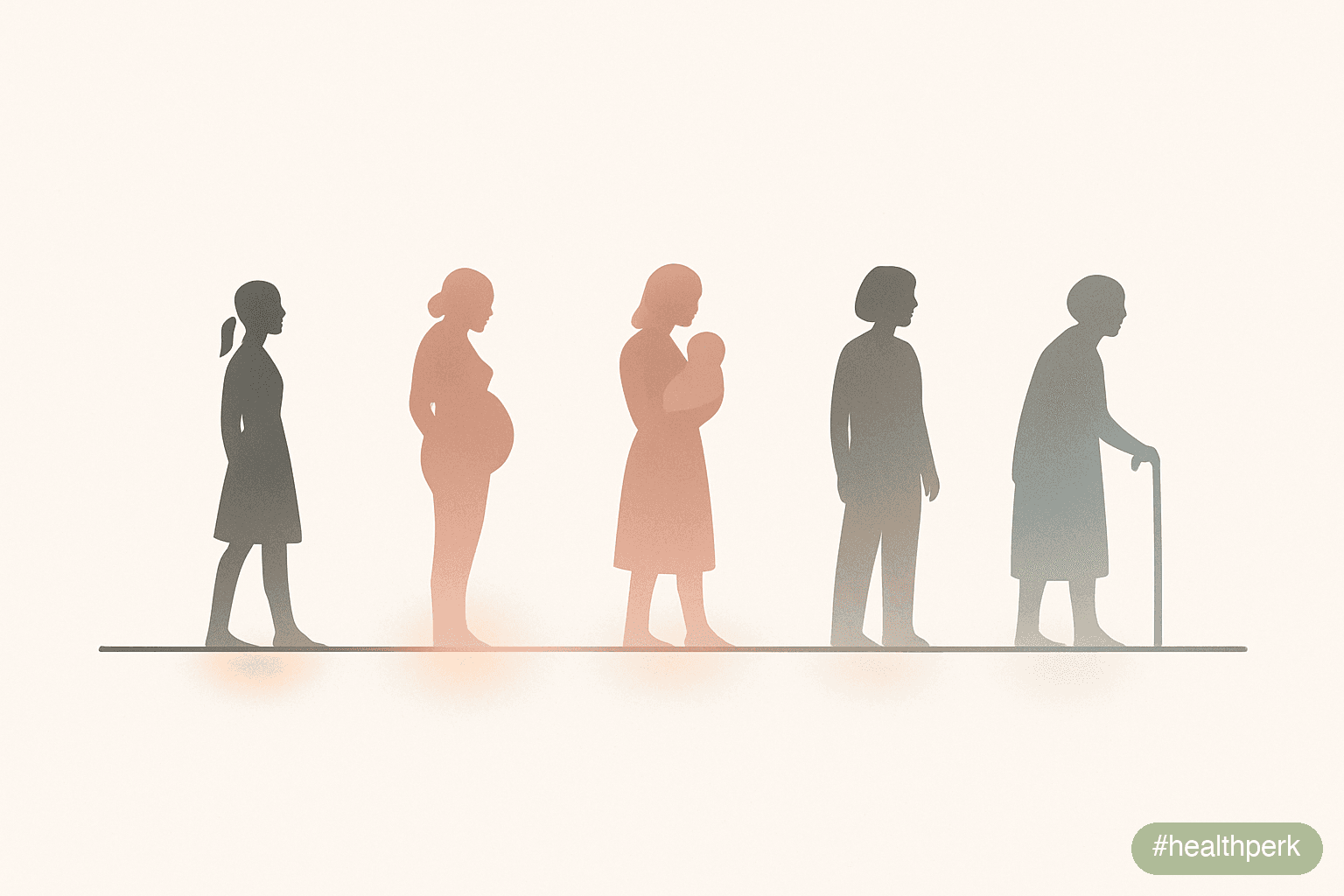
Hormonal weight gain women experience varies with life stage. The hormonal drivers, body-composition trajectory, and effective interventions differ across the cycle, pregnancy, postpartum, perimenopause, and menopause. A 30-year-old and a 50-year-old struggling with weight gain often have entirely different mechanisms even with identical body weights.
Reproductive years (early 20s to early 30s):
- PCOS prevalence ~8–13%, often newly diagnosed in this window
- Hypothyroidism prevalence rising through the 30s
- Pregnancy and postpartum weight retention (50–80% of women retain >2 kg one year postpartum)
- Stress, sleep loss, and insulin resistance from career/life transitions
- Eating disorders and disordered eating commonly emerge or peak in this window
Mid-life (late 30s to mid-40s):
- Insulin resistance prevalence rises steadily
- Perimenopause begins for many women (cycles become irregular, then shortened, then anovulatory)
- Falling progesterone amplifies PMS, mood, and sleep symptoms
- Cortisol-driven central fat accumulates with chronic life stress
- Lean mass begins to decline (~0.5% per year without resistance training)
Perimenopause (typically late 40s to early 50s):
- Estrogen and progesterone become erratic before declining
- Body fat redistributes from hips and thighs to abdomen
- Sleep quality deteriorates (hot flashes, night sweats)
- Insulin sensitivity declines, often abruptly
- Lean mass loss accelerates without resistance training
- Average weight gain through perimenopause: 0.5–1 kg per year over 4–6 years
- Visceral fat increases independent of total weight (Davis et al., 2012; updated commentary 2022–2025)
Menopause and postmenopause (after final menstrual period):
- Estrogen levels stabilize at low post-reproductive baseline
- Continued lean-mass loss without active resistance training
- Hot flashes and night sweats may persist 5–10 years for some
- Bone density loss accelerates in early postmenopause
- Cardiovascular risk rises with estrogen withdrawal
What works at each stage:
- Reproductive years: Address specific syndromes (PCOS, hypothyroidism, eating disorders) clinically. Build sustainable habits before perimenopause begins. Resistance training started in the 20s–30s pays compounding lean-mass dividends across life.
- Mid-life: Catch insulin resistance early (HOMA-IR, HbA1c). Resistance train 2–4× weekly. Protect sleep aggressively. Build a meal template that is sustainable for 30+ years rather than restrictive for 12 weeks.
- Perimenopause: Resistance training is the single highest-leverage intervention. Protein 1.6–2.2 g/kg (higher end). Sleep hygiene becomes non-negotiable. Menopausal hormone therapy (MHT) — appropriate for many women with vasomotor symptoms within 10 years of menopause — does not directly produce weight loss but mitigates fat redistribution and quality-of-life symptoms (NAMS 2022 position statement; updated 2024).
- Menopause/postmenopause: Resistance training, protein adequacy, weight-bearing activity, walking 8,000+ steps daily, vitamin D and calcium adequacy for bone health, evaluation for MHT eligibility with a knowledgeable clinician.
The honest framing: hormonal weight gain in women is real, biologically driven, and frustrating — but not unsolvable. Most of the lever is structural (resistance training, protein, sleep, walking, deliberate caloric awareness) rather than supplemental. Clinical evaluation for the specific syndrome (PCOS, hypothyroidism, perimenopause) determines whether prescription support adds value.
Weight Loss Supplements for Women With Hormonal Drivers
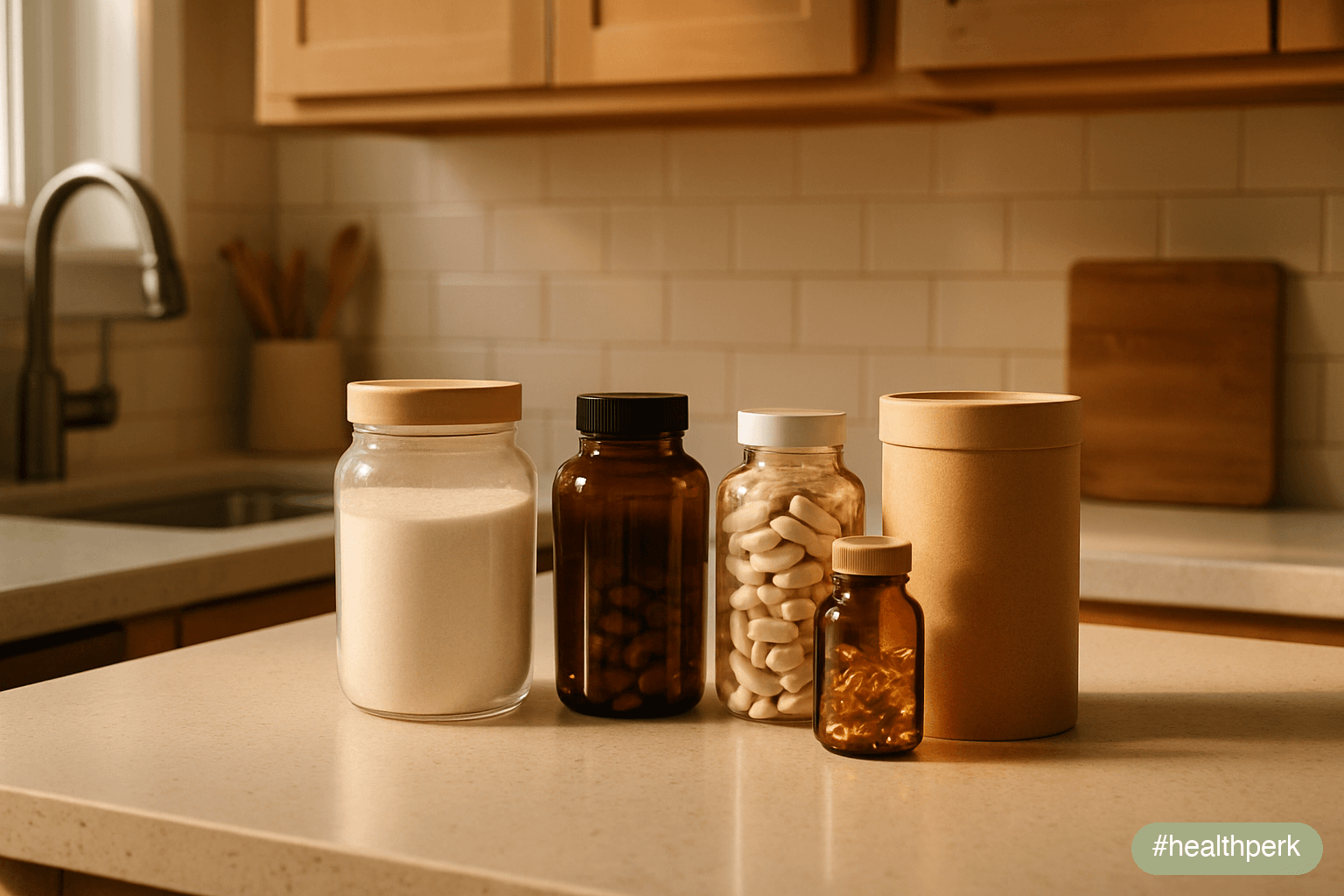
Weight loss supplements for women marketed for hormonal weight gain are a noisy category. Many products target "hormone balance," "thyroid support," or "menopause weight" with proprietary blends that lack replicated evidence. The 2026 list of supplements with credible RCT support for hormonal weight gain in women is short, narrowly indicated, and almost always works as an adjunct to lifestyle change rather than as a substitute for it.
Supplements with the most credible 2026 evidence in specific hormonal contexts:
- Inositol (myo + d-chiro at 40:1 ratio, ~4 g/day) for PCOS. Improves insulin sensitivity, ovulation, and modest weight outcomes in replicated trials. The 40:1 myo-to-d-chiro ratio matches the physiological tissue ratio (Unfer et al., 2017; subsequent reviews 2020–2024).
- Vitamin D 1,000–2,000 IU/day for adults with deficiency or insufficiency, common in women with PCOS, hypothyroidism, and obesity. Correcting deficiency improves insulin sensitivity modestly; supraphysiological dosing does not add benefit.
- Magnesium glycinate or citrate 200–400 mg/day for insulin sensitivity and sleep quality; modest evidence, low risk, broadly useful.
- Omega-3 (EPA + DHA) 1–2 g/day for inflammation, triglycerides, and mood; PCOS trials show modest insulin-sensitivity improvements.
- Soluble fiber (psyllium, glucomannan, beta-glucan) for appetite control across all hormonal patterns; well-tolerated and cheap.
- Berberine 500 mg three times daily — improves HOMA-IR and HbA1c in trials at metformin-comparable magnitudes in some studies; medication interactions and inconsistent product quality argue for clinical guidance (Lan et al., 2015; replicated through 2024).
- Ashwagandha 500–600 mg/day standardized for stress and sleep markers in cortisol-driven contexts; weight effects modest at best.
- Selenium 100–200 μg/day for adults with Hashimoto's; modest reduction in anti-TPO antibodies in some trials; not a weight-loss agent.
Supplements commonly marketed but lacking credible 2026 evidence for hormonal weight gain in women:
- "Thyroid support" blends without thyroid testing
- "Adrenal support" blends for non-Cushing's contexts
- "Estrogen balance" or "hormonal cleanse" blends
- "Menopause weight" proprietary blends
- DIM (diindolylmethane) for weight loss outcomes (some prostate/estrogen-metabolism rationale but no replicated weight evidence)
- Black cohosh for weight (effective for hot flashes in some trials, not for weight)
- Maca for weight (no replicated trial evidence)
- "Belly fat for women" proprietary blends — typically caffeine-and-bystanders with no specific mechanism
The supplement reality for women with hormonal weight gain:
- For confirmed insulin resistance or PCOS: inositol + magnesium ± berberine ± vitamin D, alongside clinical care, has credible support.
- For confirmed hypothyroidism: levothyroxine (prescription), selenium adequacy, no other supplements substitute for proper thyroid hormone replacement.
- For cortisol-driven weight gain: sleep, stress management, magnesium glycinate at bedtime; ashwagandha optional.
- For perimenopause/menopause: protein adequacy (often through whey or plant protein supplements), creatine 3–5 g/day for muscle preservation, vitamin D, calcium, omega-3, soluble fiber.
The honest framing for adults searching for weight loss supplements for women: no supplement replaces clinical evaluation when hormonal causes are suspected. The credible supplement list adds 5–10% to outcomes built on the structural foundation of diet, training, sleep, and (where indicated) prescription medication. Spending hundreds of dollars monthly on hormonal-weight-gain supplement blends without a workup is the most common — and most expensive — mistake in this category.
Related Articles on HealthPerk
Explore more on this topic:
- Why Can't I Lose Weight Even Dieting?
- How to Boost Metabolism Naturally
- Supplements That Help Weight Loss Naturally
- Natural Appetite Suppressants That Work
- How to Lose Belly Fat Naturally
Frequently Asked Questions
What are the most common hormonal weight gain causes in 2026?
The five replicated drivers are: insulin resistance (high insulin promotes fat storage and hunger), chronically elevated cortisol from stress and sleep loss, hypothyroidism (low thyroid hormone slowing metabolism 5–15%), polycystic ovary syndrome (hyperandrogenism plus insulin resistance in 50–70% of cases), and the perimenopause-to-menopause shift (falling estrogen, fat redistribution, lean-mass loss). Less commonly: leptin resistance, growth hormone deficiency, prolactin excess, and Cushing's syndrome. These hormonal causes do not override calorie balance; they make balance harder to achieve, shift fat distribution, and amplify hunger. Diagnosis with labs (TSH, fasting insulin, HOMA-IR, free testosterone, SHBG) determines which lever to pull.
How do I know if my weight gain is hormonal imbalance weight gain versus behavioral?
Hormonal imbalance weight gain typically shows: weight gain despite stable or reduced documented intake, gain concentrated in the abdomen/trunk, new onset after a clinical event (childbirth, surgery, illness, medication), accompanying non-weight symptoms (cold intolerance, fatigue, irregular cycles, mood change, hair changes, sleep disruption), plateau or regain on a previously effective protocol, or family history of thyroid disease, PCOS, or type 2 diabetes. When two or more cluster, ask a clinician for a workup — TSH, free T4, fasting insulin, fasting glucose, HbA1c, lipid panel, and (in women) testosterone, SHBG, and AMH or pelvic ultrasound if PCOS suspected. Generic dieting fails when the underlying mechanism is endocrine.
What are the signs of insulin resistance weight gain?
Central fat deposition (waist >88 cm women, >102 cm men), acanthosis nigricans (dark, velvety skin patches at neck/armpits), skin tags, sugar cravings during weight-loss attempts, energy crashes 1–2 hours after carbohydrate-heavy meals, fasting glucose 100–125 mg/dL, HbA1c 5.7–6.4%, family history of type 2 diabetes, or history of gestational diabetes or PCOS. Labs to ask for: fasting insulin (above ~10 μIU/mL suggests resistance), fasting glucose, HbA1c, HOMA-IR (above 2.0 suggests resistance), triglyceride-to-HDL ratio (above 3.0 is a surrogate). What works: moderate carbohydrate reduction to 100–150 g/day, 5–10% weight loss, resistance training 2–4×/week, walking 7,000–10,000 steps daily, sleep 7+ hours, and (clinically) metformin or GLP-1 agonists.
What are the thyroid problems weight gain symptoms to watch for?
Cold intolerance, fatigue disproportionate to sleep and activity, dry skin, brittle hair, hair thinning at temples and outer eyebrows, constipation, weight gain of 2–7 kg over months despite stable eating, slow resting heart rate, brain fog, heavier or more irregular periods, depression that is partial-responsive to treatment, goiter, or family history of thyroid disease. Ask a clinician for TSH (typically 0.4–4.0 mIU/L; symptomatic patients are sometimes treated above 2.5), free T4, free T3, and anti-TPO/anti-thyroglobulin antibodies for Hashimoto's. Treatment with levothyroxine reverses 50–80% of the thyroid-attributable weight gain but does not erase years of weight accumulated with low metabolism plus untreated symptoms. "Thyroid support" supplements without testing are not a substitute.
How are cortisol and weight gain connected?
Chronically elevated cortisol — from stress, sleep loss, alcohol, shift work, or untreated sleep apnea — drives central fat deposition, increases appetite for hyper-palatable food, impairs sleep (raising cortisol further), and lowers insulin sensitivity. Signs: central/apple-shaped fat distribution, full or round face in severe cases, stretch marks (purplish if Cushing's), poor sleep, evening cravings for sugar and salt, anxiety/irritability, high blood pressure, muscle loss in limbs alongside trunk fat gain. True Cushing's is rare (test with 24-hour urinary free cortisol, late-night salivary cortisol, dexamethasone suppression); most cases are functional HPA-axis activation, managed lifestyle-first: sleep 7–9 hours, daily stress practice 10–20 minutes, caffeine moderation, alcohol reduction, resistance training, treating sleep apnea if present.
What are the PCOS weight gain causes and how do you reverse them?
PCOS-related weight gain is driven by interlocking mechanisms: insulin resistance (in 50–70% of cases), hyperandrogenism (elevated free testosterone promoting central fat), reduced SHBG (amplifying free androgen), lower spontaneous activity from fatigue and mood symptoms, sleep disturbance (higher OSA rates), and emotional eating. Workup includes free/total testosterone, SHBG, DHEAS, LH/FSH, fasting insulin and HOMA-IR, HbA1c, thyroid panel, prolactin, and pelvic ultrasound. Reversal: 5–10% weight loss, moderate carbohydrate reduction (100–150 g/day) with Mediterranean-style eating, resistance training 2–4×/week, metformin or inositol (myo + d-chiro 40:1, 4 g/day) for insulin sensitization, GLP-1 agonists where clinically appropriate. Crash diets and stand-alone "PCOS supplements" without lifestyle change are ineffective.
How does hormonal weight gain in women change across the lifespan?
Reproductive years (20s–early 30s): PCOS, hypothyroidism diagnosis, postpartum retention, eating disorders. Mid-life (late 30s–mid-40s): rising insulin resistance, perimenopause onset, falling progesterone, cortisol-driven central fat, lean-mass decline begins. Perimenopause (late 40s–early 50s): erratic estrogen, fat redistributes from hips to abdomen, sleep quality drops, insulin sensitivity declines abruptly, average weight gain 0.5–1 kg per year over 4–6 years. Menopause: estrogen stabilizes low, lean-mass loss continues without resistance training, bone density falls. What works at each stage: address specific syndromes early, resistance train 2–4×/week from the 30s onward, protein 1.6–2.2 g/kg, protect sleep, and evaluate menopausal hormone therapy with a knowledgeable clinician for women with vasomotor symptoms within 10 years of menopause.
Which weight loss supplements for women with hormonal drivers actually work in 2026?
For PCOS or insulin resistance: inositol (myo + d-chiro 40:1, 4 g/day), magnesium glycinate 200–400 mg/day, omega-3 1–2 g/day, soluble fiber 5–10 g/day, vitamin D if deficient, and berberine 500 mg three times daily (with clinical oversight). For hypothyroidism: levothyroxine prescription is essential; selenium 100–200 μg/day modestly helps Hashimoto's; no supplement substitutes for hormone replacement. For cortisol-driven weight gain: magnesium glycinate at bedtime, optional ashwagandha 500–600 mg/day; primary tools are sleep and stress practices. For perimenopause/menopause: protein supplementation if intake is low, creatine 3–5 g/day for muscle preservation, vitamin D, calcium, omega-3, fiber. What does not work: "thyroid support," "adrenal support," "estrogen balance," and "menopause weight" proprietary blends without diagnosis or evidence.
This article is for informational purposes only and does not constitute medical advice. Hormonal weight gain causes — including hypothyroidism, insulin resistance, PCOS, Cushing's syndrome, and perimenopause/menopause transitions — require clinical evaluation, laboratory testing, and individualized treatment by a qualified clinician (primary care, endocrinology, or gynecology). Supplements and lifestyle interventions described here are not substitutes for prescription medication when indicated (levothyroxine for hypothyroidism, metformin for insulin resistance, GLP-1 agonists, menopausal hormone therapy). Do not start, stop, or change prescription medication based on this article. Consult a qualified healthcare provider before starting supplements (inositol, berberine, ashwagandha, selenium), especially during pregnancy or breastfeeding, if you take other medications, or if you have liver, kidney, or cardiovascular disease. Individual results vary.
About the author The HealthPerk Editorial Team reviews endocrinology, women's health, and weight management research through evidence synthesis cross-referenced with peer-reviewed clinical trials, society guidelines (Endocrine Society, American Thyroid Association, NAMS), and clinical practice standards. Our weight-loss content is reviewed for medical accuracy against current obesity-medicine, endocrinology, and gynecology standards. How we review →
References
Apovian, C. M., Aronne, L. J., Bessesen, D. H., McDonnell, M. E., Murad, M. H., Pagotto, U., Ryan, D. H., & Still, C. D. (2015). Pharmacological management of obesity: An Endocrine Society clinical practice guideline. Journal of Clinical Endocrinology & Metabolism, 100(2), 342–362. https://doi.org/10.1210/jc.2014-3415
Supports: Endocrine Society framework for evaluating and treating hormonal contributors to weight gain
Goldenberg, J. Z., Day, A., Brinkworth, G. D., Sato, J., Yamada, S., Jönsson, T., Beardsley, J., Johnson, J. A., Thabane, L., & Johnston, B. C. (2021). Efficacy and safety of low and very low carbohydrate diets for type 2 diabetes remission: Systematic review and meta-analysis of published and unpublished randomized trial data. BMJ, 372, m4743. https://doi.org/10.1136/bmj.m4743
Supports: low and moderate carbohydrate patterns reduce HbA1c and improve insulin sensitivity in adults with insulin resistance and type 2 diabetes
Knowler, W. C., Barrett-Connor, E., Fowler, S. E., Hamman, R. F., Lachin, J. M., Walker, E. A., & Nathan, D. M.; Diabetes Prevention Program Research Group (2002). Reduction in the incidence of type 2 diabetes with lifestyle intervention or metformin. New England Journal of Medicine, 346(6), 393–403. https://doi.org/10.1056/NEJMoa012512
Supports: lifestyle intervention and metformin reduce progression from prediabetes to type 2 diabetes; long-term follow-up data through 2015
Jastreboff, A. M., Aronne, L. J., Ahmad, N. N., Wharton, S., Connery, L., Alves, B., Kiyosue, A., Zhang, S., Liu, B., Bunck, M. C., & Stefanski, A.; SURMOUNT-1 Investigators (2022). Tirzepatide once weekly for the treatment of obesity. New England Journal of Medicine, 387(3), 205–216. https://doi.org/10.1056/NEJMoa2206038
Supports: GLP-1/GIP receptor agonist tirzepatide produces 15–22% body weight reduction over 72 weeks in adults with obesity
Pearce, S. H., Brabant, G., Duntas, L. H., Monzani, F., Peeters, R. P., Razvi, S., & Wemeau, J. L. (2013). 2013 ETA guideline: Management of subclinical hypothyroidism. European Thyroid Journal, 2(4), 215–228. https://doi.org/10.1159/000356507
Supports: clinical framework for evaluating and treating overt and subclinical hypothyroidism, including weight-related symptoms
Diamanti-Kandarakis, E., & Dunaif, A. (2012). Insulin resistance and the polycystic ovary syndrome revisited: An update on mechanisms and implications. Endocrine Reviews, 33(6), 981–1030. https://doi.org/10.1210/er.2011-1034
Supports: insulin resistance is present in 50–70% of women with PCOS and is a primary driver of metabolic and weight outcomes
Unfer, V., Facchinetti, F., Orrù, B., Giordani, B., & Nestler, J. (2017). Myo-inositol effects in women with PCOS: A meta-analysis of randomized controlled trials. Endocrine Connections, 6(8), 647–658. https://doi.org/10.1530/EC-17-0243
Supports: myo-inositol supplementation improves insulin sensitivity, ovulation, and modest weight outcomes in women with PCOS
Moran, L. J., Ko, H., Misso, M., Marsh, K., Noakes, M., Talbot, M., Frearson, M., Thondan, M., Stepto, N., & Teede, H. J. (2013). Dietary composition in the treatment of polycystic ovary syndrome: A systematic review to inform evidence-based guidelines. Journal of the Academy of Nutrition and Dietetics, 113(4), 520–545. https://doi.org/10.1016/j.jand.2012.11.018
Supports: moderate carbohydrate reduction and Mediterranean-style eating improve metabolic and reproductive outcomes in PCOS
Davis, S. R., Castelo-Branco, C., Chedraui, P., Lumsden, M. A., Nappi, R. E., Shah, D., & Villaseca, P.; Writing Group of the International Menopause Society for World Menopause Day 2012 (2012). Understanding weight gain at menopause. Climacteric, 15(5), 419–429. https://doi.org/10.3109/13697137.2012.707385
Supports: perimenopause and menopause produce fat redistribution toward central/visceral compartments independent of total weight change
Lan, J., Zhao, Y., Dong, F., Yan, Z., Zheng, W., Fan, J., & Sun, G. (2015). Meta-analysis of the effect and safety of berberine in the treatment of type 2 diabetes mellitus, hyperlipemia and hypertension. Journal of Ethnopharmacology, 161, 69–81. https://doi.org/10.1016/j.jep.2014.09.049
Supports: berberine improves HOMA-IR, HbA1c, and lipid profiles with effect sizes comparable to first-line oral hypoglycemics in some trials
Frequently Asked Questions
What are the most common hormonal weight gain causes in 2026?
The five replicated drivers are: insulin resistance, chronically elevated cortisol from stress and sleep loss, hypothyroidism (slowing metabolism 5–15%), polycystic ovary syndrome (hyperandrogenism plus insulin resistance in 50–70% of cases), and the perimenopause-to-menopause shift. Less commonly: leptin resistance, growth hormone deficiency, prolactin excess, and Cushing's syndrome. Hormonal causes make calorie balance harder to achieve, shift fat distribution, and amplify hunger. Diagnosis with labs (TSH, fasting insulin, HOMA-IR, free testosterone, SHBG) determines which lever to pull.
How do I know if my weight gain is hormonal imbalance weight gain versus behavioral?
Hormonal imbalance weight gain typically shows weight gain despite stable documented intake, gain concentrated in the trunk, new onset after a clinical event, accompanying symptoms (cold intolerance, fatigue, irregular cycles, mood change, hair changes), plateau or regain on a previously effective protocol, or family history of thyroid disease, PCOS, or type 2 diabetes. When two or more cluster, ask for a workup: TSH, free T4, fasting insulin, fasting glucose, HbA1c, lipid panel, and (in women) testosterone, SHBG, AMH, or pelvic ultrasound if PCOS suspected.
What are the signs of insulin resistance weight gain?
Central fat deposition (waist >88 cm women, >102 cm men), acanthosis nigricans (dark velvety skin patches), skin tags, sugar cravings, energy crashes after carb-heavy meals, fasting glucose 100–125 mg/dL, HbA1c 5.7–6.4%, family history of type 2 diabetes, or history of gestational diabetes/PCOS. Labs: fasting insulin (>10 μIU/mL suggests resistance), HOMA-IR (>2.0), triglyceride-to-HDL ratio (>3.0). What works: moderate carb reduction to 100–150 g/day, 5–10% weight loss, resistance training 2–4×/week, walking 7,000–10,000 steps, sleep 7+ hours, and clinically metformin or GLP-1 agonists.
What are the thyroid problems weight gain symptoms to watch for?
Cold intolerance, fatigue disproportionate to sleep, dry skin, brittle hair, hair thinning at temples and outer eyebrows, constipation, weight gain of 2–7 kg over months despite stable eating, slow resting heart rate, brain fog, heavier or irregular periods, partial-response depression, goiter, or family history of thyroid disease. Ask for TSH, free T4, free T3, and anti-TPO/anti-thyroglobulin antibodies for Hashimoto's. Levothyroxine reverses 50–80% of thyroid-attributable weight gain. Supplement blends without testing are not a substitute.
How are cortisol and weight gain connected?
Chronically elevated cortisol — from stress, sleep loss, alcohol, shift work, or sleep apnea — drives central fat deposition, increases appetite for hyper-palatable food, impairs sleep, and lowers insulin sensitivity. Signs: apple-shaped fat distribution, full face in severe cases, stretch marks, poor sleep, evening cravings, anxiety/irritability, high blood pressure, muscle loss in limbs with trunk fat gain. True Cushing's is rare; most cases are functional HPA activation. Management: sleep 7–9 hours, daily stress practice 10–20 minutes, caffeine moderation, alcohol reduction, resistance training, treating sleep apnea if present.
What are the PCOS weight gain causes and how do you reverse them?
PCOS weight gain is driven by interlocking mechanisms: insulin resistance (50–70% of cases), hyperandrogenism, reduced SHBG, lower spontaneous activity, sleep disturbance, and emotional eating. Workup: free/total testosterone, SHBG, DHEAS, LH/FSH, fasting insulin, HOMA-IR, HbA1c, thyroid panel, prolactin, pelvic ultrasound. Reversal: 5–10% weight loss, moderate carb reduction (100–150 g/day) with Mediterranean eating, resistance training 2–4×/week, metformin or inositol (myo + d-chiro 40:1, 4 g/day), GLP-1 agonists where appropriate.
How does hormonal weight gain in women change across the lifespan?
Reproductive years: PCOS, hypothyroidism diagnosis, postpartum retention. Mid-life: rising insulin resistance, perimenopause onset, falling progesterone, cortisol-driven central fat, lean-mass decline. Perimenopause: erratic estrogen, fat redistributes to abdomen, sleep quality drops, average gain 0.5–1 kg/year over 4–6 years. Menopause: estrogen stabilizes low, lean-mass loss continues without resistance training, bone density falls. What works: address syndromes early, resistance train 2–4×/week from 30s, protein 1.6–2.2 g/kg, protect sleep, evaluate menopausal hormone therapy for vasomotor symptoms within 10 years of menopause.
Which weight loss supplements for women with hormonal drivers actually work in 2026?
For PCOS or insulin resistance: inositol (myo + d-chiro 40:1, 4 g/day), magnesium glycinate 200–400 mg/day, omega-3 1–2 g/day, soluble fiber, vitamin D if deficient, berberine 500 mg three times daily with clinical oversight. For hypothyroidism: levothyroxine is essential; selenium 100–200 μg/day modestly helps Hashimoto's. For cortisol-driven weight gain: magnesium glycinate at bedtime, optional ashwagandha 500–600 mg/day. For perimenopause/menopause: protein supplementation if low, creatine 3–5 g/day, vitamin D, calcium, omega-3, fiber. Proprietary 'hormone balance' blends without diagnosis lack credible evidence.
More from Supplements