Foods That Burn Fat Naturally: 2026 Evidence Plus the Tracking Tools That Prove It
Foods That Burn Fat Naturally: 2026 Evidence Plus the Tracking Tools That Prove It
By the HealthPerk Editorial Team · Last updated: May 2026
Quick Answer
Which foods burn fat naturally in 2026, and how do you know they are actually working?
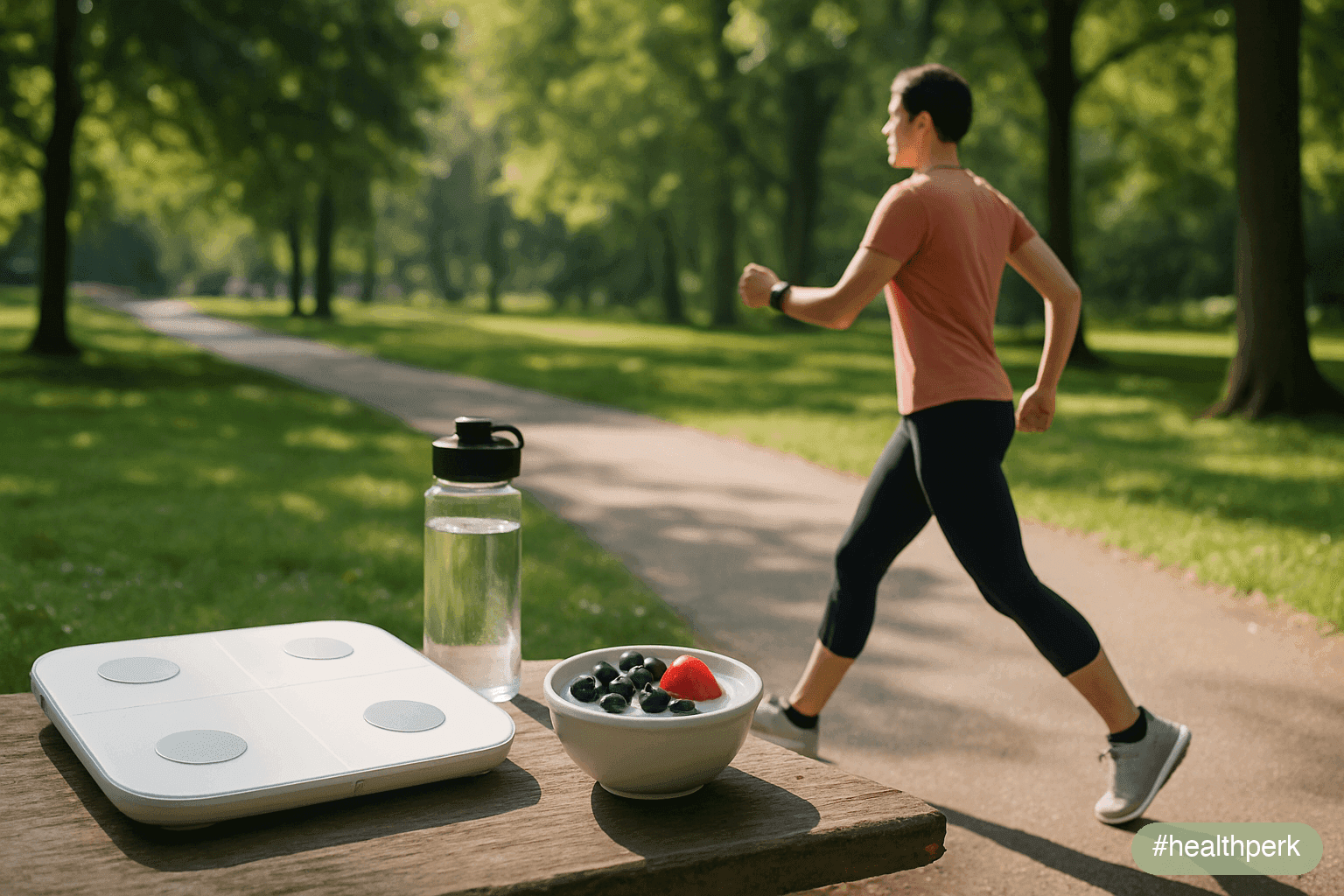
No food melts fat. The phrase foods that burn fat naturally is shorthand for foods that nudge the body's energy ledger in a fat-loss direction through replicated mechanisms: high thermic effect of food (protein costs 20–30% of its calories to digest, versus 5–10% for carbohydrate and 0–3% for fat), high satiety per calorie (soluble fiber, lean protein, water-rich whole foods), modest metabolic stimulants (caffeine, EGCG, capsaicin), and favorable hormonal effects (vinegar on postprandial glucose, MUFA on insulin sensitivity). The combined real-world effect of these foods on body weight is typically 1–4% over months when integrated into a sustained moderate caloric deficit — meaningful, not magical. The tracking side matters as much as the food side: a credible app (MacroFactor, Cronometer, MyFitnessPal, LoseIt) plus a smart scale or BIA device makes the trajectory visible, and the visibility is what keeps the behavior going. This guide covers the seven food categories with the strongest 2026 evidence and the apps and devices worth pairing with them.
A short orientation table for adults wanting to combine food choices with measurement:
| Food category | Mechanism | Realistic effect on fat loss |
|---|---|---|
| High-protein foods (chicken, fish, eggs, Greek yogurt, legumes, whey) | High TEF, high satiety, lean-mass preservation | Largest single lever |
| Soluble-fiber foods (oats, beans, psyllium, apples, chia) | Slowed gastric emptying, satiety, GLP-1 release | Moderate, additive |
| Green tea and matcha (EGCG + caffeine) | Mild thermogenesis, fat oxidation | Small but replicated |
| Capsaicin foods (chili, cayenne) | Brief energy expenditure rise, appetite reduction | Small |
| MUFA-rich foods (olive oil, avocado, nuts) | Insulin sensitivity, satiety, displaces refined fats | Indirect, structural |
| Vinegar with meals | Blunts postprandial glucose, modest satiety | Small, low risk |
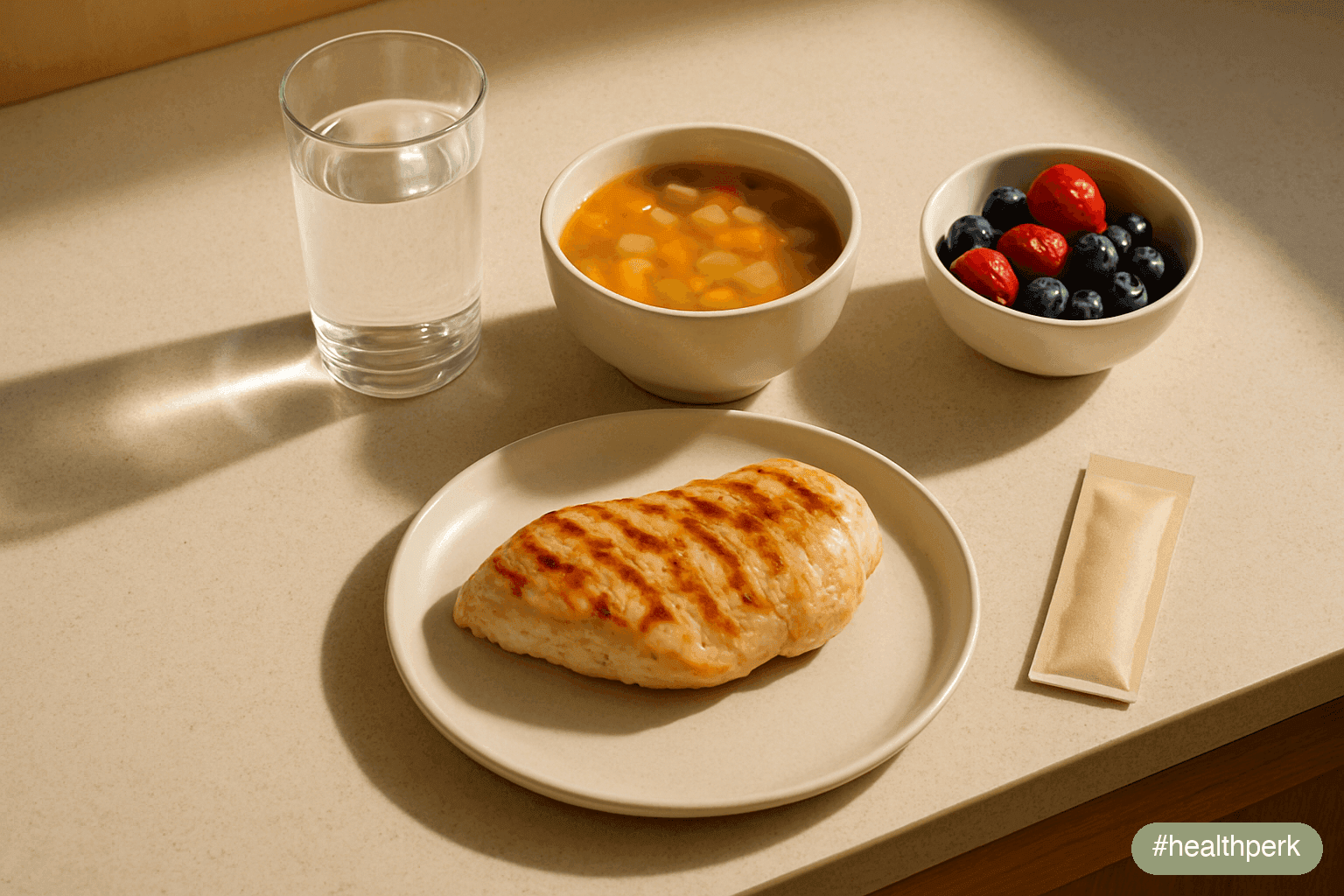
| Water-rich whole foods (vegetables, berries, soups) | Volume eating, low energy density | Foundational |
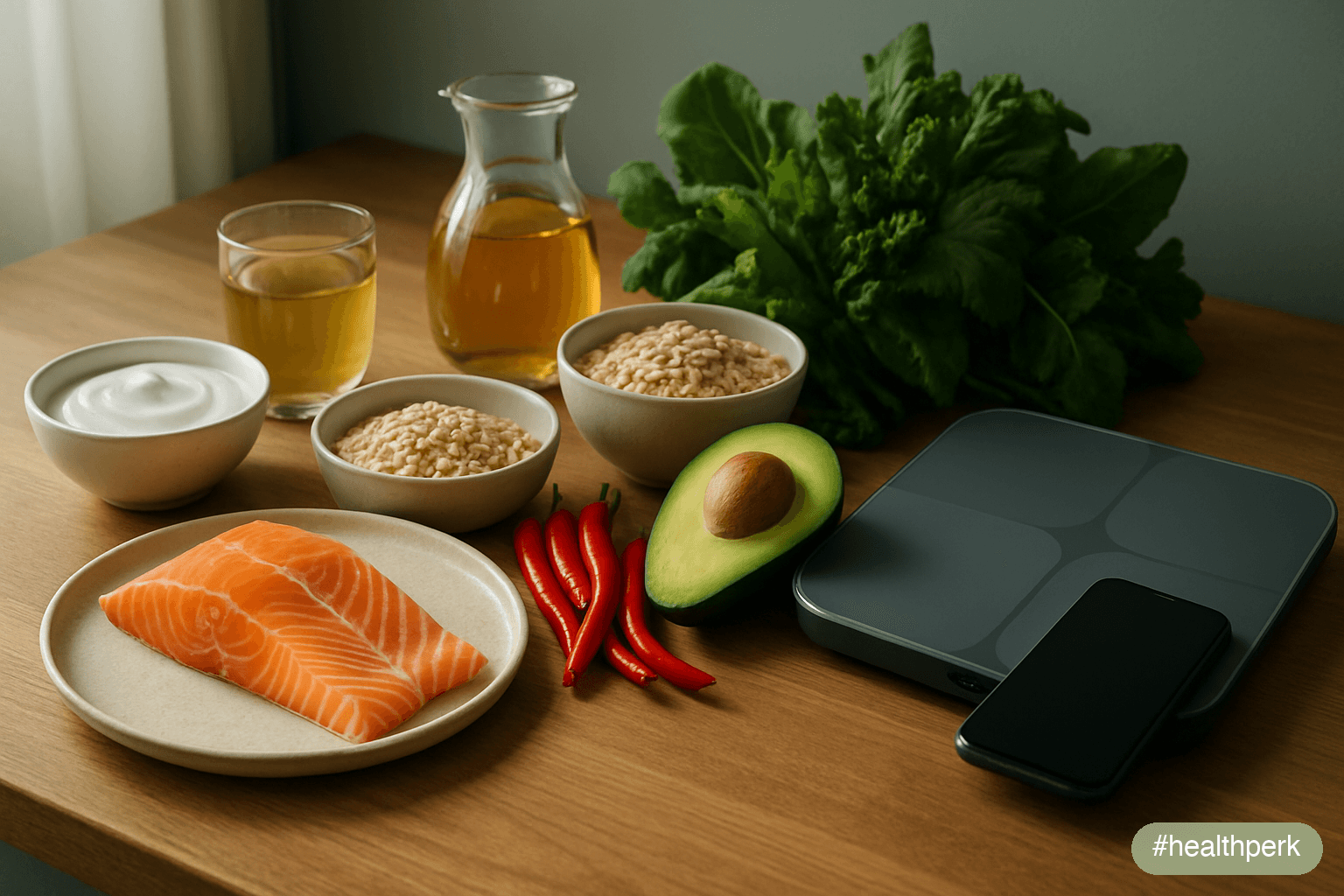
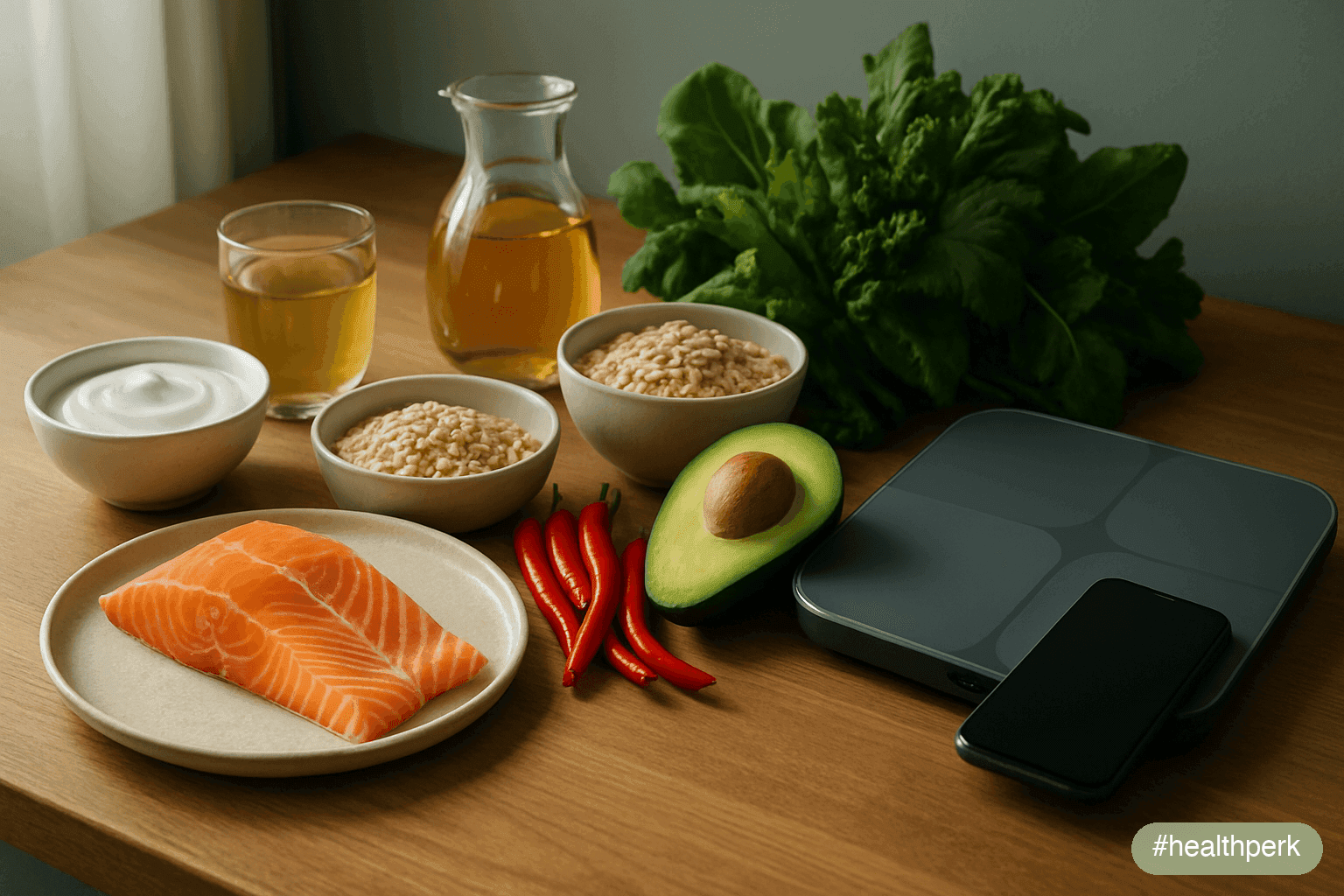
The phrase foods that burn fat naturally generates millions of searches monthly in 2026, and the honest answer is that no single food creates a fat deficit on its own. What credible foods do is make a deficit easier to sustain, protect lean mass during weight loss, and add small thermogenic or appetite-suppressive effects on top of the caloric foundation. The 2026 nutrition consensus is unchanged from a decade earlier on this point: long-term fat loss is dominated by total energy balance, with food quality determining how comfortable, hormonally favorable, and sustainable that balance is.
What has changed in 2026 is the tracking layer. Calorie-counting apps, smart scales, BIA-based body composition devices, and wearables have matured to the point where the average motivated adult can see, week by week, whether their food choices are translating into measurable changes in body weight, body fat percentage, and resting metrics. This guide covers the food side and the tracking side together, because the most common reason "fat-burning foods" appear not to work is that the eater never measured the input or the output with enough resolution to see the signal.
Table of Contents
- How "Foods That Burn Fat Naturally" Actually Work
- The Seven Food Categories With 2026 Evidence
- Best Apps for Weight Loss Tracking
- Calorie Tracking Apps: Best Picks in 2026
- Apps to Track Weight Loss Progress Beyond Calories
- Fitness Apps for Beginners Doing Weight Loss
- Devices for Tracking Weight Loss
- Smart Scales Accuracy Comparison
- Frequently Asked Questions
- References
How "Foods That Burn Fat Naturally" Actually Work
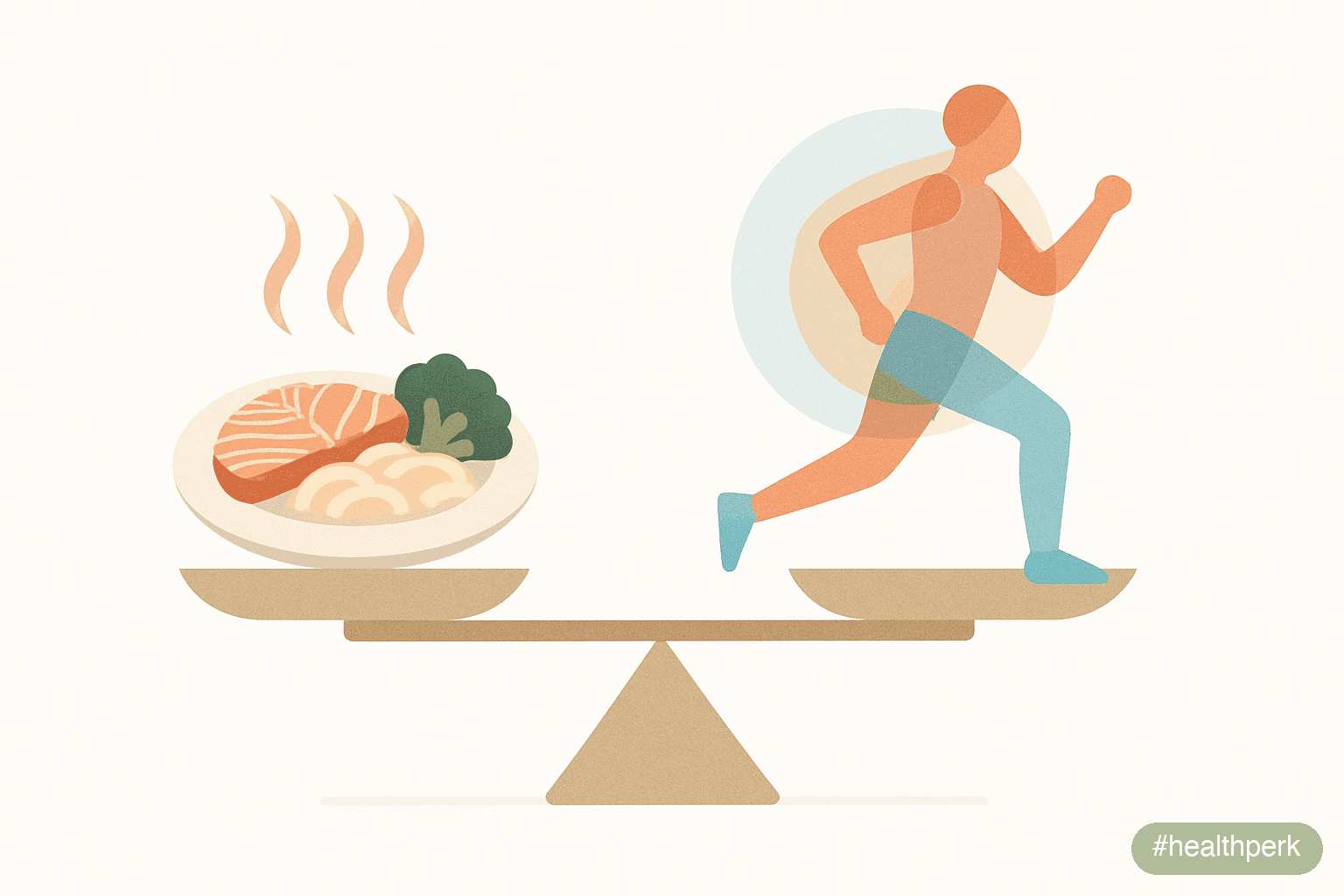
The mechanisms that allow certain foods to be marketed as fat-burning are real but modest. Stacked across a daily eating pattern, they add up to a meaningful nudge in the right direction.
Thermic effect of food (TEF). The body spends energy digesting food, and the cost differs by macronutrient. Protein costs about 20–30% of its caloric value to digest and assimilate, carbohydrate about 5–10%, and fat about 0–3% (Westerterp, 2004; multiple replications). A meal of 600 kcal from chicken and lentils therefore has a higher effective energy cost than a 600 kcal meal of bread and butter — typically 50–100 kcal more spent on digestion. Over a year, that difference is non-trivial.
Satiety per calorie. Whole foods rich in protein, soluble fiber, and water-volume keep adults full longer per calorie consumed. The satiety differences between, say, oatmeal and a pastry of equal caloric content can be substantial, leading to lower spontaneous intake at the next meal (Holt et al., 1995 satiety index; updated and validated through 2024).
Mild thermogenic stimulation. Caffeine and EGCG (from green tea) raise resting energy expenditure 3–5% acutely (Hursel et al., 2011 meta-analysis). Capsaicin (chili) produces a brief but measurable energy-expenditure rise after meals (Ludy et al., 2012). These effects are real but small at habitual doses and habituate over weeks.
Hormonal and glycemic effects. Vinegar with meals reduces postprandial glucose 20–30% in adults with insulin resistance (Johnston et al., 2004; replicated multiple times). MUFA-rich foods (olive oil, avocado, nuts) improve insulin sensitivity over weeks and displace refined-carbohydrate intake.
Volume eating. Foods with low energy density (vegetables, fruits, soups) allow large portions for few calories, supporting adherence over time (Rolls, 2009 satiety and energy density review).
What no credible 2026 evidence supports: any single food "burning" fat in measurable amounts independent of total caloric balance, "negative-calorie" foods (the TEF of celery does not exceed its caloric value), or single-food cleanses, juice fasts, and "fat-flush" detox regimens.
The credible framing: foods that burn fat naturally tilt the energy ledger by a few percent per day. Compounded across months in a sustained moderate deficit, those few percent translate into 1–4% more fat loss than an equivalent caloric pattern of refined, low-protein, low-fiber food.
The Seven Food Categories With 2026 Evidence
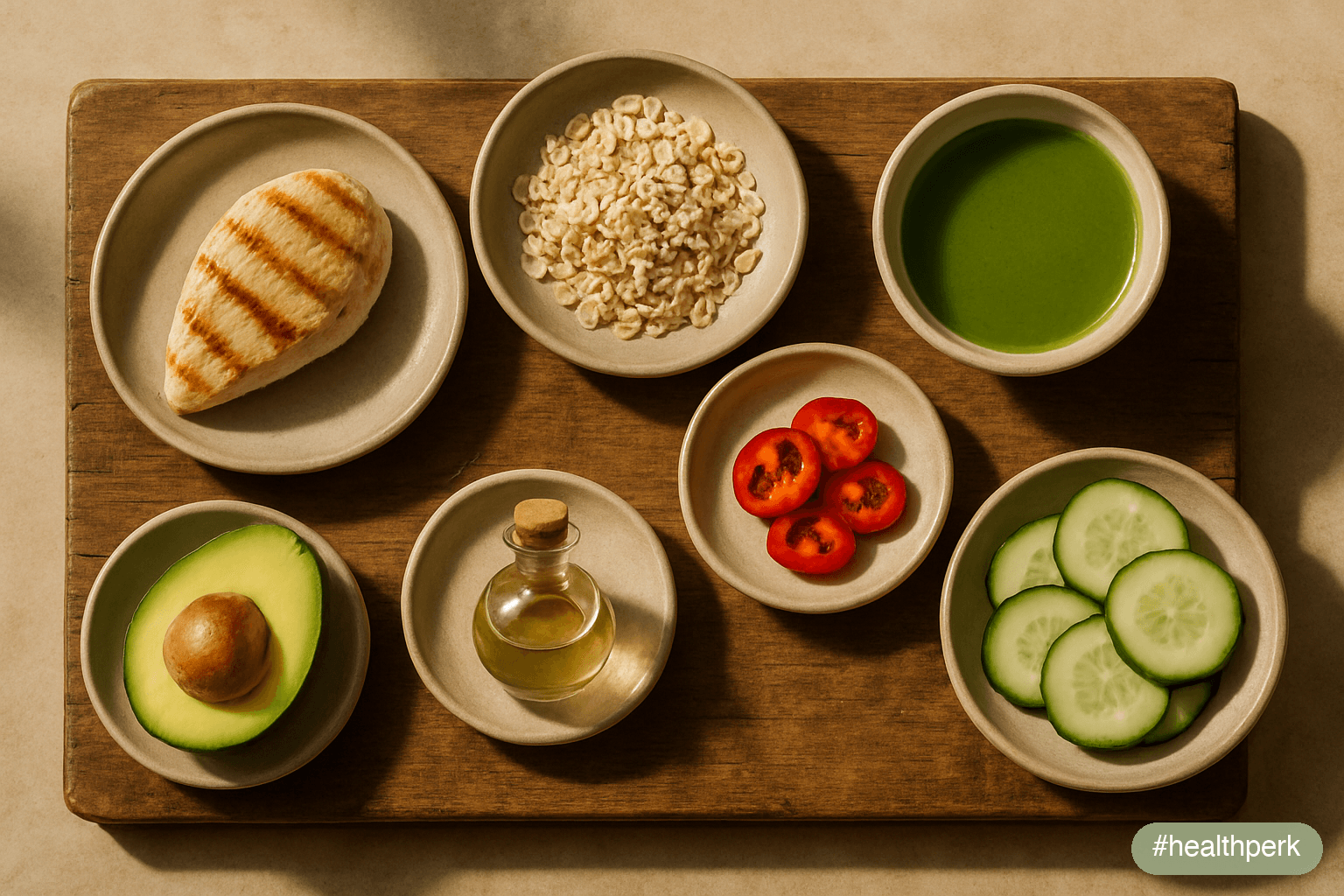
1. High-protein foods (the largest lever). Chicken breast, fish, eggs, Greek yogurt, cottage cheese, lean beef, tofu, tempeh, legumes, and whey or plant protein powders. The 2026 weight-management consensus is that protein at 1.6–2.2 g/kg body weight (or 25–35% of energy in a deficit) maximizes lean-mass retention, satiety, and TEF. Meta-analyses across 2010–2024 consistently find higher protein intakes produce 1–3 kg additional fat loss versus standard-protein patterns at matched calories (Wycherley et al., 2012; updated reviews 2020–2024).
2. Soluble-fiber foods. Oats, beans, lentils, apples, pears, berries, chia seeds, flaxseed, psyllium, and barley. Soluble fiber forms a viscous gel in the GI tract, slows gastric emptying, stimulates GLP-1 and PYY, and feeds gut bacteria producing short-chain fatty acids that influence appetite. Adults eating 30+ g/day of total fiber, with a meaningful soluble fraction, lose more fat in trials than adults at typical Western intakes of 12–15 g/day (Slavin, 2005; Reynolds et al., 2019 Lancet).
3. Green tea and matcha. 2–3 cups daily of green tea, or 1–2 g daily of matcha, provides 200–400 mg of EGCG and 60–120 mg of caffeine — the dose range showing modest thermogenic effects in trials. The 2011 Hursel meta-analysis estimated ~1.3 kg additional weight loss over 12 weeks with green tea catechins versus placebo; subsequent reviews through 2023 confirmed the small-but-replicated effect.
4. Capsaicin foods (chili, cayenne, jalapeño). Capsaicin, the active compound in chili peppers, briefly raises sympathetic activity and energy expenditure after meals and modestly reduces subsequent intake in some trials. The effect is real but small (50–100 extra kcal expended per day in some protocols), and tolerance reduces sensitivity over weeks (Ludy et al., 2012).
5. MUFA-rich foods. Olive oil, avocado, almonds, cashews, hazelnuts, macadamias, pistachios, and olives. Replacing refined carbohydrate or saturated fat with MUFA improves insulin sensitivity and lipid profile over 8–12 weeks (Schwingshackl et al., 2014 meta-analysis). MUFA-rich foods are calorically dense — portion awareness still matters — but their satiety value typically offsets their density when eaten as part of whole-food meals.
6. Vinegar with meals. Apple cider vinegar or other vinegars (1–2 tablespoons before or with carbohydrate-containing meals) blunt postprandial glucose 20–30% in adults with insulin resistance, with smaller but measurable effects in metabolically healthy adults. A 12-week trial in adults with overweight found 1–2 kg additional weight loss with daily vinegar versus placebo (Kondo et al., 2009). Practical use: dilute in water, use as salad dressing, or rinse mouth afterward to protect enamel.
7. Water-rich whole foods. Leafy greens, cruciferous vegetables (broccoli, cauliflower, cabbage), cucumber, zucchini, tomatoes, berries, citrus, and brothy soups. These foods provide volume and chewing time for very few calories, supporting adherence in a deficit without the hunger that drives most diet failures (Rolls, 2009).
A realistic daily template combining these categories:
- Breakfast: Greek yogurt with berries, oats, and chia (protein + soluble fiber + water-rich)
- Mid-morning: green tea or matcha latte (thermogenic)
- Lunch: large salad with grilled chicken, avocado, olive oil + vinegar dressing, beans (protein + MUFA + vinegar + fiber)
- Afternoon: apple with cottage cheese (protein + fiber + satiety)
- Dinner: salmon with roasted vegetables and quinoa, chili-spiced (protein + MUFA + capsaicin + fiber)
Adults eating this way at a moderate caloric deficit typically see 0.5–1% body weight loss per week, with strong lean-mass preservation. The food choices are not magic; they make the deficit sustainable.
Best Apps for Weight Loss Tracking
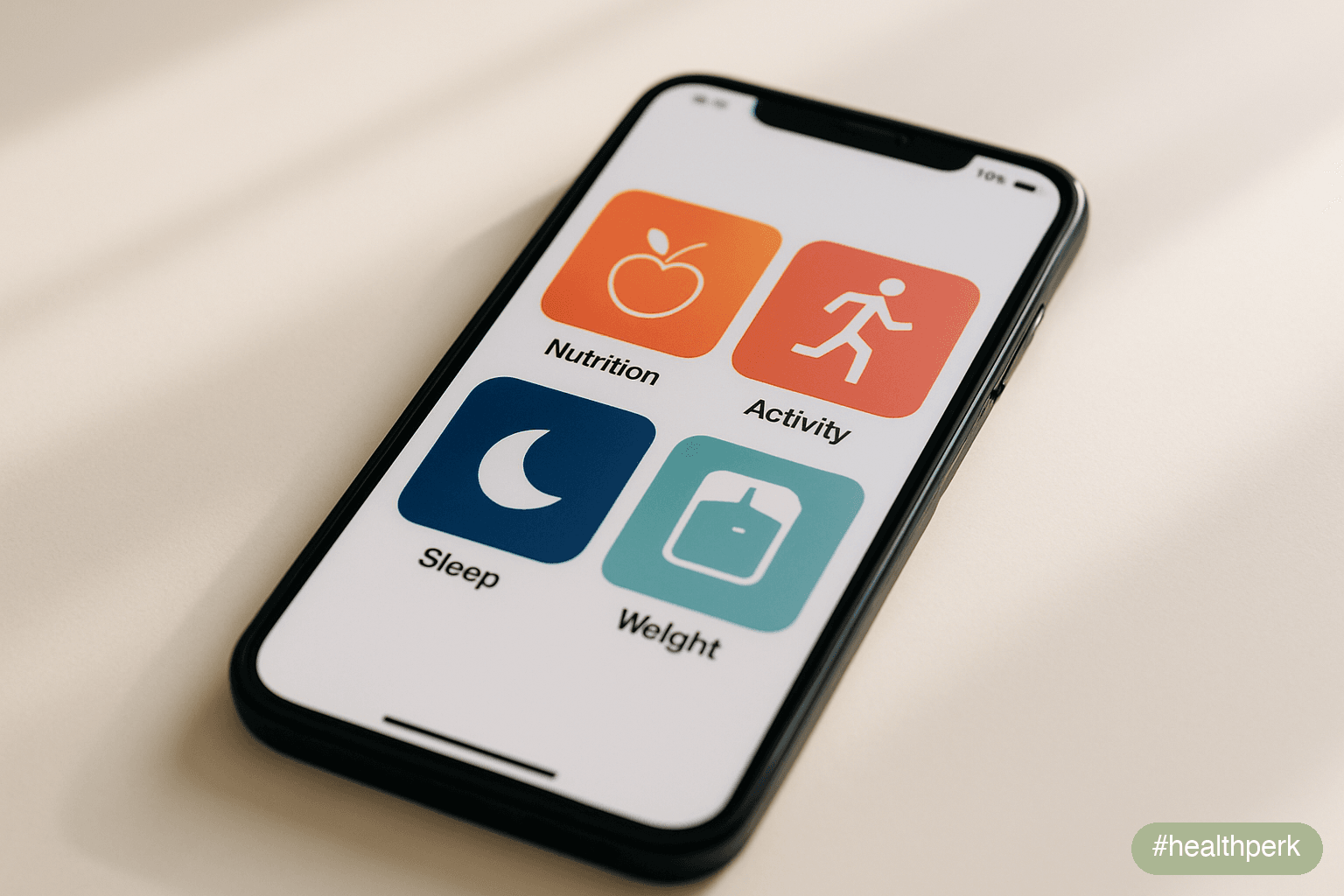
The best apps for weight loss tracking in 2026 share a few features: a large, accurate food database; barcode scanning for packaged foods; macronutrient breakdown (not just calories); weight-trend smoothing (rather than daily-weigh-in volatility); and integration with health platforms (Apple Health, Google Fit, Health Connect). The differences between the leaders come down to philosophy: aggressive coaching versus passive logging, adaptive targets versus fixed targets, free versus subscription, and how the app handles foods entered with imprecision.
The 2026 leader board for adults serious about a fat-loss attempt:
- MacroFactor. Adaptive maintenance-calorie estimation that recalibrates weekly based on actual weight trend and logged intake. Subscription-based (~$12/month or $72/year as of early 2026). Best for: adults who want their target to update with their physiology rather than guess-and-adjust manually.
- Cronometer. Strongest micronutrient tracking among major apps; verified food database (NCCDB) with fewer crowdsourced errors than MyFitnessPal. Free and paid tiers. Best for: adults who care about vitamins/minerals as well as macros, or who eat a lot of whole foods.
- MyFitnessPal. Largest food database (largely crowdsourced, which is both strength and weakness — many duplicate or inaccurate entries). Barcode scanner, recipe importer, social features. Free with ads or premium subscription. Best for: beginners who need broad food coverage and simple logging.
- LoseIt! Friendly interface, barcode scanning, photo-based food logging in premium tier, snap-to-track using image recognition. Free and premium. Best for: adults who want a less data-heavy alternative to MyFitnessPal.
- Apple Health and Google Fit / Health Connect. Not standalone tracking apps but the hubs that integrate weight, steps, sleep, and HRV across devices and apps. The 2026 standard is to log calories in one of the above and pipe weight and activity through Apple Health or Health Connect.
What separates serious apps from junk apps in 2026:
- Verified or curated food database (not entirely user-submitted)
- Macronutrient breakdown, not just calories
- Weight-trend graphs that smooth daily fluctuation (typically 7-day rolling average)
- Adaptive calorie targets, or at least easy manual adjustment
- Export of personal data
- Integration with at least one health platform (Apple Health, Health Connect, Fitbit, Garmin)
- No reliance on "secret formulas," "fat-burning hacks," or unsupervised supplement marketing
Apps that mostly sell branded shakes, MLM-style coaching, or "personalized" plans built from a 30-second quiz are not credible tools for sustained tracking.
Calorie Tracking Apps: Best Picks in 2026
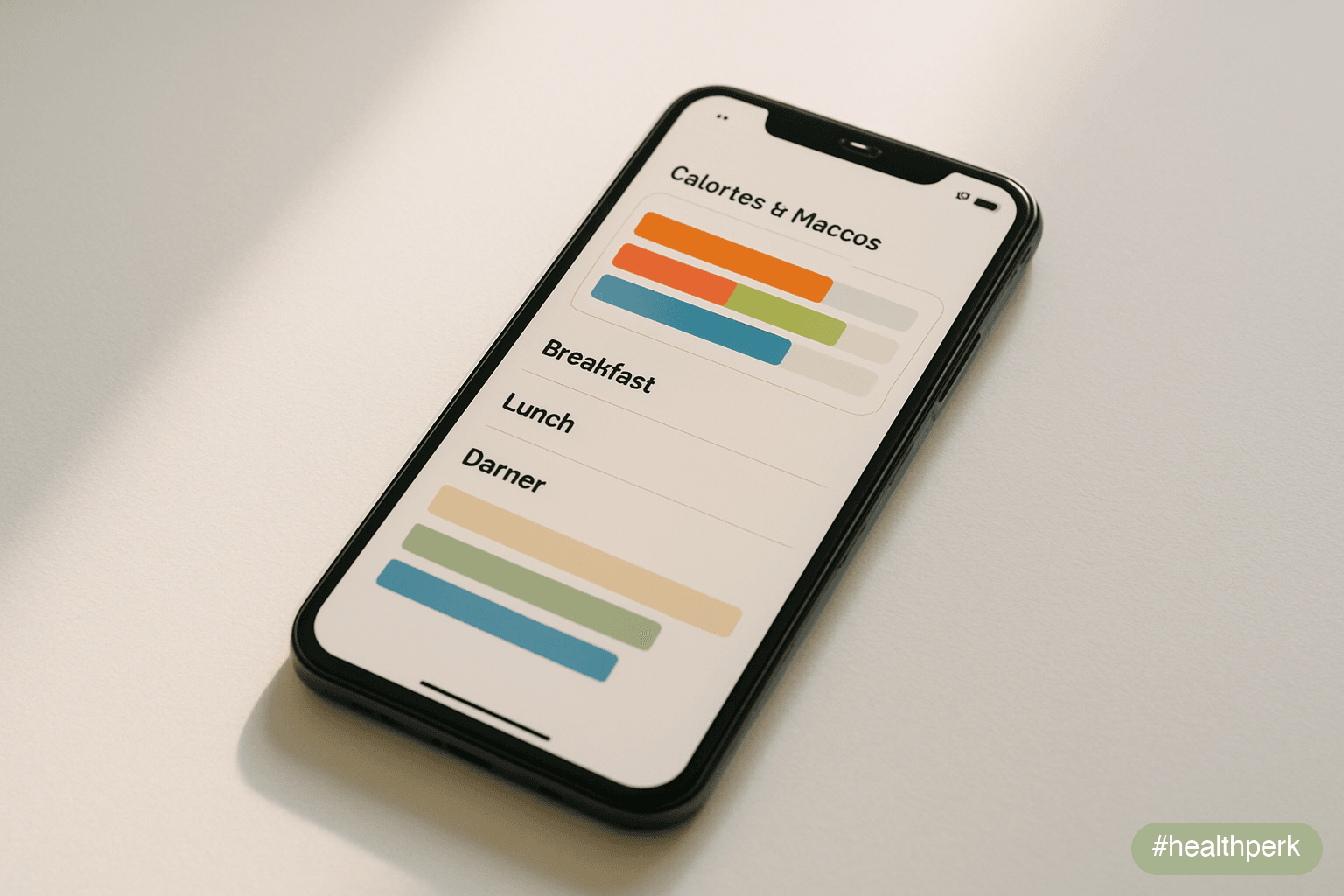
Calorie tracking apps best for adults in 2026 depend on the eater's relationship to food, the typical accuracy needed, and how willing they are to weigh and measure. The credible options stratify roughly into four tiers based on user need.
Tier 1 — Precision-first, adaptive targets:
- MacroFactor. Best-in-class for adults who weigh themselves daily and want the app to compute their actual maintenance over time. Excellent macro coaching, transparent algorithm, no marketing of products. Cost: subscription.
- Cronometer (paid tier). Strongest accuracy due to curated food database. Excellent for tracking micros and whole-food eaters. Subscription unlocks custom biometric tracking, advanced reports, and integrations.
Tier 2 — Broad-database generalists:
- MyFitnessPal Premium. Widest food coverage, barcode scanner accuracy reasonable but variable. Macro tracking on premium tier. Useful for adults who eat varied packaged foods.
- LoseIt! Premium. Similar to MyFitnessPal, slightly cleaner interface; photo-recognition logging in premium tier. Useful for adults who find traditional logging tedious.
Tier 3 — Free-only acceptable:
- MyFitnessPal (free). Functional for basic calorie counting; macro view limited on free tier in 2026.
- Cronometer (free). More functional than MyFitnessPal free; macro and micro tracking included.
- LoseIt! (free). Calorie and weight tracking; macros and barcode scanner usually behind premium paywall.
Tier 4 — Adjuncts and integrations:
- Apple Health / Health Connect. Aggregates data from a logger plus a scale plus a wearable. Not a logger itself.
- Whoop, Oura, Garmin Connect, Fitbit App. Strong activity/sleep tracking; calorie tracking is auxiliary and less accurate than dedicated apps.
How to choose among the calorie tracking apps best for a given situation:
- A novice who has never tracked: MyFitnessPal or LoseIt!, free tier, for 4–6 weeks to develop awareness.
- An experienced tracker who plateaued: MacroFactor for adaptive targets.
- A whole-food eater who wants micronutrient visibility: Cronometer.
- Someone with a history of disordered eating: avoid daily calorie tracking; consider macro targets via a clinician or photo journaling instead.
The 2026 accuracy reality: even the best apps depend on weighed, accurately-entered food. Restaurant meals, mixed dishes, and homemade recipes carry 10–25% measurement error. The point of tracking is not photographic precision; it is establishing a sustained signal across weeks so the eater can see when intake or trend changes. Adults who track 5–6 days per week for 6+ weeks lose more weight than non-trackers in replicated studies (Burke et al., 2011; subsequent updates).
Apps to Track Weight Loss Progress Beyond Calories
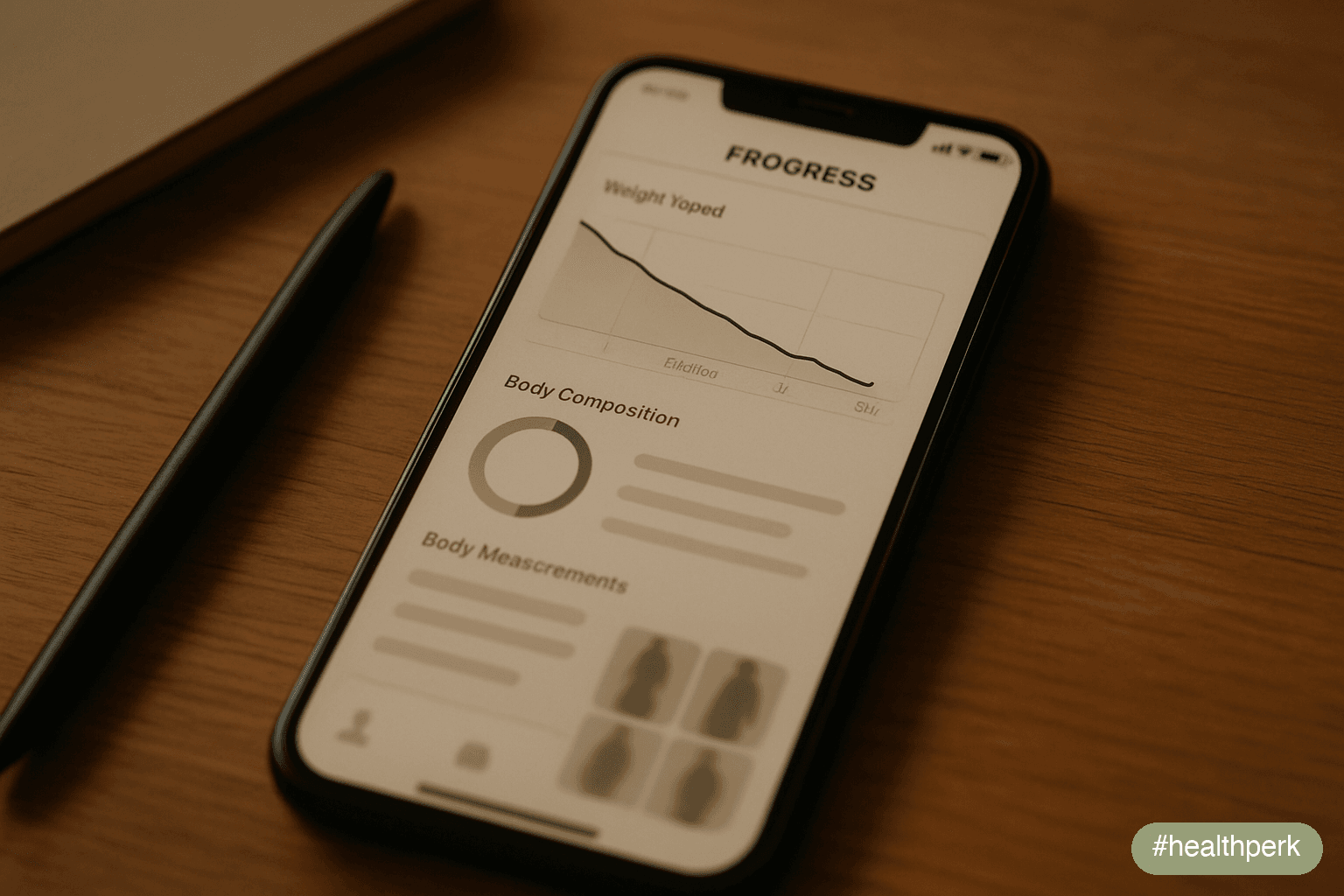
Apps to track weight loss progress beyond calorie counting take advantage of the fact that body weight is a noisy daily signal. Single-day weigh-ins fluctuate 0.5–2 kg from water, sodium, sleep, glycogen, menstrual cycle, and bowel content. Apps that smooth these fluctuations into trend lines and capture broader signals (measurements, photos, performance, sleep, recovery) give a much more honest picture of fat-loss progress.
The 2026 progress-tracking ecosystem:
- Happy Scale (iOS) / Libra (Android). Pure trend-smoothing apps that take daily weigh-ins and compute a moving average. Cheap or free. Best paired with a smart scale that auto-syncs.
- Renpho Health. Companion app for Renpho smart scales. Tracks weight, body fat estimate, lean mass, BMR, visceral fat. Integrates with Apple Health, Google Fit, MyFitnessPal, Fitbit. Strong free tier.
- Withings Health Mate. Companion to Withings scales and devices. Cleaner UI than Renpho, slightly more conservative body composition estimates.
- Eufy Life. Anker's smart-scale companion app; comparable to Renpho.
- MacroFactor and Cronometer. Both track weight and trend independently of calorie logging.
- Progress photo apps (BodyGram, Progress, Gymaholic). Allow side-by-side comparison of photos at consistent angles and lighting over weeks.
- Body measurement loggers (most major apps). Track waist, hip, chest, arm, thigh circumferences. Waist circumference change is often a better signal of fat loss than weight, especially in the first 4–8 weeks.
- Performance trackers (Strong, Hevy, FitNotes for lifting; Strava, Garmin Connect for cardio). Performance maintenance during a deficit is one of the cleanest signs that the deficit is appropriate (rather than aggressive enough to compromise training).
What credible progress tracking looks like across an 8-12 week fat-loss attempt:
- Daily weigh-in (same time, same conditions) → 7-day trend
- Weekly waist + hip + thigh circumference
- Biweekly progress photos (same lighting, angles, time of day)
- Body composition estimate via smart scale or BIA every 1–2 weeks (with caveats — see Smart Scales section)
- Strength or cardio performance maintained or improved
- Subjective: sleep, energy, mood, hunger, training quality
When trend weight is flat for 2+ weeks and waist is also unchanged, intake needs adjustment. When trend weight is flat but waist is shrinking, the eater is recomping (gaining lean mass while losing fat) — common in adults new to resistance training or returning after a layoff. The richer the data, the easier to make accurate decisions.
Fitness Apps for Beginners Doing Weight Loss
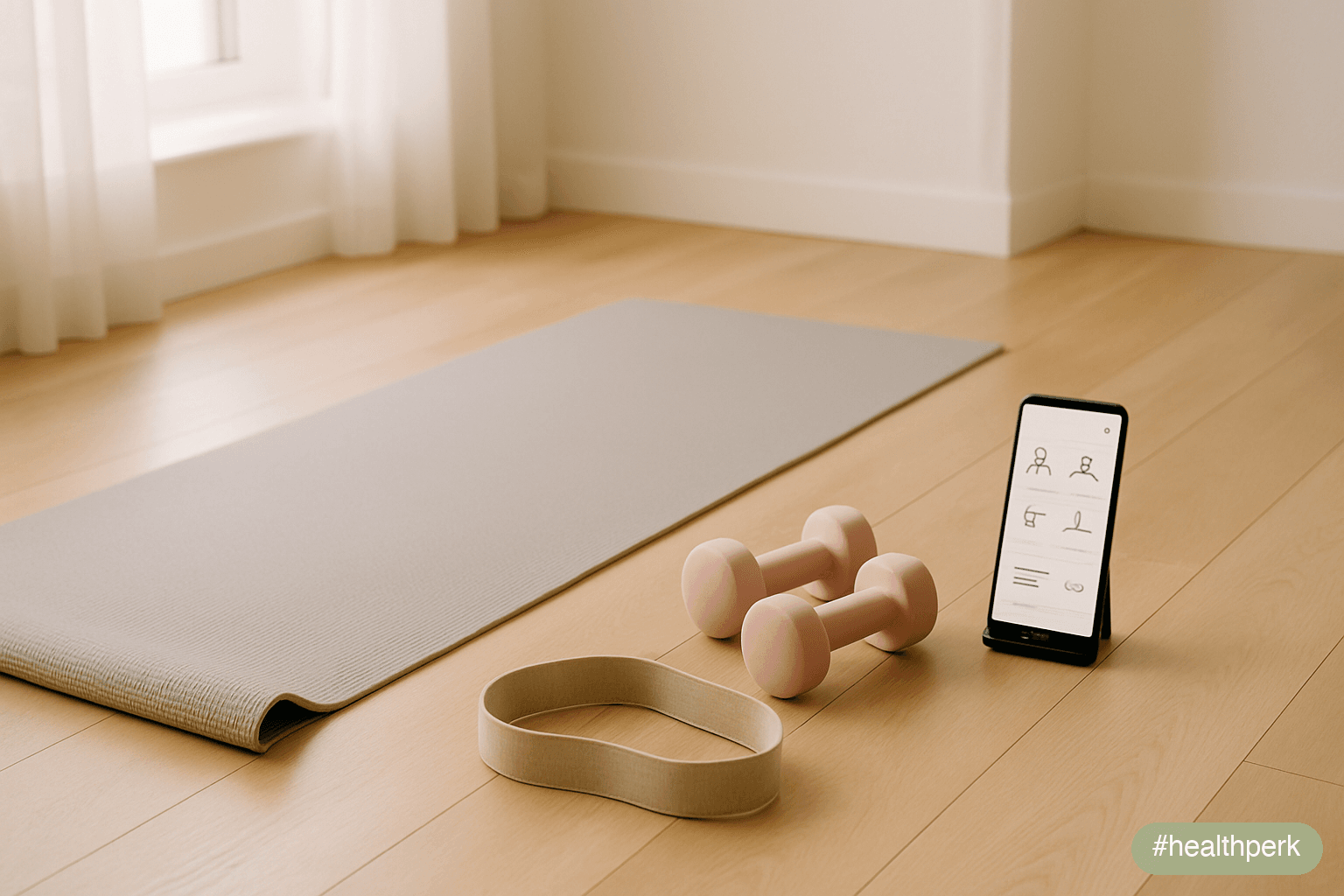
Fitness apps for beginners weight loss in 2026 fall into three useful categories: guided home workouts, walking/step coaches, and structured strength programs for absolute beginners. The most replicated insight in the 2026 weight-management literature is that movement adherence over months matters more than program perfection in week one. The best app for a beginner is the one they will open three times a week.
Guided home and beginner workout apps:
- FitOn. Free with ads, premium tier; large library of trainer-led classes from 5 to 50 minutes, including beginner low-impact, walking, yoga, strength, Pilates, and senior-friendly classes. Excellent gateway app.
- Apple Fitness+ (iOS, Apple Watch users). High-production guided workouts; beginner-tier classes well marked; integrates with Apple Watch heart-rate and calorie data. Subscription.
- Peloton App (no equipment required). Strong strength, cardio, yoga, meditation, and walking classes. Subscription.
- Centr. Wider lifestyle app including meal plans and mindfulness. Subscription.
- Nike Training Club. Free, strong beginner content, focused on bodyweight and minimal equipment.
Walking and step-coach apps for low-impact starters:
- Apple Health / Google Fit. Native step counting; goals; trends.
- Pacer, StepsApp, MyFitnessPal walking module. Friendly step trackers with goal-setting.
- Map My Walk, Strava Walk. GPS-tracked outdoor walks with route logging.
Structured strength for beginners (the highest-leverage modality for sustainable fat loss):
- Stronger by the Day, Caliber, Future, Tonal app (with hardware). Coaching-led programs.
- StrongLifts 5×5, Strong app, Hevy app. Self-guided beginner barbell programs with logging.
- Caliber, Future. Pair a remote coach with a phone-based program; higher-touch and higher-cost.
What beginners should prioritize in the first 12 weeks:
- 2–3 strength sessions per week (45–60 minutes each)
- 7,000–10,000 steps daily as a baseline
- 1–2 additional low-intensity cardio sessions (walking, cycling, swimming) if time allows
- One mobility/yoga session weekly for recovery
- Track sessions in a logger (Strong, Hevy, or the app's native log) — performance maintenance during a deficit is the cleanest measure that the program and food are working together
The biggest mistakes beginners make with fitness apps are choosing programs that are too aggressive (HIIT 6×/week burns out adherence in 4–8 weeks), neglecting strength training in favor of cardio alone (cardio drives caloric expenditure but does not protect lean mass), and chasing program novelty rather than letting one program run for 8–12 weeks. The fitness apps for beginners weight loss that produce the most fat loss are the ones that the user actually opens consistently — usually low-impact, friendly, with a clear next-session button.
Devices for Tracking Weight Loss
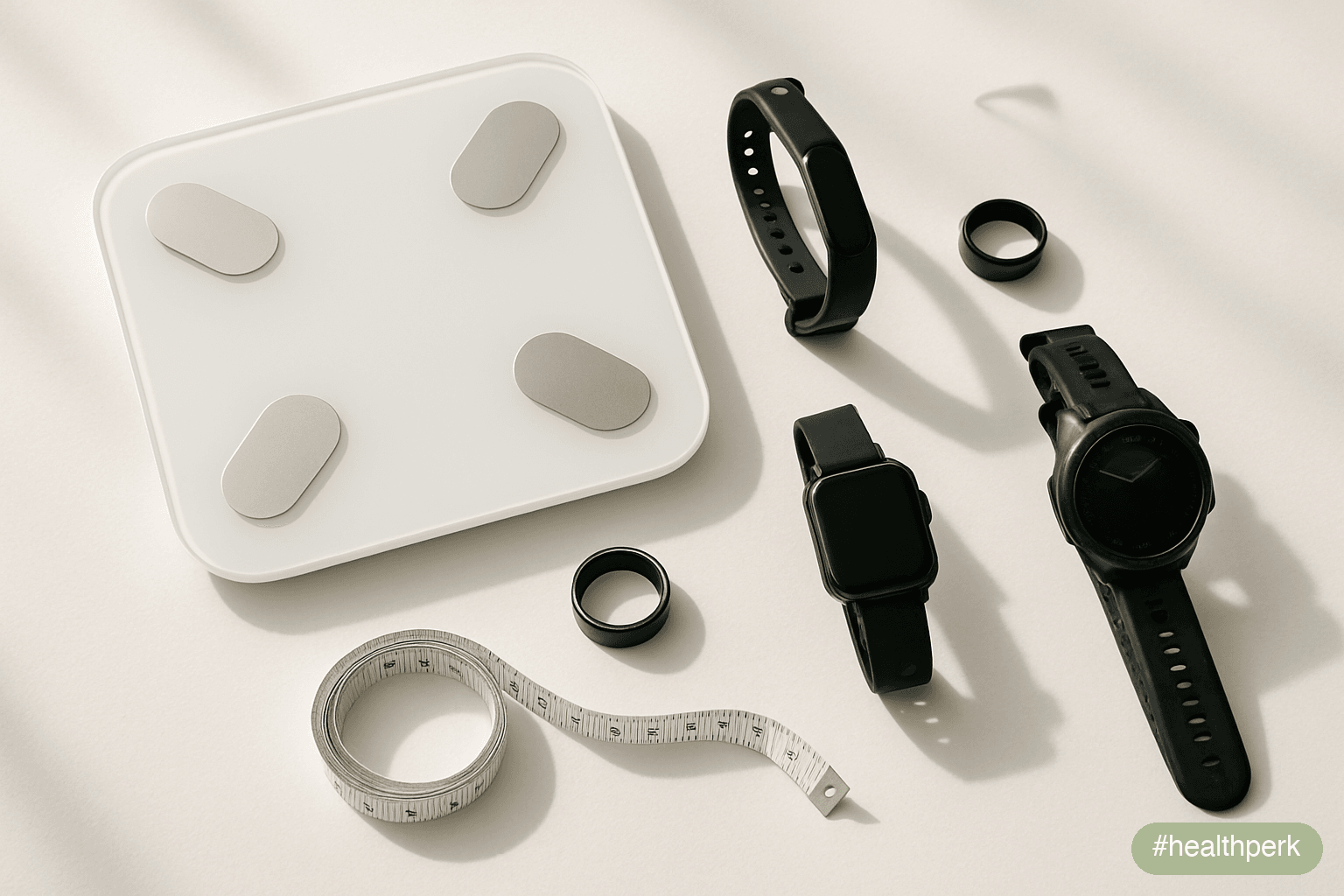
Devices for tracking weight loss in 2026 span four main categories: smart bathroom scales, wrist-worn wearables, finger rings, and dedicated body-composition devices. Each measures different signals, with different accuracy profiles, and the right combination depends on the adult's budget, goals, and how data-driven they want to be.
Smart bathroom scales (BIA-enabled):
- Withings Body+, Body Cardio, Body Comp ($100–$220 range as of 2026)
- Renpho Elis 1, Elis Aspire, Premium ($30–$80)
- Eufy Smart Scale P3, P2 Pro ($60–$120)
- Garmin Index S2 ($150)
- Tanita BC-587, BC-601 (consumer-grade BIA, $150–$300)
- RolliBot, Wyze, Etekcity (budget BIA, $20–$50)
These scales measure weight (very accurate, within 0.1 kg) and estimate body fat, lean mass, water, and bone mass via bioelectrical impedance (BIA). The body-composition estimates are useful as a relative tracker (trends over weeks for the same person on the same scale, hydrated similarly) but should not be taken as absolute clinical values. See the Smart Scales Accuracy Comparison section.
Wrist-worn wearables:
- Apple Watch Series 10, Ultra 2 — strongest ecosystem, sleep, heart rate, ECG, blood oxygen, activity rings.
- Fitbit Charge 6, Sense 3 — purpose-built for tracking sleep and activity, with strong app history.
- Garmin Venu, Vivoactive, Forerunner, Fenix — sports-oriented, multi-week battery on lower-end models.
- Whoop 5.0 — band-only, strong recovery and sleep analytics, subscription model.
- Polar Vantage, Ignite — sports tracking, accurate HRV.
Wearables measure steps, heart rate, sleep duration and stages, HRV, and (in some models) skin temperature, blood oxygen, and EDA. They estimate calorie expenditure with substantial error (often 20–30% off in lab comparisons; better as relative trackers than absolute calorie counters).
Smart rings:
- Oura Ring Gen 4 — strong sleep and HRV tracking, lower-quality activity tracking. Subscription.
- Ultrahuman Ring AIR, Samsung Galaxy Ring — emerging competitors.
Rings provide cleaner sleep and HRV data than wrist devices for many users but do not measure heart rate continuously during exercise reliably.
Dedicated body-composition devices:
- InBody H30, H20, H20N, 270, 570 (home and commercial multi-frequency BIA, $300–$2,000+)
- DEXA scan (clinical, gold standard alongside hydrostatic and ADP; $60–$200 per scan)
- BodPod / air displacement plethysmography (clinical, $50–$100 per scan)
- Hydrostatic (underwater) weighing (rare in 2026, mostly displaced by DEXA)
For most adults, a smart scale plus a wrist or ring wearable is sufficient. Adults serious about body recomposition (lean-mass gain alongside fat loss) benefit from a DEXA scan baseline and one repeat at 12–16 weeks to verify lean-mass preservation.
Practical 2026 device combinations by budget:
- $50: budget smart scale (Renpho, Etekcity) + tape measure + phone for photos
- $200: Withings or Eufy mid-range scale + entry Fitbit or Mi Band
- $500: Withings Body Comp or Garmin Index + Apple Watch SE or Fitbit Charge
- $1000+: scale + Apple Watch Series + Oura ring + DEXA scan every 4–6 months
The devices do not produce fat loss. They produce visibility, which produces adherence. The right device is the cheapest one the eater will actually use daily.
Smart Scales Accuracy Comparison
Smart scales accuracy comparison in 2026 is best understood by separating what these scales measure well from what they estimate with error. Weight, the primary measurement, is highly accurate on all credible consumer scales — within 0.1 kg compared to medical reference scales. The body-composition estimates are a different story.
How BIA works. Bioelectrical impedance analysis sends a small electrical current through the body and measures resistance. Fat conducts poorly; water (in lean tissue) conducts well. The scale uses an equation to estimate body fat percentage based on impedance plus inputs (height, age, sex, weight). Foot-to-foot BIA (the kind in bathroom scales) only measures the lower body and extrapolates to whole-body composition. Multi-frequency, multi-segment BIA (InBody, Tanita commercial units) is more accurate but still imperfect.
2026 accuracy data from validation studies (BIA scale versus DEXA reference):
- Withings Body Comp and Body Cardio: body fat estimate typically ±3–5 percentage points absolute versus DEXA in normal-weight to overweight adults; visceral fat estimate poorly validated; trend accuracy (week-over-week change in same person, same conditions) is good.
- Garmin Index S2: comparable to Withings; integrates cleanly with Garmin Connect ecosystem; ±3–5 percentage points absolute error in body fat estimate.
- Renpho mid-range and Premium: ±5–8 percentage points absolute error in body fat versus DEXA; trends acceptable for relative tracking; cheap and good-enough for most users.
- Eufy P3, P2 Pro: comparable to Renpho; reasonable trend accuracy; absolute body fat values not clinical.
- Tanita BC-601 and consumer Tanita units: historically slightly more accurate than mass-market scales; ±3–5 percentage points absolute error; better validated.
- Budget scales under $30 (Etekcity, Wyze, RolliBot): weight accurate; body composition essentially indicative rather than measured; use trends only.
- InBody H30 home unit: multi-frequency, multi-segment; ±2–4 percentage points absolute error versus DEXA in validation studies; closer to clinical accuracy than wrist-arm scales.
Why BIA estimates fluctuate day-to-day:
- Hydration status (the biggest factor) — even 1–2% body water shift moves the body fat estimate by 1–3 percentage points
- Time of day (morning fasted is most consistent)
- Recent food and fluid intake
- Recent exercise (sweat, glycogen)
- Menstrual cycle phase in women
- Skin moisture and ambient temperature
How to get the most useful signal from a smart scale in 2026:
- Weigh morning, fasted, post-bathroom, before drinking water
- Same scale, same surface (hard floor, not carpet)
- Same hydration status — same hours since dinner
- Trust the 7-day trend, not the daily reading
- Use body fat estimate as a trend indicator only — do not chase a number
- Pair with waist circumference (cheap, validated, more reliable than BIA for trend)
- For clinical body composition, schedule a DEXA scan at baseline and 12–16 weeks rather than relying on the scale's body fat estimate
The 2026 verdict on smart scales accuracy comparison:
- For weight: all credible scales are accurate enough.
- For body composition: trend over weeks is useful; single readings are not clinically reliable.
- For visceral fat estimates: largely indicative, not measured.
- For "metabolic age" and similar marketing metrics: ignore.
The most accurate consumer-grade body-composition tool remains the DEXA scan, which is widely available in 2026 at $60–$200 per session in most metropolitan areas. For an adult doing a serious 16-week body-recomposition attempt, two DEXA scans (baseline and end) cost less than a year of subscriptions to a premium scale ecosystem and provide far more accurate data on what actually happened.
Related Articles on HealthPerk
Explore more on this topic:
- Why Can't I Lose Weight Even Dieting?
- How to Boost Metabolism Naturally
- How to Lose Belly Fat Naturally
- Supplements That Help Weight Loss Naturally
- Natural Appetite Suppressants That Work
- Hormonal Weight Gain Causes
Frequently Asked Questions
Which foods that burn fat naturally have the strongest 2026 evidence?
The seven categories with replicated 2026 evidence are: high-protein foods (chicken, fish, eggs, Greek yogurt, legumes, whey — TEF 20–30%, lean-mass retention, satiety; largest single lever), soluble-fiber foods (oats, beans, chia, psyllium, apples — slowed gastric emptying, GLP-1 release), green tea and matcha (200–400 mg EGCG + 60–120 mg caffeine; ~1.3 kg additional loss over 12 weeks in meta-analysis), capsaicin foods (chili, cayenne; brief thermogenic effect, small appetite reduction), MUFA-rich foods (olive oil, avocado, nuts — insulin sensitivity, satiety), vinegar with meals (1–2 tablespoons; 20–30% lower postprandial glucose, modest weight effects), and water-rich whole foods (vegetables, berries, soups for volume eating). None melt fat alone; combined within a sustained moderate caloric deficit they produce 1–4% additional fat loss versus a refined, low-protein, low-fiber pattern at matched calories.
What are the best apps for weight loss tracking in 2026?
The 2026 leaders are MacroFactor (adaptive maintenance recalibration weekly, subscription), Cronometer (best food database accuracy, strongest micronutrient tracking, free and paid tiers), MyFitnessPal (largest crowdsourced database, broadest food coverage, free and premium), and LoseIt! (friendly UI, photo-based logging in premium). Apple Health and Google Fit / Health Connect are the integration hubs rather than primary loggers. A credible app has a curated or verified food database, macronutrient breakdown, weight-trend smoothing (7-day moving average), adaptive or easy-adjust targets, export of personal data, and integration with at least one health platform. Apps that mainly sell branded shakes, MLM coaching, or 30-second-quiz "personalized" plans are not credible tracking tools.
Which calorie tracking apps best fit different user types?
Calorie tracking apps best for a precision-first adult who weighs daily: MacroFactor or Cronometer paid. For broad packaged-food coverage: MyFitnessPal Premium or LoseIt! Premium. For free-only tracking: Cronometer free is more functional than MyFitnessPal free in 2026. For adults with a history of disordered eating, daily calorie tracking is contraindicated — consider macro targets via a clinician or photo-journaling instead. Restaurant meals, mixed dishes, and homemade recipes carry 10–25% measurement error; the goal is a sustained signal across weeks, not photographic precision. Adults who track 5–6 days per week for 6+ weeks lose more weight than non-trackers in replicated trials.
What apps to track weight loss progress work beyond calorie counting?
Apps to track weight loss progress beyond calories include trend-smoothing apps (Happy Scale on iOS, Libra on Android — they take daily weights and compute moving averages), smart-scale companions (Renpho Health, Withings Health Mate, Eufy Life — track weight, BIA-estimated body fat, lean mass, water), progress photo apps (BodyGram, Progress, Gymaholic for side-by-side comparison), body-measurement loggers (waist, hip, thigh circumference change is often a better fat-loss signal than weight in the first 4–8 weeks), and performance trackers (Strong, Hevy, FitNotes for lifting; Strava, Garmin Connect for cardio). The richer the data, the easier to interpret a flat scale week — when trend weight is flat but waist shrinks, the eater is recomping, not failing.
Which fitness apps for beginners weight loss produce real results?
Fitness apps for beginners weight loss that produce real results across 12+ weeks include guided home workout apps (FitOn free with ads, Apple Fitness+ for Apple Watch users, Peloton App without equipment, Nike Training Club free, Centr subscription), walking and step coaches (native Apple Health and Google Fit, Pacer, StepsApp, Map My Walk, Strava Walk), and structured strength programs (Strong app, Hevy app, StrongLifts 5×5, Caliber or Future for coached programs). The 2026 priority for beginners: 2–3 strength sessions per week, 7,000–10,000 daily steps, 1–2 additional low-intensity cardio sessions, one mobility/yoga session. The biggest mistakes are aggressive HIIT 6×/week (burns out adherence), cardio-only programs (do not protect lean mass), and program-hopping every two weeks. The best beginner fitness app is the one the user opens consistently for 12+ weeks.
Which devices for tracking weight loss are worth buying in 2026?
Devices for tracking weight loss in 2026 cover four categories: smart bathroom scales (Withings Body+, Body Comp; Renpho Elis; Eufy P3; Garmin Index S2; Tanita BC-601), wrist wearables (Apple Watch Series 10, Fitbit Charge 6, Garmin Venu, Whoop 5.0, Polar Vantage), smart rings (Oura Ring Gen 4, Ultrahuman Ring AIR, Samsung Galaxy Ring), and dedicated body-composition devices (InBody H30 home unit; DEXA, BodPod at clinics). For most adults, a smart scale plus a wrist or ring wearable is sufficient. Adults doing serious body-recomposition benefit from a DEXA baseline and a repeat at 12–16 weeks ($60–$200 per scan). Practical combinations: $50 budget scale + tape + phone; $200 mid-range scale + entry Fitbit; $500 Withings Body Comp + Apple Watch SE; $1000+ scale + Apple Watch + Oura ring + DEXA every 4–6 months.
What does the smart scales accuracy comparison show in 2026?
Smart scales accuracy comparison in 2026 validation studies versus DEXA references: weight is highly accurate on all credible scales (within 0.1 kg of medical reference). Body fat estimates: Withings Body Comp and Garmin Index S2 typically ±3–5 percentage points absolute error in normal-weight to overweight adults; Renpho mid-range and Premium ±5–8 percentage points; Eufy P3 comparable to Renpho; Tanita BC-601 ±3–5 percentage points; budget scales under $30 essentially indicative for body composition (use weight only); InBody H30 home unit ±2–4 percentage points (closer to clinical accuracy). Trend accuracy (same person, same conditions, week-over-week) is good across credible scales. Single readings are not clinically reliable. Hydration status alone shifts BIA body fat estimates 1–3 percentage points. Best practice: weigh morning, fasted, post-bathroom, same scale, hard floor; trust the 7-day trend; pair with waist circumference; use DEXA at baseline and 12–16 weeks for clinical accuracy.
Are "negative calorie" or "fat-burning" foods real?
No. No credible 2026 evidence supports "negative-calorie" foods (the thermic cost of celery does not exceed its caloric content), single-food fat-burning shortcuts, or "fat-flush" detox regimens. Foods that burn fat naturally do real but modest work through five mechanisms — high TEF (protein), high satiety per calorie (fiber, protein, water-rich foods), mild thermogenic stimulation (caffeine, EGCG, capsaicin), favorable hormonal effects (vinegar, MUFA on insulin), and volume eating (low energy density). Stacked across a daily eating pattern at a sustained moderate caloric deficit, these mechanisms produce 1–4% additional fat loss versus a refined-food pattern of matched calories. They are not magic; they make a deficit sustainable. The marketing claim that any food melts fat independent of total energy balance contradicts the 2026 nutrition consensus.
This article is for informational purposes only and does not constitute medical advice. Dietary changes, supplement use (green tea extract, capsaicin), and structured weight-loss attempts should be discussed with a qualified clinician (primary care, dietitian, or obesity-medicine specialist), especially for adults with diabetes, kidney disease, liver disease, GI disorders, eating disorders, pregnancy, breastfeeding, or who take medications affected by green tea, vinegar, or fiber supplements. Tracking calories daily is contraindicated for adults with a history of disordered eating; consider alternative approaches (macro targets, photo journaling, clinician-guided plans). Smart scales and BIA devices provide indicative body-composition estimates, not clinical values; do not make medical decisions based on consumer BIA readings. Individual results vary
About the author The HealthPerk Editorial Team reviews nutrition, weight management, and health-technology research through evidence synthesis cross-referenced with peer-reviewed clinical trials, dietary guidelines (DGA, EFSA), and consumer-technology validation studies. Our weight-loss content is reviewed for accuracy against current nutrition-science and obesity-medicine standards. How we review →
References
Westerterp, K. R. (2004). Diet induced thermogenesis. Nutrition & Metabolism, 1(1), 5. https://doi.org/10.1186/1743-7075-1-5
Supports: thermic effect of food differs by macronutrient — protein 20–30%, carbohydrate 5–10%, fat 0–3%
Wycherley, T. P., Moran, L. J., Clifton, P. M., Noakes, M., & Brinkworth, G. D. (2012). Effects of energy-restricted high-protein, low-fat compared with standard-protein, low-fat diets: A meta-analysis of randomized controlled trials. American Journal of Clinical Nutrition, 96(6), 1281–1298. https://doi.org/10.3945/ajcn.112.044321
Supports: higher-protein diets produce 1–3 kg additional fat loss and better lean-mass retention versus standard-protein diets at matched calories
Reynolds, A., Mann, J., Cummings, J., Winter, N., Mete, E., & Te Morenga, L. (2019). Carbohydrate quality and human health: A series of systematic reviews and meta-analyses. Lancet, 393(10170), 434–445. https://doi.org/10.1016/S0140-6736(18)31809-9
Supports: higher fiber intakes (especially soluble fiber) reduce body weight, improve metabolic markers, and reduce cardiovascular and type 2 diabetes risk
Hursel, R., Viechtbauer, W., Dulloo, A. G., Tremblay, A., Tappy, L., Rumpler, W., & Westerterp-Plantenga, M. S. (2011). The effects of catechin-rich teas and caffeine on energy expenditure and fat oxidation: A meta-analysis. Obesity Reviews, 12(7), e573–e581. https://doi.org/10.1111/j.1467-789X.2011.00862.x
Supports: green tea catechins plus caffeine produce small but replicated increases in energy expenditure and fat oxidation, with ~1.3 kg additional weight loss over 12 weeks in trials
Ludy, M. J., Moore, G. E., & Mattes, R. D. (2012). The effects of capsaicin and capsiate on energy balance: Critical review and meta-analyses of studies in humans. Chemical Senses, 37(2), 103–121. https://doi.org/10.1093/chemse/bjr100
Supports: capsaicin briefly raises sympathetic activity and energy expenditure; modest appetite-reduction effect in some trials
Schwingshackl, L., Strasser, B., & Hoffmann, G. (2014). Effects of monounsaturated fatty acids on cardiovascular risk factors: A systematic review and meta-analysis. Annals of Nutrition and Metabolism, 59(2-4), 176–186. https://doi.org/10.1159/000334071
Supports: replacing refined carbohydrate or saturated fat with MUFA improves insulin sensitivity and lipid profile over 8–12 weeks
Kondo, T., Kishi, M., Fushimi, T., Ugajin, S., & Kaga, T. (2009). Vinegar intake reduces body weight, body fat mass, and serum triglyceride levels in obese Japanese subjects. Bioscience, Biotechnology, and Biochemistry, 73(8), 1837–1843. https://doi.org/10.1271/bbb.90231
Supports: 1–2 tablespoons daily vinegar for 12 weeks produced 1–2 kg additional weight loss versus placebo in adults with overweight
Rolls, B. J. (2009). The relationship between dietary energy density and energy intake. Physiology & Behavior, 97(5), 609–615. https://doi.org/10.1016/j.physbeh.2009.03.011
Supports: low energy density foods (vegetables, fruits, soups) support reduced caloric intake and adherence to a deficit
Burke, L. E., Wang, J., & Sevick, M. A. (2011). Self-monitoring in weight loss: A systematic review of the literature. Journal of the American Dietetic Association, 111(1), 92–102. https://doi.org/10.1016/j.jada.2010.10.008
Supports: self-monitoring of dietary intake and body weight is consistently associated with better weight-loss outcomes; adults tracking 5–6 days per week for 6+ weeks lose more weight than non-trackers
Johnston, C. S., Kim, C. M., & Buller, A. J. (2004). Vinegar improves insulin sensitivity to a high-carbohydrate meal in subjects with insulin resistance or type 2 diabetes. Diabetes Care, 27(1), 281–282. https://doi.org/10.2337/diacare.27.1.281
Supports: vinegar with meals reduces postprandial glucose 20–30% in adults with insulin resistance
Frequently Asked Questions
Which foods that burn fat naturally have the strongest 2026 evidence?
The seven categories with replicated 2026 evidence are high-protein foods (TEF 20–30%, lean-mass retention; largest lever), soluble-fiber foods (oats, beans, chia, psyllium — slowed gastric emptying, GLP-1 release), green tea and matcha (200–400 mg EGCG plus 60–120 mg caffeine; ~1.3 kg additional loss over 12 weeks), capsaicin foods (brief thermogenic effect), MUFA-rich foods (insulin sensitivity, satiety), vinegar with meals (20–30% lower postprandial glucose), and water-rich whole foods. None melt fat alone; combined in a sustained moderate caloric deficit they produce 1–4% additional fat loss versus refined patterns at matched calories.
What are the best apps for weight loss tracking in 2026?
The 2026 leaders are MacroFactor (adaptive maintenance recalibration), Cronometer (best food database accuracy, strong micros), MyFitnessPal (largest crowdsourced database), and LoseIt! (friendly UI, photo logging). Apple Health and Google Fit / Health Connect are integration hubs. A credible app has a curated or verified food database, macro breakdown, weight-trend smoothing (7-day moving average), adaptive or easy-adjust targets, data export, and health-platform integration. Apps that mainly sell branded shakes or 30-second-quiz personalized plans are not credible.
Which calorie tracking apps best fit different user types?
For precision and adaptive targets: MacroFactor or Cronometer paid. For broad packaged-food coverage: MyFitnessPal Premium or LoseIt! Premium. For free-only: Cronometer free is more functional than MyFitnessPal free in 2026. For adults with a history of disordered eating, daily calorie tracking is contraindicated — use macro targets via a clinician or photo journaling. Restaurant and homemade meals carry 10–25% error; the goal is a sustained weekly signal, not photographic precision. Adults tracking 5–6 days per week for 6+ weeks lose more weight than non-trackers.
What apps to track weight loss progress work beyond calorie counting?
Trend-smoothing apps (Happy Scale, Libra) take daily weights and compute moving averages. Smart-scale companions (Renpho Health, Withings Health Mate, Eufy Life) track weight, body fat estimate, lean mass. Progress photo apps (BodyGram, Progress) allow side-by-side comparison. Body-measurement loggers track waist, hip, thigh circumference (often a better fat-loss signal than weight in the first 4–8 weeks). Performance trackers (Strong, Hevy, Strava, Garmin Connect) confirm the deficit is not too aggressive. When trend weight is flat but waist shrinks, the eater is recomping.
Which fitness apps for beginners weight loss produce real results?
Guided home workout apps: FitOn free, Apple Fitness+, Peloton App, Nike Training Club, Centr. Walking and step coaches: native Apple Health and Google Fit, Pacer, Map My Walk, Strava Walk. Structured strength programs: Strong, Hevy, StrongLifts 5×5, Caliber, Future. The 2026 priority for beginners: 2–3 strength sessions per week, 7,000–10,000 daily steps, 1–2 additional low-intensity cardio sessions, one mobility session. The biggest mistakes are aggressive HIIT 6×/week, cardio-only programs without strength, and program-hopping every two weeks. The best app is the one the user opens consistently for 12+ weeks.
Which devices for tracking weight loss are worth buying in 2026?
Four categories: smart bathroom scales (Withings Body+, Body Comp; Renpho Elis; Eufy P3; Garmin Index S2; Tanita BC-601), wrist wearables (Apple Watch Series 10, Fitbit Charge 6, Garmin Venu, Whoop 5.0), smart rings (Oura Ring Gen 4, Ultrahuman, Samsung Galaxy Ring), and dedicated body-composition devices (InBody H30 home, DEXA and BodPod at clinics). For most adults, a smart scale plus a wrist or ring wearable suffices. Body-recomposition adults benefit from DEXA baseline and a repeat at 12–16 weeks. Practical combinations range from $50 (budget scale + tape + phone) to $1000+ (scale + Apple Watch + Oura + DEXA every 4–6 months).
What does the smart scales accuracy comparison show in 2026?
Weight is highly accurate on all credible scales (within 0.1 kg). Body fat estimates versus DEXA: Withings Body Comp and Garmin Index S2 ±3–5 percentage points absolute error; Renpho Premium ±5–8; Eufy P3 comparable to Renpho; Tanita BC-601 ±3–5; budget scales under $30 indicative only; InBody H30 ±2–4 (closer to clinical). Trend accuracy in the same person, same conditions, is good; single readings are not clinically reliable. Hydration shifts BIA body fat estimates 1–3 percentage points. Best practice: weigh morning, fasted, post-bathroom, same scale, hard floor; trust the 7-day trend; pair with waist circumference; use DEXA for clinical accuracy.
Are negative-calorie or fat-burning foods real?
No. No credible 2026 evidence supports negative-calorie foods, single-food fat-burning shortcuts, or fat-flush detox regimens. Foods that burn fat naturally do modest real work through five mechanisms — high TEF (protein), high satiety per calorie (fiber, protein, water-rich foods), mild thermogenic stimulation (caffeine, EGCG, capsaicin), favorable hormonal effects (vinegar, MUFA), and volume eating (low energy density). Stacked across daily eating in a sustained moderate caloric deficit, these produce 1–4% additional fat loss versus refined patterns at matched calories. They make a deficit sustainable; they do not melt fat independently of total energy balance.
More from Supplements