Foods That Boost Immune System: A 2026 Evidence Guide to Diet, Tracking Apps, and Home Monitoring Devices
Foods That Boost Immune System: A 2026 Evidence Guide to Diet, Tracking Apps, and Home Monitoring Devices
By the HealthPerk Editorial Team · Last updated: May 2026
Quick Answer
Which foods actually support the immune system, and can apps or devices help?
The single best dietary lever for immune function is a varied plant-forward pattern: 25–30 grams of fiber per day, 1–3 servings of fermented foods, two-plus servings of vitamin-C-rich produce, oily fish twice a week for omega-3 and vitamin D, and minimal ultra-processed food. No single "superfood" outperforms this pattern. Apps and wearables are useful only as feedback loops — wearable heart-rate-variability, resting heart rate, and skin-temperature trends can flag infection 24–48 hours before symptoms, and food-logging apps reveal fiber and vegetable gaps most adults underestimate. Devices do not "boost" immunity; they make invisible behavior visible.
| Goal | Strongest 2026 dietary lever | Realistic effect |
|---|---|---|
| Reduce upper-respiratory infection frequency | Fiber + fermented foods (1–3 servings/day) | 19 inflammatory proteins reduced over 10 weeks |
| Background vitamin C sufficiency | 2+ servings citrus, peppers, kiwi, broccoli daily | Meets RDA without supplements |
| Lower all-cause infection risk | Mediterranean-pattern diet | 10–25% lower risk in cohort studies |
| Detect infection 24–48 hours early | Wearable resting HR + temperature trend | Documented in COVID-era trials |
| Catch fiber/vegetable gaps | Food-logging app for 2 weeks | Most adults under 15 g fiber/day baseline |
The phrase foods that boost immune system function is one of the most-searched dietary queries in 2026, and one of the most distorted by marketing. A century of nutrition research, including the large prospective cohort studies of the past two decades, points to a consistent answer: dietary patterns matter far more than any single ingredient, and the patterns with strongest immune-relevant outcomes are dense in plant fiber, fermented foods, vitamin-C-rich produce, omega-3-rich fish, and minimal ultra-processed food. No berry, mushroom, juice cleanse, or proprietary supplement powder outperforms this background pattern.
This guide walks through the foods with current evidence for supporting immune function, the dietary patterns that bundle them, and a 2026-current review of health-tracking apps and home monitoring devices that adults use to make their actual food, sleep, and activity behavior visible. Apps and gadgets do not produce immunity; they produce feedback. Used well, that feedback closes the gap between intended behavior and actual behavior — which is where most adults lose ground.
Table of Contents
- What to Eat to Improve Immunity
- Best Foods for the Immune System
- Foods Rich in Vitamin C
- Diet for a Strong Immune System
- Foods to Prevent Illness
- Apps to Track Health and Immunity
- Devices to Monitor Health at Home
- Frequently Asked Questions
- References
What to Eat to Improve Immunity
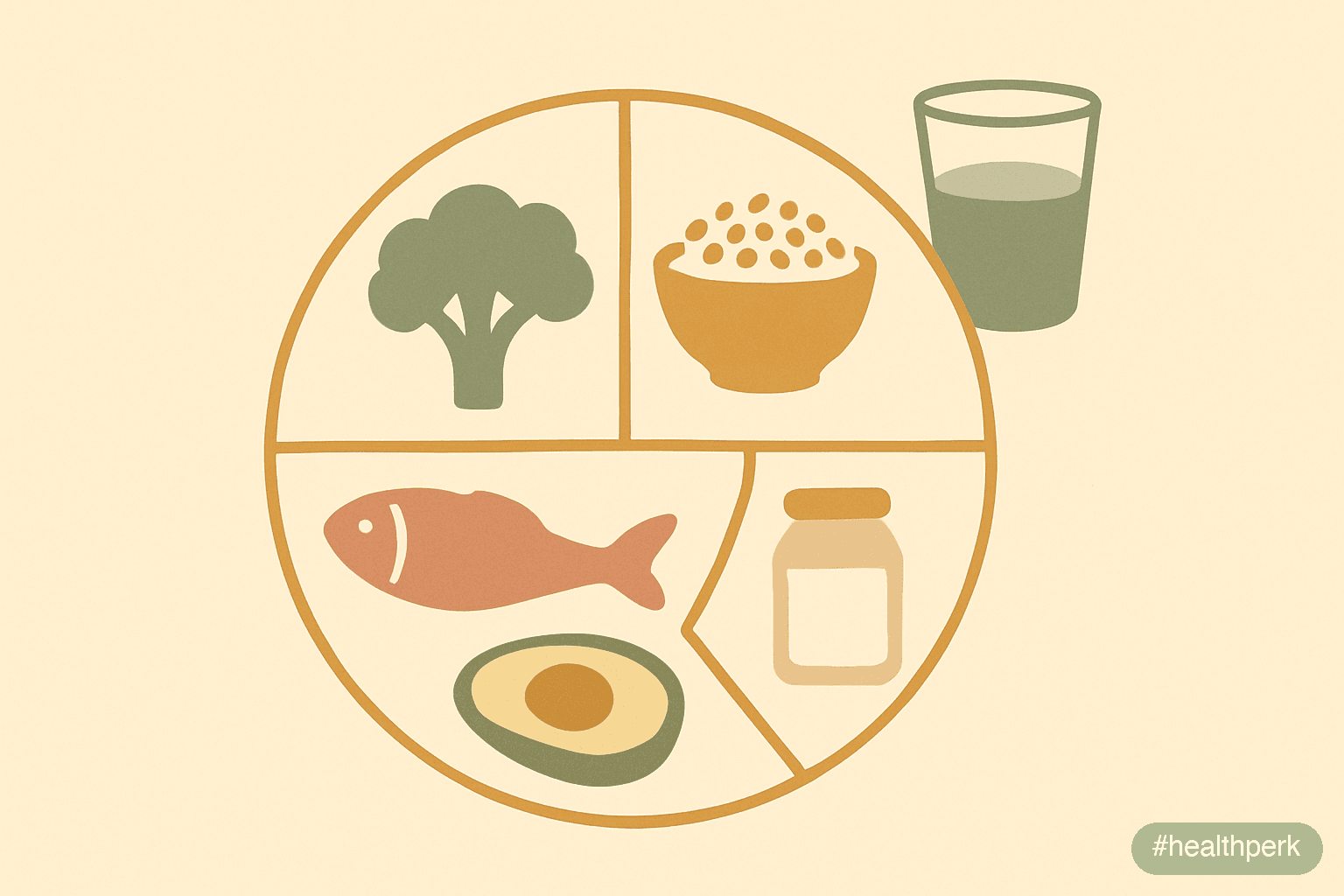
What to eat to improve immunity is best answered at the level of a weekly pattern, not a single meal. The 2026 evidence consistently rewards three dietary characteristics: high diversity of plant intake, adequate fiber, and routine inclusion of fermented foods. The 2021 Stanford trial led by Wastyk and colleagues (Wastyk et al., 2021) randomized adults to either a high-fiber arm or a high-fermented-food arm for 10 weeks; the fermented-food arm produced increased microbiome diversity and a reduction in 19 inflammatory signaling proteins — a measurable shift in the substrate on which immune function depends. Strain-level and functional diversity of the gut microbiome is itself a known correlate of immune resilience across populations (Lloyd-Price et al., 2017), and broader nutrition–immunity reviews underscore that adequacy of macronutrients and micronutrients shapes both innate and adaptive responses (Calder, 2020).
A practical weekly framing for adults aiming to improve immunity through food:
- Plants every meal. Aim for 30 different plant foods per week (vegetables, fruits, legumes, nuts, seeds, whole grains, herbs, spices). Diversity matters more than quantity at the high end.
- Fiber 25–30+ grams per day. Most adults in the United States and the United Kingdom average 15–18 grams; closing this gap alone shifts microbiome composition.
- Fermented foods 1–3 servings per day. Yogurt, kefir, sauerkraut, kimchi, miso, tempeh, traditional pickles (lacto-fermented, not vinegar-pickled).
- Oily fish twice a week. Salmon, sardines, mackerel, herring — for omega-3 (EPA/DHA) and vitamin D.
- Vitamin-C-rich produce daily. Citrus, peppers, kiwi, broccoli, strawberries, leafy greens.
- Minimize ultra-processed food. The NOVA-4 category (industrial reformulations of refined ingredients with additives) is associated with elevated inflammatory markers in multiple cohorts.
- Hydration. Aim for pale-yellow urine; specific milliliter targets depend on body size and activity.
Single foods marketed as immune cures — exotic mushroom powders, "superfruit" juices, megadose green powders — do not consistently outperform the dietary pattern above in trial settings. The pattern is the lever; the individual ingredients are the components.
Best Foods for the Immune System
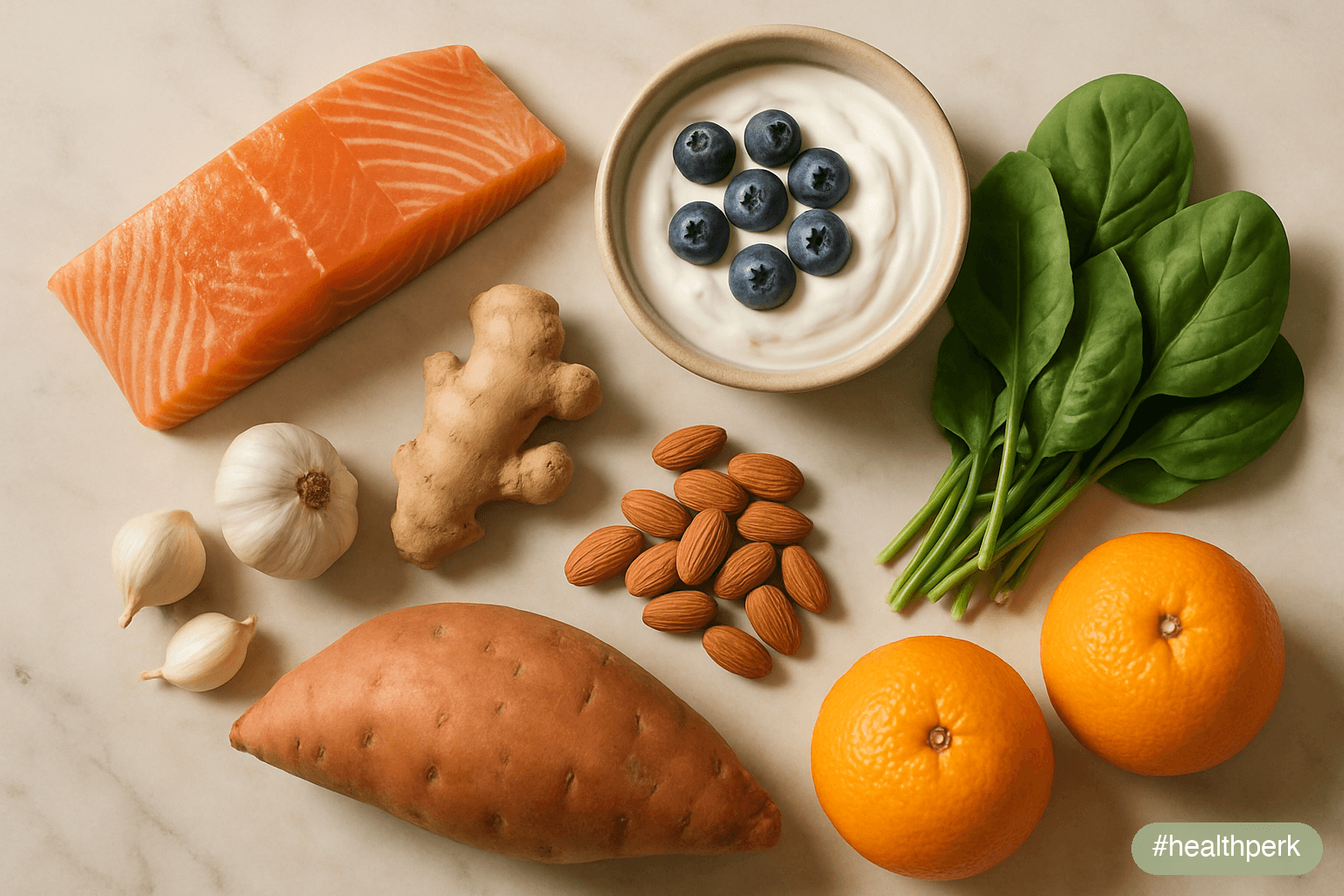
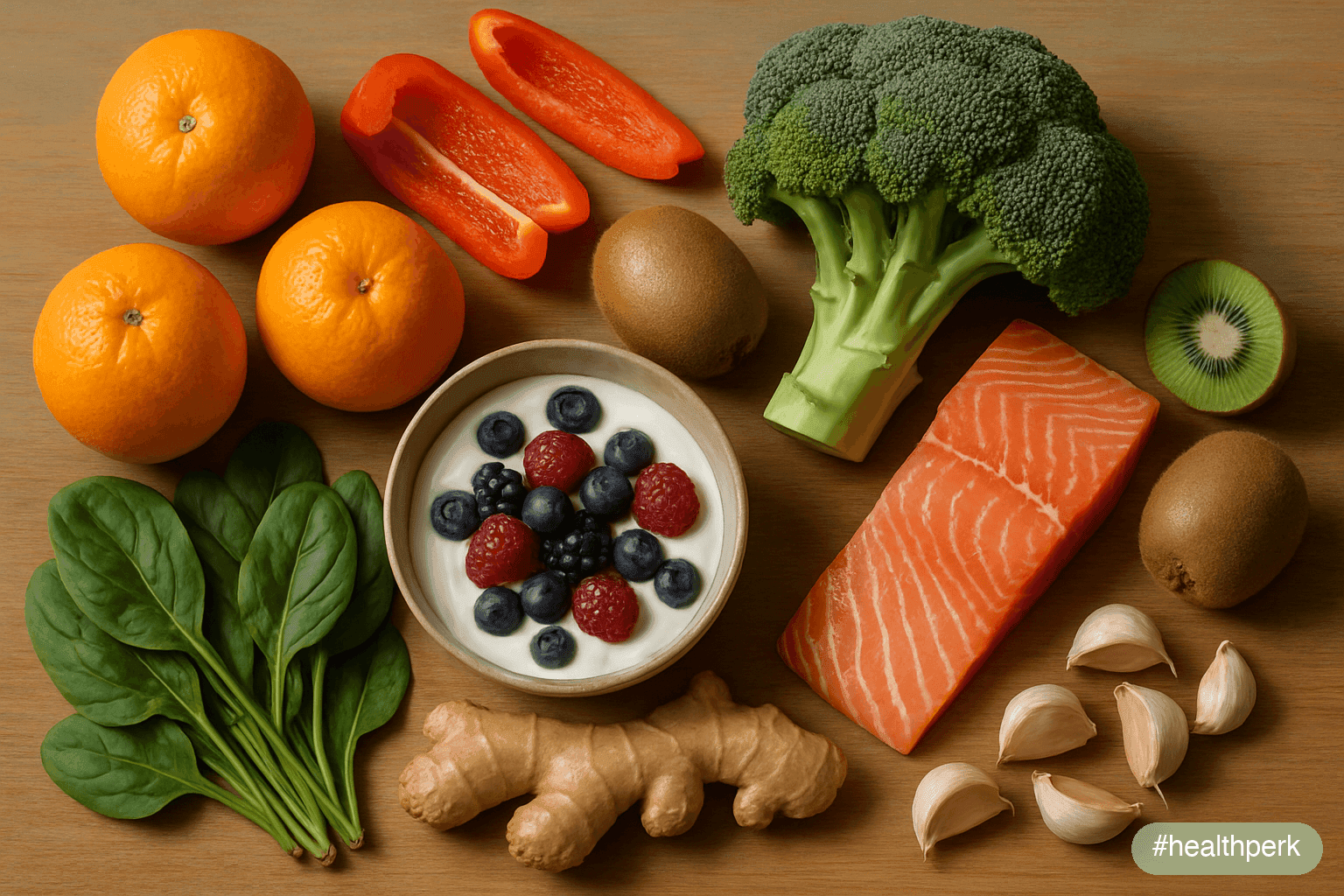
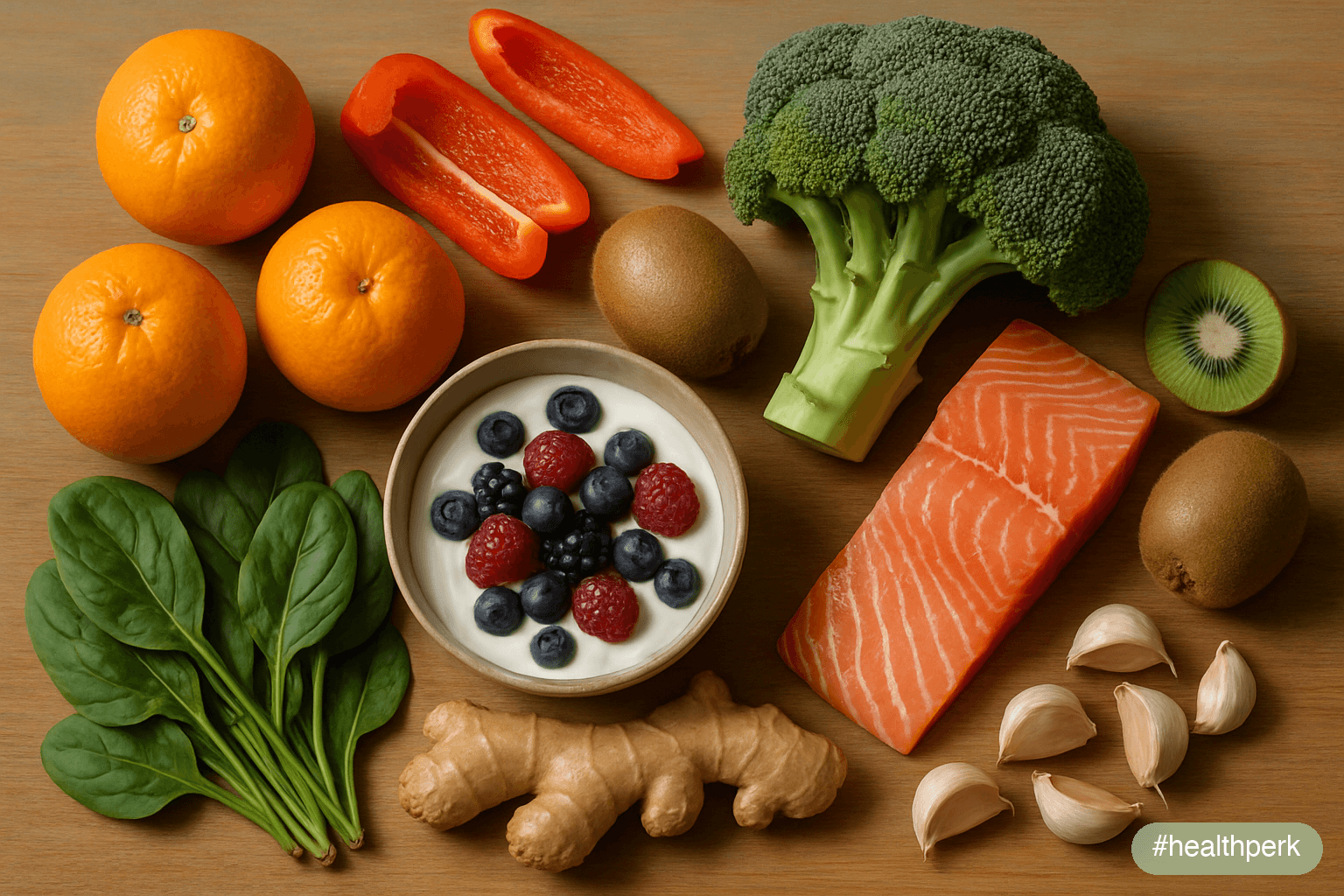
Best foods for immune system support cluster into a small number of categories that, taken together, deliver the vitamins, minerals, fiber, fatty acids, and polyphenols that immune cells need. No single food in this list is essential; the value is in the combination consumed across a week.
Top food categories with 2026 evidence-supported immune-relevant nutrients:
- Citrus and bright produce (oranges, grapefruit, lemons, peppers, kiwi, strawberries): vitamin C, flavonoids, polyphenols.
- Cruciferous and dark leafy vegetables (broccoli, kale, spinach, Brussels sprouts, cabbage): vitamin C, folate, vitamin K, sulforaphane.
- Fermented dairy and vegetables (yogurt, kefir, sauerkraut, kimchi, miso): live cultures, lactic-acid bacteria, short-chain fatty acid precursors.
- Oily fish (salmon, sardines, mackerel): omega-3 EPA/DHA, vitamin D, B12, selenium.
- Legumes and pulses (lentils, chickpeas, black beans, edamame): fiber, plant protein, folate, zinc, iron.
- Nuts and seeds (almonds, walnuts, sunflower seeds, pumpkin seeds): vitamin E, zinc, magnesium, omega-3 ALA.
- Whole grains (oats, barley, quinoa, brown rice, whole wheat): fiber, B vitamins, selenium, magnesium.
- Garlic, ginger, turmeric, herbs and spices: polyphenols and sulfur compounds. Mechanistic data are stronger than outcome data, but inclusion does no harm and increases diversity scores.
- Eggs (where consumed): high-quality protein, vitamin D, B12, choline, selenium.
- Liver and organ meats (in cultures that consume them): preformed vitamin A, B12, iron, zinc, selenium — small portions; not for pregnant women due to vitamin A teratogenicity at high doses.
The American Heart Association 2021 dietary guidance statement (Lichtenstein et al., 2021) and the EAT-Lancet planetary-health framework (Willett et al., 2019) converge on this pattern, framed differently for cardiovascular and planetary endpoints, but with substantial overlap with immune-relevant nutrient density.
Foods Rich in Vitamin C
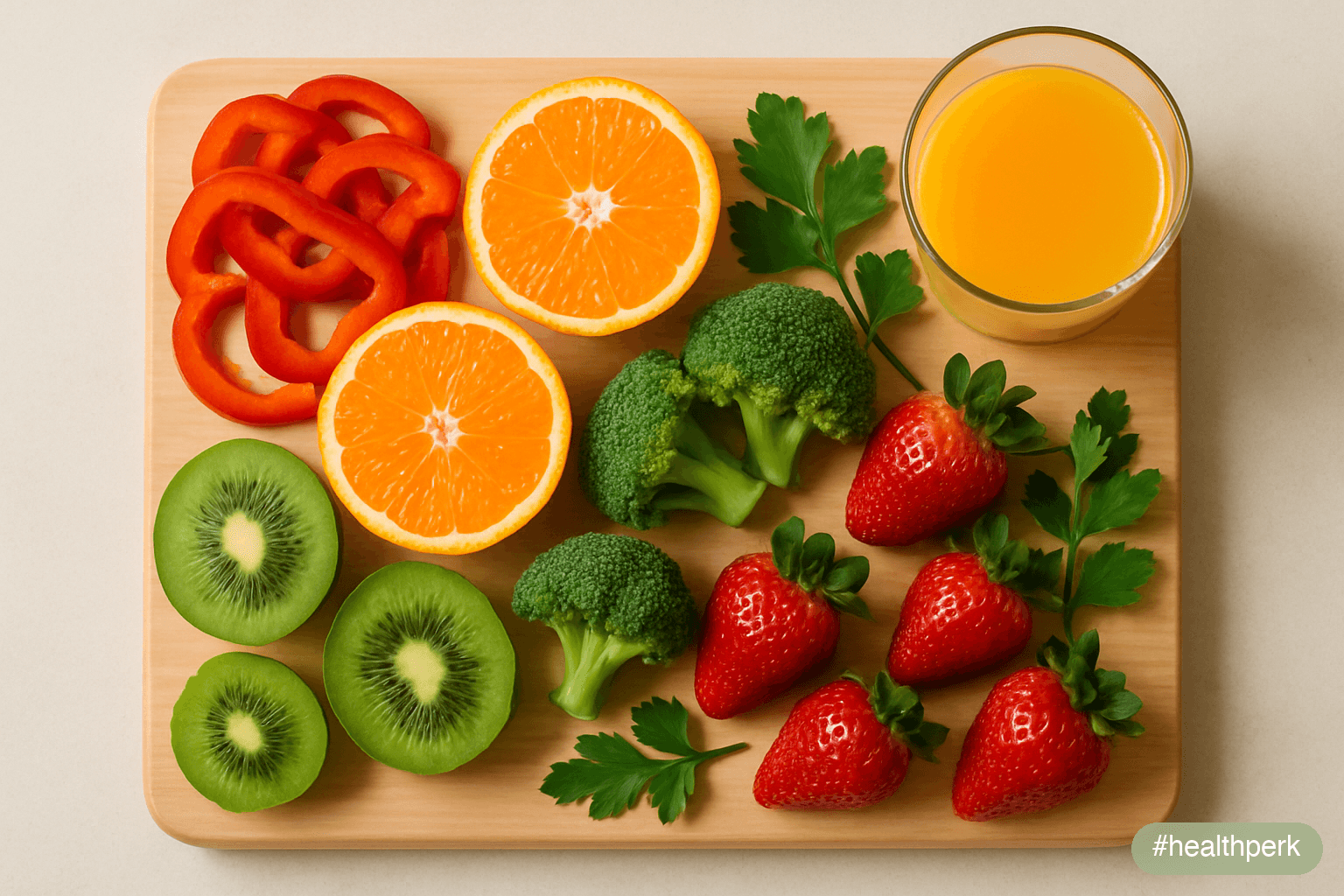
Foods rich in vitamin C are the easiest immune-relevant dietary win for most adults because the threshold for adequacy is low and dozens of common foods clear it. Vitamin C (ascorbic acid) is required for collagen synthesis, neutrophil chemotaxis, lymphocyte differentiation, and antioxidant defense in immune cells. The RDA in the United States is 90 mg/day for adult men and 75 mg/day for adult women; smokers and pregnant women have higher requirements.
A single-serving snapshot of vitamin C content in common foods (USDA 2025 nutrient database values):
- Red bell pepper, raw, ½ cup: ~95 mg
- Kiwi, 1 medium: ~85 mg
- Broccoli, cooked, 1 cup: ~80 mg
- Strawberries, 1 cup sliced: ~85 mg
- Orange, 1 medium: ~70 mg
- Brussels sprouts, cooked, 1 cup: ~75 mg
- Papaya, 1 cup cubed: ~85 mg
- Kale, cooked, 1 cup: ~50 mg
- Cauliflower, cooked, 1 cup: ~55 mg
- Tomato, 1 medium: ~17 mg
- Lemon, 1 medium: ~30 mg
- Spinach, raw, 1 cup: ~9 mg
A few practical notes for 2026 cooking:
- Heat and time degrade vitamin C. Steaming and quick stir-frying retain more than long boiling. Storing produce for many days reduces vitamin C content meaningfully.
- Food-based vitamin C arrives bundled. Whole foods deliver vitamin C with flavonoids, fiber, water, potassium, and many phytochemicals — a complexity that isolated supplements do not replicate.
- Cooking water counts. Soups, stews, and the water from steamed vegetables retain leached vitamin C; use them rather than discarding.
- Supplementing usually unnecessary in varied eaters. Two servings of bright produce per day exceed RDA without supplements.
Vitamin C from food rarely causes the gastrointestinal side effects associated with high-dose supplement use, and provides background sufficiency that supports immune function without the megadose protocols common in supplement marketing. The Cochrane review by Hemilä and Chalker (2013) found that regular vitamin C intake at modest daily doses produces a small but consistent reduction in cold duration in adults — an effect achievable from food-based intake in most varied eaters.
Diet for a Strong Immune System
Diet for a strong immune system is best framed as a dietary pattern rather than a daily checklist. Across decades of nutritional epidemiology, three patterns consistently associate with lower inflammatory burden and lower infection-related morbidity: the Mediterranean diet, the DASH diet, and traditional Asian plant-forward patterns. They differ in detail but share core features.
Common features of high-evidence immune-supportive dietary patterns:
- Vegetables and fruits at the center. Five-plus servings per day across multiple colors.
- Whole grains over refined. Oats, barley, brown rice, whole wheat, quinoa, buckwheat.
- Legumes routinely. 3–5 servings per week minimum.
- Fish, especially oily fish. Twice a week or more.
- Olive oil as primary added fat in the Mediterranean pattern; canola, sesame, and other minimally-processed oils in others.
- Moderate dairy, often fermented. Yogurt and kefir over high-fat cheese in volume.
- Limited red and processed meat. Especially limited processed meats (sausages, deli meats).
- Limited added sugars and ultra-processed foods. Observational analyses associate higher ultra-processed food intake with elevated inflammatory markers and adverse health outcomes in older adults.
- Alcohol moderate or absent. Heavy or binge drinking measurably suppresses adaptive immunity over weeks.
Specific evidence anchors: the PREDIMED trial (Estruch et al., 2018) of more than 7,000 high-risk Spanish adults followed Mediterranean-diet patterns supplemented with olive oil or nuts versus a low-fat control, finding a ~30% reduction in major cardiovascular events; an earlier large Greek cohort had similarly linked Mediterranean-diet adherence to reduced all-cause mortality (Trichopoulou et al., 2003), and secondary analyses link the same pattern to lower inflammatory markers (CRP, IL-6) and reduced infection-related hospitalizations in older adults. The 2021 Cell trial by Wastyk and colleagues (Wastyk et al., 2021) demonstrated 10-week microbiome and inflammatory-protein shifts with fermented-food enrichment. The 2019 EAT-Lancet planetary-health framework (Willett et al., 2019) converges on overlapping recommendations from a different starting point.
For most adults, the practical implementation is incremental: add one fermented food per day, swap refined grains for whole grains at one meal per day, hit 30 plant species per week, and eat oily fish twice weekly. The pattern compounds across months.
Foods to Prevent Illness

Foods to prevent illness is a more focused question than general dietary patterns: which specific foods, in which contexts, have evidence for reducing infection-related episodes? The honest 2026 answer is that the prevention effect is mostly bundled in the dietary pattern rather than in heroic single foods, with a few exceptions where individual food groups show measurable signals.
Foods with the best 2026 evidence for reducing infection-related outcomes:
- Fermented dairy (yogurt, kefir). Multiple trials in children, the elderly, and athletes show modest reductions in upper-respiratory infection frequency with daily intake over months; reviews of full-fat fermented dairy also note neutral-to-favorable cardiometabolic associations that argue against blanket avoidance (Hirahatake et al., 2021).
- Fiber-rich plant foods. The Wastyk trial demonstrated a measurable reduction in 19 inflammatory proteins with sustained intake.
- Oily fish. Provides vitamin D and omega-3 EPA/DHA; vitamin D adequacy is one of the most consistent immune-related nutrient signals.
- Garlic. A single small trial (Josling, 2001) suggested fewer colds with daily aged-garlic intake, but the result has not been robustly replicated; food-amount garlic is safe and contributes flavor and polyphenols.
- Green tea. Catechins (especially EGCG) have antimicrobial in-vitro signals; small trials suggest modest reductions in influenza-like illness with daily intake.
- Bone broth and warm soups. Strong cultural rationale, mild hydration and aromatic benefits; trial evidence is thin but the food is unobjectionable.
Foods to limit specifically in high-exposure seasons:
- Heavy alcohol consumption. Binge or heavy drinking demonstrably impairs adaptive immunity within weeks.
- Ultra-processed foods at high volume. Elevated inflammatory markers in multiple cohorts.
- High-sugar beverages daily. Associated with metabolic and inflammatory markers; replace with water, tea, or coffee.
What does not have outcome-grade evidence: single-superfood claims, juice cleanses, exotic berry tonics, "immune-boost" shots and powders, fasting-only protocols for prevention in healthy adults. The Mediterranean-pattern dietary stack outperforms each of these in head-to-head outcome data.
Apps to Track Health and Immunity
Apps to track health and immunity offer feedback loops that close the gap between intended behavior and actual behavior. The 2026 app landscape includes food-logging tools, symptom and illness journals, sleep and recovery dashboards, and integrations with wearable hardware. The honest framing is that apps do not improve immunity directly; they make invisible inputs visible, and visibility drives adherence.
Useful categories for adults focused on immune-relevant inputs:
- Food-logging apps: MyFitnessPal, Cronometer, Lifesum, MacroFactor — track fiber, vitamin C, vitamin D, zinc, and fermented-food intake.
- Plant-diversity trackers: Zoe (which evolved through 2024–2025), Lifesum's plant counter, ZOE-style independent trackers.
- Sleep-and-recovery dashboards: Oura, Whoop, Garmin Connect, Apple Health, Samsung Health.
- Habit-stacking trackers: Streaks, Habitica, Way of Life — for fermented-food, vegetable-serving, and water-intake habits.
- Symptom journals and illness logs: Bearable, Symple, Apple Health's symptom tracking, plus general note-taking tools used as illness journals.
A pragmatic 2026 stack for an adult focused on immune-related behavior is one food-logging app for two weeks at a time (to expose fiber and vegetable gaps), plus an existing wearable dashboard for resting heart rate, HRV, sleep duration, and skin temperature trends. Continuous food-logging produces diminishing returns and contributes to disordered-eating risk in susceptible adults; periodic two-week audits provide most of the visibility without the cognitive cost.
Apps for illness tracking and onset detection
Apps for illness tracking focus on logging symptoms, onset timing, severity, and recovery course. Used over a year, a simple illness journal — date, symptoms, duration, suspected trigger or exposure, treatment used — generates a personal pattern that often reveals environmental triggers (seasonal, travel-related, sleep-deprivation-related) that intuition misses. Bearable, Apple Health's symptom feature, and structured note templates in any general note app all work; the structure matters more than the brand. Some 2026 apps integrate wearable signals (resting HR rise, HRV drop, skin temperature increase) to suggest a likely infection window 24–48 hours before symptoms; these flags are advisory, not diagnostic.
Health apps for immune monitoring trends
Health apps for immune monitoring are most useful when they aggregate longitudinal trend data rather than spot readings. Resting heart rate, heart-rate variability (HRV), sleep duration and consistency, daily steps or active minutes, weekly alcohol units, hydration, and fermented-food count form a small dashboard that captures most of the modifiable behavior variance for immune function. Apple Health, Google Fit, Samsung Health, and Garmin Connect all consolidate signals from connected devices; choosing the platform that already integrates your devices reduces friction more than chasing a "best" brand.
Apps for wellness tracking with restraint
Apps for wellness tracking are powerful but easily over-used. Adults prone to anxiety, perfectionism, or disordered eating should consider time-limited audits (2 weeks every quarter) rather than continuous tracking. Streak-driven apps that reward perfect adherence can backfire when adherence breaks, producing all-or-nothing patterns. A useful 2026 heuristic: if checking the app no longer changes behavior, stop checking; if checking the app increases anxiety without changing behavior, definitely stop checking.
Devices to Monitor Health at Home

Devices to monitor health at home in 2026 cover a wider range than five years ago: wearable rings and watches, smart scales, continuous glucose monitors, smart thermometers, fingertip pulse oximeters, smart blood-pressure cuffs, and air-quality monitors. None of these devices "boost" immunity; they provide signal. The signal is most useful for detecting deviation from personal baseline — when resting heart rate rises, HRV drops, sleep efficiency falls, or skin temperature drifts upward, these often precede subjective infection symptoms by 24–48 hours.
A pragmatic layered consumer-grade dashboard for an adult interested in immune-relevant home monitoring:
- Wearable (ring or watch): baseline resting heart rate, HRV, sleep stages, skin-temperature delta, blood-oxygen during sleep.
- Smart scale: weight, body composition trends — adherence-stress signal rather than a daily metric.
- Smart thermometer: clean reading during illness; not for routine well-state use.
- Pulse oximeter: spot-check tool useful during respiratory illness episodes.
- Smart blood-pressure cuff (for adults over 40 or with cardiovascular risk).
- Indoor air-quality monitor: PM2.5, CO2, and humidity — humidity below 30% in winter is associated with higher upper-respiratory infection rates and viral persistence on surfaces.
The consumer-device market expands rapidly; 2026-current options change by quarter. Choose by ecosystem (the platform that already integrates other devices you own), battery life, and validated accuracy for the metrics that matter for your situation.
Wearable devices for health monitoring as immune signal
Wearable devices for health monitoring that capture continuous resting-heart-rate, HRV, sleep, and skin-temperature trends provide the most useful day-to-day immune-relevant feedback for healthy adults. Multiple peer-reviewed studies during 2020–2024 demonstrated that consumer wearables can detect physiologic deviation associated with viral infection one to two days before subjective symptoms (Mishra et al., 2020; Quer et al., 2021). The signal is most useful as a "back off training, prioritize sleep tonight" prompt — not as a diagnostic claim. The 2026 generation of smart rings (Oura, Ultrahuman, Galaxy Ring, RingConn), smart watches (Apple Watch, Garmin, Polar, Whoop), and dedicated recovery bands has converged on a similar metric set; accuracy for any single metric is lower than medical-grade devices but trend-over-time reliability for personal baseline detection is strong.
Gadgets for tracking immune health responsibly
Gadgets for tracking immune health can become a source of anxiety in adults who interpret normal physiologic variation as warning signs. Resting heart rate naturally varies by 5–10 bpm day-to-day; HRV varies more; skin temperature shifts with menstrual cycle, alcohol, late meals, and ambient temperature. The useful interpretation of these gadgets is multi-day trend deviation, not single-night anomalies. A meaningful flag for infection-window awareness is typically a 7-bpm-or-more sustained resting-HR rise plus an HRV drop of 15+%, sustained over 48 hours — not any single deviation.
Home health monitoring devices to skip in 2026
Home health monitoring devices marketed specifically as "immune trackers" or "inflammation monitors" rarely deliver on the marketing claims. Consumer-grade EEG headbands, "stress" gadgets that derive stress score from a single skin-conductance lead, "ion" devices, single-finger blood-sugar predictors that do not actually measure glucose, and "EMF protectors" lack validation and divert spending from the small set of devices with real signal value. As a rule of thumb: a device that claims to measure a complex multi-organ-system construct (immunity, stress, longevity) through a single sensor channel is over-claiming; the wearables that hold up measure simple physiologic signals well and let trend interpretation accumulate over weeks.
Related Articles on HealthPerk
Explore more on this topic:
- Why Do I Get Sick So Often?
- How to Boost Your Immune System Naturally
- Best Supplements for Immune System
- How to Stop Overthinking
- How to Lose Weight Sustainably
Frequently Asked Questions
What are the foods that boost immune system function in 2026?
A varied plant-forward dietary pattern outperforms any single "superfood" in trial settings. The strongest evidence-supported food groups for immune function are fermented dairy and vegetables (yogurt, kefir, sauerkraut, kimchi, miso), high-fiber plant foods (legumes, whole grains, vegetables, fruits, nuts, seeds), oily fish twice weekly (omega-3, vitamin D), vitamin-C-rich produce daily (citrus, peppers, kiwi, broccoli), and minimal ultra-processed food. The 2021 Stanford trial by Wastyk and colleagues showed fermented-food enrichment reduced 19 inflammatory proteins over 10 weeks — a measurable signal at the immune-substrate level.
What to eat to improve immunity over the next three months?
Aim for a weekly pattern: 30 different plant species per week, 25–30+ grams of fiber per day, 1–3 servings of fermented food per day, oily fish twice a week, vitamin-C-rich produce daily, and minimal ultra-processed food. The shift typically requires 4–12 weeks to produce measurable microbiome and inflammatory-marker changes. Incremental implementation works best: add one fermented food per day, swap refined grains for whole grains at one meal, build to 5+ servings of produce daily.
What are the best foods for immune system support?
Citrus and bright produce (vitamin C, flavonoids), cruciferous and leafy vegetables (vitamin C, folate, sulforaphane), fermented dairy and vegetables (live cultures, short-chain fatty acid precursors), oily fish (omega-3, vitamin D, selenium), legumes and pulses (fiber, zinc, iron, folate), nuts and seeds (vitamin E, zinc, magnesium), whole grains (fiber, B vitamins, selenium), and herbs and spices (polyphenols). The value is in the combination, not any single ingredient.
What are the best foods rich in vitamin C?
Red bell pepper (95 mg per half cup), kiwi (85 mg each), broccoli (80 mg per cup cooked), strawberries (85 mg per cup), orange (70 mg each), Brussels sprouts (75 mg per cup), papaya (85 mg per cup), kale (50 mg per cup cooked), and cauliflower (55 mg per cup). RDA is 90 mg/day for men, 75 mg/day for women — easily met with two servings of bright produce daily. Heat and long storage degrade vitamin C content; steaming and quick stir-frying retain more than boiling.
What is the best diet for a strong immune system?
The Mediterranean pattern has the most consistent outcome evidence: vegetables and fruits at the center, whole grains over refined, legumes routinely, oily fish twice a week, olive oil as primary fat, moderate fermented dairy, limited red and processed meat, limited added sugars and ultra-processed foods, and moderate-to-no alcohol. The PREDIMED trial of 7,000+ high-risk Spanish adults found ~30% reduction in major cardiovascular events; secondary analyses link the pattern to lower CRP, IL-6, and infection-related hospitalizations.
Which foods to prevent illness should I prioritize in winter?
Fermented dairy daily (yogurt, kefir), fiber-rich plant foods at every meal, oily fish twice weekly for vitamin D and omega-3, garlic and ginger in cooking, green tea or other tea daily, citrus and bright produce for vitamin C, and bone broths and warm vegetable soups for hydration and aroma. Limit heavy alcohol consumption, high-volume ultra-processed foods, and high-sugar beverages. The Mediterranean-pattern dietary stack outperforms any single superfood or juice cleanse in head-to-head outcome data.
Which apps to track health and immunity are most useful in 2026?
Food-logging apps for 2-week audits (MyFitnessPal, Cronometer, Lifesum, MacroFactor) expose fiber and vegetable gaps most adults underestimate. Sleep-and-recovery dashboards from your existing wearable (Oura, Whoop, Garmin Connect, Apple Health, Samsung Health) consolidate resting heart rate, HRV, sleep, and skin temperature trends. Habit-stacking trackers reinforce fermented-food, vegetable, and water-intake routines. The platform that already integrates your devices wins on adherence; chasing the "best" brand rarely outperforms reducing friction.
What are the best apps for illness tracking and onset detection?
A simple structured illness journal — date, symptoms, duration, suspected trigger, treatment — generates a personal pattern over a year that often reveals environmental triggers (seasonal, travel, sleep deprivation). Apps that integrate wearable signals (resting heart-rate rise, HRV drop, skin temperature increase) can flag a likely infection window 24–48 hours before subjective symptoms; these flags are advisory, not diagnostic. Bearable, Apple Health's symptom tracking, and structured note templates all work; the structure matters more than the brand.
Which wearable devices for health monitoring are most useful for immune-related signals?
Wearables that capture continuous resting heart rate, HRV, sleep stages, and skin-temperature deltas (smart rings such as Oura, Ultrahuman, Galaxy Ring, RingConn; smart watches such as Apple Watch, Garmin, Polar; recovery bands such as Whoop) provide the most useful day-to-day immune-relevant feedback. Peer-reviewed studies during 2020–2024 demonstrated that consumer wearables can detect physiologic deviation associated with viral infection one to two days before subjective symptoms. A meaningful flag is typically a 7-bpm-or-more sustained resting-HR rise plus a 15+% HRV drop over 48 hours.
Which devices to monitor health at home are worth the investment?
A wearable (ring or watch) for continuous resting HR, HRV, sleep, and skin temperature; a smart scale for trend (not daily metric) tracking; a smart thermometer for accurate readings during illness; a pulse oximeter for respiratory-illness spot-checks; a smart blood-pressure cuff for adults over 40 or with cardiovascular risk; and an indoor air-quality monitor for PM2.5, CO2, and humidity (winter indoor humidity below 30% is associated with higher upper-respiratory infection rates). Devices marketed specifically as "immune trackers" or "inflammation monitors" rarely deliver on the claims.
This article is for informational purposes only and does not constitute medical advice. Talk to a qualified healthcare provider before making major dietary changes, especially if you have diabetes, kidney disease, food allergies, eating disorders, are pregnant or breastfeeding, or take prescription medications. Consumer-grade health monitoring devices and apps are not diagnostic tools and should not replace clinical assessment. Frequent or severe infections may signal treatable conditions including primary or secondary immunodeficiency, HIV, undiagnosed diabetes, hypothyroidism, chronic kidney disease, malnutrition, and medication side effects. Individual results may vary.
About the author The HealthPerk Editorial Team reviews nutrition, dietary-pattern, and consumer-health-technology research through evidence synthesis cross-referenced with peer-reviewed clinical trials and large prospective cohort studies. Our food and device content is reviewed for accuracy against current nutrition, immunology, and clinical-validation standards. How we review →
References
Wastyk, H. C., Fragiadakis, G. K., Perelman, D., Dahan, D., Merrill, B. D., Yu, F. B., ... & Sonnenburg, J. L. (2021). Gut-microbiota-targeted diets modulate human immune status. Cell, 184(16), 4137–4153. https://doi.org/10.1016/j.cell.2021.06.019
Supports: 10-week intervention combining fiber and fermented foods increased microbiome diversity and reduced 19 inflammatory proteins
Estruch, R., Ros, E., Salas-Salvadó, J., Covas, M. I., Corella, D., Arós, F., ... & Martínez-González, M. A. (2018). Primary prevention of cardiovascular disease with a Mediterranean diet supplemented with extra-virgin olive oil or nuts. New England Journal of Medicine, 378(25), e34. https://doi.org/10.1056/NEJMoa1800389
Supports: PREDIMED trial demonstrating Mediterranean-diet pattern reduces major cardiovascular events and produces measurable inflammatory-marker improvements
Willett, W., Rockström, J., Loken, B., Springmann, M., Lang, T., Vermeulen, S., ... & Murray, C. J. (2019). Food in the Anthropocene: The EAT–Lancet Commission on healthy diets from sustainable food systems. The Lancet, 393(10170), 447–492. https://doi.org/10.1016/S0140-6736(18)31788-4
Supports: planetary-health dietary framework converging on plant-forward, fiber-rich, fermented-food-inclusive patterns
Mishra, T., Wang, M., Metwally, A. A., Bogu, G. K., Brooks, A. W., Bahmani, A., ... & Snyder, M. P. (2020). Pre-symptomatic detection of COVID-19 from smartwatch data. Nature Biomedical Engineering, 4(12), 1208–1220. https://doi.org/10.1038/s41551-020-00640-6
Supports: consumer wearables can detect physiologic deviation associated with viral infection one to two days before subjective symptoms
Quer, G., Radin, J. M., Gadaleta, M., Baca-Motes, K., Ariniello, L., Ramos, E., ... & Steinhubl, S. R. (2021). Wearable sensor data and self-reported symptoms for COVID-19 detection. Nature Medicine, 27(1), 73–77. https://doi.org/10.1038/s41591-020-1123-x
Supports: combining wearable-derived heart-rate and activity data with symptom logs improves early infection detection
Hemilä, H., & Chalker, E. (2013). Vitamin C for preventing and treating the common cold. Cochrane Database of Systematic Reviews, (1). https://doi.org/10.1002/14651858.CD000980.pub4
Supports: vitamin C from food and modest supplementation produces measurable cold-duration reductions; food-first dosing is sufficient for most adults
Calder, P. C. (2020). Nutrition, immunity and COVID-19. BMJ Nutrition, Prevention & Health, 3(1), 74–92. https://doi.org/10.1136/bmjnph-2020-000085
Supports: review of micronutrient and dietary-pattern roles in immune function, emphasizing food-based sources for vitamin C, vitamin D, zinc, selenium, and omega-3
Trichopoulou, A., Costacou, T., Bamia, C., & Trichopoulos, D. (2003). Adherence to a Mediterranean diet and survival in a Greek population. New England Journal of Medicine, 348(26), 2599–2608. https://doi.org/10.1056/NEJMoa025039
Supports: foundational Greek EPIC cohort demonstrating Mediterranean-pattern adherence associated with lower all-cause mortality
Lloyd-Price, J., Mahurkar, A., Rahnavard, G., Crabtree, J., Orvis, J., Hall, A. B., ... & Huttenhower, C. (2017). Strains, functions and dynamics in the expanded Human Microbiome Project. Nature, 550(7674), 61–66. https://doi.org/10.1038/nature23889
Supports: foundational data on gut microbiome diversity and stability that underpins the rationale for plant-diversity and fermented-food dietary recommendations
Hirahatake, K. M., Astrup, A., Hill, J. O., Slavin, J. L., Allison, D. B., & Maki, K. C. (2021). Potential cardiometabolic health benefits of full-fat dairy: The evidence base. Advances in Nutrition, 12(2), 533–547. https://doi.org/10.1093/advances/nmaa190
Supports: contemporary review supporting routine inclusion of fermented dairy (yogurt, kefir) within a varied dietary pattern
- Josling, P. (2001). Preventing the common cold with a garlic supplement: A double-blind, placebo-controlled survey. Advances in Therapy, 18(4), 189–193. https://doi.org/10.1007/BF02850113
Supports: a single small placebo-controlled trial suggested fewer colds with daily aged-garlic supplementation, with the result not robustly replicated since
- Lichtenstein, A. H., Appel, L. J., Vadiveloo, M., Hu, F. B., Kris-Etherton, P. M., Rebholz, C. M., ... & Van Horn, L. V. (2021). 2021 dietary guidance to improve cardiovascular health: A scientific statement from the American Heart Association. Circulation, 144(23), e472–e487. https://doi.org/10.1161/CIR.0000000000001031
Supports: AHA dietary pattern guidance for cardiovascular and broader cardiometabolic health, overlapping with immune-supportive nutrient density
Frequently Asked Questions
What are the foods that boost immune system function in 2026?
A varied plant-forward pattern outperforms any single superfood. Strongest evidence-supported food groups: fermented dairy and vegetables (yogurt, kefir, sauerkraut, kimchi, miso), high-fiber plants (legumes, whole grains, vegetables, fruits, nuts, seeds), oily fish twice weekly, vitamin-C-rich produce daily, minimal ultra-processed food. The 2021 Stanford trial (Wastyk et al.) showed fermented-food enrichment reduced 19 inflammatory proteins over 10 weeks.
What to eat to improve immunity over the next three months?
Weekly pattern: 30 different plant species per week, 25–30+ g fiber/day, 1–3 servings fermented food/day, oily fish twice weekly, vitamin-C-rich produce daily, minimal ultra-processed food. Measurable microbiome and inflammatory-marker shifts typically take 4–12 weeks. Incremental implementation works best.
What are the best foods for immune system support?
Citrus and bright produce, cruciferous and leafy vegetables, fermented dairy and vegetables, oily fish, legumes and pulses, nuts and seeds, whole grains, and herbs and spices. The value is in the combination, not any single ingredient.
What are the best foods rich in vitamin C?
Red bell pepper (~95 mg per half cup), kiwi (~85 mg each), broccoli (~80 mg/cup cooked), strawberries (~85 mg/cup), orange (~70 mg each), Brussels sprouts (~75 mg/cup), papaya (~85 mg/cup), kale (~50 mg/cup cooked), cauliflower (~55 mg/cup). RDA is 90 mg/day men, 75 mg/day women — easily met with two servings of bright produce daily.
What is the best diet for a strong immune system?
The Mediterranean pattern has the most consistent outcome evidence: vegetables and fruits at the center, whole grains over refined, legumes routinely, oily fish twice weekly, olive oil as primary fat, moderate fermented dairy, limited red and processed meat, limited added sugars and ultra-processed foods, moderate-to-no alcohol. PREDIMED trial found ~30% reduction in major cardiovascular events with this pattern.
Which foods to prevent illness should I prioritize in winter?
Fermented dairy daily, fiber-rich plant foods at every meal, oily fish twice weekly for vitamin D and omega-3, garlic and ginger in cooking, green tea daily, citrus and bright produce, and warm vegetable soups for hydration. Limit heavy alcohol consumption, high-volume ultra-processed foods, and high-sugar beverages.
Which apps to track health and immunity are most useful in 2026?
Food-logging apps for 2-week audits (MyFitnessPal, Cronometer, Lifesum, MacroFactor), sleep-and-recovery dashboards from your existing wearable (Oura, Whoop, Garmin, Apple Health, Samsung Health), and habit-stacking trackers. The platform that already integrates your devices wins on adherence.
What are the best apps for illness tracking and onset detection?
A simple structured illness journal — date, symptoms, duration, suspected trigger, treatment — generates a personal pattern over a year. Apps that integrate wearable signals (resting HR rise, HRV drop, skin temperature increase) can flag a likely infection window 24–48 hours before subjective symptoms; advisory, not diagnostic. Bearable, Apple Health, and structured note templates all work.
Which wearable devices for health monitoring are most useful for immune signals?
Wearables capturing continuous resting heart rate, HRV, sleep stages, and skin-temperature deltas — smart rings (Oura, Ultrahuman, Galaxy Ring, RingConn), smart watches (Apple Watch, Garmin, Polar), recovery bands (Whoop). Peer-reviewed studies show consumer wearables can detect physiologic deviation associated with viral infection 24–48 hours before subjective symptoms.
Which devices to monitor health at home are worth the investment?
A wearable for continuous resting HR, HRV, sleep, and skin temperature; a smart scale for trend tracking; a smart thermometer for accurate illness readings; a pulse oximeter for respiratory-illness spot-checks; a smart blood-pressure cuff for adults over 40 or cardiovascular-risk; and an indoor air-quality monitor (PM2.5, CO2, humidity). Devices marketed as immune trackers or inflammation monitors rarely deliver on the claims.
More from Supplements