Foods That Increase Energy Fast: The 2026 Evidence-Based Guide
Foods That Increase Energy Fast: The 2026 Evidence-Based Guide
By the HealthPerk Editorial Team · Last updated: May 2026
Quick Answer
Which foods increase energy fast — and which sustain it all day?
The foods that increase energy fast are those that deliver readily available glucose alongside a small amount of protein or fat to blunt the rebound: a banana with a tablespoon of peanut butter, Greek yogurt with berries, a handful of almonds with a date, oats with milk, or an apple with a slice of cheese. These pairings raise blood glucose within 15–30 minutes without producing the spike-and-crash pattern of sugar alone (Jenkins et al., 1981; Ludwig, 2002). For energy that lasts the whole day, the principle inverts: anchor every meal with 25–40 g of protein, pair complex carbohydrates with fiber and fat, hydrate proactively, and avoid the carb-only lunch that produces the afternoon crash (Burke et al., 2015; Holesh et al., 2023). Specific nutrient-dense foods — leafy greens, legumes, eggs, fatty fish, nuts, oats, berries, beets, dark chocolate, and fermented foods — close the iron, B12, magnesium, and omega-3 gaps that quietly drive low-grade fatigue (Tardy et al., 2020; Pasiakos et al., 2014).
| Goal | Eat | Why |
|---|---|---|
| Energy in 15–30 min | Banana + nut butter; yogurt + berries; oats + milk | Glucose with protein/fat — fast but stable |
| Stable energy 3–4 h | Eggs + whole-grain toast + avocado; lentil bowl + greens | Protein-anchored, fiber-rich, low glycemic load |
| Reduce chronic fatigue | Leafy greens, lentils, red meat 1–2×/wk, eggs, salmon | Closes iron, B12, folate, omega-3 gaps |
| Avoid afternoon crash | Salad with chicken + olive oil; soup + bean stew | Skip carb-only lunch — single biggest crash driver |
| Pre-workout boost | Coffee + banana 30–45 min before | Caffeine + glucose, evidence-strongest combo |
Most people treat food as fuel in a single sense — calories in, energy out — but the body responds to food on at least four different timescales. A sugary snack raises blood glucose within 15 minutes; a balanced meal stabilizes it for 3–4 hours; a week of nutrient-dense eating refills depleted iron, B12, magnesium, and omega-3 stores; and a year of consistent food choices reshapes mitochondrial density and metabolic flexibility. The right answer to "what should I eat for energy?" depends on which timescale matters right now. This guide separates the foods that increase energy fast (acute) from the eating pattern that keeps energy steady all day (sustained) and the foods that close the nutrient gaps quietly draining baseline energy in adults (chronic).
Table of Contents
- The Three Timescales of Food and Energy
- Foods That Increase Energy Fast (15–30 Minutes)
- What to Eat for Energy All Day: The Macronutrient Blueprint
- Best Breakfast for Energy: The First Meal Sets the Curve
- Snacks That Boost Energy Naturally: The Between-Meal Toolkit
- Foods That Reduce Fatigue: Eating to Close Nutrient Gaps
- Foods and Patterns That Drain Energy
- Frequently Asked Questions
- References
The Three Timescales of Food and Energy
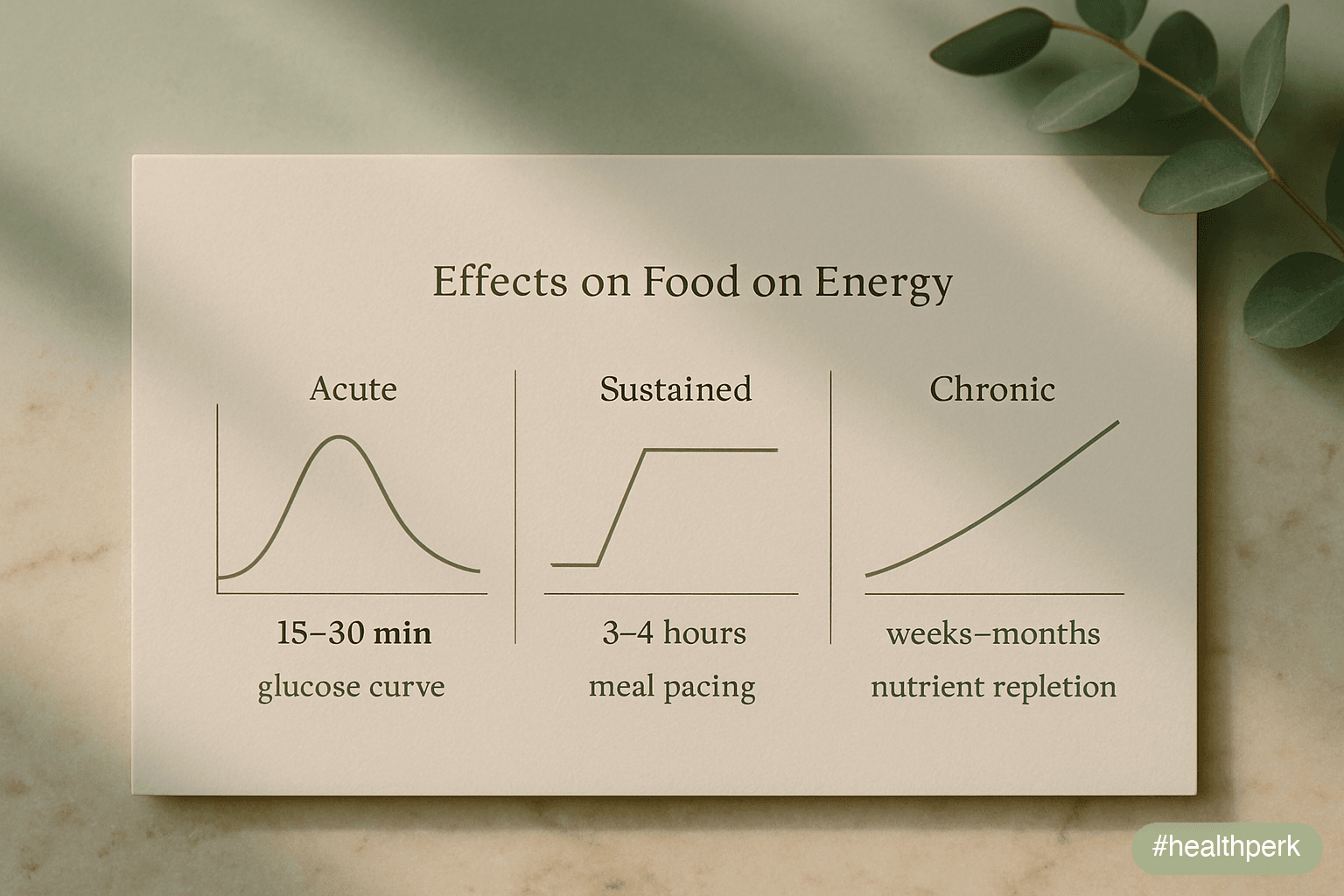
Food acts on energy through three distinct mechanisms, each with a different timescale:
- Acute (15–30 minutes). Blood glucose rises after carbohydrate intake. A banana, dates, fruit juice, oats, or honey raises glucose fast; pairing with a small amount of protein or fat slows the peak and prevents the reactive trough at 90–120 minutes (Jenkins et al., 1981; Ludwig, 2002). This is the "I need energy now" timescale — useful before a workout, mid-afternoon, or after skipping a meal.
- Sustained (3–4 hours). The shape of a meal — how much protein, how much fiber, the glycemic load, the order of eating — determines whether energy stays flat or oscillates. Protein-anchored, fiber-rich meals produce stable glucose and sustained satiety; carb-dominant meals produce a spike, a trough, and a return to hunger within two hours (Burke et al., 2015; Holesh et al., 2023).
- Chronic (weeks to months). Low-grade fatigue in adults is frequently a nutrient story: iron, B12, folate, vitamin D, magnesium, and omega-3 fatty acids are the most common gaps, and they are usually closed by food choices over weeks rather than by acute interventions (Tardy et al., 2020; Pasiakos et al., 2014). Mitochondrial density, gut microbiome composition, and metabolic flexibility also shift over months in response to consistent dietary patterns.
A complete eating strategy for energy uses all three timescales: smart acute foods when needed, a sustained-energy meal pattern by default, and a chronic nutrient-dense base.
Foods That Increase Energy Fast (15–30 Minutes)
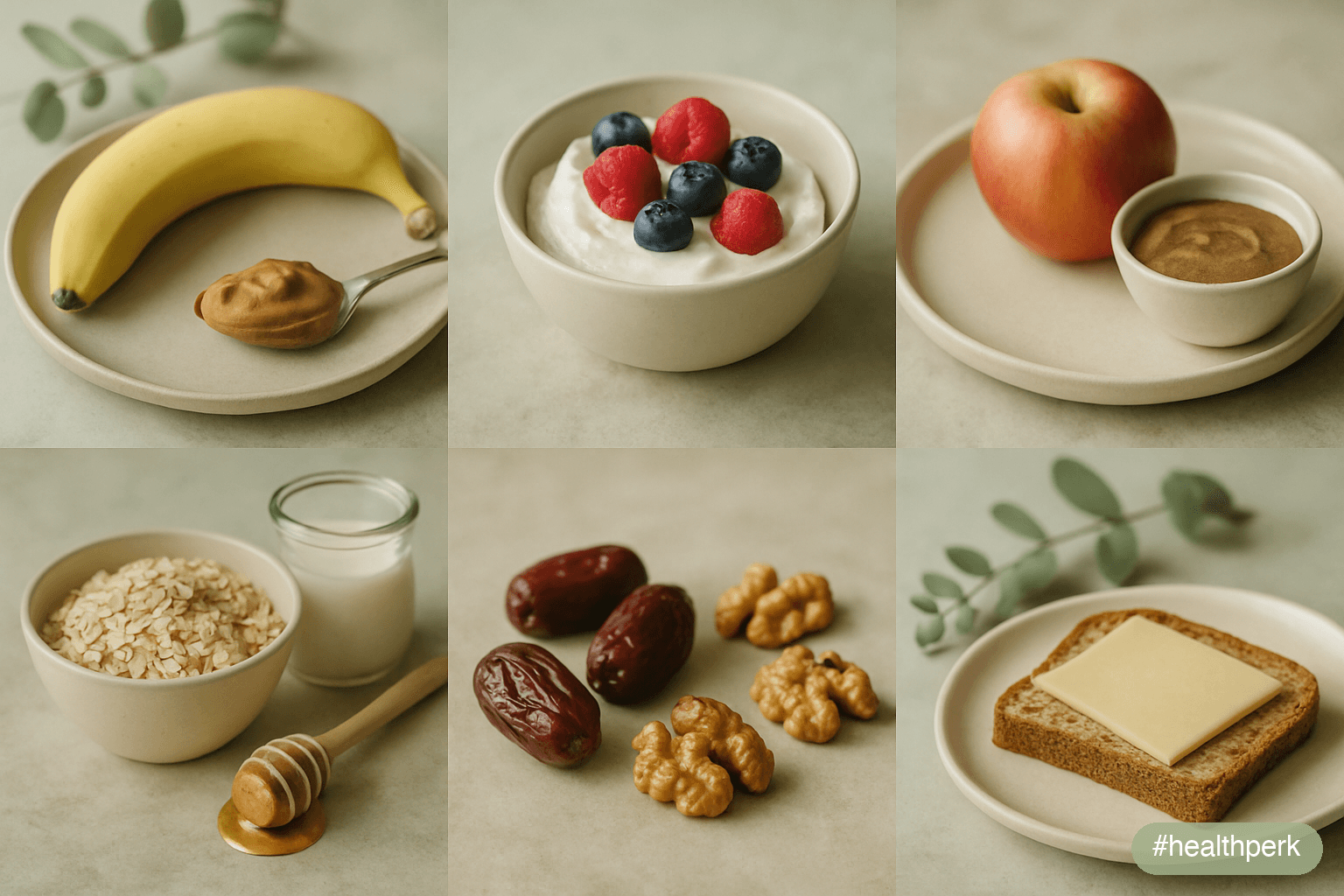
When energy needs to come back online quickly — pre-workout, mid-afternoon slump, post-skipped-meal — the most useful foods deliver readily available glucose paired with a small amount of protein or fat. Pure sugar (candy, soda, juice on its own) works briefly but the reactive trough that follows often leaves people feeling worse 90 minutes later than they did before eating (Ludwig, 2002).
The fast-energy pairing principles
- Carbohydrate provides the glucose: fruit, oats, whole-grain bread, dates, honey, rice cakes.
- Protein or fat blunts the spike: nuts, nut butter, Greek yogurt, cottage cheese, hard cheese, eggs, hummus.
- Volume stays small: 150–250 kcal is enough; larger acute meals trigger postprandial drowsiness from a vagal response and competing blood flow to the gut.
Evidence-strongest fast-energy combinations
- Banana with 1 tbsp peanut or almond butter. Banana glucose hits within 20–30 minutes; the nut butter slows the curve and supplies magnesium.
- Greek yogurt with berries. 15–20 g protein from yogurt, fast carbohydrate from fruit, plus polyphenols that support post-meal glucose regulation (Castro-Acosta et al., 2017).
- Oats with milk and honey. Beta-glucan in oats moderates the glucose response; milk supplies high-quality protein.
- Apple with a slice of hard cheese. Classic pairing; the protein and fat in cheese flatten the apple's glucose peak.
- 2–3 dates with a small handful of walnuts. Dates are dense in glucose and potassium; walnuts add omega-3 and slow absorption.
- Whole-grain toast with eggs. Slightly slower onset but more sustained — useful when the next meal is more than two hours away.
- Black coffee or a small espresso plus a banana. The most evidence-supported acute boost: caffeine raises alertness within 30–45 minutes (Goldstein et al., 2010), banana supplies fuel. Best used 60–90 minutes after waking, not first thing.
What to avoid in the fast-energy window
- Sugar on an empty system (candy, regular soda, fruit juice alone). Spike followed by a reactive trough within 90 minutes (Ludwig, 2002).
- Large meals (>500 kcal). The post-meal drowsiness response is amplified, producing the opposite of the intended effect.
- High-fat fried food (fries, fried chicken, pastries). Slow gastric emptying with minimal acute glucose benefit; energy on arrival is often worse than energy before eating.
- A second coffee on top of the first. Acute caffeine doses beyond ~100–150 mg do not produce proportional benefit and often produce jitter and a later crash.
What to Eat for Energy All Day: The Macronutrient Blueprint
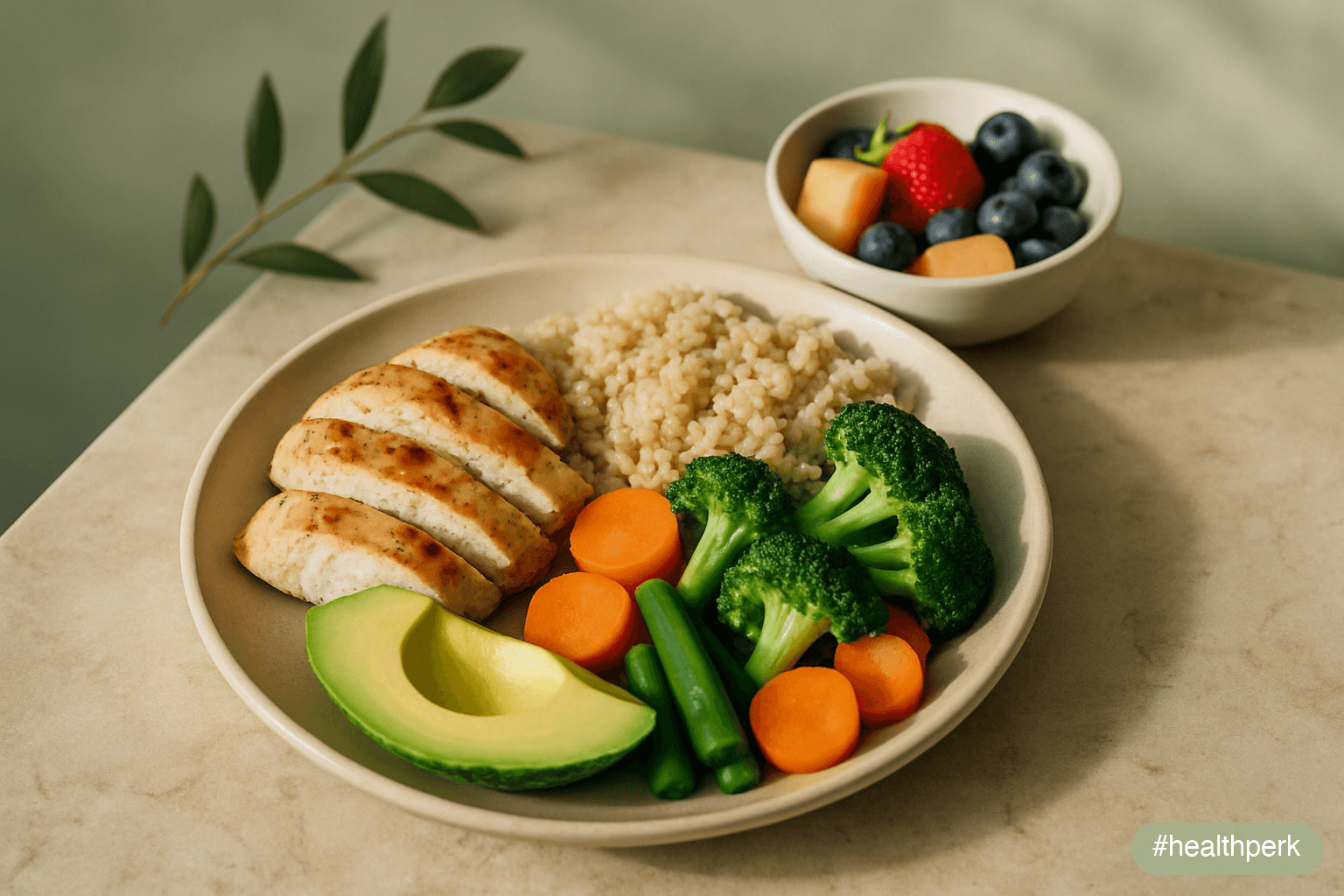
What to eat for energy all day is less about specific foods and more about consistent meal architecture. Three principles drive stable daytime energy (Holesh et al., 2023; Burke et al., 2015):
Principle 1 — Protein anchor at every meal (25–40 g)
Protein blunts the post-meal glucose response, prolongs satiety, and supplies the amino acid tyrosine — a precursor of dopamine and noradrenaline. Adults aiming for stable energy benefit from 1.2–1.6 g of protein per kg of body weight per day, distributed across 3–4 meals (Pasiakos et al., 2014). Reliable protein anchors:
- Eggs (12 g per 2 eggs)
- Greek yogurt or cottage cheese (15–20 g per 200 g)
- Fish (20 g per 100 g)
- Poultry, lean beef, pork (25–30 g per 100 g)
- Tofu and tempeh (15–20 g per 150 g)
- Lentils and beans (15–18 g per cooked cup) — pair with grains for completeness
- Whey or pea protein powder (20–25 g per scoop) — easy practical anchor for breakfast or snacks
Principle 2 — Complex carbohydrates over refined
Whole grains, legumes, oats, sweet potatoes, quinoa, brown rice, and fruit produce a slower glucose rise and a flatter curve than white bread, white rice, pastries, and breakfast cereals. The glycemic-load model is more useful than glycemic-index labeling alone: total carbohydrate matters as much as quality (Ludwig, 2002).
Principle 3 — Fiber and fat as the stabilizers
- 30+ g of fiber per day from whole foods — vegetables, fruit, legumes, whole grains, nuts, seeds. Fiber slows glucose absorption, feeds the gut microbiome, and is the single dietary lever most strongly associated with stable daytime energy and lower fatigue scores (Reynolds et al., 2019).
- Healthy fats from olive oil, avocado, nuts, seeds, and fatty fish slow gastric emptying and supply long-chain omega-3s relevant to mitochondrial function and inflammation (Calder, 2017).
A real-day example
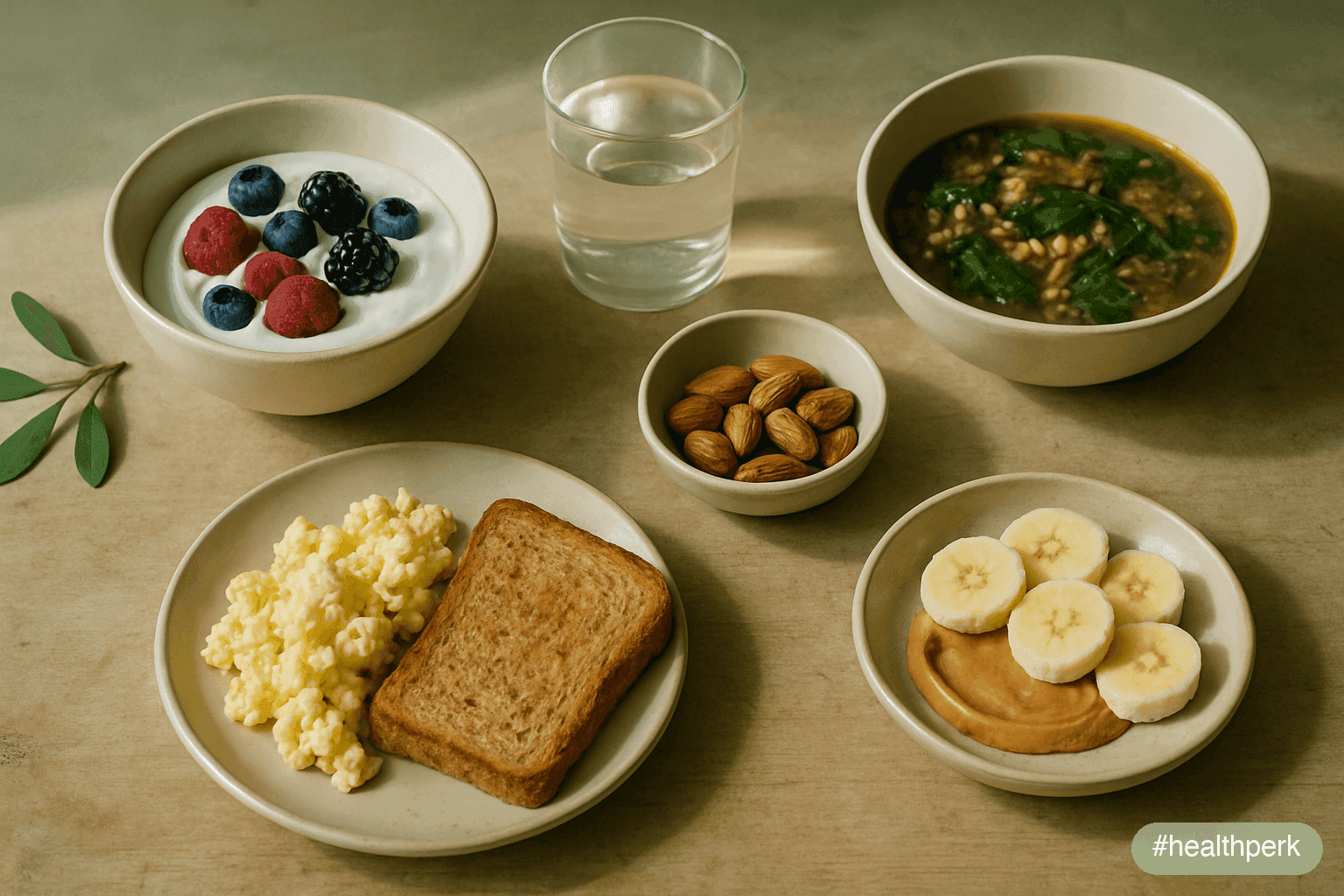
- Breakfast (within 1–2 hours of waking): 3 eggs scrambled, ½ avocado, 2 slices whole-grain toast, berries on the side, water.
- Lunch (12–1 p.m.): Mixed-greens salad with grilled chicken or salmon, chickpeas, olive oil, lemon, with a side of quinoa or sweet potato.
- Afternoon snack (3–4 p.m.): Greek yogurt with walnuts and a small handful of blueberries, or hummus with carrots and whole-grain crackers.
- Dinner (6–7 p.m.): Lentil and vegetable stew with brown rice, leafy-green side, olive oil drizzle.
- Hydration target: 30–35 mL per kg body weight across the day (≈2.0–2.5 L for a 70 kg adult), more in heat and exercise (EFSA, 2010).
This pattern keeps blood glucose flat, prevents reactive hypoglycemia, and supplies the daily nutrients most relevant to chronic energy.
Best Breakfast for Energy: The First Meal Sets the Curve
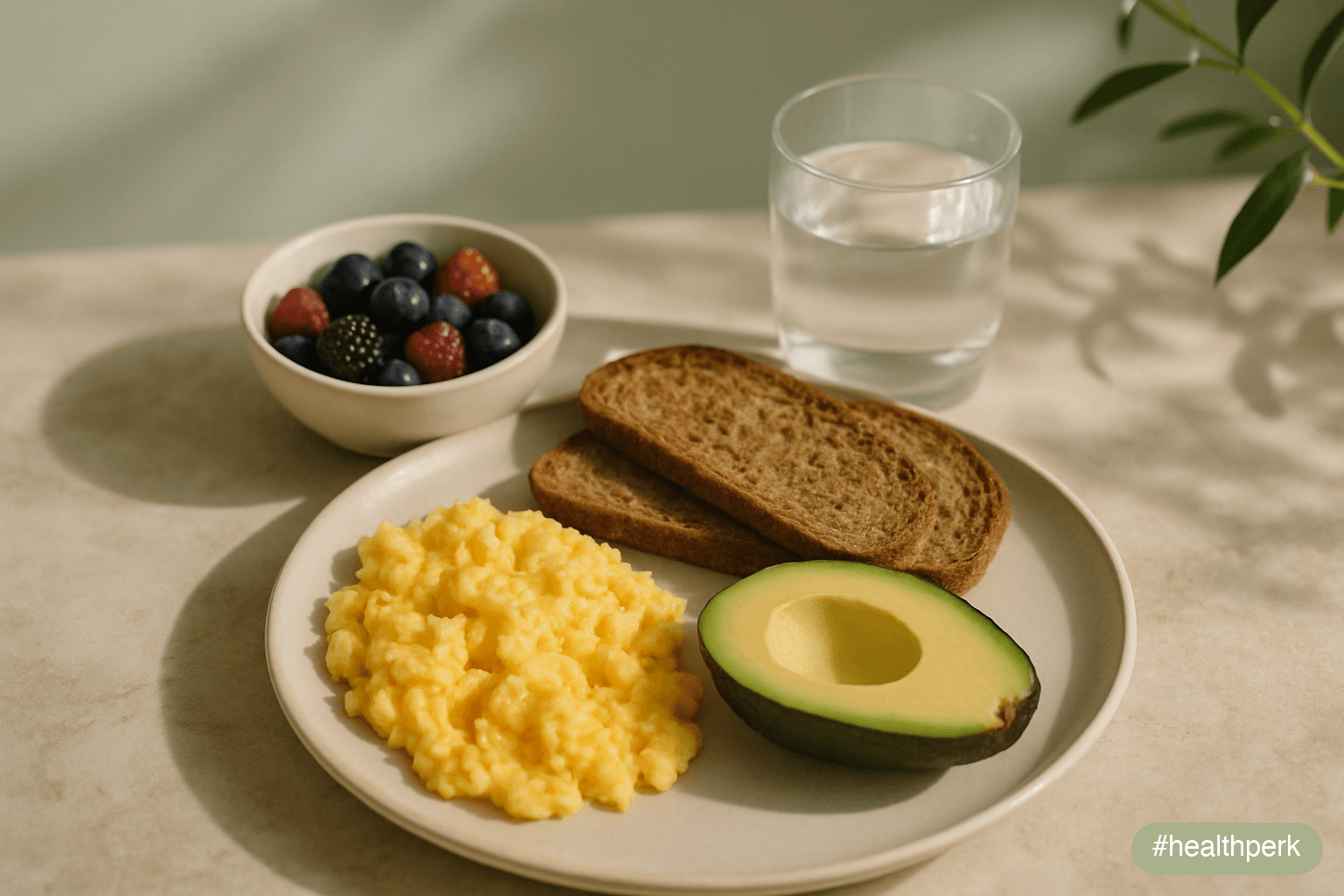
The first meal of the day disproportionately shapes the energy curve until lunch. The best breakfast for energy is protein-anchored (25–40 g), pairs complex carbohydrates with fiber and fat, and lands within 1–2 hours of waking. Carb-only or sugar-dominant breakfasts (pastries, sweetened cereals, fruit-juice-only starts) produce a glucose spike and a reactive trough within 90–120 minutes, after which the day starts with a deficit (Burke et al., 2015; Ludwig, 2002).
Evidence-strongest breakfast templates
- Scrambled or boiled eggs (2–3) + whole-grain toast + ½ avocado + fruit. ~30 g protein, fiber, healthy fat, slow-release carbohydrate.
- Greek yogurt (200 g) + oats (40 g) + berries + chia or walnuts. ~25 g protein, beta-glucan from oats, polyphenols and fiber.
- Cottage cheese + whole-grain toast + tomato and cucumber + a boiled egg. Savory, high-protein, low-glycemic.
- Protein smoothie: 1 scoop whey or pea protein + banana + frozen berries + 1 tbsp peanut butter + milk or unsweetened plant milk + oats. ~30 g protein, balanced macros, fast to prepare.
- Tofu or chickpea scramble + sautéed greens + whole-grain toast + avocado. Plant-based template with comparable protein and fiber.
- Smoked salmon + scrambled eggs + tomato + whole-grain toast. Adds omega-3 from oily fish.
Common breakfast mistakes
- Skipping breakfast for several hours after waking with only coffee. Cortisol is already rising; adding caffeine on empty often produces jitter and a 10 a.m. crash. If intermittent fasting is the chosen pattern, break the fast with a high-protein meal — do not extend with caffeine-on-empty plus a sugary mid-morning snack.
- Fruit-juice-only or smoothie-only breakfasts. Without protein and fiber the glucose curve is steep; energy is briefly high and then notably low.
- Pastries or sweet cereals. The single most reliable producer of mid-morning fatigue in working adults.
- Bacon-and-eggs without any vegetable or carbohydrate. High satiety but no fiber and limited micronutrient diversity — better as occasional than daily.
Snacks That Boost Energy Naturally: The Between-Meal Toolkit
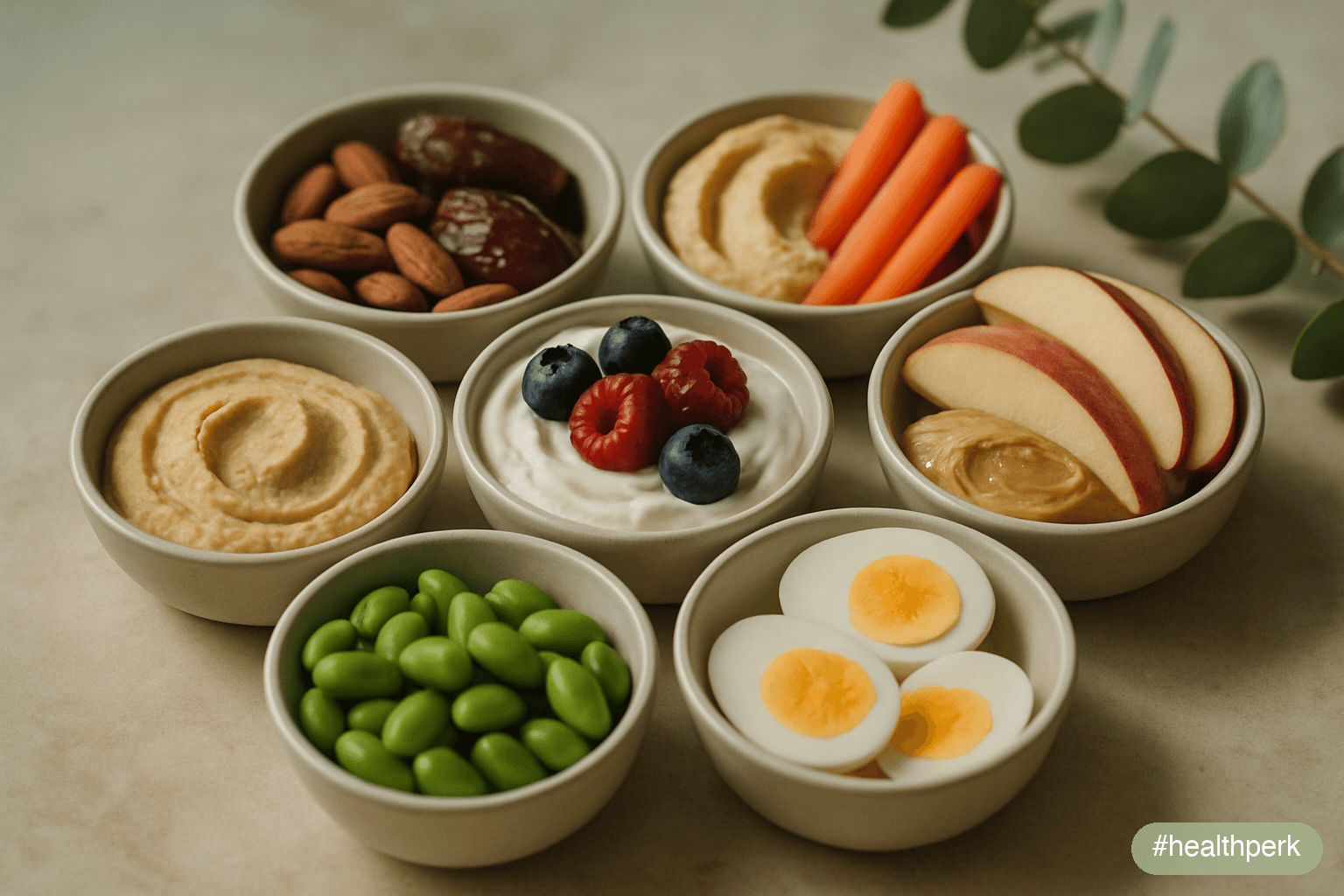
Snacks that boost energy naturally do two jobs: bridge a long gap between meals without producing a glucose spike, and deliver micronutrients that support sustained energy. Volume stays moderate (150–250 kcal) and pairing matters more than novelty.
Practical natural-energy snacks
- Apple slices with 1 tbsp almond or peanut butter. Classic, balanced, portable.
- Greek yogurt (150–200 g) with berries and a few walnuts. Protein-dense, anti-inflammatory polyphenols.
- Hummus (3 tbsp) with carrot, cucumber, or whole-grain crackers. Plant protein, fiber, healthy fat.
- Small handful of mixed nuts (30 g) and 2 dates. Magnesium, potassium, slow-release energy.
- Hard-boiled eggs (2) with a piece of fruit. Protein anchor and natural sugar; very stable.
- Edamame (1 cup, lightly salted). Plant protein, magnesium, satisfying.
- Cottage cheese with sliced tomato and olive oil and a pinch of pepper. Savory, high-protein.
- Roasted chickpeas (½ cup) or roasted seaweed snacks with a piece of fruit.
- Trail mix made at home — nuts, seeds, a small portion of dark chocolate (≥70%), and dried fruit kept to a small share.
- Sliced bell peppers with guacamole. Vitamin C and healthy fat.
- Whole-grain toast with mashed avocado and a sprinkle of seeds.
- A small bowl of berries with a square or two of dark chocolate (≥70%). Polyphenols and a small dopamine lift.
- Plain kefir or unsweetened yogurt drink — fermented dairy with probiotics relevant to gut–energy axis.
Snacks to deprioritize
- Energy bars with >15 g added sugar. Most are candy with marketing.
- Sweetened "protein" cookies and shakes with seed-oil bases and added sugars.
- Crackers or pretzels alone. Refined carbohydrate without protein or fat — typical mid-afternoon crash producer.
- Sweetened coffee drinks (mochas, flavored lattes). 30–60 g of sugar in one serving; the caffeine benefit is real but offset by the glycemic load.
Foods That Reduce Fatigue: Eating to Close Nutrient Gaps
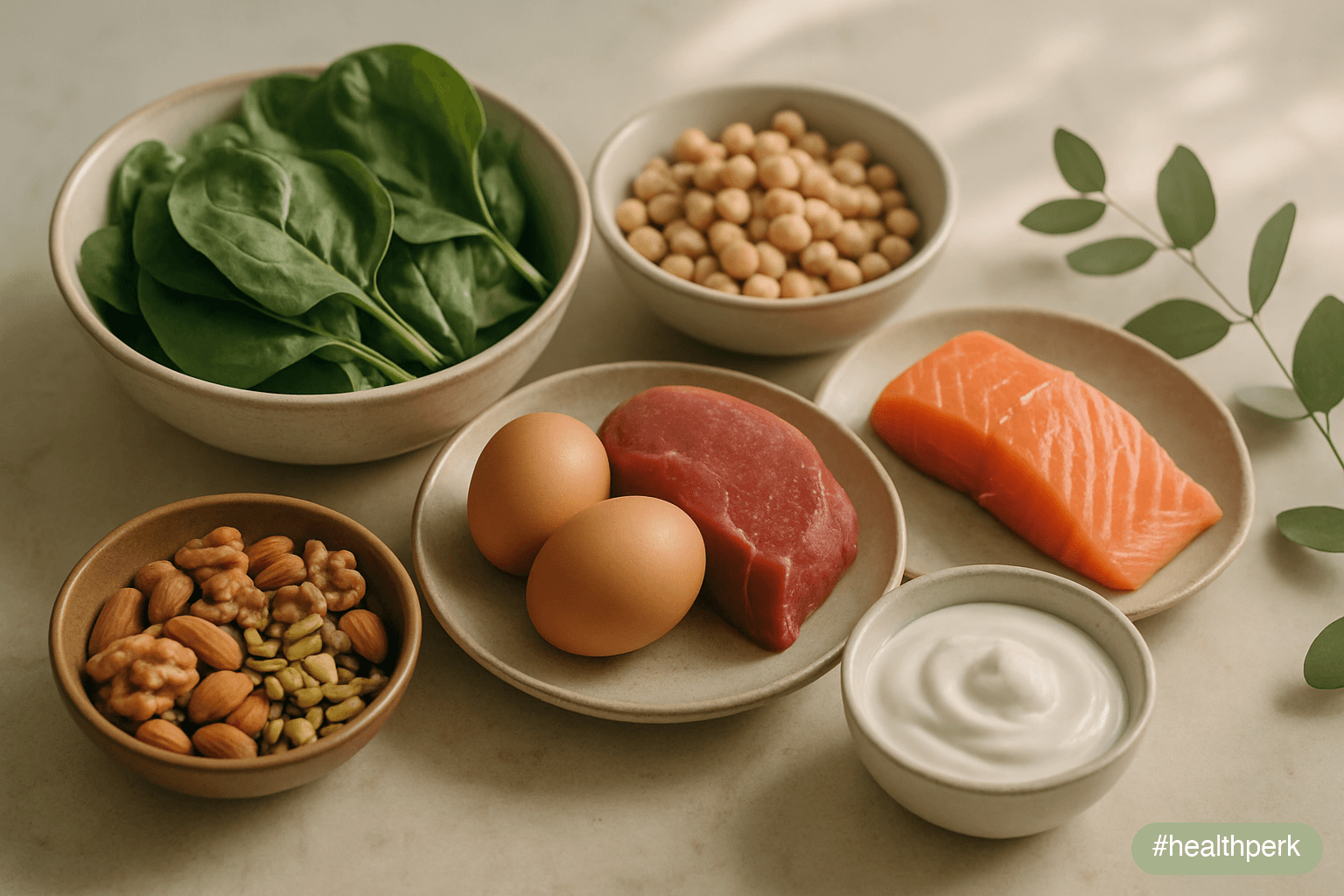
Persistent low-grade fatigue in adults is often a nutrient story. The most common gaps in 2026 dietary surveys remain iron, vitamin B12, vitamin D, folate, magnesium, and omega-3 fatty acids (Tardy et al., 2020). Foods that reduce fatigue work on the chronic timescale — they close those gaps over weeks.
Iron — for the "tired even after sleep" pattern
Iron deficiency without anemia is the most common reversible cause of fatigue in menstruating women and in regular blood donors. Iron-rich foods:
- Heme iron (best absorbed): lean red meat 1–2 times per week, organ meats occasionally, oysters, sardines, dark poultry meat.
- Non-heme iron: lentils, chickpeas, tofu, tempeh, pumpkin seeds, spinach, white beans, fortified whole grains. Pair with vitamin C (citrus, peppers, tomatoes) to enhance absorption; avoid coffee and tea within an hour of iron-rich meals (Hurrell & Egli, 2010).
Vitamin B12 — for vegetarians, vegans, older adults, and PPI users
B12 is found almost exclusively in animal foods: meat, fish, eggs, dairy. Plant-based diets need fortified foods (nutritional yeast, fortified plant milks, fortified cereals) or supplementation. Older adults and those on long-term proton-pump inhibitors absorb less and benefit from supplementation in addition to food sources.
Magnesium — for the muscle-cramping, sleep-light, low-energy pattern
Magnesium-rich foods: pumpkin seeds, chia seeds, almonds, cashews, spinach, Swiss chard, black beans, edamame, dark chocolate (≥70%), avocado, whole grains. Most adults fall short of the 320–420 mg/day RDA on typical Western diets (Schwalfenberg & Genuis, 2017).
Vitamin D — for the winter-fatigue and indoor-lifestyle pattern
Few foods carry meaningful vitamin D: fatty fish (salmon, sardines, mackerel), egg yolks, fortified milk and plant milks, some mushrooms. In northern latitudes during winter, food alone is rarely enough; modest supplementation (1,000–2,000 IU/day) is often appropriate (Holick et al., 2011).
Folate — for the cell-turnover and red-blood-cell pattern
Leafy greens, asparagus, broccoli, beans, lentils, citrus, avocado, fortified grains. Folate and iron deficiencies often co-occur and amplify fatigue.
Omega-3 fatty acids — for inflammation and mitochondrial support
Fatty fish (salmon, mackerel, sardines, anchovies, herring) 2 times per week is the most direct food source. Walnuts, chia, flaxseed, and hemp seeds provide ALA, which is converted to EPA/DHA at a low rate; vegans benefit from algal omega-3 supplements (Calder, 2017).
Polyphenols and fermented foods — for the gut–energy axis
Berries, dark chocolate (≥70%), green tea, extra-virgin olive oil, herbs and spices, and fermented foods (kimchi, sauerkraut, kefir, plain yogurt, miso) support a gut microbiome associated with stable mood and energy (Valdes et al., 2018).
Hydration and electrolytes
Even mild dehydration (1–2% of body mass) measurably degrades concentration and effort tolerance (Armstrong et al., 2012). Plain water across the day; a small amount of salt with morning water for people who train early or feel lightheaded on standing.
Foods and Patterns That Drain Energy
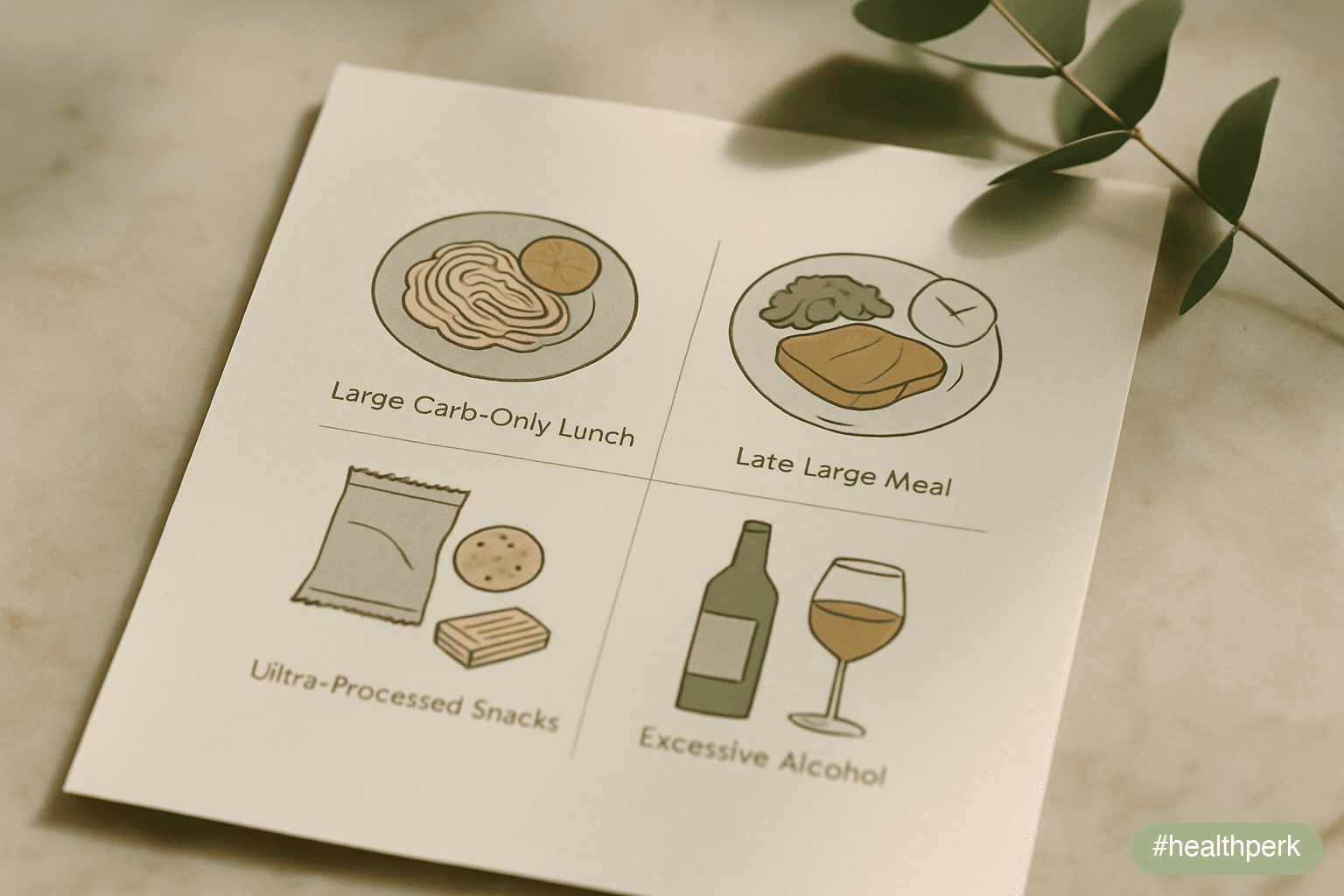
The flip side of eating for energy is eliminating the eating patterns that quietly produce fatigue:
- The carb-only lunch. Pasta-only, sandwich-only, or rice-bowl-only lunches without substantial protein and vegetables produce the classic 2–4 p.m. crash. Anchor lunch with protein and pair it with vegetables and a moderate carbohydrate portion.
- Late large dinner. Eating within 2–3 hours of bed impairs sleep architecture and morning fasting glucose, which then degrades next-day energy (St-Onge et al., 2016).
- Ultra-processed foods as the default base. Energy from ultra-processed foods is calorie-dense and nutrient-poor; chronic reliance is associated with higher fatigue scores and worse mitochondrial markers (Lane et al., 2024).
- Sweetened drinks across the day. Soda, sweetened coffees, energy drinks, and many "wellness" beverages add 30–80 g of sugar with little nutrient benefit; the glycemic oscillation drives mid-afternoon fatigue.
- Alcohol close to bed. Even modest evening alcohol fragments REM and increases overnight heart rate and cortisol — a notable next-day energy cost (Walker, 2017).
- Skipping meals followed by binging. Long fasted windows ending in a large refined-carb meal produce the steepest glucose oscillations and the worst next-meal energy.
- Heavy reliance on caffeine to mask under-eating. Caffeine suppresses appetite; chronic under-eating then drives fatigue that caffeine cannot fix.
Related Articles on HealthPerk
Explore more on this topic:
- How to Boost Energy Naturally Without Caffeine
- How to Avoid the Afternoon Energy Crash
- Best Supplements for Energy and Fatigue
- B12 Deficiency Symptoms and Fatigue
- Iron Deficiency Fatigue Symptoms
- Morning Routine for High Energy
Frequently Asked Questions
Which foods increase energy fast?
Pairings that combine fast-absorbing carbohydrate with a small amount of protein or fat: a banana with a tablespoon of peanut butter, Greek yogurt with berries, oats with milk and honey, an apple with a slice of cheese, a few dates with walnuts, or whole-grain toast with eggs. These deliver glucose within 15–30 minutes without producing the spike-and-crash pattern of sugar alone. Keep portions small (150–250 kcal) and pair every fast-energy carbohydrate with protein or fat to stabilize the curve.
What to eat for energy all day?
Anchor each meal with 25–40 g of protein, pair complex carbohydrates with fiber and fat, aim for 30+ g of fiber per day, and hydrate to 30–35 mL per kg of body weight. A typical day: protein-anchored breakfast within 1–2 hours of waking; protein-and-vegetable-led lunch (not a carb-only bowl); a protein-anchored afternoon snack if dinner is more than four hours away; an earlier, modest dinner with legumes or lean protein, vegetables, and a moderate carbohydrate portion. Avoid the carb-only lunch, the late large dinner, and ultra-processed snacks as a default.
What is the best breakfast for energy?
Protein-anchored, fiber-rich, eaten within 1–2 hours of waking. Strong templates: eggs with whole-grain toast and avocado, Greek yogurt with oats and berries and walnuts, a protein smoothie with whey or pea protein and banana and nut butter, or tofu scramble with sautéed greens and whole-grain toast. Target 25–40 g of protein. Avoid pastries, sweetened cereals, and juice-only starts — they produce a glucose spike and a reactive trough within 90–120 minutes, after which the morning starts with a deficit.
What snacks boost energy naturally?
Pairings under 250 kcal that combine a moderate carbohydrate with protein or fat. Examples: apple with almond butter, Greek yogurt with berries and walnuts, hummus with carrots, a small handful of nuts with 2 dates, hard-boiled eggs with fruit, edamame, cottage cheese with tomato, roasted chickpeas. These bridge a long gap between meals without producing a spike-and-crash. Skip the refined-carb-only snacks (crackers, pretzels), high-sugar "energy" bars, and sweetened coffee drinks — they cause more fatigue than they relieve.
Which foods reduce chronic fatigue?
Foods that close the most common adult nutrient gaps: iron (lentils, lean red meat, pumpkin seeds, spinach paired with vitamin C), vitamin B12 (eggs, fish, dairy, fortified plant milks or supplements for vegans), magnesium (pumpkin seeds, almonds, dark chocolate ≥70%, leafy greens, beans), vitamin D (fatty fish, fortified dairy, sometimes supplementation in winter), folate (leafy greens, legumes, citrus), and omega-3s (salmon, sardines, walnuts, flaxseed). Polyphenol-rich foods and fermented foods support the gut microbiome associated with stable energy. The effect builds over two to eight weeks.
Does eating fruit cause an energy crash?
Whole fruit (not juice) rarely causes a crash because the fiber and water content slow glucose absorption. A banana, an apple, a handful of berries, or a few dates eaten alongside protein or fat — yogurt, nuts, eggs — is one of the most evidence-supported fast-energy foods. Fruit juice without the fiber, by contrast, behaves like sugar: it spikes glucose and produces a reactive trough within 90 minutes. Choose whole fruit over juice and pair fruit with protein or fat whenever possible.
Should I eat before exercise for energy?
Yes, in most cases. A small balanced snack 30–60 minutes before exercise — a banana with peanut butter, Greek yogurt with berries, a slice of toast with honey and almond butter — improves perceived effort and sustains intensity, particularly for sessions longer than 45 minutes (Burke et al., 2015). For shorter, lower-intensity sessions or for fasted-training trained athletes, water and coffee may be enough. Avoid large or high-fat pre-workout meals; they slow gastric emptying and produce abdominal discomfort.
Is caffeine a food that increases energy fast?
Caffeine is the most studied and most reliable acute energy intervention: 50–200 mg raises alertness, reduces perceived effort, and improves cognitive performance within 30–45 minutes (Goldstein et al., 2010). It works best 60–90 minutes after waking, paired with food, and finished at least 8 hours before bedtime. It is not a substitute for the foods that build chronic energy — iron-rich foods, protein, omega-3s, magnesium — and chronic over-reliance on caffeine to mask under-eating or poor sleep produces a steeper underlying fatigue.
This article is for informational purposes only and does not constitute medical advice. Persistent fatigue that does not improve with consistent sleep, hydration, and a nutrient-dense eating pattern over four to eight weeks deserves a medical workup, including ferritin, vitamin B12, vitamin D, thyroid function, and a sleep apnea screen. Consult a qualified healthcare provider before making significant changes to diet, supplementation, medication, or exercise, especially if you are pregnant or breastfeeding, have diabetes, cardiovascular disease, kidney disease, food allergies, or another chronic medical condition, or take prescription medications. Individual results may vary.
About the author The HealthPerk Editorial Team reviews nutrition, internal-medicine, sports-medicine, and chronobiology literature through evidence synthesis cross-referenced with peer-reviewed clinical trials and current professional-society guidelines. How we review →
References
Jenkins, D. J., Wolever, T. M., Taylor, R. H., Barker, H., Fielden, H., Baldwin, J. M., Bowling, A. C., Newman, H. C., Jenkins, A. L., & Goff, D. V. (1981). Glycemic index of foods: a physiological basis for carbohydrate exchange. The American Journal of Clinical Nutrition, 34(3), 362–366. https://doi.org/10.1093/ajcn/34.3.362
Supports: glycemic-response framework for fast-energy food pairings
Ludwig, D. S. (2002). The glycemic index: physiological mechanisms relating to obesity, diabetes, and cardiovascular disease. JAMA, 287(18), 2414–2423. https://doi.org/10.1001/jama.287.18.2414
Supports: spike-and-crash pattern of high-glycemic loads and the case for low-glycemic eating
Burke, L. M., Hawley, J. A., Wong, S. H. S., & Jeukendrup, A. E. (2015). Carbohydrates for training and competition. In Sports Nutrition (ed. Maughan). Wiley/IOC. https://doi.org/10.1002/9781118692318
Supports: macronutrient pacing, pre-workout fueling, post-meal glucose dynamics
Holesh, J. E., Aslam, S., & Martin, A. (2023). Physiology, Carbohydrates. In StatPearls. StatPearls Publishing. https://www.ncbi.nlm.nih.gov/books/NBK459280/
Supports: physiology of carbohydrate digestion, glycemic response, and meal-architecture effects on energy
Pasiakos, S. M., McLellan, T. M., & Lieberman, H. R. (2014). The effects of protein supplements on muscle mass, strength, and aerobic and anaerobic power in healthy adults: a systematic review. Sports Medicine, 45(1), 111–131. https://doi.org/10.1007/s40279-014-0242-2
Supports: protein intake targets and distribution for energy and performance in adults
Reynolds, A., Mann, J., Cummings, J., Winter, N., Mete, E., & Te Morenga, L. (2019). Carbohydrate quality and human health: a series of systematic reviews and meta-analyses. The Lancet, 393(10170), 434–445. https://doi.org/10.1016/S0140-6736(18)31809-9
Supports: high-fiber and whole-grain intake for stable glycemia and reduced fatigue
Tardy, A. L., Pouteau, E., Marquez, D., Yilmaz, C., & Scholey, A. (2020). Vitamins and minerals for energy, fatigue and cognition: a narrative review of the biochemical and clinical evidence. Nutrients, 12(1), 228. https://doi.org/10.3390/nu12010228
Supports: micronutrient gaps (iron, B12, folate, magnesium, vitamin D) and their role in chronic fatigue
Hurrell, R., & Egli, I. (2010). Iron bioavailability and dietary reference values. The American Journal of Clinical Nutrition, 91(5), 1461S–1467S. https://doi.org/10.3945/ajcn.2010.28674F
Supports: heme vs non-heme iron absorption and the role of vitamin C, coffee, and tea
Holick, M. F., Binkley, N. C., Bischoff-Ferrari, H. A., Gordon, C. M., Hanley, D. A., Heaney, R. P., Murad, M. H., & Weaver, C. M. (2011). Evaluation, treatment, and prevention of vitamin D deficiency: an Endocrine Society clinical practice guideline. The Journal of Clinical Endocrinology & Metabolism, 96(7), 1911–1930. https://doi.org/10.1210/jc.2011-0385
Supports: vitamin D dietary sources, supplementation thresholds, and fatigue link
Schwalfenberg, G. K., & Genuis, S. J. (2017). The importance of magnesium in clinical healthcare. Scientifica, 2017, 4179326. https://doi.org/10.1155/2017/4179326
Supports: magnesium intake gaps, food sources, and energy-related symptoms
Calder, P. C. (2017). Omega-3 fatty acids and inflammatory processes: from molecules to man. Biochemical Society Transactions, 45(5), 1105–1115. https://doi.org/10.1042/BST20160474
Supports: omega-3 dietary sources and their role in inflammation and mitochondrial function
Castro-Acosta, M. L., Smith, L., Miller, R. J., McCarthy, D. I., Farrimond, J. A., & Hall, W. L. (2017). Drinks containing anthocyanin-rich blackcurrant extract decrease postprandial blood glucose, insulin and incretin concentrations. The Journal of Nutritional Biochemistry, 38, 154–161. https://doi.org/10.1016/j.jnutbio.2016.09.002
Supports: berry polyphenols and post-meal glucose regulation
Valdes, A. M., Walter, J., Segal, E., & Spector, T. D. (2018). Role of the gut microbiota in nutrition and health. BMJ, 361, k2179. https://doi.org/10.1136/bmj.k2179
Supports: gut microbiome, fermented foods, and the gut–energy axis
Armstrong, L. E., Ganio, M. S., Casa, D. J., Lee, E. C., McDermott, B. P., Klau, J. F., Jimenez, L., Le Bellego, L., Chevillotte, E., & Lieberman, H. R. (2012). Mild dehydration affects mood in healthy young women. The Journal of Nutrition, 142(2), 382–388. https://doi.org/10.3945/jn.111.142000
Supports: mild dehydration measurably degrades mood, concentration, and energy
Goldstein, E. R., Ziegenfuss, T., Kalman, D., Kreider, R., Campbell, B., Wilborn, C., Taylor, L., Willoughby, D., Stout, J., Graves, B. S., Wildman, R., Ivy, J. L., Spano, M., Smith, A. E., & Antonio, J. (2010). International society of sports nutrition position stand: caffeine and performance. Journal of the International Society of Sports Nutrition, 7(1), 5. https://doi.org/10.1186/1550-2783-7-5
Supports: caffeine acute effects on alertness and performance, timing and dose
EFSA Panel on Dietetic Products, Nutrition, and Allergies. (2010). Scientific opinion on dietary reference values for water. EFSA Journal, 8(3), 1459. https://doi.org/10.2903/j.efsa.2010.1459
Supports: daily water intake reference values for adults
Lane, M. M., Gamage, E., Du, S., Ashtree, D. N., McGuinness, A. J., Gauci, S., Baker, P., Lawrence, M., Rebholz, C. M., Srour, B., Touvier, M., Jacka, F. N., O'Neil, A., Segasby, T., & Marx, W. (2024). Ultra-processed food exposure and adverse health outcomes: umbrella review of epidemiological meta-analyses. BMJ, 384, e077310. https://doi.org/10.1136/bmj-2023-077310
Supports: ultra-processed food intake and adverse health outcomes including fatigue-related markers
St-Onge, M. P., Grandner, M. A., Brown, D., Conroy, M. B., Jean-Louis, G., Coons, M., & Bhatt, D. L. (2016). Sleep duration and quality: impact on lifestyle behaviors and cardiometabolic health: a scientific statement from the American Heart Association. Circulation, 134(18), e367–e386. https://doi.org/10.1161/CIR.0000000000000444
Supports: meal timing, sleep, and downstream effects on next-day energy
Walker, M. P. (2017). Why We Sleep: Unlocking the Power of Sleep and Dreams. Scribner.
Supports: alcohol and late meals impact on sleep architecture and next-day energy
Frequently Asked Questions
Which foods increase energy fast?
Pairings that combine fast-absorbing carbohydrate with a small amount of protein or fat: a banana with a tablespoon of peanut butter, Greek yogurt with berries, oats with milk and honey, an apple with a slice of cheese, a few dates with walnuts, or whole-grain toast with eggs. These deliver glucose within 15–30 minutes without producing the spike-and-crash pattern of sugar alone. Keep portions small (150–250 kcal) and pair every fast-energy carbohydrate with protein or fat to stabilize the curve.
What to eat for energy all day?
Anchor each meal with 25–40 g of protein, pair complex carbohydrates with fiber and fat, aim for 30+ g of fiber per day, and hydrate to 30–35 mL per kg of body weight. A typical day: protein-anchored breakfast within 1–2 hours of waking; protein-and-vegetable-led lunch (not a carb-only bowl); a protein-anchored afternoon snack if dinner is more than four hours away; an earlier, modest dinner with legumes or lean protein, vegetables, and a moderate carbohydrate portion. Avoid the carb-only lunch, the late large dinner, and ultra-processed snacks as a default.
What is the best breakfast for energy?
Protein-anchored, fiber-rich, eaten within 1–2 hours of waking. Strong templates: eggs with whole-grain toast and avocado, Greek yogurt with oats and berries and walnuts, a protein smoothie with whey or pea protein and banana and nut butter, or tofu scramble with sautéed greens and whole-grain toast. Target 25–40 g of protein. Avoid pastries, sweetened cereals, and juice-only starts — they produce a glucose spike and a reactive trough within 90–120 minutes, after which the morning starts with a deficit.
What snacks boost energy naturally?
Pairings under 250 kcal that combine a moderate carbohydrate with protein or fat. Examples: apple with almond butter, Greek yogurt with berries and walnuts, hummus with carrots, a small handful of nuts with 2 dates, hard-boiled eggs with fruit, edamame, cottage cheese with tomato, roasted chickpeas. These bridge a long gap between meals without producing a spike-and-crash. Skip the refined-carb-only snacks (crackers, pretzels), high-sugar energy bars, and sweetened coffee drinks — they cause more fatigue than they relieve.
Which foods reduce chronic fatigue?
Foods that close the most common adult nutrient gaps: iron (lentils, lean red meat, pumpkin seeds, spinach paired with vitamin C), vitamin B12 (eggs, fish, dairy, fortified plant milks or supplements for vegans), magnesium (pumpkin seeds, almonds, dark chocolate ≥70%, leafy greens, beans), vitamin D (fatty fish, fortified dairy, sometimes supplementation in winter), folate (leafy greens, legumes, citrus), and omega-3s (salmon, sardines, walnuts, flaxseed). Polyphenol-rich foods and fermented foods support the gut microbiome associated with stable energy. The effect builds over two to eight weeks.
Does eating fruit cause an energy crash?
Whole fruit (not juice) rarely causes a crash because the fiber and water content slow glucose absorption. A banana, an apple, a handful of berries, or a few dates eaten alongside protein or fat — yogurt, nuts, eggs — is one of the most evidence-supported fast-energy foods. Fruit juice without the fiber, by contrast, behaves like sugar: it spikes glucose and produces a reactive trough within 90 minutes. Choose whole fruit over juice and pair fruit with protein or fat whenever possible.
Should I eat before exercise for energy?
Yes, in most cases. A small balanced snack 30–60 minutes before exercise — a banana with peanut butter, Greek yogurt with berries, a slice of toast with honey and almond butter — improves perceived effort and sustains intensity, particularly for sessions longer than 45 minutes. For shorter, lower-intensity sessions or for fasted-training trained athletes, water and coffee may be enough. Avoid large or high-fat pre-workout meals; they slow gastric emptying and produce abdominal discomfort.
Is caffeine a food that increases energy fast?
Caffeine is the most studied and most reliable acute energy intervention: 50–200 mg raises alertness, reduces perceived effort, and improves cognitive performance within 30–45 minutes. It works best 60–90 minutes after waking, paired with food, and finished at least 8 hours before bedtime. It is not a substitute for the foods that build chronic energy — iron-rich foods, protein, omega-3s, magnesium — and chronic over-reliance on caffeine to mask under-eating or poor sleep produces a steeper underlying fatigue.
More from Supplements