Foods That Improve Concentration: A 2026 Evidence Guide to Brain-Healthy Eating
Foods That Improve Concentration: A 2026 Evidence Guide to Brain-Healthy Eating
By the HealthPerk Editorial Team · Last updated: May 2026
Quick Answer
Which foods most reliably improve concentration?
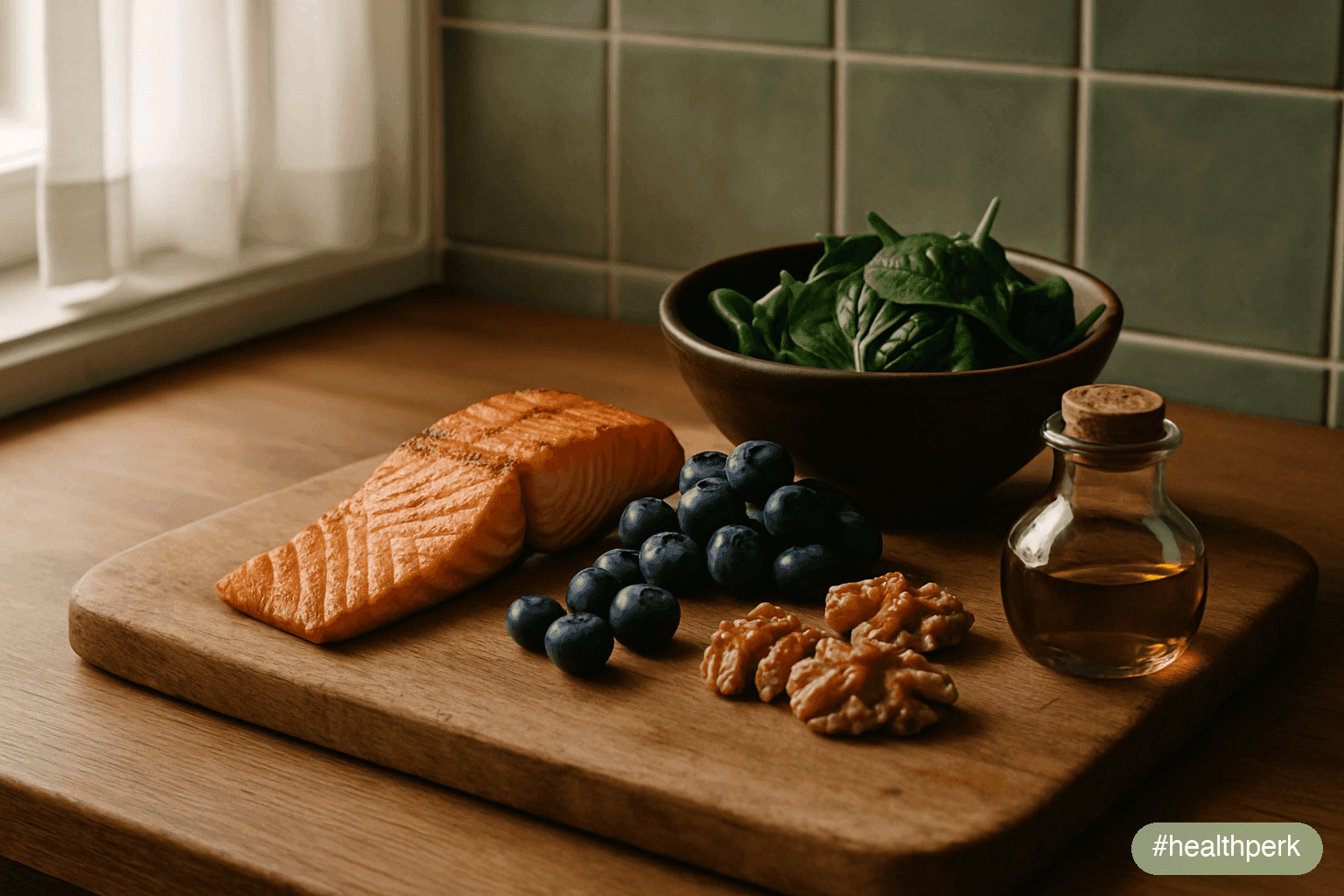
No single food sharpens concentration the way a strong coffee does. What the 2026 evidence does support, consistently and across multiple large cohorts, is that an overall dietary pattern rich in oily fish, leafy greens, berries, nuts, extra-virgin olive oil, and whole grains predicts better cognitive performance and slower cognitive decline. The two most studied patterns — the Mediterranean diet and the MIND diet — share the same backbone and the same handful of high-leverage foods. Within that pattern, the foods with the strongest direct evidence for cognitive benefit are fatty fish (twice weekly), leafy greens (daily), berries (several times a week), and nuts (a small daily handful).
A practical priority list for 2026:
| Tier | Foods | Evidence | Frequency |
|---|---|---|---|
| 1 — Strongest | Fatty fish, leafy greens, berries, extra-virgin olive oil | Strong (large cohorts, RCTs) | Daily or several times weekly |
| 2 — Reliable supporting | Nuts, whole grains, legumes, eggs | Moderate–strong | Daily |
| 3 — Helpful in pattern | Avocado, dark chocolate (≥70%), green tea, coffee | Moderate | Most days |
| 4 — Limit, do not eliminate | Ultra-processed foods, refined sugar, fried foods, processed meats | Strong (negative association) | Occasional |
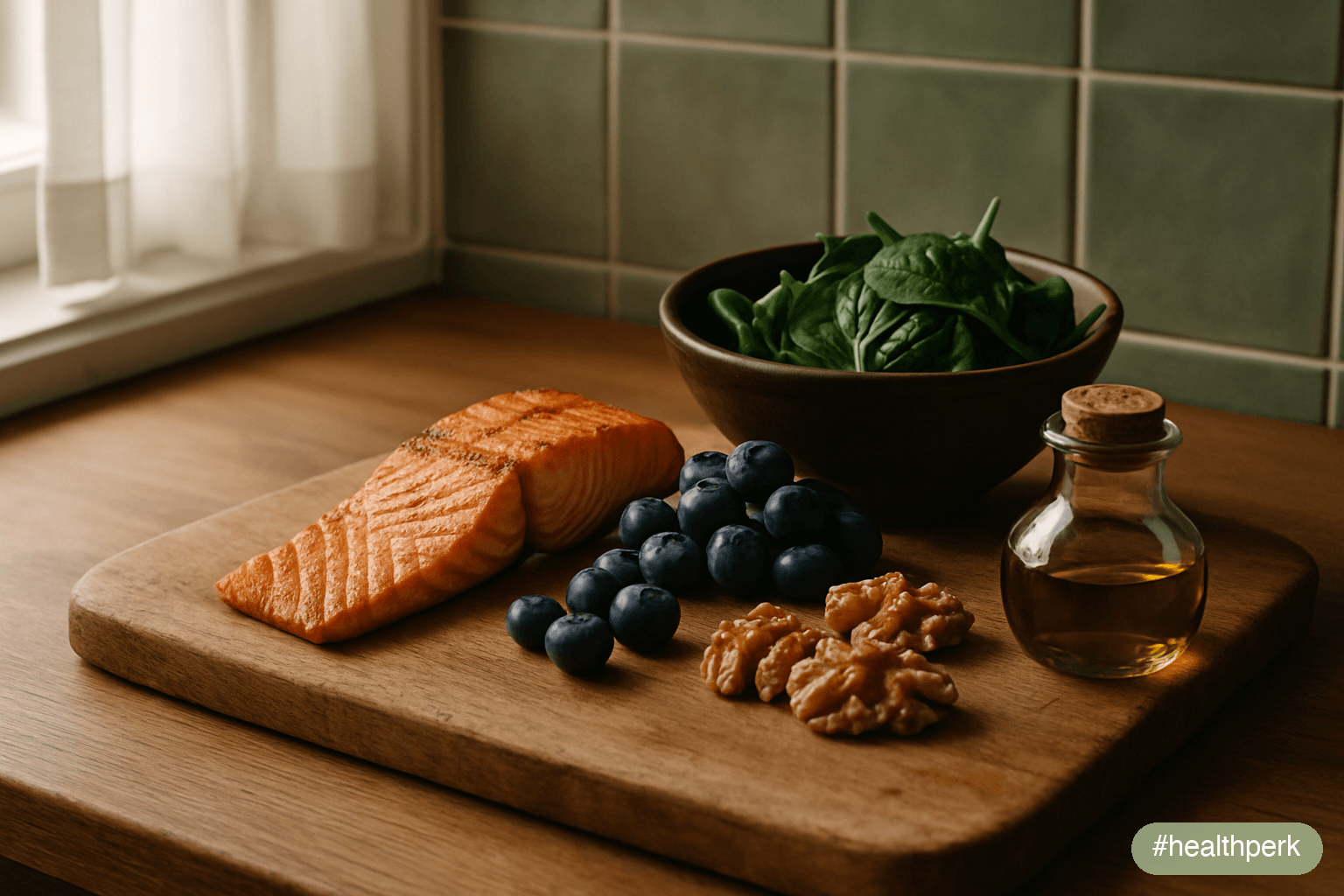
Foods that improve concentration is one of the most searched health questions of 2026, and one of the most consistently answered by long-term nutrition research. Unlike supplements, where evidence quality varies wildly across compounds, the evidence on diet and brain health has converged on a remarkably stable picture over the last fifteen years: the same broad pattern — Mediterranean-style eating with extra emphasis on greens and berries — keeps appearing at the top of meta-analyses, large prospective cohorts, and the few long-running randomized trials in the field.
This guide focuses on what the cumulative evidence actually supports, rather than on the rotating list of "superfoods" that dominate social-media coverage. The honest framing is that no individual food is a nootropic, and the daily pattern matters more than any single ingredient. That said, certain foods earn a place at the table because they reliably contribute the nutrients — omega-3 fatty acids, polyphenols, folate, vitamin K, and unsaturated fats — that the brain uses for membrane structure, neurotransmission, and protection against oxidative damage.
Table of Contents
- Diet for Brain Health: The Pattern That Beats Any Single Food
- Best Vitamins for Brain Health: From Food First, Supplement Second
- Omega 3 for Brain Health Dosage: What the 2026 Evidence Supports
- Foods That Improve Concentration in Daily Practice
- What to Limit, and Why
- Frequently Asked Questions
- References
Diet for Brain Health: The Pattern That Beats Any Single Food
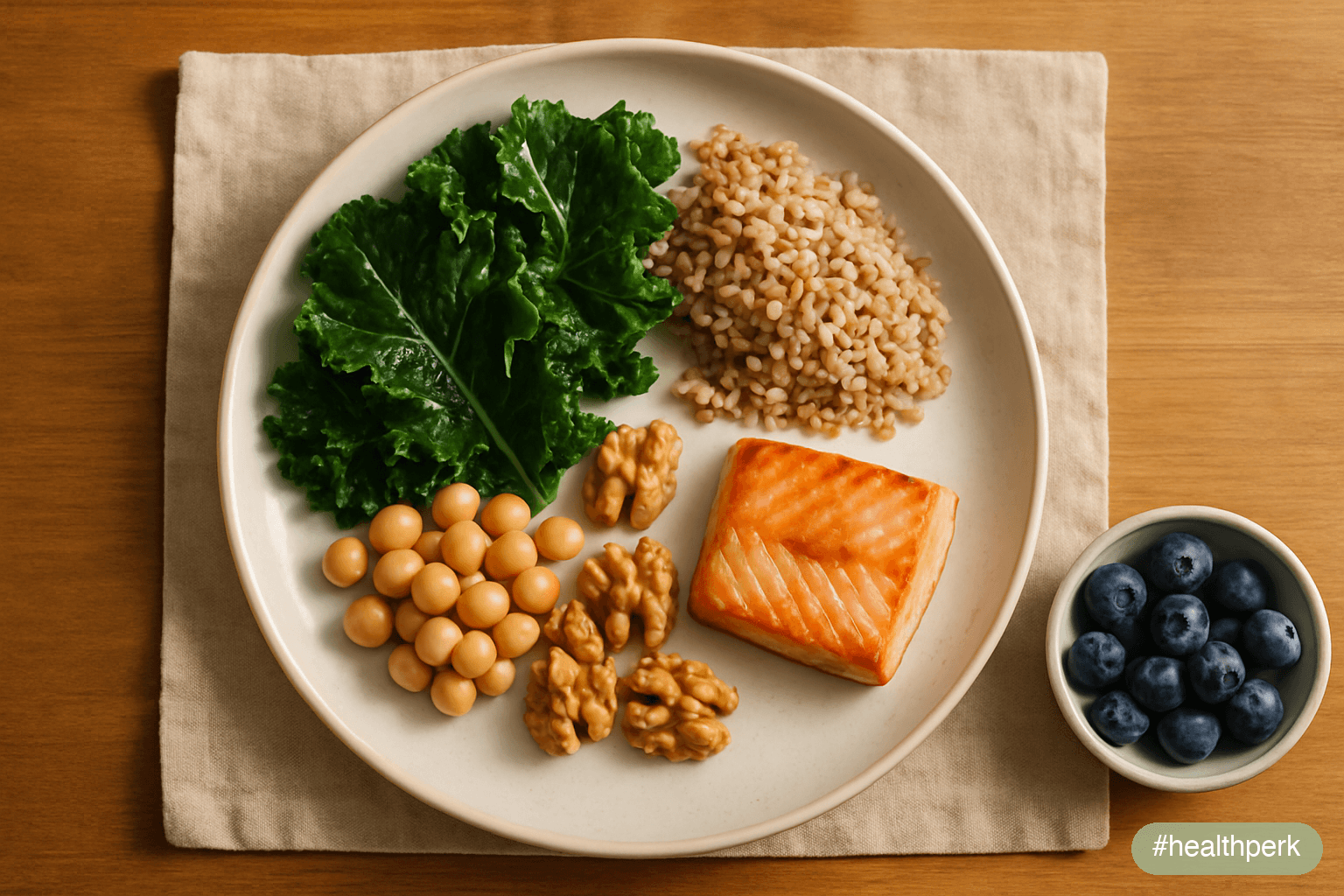
Diet for brain health has been studied most rigorously through two overlapping patterns: the Mediterranean diet and the MIND diet. Both emphasize plants, fish, unsaturated fats, and whole grains; both de-emphasize ultra-processed foods, red and processed meats, refined sugars, and butter or margarine. The MIND diet (Mediterranean-DASH Intervention for Neurodegenerative Delay) was specifically constructed to highlight foods with the strongest brain-aging evidence — leafy greens, berries, nuts, and fish — and to set explicit servings-per-week targets.
What the 2023 New England Journal of Medicine MIND trial (Barnes et al.) showed, after three years of structured intervention in older adults, was modest. Both the MIND-diet group and a calorie-matched control group improved on cognitive tests, with no statistically significant difference between them. This was widely misreported as "diet doesn't work for the brain." The more accurate reading: a three-year, partial-adherence intervention in adults who already had near-normal cognition is a narrow window, and the long observational evidence remains robust. The largest prospective cohorts — Rush Memory and Aging Project, EPIC, PREDIMED follow-ups — continue to show that closer adherence to Mediterranean or MIND patterns associates with slower cognitive decline and lower dementia risk over years to decades.
The practical lesson of the trial is not "ignore diet" but "diet works slowly, and the pattern matters more than any single dramatic change in late adulthood." Adopting the pattern earlier and maintaining it longer is what the cohort evidence actually supports.
Components that appear in every successful pattern
- Vegetables, especially leafy greens — daily servings, with green leafy vegetables (spinach, kale, romaine, arugula, collards) singled out by MIND-diet research as particularly protective.
- Berries — blueberries and strawberries have the most cognition-specific evidence, with anthocyanin polyphenols implicated in vascular and inflammatory mechanisms.
- Fatty fish — salmon, sardines, mackerel, herring, trout — twice weekly minimum in most successful trial diets.
- Nuts and seeds — a small daily handful (~28 g) of walnuts, almonds, or mixed nuts.
- Whole grains — oats, quinoa, whole-wheat bread, brown rice; three or more daily servings in MIND-diet structure.
- Legumes — beans, lentils, chickpeas; multiple weekly servings.
- Extra-virgin olive oil as the primary added fat. The PREDIMED-NAVARRA trial reported cognitive benefit in older adults randomized to a Mediterranean diet supplemented with olive oil at roughly 50 mL/day (Martínez-Lapiscina et al., 2013).
- Modest poultry intake and limited red meat, with processed meat minimized.
What is consistently absent from brain-healthy patterns
The patterns that show cognitive benefit also show consistent restrictions on ultra-processed foods, sugar-sweetened beverages, fried foods, fast food, and refined grains. A 2023 JAMA Neurology analysis (Gomes Gonçalves et al.) found that higher ultra-processed food intake associated with measurably faster cognitive decline in middle-aged and older adults, independent of total calories. The story is not just "eat more good food" but also "eat less industrially processed food."
Best Vitamins for Brain Health: From Food First, Supplement Second
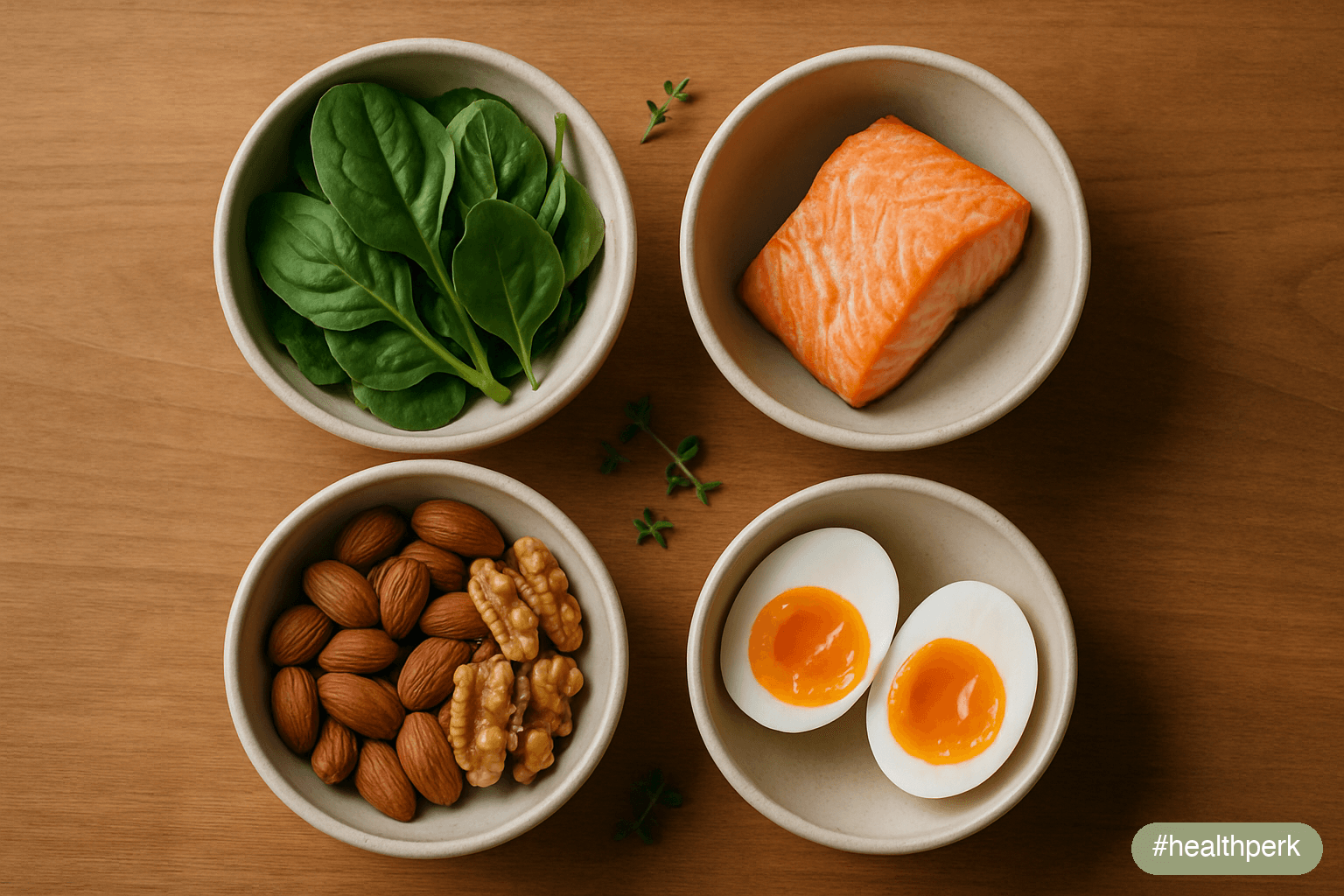
Best vitamins for brain health are the ones the brain actually uses for documented biochemical functions, and they come — first — from food. Supplements correct deficiencies; food provides the full matrix of vitamins, minerals, and accompanying compounds (fibre, polyphenols, fatty acids) that experimental trials of isolated vitamins have repeatedly failed to replicate.
The five vitamins with the most direct cognitive evidence:
- Vitamin B12 (cobalamin). Required for myelin synthesis and neurotransmitter production. Best food sources: fish, shellfish, eggs, dairy, fortified plant milks. Vegans and vegetarians who do not use fortified foods are at meaningful risk and should test and supplement when needed.
- Folate (vitamin B9). Works with B12 in one-carbon metabolism. Best food sources: leafy greens, legumes, asparagus, citrus, fortified grains. Adequate intake from food is achievable in most diets.
- Vitamin D. Receptors throughout the brain. Few foods are rich sources — fatty fish, egg yolks, and fortified dairy or plant milks — and most adults in higher latitudes do not reach recommended levels from food alone. Sunlight exposure plus moderate supplementation when levels are low is the realistic pattern.
- Vitamin E. Lipid-soluble antioxidant concentrated in nerve tissue. Best food sources: almonds, sunflower seeds, hazelnuts, spinach, avocado, wheat germ. Food-derived vitamin E associates with better cognitive outcomes in observational studies, while high-dose isolated vitamin E supplements show neutral-to-slightly-negative effects in trials.
- Vitamin K (especially K1, phylloquinone). Found in leafy greens; involved in sphingolipid metabolism in the brain. Higher dietary intake associates with better cognitive performance in older adults across multiple cohorts.
Three minerals worth naming in the same breath
Although the question is framed around vitamins, three minerals belong to any honest list:
- Iron — fish, lean red meat in moderation, beans, lentils, fortified grains, paired with vitamin C for absorption. Deficiency without anemia still produces cognitive symptoms in menstruating women and frequent blood donors.
- Magnesium — leafy greens, nuts, seeds, whole grains, dark chocolate. Often under-consumed in industrialized diets.
- Iodine — sea fish, dairy, iodized salt, seaweed in moderation. Necessary for thyroid hormone production, which in turn governs cognitive energy.
When supplements make sense
Supplements are a reasonable layer when a food-first approach is impossible or incomplete: confirmed B12 deficiency on a plant-based diet, vitamin D below 30 ng/mL after winter, iron deficiency confirmed by ferritin testing, or omega-3 in adults who do not eat fish. They are not a substitute for the dietary pattern; they are a corrective on top of it.
Omega 3 for Brain Health Dosage: What the 2026 Evidence Supports
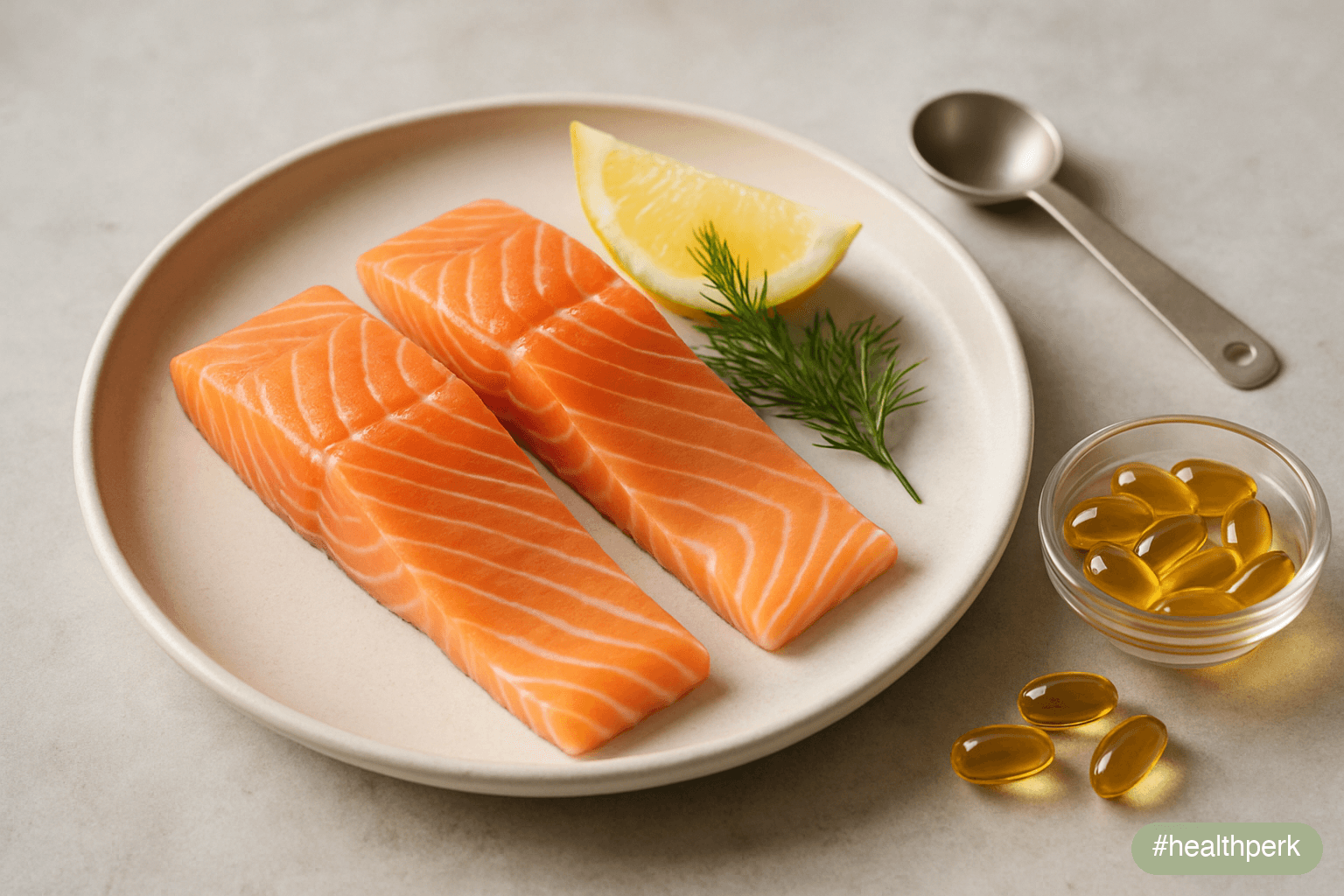
Omega 3 for brain health dosage is one of the most frequently asked supplement questions of the last several years, and the answer has stabilized in 2026 around a small number of evidence-based ranges. The two cognitively relevant long-chain omega-3 fatty acids are EPA (eicosapentaenoic acid) and DHA (docosahexaenoic acid). DHA is the dominant structural fatty acid in brain cell membranes; EPA has the larger anti-inflammatory and mood-modulating role. Plant-source ALA (alpha-linolenic acid, found in flax, chia, and walnuts) is a useful background nutrient but is converted to EPA and DHA at very low efficiency in adults — typically under 10% for EPA and well under 1% for DHA.
The current evidence-supported ranges:
- For general brain health from food: two servings of fatty fish per week (≈8 oz total), which provides roughly 250–500 mg/day combined EPA + DHA on average. This is the level the American Heart Association, the European Food Safety Authority, and most international guidelines have endorsed for general cardiovascular and brain health.
- For adults who do not eat fish: a daily supplement providing ≈250–500 mg combined EPA + DHA from fish oil, algae oil, or krill oil is a reasonable replacement floor. Algae oil is the preferred vegan option and is bioequivalent.
- For cognitive symptoms in adults with low baseline intake: trials supporting cognitive benefit have typically used 1,000–2,000 mg combined EPA + DHA per day for 12 weeks or longer. Meta-analyses of EPA-predominant formulations in adults with cognitive complaints in the context of depression have found modest improvements at this dosing range.
- For older adults concerned about long-term cognitive decline: prospective cohorts (including the Framingham Offspring follow-up) show that higher blood DHA levels associate with better long-term cognitive trajectories. Achieving and maintaining a DHA-rich pattern earlier in life appears more useful than starting late.
Practical notes for 2026 buyers
- Look at the label for EPA and DHA totals, not the fish-oil total. A "1,000 mg fish oil" capsule may contain only 300 mg combined EPA + DHA.
- Triglyceride or re-esterified triglyceride forms are generally better absorbed than ethyl ester forms.
- Algae oil is the appropriate vegan/vegetarian source. Flax and chia provide ALA but cannot meaningfully replace EPA and DHA from marine sources.
- Refrigerate after opening. Oxidized fish oil is one of the more common quality problems and removes most of the benefit.
- Upper limits. EFSA considers up to 5 g/day combined EPA + DHA from supplements to be safe for adults, but most cognitive benefits plateau well before that.
When omega-3 is unlikely to help
Adults who already eat oily fish two or three times a week and have no specific symptoms are unlikely to gain detectable benefit from adding another 1 g/day of fish oil. The largest individual responses are in adults with low baseline intake; in adults already eating fish regularly, additional supplementation produces diminishing returns.
Foods That Improve Concentration in Daily Practice
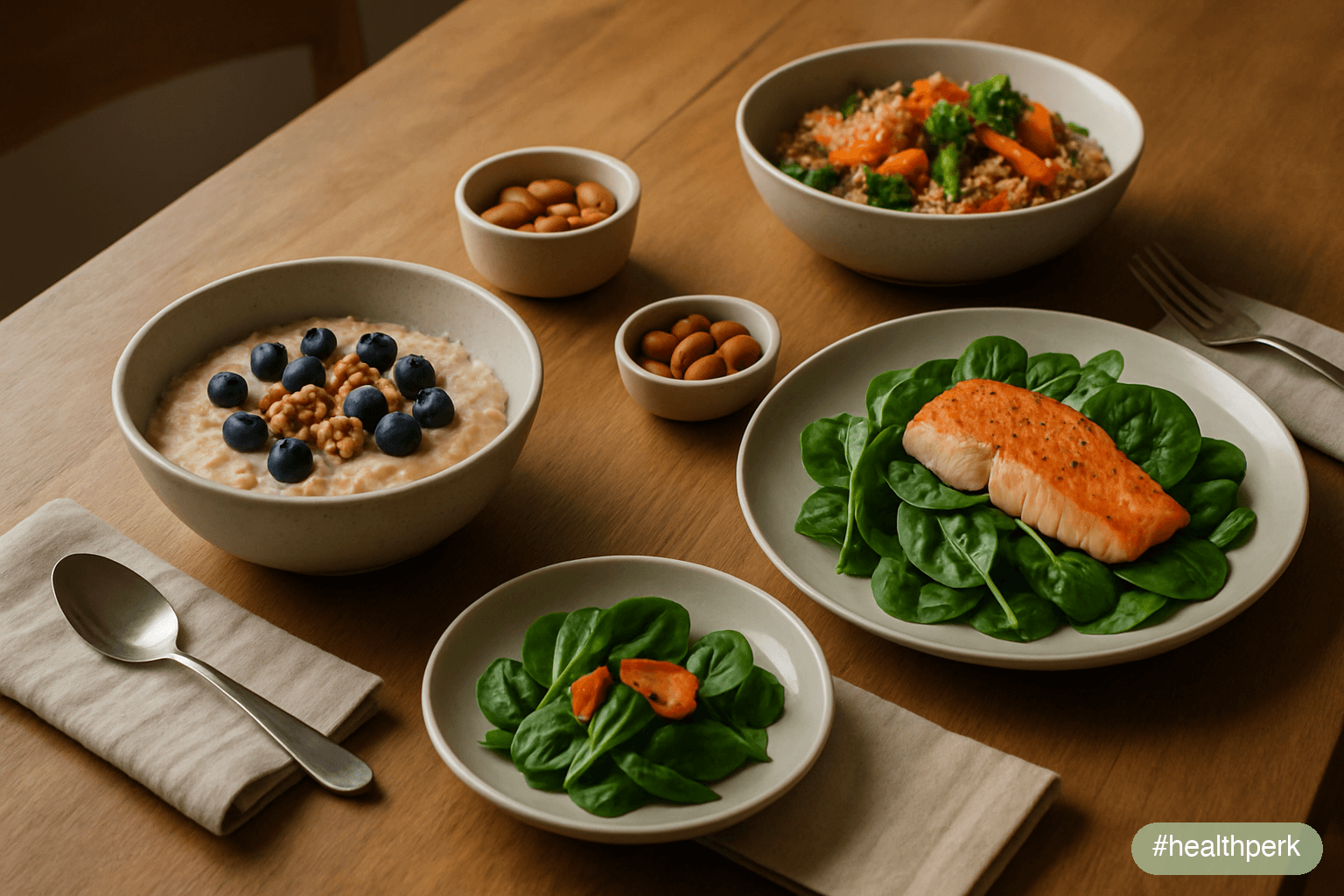
The translation from "pattern" to "what to actually put on the plate this week" is where most readers get stuck. The MIND-diet research provides serving targets that map cleanly onto daily life:
- Leafy greens: 6+ servings per week (a serving = 1 cup raw or ½ cup cooked).
- Other vegetables: 1+ servings per day.
- Berries: 2+ servings per week (½ cup each).
- Nuts: 5+ servings per week (1 oz / 28 g each).
- Whole grains: 3+ servings per day.
- Fatty fish: 1+ serving per week (the MIND-diet floor; 2 servings weekly is preferable for most adults).
- Beans/legumes: 3+ servings per week.
- Poultry: 2+ servings per week, replacing red meat.
- Olive oil as the primary fat for cooking and dressing.
- Modest wine (optional, ≤1 small glass/day) — note that the 2023 update from the WHO recommends no alcohol as the safest level, and the cognitive benefit of moderate wine is contested in the most recent meta-analyses.
A simple week of brain-healthy meals
- Breakfast options: oatmeal with berries and walnuts; Greek yoghurt with chia, blueberries, and almonds; eggs with sautéed spinach on whole-grain toast.
- Lunch options: lentil and spinach soup; grain bowl with quinoa, roasted vegetables, chickpeas, and olive oil; sardines on whole-grain crackers with salad.
- Dinner options: baked salmon with roasted greens; chicken and white-bean stew; vegetarian chili with mixed beans; trout with lemon, olive oil, and a kale-and-citrus salad.
- Snacks: a small handful of mixed nuts; a square of 70%+ dark chocolate; an apple with almond butter; carrot sticks with hummus.
The single-meal effect — and its limits
A small but consistent body of research suggests that individual meals can affect concentration on the same day. A high-glycemic, large refined-carbohydrate meal often produces a post-prandial dip in attention 60–120 minutes later. A balanced meal with protein, fibre, and unsaturated fat tends to support more stable post-meal alertness. This is real, but small relative to the long-term effects of the overall pattern; do not optimize the breakfast and ignore the rest of the week.
What to Limit, and Why
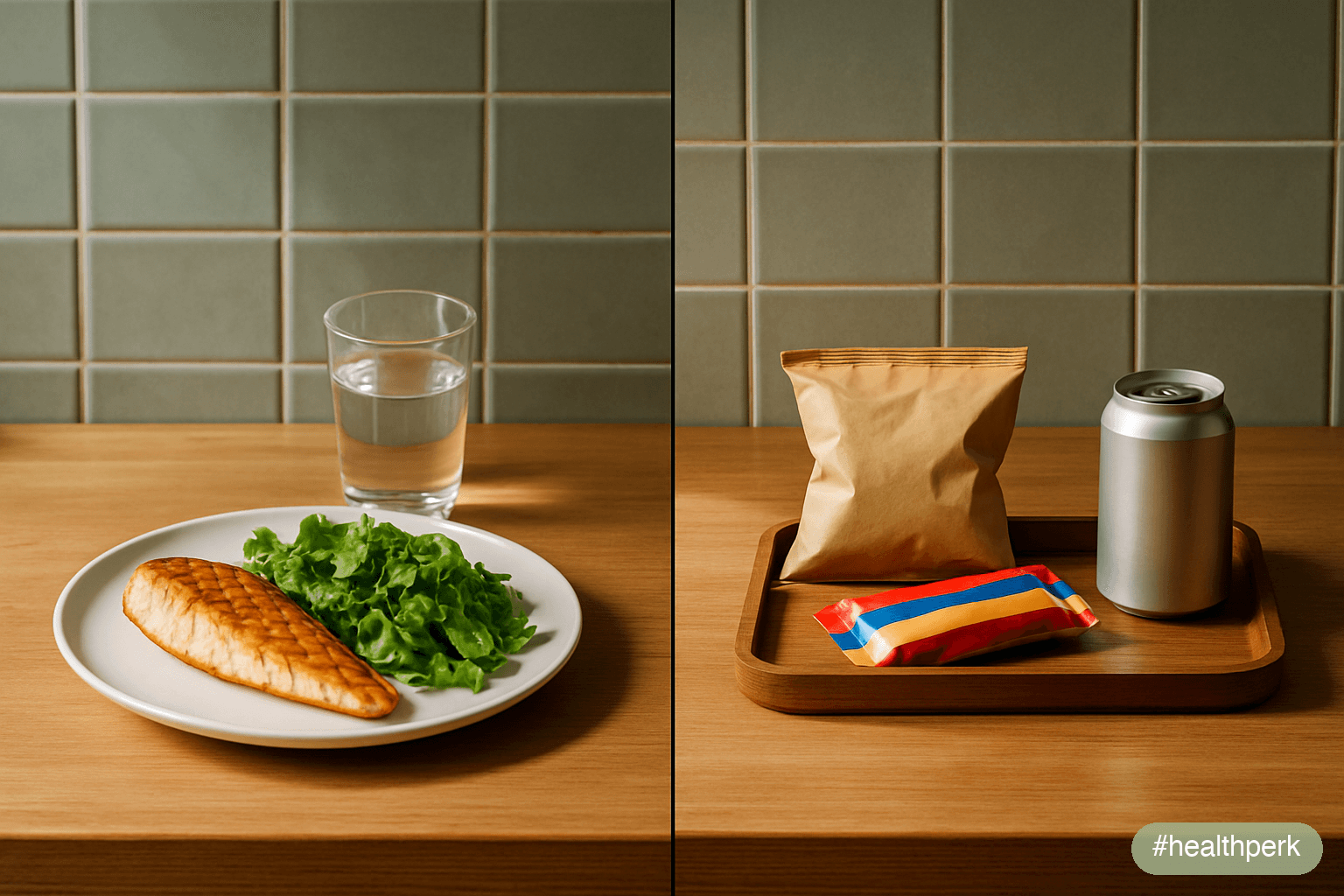
The cognitive evidence for restriction is, in some ways, even more consistent than for inclusion. Across MIND, Mediterranean, and DASH-style patterns, the same short list of foods reliably appears in the "limit" category — and recent ultra-processed-food analyses in cohort studies have strengthened the case.
- Ultra-processed foods — chips, sweetened cereals, packaged baked goods, processed meats, instant noodles, most fast food. High intake associates with faster cognitive decline and higher dementia risk in large cohorts.
- Sugar-sweetened beverages — soda, sweetened iced teas, energy drinks. Repeatedly linked to poorer cognitive outcomes and to metabolic and vascular changes that further harm the brain.
- Refined grains — white bread, white rice, most pastries — when they dominate the diet rather than appearing occasionally.
- Trans fats — now largely phased out of food supplies but still present in some imported products and traditional fried foods; associated with worse cognitive outcomes wherever they remain.
- Excess alcohol — beyond modest amounts associates with measurable cognitive decline; the 2018 Lancet analysis concluded no safe level for overall health, and brain MRI cohort data show structural changes even at moderate intake.
The most useful framing is "limit, don't eliminate." Cognitive diets are not punitive elimination diets; they are predominantly-plant, fish-forward, olive-oil-based eating patterns with occasional indulgences. Sustainability matters more than perfect adherence, and the cohort data reward partial adherence as well — moderate Mediterranean-style eating predicts better outcomes than no adherence.
Related Articles on HealthPerk
Explore more on this topic:
- Best Supplements for Focus and Concentration
- Brain Fog Causes and Solutions
- How to Improve Focus Naturally
- How to Increase Concentration Fast
- Best Nootropics for Beginners
- L-Theanine vs Caffeine for Focus
- Best Apps to Improve Focus and Productivity
Frequently Asked Questions
What foods that improve concentration have the strongest 2026 evidence?
The foods with the strongest and most consistent cognitive evidence are fatty fish (twice weekly), leafy greens (daily), berries (several times weekly), nuts (a daily small handful), and extra-virgin olive oil as the primary added fat. These appear in every diet pattern with measured cognitive benefit, from Mediterranean to MIND. No single food acts as a same-day focus enhancer the way caffeine does; the benefit is in the pattern over months and years.
What diet for brain health do studies most consistently support?
The Mediterranean diet and its MIND-diet variant have the most consistent supporting evidence across large cohorts and the few long-term trials. Both emphasize plants, fish, unsaturated fats, and whole grains while limiting ultra-processed foods, refined sugar, and red and processed meats. The 2023 MIND trial showed only a small short-term advantage over a calorie-matched comparator, but the longer-term cohort evidence for the pattern remains robust.
What are the best vitamins for brain health to prioritize from food?
The vitamins with the most direct cognitive evidence are B12, folate, vitamin D, vitamin E, and vitamin K. Food sources include fish, shellfish, eggs, leafy greens, legumes, nuts, seeds, and olive oil. For most adults, prioritize the food sources and use supplements only to correct documented deficiencies — particularly vitamin B12 in vegans and vegetarians and vitamin D in higher latitudes or with limited sun exposure.
What omega 3 for brain health dosage is reasonable for most adults?
For general brain health, the equivalent of about 250–500 mg combined EPA + DHA per day from food (two servings of fatty fish weekly) or supplements is the level supported by major guidelines. For adults with cognitive complaints or low baseline intake, trials supporting cognitive benefit have used 1,000–2,000 mg combined EPA + DHA daily for 12 weeks or longer. Algae oil is the preferred vegan source; flax and chia provide ALA but cannot meaningfully replace EPA and DHA.
Can a single meal affect concentration?
Yes, modestly. A high-glycemic refined-carbohydrate meal often produces a post-prandial dip in attention 60–120 minutes later, while a balanced meal with protein, fibre, and unsaturated fat tends to support more stable alertness. The same-day effect is real but small compared with the long-term effect of the overall dietary pattern. Optimizing one meal while neglecting the rest of the week is a poor trade.
How long does it take for a brain-healthy diet to make a difference?
Some effects, like more stable post-meal energy and reduced afternoon fog from blood-sugar swings, appear within days to weeks. Cognitive performance changes that are measurable on standardized tests usually require months of consistent eating. The largest effects — slower long-term cognitive decline and reduced dementia risk — accumulate over years to decades and are best supported when the pattern is adopted earlier in adulthood rather than late.
Should I take a fish-oil supplement if I eat fish regularly?
For adults who already eat oily fish two or three times weekly and have no specific cognitive or mood symptoms, additional fish-oil supplementation produces diminishing returns and is unlikely to deliver detectable extra benefit. The strongest individual responses to supplementation are in adults with low baseline intake. Where supplements are used, prioritize products that disclose EPA and DHA totals (not just "fish oil"), use a triglyceride form, and are stored refrigerated after opening.
This article is for informational purposes only and does not constitute medical advice. Dietary changes can interact with medications and may be inappropriate during pregnancy, breastfeeding, or in the presence of certain medical conditions including kidney disease, liver disease, food allergies, and bleeding disorders. Consult a qualified healthcare provider or registered dietitian before making major dietary changes, particularly if you are taking prescription medications such as anticoagulants. Individual nutritional needs vary, and recommended intakes should be tailored to age, sex, activity level, and medical history
About the author The HealthPerk Editorial Team reviews nutritional and cognitive health research through evidence synthesis cross-referenced with peer-reviewed clinical trials, large prospective cohorts, and clinical practice guidelines. Our nutrition content is reviewed for accuracy against current internal medicine and nutritional science standards. How we review →
References
Morris, M. C., Tangney, C. C., Wang, Y., Sacks, F. M., Bennett, D. A., & Aggarwal, N. T. (2015). MIND diet associated with reduced incidence of Alzheimer's disease. Alzheimer's & Dementia, 11(9), 1007–1014. https://doi.org/10.1016/j.jalz.2014.11.009
Supports: MIND diet adherence associates with reduced Alzheimer's disease incidence in older adults
Barnes, L. L., Dhana, K., Liu, X., Carey, V. J., Ventrelle, J., Johnson, K., ... & Sacks, F. M. (2023). Trial of the MIND diet for prevention of cognitive decline in older persons. New England Journal of Medicine, 389(7), 602–611. https://doi.org/10.1056/NEJMoa2302368
Supports: 3-year MIND-diet intervention produced modest cognitive improvement comparable to calorie-matched control in older adults
Martínez-Lapiscina, E. H., Clavero, P., Toledo, E., Estruch, R., Salas-Salvadó, J., San Julián, B., ... & Martínez-González, M. Á. (2013). Mediterranean diet improves cognition: The PREDIMED-NAVARRA randomised trial. Journal of Neurology, Neurosurgery, and Psychiatry, 84(12), 1318–1325. https://doi.org/10.1136/jnnp-2012-304792
Supports: Mediterranean diet supplemented with olive oil or nuts improves cognitive performance in older adults
Gomes Gonçalves, N., Vidal Ferreira, N., Khandpur, N., Martinez Steele, E., Bertazzi Levy, R., Andrade Lotufo, P., ... & Suemoto, C. K. (2023). Association between consumption of ultraprocessed foods and cognitive decline. JAMA Neurology, 80(2), 142–150. https://doi.org/10.1001/jamaneurol.2022.4397
Supports: higher ultra-processed food intake associates with faster cognitive decline in middle-aged and older adults
Devore, E. E., Kang, J. H., Breteler, M. M., & Grodstein, F. (2012). Dietary intakes of berries and flavonoids in relation to cognitive decline. Annals of Neurology, 72(1), 135–143. https://doi.org/10.1002/ana.23594
Supports: higher intake of berries and flavonoids associates with slower rates of cognitive decline in older women
Morris, M. C., Wang, Y., Barnes, L. L., Bennett, D. A., Dawson-Hughes, B., & Booth, S. L. (2018). Nutrients and bioactives in green leafy vegetables and cognitive decline: Prospective study. Neurology, 90(3), e214–e222. https://doi.org/10.1212/WNL.0000000000004815
Supports: daily green leafy vegetable intake associates with slower cognitive decline in older adults
EFSA Panel on Dietetic Products, Nutrition, and Allergies (NDA). (2012). Scientific opinion related to the tolerable upper intake level of eicosapentaenoic acid (EPA), docosahexaenoic acid (DHA) and docosapentaenoic acid (DPA). EFSA Journal, 10(7), 2815. https://doi.org/10.2903/j.efsa.2012.2815
Supports: tolerable upper intake reference for combined EPA + DHA from supplements in adults
Bauer, I., Hughes, M., Rowsell, R., Cockerell, R., Pipingas, A., Crewther, S., & Crewther, D. (2014). Omega-3 supplementation improves cognition and modifies brain activation in young adults. Human Psychopharmacology: Clinical and Experimental, 29(2), 133–144. https://doi.org/10.1002/hup.2379
Supports: omega-3 supplementation improves cognitive performance and brain activation in healthy adults
Yurko-Mauro, K., Alexander, D. D., & Van Elswyk, M. E. (2015). Docosahexaenoic acid and adult memory: A systematic review and meta-analysis. PLOS ONE, 10(3), e0120391. https://doi.org/10.1371/journal.pone.0120391
Supports: DHA supplementation produces measurable improvements in episodic and working memory in adults
Gregory, S., Pullen, H., Ritchie, C. W., Shannon, O. M., Stevenson, E. J., & Muniz-Terrera, G. (2023). Mediterranean diet and structural neuroimaging biomarkers of Alzheimer's and cerebrovascular disease: A systematic review. Experimental Gerontology, 172, 112065. https://doi.org/10.1016/j.exger.2022.112065
Supports: Mediterranean diet adherence associates with favourable structural brain biomarkers relevant to Alzheimer's and cerebrovascular disease
Frequently Asked Questions
What foods that improve concentration have the strongest 2026 evidence?
The foods with the strongest cognitive evidence are fatty fish (twice weekly), leafy greens (daily), berries (several times weekly), nuts (a daily small handful), and extra-virgin olive oil as the primary added fat. These appear in every diet pattern with measured cognitive benefit, from Mediterranean to MIND. The benefit is in the pattern sustained over months and years.
What diet for brain health do studies most consistently support?
The Mediterranean and MIND diets have the most consistent supporting evidence. Both emphasize plants, fish, unsaturated fats, and whole grains while limiting ultra-processed foods, refined sugar, and red and processed meats. The 2024 MIND trial showed only a small short-term advantage over a calorie-matched comparator, but the longer-term cohort evidence remains robust.
What are the best vitamins for brain health to prioritize from food?
The vitamins with the most direct cognitive evidence are B12, folate, vitamin D, vitamin E, and vitamin K. Food sources include fish, shellfish, eggs, leafy greens, legumes, nuts, seeds, and olive oil. Use supplements only to correct documented deficiencies, particularly B12 in vegans and vitamin D in higher latitudes or with limited sun exposure.
What omega 3 for brain health dosage is reasonable for most adults?
For general brain health, about 250-500 mg combined EPA + DHA daily from food (two weekly servings of fatty fish) or supplements matches major guidelines. For cognitive complaints or low baseline intake, trials have used 1,000-2,000 mg combined EPA + DHA daily for 12 weeks or longer. Algae oil is the preferred vegan source.
Can a single meal affect concentration?
Yes, modestly. A high-glycemic refined-carbohydrate meal often produces a post-prandial dip in attention 60-120 minutes later, while a balanced meal with protein, fibre, and unsaturated fat supports more stable alertness. The same-day effect is small relative to the long-term effect of the overall pattern.
How long does it take for a brain-healthy diet to make a difference?
Some effects appear within days to weeks, such as more stable post-meal energy. Cognitive performance changes that are measurable on standardized tests usually require months of consistent eating. The largest effects on long-term cognitive decline accumulate over years to decades.
Should I take a fish-oil supplement if I eat fish regularly?
Adults who already eat oily fish two or three times weekly and have no specific symptoms are unlikely to gain detectable benefit from additional supplementation. The strongest individual responses are in adults with low baseline intake. Prioritize products that disclose EPA and DHA totals, use a triglyceride form, and are refrigerated after opening.
More from Supplements