Best Supplements for Immune System: A 2026 Evidence Guide to Vitamins, Minerals, and Probiotics
Best Supplements for Immune System: A 2026 Evidence Guide to Vitamins, Minerals, and Probiotics
By the HealthPerk Editorial Team · Last updated: May 2026
Quick Answer
Which supplements actually support the immune system?
Most "immune boost" supplements on retail shelves lack outcome-grade trial evidence. The short list of supplements with consistent randomized-trial support in healthy adults is small: vitamin D for adults with low baseline 25(OH)D, zinc lozenges started within 24 hours of cold symptoms, and select probiotic strains for reducing upper-respiratory infection frequency. Vitamin C modestly shortens cold duration but does not prevent colds in the general population. Multi-herb "immune blends," elderberry syrups, and IV vitamin drips do not consistently outperform basic micronutrient repletion in trial settings.
| Goal | Strongest 2026 evidence | Realistic effect |
|---|---|---|
| Prevent acute respiratory infections | Vitamin D 1,000–2,000 IU/day if deficient | ~12% pooled; larger in deficient subgroups |
| Shorten an active cold | Zinc lozenges 75 mg/day within 24 h | ~33% duration cut |
| Reduce cold frequency | Specific probiotic strains (LGG, L. casei DN-114001) | 12–24% fewer episodes |
| Modestly shorten cold duration | Vitamin C 200 mg+/day daily | ~8% shorter (adults) |
| Iron-deficiency-driven low immunity (women) | Iron repletion under physician supervision | Resolves over months |
The phrase best supplements for immune system drives one of the highest-volume categories in consumer health search, and one of the most marketed. By 2026, the gap between supplement-industry claims and the actual peer-reviewed evidence is wider than ever for many headline products, and tighter than ever for a short list of targeted interventions. This guide walks through the supplements with current trial-grade support, the doses used in those trials, and the products and combinations that do not hold up under scrutiny.
The goal here is not to dismiss supplementation — for adults with documented deficiencies or strain-specific needs, supplements can meaningfully reduce infection rate. The goal is to separate the inputs that pass evidence checks in 2026 from the inputs that survive only because of marketing momentum.
Table of Contents
- Vitamins to Boost the Immune System
- Vitamin C for Immunity Dosage
- Zinc for Immune System Benefits
- Vitamin D for the Immune System
- Vitamin C vs Zinc for Immunity
- Supplements to Prevent Colds
- Natural Supplements for Immunity
- Probiotics for the Immune System
- Immune System Support for Women
- Frequently Asked Questions
- References
Vitamins to Boost the Immune System
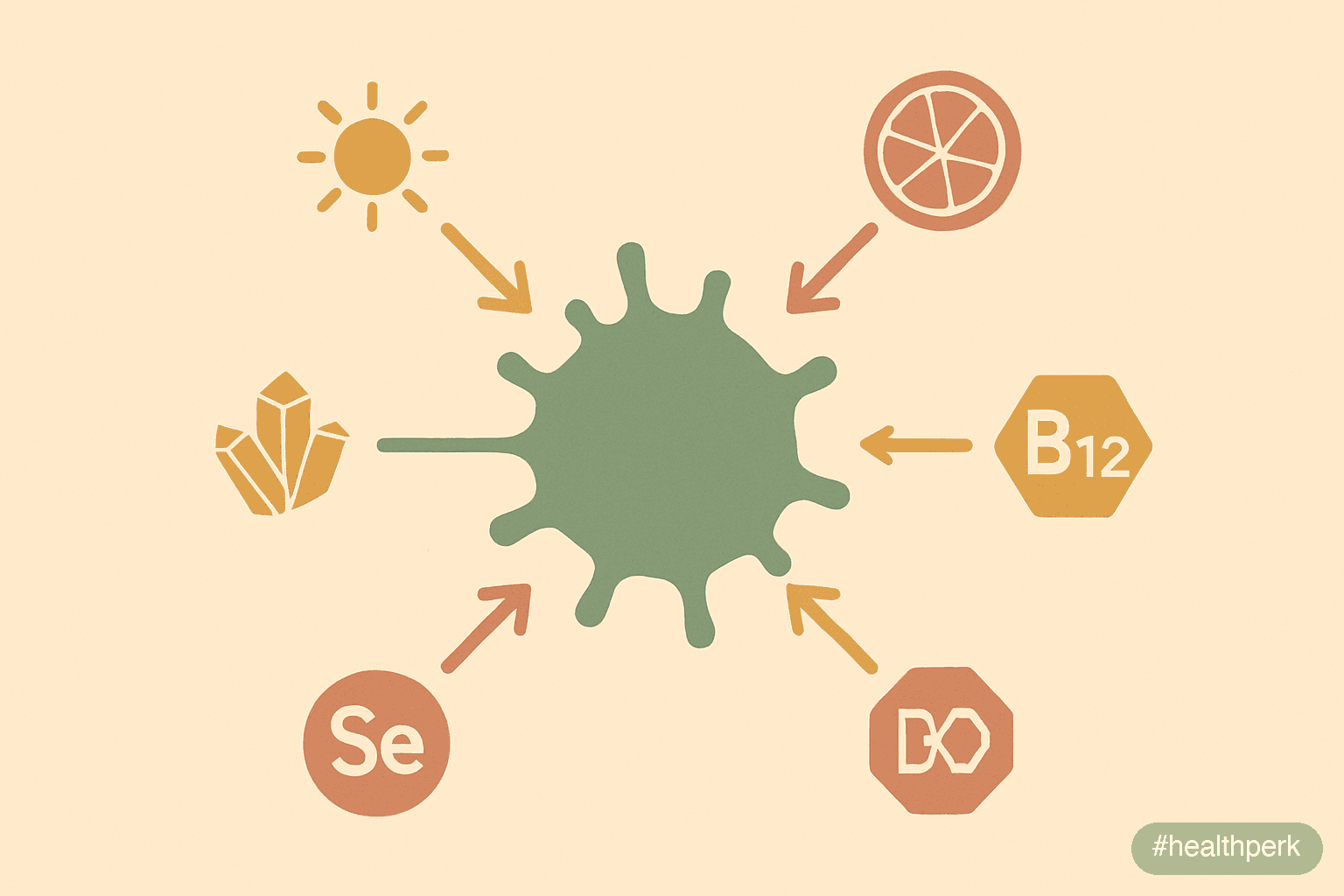
Vitamins to boost immune system function are usually listed as A, C, D, E, B6, B12, plus the minerals zinc, selenium, copper, and iron. The honest 2026 framing is that each of these is required for normal immune function, and frank deficiency in any of them measurably impairs it — but supplementing in already-replete adults rarely produces a measurable benefit. The clinically useful question is which deficiencies are common enough to screen and supplement.
Common deficiencies worth checking in adults with frequent infections:
- Vitamin D (25-hydroxyvitamin D). NHANES data from the United States show roughly 30–40% of adults are below 30 ng/mL year-round, with seasonal lows in northern latitudes between November and April.
- Zinc. Older adults, vegetarians, and people on long-term proton-pump inhibitors or diuretics are at elevated risk; frank deficiency is less common but marginal status is widespread.
- Vitamin B12. Adults over 60, strict vegans, and those on metformin or long-term acid suppression should screen.
- Iron (ferritin). Menstruating women, pregnant women, postpartum mothers, and adults with restricted diets or gastrointestinal disorders.
- Selenium and copper. Rare deficiencies in Western diets but worth checking when other micronutrient status is poor.
Universal high-dose vitamin protocols sold as "immune boost" stacks do not consistently outperform targeted repletion of documented deficiencies. The 2017 BMJ meta-analysis of 25 vitamin D RCTs covering 11,321 participants (Martineau et al., 2017) is a useful case study: pooled benefit was modest but the benefit in baseline-deficient subgroups was substantial, while supplementation in already-replete adults produced little measurable effect.
Vitamin C for Immunity Dosage
Vitamin C for immunity dosage is one of the most over-marketed and over-purchased categories in the supplement industry. The trial evidence is reasonably mature and consistent: routine vitamin C supplementation does not prevent colds in the general population, but it modestly shortens cold duration when taken daily, and shows a preventive effect in people under heavy physical stress such as marathon runners, military recruits in winter exercises, and skiers.
The 2013 Cochrane review of vitamin C trials (Hemilä & Chalker, 2013) summarized:
- General population: routine daily vitamin C did not reduce cold incidence
- High physical-stress contexts: the same protocols approximately halved cold incidence in marathon runners and similar populations
- Once a cold has started: daily supplementation shortens duration by about 8% in adults and 14% in children
- Therapeutic dosing at first symptom: evidence is weaker; benefits are modest at best
Practical dose guidance:
- RDA: 90 mg/day for adult men, 75 mg/day for adult women (more for smokers and pregnant women)
- Functional daily intake for slight duration-shortening effect: 200 mg/day or more, ideally from food first
- Upper limit: 2,000 mg/day; doses above this commonly cause gastrointestinal distress and oxalate-related kidney stone risk in susceptible adults
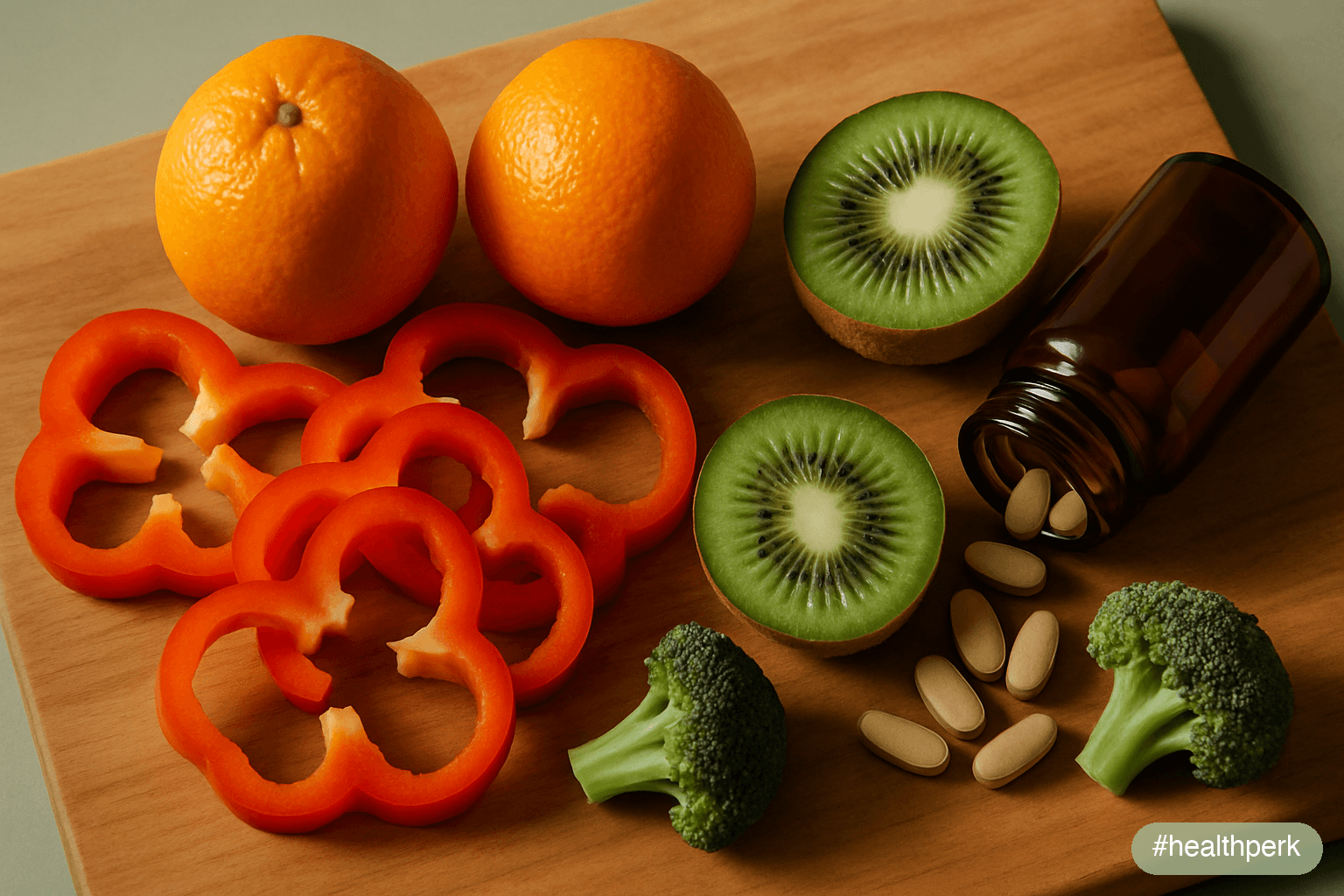
- Food first: a kiwi (~85 mg), a half-cup of red bell pepper (~95 mg), a cup of broccoli (~80 mg), or a medium orange (~70 mg) each provide meaningful doses
Vitamin C megadosing during a cold has not held up in trial settings: doses above 1,000 mg/day acutely have not produced larger benefits than routine 200 mg/day, and IV vitamin C "drips" lack outcome-based trial support for healthy adults with viral upper-respiratory infections.
Zinc for Immune System Benefits
Zinc for immune system benefits has stronger short-window trial evidence than most consumers realize, with one important caveat: the benefit is for established cold infections, not prevention, and the timing window is narrow. The Hemilä 2017 meta-analysis (Hemilä, 2017) compared zinc acetate and zinc gluconate lozenges and found that doses around 75 mg/day of elemental zinc, started within 24 hours of cold onset, shortened cold duration by roughly one-third compared with placebo.
Key points from the 2026 evidence:
- Onset timing matters. Lozenges started within 24 hours of first symptoms shorten duration; later starts show little benefit.
- Dose matters. Below about 75 mg/day total elemental zinc, effects are smaller and less consistent.
- Form matters. Lozenges that dissolve slowly in the mouth — releasing zinc ions onto throat and nasal-passage mucosa — are the form with positive trials. Capsules, oral sprays, and homeopathic dilutions are not supported.
- Acute use only. Chronic high-dose zinc above 40 mg/day total intake (food plus supplements) impairs copper absorption and can produce anemia and neurological symptoms over months.
- Side effects. Common: metallic taste, nausea if taken on an empty stomach. Intranasal zinc products are no longer recommended due to anosmia case reports.
Routine daily zinc supplementation for prevention in already-replete adults has not consistently outperformed placebo in trial settings. The supplement category where zinc holds up is acute therapeutic use, not background prophylaxis. For maintenance, adequate dietary zinc from meat, shellfish, legumes, and seeds (8 mg/day for women, 11 mg/day for men) is sufficient for most adults.
Vitamin D for the Immune System
Vitamin D for immune system function has the strongest preventive trial evidence of any supplement in this category. Vitamin D acts as a signaling molecule on immune cells — including macrophages, dendritic cells, T cells, and B cells — that bind 25(OH)D-derived calcitriol and modulate antimicrobial peptide production, cytokine signaling, and adaptive immune responses.
The 2017 BMJ individual-participant-data meta-analysis (Martineau et al., 2017) pooled 25 trials covering 11,321 participants and found:
- Pooled effect: roughly 12% relative reduction in acute respiratory tract infections in supplemented groups
- Baseline-deficient subgroup (25(OH)D under ~25 nmol/L): adjusted odds ratio ~0.30 (roughly 70% lower odds) with daily or weekly dosing
- Dosing pattern matters: daily or weekly dosing outperformed bolus dosing (a single large dose every 1–3 months)
- Already-replete adults: little measurable benefit
A 2021 update from the same research group (Jolliffe et al., 2021) expanding the dataset to 46 trials and 75,541 participants confirmed the daily/weekly dosing pattern and the baseline-deficient subgroup effect.
Practical dose guidance for adults:
- Screen serum 25(OH)D before high-dose protocols; target a level of 30–50 ng/mL (75–125 nmol/L)
- Maintenance: 1,000–2,000 IU/day of vitamin D3 from October through April for northern-latitude adults; US Institute of Medicine RDA is 600 IU/day for adults 19–70 and 800 IU/day for adults 71+
- Repletion when deficient: physician-supervised loading protocols can normalize 25(OH)D within 2–4 weeks
- Upper limit: 4,000 IU/day for adults; doses up to 10,000 IU/day are well-tolerated but should be monitored
- Take with fat-containing meal for better absorption (vitamin D is fat-soluble)
Vitamin D is the supplement most likely to produce measurable infection-rate benefits at the population level because deficiency is common, repletion is cheap, and the trial signal is consistent across many populations.
Vitamin C vs Zinc for Immunity
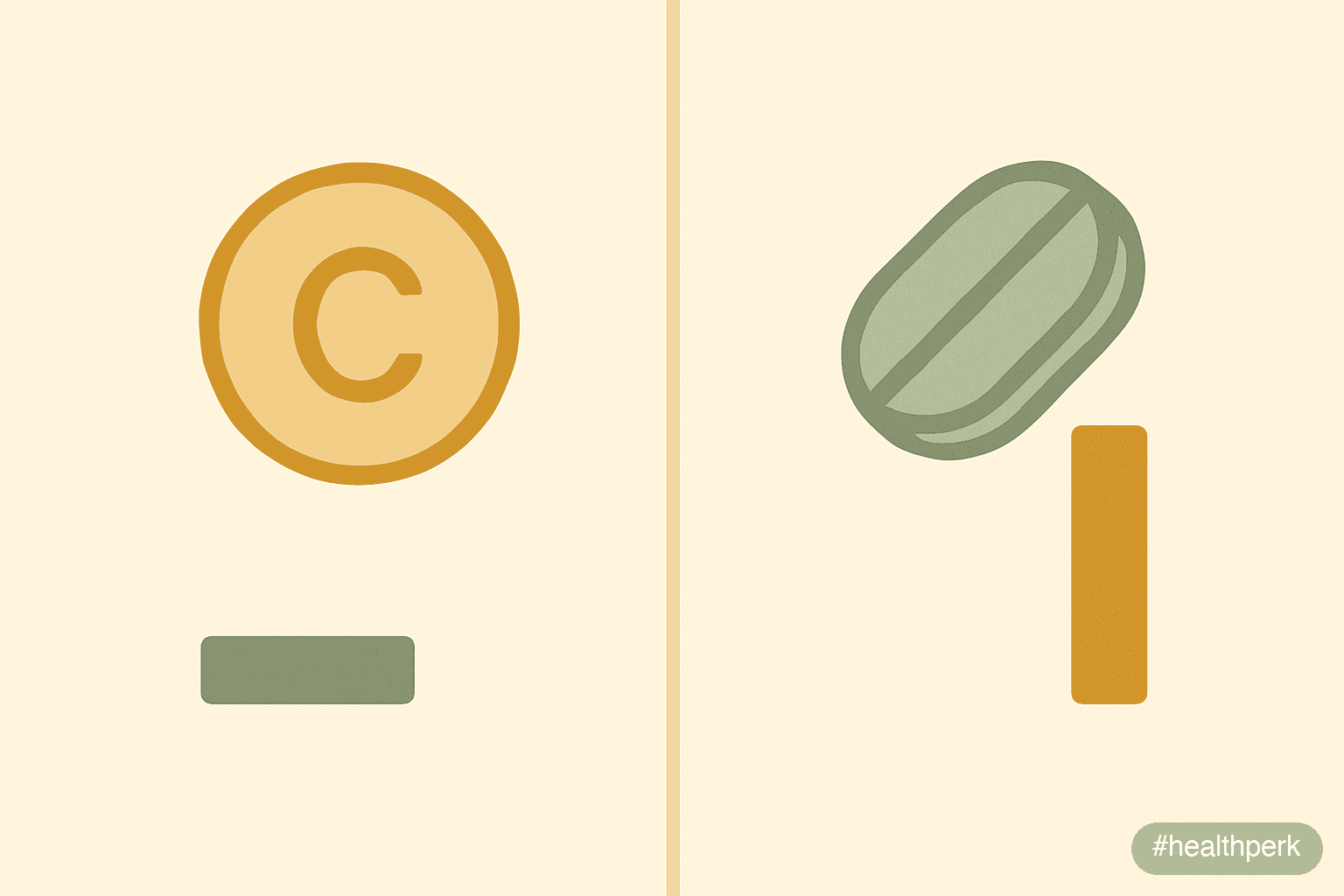
Vitamin C vs zinc immunity comparison is one of the most useful framings for adults choosing between supplements during a cold or for routine prevention. The two have different mechanisms, different evidence profiles, and different use cases.
| Aspect | Vitamin C | Zinc |
|---|---|---|
| Strongest evidence | Modest duration reduction with daily routine intake | One-third duration reduction with lozenges within 24 hours of symptoms |
| Prevention in general adults | Not supported | Not supported |
| Use during active cold | 200 mg+/day, modest effect | 75 mg/day lozenges, larger effect |
| Optimal form | Food first (citrus, peppers, broccoli, kiwi) | Lozenges that dissolve slowly in mouth |
| Onset timing | Less critical | Must start within 24 h |
| Chronic safety | Up to 2,000 mg/day; GI side effects above | Avoid above 40 mg/day chronically (copper interference) |
| Best for | Routine background sufficiency | Acute therapeutic use |
The pragmatic synthesis for 2026: vitamin C is best handled by diet (citrus, peppers, broccoli, kiwi, leafy greens) plus a modest supplement if intake is inadequate; zinc is best handled by adequate dietary intake (meat, shellfish, legumes, seeds) plus lozenges only when cold symptoms appear within the past 24 hours. Routine daily zinc supplementation in healthy adults does not consistently outperform placebo for cold prevention, and the same applies to daily vitamin C above modest doses.
Neither supplement substitutes for sleep, hydration, fiber, moderate exercise, vitamin D repletion, and basic hand hygiene — the structural levers that drive most of the variance in adult infection rate.
Supplements to Prevent Colds
Supplements to prevent colds is the highest-volume category in consumer immune marketing, and the area where evidence is weakest for the most heavily promoted products. The 2026 honest short list is much shorter than the supplement aisle suggests.
Supplements with trial support for cold prevention or duration reduction:
- Vitamin D when baseline-deficient (12% pooled, larger effect in deficient subgroups)
- Zinc lozenges within 24 hours of symptom onset (one-third duration reduction)
- Vitamin C modest duration effect at 200+ mg/day, preventive effect in high physical-stress contexts only
- Specific probiotic strains (notably Lactobacillus rhamnosus GG, L. casei DN-114001, Bifidobacterium animalis subsp. lactis Bi-07) reduce upper-respiratory infection frequency in some populations
- Elderberry (Sambucus nigra) — limited and inconsistent evidence; meta-analyses show modest symptom-duration benefit but trial quality is heterogeneous and results have weakened in larger, better-controlled trials
Supplements that do not consistently survive 2026 trial scrutiny:
- High-dose multivitamin "immune blends"
- Echinacea for cold prevention (inconsistent, mostly null)
- IV vitamin drips for healthy adults
- Colostrum and lactoferrin powders for prevention
- Most multi-herb tonics marketed for "immune support"
- High-dose vitamin A for prevention in well-nourished adults
- Garlic supplements for cold prevention (single small trial only)
Immune boosting supplements that work versus the hype
Immune boosting supplements that work is a heavily-searched query and a heavily-misled answer in the supplement industry. The supplements with actual outcome-grade evidence — vitamin D when deficient, zinc within 24 hours of symptoms, select probiotic strains, and modest daily vitamin C — share three traits: they are inexpensive, generic, and well-studied. The supplements with the loudest marketing — proprietary multi-herb "immune blends," megadose IV drips, novel mushroom extracts at low doses — tend to be the ones with the weakest trials. As a default heuristic: a supplement that requires a proprietary brand and marketing campaign to sell is rarely one with robust trial evidence; one with robust trial evidence usually has decades-old generic competitors available cheaply.
Natural Supplements for Immunity
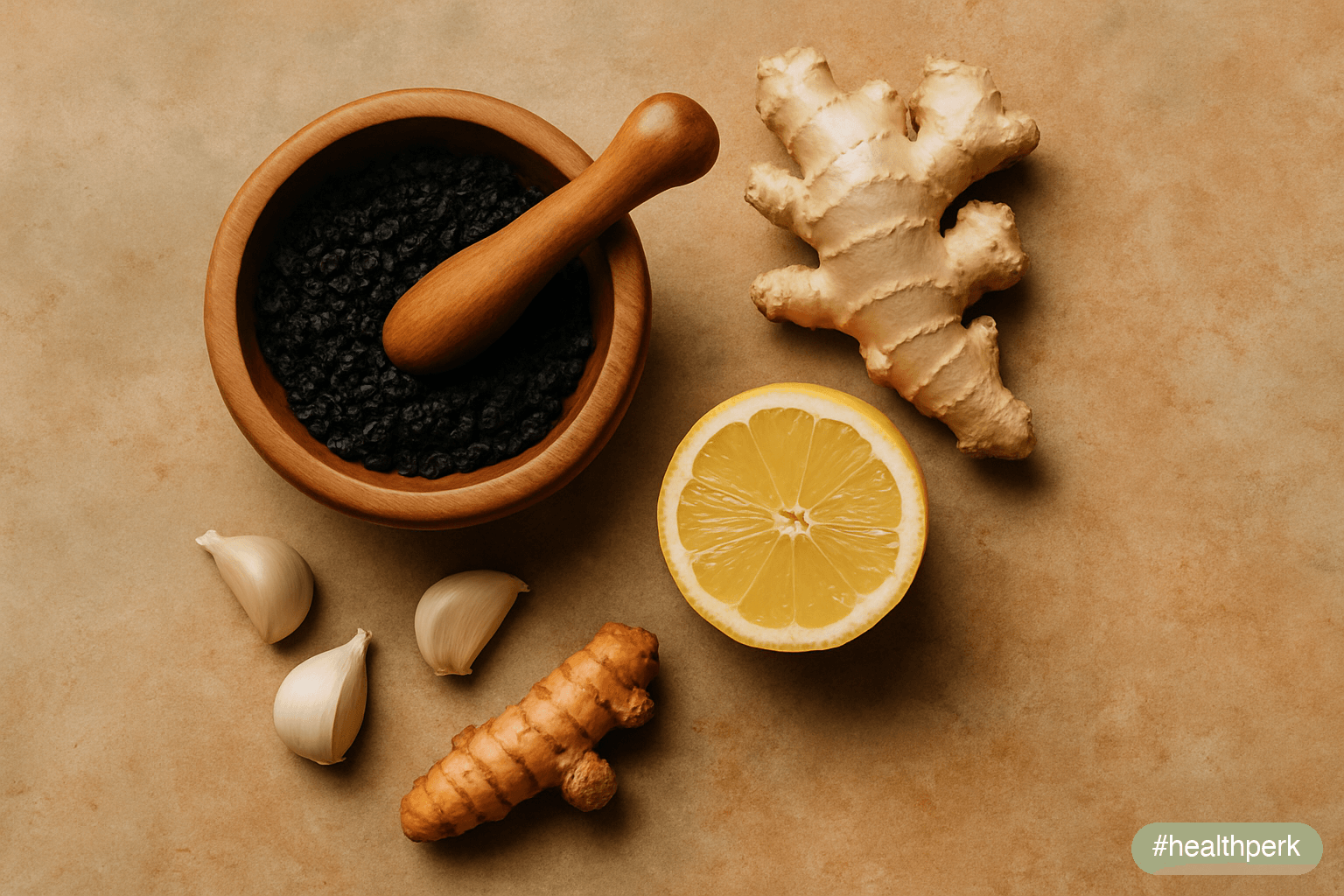
Natural supplements for immunity include a long catalog of botanicals, mushroom extracts, fermented foods, and traditional remedies. The 2026 evidence picture for these is heterogeneous: a few have moderate trial support, most have weak or inconsistent evidence, and many have been studied poorly enough that no firm conclusion can be drawn.
What the current evidence supports:
- Elderberry (Sambucus nigra) syrups and extracts. A 2019 meta-analysis (Hawkins et al., 2019) of 4 RCTs suggested a duration-shortening effect, but more recent larger trials have produced weaker signals. Verdict: modest, not a substitute for established options.
- Beta-glucans from yeast or oats. Mechanistically plausible (innate immune-cell priming) but human outcome trials are small and mixed.
- Garlic. A single small trial (Josling, 2001) suggested fewer colds, but the result has not been robustly replicated.
- Echinacea. Multiple meta-analyses produce inconsistent results; the Cochrane review (Karsch-Völk et al., 2014) concluded the evidence was weak.
- Ginger, turmeric, oregano oil. Limited human immune-outcome trial data; mechanistic plausibility does not translate reliably to fewer infections.
Supplements vs natural immunity stacks
Supplements vs natural immunity is a useful framing for adults choosing between a supplement-heavy and a behavior-heavy approach. The natural-immunity stack — adequate sleep, fiber, moderate exercise, sunlight, fermented food, and hydration — has stronger and more consistent outcome data than any supplement-only protocol. Supplements add measurable benefit when they correct documented deficiencies (vitamin D in winter, iron in menstruating women), supply acute therapeutic agents (zinc lozenges during a cold), or deliver strain-specific microbiome support (validated probiotic strains in selected populations). A supplements-heavy approach in an adult who is sleep-deprived, sedentary, fiber-poor, and stressed produces small benefits at best.
Natural vs synthetic supplements immunity considerations
Natural vs synthetic supplements immunity debates often confuse two separate questions. The first is purity and absorption: well-manufactured synthetic vitamin C (ascorbic acid) and vitamin D3 (cholecalciferol) are bioequivalent or superior to most "natural-source" extracts at the same dose, and synthetic forms typically have better quality control. The second question is whole-food complexity: foods deliver vitamin C, polyphenols, fiber, and many micronutrients together, in a way no isolated supplement replicates, which is why food-first guidance dominates 2026 nutrition recommendations. "Natural" labeling alone does not equal better outcomes; matched-dose comparisons of synthetic and natural-source supplements rarely show meaningful differences in immune outcomes.
Probiotics for the Immune System
Probiotics for immune system support is one of the more interesting 2026 categories because strain specificity matters greatly. Generic "probiotic" claims often fail in trials, while specific strains in adequate doses sometimes produce measurable benefits.
Current evidence on probiotics and respiratory infections:
- A 2022 Cochrane review (Zhao et al., 2022) of 24 RCTs covering more than 6,000 participants found that probiotic use modestly reduced the incidence of acute upper-respiratory tract infections compared with placebo, with a small but statistically significant effect.
- Strain-specific evidence is stronger than generic probiotic evidence. Lactobacillus rhamnosus GG (LGG), L. casei DN-114001, and Bifidobacterium animalis subsp. lactis Bi-07 have multiple supportive trials in children and adults.
- Doses in supportive trials typically range from 10^9 to 10^10 colony-forming units per day, sustained over months.
- Fermented foods (yogurt, kefir, sauerkraut, kimchi, miso) deliver lactic-acid bacteria and other organisms in a food matrix that is well-tolerated and integrates easily into diet. A 10-week trial (Wastyk et al., 2021) showed measurable reductions in inflammatory proteins with 1–3 servings per day.
- Probiotic effects are population-dependent: stronger signals in children, the elderly, and athletes; weaker signals in healthy mid-life adults.
Probiotics vs vitamins immunity comparison
Probiotics vs vitamins immunity is a useful question because the mechanisms and effect sizes differ. Vitamins (especially vitamin D when deficient) act systemically and produce moderate effect sizes in deficient populations; probiotics act at the gut–immune interface and produce smaller but population-dependent effect sizes via microbiome modulation. The two are not interchangeable. An adult with low vitamin D status who supplements probiotics alone will not produce the vitamin-D-driven infection reduction documented in Martineau et al. (2017); an adult who supplements vitamin D but ignores microbiome inputs misses the gut-immune axis modulation captured in Wastyk et al. (2021) and the Cochrane review. The pragmatic stack pairs documented-deficiency repletion with food-first microbiome support (fermented foods at every meal), reserving probiotic capsules for strain-specific use cases.
Practical guidance for probiotic use:
- Food first — 1–3 servings of fermented food daily provides diverse organisms in a forgiving format
- Capsule probiotics should match a validated strain to a documented use case; generic "broad-spectrum probiotic" claims rarely outperform yogurt and kefir
- Consistency matters more than dose — months of intake, not days, produce the measurable effects
- For people on antibiotics, Saccharomyces boulardii and LGG have evidence for reducing antibiotic-associated diarrhea, taken separated from the antibiotic by 2 hours
Immune System Support for Women
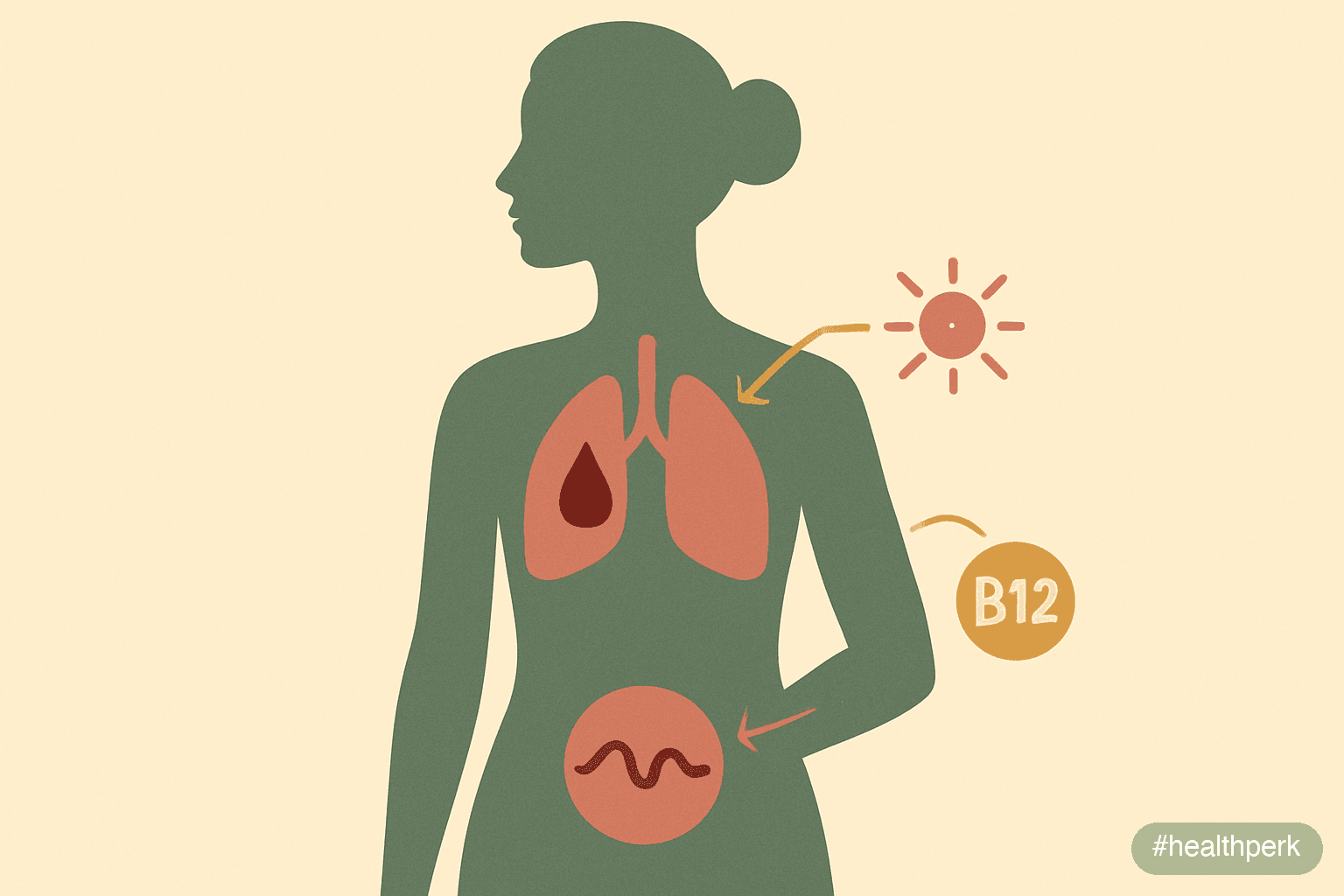
Immune system support women considerations differ from male-default supplement advice on several biologically important axes. Menstruation produces a measurable cyclical iron loss that, sustained over years, drives iron-deficiency rates of 10–15% in pre-menopausal women in the United States and higher in many other regions. Pregnancy doubles iron requirements and increases folate, choline, and iodine demands. Perimenopause and post-menopause shift estrogen-mediated immune function and bone-vitamin-D demands, and micronutrient requirements for immune function continue to shift across the life course (Maggini et al., 2018), with subclinical deficiencies (zinc, vitamin D, vitamin B6, vitamin E) more common in older adults and contributing to age-related immune dysfunction (Pae et al., 2012). Autoimmune conditions are 2–3 times more common in women than in men, complicating decisions about "boosting" immune function.
The 2026 evidence-based stack for adult women, by life stage:
- Pre-menopausal menstruating adults: check ferritin annually if fatigue or frequent infections; iron repletion under physician guidance if ferritin is low. Vitamin D in winter, fiber and fermented foods daily.
- Pregnancy and postpartum: prenatal multivitamin with folate (400–800 mcg), iron as guided, choline (450 mg), iodine (150 mcg), omega-3 DHA (200+ mg); avoid high-dose vitamin A retinol, megadose herbal blends.
- Perimenopausal: vitamin D status, calcium per dietary intake, sleep regularity (cortisol regulation), resistance training, fiber and fermented foods.
- Post-menopausal: vitamin D 800–2,000 IU/day, calcium per dietary intake, vitamin B12 screening, resistance training, vaccination updates (shingles, pneumococcal, annual flu).
Supplements for immunity women considerations
Supplements for immunity women marketing often features pink-packaged multi-herb stacks at premium prices, but the supplement most likely to produce a measurable immune effect in pre-menopausal women is unglamorous: iron, in those who are actually deficient. Iron deficiency without overt anemia is common in menstruating, pregnant, postpartum, and restrictive-diet female adults, and it impairs T-cell proliferation and neutrophil function. Screening ferritin, vitamin D, and B12 before purchasing any "women's immunity" supplement avoids spending on a stack that ignores the actual deficiency. After deficiencies are addressed, the standard adult evidence applies: vitamin D when low, zinc lozenges acutely if symptomatic, probiotic-rich foods, and behavior-driven structural support.
Special caveats: pregnant women should avoid high-dose elderberry, echinacea, and most herbal "immune blends" pending more evidence; high-dose vitamin A (preformed retinol) is teratogenic and should not exceed pregnancy-specific limits; iron supplementation should be physician-guided since unnecessary iron loading produces gastrointestinal symptoms and theoretical concerns about iron-loving pathogens.
Related Articles on HealthPerk
Explore more on this topic:
- Why Do I Get Sick So Often?
- How to Boost Your Immune System Naturally
- Foods That Boost the Immune System
- How to Stop Overthinking
- How to Lose Weight Sustainably
Frequently Asked Questions
What are the best supplements for immune system support in 2026?
The short list with consistent trial support is small: vitamin D for adults with low baseline 25(OH)D (12% pooled reduction in acute respiratory infections, larger effect in deficient subgroups), zinc lozenges started within 24 hours of cold symptoms (about one-third duration reduction), vitamin C for modest cold-duration reduction at 200+ mg/day, and select probiotic strains for upper-respiratory infection frequency. Multi-herb "immune blends," IV vitamin drips, and most novel boutique products do not consistently outperform basic micronutrient repletion in trial settings.
Which vitamins to boost immune system function are most important?
Vitamins A, C, D, E, B6, and B12, plus the minerals zinc, selenium, copper, and iron, are each required for normal immune function. The clinically useful question is which deficiencies are common enough to screen and treat. The highest-yield screens for adults with frequent infections are 25(OH)D, ferritin (especially in menstruating women), vitamin B12 (especially over 60 or on metformin or acid-suppression), and zinc status in older adults and vegetarians. Supplementing in already-replete adults rarely produces a measurable benefit.
What is the right vitamin C for immunity dosage?
Routine vitamin C does not prevent colds in the general population. The 2013 Cochrane review found that daily intake of 200 mg or more shortens cold duration by roughly 8% in adults and 14% in children, and approximately halves cold incidence only in high physical-stress contexts (marathon runners, military recruits). RDA is 90 mg/day for men and 75 mg/day for women, with the upper limit at 2,000 mg/day. Food-first sources (citrus, peppers, broccoli, kiwi) provide effective doses without GI side effects.
What are the zinc for immune system benefits and the correct dose?
Zinc lozenges at about 75 mg/day of elemental zinc, started within 24 hours of cold onset and dissolved slowly in the mouth, shorten cold duration by roughly one-third (Hemilä, 2017). The benefit is for established colds, not prevention. Chronic high-dose zinc above 40 mg/day total intake impairs copper absorption over months. Intranasal zinc products are not recommended due to anosmia case reports. Routine prophylactic zinc supplementation in healthy adults does not consistently outperform placebo.
How does vitamin D for immune system support work?
Vitamin D acts on macrophages, dendritic cells, T cells, and B cells through calcitriol signaling, modulating antimicrobial peptide production and adaptive immunity. The 2017 BMJ meta-analysis of 25 RCTs covering 11,321 participants found a 12% pooled reduction in acute respiratory tract infections, with substantially larger effects in baseline-deficient subgroups. Maintenance dose for northern-latitude adults from October through April is 1,000–2,000 IU/day with a target serum 25(OH)D of 30–50 ng/mL. Daily or weekly dosing outperforms bolus dosing.
Vitamin C vs zinc immunity — which is better during a cold?
Zinc has the larger acute effect when symptoms have started within the past 24 hours: lozenges at about 75 mg/day shorten duration by roughly one-third, compared with vitamin C's roughly 8% duration reduction at 200+ mg/day. Vitamin C is best handled with food sources for background sufficiency; zinc is best reserved for acute therapeutic use with lozenges. Routine daily zinc above 40 mg/day is not recommended due to copper interference, while vitamin C up to 2,000 mg/day is generally well tolerated with possible GI side effects above modest doses.
Which supplements to prevent colds actually work?
Vitamin D when baseline-deficient (12% pooled reduction in acute respiratory infections), zinc lozenges within 24 hours of symptoms (about a third duration reduction), modest daily vitamin C (small duration effect, preventive effect only in high physical-stress contexts), and select probiotic strains (modest reduction in upper-respiratory infection frequency, especially in children and elderly). High-dose multivitamin "immune blends," echinacea, IV vitamin drips, and most multi-herb tonics do not consistently survive trial scrutiny.
Are natural supplements for immunity better than synthetic ones?
Well-manufactured synthetic vitamin C (ascorbic acid) and vitamin D3 (cholecalciferol) are bioequivalent or superior to most natural-source extracts at the same dose, with better quality control. The case for "natural" matters more when whole-food complexity is the goal — fruits, vegetables, and fermented foods deliver vitamin C, polyphenols, fiber, and microbiome inputs together in a way no isolated supplement matches. "Natural" labeling alone does not equal better outcomes; outcome-matched comparisons rarely show meaningful differences.
How do probiotics for immune system function work?
Probiotics modulate the gut–immune interface, where roughly 70% of immune-active cells reside. A 2022 Cochrane review of 24 RCTs found probiotic use modestly reduced acute upper-respiratory tract infection incidence. Strain specificity matters — Lactobacillus rhamnosus GG, L. casei DN-114001, and Bifidobacterium animalis subsp. lactis Bi-07 have multiple supportive trials. Doses in supportive trials are typically 10^9–10^10 CFU/day over months. Food sources (yogurt, kefir, sauerkraut, kimchi, miso) deliver lactic-acid bacteria in a well-tolerated format.
Probiotics vs vitamins immunity — which should I prioritize?
They are not interchangeable. Vitamin D when low produces moderate-effect-size reductions in acute respiratory infections through systemic immune-cell signaling. Probiotics produce smaller but population-dependent reductions through gut–immune axis modulation. The pragmatic stack pairs documented-deficiency repletion (especially vitamin D) with food-first microbiome support (fermented foods at every meal), reserving probiotic capsules for strain-specific use cases such as antibiotic-associated diarrhea prevention with S. boulardii or LGG.
What are immune boosting supplements that work versus hype?
The short list with outcome-grade evidence — vitamin D in deficient adults, zinc lozenges within 24 hours of symptoms, select probiotic strains, modest daily vitamin C — shares three traits: inexpensive, generic, decades of trials. Products with the loudest marketing — proprietary multi-herb "immune blends," IV drips, novel mushroom extracts at low doses — tend to have the weakest trial support. As a heuristic: supplements that need a proprietary brand and marketing campaign to sell are rarely the ones with robust outcome trials.
Supplements vs natural immunity — what is the better approach?
Behavior-based "natural immunity" inputs — adequate sleep, fiber and fermented food, moderate exercise, sunlight, hydration, hand hygiene — have stronger and more consistent outcome data than any supplement-only protocol. Supplements add measurable benefit when they correct documented deficiencies (vitamin D in winter, iron in menstruating women), supply acute therapeutic agents (zinc within 24 hours of symptoms), or deliver strain-specific microbiome support in selected populations. A supplements-heavy approach in a sleep-deprived, sedentary, fiber-poor adult produces small benefits at best.
What is the best immune system support women approach across life stages?
Pre-menopausal: screen ferritin annually if frequent fatigue or infections; iron repletion under physician guidance if low; vitamin D in winter. Pregnancy: prenatal multivitamin with folate, iron as guided, choline, iodine, omega-3 DHA; avoid high-dose retinol and most herbal "immune blends." Perimenopausal: vitamin D, calcium, sleep regularity, resistance training. Post-menopausal: vitamin D 800–2,000 IU/day, vitamin B12 screening, vaccinations updated, resistance training.
Which supplements for immunity women are worth taking?
The supplement most likely to produce a measurable immune effect in pre-menopausal women is iron, in those who are actually deficient — and ferritin screening before purchasing pink-packaged "women's immunity" stacks is the most cost-effective step. After deficiencies (iron, vitamin D, B12) are addressed, the standard adult evidence applies. Pregnant women should avoid high-dose elderberry, echinacea, and most herbal blends pending more evidence, and should not exceed pregnancy-specific limits for preformed vitamin A.
This article is for informational purposes only and does not constitute medical advice. Talk to a qualified healthcare provider before starting supplements, especially vitamin D, zinc, iron, or any product that may interact with prescription medications or pre-existing conditions. Frequent or severe infections may signal treatable conditions including primary or secondary immunodeficiency, HIV, undiagnosed diabetes, hypothyroidism, chronic kidney disease, malnutrition, and medication side effects. Pregnant or breastfeeding women, people with kidney disease, autoimmune conditions, and those on immunosuppressive therapy should consult a physician before changing supplement intake. Individual results may vary.
About the author The HealthPerk Editorial Team reviews immune-system and supplement research through evidence synthesis cross-referenced with peer-reviewed clinical trials and clinical practice guidelines. Our supplement content is reviewed for medical accuracy against current immunology, clinical nutrition, and clinical pharmacology standards. How we review →
References
Martineau, A. R., Jolliffe, D. A., Hooper, R. L., Greenberg, L., Aloia, J. F., Bergman, P., ... & Camargo, C. A. (2017). Vitamin D supplementation to prevent acute respiratory tract infections: Systematic review and meta-analysis of individual participant data. BMJ, 356, i6583. https://doi.org/10.1136/bmj.i6583
Supports: vitamin D supplementation reduces acute respiratory tract infections, with the strongest effect in adults with baseline 25(OH)D under 25 nmol/L
Jolliffe, D. A., Camargo, C. A., Sluyter, J. D., Aglipay, M., Aloia, J. F., Ganmaa, D., ... & Martineau, A. R. (2021). Vitamin D supplementation to prevent acute respiratory infections: A systematic review and meta-analysis of aggregate data from randomised controlled trials. Lancet Diabetes & Endocrinology, 9(5), 276–292. https://doi.org/10.1016/S2213-8587(21)00051-6
Supports: updated meta-analysis of 46 trials and 75,541 participants confirming daily/weekly dosing pattern and baseline-deficient subgroup effect
Hemilä, H. (2017). Zinc lozenges and the common cold: A meta-analysis comparing zinc acetate and zinc gluconate, and the role of zinc dosage. JRSM Open, 8(5), 2054270417694291. https://doi.org/10.1177/2054270417694291
Supports: zinc lozenges around 75 mg/day elemental zinc started within 24 hours of cold onset shorten duration by roughly one-third
Hemilä, H., & Chalker, E. (2013). Vitamin C for preventing and treating the common cold. Cochrane Database of Systematic Reviews, (1). https://doi.org/10.1002/14651858.CD000980.pub4
Supports: routine vitamin C does not prevent colds in the general population, modestly shortens duration in established colds, and reduces incidence in high physical-stress populations
Wastyk, H. C., Fragiadakis, G. K., Perelman, D., Dahan, D., Merrill, B. D., Yu, F. B., ... & Sonnenburg, J. L. (2021). Gut-microbiota-targeted diets modulate human immune status. Cell, 184(16), 4137–4153. https://doi.org/10.1016/j.cell.2021.06.019
Supports: 10-week intervention combining fiber and fermented foods increased microbiome diversity and reduced 19 inflammatory proteins
Zhao, Y., Dong, B. R., & Hao, Q. (2022). Probiotics for preventing acute upper respiratory tract infections. Cochrane Database of Systematic Reviews, (8). https://doi.org/10.1002/14651858.CD006895.pub4
Supports: probiotic use modestly reduces incidence of acute upper-respiratory tract infections versus placebo across 24 RCTs
Karsch-Völk, M., Barrett, B., Kiefer, D., Bauer, R., Ardjomand-Woelkart, K., & Linde, K. (2014). Echinacea for preventing and treating the common cold. Cochrane Database of Systematic Reviews, (2). https://doi.org/10.1002/14651858.CD000530.pub3
Supports: echinacea preparations show weak and inconsistent evidence for preventing or treating common colds
Hawkins, J., Baker, C., Cherry, L., & Dunne, E. (2019). Black elderberry (Sambucus nigra) supplementation effectively treats upper respiratory symptoms: A meta-analysis of randomized, controlled clinical trials. Complementary Therapies in Medicine, 42, 361–365. https://doi.org/10.1016/j.ctim.2018.12.004
Supports: meta-analysis of 4 RCTs suggesting modest symptom-duration reduction with elderberry, with caveats about trial heterogeneity and weaker signal in larger subsequent trials
Pae, M., Meydani, S. N., & Wu, D. (2012). The role of nutrition in enhancing immunity in aging. Aging and Disease, 3(1), 91–129. https://www.ncbi.nlm.nih.gov/pmc/articles/PMC3320801/
Supports: micronutrient deficiencies (zinc, vitamin D, vitamin B6, vitamin E) more common in older adults and contribute to immune dysfunction
Maggini, S., Pierre, A., & Calder, P. C. (2018). Immune function and micronutrient requirements change over the life course. Nutrients, 10(10), 1531. https://doi.org/10.3390/nu10101531
Supports: vitamin and mineral requirements for immune function vary across life stages; targeted micronutrient repletion most effective in deficient populations
Josling, P. (2001). Preventing the common cold with a garlic supplement: A double-blind, placebo-controlled survey. Advances in Therapy, 18(4), 189–193. https://doi.org/10.1007/BF02850113
Supports: a single small placebo-controlled trial suggested fewer colds with daily aged-garlic supplementation, with the result not robustly replicated since
Frequently Asked Questions
What are the best supplements for immune system support in 2026?
Vitamin D when baseline-deficient (12% pooled reduction in acute respiratory infections), zinc lozenges within 24 hours of cold symptoms (about one-third duration reduction), modest daily vitamin C (~8% duration reduction), and select probiotic strains. Multi-herb immune blends, IV drips, and most novel boutique products do not consistently outperform basic micronutrient repletion.
Which vitamins to boost immune system function are most important?
Vitamins A, C, D, E, B6, B12, plus zinc, selenium, copper, and iron are each required for normal immune function. Highest-yield screens for adults with frequent infections are 25(OH)D, ferritin (especially menstruating women), B12 (over 60 or on metformin/acid-suppression), and zinc in older adults and vegetarians. Supplementing in already-replete adults rarely produces measurable benefit.
What is the right vitamin C for immunity dosage?
Routine vitamin C does not prevent colds in the general population. Daily intake of 200 mg+ shortens cold duration by ~8% in adults and ~14% in children, and approximately halves cold incidence only in marathon runners and similar high-stress populations. RDA is 90 mg/day men, 75 mg/day women; upper limit 2,000 mg/day. Food-first sources are preferred.
What are zinc for immune system benefits and the correct dose?
Zinc lozenges at ~75 mg/day elemental zinc, started within 24 hours of cold onset and dissolved slowly in the mouth, shorten cold duration by roughly one-third. Acute use only — chronic intake above 40 mg/day impairs copper absorption. Intranasal zinc products are not recommended due to anosmia case reports. Routine prophylactic zinc supplementation does not consistently outperform placebo.
How does vitamin D for immune system support work?
Vitamin D acts on macrophages, dendritic cells, T cells, and B cells through calcitriol signaling. The 2017 BMJ meta-analysis of 25 RCTs (11,321 participants) found a 12% pooled reduction in acute respiratory tract infections, with substantially larger effects in baseline-deficient subgroups. Maintenance: 1,000–2,000 IU/day October–April for northern-latitude adults, target serum 25(OH)D 30–50 ng/mL.
Vitamin C vs zinc immunity — which is better during a cold?
Zinc has the larger acute effect when symptoms started within the past 24 hours: lozenges at ~75 mg/day shorten duration by roughly one-third, versus vitamin C's ~8% reduction at 200+ mg/day. Vitamin C is best from food sources for background sufficiency; zinc is best reserved for acute lozenge use. Routine daily zinc above 40 mg/day is not recommended.
Which supplements to prevent colds actually work?
Vitamin D when baseline-deficient, zinc lozenges within 24 hours of symptoms, modest daily vitamin C (mainly for duration shortening), and select probiotic strains (modest reduction in upper-respiratory infection frequency). High-dose multivitamin immune blends, echinacea, IV vitamin drips, and most multi-herb tonics do not consistently survive trial scrutiny.
Are natural supplements for immunity better than synthetic ones?
Well-manufactured synthetic vitamin C (ascorbic acid) and vitamin D3 (cholecalciferol) are bioequivalent or superior to most natural-source extracts at the same dose. Whole-food complexity matters when food is the goal — fruits, vegetables, and fermented foods deliver vitamin C, polyphenols, fiber, and microbiome inputs together. Natural labeling alone does not equal better outcomes.
How do probiotics for immune system function work?
Probiotics modulate the gut–immune interface where ~70% of immune-active cells reside. A 2022 Cochrane review of 24 RCTs found probiotic use modestly reduced acute upper-respiratory tract infection incidence. Strain specificity matters — LGG, L. casei DN-114001, and B. animalis Bi-07 have supportive trials. Food sources (yogurt, kefir, sauerkraut, kimchi, miso) deliver lactic-acid bacteria in a well-tolerated format.
Probiotics vs vitamins immunity — which should I prioritize?
They are not interchangeable. Vitamin D when low produces moderate-effect-size reductions in acute respiratory infections through systemic immune-cell signaling. Probiotics produce smaller population-dependent reductions through gut–immune axis modulation. Pragmatic stack: documented-deficiency repletion plus food-first microbiome support, with probiotic capsules reserved for strain-specific use cases.
What are immune boosting supplements that work versus hype?
Outcome-grade evidence supports vitamin D in deficient adults, zinc lozenges within 24 hours, select probiotic strains, and modest daily vitamin C — all inexpensive and generic with decades of trials. Heavily-marketed proprietary multi-herb blends, IV drips, and novel mushroom extracts at low doses tend to have the weakest evidence. Heuristic: supplements requiring proprietary brands rarely have robust outcome trials.
Supplements vs natural immunity — what is the better approach?
Behavior-based natural-immunity inputs — sleep, fiber and fermented food, moderate exercise, sunlight, hydration, hand hygiene — have stronger and more consistent outcome data than any supplement-only protocol. Supplements add benefit when correcting documented deficiencies, supplying acute therapeutic agents (zinc within 24 hours), or delivering strain-specific microbiome support.
What is the best immune system support women approach across life stages?
Pre-menopausal: ferritin screening, iron repletion if low, vitamin D in winter. Pregnancy: prenatal with folate, iron as guided, choline, iodine, omega-3 DHA; avoid high-dose retinol and most herbal blends. Perimenopausal: vitamin D, calcium, sleep regularity, resistance training. Post-menopausal: vitamin D 800–2,000 IU/day, B12 screening, updated vaccinations, resistance training.
Which supplements for immunity women are worth taking?
The supplement most likely to produce a measurable immune effect in pre-menopausal women is iron — in those who are actually deficient. Ferritin screening before purchasing women's immunity stacks is the most cost-effective step. After deficiencies (iron, vitamin D, B12) are addressed, standard adult evidence applies. Pregnant women should avoid high-dose elderberry, echinacea, and most herbal blends.
More from Supplements