Supplements That Help Weight Loss Naturally: The 2026 Evidence Guide
Supplements That Help Weight Loss Naturally: The 2026 Evidence Guide
By the HealthPerk Editorial Team · Last updated: May 2026
Quick Answer
Which supplements actually help weight loss naturally in 2026?
The supplement aisle is the most overpromised corner of the weight-loss industry. After two decades of randomized trials, a short list of compounds shows credible, replicated effects when layered onto a moderate caloric deficit, adequate protein, and resistance training. None of them substitute for those structural inputs — they add a modest edge of 1–3 kg over 12 weeks at most. The categories with credible evidence are soluble fiber, green tea catechins, caffeine, protein powder, and specific probiotic strains. Multivitamins and vitamin D correct deficiencies that quietly stall fat loss but do not directly drive it. Most "fat burner" stacks owe their effect to caffeine; many proprietary blends have no usable evidence at all.
Pick the right tool for your situation:
| If your situation is… | Highest-evidence supplement | Realistic effect over 12 weeks |
|---|---|---|
| Under-eat protein (under 0.5 g/lb) | Whey or plant protein powder | Closes the largest dietary gap in fat-loss outcomes |
| Hungry between meals | Soluble fiber (psyllium, glucomannan) 10–15 g/day | Improved satiety, ~1.4 cm waist reduction |
| Plateau on a working protocol | Green tea extract 400–500 mg EGCG/day | ~1.0–1.5 kg additional placebo-adjusted loss |
| Caffeine-sensitive or evening trainer | Caffeine-free fiber + protein stack | Edge without sleep disruption |
| Suspected nutrient deficiency | Vitamin D, magnesium, iron (test first) | Removes hidden barriers to fat loss |
| Considering "fat burner" pills | Probably skip; reach for caffeine + EGCG instead | Most blends are caffeine in disguise |
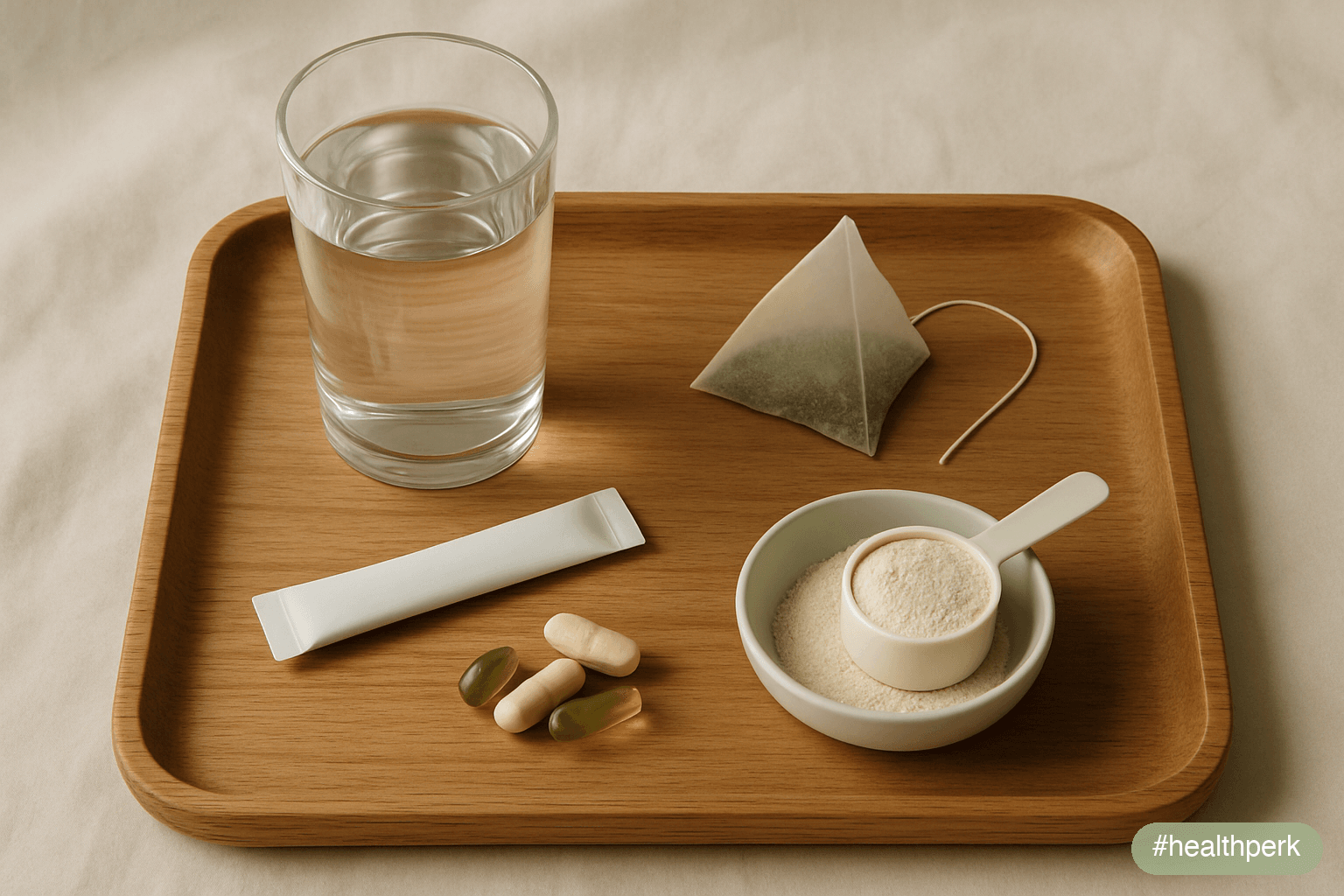
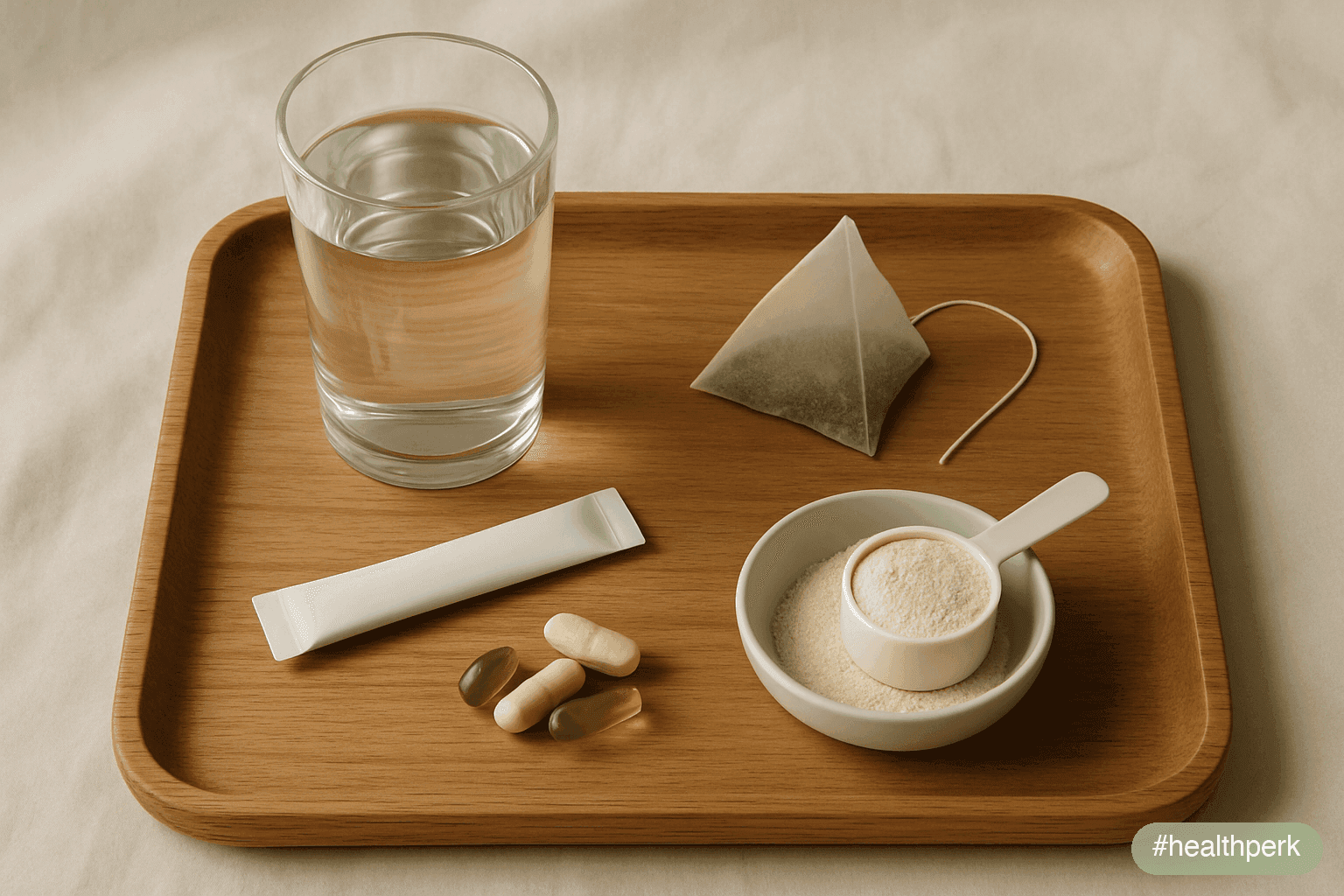
The honest framing for supplements that help weight loss naturally is that they are accessories, not engines. The engine of fat loss is a sustained caloric deficit, sufficient protein, resistance training, sleep, and stress management. Supplements adjust the margins — they can make hunger easier to manage, raise thermogenesis a few percent, preserve lean mass at higher protein intakes, or correct a deficiency that quietly stalls progress. None of them produce meaningful fat loss on top of a poorly structured baseline.
By 2026, the evidence base has consolidated enough that the credible compounds, doses, and effect sizes are well-characterized. The same review process has clarified what does not work, which is most of what is sold. This guide separates the categories with replicated randomized-trial evidence from the categories that have not survived scrutiny, and shows how supplements compare against the more structural levers of diet, training, and intermittent fasting.
Table of Contents
- Supplements That Help Weight Loss Naturally: The Framework
- Supplements That Actually Help Weight Loss: The 2026 Evidence Tiers
- Best Fat Burning Supplements for Beginners
- Fat Burners Without Caffeine
- Best Vitamins for Weight Loss
- Natural vs Synthetic Fat Burners
- Fat Burners vs Natural Weight Loss
- Supplements vs Diet for Weight Loss
- Intermittent Fasting vs Supplements
- Frequently Asked Questions
- References
Supplements That Help Weight Loss Naturally: The Framework
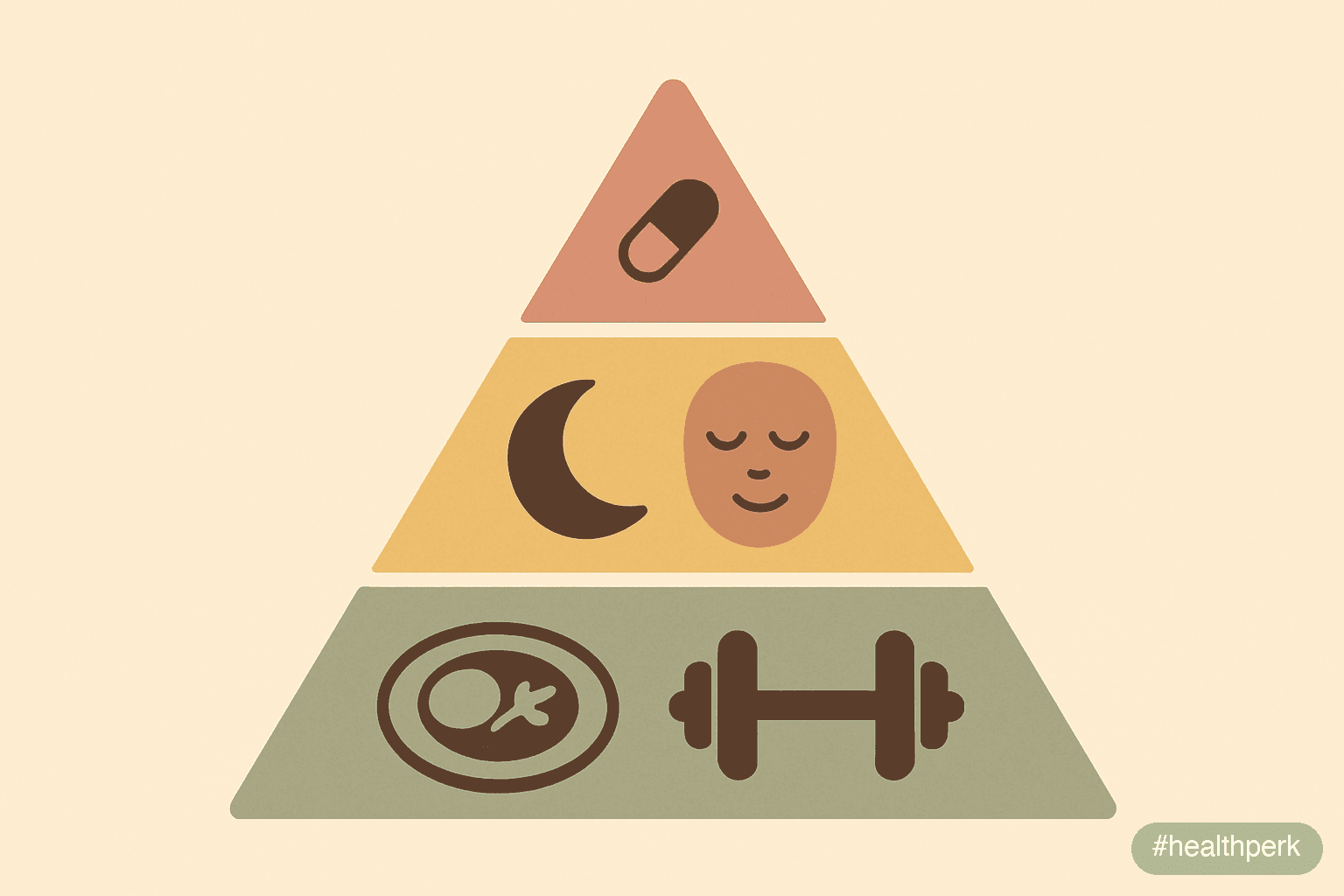
The first step in choosing supplements that help weight loss naturally is admitting where supplements sit in the hierarchy of fat-loss inputs. A reasonable 2026 weighting based on randomized-trial evidence and clinical experience:
- Caloric deficit (sustained over weeks): ~50% of outcome
- Protein adequacy (0.7–1.0 g/lb body weight): ~15%
- Resistance training and daily movement: ~15%
- Sleep duration and quality (7+ hours): ~10%
- Stress management, alcohol restraint, adherence systems: ~7%
- Supplements (the entire category combined): ~3%
That 3% is real, but it has a ceiling. The most aggressive credible supplement stack — protein powder, fiber, green tea extract, caffeine, vitamin D if deficient — adds roughly 1–3 kg of additional fat loss across 12 weeks compared with placebo, when layered on a working protocol. Layered on a non-working protocol (no deficit, low protein, no training), the same stack produces negligible results.
The second step is filtering by evidence quality. The compounds with the strongest 2026 evidence share three features: multiple independent randomized controlled trials, mechanistic plausibility, and an acceptable safety profile at the doses where the effect is observed. Compounds that fail one of these tests — for example, garcinia cambogia (failed RCT replication), raspberry ketones (no human RCT evidence), DNP (acute toxicity) — are not in any credible 2026 protocol.
The third step is matching the supplement to the specific gap. Someone eating 0.4 g/lb protein has a protein gap, not a thermogenesis gap. Someone training at 6 am with stable sleep has no caffeine gap. Someone with vitamin D below 20 ng/mL has a deficiency to correct first. Stacking compounds without matching them to gaps produces small effects at most and wastes money frequently.
Supplements That Actually Help Weight Loss: The 2026 Evidence Tiers
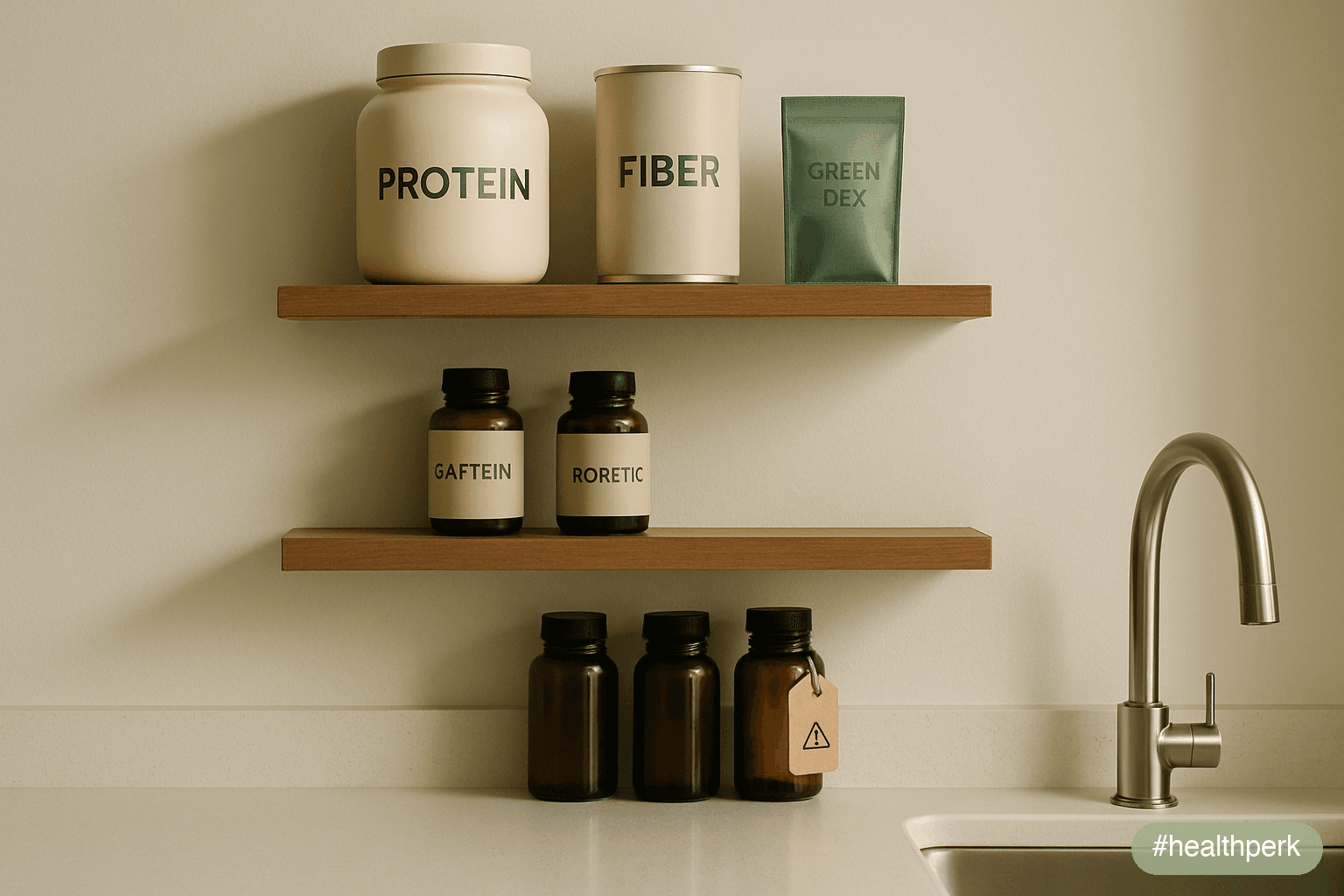
Supplements that actually help weight loss can be organized into three tiers based on 2026 trial evidence. Most consumer confusion comes from treating Tier 3 the same as Tier 1.
Tier 1: Credible, replicated effects
- Protein powder (whey, casein, plant blends). Not a "fat burner," but the most reliable way to reach 0.7–1.0 g/lb protein — the highest-leverage dietary input for body composition. A 2020 British Journal of Sports Medicine meta-analysis of 49 trials found protein supplementation alongside resistance training increased fat-free mass and reduced body fat percentage versus placebo (Morton et al., 2018).
- Soluble fiber (psyllium, glucomannan, oat beta-glucan). 10–15 g/day supplemental, on top of dietary fiber. A 2017 American Journal of Clinical Nutrition meta-analysis found soluble fiber supplementation produced modest reductions in body weight and waist circumference (~1.4 cm) over 12+ weeks (Thompson et al., 2017).
- Green tea catechins (EGCG) + caffeine. 400–500 mg EGCG daily produces small thermogenic effects and modest waist reduction; the effect is larger when paired with caffeine and exercise (Lin et al., 2020).
- Caffeine. 3–6 mg/kg pre-training raises 24-hour expenditure by 3–4% and supports training performance (Tabrizi et al., 2019). Effects diminish with chronic high intake; cycle if needed.
Tier 2: Plausible, smaller or less consistent effects
- Apple cider vinegar (15 ml/day). A 2024 randomized trial in 120 adults with overweight found modest placebo-adjusted weight loss over 12 weeks (Abou-Khalil et al., 2024); awaits replication.
- Probiotics (specific strains). Lactobacillus gasseri SBT2055 and certain Bifidobacterium strains show small visceral-fat reductions in small trials; strain specificity matters and effects are modest.
- L-carnitine. Small effect on body weight in adults with overweight; clearer benefit in older adults and during caloric restriction (Pooyandjoo et al., 2016).
- Vitamin D (if deficient). Correcting deficiency removes a barrier and is associated with improved fat-loss outcomes; supplementation in non-deficient adults does not drive additional loss.
Tier 3: Weak or null evidence
- Garcinia cambogia, raspberry ketones, CLA at consumer doses, "detox" teas. None survive replication scrutiny in current meta-analyses.
- Proprietary "thermogenic" blends. Most effects trace to caffeine content alone — at lower doses and higher price than plain caffeine.
- Hoodia, African mango, forskolin. Small early trials never replicated at clinically relevant effect sizes.
Tier "do not use"
- DNP (2,4-dinitrophenol), sibutramine, illicit stimulant blends. Acute toxicity, multiple recorded deaths. Avoid entirely.
The practical 2026 stack for an adult with a working protocol who wants to add supplement edge: 25–40 g protein powder daily to hit protein targets, 10 g soluble fiber daily, 400 mg EGCG green tea extract daily, 200 mg caffeine pre-training (if training in morning/early afternoon), and vitamin D if blood level is below 30 ng/mL. Expected additional fat loss: 1–3 kg over 12 weeks on top of the structural protocol.
Best Fat Burning Supplements for Beginners

Best fat burning supplements for beginners should be chosen with the opposite of the marketing instinct — fewer products, lower doses, and more focus on the structural foundation. A beginner buying a six-product "fat burner" stack typically ends up with caffeine jitters, sleep disruption, and no measurable extra fat loss.
The beginner stack with the strongest risk-adjusted evidence in 2026:
- Protein powder (whey isolate, casein, or plant blend). 25–40 g per serving, 1–2 servings daily as needed to hit 0.7–0.8 g/lb body weight. The single highest-leverage purchase. Choose a brand with third-party testing (NSF Certified for Sport, Informed Choice).
- Soluble fiber (psyllium husk or glucomannan). Start at 5 g/day, build to 10–15 g/day over 2 weeks. Take with 250 ml water to prevent esophageal obstruction. Improves satiety, supports digestion, makes the deficit easier to sustain.
- Caffeine (or green tea catechins if caffeine-sensitive). 100–200 mg pre-training, no later than 8 hours before bedtime. Skip on rest days to maintain sensitivity. Beginners often overdo this and pay in disrupted sleep, which costs more fat loss than the caffeine adds.
- Vitamin D3, only if low. 1,000–2,000 IU daily if blood level is below 30 ng/mL. Test before supplementing; non-deficient adults gain nothing from extra vitamin D.
What beginners should avoid for the first 12 weeks:
- Proprietary fat-burner blends. Most are caffeine plus inactive bystanders. Buy plain caffeine and save 60% of the cost.
- Hormonal manipulators (DHEA, testosterone boosters, "natural" thyroid stimulators). Risk-to-benefit ratio is poor at any beginner level.
- Stacking three or more compounds at once. Removes the ability to attribute effects (or side effects) to specific inputs.
- Anything advertised with before/after photos and "doctor-formulated" without identified-doctor credentials.
The beginner principle: add one supplement at a time, evaluate over 4–6 weeks, decide whether the effect is worth the cost. The fastest way to learn what supplements do — and do not — do for you is to test them sequentially against your own working protocol rather than stacking them blindly.
A realistic 12-week beginner outcome with this stack layered on a 20% deficit, 0.8 g/lb protein, 3 weekly resistance sessions, 8,000 daily steps, and 7+ hours sleep: 4–8 kg fat loss, 1–2 kg lean-mass gain (newbie effect), 3–5 cm waist reduction. The protein, training, sleep, and deficit drive most of this; the supplements add a modest edge.
Fat Burners Without Caffeine

Fat burners without caffeine are a legitimate need, not a niche. Many adults are caffeine-sensitive, train in the evening, take medications that interact with stimulants, are pregnant or breastfeeding, or simply want to protect sleep — which protects fat loss more than caffeine adds to it. The caffeine-free toolkit is smaller but covers the same broad mechanisms: satiety, thermogenesis modest, and metabolic support.
The caffeine-free compounds with credible 2026 evidence:
- Soluble fiber (psyllium, glucomannan, oat beta-glucan, acacia). 10–15 g/day supplemental. Slows gastric emptying, increases satiety, reduces postprandial glucose. The single most useful caffeine-free supplement for fat-loss support.
- Protein powder. Not a thermogenic, but the most reliable lever for hitting protein targets. The thermic effect of protein (20–30% of its calories) means a high-protein diet raises 24-hour expenditure by ~100 kcal/day versus a low-protein diet at the same intake (Pesta & Samuel, 2014).
- Green tea extract — decaffeinated EGCG. Some products separate the catechins from the caffeine; the EGCG-only effect on thermogenesis is smaller than the caffeine-EGCG synergy but real. 400–500 mg EGCG daily.
- Apple cider vinegar. 15 ml diluted daily; modest placebo-adjusted weight loss over 12 weeks per the 2024 trial.
- L-carnitine tartrate. 2 g/day; modest body weight effect, possibly larger in older adults and during caloric restriction.
- Probiotics (specific strains). Lactobacillus gasseri SBT2055, Bifidobacterium animalis subsp. lactis B420 — small visceral fat reductions in trials.
- Berberine. 500 mg three times daily; improves insulin sensitivity and produces modest weight reduction in adults with insulin resistance or metabolic syndrome (Yin et al., 2008). Watch for GI side effects.
- Vitamin D, magnesium, iron — only if deficient. Correcting deficiencies removes barriers; over-supplementing in replete individuals adds no benefit.
A reasonable caffeine-free stack for an adult training in the evening or sensitive to stimulants: 25–40 g protein powder daily, 10 g soluble fiber daily, 400 mg EGCG daily (decaffeinated), and any deficiency-correction supplements as indicated by labs. Expected additional fat loss: 1–2 kg over 12 weeks on top of a working protocol.
What caffeine-free does not cover well: the acute training-performance boost that caffeine provides. If pre-workout energy is the goal, beetroot juice (300–500 mg dietary nitrate, 2 hours pre-training) provides a modest ergogenic effect without stimulant impact. For mental focus, L-theanine (200 mg) supports calm alertness on its own.
The honest framing: caffeine-free fat-loss support exists and works, but the absolute effect of supplements in this category is smaller than the structural inputs. Sleep, deficit, protein, training, and walking remain decisive regardless of caffeine status.
Best Vitamins for Weight Loss
Best vitamins for weight loss is a slightly misleading framing — vitamins do not directly drive fat loss. What they do is remove hidden barriers. A vitamin or mineral deficiency can quietly stall a working protocol by reducing training performance, energy, sleep quality, or thyroid function. Correcting deficiencies often unsticks plateaus that supplements and discipline cannot.
The vitamins and minerals with credible 2026 evidence in the weight-loss context:
- Vitamin D3. Low vitamin D is independently associated with higher body fat and impaired weight-loss response. Supplementation with 1,000–4,000 IU daily for adults with levels below 30 ng/mL improves outcomes in randomized trials (Mallard et al., 2020). Above 50 ng/mL, more vitamin D produces no additional benefit and at very high doses can cause harm.
- Magnesium. Adequate intake (310–420 mg/day) supports sleep quality, insulin sensitivity, and recovery. Magnesium glycinate or citrate are better-absorbed forms; oxide is poorly absorbed. Up to 60% of American adults under-consume magnesium.
- Iron (women in particular). Iron deficiency reduces aerobic capacity, training quality, and overall energy. Premenopausal women, vegetarians, and frequent endurance trainers are at higher risk. Supplement only after ferritin testing — excess iron is harmful.
- B-complex vitamins. Adequate B12 and folate support energy metabolism. Deficiencies are uncommon in well-fed adults but more frequent in vegans, older adults, and adults on metformin (B12 specifically).
- Vitamin C and zinc. Support immune function and recovery from training; chronic deficits reduce training tolerance.
- Omega-3 fatty acids (EPA/DHA). Not strictly vitamins, but worth including. 1–2 g/day combined EPA/DHA supports cardiometabolic health and has modest effects on body composition in some trials.
What "best vitamins for weight loss" does not mean: that taking a multivitamin will accelerate fat loss in an otherwise replete adult. A 2018 Journal of the American Medical Association analysis found that multivitamin use produced no detectable effect on long-term health outcomes in well-nourished populations (Jenkins et al., 2018). The benefit of a multivitamin lies in covering small dietary gaps, not in directly causing fat loss.
The practical 2026 approach: get baseline blood work (CBC, ferritin, vitamin D, B12, lipid panel, fasting glucose, HbA1c, TSH) before assuming you need vitamins. Correct any deficiencies that show up. Maintain a high-quality diet rich in vegetables, fruit, legumes, and whole grains — the food version of a multivitamin. Supplement specific nutrients that are hard to get from diet alone (vitamin D in winter, omega-3 if not eating fatty fish, B12 if vegan).
Natural vs Synthetic Fat Burners
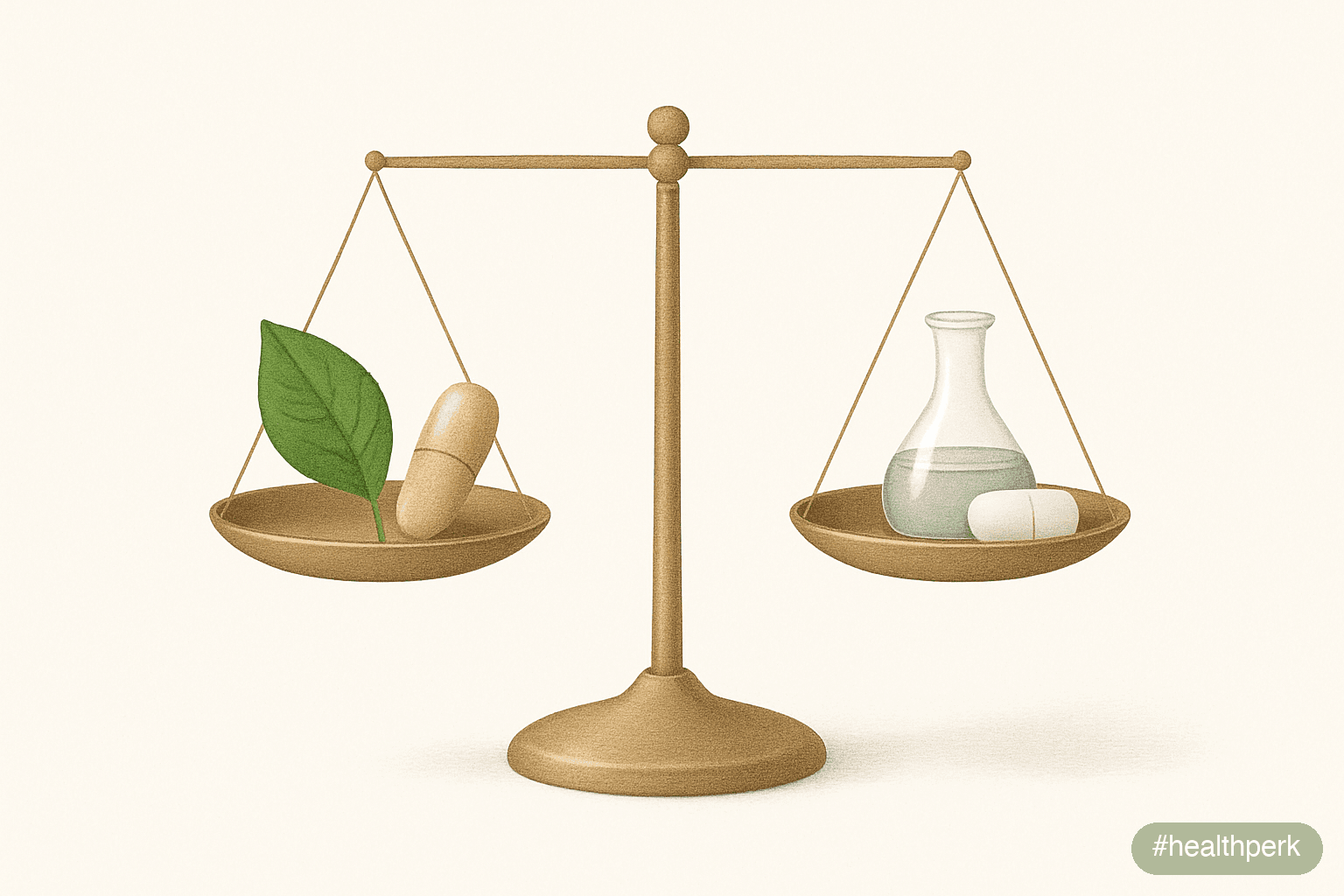
Natural vs synthetic fat burners is largely a marketing distinction, not a biological one. Most consumer "natural" fat burners are caffeine extracted from green coffee beans or tea; most "synthetic" ones are caffeine produced industrially. The body cannot tell the difference at the molecular level. The more useful distinction is dose, purity, and side-effect profile.
The honest framing in 2026:
- "Natural" caffeine and synthetic caffeine are pharmacologically identical. Both are 1,3,7-trimethylxanthine. Quality differences relate to purity and dose accuracy, not source.
- Plant extracts contain mixtures of compounds. Green tea extract delivers EGCG, EGC, caffeine, and other catechins. The mixture sometimes has additive effects; sometimes the side compounds matter less than marketing claims.
- Synthetic compounds are often dose-accurate and free of contaminants. Industrial production allows precise dosing and third-party testing. "Natural" extracts can vary substantially between batches.
- Some natural compounds have credible specific effects. Green tea catechins, capsaicin, soluble plant fibers, and specific probiotic strains have peer-reviewed evidence at clinically relevant doses.
- Some "natural" products carry significant risks. Ephedra (banned in many jurisdictions but still sold online) caused cardiovascular events. Yohimbine produces anxiety, hypertension, and arrhythmias in sensitive users. "Natural" status does not equal safety.
- Most synthetic prescription weight-loss drugs in 2026 are not for general supplement use. GLP-1 agonists (semaglutide, tirzepatide) are highly effective but prescription-only, expensive, and carry their own side-effect profile. They are not supplements and should not be compared to fiber or green tea extract.
The practical reframe: instead of "natural vs synthetic," ask "does the product have credible randomized-trial evidence at the dose I would take, with an acceptable side-effect profile, from a manufacturer with third-party testing?" That filter removes most of the supplement aisle on both sides of the natural/synthetic divide.
What survives the filter: protein powder (both whey and plant), soluble fiber (psyllium, glucomannan, beta-glucan), green tea catechins, caffeine (any source), specific probiotic strains, and deficiency-correction supplements. What does not: most proprietary "fat-burner" blends, herbal "metabolism boosters" with vague ingredient lists, and any product whose primary marketing relies on natural/synthetic positioning rather than evidence.
A reasonable buying heuristic for either category: third-party tested (NSF Certified for Sport, Informed Choice, USP Verified), single-ingredient or clearly labeled blends, doses matching the trials cited in marketing claims, and an unflashy bottle.
Fat Burners vs Natural Weight Loss
Fat burners vs natural weight loss is the central comparison most adults are making when they enter the supplement aisle. The honest 2026 answer: fat-loss supplements add a small, predictable edge on top of structural inputs (diet, training, sleep). Without those structural inputs, fat burners produce minimal or null effects.
The effect-size comparison from current trial data:
- Sustainable caloric deficit alone over 12 weeks: 5–10% of body weight in compliant adults
- Caloric deficit + adequate protein (0.7–1.0 g/lb): improves the composition of the loss (more fat, less lean mass)
- Adding resistance training: preserves and often builds lean mass, raises basal metabolic rate
- Adding sleep extension (if previously short sleepers): ~270 kcal/day reduction in spontaneous intake, improved adherence
- Adding the credible supplement stack (protein, fiber, EGCG, caffeine): 1–3 kg additional fat loss over 12 weeks
- Adding popular but weak-evidence supplements (garcinia, raspberry ketones, generic fat-burner blends): negligible to null
- GLP-1 prescription drugs: 12–22% body weight reduction over 68 weeks (an entirely different category from supplements)
The "fat burners" most adults imagine when they read marketing claims do not exist. There is no consumer pill that meaningfully accelerates fat loss without lifestyle change. The credible supplement effects are real but small, and they are diluted to insignificance if the underlying protocol is not in place.
What this means in practice: an adult with no structured diet, no training, and irregular sleep who buys a fat-burner stack will see ~0 kg of additional fat loss attributable to the supplements. The same adult, after building a 20% deficit, 0.8 g/lb protein, 3 weekly resistance sessions, 8,000 daily steps, and 7+ hours sleep, will see 1–3 kg of additional fat loss if the supplement stack is credible (protein, fiber, EGCG, caffeine) — but the structural changes are responsible for 80% or more of the total loss.
The reframe most useful in 2026: think of supplements as a 10–15% optimization layer applied to a foundation. If the foundation is missing, optimization is wasted money. If the foundation is solid, a small credible stack adds a meaningful but bounded edge. Either way, fat-loss outcomes are driven primarily by what an adult does outside the supplement aisle.
Supplements vs Diet for Weight Loss
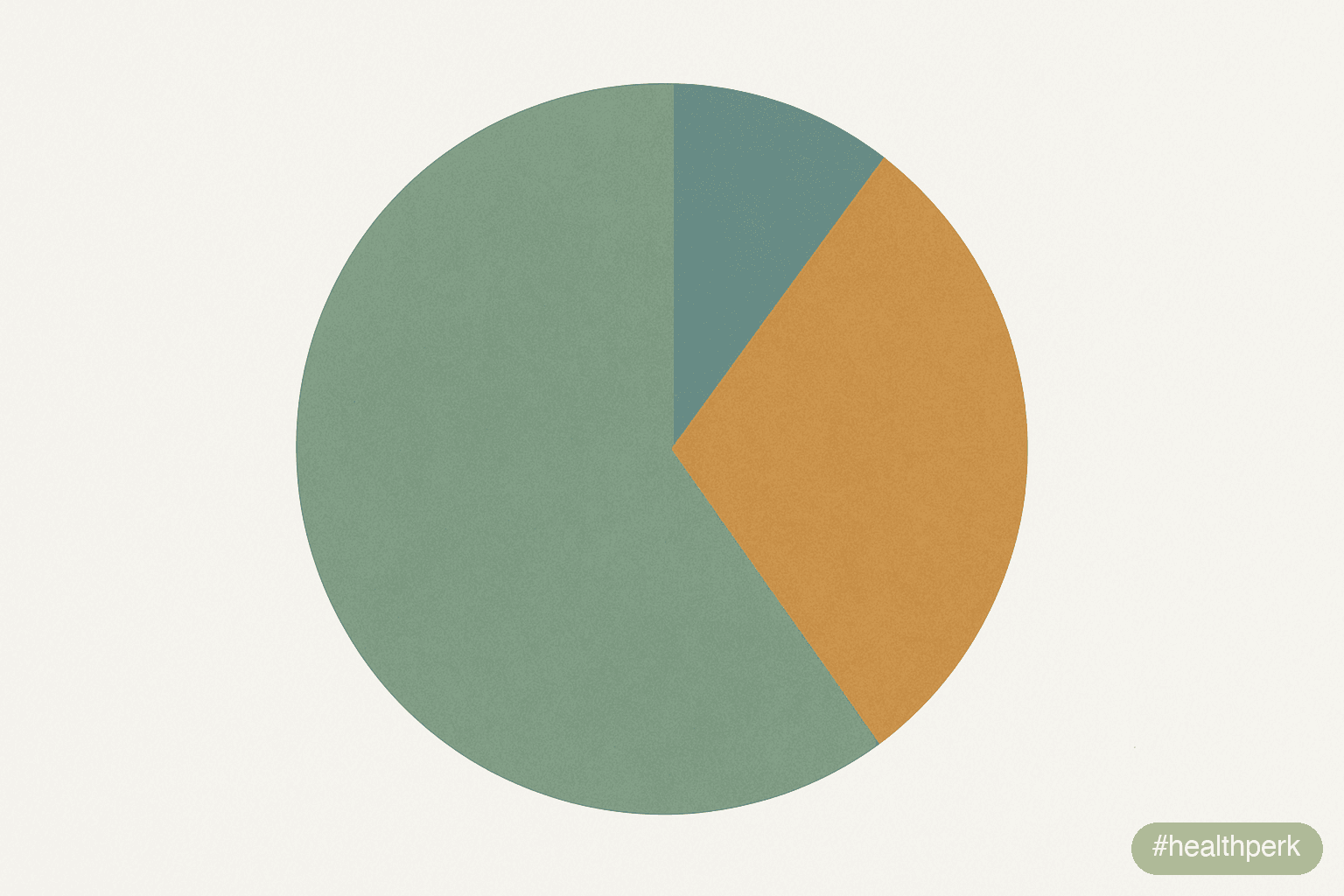
Supplements vs diet for weight loss is not a fair fight. Diet — meaning total caloric balance and macronutrient composition — accounts for roughly half of fat-loss outcomes. Supplements account for a small fraction. The reason the comparison gets framed as competitive in marketing is that supplements are easier to sell than dietary discipline.
The mechanistic distinction:
- Diet directly determines energy balance. Body fat is stored chemical energy. Without a sustained caloric deficit, no supplement can produce meaningful fat loss because the underlying energy equation is not changed.
- Diet also determines satiety, nutrient adequacy, glycemic response, and gut microbiome composition. Each of these influences how easy the deficit is to maintain, how training recovery works, and how hormone signals shape hunger.
- Supplements modify margins around the diet. Soluble fiber improves satiety from a given meal. Protein powder helps reach protein targets. Caffeine raises 24-hour expenditure ~3–4%. Green tea catechins add a small thermogenic effect. None of these substitute for the dietary structure.
The practical implication: any adult considering "should I focus on supplements or my diet" should focus on diet for 8–12 weeks first, then layer in supplements once the dietary structure is stable. Reversing the order produces a predictable failure pattern — the supplement adds 1–2% extra effect to a 0% protocol, total result is still 0%, the adult concludes "the supplement does not work" and switches to a new supplement.
A useful 2026 sequence:
- Weeks 0–4. Establish the dietary structure: protein at 0.7–0.8 g/lb, vegetables and fiber 30+ g/day, moderate deficit, water as the default beverage, alcohol below 3 drinks/week. Skip supplements except protein powder (used to hit protein) and any deficiency-correction supplements from blood work.
- Weeks 4–8. Stabilize training and sleep. 2–3 weekly resistance sessions, 7,000+ daily steps, 7+ hours sleep. Continue protein powder. Still no other supplements.
- Weeks 8–12. If progress is on track, optionally add soluble fiber 10 g/day, green tea extract 400 mg EGCG/day, and caffeine 100–200 mg pre-training. Evaluate effect at week 16 against weight, waist, and training performance.
- Beyond. Continue what is working; drop what is not adding measurable benefit.
The honest framing: diet is a high-effort, high-leverage input that produces most of the result. Supplements are a low-effort, low-leverage input that produces a small additional result. They are not competing alternatives — they are unequal partners, with diet doing the heavy lifting.
Intermittent Fasting vs Supplements

Intermittent fasting vs supplements is a comparison between two adherence and metabolic tools that operate through different mechanisms. Both can layer onto a working protocol; neither substitutes for caloric deficit and adequate protein. The honest 2026 evidence is that intermittent fasting and credible supplements produce similar modest effects on fat loss — and that they can be combined, not chosen between.
The mechanisms compared:
- Intermittent fasting (most commonly 16:8 or 14:10 time-restricted eating). Compresses the daily eating window, often producing a 200–300 kcal spontaneous reduction in intake without conscious tracking (Cienfuegos et al., 2020). Improves adherence for adults who find structured caloric tracking difficult. May improve insulin sensitivity modestly. Does not produce meaningful fat-loss benefit beyond the caloric reduction it enables.
- Credible supplement stack (protein, fiber, EGCG, caffeine). Adds 1–3 kg additional fat loss over 12 weeks on top of structural inputs. Mechanism is improved satiety (fiber), nutrient adequacy (protein), modest thermogenesis (EGCG + caffeine).
In randomized trials, time-restricted eating produces about 1–3% additional body weight loss over 8–12 weeks compared to ad-libitum eating at the same caloric content — a very similar effect size to the credible supplement stack. The two approaches are not in opposition; many adults benefit from combining them.
Where intermittent fasting is the right primary tool:
- You find caloric tracking aversive or unsustainable
- You snack heavily in the evening
- You have stable morning and afternoon energy without breakfast
- Your schedule supports a compressed eating window
- You want a single behavioral rule rather than a stack of supplements
Where supplements are the right primary tool:
- You eat across the day and that pattern works for you
- You struggle to hit protein targets from whole food alone
- Hunger between meals is the limiting factor (fiber helps)
- You train in the morning and want pre-workout caffeine
- You have correctable deficiencies (vitamin D, magnesium, iron)
Where both make sense together:
- Active adults training at moderate-to-high volume who want both improved adherence (fasting) and adequate macronutrient/satiety support (protein powder, fiber)
- Adults on a long-term fat-loss arc (6+ months) who want diverse, sustainable habits
What does not work in either approach: very aggressive fasting (24+ hour fasts multiple times weekly) combined with high-stimulant supplement stacks. This pattern produces sleep disruption, training quality loss, and lean-mass loss. The fastest fat loss is rarely the most sustainable; sustainable loss preserves composition and habits across months.
A reasonable 2026 combined approach: 14:10 or 16:8 time-restricted eating, protein powder used to hit 0.7–0.8 g/lb during the eating window, 10 g soluble fiber daily, optional 400 mg EGCG/day and 100–200 mg caffeine pre-training. This stack covers adherence, satiety, protein adequacy, and modest thermogenesis without exotic interventions.
Related Articles on HealthPerk
Explore more on this topic:
- How to Boost Metabolism Naturally
- Why Can't I Lose Weight Even Dieting?
- How to Lose Belly Fat Naturally
- Natural Appetite Suppressants That Work
- Hormonal Weight Gain Causes
Frequently Asked Questions
What supplements that help weight loss naturally actually have real evidence?
In 2026, the credible categories are: protein powder (to reach 0.7–1.0 g/lb protein), soluble fiber (psyllium, glucomannan, beta-glucan at 10–15 g/day), green tea catechins (400–500 mg EGCG/day), caffeine (3–6 mg/kg pre-training), and specific probiotic strains. Apple cider vinegar, L-carnitine, and berberine have plausible smaller effects. Layered on a working protocol of deficit, protein, training, and sleep, this stack adds about 1–3 kg of fat loss over 12 weeks. Without the structural inputs, the supplement effect is much smaller.
What are the best fat burning supplements for beginners?
A lean stack: protein powder (25–40 g/serving to hit protein targets), soluble fiber (5–15 g/day, built up gradually), caffeine (100–200 mg pre-training, not in the evening), and vitamin D3 if blood level is below 30 ng/mL. Avoid proprietary multi-ingredient blends for the first 12 weeks, since they prevent you from learning what is and is not working. Add one supplement at a time and evaluate over 4–6 weeks. The structural inputs (deficit, training, sleep) drive 90% of the result; supplements add a modest edge.
Are there effective fat burners without caffeine?
Yes. Soluble fiber (psyllium, glucomannan, oat beta-glucan), protein powder, decaffeinated green tea extract (400–500 mg EGCG/day), apple cider vinegar (15 ml/day), L-carnitine tartrate (2 g/day), specific probiotic strains, and berberine (500 mg three times daily) all have credible evidence and no stimulant impact. Correcting deficiencies in vitamin D, magnesium, and iron also removes hidden barriers. The caffeine-free stack produces a slightly smaller thermogenic edge than caffeine-containing stacks but does not disrupt sleep, which preserves more fat loss than caffeine adds.
What are the best vitamins for weight loss?
Vitamins do not directly drive fat loss — they remove hidden barriers. The most useful in the weight-loss context are vitamin D3 (1,000–4,000 IU/day if blood level is below 30 ng/mL), magnesium (310–420 mg/day, glycinate or citrate forms), iron (in women with low ferritin), B-complex vitamins (especially B12 in vegans and adults on metformin), and omega-3 fatty acids (1–2 g/day EPA/DHA). Get baseline blood work before assuming you need supplements; multivitamins for already-replete adults produce no measurable benefit.
What is the difference between natural vs synthetic fat burners?
Pharmacologically, much less than marketing suggests. Caffeine from green coffee beans and caffeine from industrial synthesis are the same molecule. Plant extracts deliver mixtures of compounds (green tea catechins, EGCG, caffeine) that sometimes act additively. Synthetic compounds tend to have more accurate dosing and tighter quality control. "Natural" does not equal safe — ephedra and yohimbine are natural and dangerous. The more useful filter is: credible randomized-trial evidence, doses matching the trials, third-party testing, and an acceptable side-effect profile.
How do fat burners vs natural weight loss compare?
Fat burners (the credible ones: protein powder, fiber, EGCG, caffeine) add about 1–3 kg of additional fat loss over 12 weeks when layered on a working protocol of caloric deficit, adequate protein, training, and sleep. Without those structural inputs, fat-burner supplements produce negligible effects. Natural weight loss — meaning structured diet, training, and sleep without supplements — drives 80–90% of total fat-loss outcomes. Supplements are an optimization layer, not an engine.
Which matters more — supplements vs diet for weight loss?
Diet matters far more — roughly 50% of fat-loss outcomes track caloric balance and macronutrient composition, while supplements account for ~3%. Diet directly determines energy balance, satiety, nutrient adequacy, and glycemic response. Supplements modify margins around the diet. The practical sequence: establish the dietary structure for 8–12 weeks first, then layer in supplements once the foundation is stable. Reversing the order produces predictable failure — supplements cannot rescue a missing dietary structure.
How does intermittent fasting vs supplements compare for fat loss?
Both produce similar modest effects — about 1–3% additional body weight loss over 8–12 weeks beyond ad-libitum eating or no supplements. Intermittent fasting (16:8 or 14:10 time-restricted eating) works by spontaneously reducing intake 200–300 kcal/day; supplements work by improving satiety, raising thermogenesis a few percent, and supporting protein adequacy. The two can be combined effectively. Neither substitutes for caloric deficit, adequate protein, training, and sleep. A reasonable combined approach uses 14:10 fasting plus protein powder, soluble fiber, and optional EGCG/caffeine.
Which supplements that actually help weight loss are worth the money?
Protein powder (closes the largest dietary gap for most adults), soluble fiber (improves satiety and waist circumference), green tea catechins (modest thermogenic effect), caffeine (cheap, well-studied, pre-training edge), and deficiency-correction supplements (vitamin D, magnesium, iron, B12 when indicated by blood work). Avoid proprietary thermogenic blends (usually caffeine in disguise at higher prices), garcinia cambogia, raspberry ketones, generic "detox" products, and any product whose marketing exceeds its trial evidence.
This article is for informational purposes only and does not constitute medical advice. Supplements can interact with prescription medications, alter blood glucose, raise blood pressure, and produce side effects that vary by individual. Consult a qualified healthcare provider before starting any new supplement, particularly if you take prescription medications, have diabetes or pre-diabetes, liver or kidney disease, are pregnant or breastfeeding, or have cardiovascular conditions. Caffeine sensitivity, fiber-medication interactions (especially with thyroid medications and certain antibiotics), and stimulant interactions with antidepressants and blood-pressure medications are particularly relevant. Always purchase from manufacturers with third-party testing (NSF Certified for Sport, Informed Choice, USP Verified). Individual results may vary.
About the author The HealthPerk Editorial Team reviews supplement and weight management research through evidence synthesis cross-referenced with peer-reviewed clinical trials, supplement-safety reviews, and clinical practice guidelines. Our weight-loss content is reviewed for medical accuracy against current obesity-medicine, endocrinology, and sports-nutrition standards. How we review →
References
Morton, R. W., Murphy, K. T., McKellar, S. R., Schoenfeld, B. J., Henselmans, M., Helms, E., Aragon, A. A., Devries, M. C., Banfield, L., Krieger, J. W., & Phillips, S. M. (2018). A systematic review, meta-analysis and meta-regression of the effect of protein supplementation on resistance training-induced gains in muscle mass and strength in healthy adults. British Journal of Sports Medicine, 52(6), 376–384. https://doi.org/10.1136/bjsports-2017-097608
Supports: protein supplementation alongside resistance training increases fat-free mass and reduces body fat percentage versus placebo
Thompson, S. V., Hannon, B. A., An, R., & Holscher, H. D. (2017). Effects of isolated soluble fiber supplementation on body weight, glycemia, and insulinemia in adults with overweight and obesity: A systematic review and meta-analysis of randomized controlled trials. American Journal of Clinical Nutrition, 106(6), 1514–1528. https://doi.org/10.3945/ajcn.117.163246
Supports: soluble fiber supplementation produces modest body weight and waist-circumference reductions (~1.4 cm) over 12+ weeks
Lin, Y., Shi, D., Su, B., Wei, J., Găman, M. A., Sedanur Macit, M., et al. (2020). The effect of green tea supplementation on obesity: A systematic review and dose-response meta-analysis of randomized controlled trials. Phytotherapy Research, 34(10), 2459–2470. https://doi.org/10.1002/ptr.6697
Supports: green tea extract produces placebo-adjusted weight loss of ~1.3 kg over 12+ weeks at 400–600 mg/day catechins
Tabrizi, R., Saneei, P., Lankarani, K. B., Akbari, M., Kolahdooz, F., Esmaillzadeh, A., et al. (2019). The effects of caffeine intake on weight loss: A systematic review and dose-response meta-analysis of randomized controlled trials. Critical Reviews in Food Science and Nutrition, 59(16), 2688–2696. https://doi.org/10.1080/10408398.2018.1507996
Supports: caffeine 3–6 mg/kg raises 24-hour expenditure 3–4% and produces small additional weight loss
Pesta, D. H., & Samuel, V. T. (2014). A high-protein diet for reducing body fat: Mechanisms and possible caveats. Nutrition & Metabolism, 11(1), 53. https://doi.org/10.1186/1743-7075-11-53
Supports: protein has a thermic effect of 20–30%; higher-protein intakes raise daily thermogenesis ~100 kcal/day
Abou-Khalil, R., Andary, J., & El-Hayek, E. (2024). Apple cider vinegar for weight management in Lebanese adolescents and young adults with overweight and obesity: A randomised, double-blind, placebo-controlled study. BMJ Nutrition, Prevention & Health, 7(1), 61–67. https://doi.org/10.1136/bmjnph-2023-000823
Supports: 15 ml of apple cider vinegar daily over 12 weeks produced modest placebo-adjusted weight loss
Pooyandjoo, M., Nouhi, M., Shab-Bidar, S., Djafarian, K., & Olyaeemanesh, A. (2016). The effect of (L-)carnitine on weight loss in adults: A systematic review and meta-analysis of randomized controlled trials. Obesity Reviews, 17(10), 970–976. https://doi.org/10.1111/obr.12436
Supports: L-carnitine supplementation produces small but statistically significant weight reduction in adults with overweight
Cienfuegos, S., Gabel, K., Kalam, F., Ezpeleta, M., Wiseman, E., Pavlou, V., Lin, S., Oliveira, M. L., & Varady, K. A. (2020). Effects of 4- and 6-h time-restricted feeding on weight and cardiometabolic health: A randomized controlled trial in adults with obesity. Cell Metabolism, 32(3), 366–378.e3. https://doi.org/10.1016/j.cmet.2020.06.018
Supports: time-restricted eating windows produce a 200–300 kcal daily reduction without conscious caloric tracking
Yin, J., Xing, H., & Ye, J. (2008). Efficacy of berberine in patients with type 2 diabetes mellitus. Metabolism, 57(5), 712–717. https://doi.org/10.1016/j.metabol.2008.01.013
Supports: berberine improves insulin sensitivity and produces modest weight reduction in adults with insulin resistance or metabolic syndrome
Mallard, S. R., Howe, A. S., & Houghton, L. A. (2020). Vitamin D status and weight loss: A systematic review and meta-analysis of randomized and nonrandomized controlled weight-loss trials. American Journal of Clinical Nutrition, 111(5), 1024–1042. https://doi.org/10.1093/ajcn/nqaa008
Supports: vitamin D supplementation in deficient adults improves weight-loss outcomes; supplementation in non-deficient adults adds no benefit
- Jenkins, D. J. A., Spence, J. D., Giovannucci, E. L., Kim, Y. I., Josse, R., Vieth, R., et al. (2018). Supplemental vitamins and minerals for CVD prevention and treatment. Journal of the American College of Cardiology, 71(22), 2570–2584. https://doi.org/10.1016/j.jacc.2018.04.020
Supports: multivitamin use produces no detectable effect on long-term cardiovascular outcomes in well-nourished populations
Frequently Asked Questions
What supplements that help weight loss naturally actually have real evidence?
In 2026, the credible categories are: protein powder (to reach 0.7-1.0 g/lb protein), soluble fiber (psyllium, glucomannan, beta-glucan at 10-15 g/day), green tea catechins (400-500 mg EGCG/day), caffeine (3-6 mg/kg pre-training), and specific probiotic strains. Layered on a working protocol of deficit, protein, training, and sleep, this stack adds about 1-3 kg of fat loss over 12 weeks. Without the structural inputs, the supplement effect is much smaller.
What are the best fat burning supplements for beginners?
A lean stack: protein powder (25-40 g/serving), soluble fiber (5-15 g/day, built up gradually), caffeine (100-200 mg pre-training, not in the evening), and vitamin D3 if blood level is below 30 ng/mL. Avoid proprietary multi-ingredient blends for the first 12 weeks. Add one supplement at a time and evaluate over 4-6 weeks. The structural inputs drive 90% of the result; supplements add a modest edge.
Are there effective fat burners without caffeine?
Yes. Soluble fiber, protein powder, decaffeinated green tea extract (400-500 mg EGCG/day), apple cider vinegar (15 ml/day), L-carnitine tartrate (2 g/day), specific probiotic strains, and berberine (500 mg three times daily) all have credible evidence and no stimulant impact. The caffeine-free stack produces a slightly smaller thermogenic edge than caffeine-containing stacks but does not disrupt sleep.
What are the best vitamins for weight loss?
Vitamins do not directly drive fat loss — they remove hidden barriers. The most useful are vitamin D3 (1,000-4,000 IU/day if below 30 ng/mL), magnesium (310-420 mg/day), iron (in women with low ferritin), B-complex vitamins (especially B12 in vegans and adults on metformin), and omega-3 fatty acids (1-2 g/day EPA/DHA). Get baseline blood work before assuming you need supplements.
What is the difference between natural vs synthetic fat burners?
Pharmacologically, much less than marketing suggests. Caffeine from green coffee beans and caffeine from industrial synthesis are the same molecule. Plant extracts deliver mixtures of compounds. Synthetic compounds tend to have more accurate dosing and tighter quality control. 'Natural' does not equal safe — ephedra and yohimbine are natural and dangerous. The more useful filter is: credible randomized-trial evidence, doses matching the trials, third-party testing, and an acceptable side-effect profile.
How do fat burners vs natural weight loss compare?
Fat burners (the credible ones: protein powder, fiber, EGCG, caffeine) add about 1-3 kg of additional fat loss over 12 weeks when layered on a working protocol of caloric deficit, adequate protein, training, and sleep. Without those structural inputs, fat-burner supplements produce negligible effects. Natural weight loss drives 80-90% of total fat-loss outcomes. Supplements are an optimization layer, not an engine.
Which matters more — supplements vs diet for weight loss?
Diet matters far more — roughly 50% of fat-loss outcomes track caloric balance and macronutrient composition, while supplements account for ~3%. Diet directly determines energy balance, satiety, nutrient adequacy, and glycemic response. The practical sequence: establish the dietary structure for 8-12 weeks first, then layer in supplements once the foundation is stable. Supplements cannot rescue a missing dietary structure.
How does intermittent fasting vs supplements compare for fat loss?
Both produce similar modest effects — about 1-3% additional body weight loss over 8-12 weeks. Intermittent fasting (16:8 or 14:10) works by spontaneously reducing intake 200-300 kcal/day; supplements work by improving satiety, raising thermogenesis a few percent, and supporting protein adequacy. The two can be combined effectively. Neither substitutes for caloric deficit, adequate protein, training, and sleep.
Which supplements that actually help weight loss are worth the money?
Protein powder, soluble fiber, green tea catechins (EGCG), caffeine, and deficiency-correction supplements (vitamin D, magnesium, iron, B12 when indicated by blood work). Avoid proprietary thermogenic blends (usually caffeine in disguise at higher prices), garcinia cambogia, raspberry ketones, generic 'detox' products, and any product whose marketing exceeds its trial evidence.
More from Supplements