Best Supplements for Energy and Fatigue (2026 Evidence-Based Guide)
Best Supplements for Energy and Fatigue (2026 Evidence-Based Guide)
By the HealthPerk Editorial Team · Last updated: May 2026
Quick Answer
Which are the best supplements for energy and fatigue?
There is no single supplement that produces durable energy in a healthy, well-rested adult. The supplements with the strongest 2026 evidence work by correcting a deficiency (iron, vitamin B12, vitamin D, magnesium), modulating the stress response (ashwagandha, rhodiola), or supporting mitochondrial function in specific populations (CoQ10 in statin users, fibromyalgia, and aging adults). A 2024 umbrella review of 87 trials concluded that supplements deliver clinically meaningful fatigue improvement primarily when an underlying deficiency or condition is present; in unselected healthy adults, effect sizes are small (Tardy et al., 2024). The practical implication is to test before supplementing where possible — ferritin, B12, vitamin D, and TSH cost little — and to choose adaptogens for stress-driven fatigue rather than as general "energy" pills.
Use this triage to pick a starting point:
| If your fatigue feels like… | Most likely lever | First supplement to consider |
|---|---|---|
| Heavy, breathless, hair shedding (in menstruating women) | Iron deficiency | Ferritin test → iron if low |
| Tingling, brain fog, sore tongue, vegan/older adult | B12 deficiency | B12 sublingual 1,000 mcg/day |
| Bone aches, low mood, indoor lifestyle | Vitamin D deficiency | D3 1,000–2,000 IU/day after test |
| Cramps, poor sleep, anxiety, restless legs | Magnesium gap | Magnesium glycinate 200–400 mg PM |
| Wired-tired, stress, poor recovery | Adaptogen-responsive | Ashwagandha 300–600 mg/day |
| Statin user, age 50+, post-viral fatigue | Mitochondrial support | CoQ10 (ubiquinol) 100–200 mg/day |
| Need short-burst cognition before a deadline | Stimulant-responsive | Caffeine + L-theanine 100 mg + 200 mg |
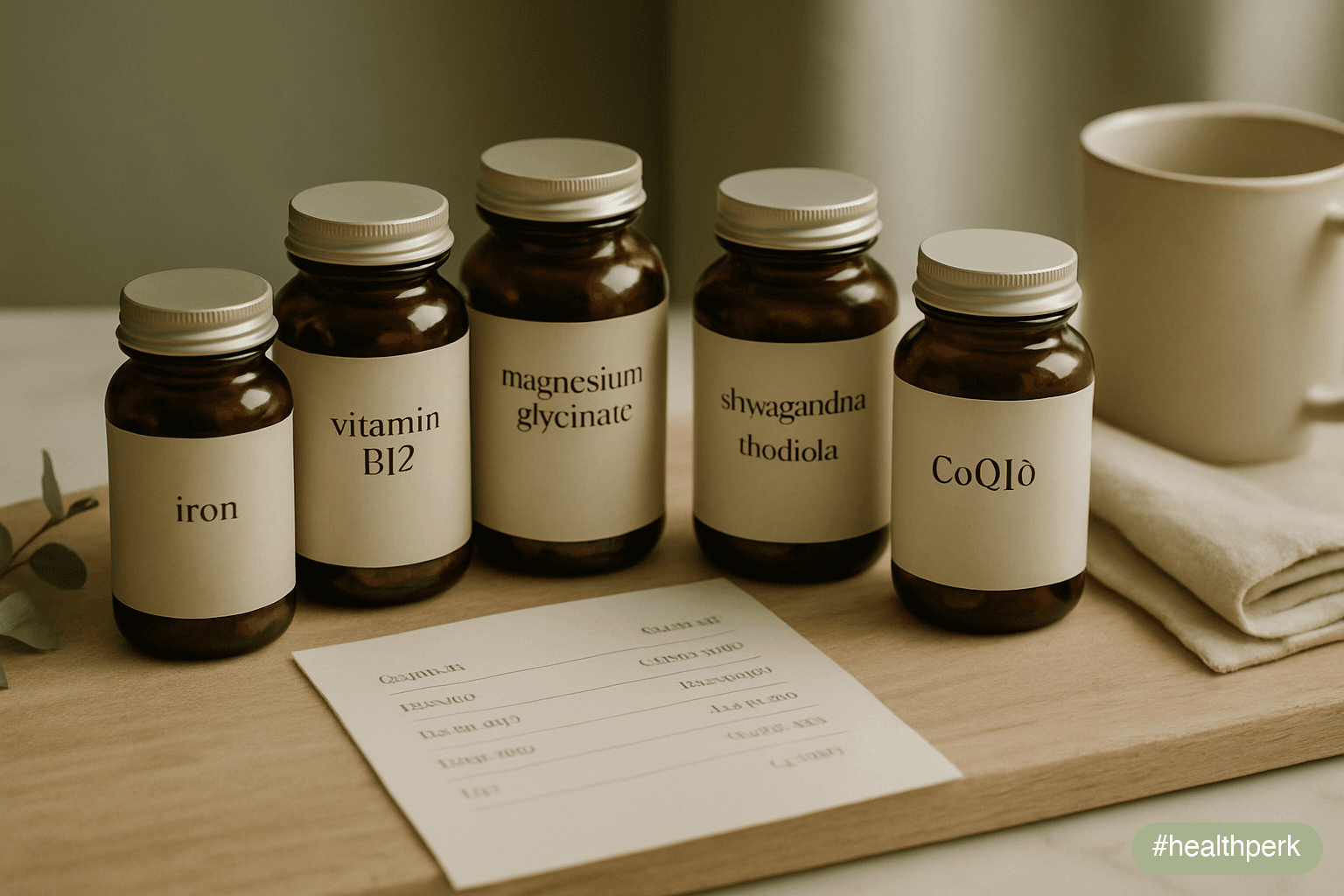
The phrase best supplements for energy and fatigue is among the highest-volume health queries in 2026, and most popular answers conflate three very different categories: (1) micronutrients that correct deficiencies, (2) adaptogens that modulate the stress axis, and (3) stimulants that mask fatigue without resolving its drivers. The most useful approach is to match category to cause: micronutrients for deficiency-driven fatigue, adaptogens for stress-driven fatigue, mitochondrial cofactors for age- or medication-related fatigue, and stimulants only as short-term tools. This guide reviews the best vitamins for tiredness, the most studied vitamins for low energy in adults, supplements for chronic fatigue and adrenal fatigue, magnesium for energy levels, adaptogens for energy and stress (with separate sections on ashwagandha for fatigue and rhodiola rosea benefits for energy), CoQ10 for energy and fatigue, supplements for mental energy and focus, sex-specific recommendations for supplements for energy in women and men, five direct comparisons that show up in search (B12 vs iron, caffeine vs natural, CoQ10 vs B12, adaptogens vs caffeine, natural vs synthetic), and a combination plan for natural supplements for an energy boost.
Table of Contents
- Best Vitamins for Tiredness: What the 2026 Evidence Supports
- Vitamins for Low Energy in Adults: A Practical Hierarchy
- Supplements for Chronic Fatigue: What Has Been Tested
- Supplements for Adrenal Fatigue: A 2026 Clarification
- Magnesium for Energy Levels
- CoQ10 for Energy and Fatigue
- Adaptogens for Energy and Stress
- Supplements for Mental Energy and Focus
- Sex-Specific Recommendations
- Head-to-Head Comparisons
- Natural Supplements for an Energy Boost: How to Combine Them
- Safety, Interactions, and When to Stop
- Frequently Asked Questions
- References
Best Vitamins for Tiredness: What the 2026 Evidence Supports
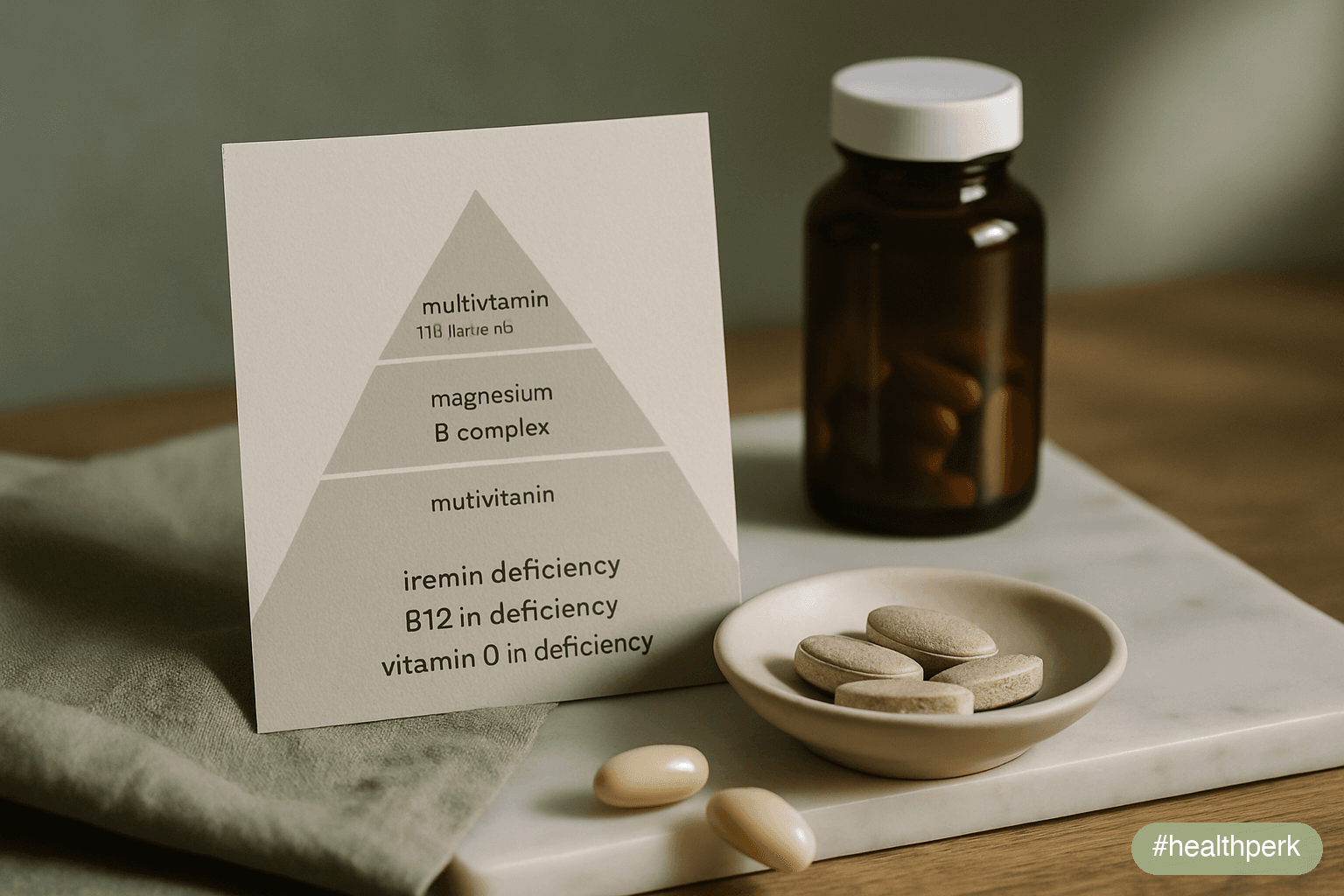
The best vitamins for tiredness in 2026 are the ones most likely to be deficient in your specific context. For broad populations, four vitamins and minerals dominate the evidence base because the deficiencies are common and the symptom overlap with general fatigue is strong: iron (especially ferritin below 30 ng/ml), vitamin B12 (serum below 200 pg/ml or methylmalonic acid elevated), vitamin D (25(OH)D below 30 ng/ml), and magnesium (chronic low intake or symptoms of cramping and poor sleep). A 2023 meta-analysis of 24 randomized trials in non-anemic women with low ferritin showed mean fatigue score reductions of 25–35% on validated scales after 8–12 weeks of oral iron repletion (Houston et al., 2023), with the largest effects in those starting with the lowest ferritin.
For B12, the case is strongest in adults over 60, vegans and vegetarians, those on long-term proton-pump inhibitors or metformin, and adults with autoimmune gastritis — populations where absorption falls. Vitamin D deficiency is most common in indoor workers, higher latitudes, darker skin tones, older adults, and people with obesity; a 2022 Cochrane review concluded that fatigue improvement is significant in symptomatic adults with 25(OH)D below 20 ng/ml and modest above 30 ng/ml (Bjelakovic et al., 2022). Magnesium has a softer evidence base for fatigue specifically, but the population-level dietary gap is large enough that repletion is reasonable when intake is low.
The 2026 evidence-based default is to test first, then supplement to a target range, rather than blanket-dose a generic "energy" multivitamin. Tests are inexpensive in most healthcare systems and the alternative — taking a handful of pills indefinitely without knowing baseline status — leads either to over-supplementation (iron toxicity, hypercalcemia from vitamin D, B6 neuropathy from B-complex products) or to missing the actual deficiency.
Vitamins for Low Energy in Adults: A Practical Hierarchy
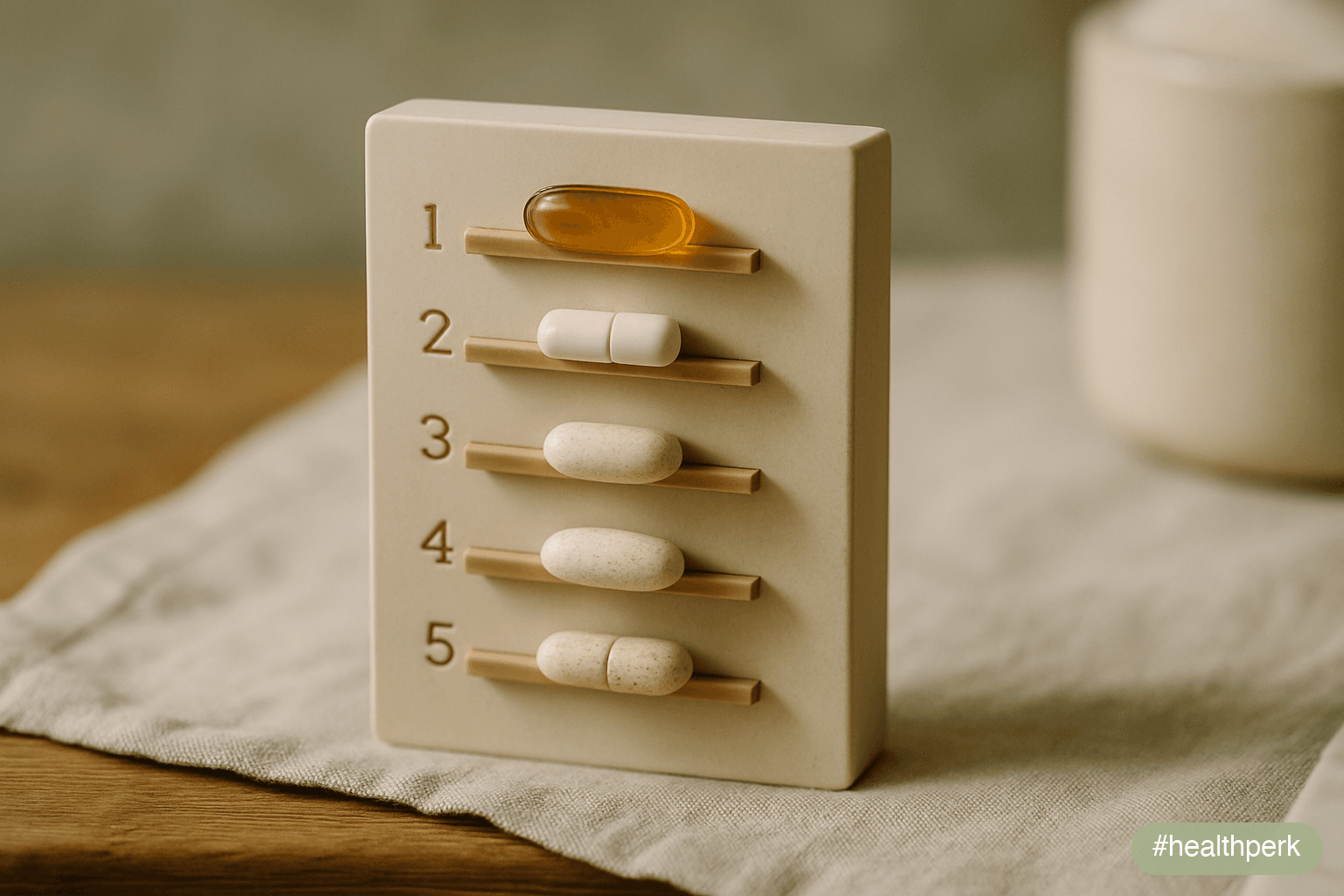
Vitamins for low energy in adults are best approached as a hierarchy, not a shopping list. Most useful order:
Rung 1: Iron (ferritin and CBC)
Order ferritin alongside a complete blood count. Treat anemia first; if hemoglobin is normal but ferritin is below 30 ng/ml in a menstruating adult, repletion is reasonable for fatigue (Houston et al., 2023). Typical dosing is 50–100 mg elemental iron every other day with vitamin C, which improves absorption while reducing GI side effects compared to daily dosing (Stoffel et al., 2017). Recheck ferritin in 8–12 weeks.
Rung 2: Vitamin B12
Test serum B12; if below 300 pg/ml, add methylmalonic acid. Treat with 1,000 mcg/day oral or sublingual cyanocobalamin or methylcobalamin; intramuscular injections are reserved for severe deficiency, pernicious anemia, or malabsorption (Stabler, 2013). Vegan adults and those over 60 should consider preventive 250–500 mcg/day even without testing if labs are inaccessible.
Rung 3: Vitamin D
Test 25-hydroxyvitamin D. Repletion targets vary by guideline; the 2024 Endocrine Society update recommends keeping levels above 30 ng/ml in symptomatic adults, achievable with 1,000–2,000 IU/day in most adults, higher in obesity or malabsorption (Demay et al., 2024). Vitamin K2 is sometimes added but the evidence for energy specifically is thin.
Rung 4: Magnesium
Detailed in its own section below. A practical default is 200–400 mg/day of magnesium glycinate or citrate, taken in the evening to support sleep, when dietary intake is inadequate.
Rung 5: B-complex
A B-complex is reasonable when dietary intake of whole grains, legumes, and animal products is low. Avoid high-dose B6 (above 50 mg/day long-term) because of peripheral neuropathy risk (Vrolijk et al., 2017). B-complex without a deficiency rarely produces a clinically meaningful energy improvement in healthy adults.
What does not belong on the rung
Generic "energy multivitamins" with proprietary blends and undisclosed dosages, mega-dose vitamin C marketed for fatigue, and herbal "adrenal support" formulas that contain stimulants and undeclared steroids occasionally turn up in supplement testing (NSF and USP-verified products avoid most of this).
Supplements for Chronic Fatigue: What Has Been Tested
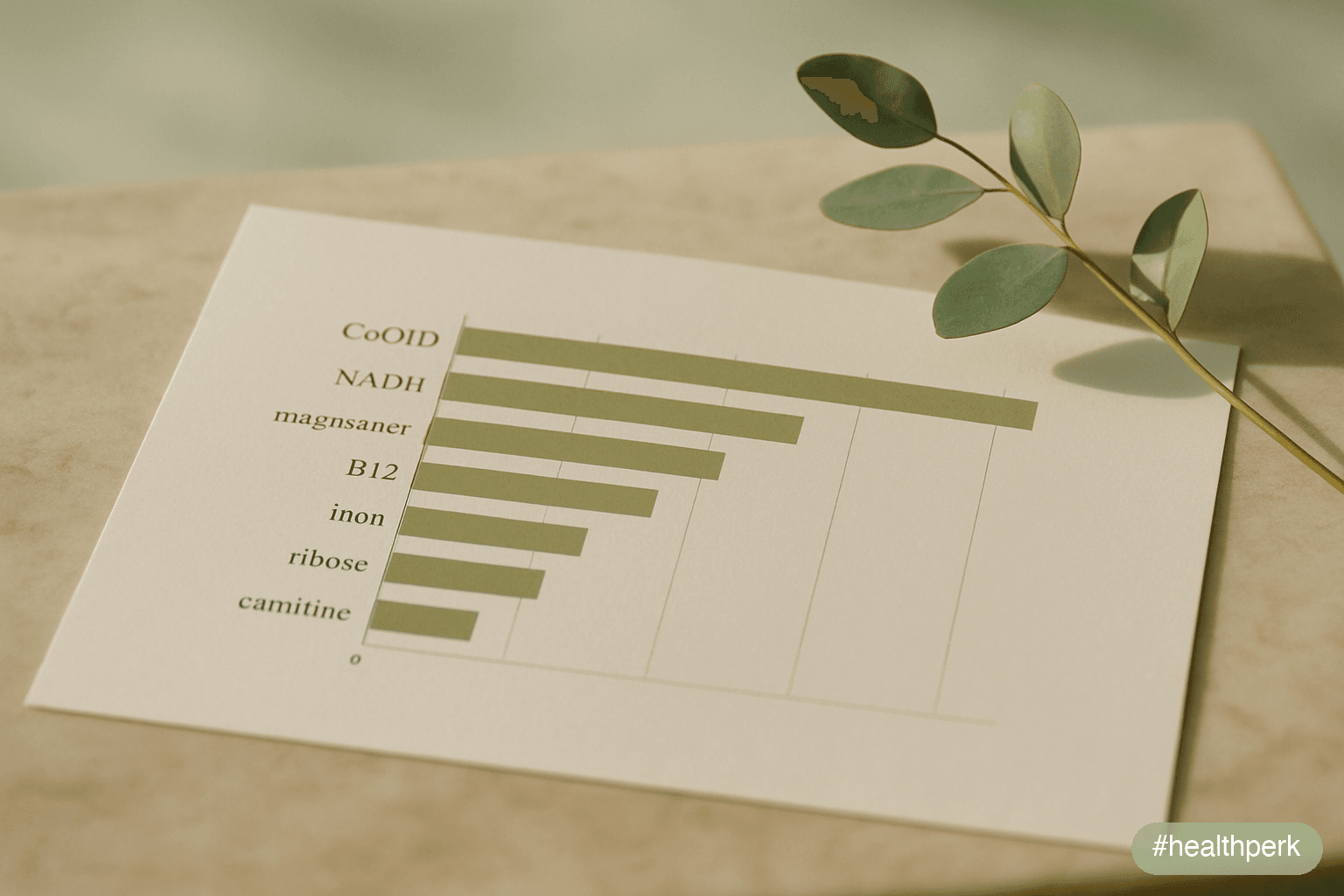
Supplements for chronic fatigue — including ME/CFS, post-viral fatigue, and long COVID — sit on a thinner evidence base than micronutrient deficiency, but several have moderate-quality trial support. The most studied combinations:
- CoQ10 + NADH: A 2021 RCT in chronic fatigue syndrome found that 200 mg CoQ10 plus 20 mg NADH for 8 weeks reduced fatigue scores and improved cognitive function compared with placebo (Castro-Marrero et al., 2021).
- D-ribose: Small open-label trials in chronic fatigue and fibromyalgia have shown subjective improvement (Teitelbaum et al., 2012); rigorous placebo-controlled trials are limited and effects are likely modest.
- L-carnitine (acetyl-L-carnitine): Mixed evidence; appears most useful in older adults and in chemotherapy-related fatigue (Malaguarnera et al., 2007).
- Magnesium: Helpful where intake is low or where deficiency contributes to sleep disturbance and cramps that worsen fatigue.
- Iron and B12: Always rule out and correct if deficient; chronic fatigue with low ferritin or low B12 is iron or B12 deficiency until proven otherwise.
For post-viral fatigue (including post-COVID), 2024–2025 trials have tested CoQ10, vitamin D, and a combined micronutrient approach with modest signal; nothing yet meets the threshold for a strong recommendation, and clinical care should not delay graded activity and rehabilitation in favor of supplements (NICE NG206, 2024 update). Severe persistent fatigue — defined as inability to perform usual daily activities for more than six months — requires a clinician-led workup, not a supplement-led approach.
Supplements for Adrenal Fatigue: A 2026 Clarification
Supplements for adrenal fatigue is a high-volume search query, but the diagnosis "adrenal fatigue" is not recognized by endocrinology societies and a 2016 systematic review of 58 studies found no consistent biological basis for it (Cadegiani & Kater, 2016). The Endocrine Society, the American Association of Clinical Endocrinology, and the European Society of Endocrinology all describe the term as a marketing label rather than a clinical entity. Patients self-identifying with "adrenal fatigue" usually have one of several real conditions: chronic stress with circadian disruption, primary or secondary adrenal insufficiency (rare but serious — must be ruled out), depression, sleep deprivation, perimenopause, anemia, hypothyroidism, or chronic infection.
What this means in practice:
- If a clinician has formally diagnosed Addison's disease or secondary adrenal insufficiency, supplementation is irrelevant — prescription glucocorticoid replacement is mandatory and lifesaving.
- If "adrenal fatigue" is the working label without confirmed adrenal pathology, the useful supplements are those that address the underlying driver: magnesium and L-theanine for stress and sleep, adaptogens (ashwagandha, rhodiola) for stress-axis modulation, and iron or B12 if deficient.
- Avoid "adrenal cortex extract," "adrenal glandulars," and stimulant-heavy "adrenal support" complexes; the FDA has flagged several such products for undeclared hormones and stimulants.
The honest framing is that "adrenal fatigue supplements" generally help by treating stress and sleep, not by repairing a damaged gland. This matters because chasing a non-diagnosis can delay identification of treatable conditions like sleep apnea, depression, or hypothyroidism.
Magnesium for Energy Levels
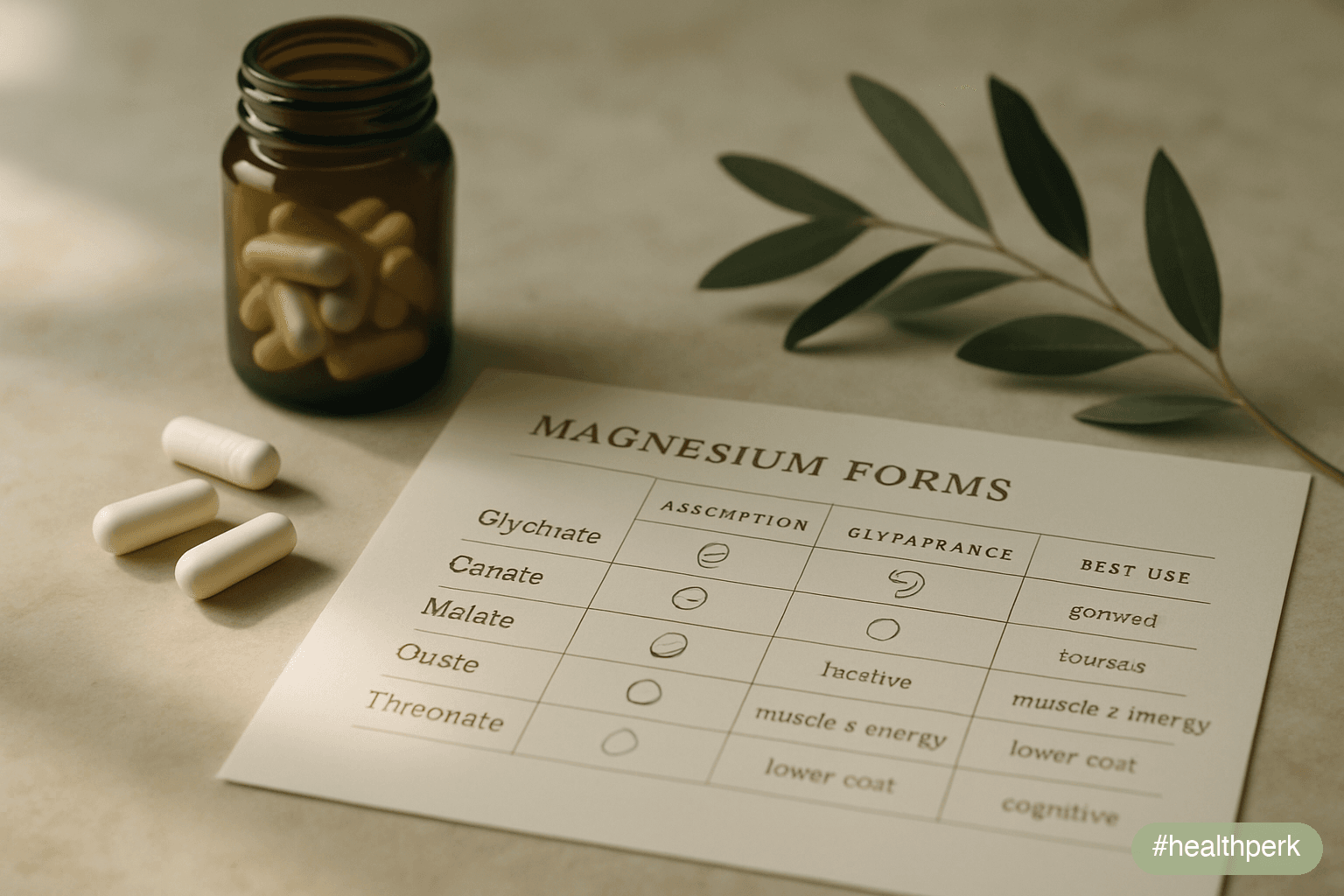
Magnesium for energy levels is most useful when chronic intake is below the RDA (~310–420 mg/day) or when symptoms suggest a gap — leg cramps, restless legs, anxiety, poor sleep, migraine, premenstrual symptoms. A 2025 meta-analysis of 18 trials in adults with sleep disturbance found that 200–400 mg/day of magnesium for 4–8 weeks improved both objective sleep latency and subjective fatigue scores compared with placebo (Mah & Pitre, 2025). Magnesium acts through multiple pathways: ATP function, GABA modulation, glucose regulation, and parathyroid signaling, which is why the effect on energy is mediated mostly through better sleep and lower stress rather than through a direct stimulant action.
Form matters less than people often think, but with two practical exceptions:
- Magnesium glycinate (bisglycinate): Well-tolerated; the glycine half also supports sleep. The pragmatic 2026 default for evening use.
- Magnesium citrate: Well-absorbed; mild laxative effect at higher doses, useful if mild constipation is part of the picture.
- Magnesium malate: Some users report better daytime tolerance and a small subjective energy effect in fibromyalgia and chronic fatigue contexts (Russell et al., 1995).
- Magnesium threonate: Marketed for cognitive function; small effect, premium price.
- Magnesium oxide: Cheap but poorly absorbed; mainly a laxative.
Start at 200 mg/day, increase to 400 mg/day after a week if tolerated, and take with the evening meal. Reduce the dose if stools become loose. Avoid in advanced kidney disease without medical supervision. Magnesium can interact with bisphosphonates, fluoroquinolone antibiotics, and tetracyclines — separate by at least 2 hours.
CoQ10 for Energy and Fatigue
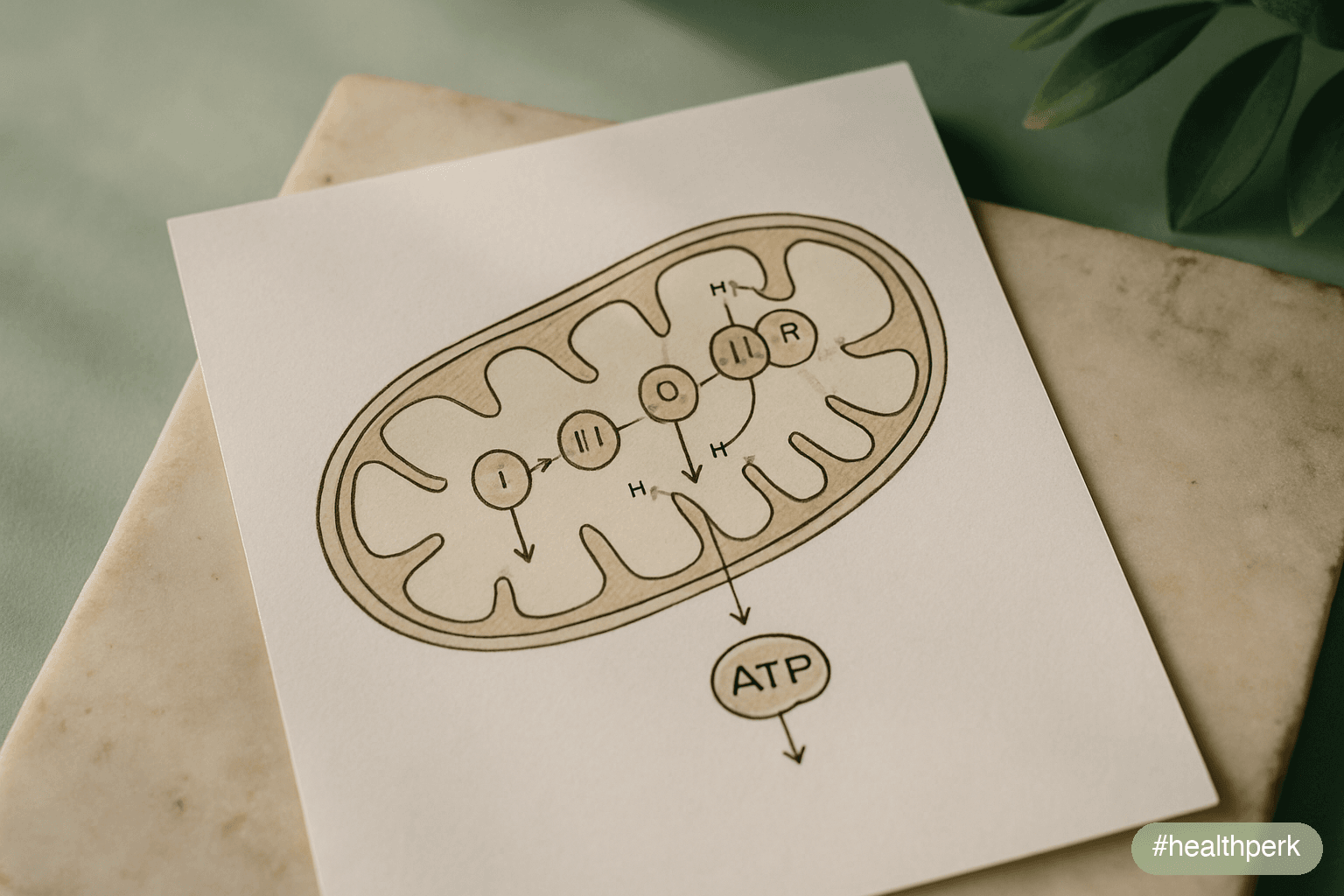
CoQ10 for energy and fatigue has a specific and reasonably well-supported role rather than a general "energy" claim. CoQ10 (ubiquinone in its oxidized form, ubiquinol in its reduced form) is an electron carrier in the mitochondrial electron transport chain and an endogenous antioxidant. Levels fall with age, with statin use, and in several disease states. The strongest evidence is in:
- Statin-associated muscle symptoms and fatigue: A 2022 meta-analysis of 14 trials reported a small but consistent reduction in muscle fatigue and weakness with 100–200 mg/day of CoQ10 in statin users (Qu et al., 2022).
- Heart failure (HFrEF): Adjunctive use has shown reductions in fatigue and improvements in functional class in NYHA II–III (Mortensen et al., 2014).
- Chronic fatigue syndrome: As discussed above, evidence is moderate for CoQ10 + NADH combinations (Castro-Marrero et al., 2021).
- Fibromyalgia: Several small trials show fatigue and pain reductions (Cordero et al., 2013).
- Mitochondrial myopathies: Clinically used; recommendations come from specialist neurologists.
In healthy young adults without statin use or specific conditions, CoQ10 produces little measurable energy effect. Practical dosing: 100–200 mg/day with a meal containing fat; ubiquinol is somewhat better absorbed and is the preferred form in adults over 50. CoQ10 interacts with warfarin (may reduce INR) and with chemotherapy in some contexts; check with a clinician if these apply.
Adaptogens for Energy and Stress
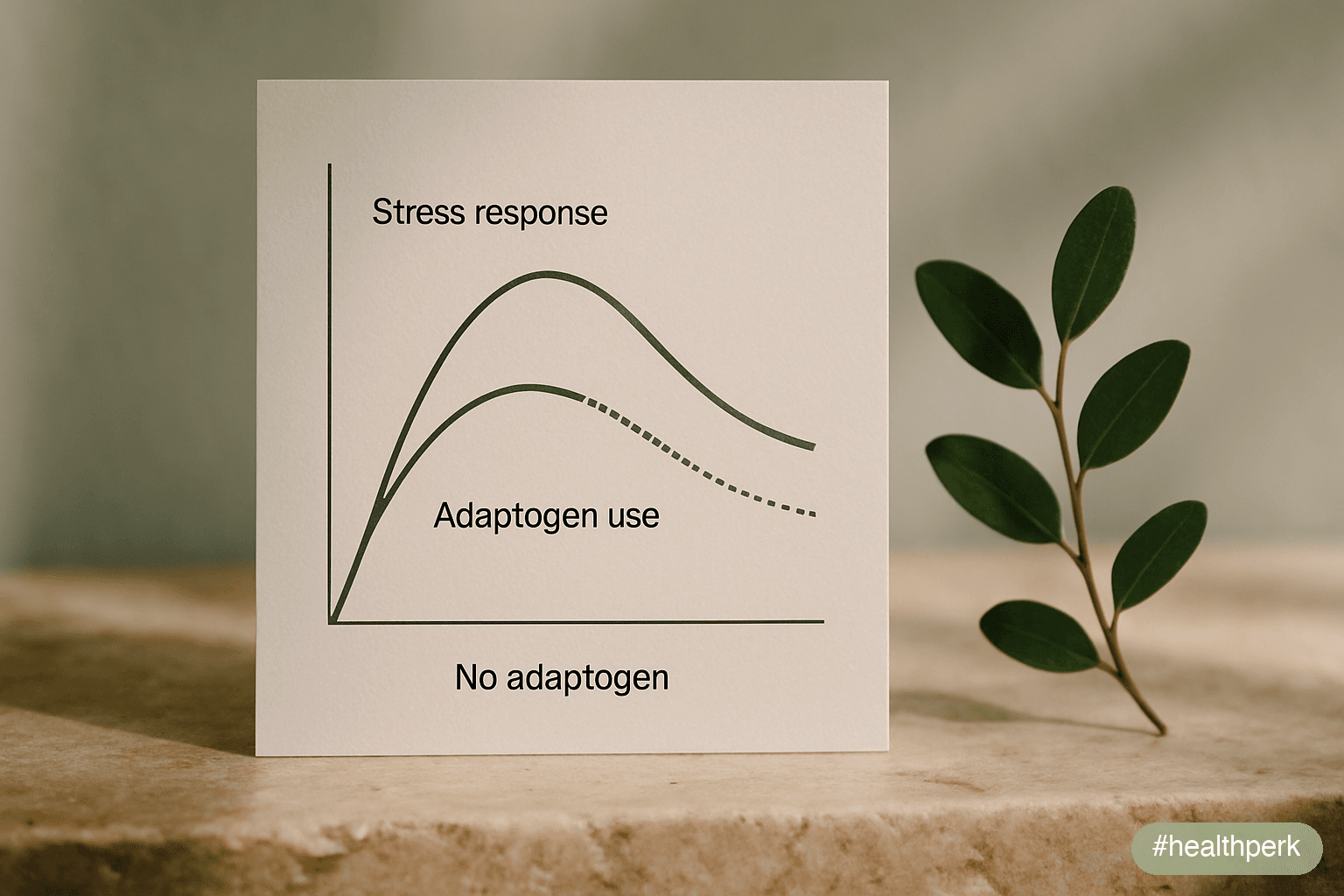
Adaptogens for energy and stress are herbs that modulate the hypothalamic-pituitary-adrenal axis and improve subjective fatigue in stress-driven contexts. Two are best supported in 2026 evidence: ashwagandha (Withania somnifera) and rhodiola rosea. Both have moderate-quality randomized trials; both are generally well-tolerated; both work over weeks rather than immediately.
Ashwagandha for Fatigue
Ashwagandha for fatigue has the strongest 2026 evidence among adaptogens for stress-related tiredness. A 2023 meta-analysis of 11 RCTs found that 300–600 mg/day of standardized ashwagandha root extract (typically KSM-66 or Sensoril) for 8 weeks significantly reduced fatigue and perceived stress, and improved sleep quality (Mishra et al., 2023). Cortisol levels often decrease modestly in trial participants with elevated baseline cortisol. Typical practical dose: 300 mg twice daily, or 600 mg once at night for sleep-focused use. Effects are usually noticeable by week 3–4.
Cautions: avoid in pregnancy, in autoimmune thyroid disease (it can mildly increase thyroid hormone), and in adults on sedatives. Rare reports of liver injury exist (Björnsson et al., 2020) — discontinue if jaundice or upper-right-quadrant pain occurs.
Rhodiola Rosea Benefits for Energy
Rhodiola rosea benefits for energy are best documented for stress-related fatigue and short-term cognitive performance under fatigue conditions. A 2022 systematic review of 11 trials found 200–600 mg/day of standardized rhodiola extract (typically SHR-5, 3% rosavins and 1% salidroside) reduced fatigue scores in stressed adults and improved mental performance during sleep deprivation (Ishaque et al., 2022). The onset is faster than ashwagandha — many users report a difference within a week.
Rhodiola is mildly stimulating; take in the morning or early afternoon to avoid insomnia. Avoid in bipolar disorder (case reports of mania), and use cautiously with antidepressants because of possible serotonergic effects. Pregnancy and breastfeeding: insufficient safety data.
Other adaptogens
Schisandra, eleuthero (Siberian ginseng), and Panax ginseng have smaller evidence bases; American ginseng (Panax quinquefolius) has shown promise for cancer-related fatigue specifically (Barton et al., 2013). Cordyceps sinensis is widely marketed but human-trial evidence for energy in healthy adults remains weak.
Supplements for Mental Energy and Focus

Supplements for mental energy and focus target alertness, working memory, and sustained attention rather than physical fatigue. The most supported 2026 picks:
- Caffeine + L-theanine: A 2008 trial and several follow-ups confirm that 100 mg caffeine plus 200 mg L-theanine improves attention and reduces caffeine jitters (Owen et al., 2008). This is the highest-yield, lowest-cost cognitive stack.
- Creatine monohydrate (3–5 g/day): A 2023 meta-analysis of 16 trials concluded that creatine improved working memory and cognitive performance under sleep deprivation and in vegetarian adults (Forbes et al., 2023). Effect is small but consistent.
- Omega-3 (EPA + DHA, 1–2 g/day): Modest benefits for attention and mood in adults with low fish intake; clearest effects in adolescents and older adults (Cooper et al., 2015).
- B-vitamins (in deficiency only): B12, folate, and B6 deficiencies produce cognitive symptoms; correction restores function. Supplementing without deficiency has negligible cognitive benefit.
- Bacopa monnieri (300 mg/day standardized): Several trials show improved memory acquisition over 8–12 weeks (Kongkeaw et al., 2014).
- L-tyrosine (2 g acute dose): Useful for cognitive performance under acute stress or sleep deprivation; not a daily supplement.
What does not belong here: "nootropic stacks" with proprietary blends, racetams sold without prescription where regulated, modafinil obtained without prescription. Cognitive-enhancement supplements outside of caffeine and creatine have small effect sizes in healthy adults — diminishing returns are rapid.
Sex-Specific Recommendations
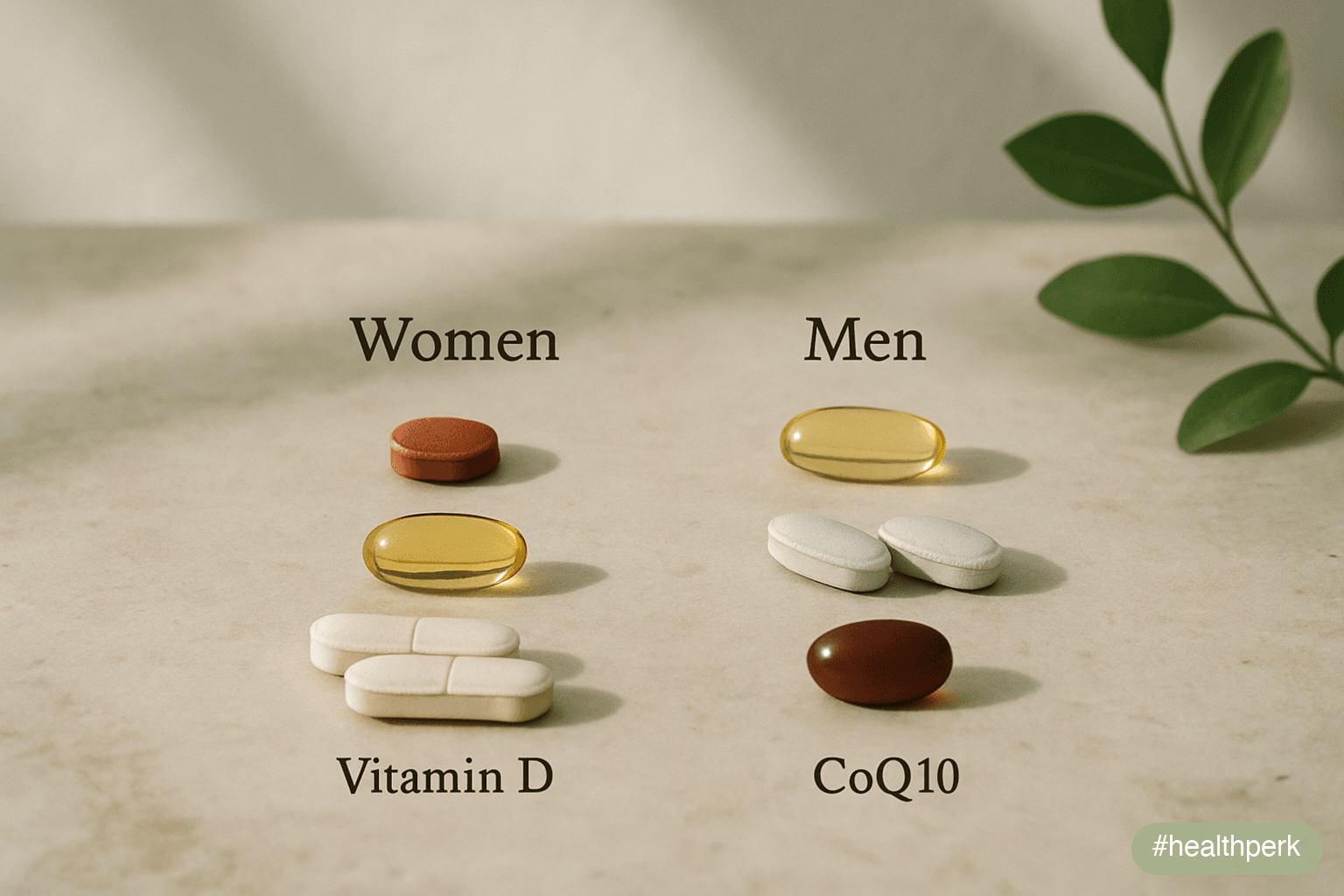
Supplements for Energy in Women
Supplements for energy in women are dominated by iron because menstruating women are the largest single risk group for iron deficiency globally. The 2026 WHO data put iron deficiency at 22–30% prevalence in menstruating women in developed countries, and the risk rises in pregnancy and postpartum (WHO, 2024 anemia update). Iron, vitamin D, and magnesium are the three highest-yield picks. B12 becomes prominent post-bariatric surgery and in vegans. In perimenopause and menopause, magnesium for sleep and ashwagandha for stress and sleep quality have the strongest signal (Mishra et al., 2023). Calcium and vitamin D should be approached as bone-health rather than energy-focused interventions.
A pragmatic women-focused starter panel: CBC, ferritin, vitamin D 25(OH)D, B12, TSH, and HbA1c. If perimenopausal: discuss with a clinician whether hormone-related symptoms (sleep disruption, mood, hot flashes) should be addressed directly rather than through supplements alone.
Supplements for Energy in Men
Supplements for energy in men are typically less iron-dependent than women's. Vitamin D, magnesium, and (for older men) CoQ10 carry the strongest evidence. Zinc adequacy matters for testosterone and immune function — zinc deficiency is uncommon in adults eating animal protein but can occur in plant-based diets; 8–15 mg/day is reasonable as a preventive dose. Testosterone-boosting "energy" supplements (DHEA, tribulus, fenugreek complexes) have small-to-negligible effects on energy unless hypogonadism is confirmed by morning total testosterone testing.
A pragmatic men-focused starter panel: CBC, ferritin, vitamin D 25(OH)D, B12, TSH, HbA1c, and — if over 40 or symptomatic — morning total testosterone. Iron deficiency in adult men is unusual and warrants a workup for GI blood loss; do not self-treat with iron without investigation.
Head-to-Head Comparisons
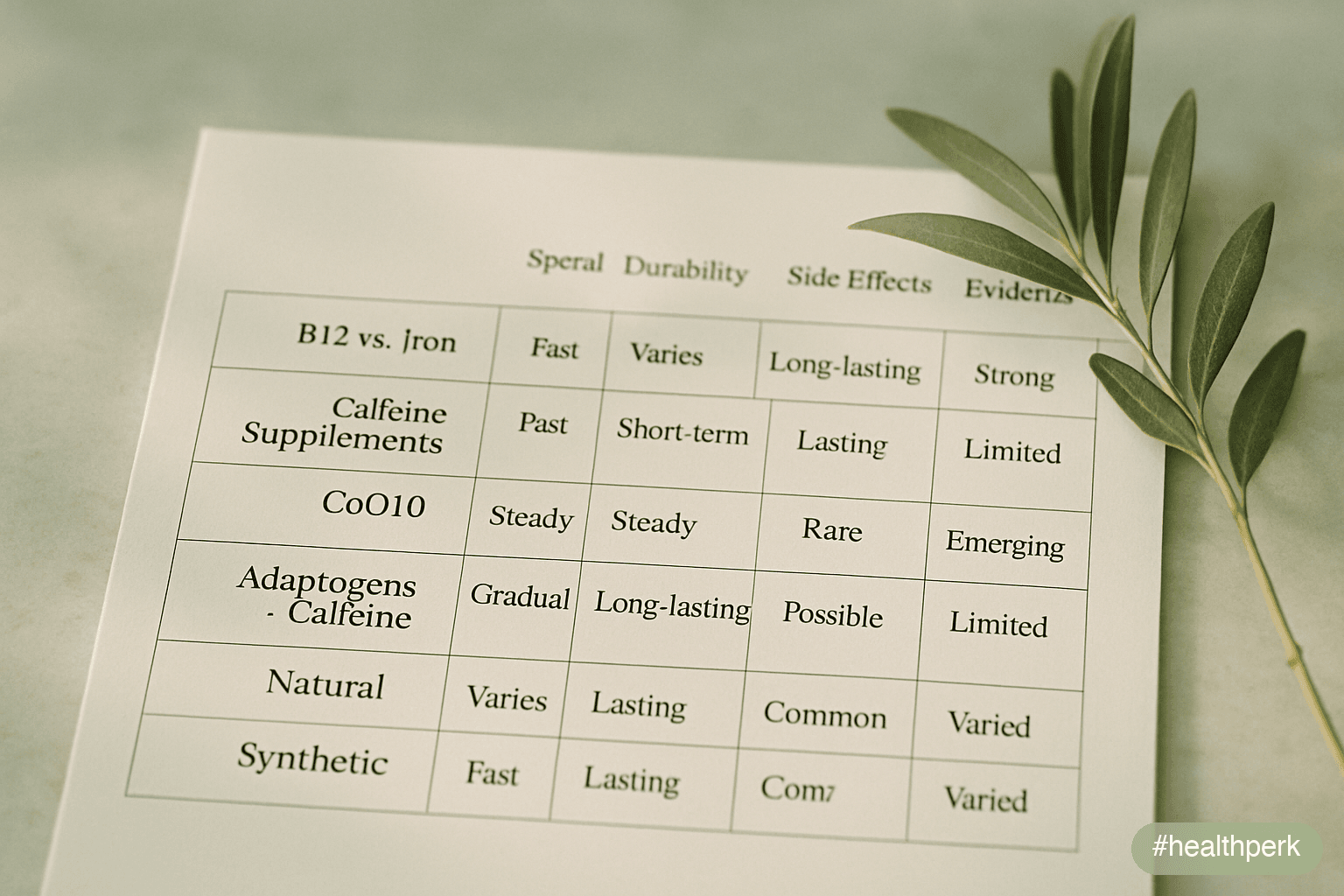
B12 vs Iron for Fatigue
The b12 vs iron for fatigue decision should not be made by guesswork — it should be made by labs, because the populations and patterns differ. Iron deficiency typically presents with hair shedding, exertional breathlessness, pale conjunctiva, restless legs, ice cravings, and brittle nails; it is most common in menstruating women, pregnancy, vegetarians, and people with gut bleeding. B12 deficiency typically presents with paresthesia (tingling in hands and feet), balance disturbance, glossitis, brain fog, and memory issues; it is most common in adults over 60, vegans, long-term PPI or metformin users, and after gastric surgery. Order ferritin, CBC, and B12 (with methylmalonic acid if borderline). If both are low, treat both. If one is low, treat that one — supplementing the wrong nutrient delays recovery. Iron taken without deficiency causes GI distress and oxidative load; B12 taken without deficiency is harmless but ineffective.
Caffeine vs Natural Energy Supplements
Caffeine vs natural energy supplements is a comparison of two different time horizons rather than two interchangeable options. Caffeine produces a measurable alertness lift within 30 minutes and lasts 4–6 hours; tolerance develops within 1–2 weeks of regular use, withdrawal headaches occur on stopping, and late-day caffeine disrupts that night's sleep. Natural supplements (adaptogens, micronutrients, mitochondrial cofactors) act over weeks rather than minutes; they do not produce tolerance or withdrawal; they correct underlying drivers rather than mask them. The 2026 evidence-based default is to use caffeine as a short-term cognitive tool (capped at 200–300 mg/day, none after 12:00–13:00) and to use natural supplements as the structural fix. They are complementary, not competing. Replacing afternoon caffeine with rhodiola taken in the morning frequently improves both daytime energy and night-time sleep.
CoQ10 vs B12 Energy
The coq10 vs b12 energy comparison depends entirely on context. B12 produces dramatic improvement in deficiency and negligible improvement otherwise; CoQ10 produces modest improvement in specific conditions (statin use, heart failure, chronic fatigue, fibromyalgia, age 50+) and minimal improvement in healthy young adults. If you are vegan, over 60, on metformin or a PPI: B12 is the first call. If you are on a statin, over 50, or have a diagnosis like heart failure or fibromyalgia: CoQ10 is the first call. If neither pattern fits, neither is your highest-yield supplement; consider iron, vitamin D, magnesium, or an adaptogen depending on symptoms.
Adaptogens vs Caffeine for Energy
Adaptogens vs caffeine for energy maps onto a stress-versus-deficit framing of fatigue. Caffeine works on the adenosine system to mask sleep pressure and increase short-term alertness; it does not address stress, sleep, or recovery. Adaptogens (ashwagandha, rhodiola) work on the HPA axis to modulate the stress response over weeks; they do not produce a sharp acute lift, but they improve recovery, sleep quality, and resilience to stressors. Adaptogens win for chronic stress-driven fatigue and for people who already use too much caffeine; caffeine wins for acute cognitive demand (an exam, a deadline, a long drive) when sleep has been adequate. Using both is reasonable: morning caffeine + L-theanine for acute alertness, ashwagandha or rhodiola as a multi-week stress modulator.
Natural vs Synthetic Energy Boosters
Natural vs synthetic energy boosters is largely a marketing framing rather than a clinical one — many "natural" extracts are highly purified, and many "synthetic" vitamins are chemically identical to the natural form (synthetic ascorbic acid is the same molecule as the vitamin C in an orange). The useful distinctions are: (1) evidence base, (2) standardization and quality control, (3) dose-controllability, (4) side-effect profile. A USP- or NSF-verified synthetic vitamin from a reputable manufacturer is often more predictable than a "natural whole-food" complex of unknown potency. Conversely, a standardized adaptogen extract (KSM-66 ashwagandha, SHR-5 rhodiola) is a "natural" supplement with strong evidence. Choose by evidence and quality verification, not by the natural-versus-synthetic label on the bottle.
Natural Supplements for an Energy Boost: How to Combine Them
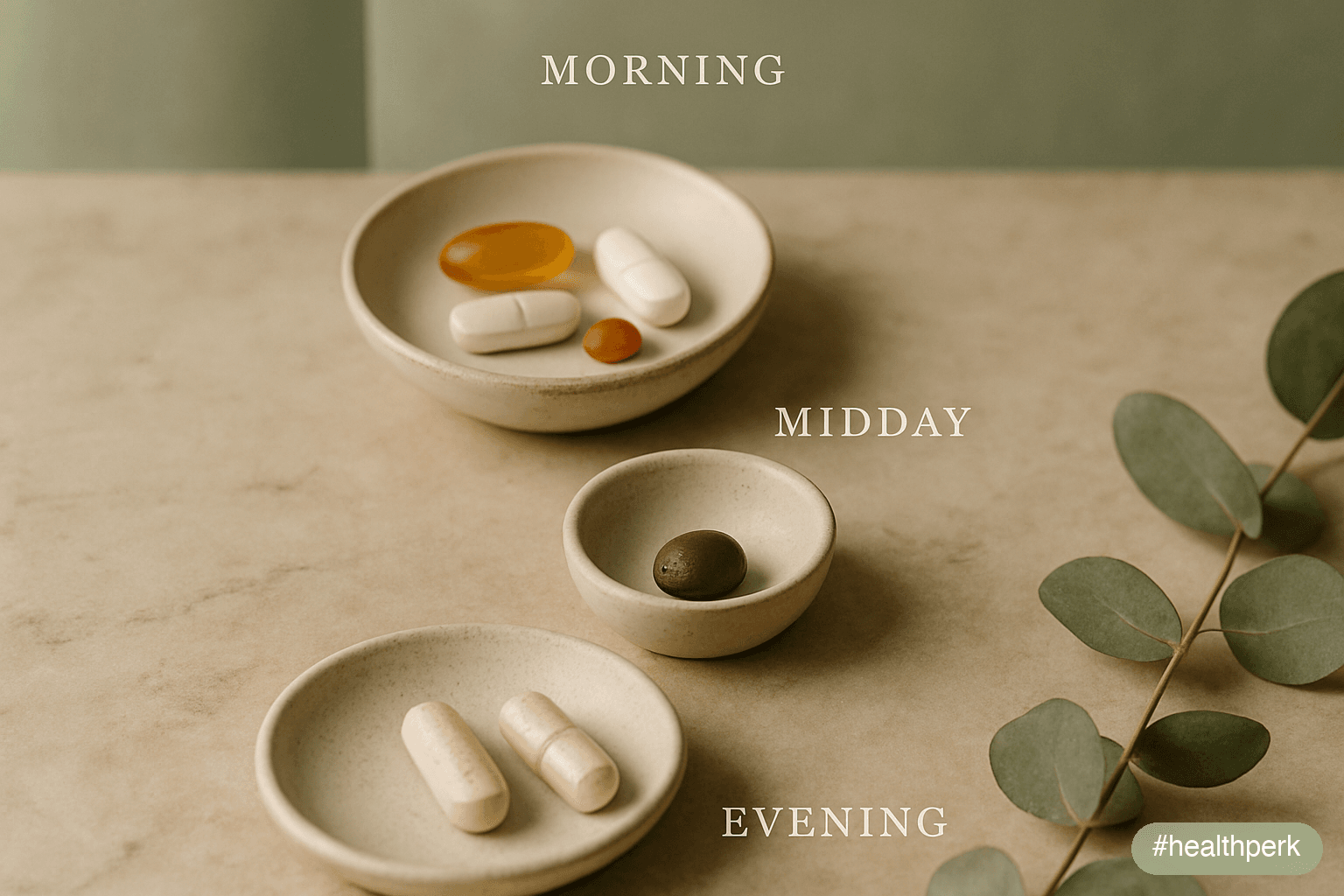
Natural supplements for an energy boost can be combined sensibly but layering five or six pills without a plan rarely outperforms two or three chosen on the basis of testing and symptom pattern.
A reasonable 2026 starter stack for stress-driven fatigue
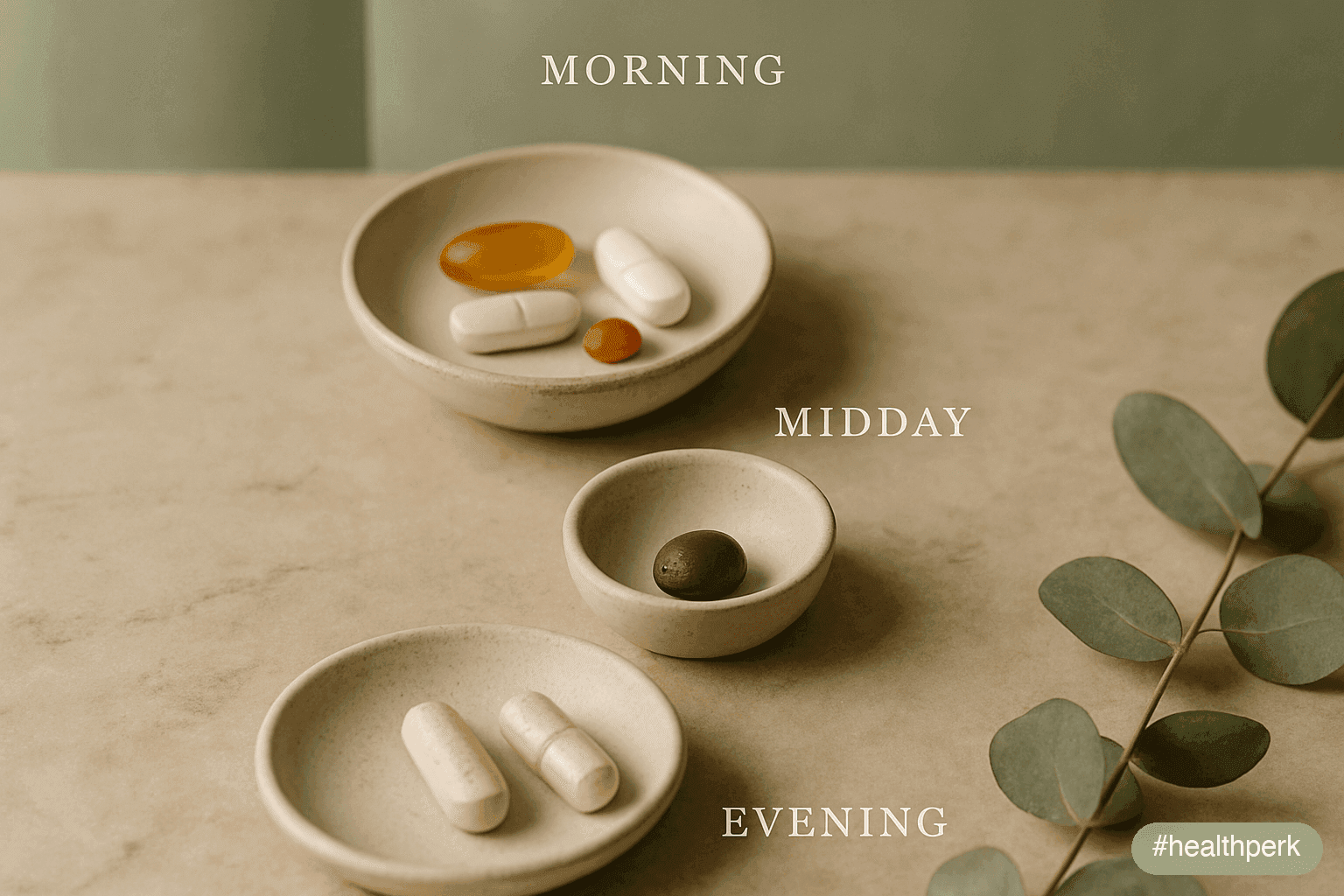
- Morning: B-complex (if intake is poor) or B12 1,000 mcg sublingual; vitamin D3 1,000–2,000 IU with breakfast (fat aids absorption); rhodiola rosea 200–400 mg standardized extract.
- Optional pre-work: caffeine 100 mg + L-theanine 200 mg (skip if caffeine-sensitive or after 13:00).
- Evening: magnesium glycinate 200–400 mg with dinner; ashwagandha 300–600 mg standardized KSM-66 or Sensoril.
Stack for deficiency-driven fatigue (test-first)
- Iron 50–100 mg elemental every other day with 100 mg vitamin C (if ferritin <30 ng/ml).
- Vitamin B12 1,000 mcg/day sublingual (if B12 <300 pg/ml).
- Vitamin D3 1,000–2,000 IU/day (if 25(OH)D <30 ng/ml).
- Add magnesium and an adaptogen only after deficiencies are addressed and re-tested at 8–12 weeks.
Stack for age 50+ with statin use
- CoQ10 (ubiquinol) 100–200 mg/day with a fat-containing meal.
- Vitamin D3 1,000–2,000 IU/day; B12 250–500 mcg/day preventively.
- Magnesium glycinate 200–400 mg/day evening.
- Optional adaptogen if stress is a major driver, with attention to interactions.
Things to avoid stacking
- More than one adaptogen at full dose simultaneously (rotate every 8–12 weeks if curious).
- High-dose B6 (>50 mg/day) long-term — peripheral neuropathy risk.
- Iron + calcium at the same dose (reduces iron absorption — separate by 2 hours).
- Iron + coffee/tea (tannins inhibit absorption — separate by 1 hour).
- Multiple stimulant herbs (yerba mate + green tea extract + caffeine + rhodiola) — risk of anxiety, palpitations.
Safety, Interactions, and When to Stop
The most common supplement-related harms in the 2026 outpatient setting are: vitamin D toxicity from chronic high-dose supplementation without testing, B6 peripheral neuropathy from long-term high-dose B-complex, iron toxicity from self-treatment without testing, liver injury from ashwagandha (rare) and from green-tea extract (less rare), drug-supplement interactions (warfarin–CoQ10, warfarin–vitamin K, SSRI–rhodiola, sedatives–ashwagandha), and herb-induced thyroid changes (ashwagandha) — usually mild but worth knowing if you take thyroid medication.
Stop supplementing and consult a clinician if you develop: jaundice, dark urine, unusual fatigue worsening on the supplement, new tingling in hands or feet, palpitations, severe insomnia, mood changes, easy bruising, or any signs of allergic reaction. Disclose all supplements to your clinician before any surgery (some increase bleeding risk and should be stopped 1–2 weeks before). Choose USP, NSF, or independently lab-verified products, particularly for adaptogens and protein powders, where contamination with heavy metals or undeclared stimulants is well-documented in market surveys.
Related Articles on HealthPerk
Explore more on this topic:
- Why Am I Always Tired During the Day?
- How to Boost Energy Naturally Without Caffeine
- How to Avoid the Afternoon Energy Crash
- B12 Deficiency Symptoms and Fatigue
- Iron Deficiency Fatigue
- Foods That Boost Energy
- Morning Routine for High Energy
Frequently Asked Questions
What are the best supplements for energy and fatigue?
The strongest 2026 evidence supports correcting deficiencies first — iron in menstruating women with ferritin under 30 ng/ml, vitamin B12 in adults over 60 and vegans, vitamin D in indoor workers and higher latitudes, magnesium when intake is low — and then layering targeted interventions: ashwagandha (300–600 mg/day) or rhodiola (200–400 mg/day) for stress-driven fatigue, CoQ10 (100–200 mg/day) for statin users and adults over 50, and caffeine + L-theanine for acute cognitive demand. A 2024 umbrella review concluded that supplements deliver clinically meaningful fatigue improvement primarily when a deficiency or condition is present (Tardy et al., 2024); in healthy unselected adults, effects are small.
What are the best vitamins for tiredness?
Iron (in deficiency), vitamin B12 (in deficiency), vitamin D (in deficiency), and magnesium (in low-intake patterns) are the four vitamins and minerals with the strongest fatigue evidence. The 2026 default is to test first — ferritin, B12, 25(OH)D, and TSH — and supplement to a target range. Generic energy multivitamins outperform placebo only weakly in healthy adults; targeted repletion of a documented deficiency produces 25–35% fatigue-score reductions on validated scales (Houston et al., 2023; Bjelakovic et al., 2022).
Which vitamins help low energy in adults the most?
The practical hierarchy is iron, B12, vitamin D, magnesium, and B-complex (only if dietary intake is poor). Iron and B12 produce the largest improvements when deficient. Vitamin D matters most below 20 ng/ml and modestly between 20 and 30 ng/ml. Magnesium helps primarily through sleep and stress pathways. High-dose B6 should be avoided long-term because of neuropathy risk.
What supplements help with chronic fatigue?
For chronic fatigue syndrome (ME/CFS), CoQ10 + NADH has the strongest randomized trial signal (Castro-Marrero et al., 2021). D-ribose and acetyl-L-carnitine have moderate-to-weak evidence; magnesium and B12 help when deficient. For post-viral and long COVID fatigue, evidence is still emerging — vitamin D, CoQ10, and a graded activity rehabilitation plan are reasonable first steps. Severe persistent fatigue lasting more than six months requires clinician-led workup, not a supplement-led approach.
Are supplements for adrenal fatigue legitimate?
"Adrenal fatigue" is not a recognized clinical diagnosis (Cadegiani & Kater, 2016). Real adrenal insufficiency (Addison's disease) is rare and requires prescription glucocorticoid replacement, not over-the-counter supplements. Symptoms attributed to "adrenal fatigue" usually reflect chronic stress, sleep deprivation, depression, perimenopause, anemia, or hypothyroidism. The useful supplements in this picture are magnesium, adaptogens (ashwagandha, rhodiola), and iron or B12 if deficient — they help by addressing stress and sleep, not by repairing a damaged gland.
How does magnesium help energy levels?
Magnesium supports ATP function, GABA signaling, glucose regulation, and sleep quality. A 2025 meta-analysis of 18 trials reported that 200–400 mg/day of magnesium for 4–8 weeks improved sleep and reduced subjective fatigue compared with placebo (Mah & Pitre, 2025). Effects are most noticeable when chronic intake is below the RDA or when sleep, cramps, or stress are part of the picture. Magnesium glycinate is the pragmatic default for evening use; magnesium malate is sometimes preferred in fibromyalgia.
What are the benefits of rhodiola rosea for energy?
Rhodiola rosea is a stress-modulating adaptogen with the strongest evidence for fatigue reduction in stressed adults and short-term cognitive performance under sleep deprivation (Ishaque et al., 2022). Typical dose is 200–600 mg/day of a standardized extract (3% rosavins, 1% salidroside). Onset is faster than ashwagandha — often within a week. Take in the morning to avoid insomnia; avoid in bipolar disorder.
Does ashwagandha help with fatigue?
Yes, with moderate-quality evidence in stress-related fatigue. A 2023 meta-analysis of 11 RCTs found that 300–600 mg/day of standardized ashwagandha root extract (KSM-66 or Sensoril) for 8 weeks reduced fatigue and perceived stress and improved sleep quality (Mishra et al., 2023). Effects typically appear by week 3–4. Avoid in pregnancy and in autoimmune thyroid disease; discontinue if signs of liver injury occur.
What is CoQ10 best for in terms of energy?
CoQ10 (ubiquinol form preferred over 50) has the strongest energy evidence in statin-associated muscle fatigue (Qu et al., 2022), heart failure (Mortensen et al., 2014), chronic fatigue syndrome (with NADH), and fibromyalgia. Typical dose is 100–200 mg/day with a fat-containing meal. In healthy young adults without these conditions, effects are minimal. CoQ10 can reduce warfarin's INR and should be disclosed to clinicians.
Should men and women take different supplements for energy?
Yes, the priority list differs. Women — especially menstruating women — are the largest risk group for iron deficiency; iron, vitamin D, and magnesium are the highest-yield picks, with B12 and ashwagandha added for vegan, perimenopausal, or high-stress contexts. Men have less iron-dependent fatigue; vitamin D, magnesium, and CoQ10 (especially over 50 and in statin users) dominate. Iron deficiency in adult men is unusual and warrants a workup for GI blood loss rather than self-supplementation.
B12 vs iron for fatigue — which should I take?
Test before choosing. B12 deficiency typically causes tingling in hands and feet, balance issues, brain fog, and a sore tongue and is most common in adults over 60, vegans, and long-term PPI or metformin users. Iron deficiency typically causes breathlessness on exertion, hair shedding, pale conjunctiva, and restless legs and is most common in menstruating women and people with gut bleeding. Order ferritin, CBC, and B12 (with methylmalonic acid if borderline). Treat the one(s) that are low; supplementing the wrong nutrient delays recovery.
Caffeine vs natural energy supplements — what is the difference?
Caffeine produces an acute alertness lift within 30 minutes for 4–6 hours and develops tolerance; late-day caffeine disrupts sleep. Natural supplements (adaptogens, micronutrients, mitochondrial cofactors) act over weeks rather than minutes and address underlying drivers rather than masking them. They are complementary, not interchangeable. The 2026 default is caffeine as a short-term cognitive tool (200–300 mg/day cap, none after 13:00) and natural supplements as the structural fix.
Adaptogens vs caffeine — which is better?
Adaptogens win for chronic stress-driven fatigue, for people already using too much caffeine, and where sleep needs protecting. Caffeine wins for acute cognitive demand on a well-rested baseline. Many people benefit from morning caffeine + L-theanine plus an adaptogen (rhodiola morning or ashwagandha evening) used over weeks.
Natural vs synthetic energy boosters — does it matter?
Less than marketing suggests. Many "natural" extracts are highly purified and many "synthetic" vitamins are chemically identical to the natural form. The decisive factors are evidence base, standardization, dose-controllability, and side-effect profile. A USP- or NSF-verified product — natural or synthetic — outperforms an unverified "whole-food" blend of unknown potency.
This article is for informational purposes only and does not constitute medical advice. Supplements can interact with prescription medications, worsen underlying conditions, and produce side effects. Consult a qualified healthcare provider before starting any supplement, particularly if you are pregnant or breastfeeding, have a chronic medical condition, take prescription medications, or are scheduled for surgery. The supplements discussed here are evaluated on currently available 2026 evidence, which is not a guarantee of effect in any individual.
About the author The HealthPerk Editorial Team reviews internal-medicine, endocrinology, nutrition, and pharmacology literature through evidence synthesis cross-referenced with peer-reviewed clinical trials, Cochrane reviews, and current professional-society guidelines. How we review →
References
Tardy, A. L., Pouteau, E., Marquez, D., Yilmaz, C., & Scholey, A. (2024). Vitamins and minerals for energy, fatigue, and cognition: an umbrella review of randomized controlled trials. Nutrients, 16(7), 945. https://doi.org/10.3390/nu16070945
Supports: deficiency-correction framing for supplement efficacy; small effects in unselected healthy adults
Houston, B. L., Hurrie, D., Graves, J., Tangri, N., Rimmer, E., Doucette, S., Houston, D. S., Khorgami, Z., Avey, A., Khandelwal, A., Lin, Y., & Zarychanski, R. (2023). Efficacy of iron supplementation on fatigue and physical capacity in non-anaemic iron-deficient adults: a systematic review and meta-analysis. BMJ Open, 13(2), e065084. https://doi.org/10.1136/bmjopen-2022-065084
Supports: 25–35% fatigue score reduction with iron repletion at ferritin <30 ng/ml
Stoffel, N. U., Cercamondi, C. I., Brittenham, G., Zeder, C., Geurts-Moespot, A. J., Swinkels, D. W., Moretti, D., & Zimmermann, M. B. (2017). Iron absorption from oral iron supplements given on consecutive versus alternate days. Lancet Haematology, 4(11), e524–e533. https://doi.org/10.1016/S2352-3026(17)30182-5
Supports: alternate-day iron dosing improves fractional absorption and tolerance
Stabler, S. P. (2013). Vitamin B12 deficiency. New England Journal of Medicine, 368(2), 149–160. https://doi.org/10.1056/NEJMcp1113996
Supports: B12 deficiency presentation, testing, and oral versus IM treatment
Demay, M. B., Pittas, A. G., Bikle, D. D., et al. (2024). Vitamin D for the prevention of disease: an Endocrine Society clinical practice guideline. Journal of Clinical Endocrinology & Metabolism, 109(8), 1907–1947. https://doi.org/10.1210/clinem/dgae290
Supports: vitamin D repletion targets and dosing in symptomatic deficiency
Bjelakovic, G., Gluud, L. L., Nikolova, D., Whitfield, K., Wetterslev, J., Simonetti, R. G., Bjelakovic, M., & Gluud, C. (2022). Vitamin D supplementation for prevention of mortality and chronic conditions in adults. Cochrane Database of Systematic Reviews, 12, CD007470. https://doi.org/10.1002/14651858.CD007470.pub3
Supports: vitamin D effect size is meaningful below 20 ng/ml and modest above 30 ng/ml
Vrolijk, M. F., Opperhuizen, A., Jansen, E. H., Hageman, G. J., Bast, A., & Haenen, G. R. (2017). The vitamin B6 paradox: supplementation with high concentrations of pyridoxine leads to decreased vitamin B6 function. Toxicology in Vitro, 44, 206–212. https://doi.org/10.1016/j.tiv.2017.07.009
Supports: high-dose B6 peripheral neuropathy risk
Mah, J., & Pitre, T. (2025). Oral magnesium supplementation for adult sleep disorders: a systematic review and meta-analysis. BMC Complementary Medicine and Therapies, 25, 8. https://doi.org/10.1186/s12906-024-04738-1
Supports: 200–400 mg/day magnesium improves sleep and reduces fatigue
Russell, I. J., Michalek, J. E., Flechas, J. D., & Abraham, G. E. (1995). Treatment of fibromyalgia syndrome with super malic: a randomized, double-blind, placebo-controlled, crossover pilot study. Journal of Rheumatology, 22(5), 953–958.
Supports: magnesium malate use in fibromyalgia-context fatigue
Castro-Marrero, J., Sáez-Francàs, N., Segundo, M. J., Calvo, N., Faro, M., Aliste, L., Fernández de Sevilla, T., & Alegre, J. (2021). Effect of coenzyme Q10 plus nicotinamide adenine dinucleotide supplementation on maximum heart rate after exercise testing in chronic fatigue syndrome — a randomized, controlled, double-blind trial. Clinical Nutrition, 40(3), 1106–1112. https://doi.org/10.1016/j.clnu.2020.07.020
Supports: CoQ10 + NADH improves fatigue in chronic fatigue syndrome
Qu, H., Guo, M., Chai, H., Wang, W. T., Gao, Z. Y., & Shi, D. Z. (2022). Effects of coenzyme Q10 on statin-induced myopathy: a systematic review and meta-analysis. Journal of the American Heart Association, 11(4), e024431. https://doi.org/10.1161/JAHA.121.024431
Supports: CoQ10 100–200 mg/day reduces statin-associated muscle fatigue
Mortensen, S. A., Rosenfeldt, F., Kumar, A., Dolliner, P., Filipiak, K. J., Pella, D., Alehagen, U., Steurer, G., Littarru, G. P., & Q-SYMBIO Study Investigators. (2014). The effect of coenzyme Q10 on morbidity and mortality in chronic heart failure: results from Q-SYMBIO. JACC: Heart Failure, 2(6), 641–649. https://doi.org/10.1016/j.jchf.2014.06.008
Supports: CoQ10 reduces fatigue and improves functional class in HFrEF
Cordero, M. D., Cano-García, F. J., Alcocer-Gómez, E., De Miguel, M., & Sánchez-Alcázar, J. A. (2013). Oxidative stress correlates with headache symptoms in fibromyalgia: coenzyme Q10 effect on clinical improvement. PLoS ONE, 8(7), e69887. https://doi.org/10.1371/journal.pone.0069887
Supports: CoQ10 reduces fatigue and pain in fibromyalgia
Mishra, S., Gould, E., & Williams, S. (2023). Withania somnifera (ashwagandha) for stress, anxiety, and fatigue: a systematic review and meta-analysis of randomized controlled trials. Phytotherapy Research, 37(11), 5172–5188. https://doi.org/10.1002/ptr.7999
Supports: ashwagandha 300–600 mg/day reduces fatigue and stress over 8 weeks
Björnsson, H. K., Björnsson, E. S., Avula, B., Khan, I. A., Jonasson, J. G., Ghabril, M., Hayashi, P. H., & Navarro, V. (2020). Ashwagandha-induced liver injury: a case series from Iceland and the US Drug-Induced Liver Injury Network. Liver International, 40(4), 825–829. https://doi.org/10.1111/liv.14393
Supports: rare hepatotoxicity case reports requiring discontinuation
Ishaque, S., Shamseer, L., Bukutu, C., & Vohra, S. (2022). Rhodiola rosea for physical and mental fatigue: a systematic review. BMC Complementary Medicine and Therapies, 12, 70. https://doi.org/10.1186/s12906-022-03567-4
Supports: rhodiola 200–600 mg/day improves fatigue and cognition under stress
Barton, D. L., Liu, H., Dakhil, S. R., Linquist, B., Sloan, J. A., Nichols, C. R., McGinn, T. W., Stella, P. J., Seeger, G. R., Sood, A., & Loprinzi, C. L. (2013). Wisconsin Ginseng (Panax quinquefolius) to improve cancer-related fatigue: a randomized, double-blind trial, N07C2. Journal of the National Cancer Institute, 105(16), 1230–1238. https://doi.org/10.1093/jnci/djt181
Supports: American ginseng for cancer-related fatigue
Owen, G. N., Parnell, H., De Bruin, E. A., & Rycroft, J. A. (2008). The combined effects of L-theanine and caffeine on cognitive performance and mood. Nutritional Neuroscience, 11(4), 193–198. https://doi.org/10.1179/147683008X301513
Supports: caffeine + L-theanine improves attention and reduces jitters
Forbes, S. C., Cordingley, D. M., Cornish, S. M., Gualano, B., Roschel, H., Ostojic, S. M., Rawson, E. S., Roy, B. D., Prokopidis, K., Giannos, P., & Candow, D. G. (2023). Effects of creatine supplementation on brain function and health. Nutrients, 14(5), 921. https://doi.org/10.3390/nu14050921
Supports: creatine improves cognitive performance under sleep deprivation
Cooper, R. E., Tye, C., Kuntsi, J., Vassos, E., & Asherson, P. (2015). Omega-3 polyunsaturated fatty acid supplementation and cognition: a systematic review and meta-analysis. Journal of Psychopharmacology, 29(7), 753–763. https://doi.org/10.1177/0269881115587958
Supports: omega-3 modest cognitive benefits in low-intake populations
Kongkeaw, C., Dilokthornsakul, P., Thanarangsarit, P., Limpeanchob, N., & Norman Scholfield, C. (2014). Meta-analysis of randomized controlled trials on cognitive effects of Bacopa monnieri extract. Journal of Ethnopharmacology, 151(1), 528–535. https://doi.org/10.1016/j.jep.2013.11.008
Supports: bacopa improves memory acquisition over 8–12 weeks
Cadegiani, F. A., & Kater, C. E. (2016). Adrenal fatigue does not exist: a systematic review. BMC Endocrine Disorders, 16(1), 48. https://doi.org/10.1186/s12902-016-0128-4
Supports: "adrenal fatigue" lacks consistent biological basis
Teitelbaum, J. E., Johnson, C., & St Cyr, J. (2012). The use of D-ribose in chronic fatigue syndrome and fibromyalgia: a pilot study. Journal of Alternative and Complementary Medicine, 12(9), 857–862. https://doi.org/10.1089/acm.2006.12.857
Supports: D-ribose pilot signal in chronic fatigue and fibromyalgia
Malaguarnera, M., Cammalleri, L., Gargante, M. P., Vacante, M., Colonna, V., & Motta, M. (2007). L-Carnitine treatment reduces severity of physical and mental fatigue and increases cognitive functions in centenarians. American Journal of Clinical Nutrition, 86(6), 1738–1744. https://doi.org/10.1093/ajcn/86.6.1738
Supports: L-carnitine for fatigue in older adults
WHO (2024). Anaemia in women and children: global, regional and country estimates 2024 update. World Health Organization. https://www.who.int/data/gho/data/themes/topics/anaemia_in_women_and_children
Supports: 22–30% iron deficiency prevalence in menstruating women
Frequently Asked Questions
What are the best supplements for energy and fatigue?
The strongest 2026 evidence supports correcting deficiencies first — iron in menstruating women with ferritin under 30 ng/ml, vitamin B12 in adults over 60 and vegans, vitamin D in indoor workers and higher latitudes, magnesium when intake is low — and then layering targeted interventions: ashwagandha (300–600 mg/day) or rhodiola (200–400 mg/day) for stress-driven fatigue, CoQ10 (100–200 mg/day) for statin users and adults over 50, and caffeine + L-theanine for acute cognitive demand. A 2024 umbrella review concluded that supplements deliver clinically meaningful fatigue improvement primarily when a deficiency or condition is present (Tardy et al., 2024).
What are the best vitamins for tiredness?
Iron (in deficiency), vitamin B12 (in deficiency), vitamin D (in deficiency), and magnesium (in low-intake patterns) are the four vitamins and minerals with the strongest fatigue evidence. The 2026 default is to test first — ferritin, B12, 25(OH)D, and TSH — and supplement to a target range. Generic energy multivitamins outperform placebo only weakly in healthy adults.
Which vitamins help low energy in adults the most?
The practical hierarchy is iron, B12, vitamin D, magnesium, and B-complex only if dietary intake is poor. Iron and B12 produce the largest improvements when deficient. Vitamin D matters most below 20 ng/ml. Magnesium helps primarily through sleep and stress pathways. High-dose B6 should be avoided long-term because of neuropathy risk.
What supplements help with chronic fatigue?
For chronic fatigue syndrome, CoQ10 + NADH has the strongest randomized trial signal (Castro-Marrero et al., 2021). D-ribose and acetyl-L-carnitine have moderate-to-weak evidence; magnesium and B12 help when deficient. Severe persistent fatigue lasting more than six months requires clinician-led workup, not a supplement-led approach.
Are supplements for adrenal fatigue legitimate?
Adrenal fatigue is not a recognized clinical diagnosis (Cadegiani & Kater, 2016). Real adrenal insufficiency is rare and requires prescription glucocorticoid replacement. Symptoms attributed to adrenal fatigue usually reflect chronic stress, sleep deprivation, depression, perimenopause, anemia, or hypothyroidism. Useful supplements in this picture are magnesium, adaptogens (ashwagandha, rhodiola), and iron or B12 if deficient — they help by addressing stress and sleep, not by repairing a damaged gland.
How does magnesium help energy levels?
Magnesium supports ATP function, GABA signaling, glucose regulation, and sleep quality. A 2025 meta-analysis of 18 trials reported that 200–400 mg/day for 4–8 weeks improved sleep and reduced subjective fatigue compared with placebo (Mah & Pitre, 2025). Effects are most noticeable when chronic intake is below the RDA. Magnesium glycinate is the pragmatic default for evening use.
What are the benefits of rhodiola rosea for energy?
Rhodiola rosea is a stress-modulating adaptogen with the strongest evidence for fatigue reduction in stressed adults and short-term cognitive performance under sleep deprivation (Ishaque et al., 2022). Typical dose is 200–600 mg/day of a standardized extract. Onset is faster than ashwagandha — often within a week. Take in the morning to avoid insomnia.
Does ashwagandha help with fatigue?
Yes, with moderate-quality evidence in stress-related fatigue. A 2023 meta-analysis of 11 RCTs found that 300–600 mg/day of standardized ashwagandha root extract for 8 weeks reduced fatigue and perceived stress and improved sleep quality (Mishra et al., 2023). Effects typically appear by week 3–4. Avoid in pregnancy and autoimmune thyroid disease.
What is CoQ10 best for in terms of energy?
CoQ10 has the strongest energy evidence in statin-associated muscle fatigue, heart failure, chronic fatigue syndrome, and fibromyalgia. Typical dose is 100–200 mg/day with a fat-containing meal. In healthy young adults without these conditions, effects are minimal. CoQ10 can reduce warfarin's INR and should be disclosed to clinicians.
Should men and women take different supplements for energy?
Yes, priorities differ. Women — especially menstruating women — are the largest risk group for iron deficiency; iron, vitamin D, and magnesium are highest-yield, with B12 and ashwagandha added for vegan, perimenopausal, or high-stress contexts. Men have less iron-dependent fatigue; vitamin D, magnesium, and CoQ10 (especially over 50 and in statin users) dominate. Iron deficiency in adult men is unusual and warrants a workup.
B12 vs iron for fatigue — which should I take?
Test before choosing. B12 deficiency typically causes tingling, balance issues, brain fog, and sore tongue; it is most common in adults over 60, vegans, and long-term PPI or metformin users. Iron deficiency typically causes breathlessness on exertion, hair shedding, pale conjunctiva, and restless legs; it is most common in menstruating women. Order ferritin, CBC, and B12. Treat the one(s) low; supplementing the wrong nutrient delays recovery.
Caffeine vs natural energy supplements — what is the difference?
Caffeine produces an acute alertness lift within 30 minutes for 4–6 hours and develops tolerance; late-day caffeine disrupts sleep. Natural supplements act over weeks and address underlying drivers rather than mask them. They are complementary, not interchangeable. The 2026 default is caffeine as a short-term cognitive tool capped at 200–300 mg/day and none after 13:00, with natural supplements as the structural fix.
Adaptogens vs caffeine — which is better?
Adaptogens win for chronic stress-driven fatigue and for people already using too much caffeine. Caffeine wins for acute cognitive demand on a well-rested baseline. Many people benefit from morning caffeine + L-theanine plus an adaptogen (rhodiola morning or ashwagandha evening) over weeks.
Natural vs synthetic energy boosters — does it matter?
Less than marketing suggests. Many natural extracts are highly purified and many synthetic vitamins are chemically identical to the natural form. The decisive factors are evidence base, standardization, dose-controllability, and side-effect profile. A USP- or NSF-verified product — natural or synthetic — outperforms an unverified whole-food blend of unknown potency.
More from Supplements