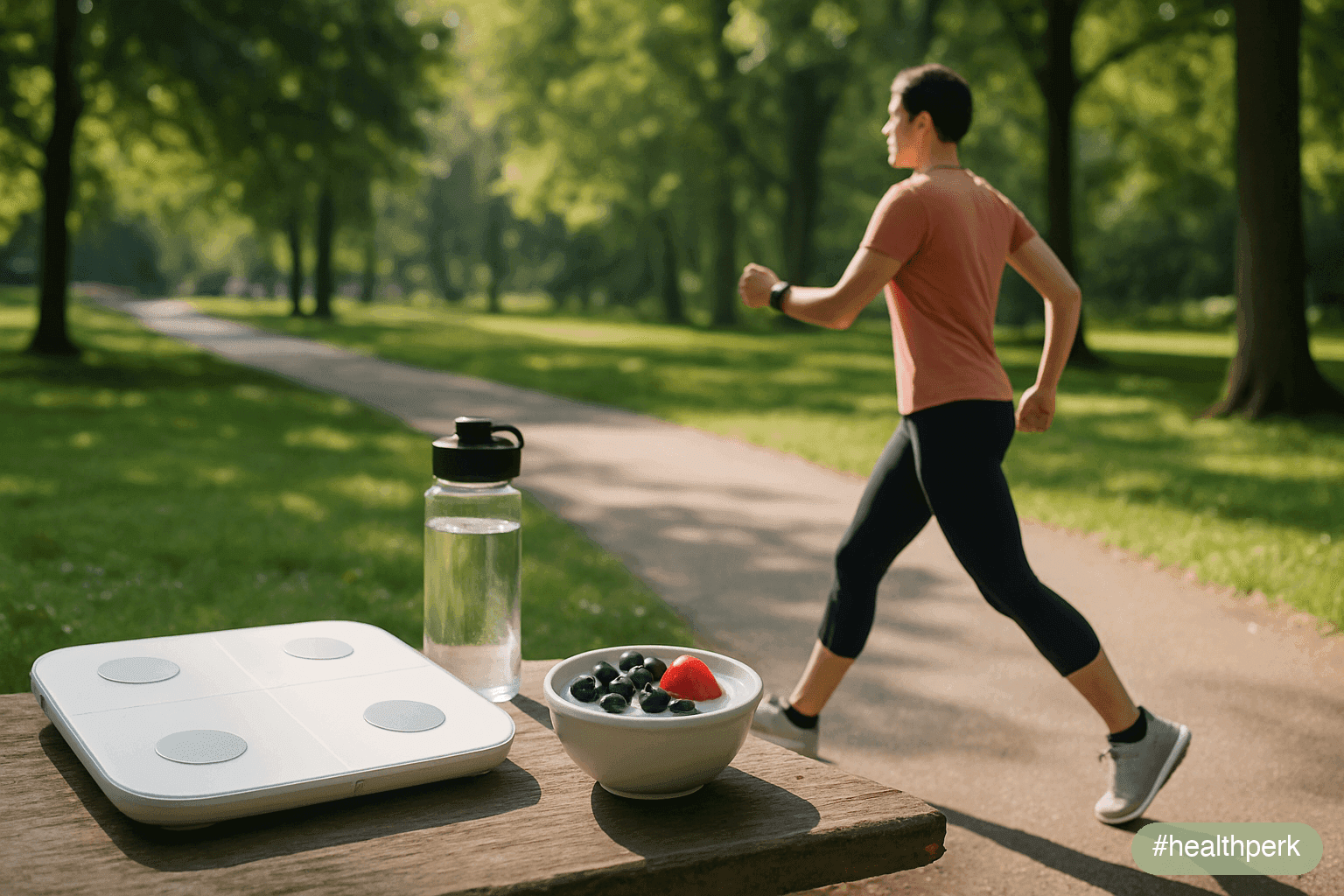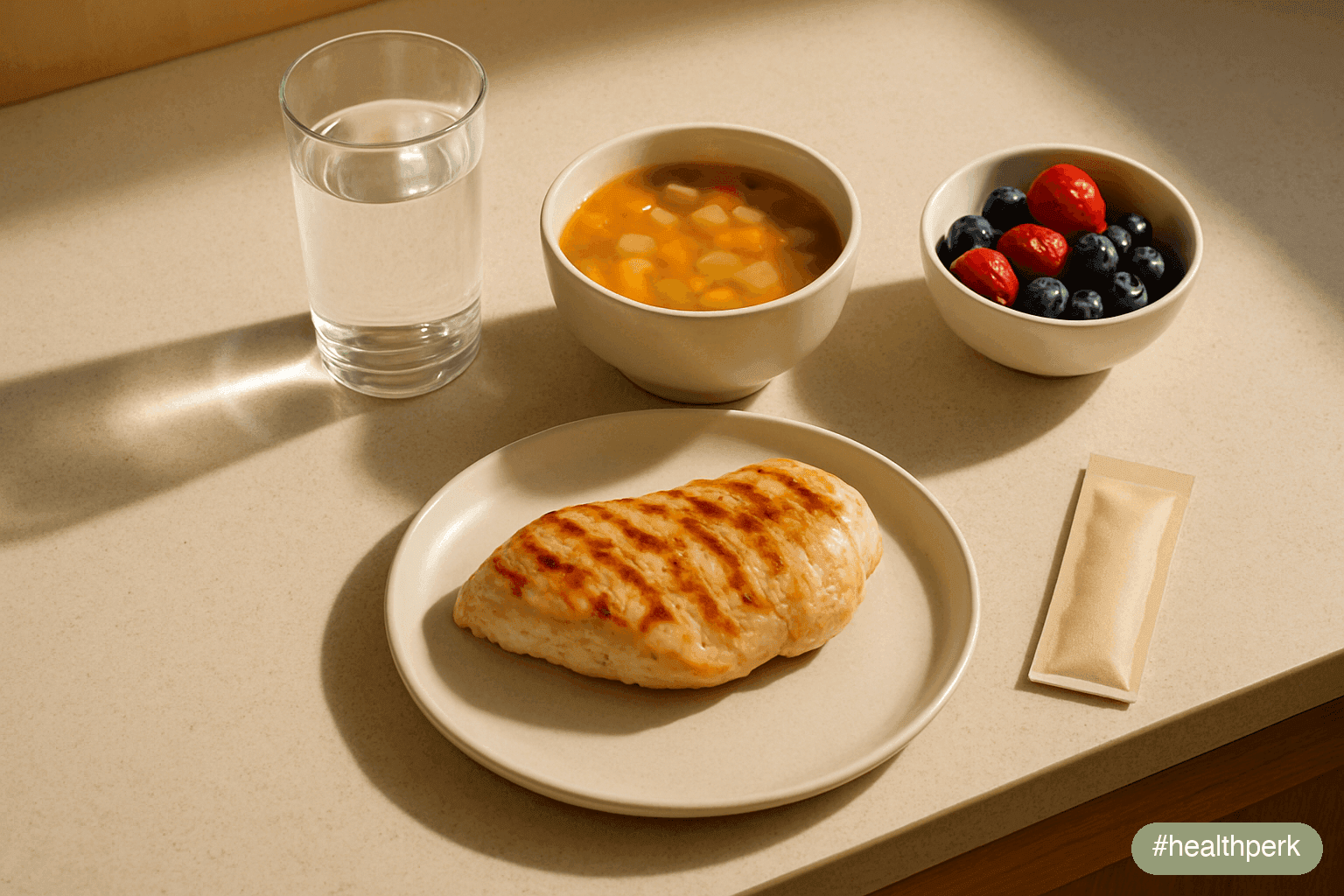
Anti Aging Supplements That Work: A 2026 Evidence-Based Guide
Anti Aging Supplements That Work: A 2026 Evidence-Based Guide
By the HealthPerk Editorial Team · Last updated: May 2026
Quick Answer
Which anti aging supplements that work in 2026 are worth taking, and which are marketing?
The 2026 honest answer is that no supplement reverses biological aging in healthy adults in a randomized trial, and the supplements with the strongest evidence base are a short list that correct deficiencies or support narrow physiological systems — not the multi-ingredient longevity stacks that dominate paid advertising. For a healthy adult who has already installed sleep regularity, strength training, and a predominantly whole-food diet, a defensible short list is: omega-3 EPA + DHA (1-2 g/day), creatine monohydrate (3-5 g/day), vitamin D3 (1000-2000 IU/day for documented insufficiency), magnesium glycinate (200-400 mg/day for low dietary intake), and protein sufficiency (1.2-1.6 g/kg/day) treated as a supplemental input where diet falls short.
A practical 2026 anti-aging input map:
| Lever | What it does | Evidence quality | Realistic effect |
|---|---|---|---|
| Sleep regularity | Stabilizes circadian, metabolic, and cardiovascular systems | Large cohort + RCT | Largest single modifiable lever |
| Resistance training + cardio | Preserves muscle, bone, VO2 max | Decades of RCT + cohort | Very large mortality and healthspan effect |
| Whole-food dietary pattern | Reduces cardiovascular and metabolic risk | PREDIMED + meta-analyses | Large |
| Targeted supplements | Correct deficiencies, support narrow systems | Multiple meta-analyses | Small to moderate, targeted |
| "Anti-aging stacks" | Marketing bundles, often under-dosed | Weak or absent | Not established in healthy adults |

Anti aging supplements that work is one of the most commercially crowded queries in 2026 health content, and one of the most loosely answered. Direct-to-consumer brands assemble 15-25 ingredients into one capsule at sub-therapeutic doses, attach a sirtuin or NAD headline, and price the result at $90-$250 a month. Independent reviews of these stacks continue to find under-dosed actives, undisclosed proprietary blends, and no consumer-grade evidence of mortality or healthspan benefit. The 2026 evidence picture for anti-aging supplementation is much narrower and far less photogenic than the marketing.
This guide is organized around what 2026 evidence actually supports for slowing the visible and measurable effects of aging — and equally important, around the lifestyle inputs that outperform any supplement by orders of magnitude. The aim is to leave a reader able to spend $30-$60 a month on supplements with a clear rationale, while spending the bulk of their attention on sleep, training, diet, and recovery — where the real anti-aging gains sit.
Table of Contents
- Supplements for Aging Prevention: What 2026 Evidence Actually Supports
- How to Live Longer Naturally: The Inputs With the Largest 2026 Effect Sizes
- Habits for Longevity: The Daily Inputs That Outperform Any Supplement
- Anti Aging Lifestyle Habits: A Realistic 2026 Daily Framework
- How to Slow Aging Naturally: A Sober Look at What Is Inside Your Control
- Longevity Diet Recommendations: The 2026 Whole-Food Pattern
- Apps for Recovery Tracking: Tools That Support Anti Aging Self-Experiments
- Frequently Asked Questions
- References
Supplements for Aging Prevention: What 2026 Evidence Actually Supports

Supplements for aging prevention rarely behave the way their marketing suggests. The biology of human aging is multifactorial, the timescales are decades, and almost no consumer supplement trial has run long enough or with hard enough endpoints to detect a real lifespan signal. What trials do detect are short- and medium-term changes in surrogate markers — inflammation, lipids, glucose handling, muscle mass, grip strength, walking speed, cognitive scores. Useful, but not the same as added years of healthy life. Any honest 2026 anti-aging guide has to keep that distinction visible.
The compounds with the strongest 2026 evidence base:
- Omega-3 EPA + DHA at 1-2 g/day combined. Meta-analyses including the 2020 Cochrane review support modest cardiovascular and triglyceride benefits.
- Creatine monohydrate at 3-5 g/day. A 2023 Nutrition Reviews meta-analysis shows small but real cognitive benefits in healthy adults, on top of well-established strength and lean-mass effects.
- Vitamin D3 at 1000-2000 IU/day for documented insufficiency. The VITAL trial showed no all-cause mortality benefit in replete adults, but secondary analyses support fracture and autoimmune outcomes in deficient subgroups.
- Magnesium glycinate at 200-400 mg/day for low dietary intake. Modest effects on sleep quality, blood pressure, and HbA1c in deficient adults.
- Protein sufficiency at 1.2-1.6 g/kg/day. When diet falls short, whey or pea protein is a defensible supplement to preserve muscle mass with age.
Compounds in the "promising but unproven" zone
This tier holds most 2026 anti-aging marketing: NAD precursors (NR, NMN), resveratrol, CoQ10 outside its niche indications, urolithin A, glycine, spermidine, and similar molecules. Each has interesting mechanistic biology — mitochondrial support, sirtuin activation, autophagy, NAD pool restoration — but human RCTs in healthy adults are short, small, and rarely powered for clinically meaningful endpoints. They may eventually move up a tier; they have not yet.
Compounds that do not belong in a serious 2026 plan
Multi-ingredient proprietary blends with undisclosed per-ingredient doses; senolytic protocols outside research settings; off-label rapamycin without specialist supervision; and high-dose antioxidant megadoses such as vitamin E or beta-carotene, which in large trials have shown null to harmful effects on mortality (ATBC, CARET, HOPE-TOO). Marketing claims of "reverse aging" or "lifespan extension" in healthy consumers are not supported by long-term RCT evidence for any 2026 supplement product.
How to Live Longer Naturally: The Inputs With the Largest 2026 Effect Sizes

How to live longer naturally is the most useful framing in 2026 because it forces attention back onto the inputs that actually produce mortality and healthspan effects measured in years, not basis points. The 2026 literature is unambiguous: lifestyle interventions — cardiorespiratory fitness, muscle mass, sleep regularity, protein intake, social ties, smoking avoidance — produce mortality effect sizes orders of magnitude larger than any consumer supplement.
The asymmetry, summarized from 2026 evidence:
- Cardiorespiratory fitness category shifts. Moving from low to moderate VO2 max categories associates with substantial reductions in all-cause mortality (Kodama et al., 2009 and subsequent 2018-2024 cohorts).
- Strength and muscle mass. Grip strength and lower-body strength independently predict all-cause mortality in adults over 50.
- Sleep regularity. Consistent bed and wake windows are independently associated with cardiovascular and metabolic outcomes beyond duration alone (Windred et al., 2024).
- Diet quality. Mediterranean-style and similar whole-food patterns reduce cardiovascular event risk substantially in primary prevention trials (PREDIMED).
- Smoking, alcohol, blood pressure, LDL cholesterol. Decades of evidence place these among the largest modifiable mortality levers available.
By comparison, the best-studied anti-aging supplements (omega-3, creatine, vitamin D3) produce small or moderate effects on specific outcomes, and most "anti-aging-branded" supplement stacks show no demonstrated mortality effect in healthy adults at all. A defensible 2026 ratio: lifestyle delivers roughly the first 90-95% of available longevity gains; supplements contribute the remaining 5-10% in narrow, targeted contexts. Natural longevity tips that respect that ratio outperform any stack.
Why "natural" beats "novel" in 2026 longevity content
"Natural" in this context does not mean herbal or unprocessed. It means inputs whose effect sizes are large, replicated, and dose-response: training, sleep, dietary pattern, social connection, sunlight. These are the inputs that public health agencies have triangulated across decades of cohort and trial data. New molecules can move into this tier; few do, and the burden of proof should remain high.
A minimal natural longevity protocol
Two to three resistance sessions per week at progressive load, 150 minutes of moderate cardio weekly, protein at 1.2-1.6 g/kg/day, a Mediterranean-style dietary pattern, a fixed bed/wake window within 30 minutes, daily outdoor daylight, and one weekly social commitment. Adding the small supplement set above is reasonable; adding it without the lifestyle layer is not.
Habits for Longevity: The Daily Inputs That Outperform Any Supplement

Habits for longevity outperform anti-aging supplements in 2026 evidence by such a wide margin that they should be the default first layer of any plan. The reason is structural: aging is not a single deficiency that a capsule can patch. It is the cumulative effect of decades of inputs to circadian, metabolic, musculoskeletal, vascular, and cognitive systems. Habits act on these systems daily. Supplements at best nudge one or two surrogate markers per molecule.
The seven habits with the strongest 2026 longevity evidence:
- Protected sleep window. A consistent 7-9 hour window with stable bed and wake times, no screens in the final 30-60 minutes, and a cool dark room. Sleep regularity outperforms sleep duration as a mortality predictor in 2024-2026 cohorts.
- Strength training two to three times weekly. Compound lifts or equivalent resistance work at progressive load preserve muscle mass and bone density into older age.
- Daily walking baseline. A floor of 6,000-8,000 steps a day associates with substantial all-cause mortality reductions in adults over 60.
- Protein at 1.2-1.6 g/kg/day. Distributed across meals, this protects against age-related muscle loss.
- A predominantly whole-food dietary pattern. Mediterranean-style or DASH-style eating patterns are the best-evidenced anti-aging dietary frameworks.
- Outdoor daylight in the first 1-2 hours after waking. Stabilizes circadian rhythm and supports mood and sleep onset.
- Social ties and weekly purpose anchors. Cohort data consistently link social engagement and purpose with lower mortality and dementia risk.
How to install habits without overhauling life
Anti-aging habit installation fails when it tries to change five inputs simultaneously. A more realistic 2026 plan: select one habit, anchor it to an existing daily cue (after morning coffee, before lunch), track adherence rather than outcomes for the first four to six weeks, and add the next habit only after the previous one is automatic. Daily optimization habits that follow this pattern compound over years; ones imposed in a single weekend rarely survive the first month.
The compounding case for habits over stacks
A modest habit improvement — say, raising weekly cardio from 60 to 150 minutes and adding two strength sessions — produces effect sizes in mortality cohorts that no consumer supplement stack approaches. The cost is time, not money. The 2026 reframing: spend most of the budget on time-protection (gym access, walking shoes, kitchen tools), and reserve a small monthly amount for the narrow supplement layer where evidence supports it.
Anti Aging Lifestyle Habits: A Realistic 2026 Daily Framework
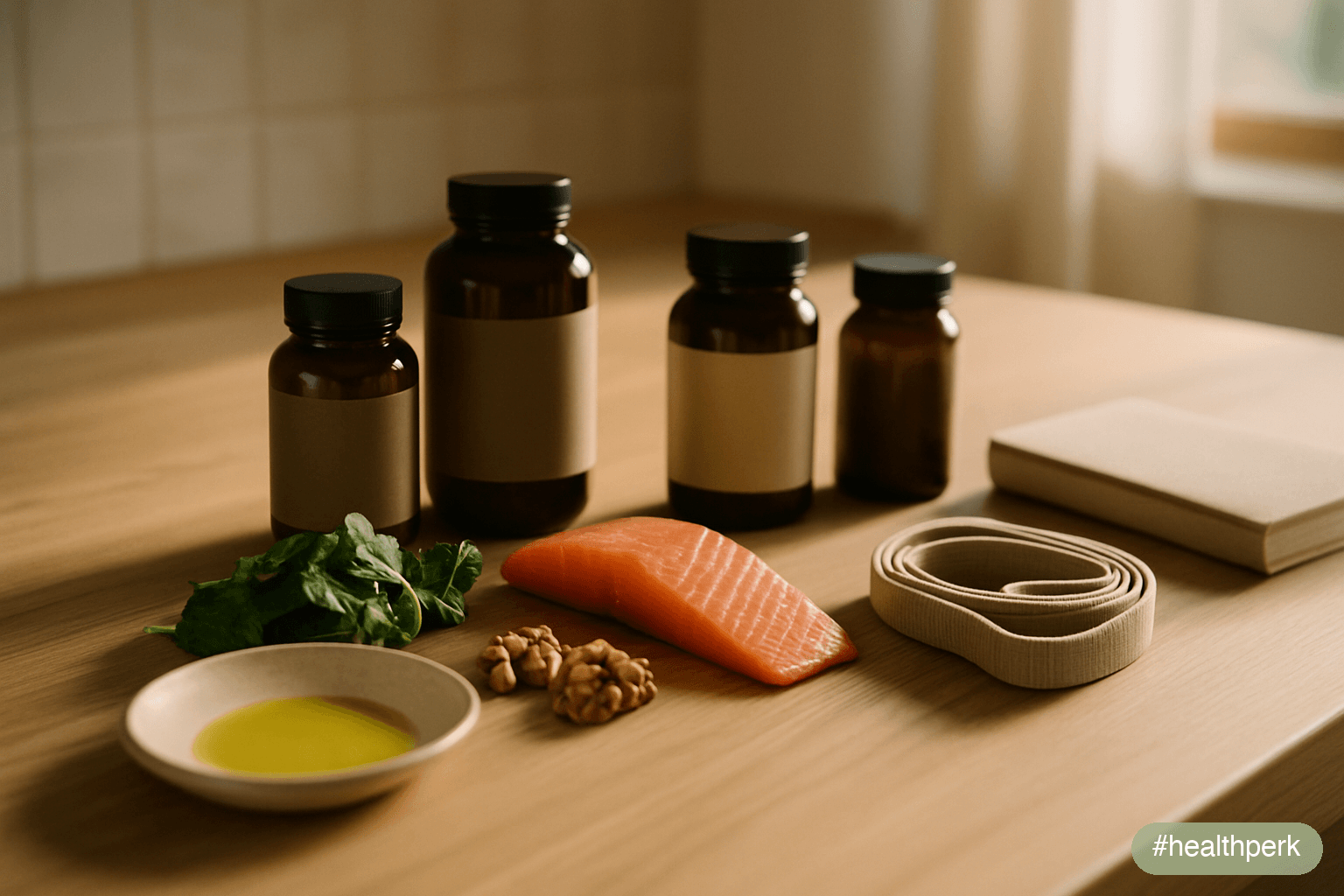
Anti aging lifestyle habits that work in 2026 are realistic, repeatable, and dose-controlled. Extreme regimens — multi-day fasts on weekly cadence, cold plunges at unsupervised temperatures, sleep restriction in pursuit of "deep work", high-stress polyphasic schedules — produce poor adherence and, in some cases, measurable harm. The framework below assumes a working adult with finite time, not a retired biohacker with a home lab.
A 2026 daily anti-aging framework most adults can run:
- Morning. Fixed wake time within a 30-minute window. 10-20 minutes of outdoor daylight. Hydration (300-500 ml water). 25-40 g protein in the first meal.
- Midday. A 20-30 minute walking break. A whole-food meal weighted toward vegetables, legumes, fish or lean protein, olive oil, and a modest portion of whole grains.
- Late afternoon. Three weekly resistance training sessions of 30-50 minutes, alternated with two cardio sessions of 30-60 minutes. The remaining days include a brisk 30-minute walk.
- Evening. Last meal at least 2-3 hours before sleep. Reduced screen brightness in the final 60 minutes. Fixed bedtime within a 30-minute window. Cool dark room.
- Weekly. One social commitment, one outdoor activity, one weekly review of sleep, training, and adherence.
The supplement layer inside this framework
Within this framework, an evidence-based supplement layer is small: omega-3 EPA + DHA at 1-2 g/day, creatine monohydrate at 3-5 g/day, vitamin D3 at 1000-2000 IU/day for documented insufficiency, magnesium glycinate at 200-400 mg/day for low dietary intake. Optional: a protein supplement when daily protein targets are not met from whole food alone. This is the layer that adds incremental anti-aging benefit on top of the habits, not a substitute for them.
Why extreme protocols underperform realistic ones
Extreme protocols generate more content than results. They also generate dropout. A 2026 anti-aging plan that is adhered to for ten years at moderate intensity will outperform an aggressive protocol abandoned in six weeks. The framework above prioritizes adherence-survival over peak intensity, which is the correct optimization target when the endpoint is decades away.
How to Slow Aging Naturally: A Sober Look at What Is Inside Your Control

How to slow aging naturally is best answered by separating what is fixed from what is modifiable. Chronological age, family history, and many genetic variants are fixed. Sleep regularity, cardiorespiratory fitness, muscle mass, dietary pattern, body composition, blood pressure, LDL cholesterol, smoking status, alcohol intake, social engagement, and stress regulation are not. In 2026 evidence the modifiable category dominates the rate of biological aging far more than the fixed category dominates the ceiling.
What 2026 evidence supports for slowing biological aging:
- Cardiometabolic control. Maintaining blood pressure, LDL, HbA1c, and waist circumference in healthy ranges reduces the rate of vascular and metabolic aging measured by surrogate biomarkers.
- Sleep and circadian regularity. Stable timing protects metabolic, immune, and cognitive function over decades (Windred et al., 2024).
- Resistance training. Slows sarcopenia and bone loss, both of which accelerate functional aging.
- A Mediterranean-style dietary pattern. Associated with lower cardiovascular events and slower cognitive decline in primary prevention trials.
- Smoking cessation and alcohol moderation. Among the highest-effect-size single interventions in modifiable aging.
What is NOT supported by 2026 evidence
Promises of "reversed biological age" from a consumer supplement stack, an at-home epigenetic test, or a multi-day reset protocol. Most 2026 commercial "biological age" tests do not have peer-reviewed validation linking score changes to clinically meaningful outcomes, and the score volatility is high enough that small lifestyle changes can show large apparent reversals that are mostly noise. Treat such reports as marketing inputs, not health data.
The honest 2026 framing of "anti-aging"
Slowing aging in 2026 means slowing the rate at which modifiable risk markers drift in the wrong direction across decades. It means preserving muscle, VO2 max, sleep regularity, and metabolic flexibility. It does not mean reversing chronological time. The framing matters because it sets the right expectations and protects against expensive interventions that promise more than the evidence supports. Home longevity routines that respect this framing tend to be durable and produce real, measurable gains over years.
Longevity Diet Recommendations: The 2026 Whole-Food Pattern
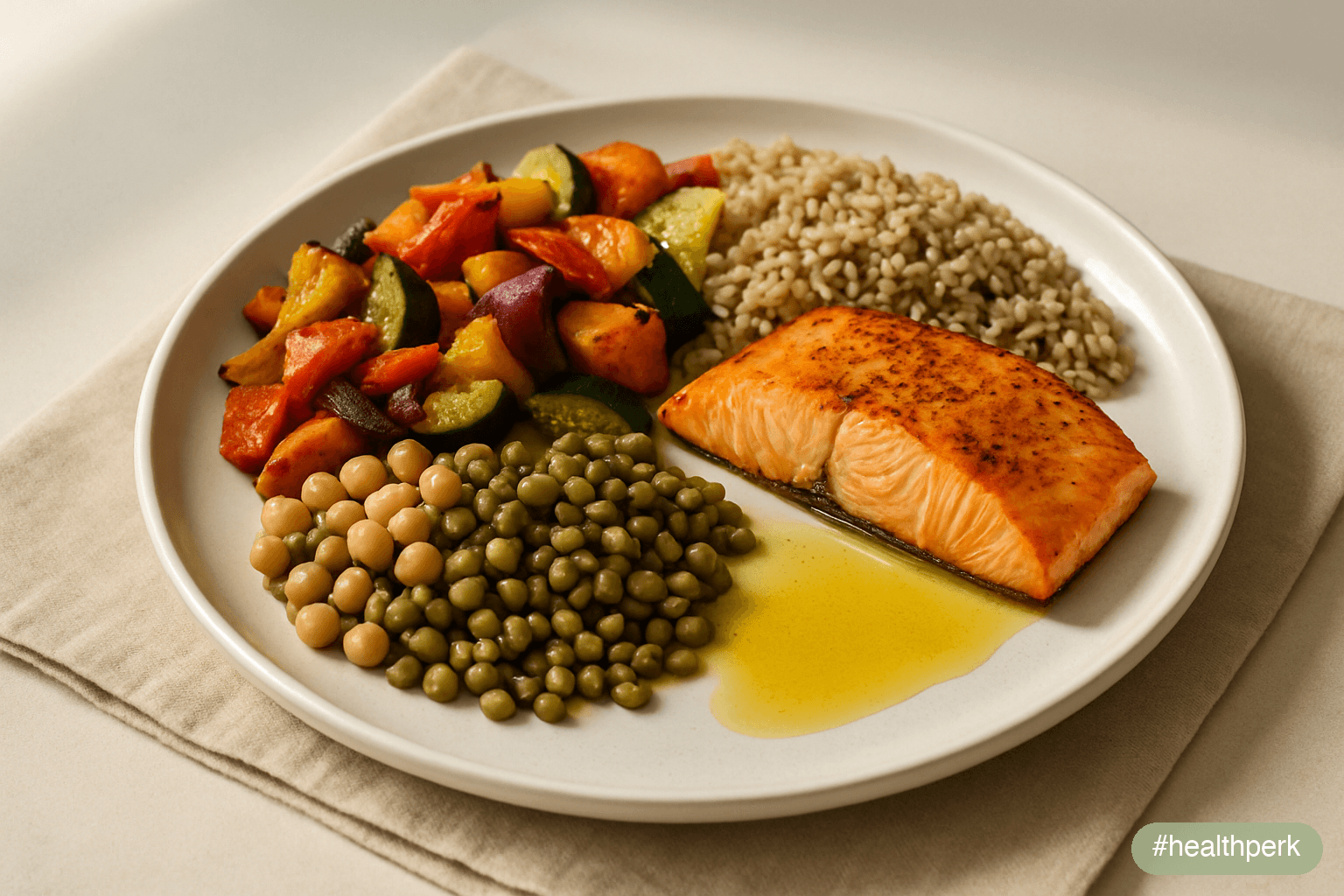
Longevity diet recommendations that survive 2026 scrutiny are unglamorous: they describe a dietary pattern rather than a single food, a macronutrient ratio rather than a forbidden list, and a flexible cultural fit rather than a rigid protocol. The strongest 2026 evidence base sits with Mediterranean-style eating (PREDIMED), DASH-style eating, and broadly "minimally processed, plant-weighted, omnivorous" patterns.
The defensible 2026 dietary pattern, in components:
- Vegetables and legumes daily. 4-6 servings of vegetables plus regular legumes (lentils, beans, chickpeas) several times a week.
- Olive oil as the primary added fat. Extra-virgin where feasible, used liberally in cooking and dressings.
- Fish and seafood 2-3 times weekly. Fatty fish for EPA + DHA where dietary preferences allow.
- Lean proteins to reach 1.2-1.6 g/kg/day. Distributed across meals; eggs, dairy, poultry, fish, legumes, and tofu are all acceptable.
- Whole grains and starchy roots in moderation. Replacing refined grains and added-sugar foods, not necessarily eliminating carbohydrates.
- Nuts, seeds, fruit. Daily, in modest portions.
- Limited ultra-processed food, sugar-sweetened beverages, and processed meat.
- Modest or no alcohol. 2025-2026 guidance from major bodies has shifted toward "less is better" rather than the older "moderate is protective" framing.
What about fasting, ketogenic, carnivore, and other trends?
Time-restricted eating in an 8-12 hour daily window is compatible with a Mediterranean-style pattern and may modestly support body composition for some adults. Multi-day fasts, ketogenic diets, and carnivore diets do not have 2026 mortality or healthspan evidence supporting them as anti-aging tools for healthy adults, and adherence over decades is poor. Treat them as personal preferences, not longevity prescriptions.
Where supplements meet the diet
In a well-constructed 2026 longevity diet, the supplement layer is small. Omega-3 EPA + DHA may be unnecessary for adults eating fatty fish 2-3 times weekly. Vitamin D3 supplementation is for documented insufficiency, not blanket use. Creatine monohydrate at 3-5 g/day is the most defensible "add" because dietary intake rarely reaches research doses from whole food alone. Magnesium glycinate is reasonable when dietary intake is low and sleep or muscle symptoms are present.
Apps for Recovery Tracking: Tools That Support Anti Aging Self-Experiments

Apps for recovery tracking that genuinely support a 2026 anti-aging plan share four features: an explicit trial structure (intervention, dose, duration), a small set of customizable metrics, weekly summary views, and an export option for portability. The most useful tools in 2026 are not maximalist dashboards that pull data from five wearables; they are the apps that make sleep, training load, soreness, and subjective recovery easy to log and review over 8-12 week trials.
Categories of recovery-tracking app most useful in 2026:
- HRV-aware training apps. Tools that combine heart rate variability with a simple training-load metric and produce an actionable "go / easier today" signal.
- Sleep-regularity-first apps. Tools that surface bed and wake time variance, not just a proprietary sleep score.
- Training logs with deload awareness. Apps that flag overload and recommend lighter weeks help preserve adherence over years.
- Subjective recovery loggers. A 1-10 morning rating of soreness, mood, and energy is one of the highest-signal data points an anti-aging plan can collect.
- Lightweight habit and supplement trackers. For dose, timing, and adherence logging without forced complex schemas.
What to avoid in 2026 recovery apps
Apps that synthesize raw streams into a single unvalidated "biological age" or "recovery age" score. Subscription tiers that gate basic logging behind premium pricing. Tools that pressure constant data review rather than weekly synthesis. These erode adherence and create the illusion of optimization without changing any input that actually matters.
A minimal app stack for anti-aging self-experiments
One sleep tracker focused on regularity, one training log with deload awareness, one HRV or subjective-recovery logger, and one supplement and habit tracker. Anything beyond this typically reduces signal-to-noise rather than improving it. The point of recovery-tracking apps in 2026 is to support 8-12 week decisions about supplements and lifestyle inputs, not to generate dashboards as a hobby.
Related Articles on HealthPerk
Explore more on this topic:
- Biohacking for Beginners
- How to Optimize Your Health Naturally
- Best Supplements for Longevity
- Red Light Therapy Benefits
- Best Supplements for Focus and Concentration
- How to Improve Focus Naturally
Frequently Asked Questions
What anti aging supplements that work in 2026 are actually worth taking?
No supplement reverses biological aging in healthy adults in a randomized trial. The defensible 2026 short list is small: omega-3 EPA + DHA at 1-2 g/day, creatine monohydrate at 3-5 g/day, vitamin D3 at 1000-2000 IU/day for documented insufficiency, and magnesium glycinate at 200-400 mg/day for low dietary intake. Protein supplementation to reach 1.2-1.6 g/kg/day is reasonable when diet falls short. NAD precursors, resveratrol, and CoQ10 outside its niche indications belong to a promising-but-unproven tier and are optional self-experiments at best.
Which supplements for aging prevention have the strongest evidence?
Omega-3 fatty acids for cardiovascular and inflammatory outcomes, creatine monohydrate for muscle and cognitive function, vitamin D3 for documented insufficiency, magnesium for sleep and metabolic markers in deficient adults, and protein sufficiency to preserve muscle mass with age. These are the compounds with multiple meta-analyses or large trials in 2026. Multi-ingredient "anti-aging stacks" with undisclosed doses are not supported by comparable evidence.
How to live longer naturally — what actually moves the needle in 2026?
Lifestyle inputs dominate decisively. Cardiorespiratory fitness, muscle strength and mass, sleep regularity within a 7-9 hour window, a predominantly whole-food dietary pattern, social ties, and avoidance of smoking produce far larger mortality and healthspan effects than any consumer supplement. The defensible 2026 ratio is roughly: lifestyle delivers about 90-95% of available longevity gains, and supplements contribute the remaining 5-10% in narrow, targeted contexts.
What habits for longevity should I install first?
Start with sleep regularity (fixed bed and wake within 30 minutes), two to three weekly resistance sessions at progressive load, 150 minutes of moderate cardio per week, protein at 1.2-1.6 g/kg/day distributed across meals, daily outdoor daylight in the first 1-2 hours after waking, and one weekly social or purpose anchor. Add habits one at a time, anchored to existing cues, and track adherence rather than outcomes for the first four to six weeks.
What are realistic anti aging lifestyle habits day-to-day?
A workable framework includes a fixed wake window, morning daylight and hydration, a protein-anchored first meal, a midday walking break, a whole-food lunch, three weekly resistance sessions, two cardio sessions, a final meal 2-3 hours before sleep, a fixed bedtime within 30 minutes, and a weekly review of sleep and training. The supplement layer sits inside this framework, not as a substitute for it. Extreme protocols generally lose to adherence-friendly ones over decade-long timescales.
How to slow aging naturally — what is actually inside my control?
Sleep regularity, cardiorespiratory fitness, muscle mass, body composition, blood pressure, LDL cholesterol, HbA1c, smoking status, alcohol intake, dietary pattern, stress regulation, and social engagement. Chronological age and many genetic variants are fixed; the rate of biological aging is heavily shaped by the modifiable inputs above. "Reverse aging" claims from consumer biological-age tests should be treated as marketing rather than validated health data.
What are the 2026 longevity diet recommendations?
A Mediterranean-style or broadly whole-food, plant-weighted, omnivorous pattern: 4-6 daily servings of vegetables and regular legumes, olive oil as the primary added fat, fish 2-3 times weekly, lean protein to reach 1.2-1.6 g/kg/day, whole grains in moderation, nuts and fruit daily, and limited ultra-processed food, sugar-sweetened beverages, and processed meat. Alcohol guidance in 2026 has shifted toward "less is better". Fasting windows and ketogenic or carnivore diets do not have anti-aging evidence superior to this pattern.
Which apps for recovery tracking are worth using?
A minimal stack works better than a maximalist dashboard: a sleep tracker that emphasizes regularity over a proprietary score, a training log with deload awareness, an HRV or subjective-recovery logger, and a supplement and habit tracker. Apps that synthesize many streams into an unvalidated "biological age" or "recovery age" number, or that gate basic logging behind premium tiers, are best avoided.
This article is for informational purposes only and does not constitute medical advice. Anti-aging supplements — including omega-3, creatine, vitamin D3, magnesium, protein supplements, NAD precursors, and CoQ10 — may interact with prescription medications including anticoagulants, antiplatelets, antihypertensives, statins, and diabetes medications, and may be inappropriate during pregnancy or breastfeeding, in adolescents, and in people with kidney, liver, cardiovascular, or psychiatric disease. Lifestyle interventions including resistance training and dietary change should be tailored to individual capacity and medical history. Consult a qualified healthcare provider before starting any new supplement or exercise program, particularly if you take medications, have a medical condition, or are planning major changes to diet or training. Individual results vary.
About the author The HealthPerk Editorial Team reviews lifestyle, nutritional, and longevity research through evidence synthesis cross-referenced with peer-reviewed clinical trials, Cochrane reviews, and clinical practice guidelines. Our biohacking content is reviewed for medical accuracy against current internal medicine, cardiology, sports medicine, and nutritional science standards. How we review →
References
Abdelhamid, A. S., Brown, T. J., Brainard, J. S., Biswas, P., Thorpe, G. C., Moore, H. J., ... & Hooper, L. (2020). Omega-3 fatty acids for the primary and secondary prevention of cardiovascular disease. Cochrane Database of Systematic Reviews, 3(3), CD003177. https://doi.org/10.1002/14651858.CD003177.pub5
Supports: omega-3 EPA + DHA produces modest effects on cardiovascular and triglyceride outcomes in adults
Prokopidis, K., Giannos, P., Triantafyllidis, K. K., Kechagias, K. S., Forbes, S. C., & Candow, D. G. (2023). Effects of creatine supplementation on memory in healthy individuals: A systematic review and meta-analysis of randomized controlled trials. Nutrition Reviews, 81(4), 416-427. https://doi.org/10.1093/nutrit/nuac064
Supports: creatine monohydrate at 3-5 g/day produces measurable cognitive benefits in healthy adults
Manson, J. E., Cook, N. R., Lee, I. M., Christen, W., Bassuk, S. S., Mora, S., ... & VITAL Research Group. (2019). Vitamin D supplements and prevention of cancer and cardiovascular disease. New England Journal of Medicine, 380(1), 33-44. https://doi.org/10.1056/NEJMoa1809944
Supports: vitamin D3 supplementation in replete adults does not reduce overall cardiovascular or cancer outcomes; benefits concentrate in deficient subgroups
Estruch, R., Ros, E., Salas-Salvadó, J., Covas, M. I., Corella, D., Arós, F., ... & Martínez-González, M. A. (2018). Primary prevention of cardiovascular disease with a Mediterranean diet supplemented with extra-virgin olive oil or nuts. New England Journal of Medicine, 378(25), e34. https://doi.org/10.1056/NEJMoa1800389
Supports: a Mediterranean-style dietary pattern is associated with lower cardiovascular event risk in primary prevention
Windred, D. P., Burns, A. C., Lane, J. M., Saxena, R., Rutter, M. K., Cain, S. W., & Phillips, A. J. K. (2024). Sleep regularity is a stronger predictor of mortality risk than sleep duration: A prospective cohort study. Sleep, 47(1), zsad253. https://doi.org/10.1093/sleep/zsad253
Supports: sleep regularity independently predicts mortality beyond sleep duration
Kodama, S., Saito, K., Tanaka, S., Maki, M., Yachi, Y., Asumi, M., ... & Sone, H. (2009). Cardiorespiratory fitness as a quantitative predictor of all-cause mortality and cardiovascular events in healthy men and women: A meta-analysis. JAMA, 301(19), 2024-2035. https://doi.org/10.1001/jama.2009.681
Supports: cardiorespiratory fitness category shifts associate with large reductions in all-cause mortality
Leong, D. P., Teo, K. K., Rangarajan, S., Lopez-Jaramillo, P., Avezum Jr, A., Orlandini, A., ... & Yusuf, S. (2015). Prognostic value of grip strength: Findings from the Prospective Urban Rural Epidemiology (PURE) study. The Lancet, 386(9990), 266-273. https://doi.org/10.1016/S0140-6736(14)62000-6
Supports: grip strength independently predicts all-cause and cardiovascular mortality
Paluch, A. E., Bajpai, S., Bassett, D. R., Carnethon, M. R., Ekelund, U., Evenson, K. R., ... & Steps for Health Collaborative. (2022). Daily steps and all-cause mortality: A meta-analysis of 15 international cohorts. The Lancet Public Health, 7(3), e219-e228. https://doi.org/10.1016/S2468-2667(21)00302-9
Supports: a daily step floor of 6,000-8,000 steps associates with substantial mortality reductions, especially in adults over 60
Bauer, J., Biolo, G., Cederholm, T., Cesari, M., Cruz-Jentoft, A. J., Morley, J. E., ... & Boirie, Y. (2013). Evidence-based recommendations for optimal dietary protein intake in older people: A position paper from the PROT-AGE Study Group. Journal of the American Medical Directors Association, 14(8), 542-559. https://doi.org/10.1016/j.jamda.2013.05.021
Supports: protein intake at 1.2-1.6 g/kg/day, distributed across meals, supports muscle mass preservation with age
Holt-Lunstad, J., Smith, T. B., Baker, M., Harris, T., & Stephenson, D. (2015). Loneliness and social isolation as risk factors for mortality: A meta-analytic review. Perspectives on Psychological Science, 10(2), 227-237. https://doi.org/10.1177/1745691614568352
Supports: social ties and engagement are associated with substantial reductions in all-cause mortality
Frequently Asked Questions
What anti aging supplements that work in 2026 are actually worth taking?
No supplement reverses biological aging in healthy adults in a randomized trial. The defensible 2026 short list is small: omega-3 EPA + DHA at 1-2 g/day, creatine monohydrate at 3-5 g/day, vitamin D3 at 1000-2000 IU/day for documented insufficiency, and magnesium glycinate at 200-400 mg/day for low dietary intake. Protein supplementation to reach 1.2-1.6 g/kg/day is reasonable when diet falls short.
Which supplements for aging prevention have the strongest evidence?
Omega-3 fatty acids for cardiovascular and inflammatory outcomes, creatine monohydrate for muscle and cognitive function, vitamin D3 for documented insufficiency, magnesium for sleep and metabolic markers in deficient adults, and protein sufficiency to preserve muscle mass with age. Multi-ingredient anti-aging stacks with undisclosed doses are not supported by comparable evidence.
How to live longer naturally — what actually moves the needle in 2026?
Lifestyle inputs dominate decisively. Cardiorespiratory fitness, muscle strength and mass, sleep regularity within a 7-9 hour window, a predominantly whole-food dietary pattern, social ties, and avoidance of smoking produce far larger mortality and healthspan effects than any consumer supplement. Lifestyle delivers about 90-95% of available longevity gains; supplements contribute the remaining 5-10%.
What habits for longevity should I install first?
Start with sleep regularity, two to three weekly resistance sessions, 150 minutes of moderate cardio per week, protein at 1.2-1.6 g/kg/day distributed across meals, daily outdoor daylight in the first 1-2 hours after waking, and one weekly social or purpose anchor. Add habits one at a time, anchored to existing cues, and track adherence rather than outcomes for the first four to six weeks.
What are realistic anti aging lifestyle habits day-to-day?
A workable framework includes a fixed wake window, morning daylight and hydration, a protein-anchored first meal, a midday walking break, a whole-food lunch, three weekly resistance sessions, two cardio sessions, a final meal 2-3 hours before sleep, a fixed bedtime within 30 minutes, and a weekly review of sleep and training. The supplement layer sits inside this framework, not as a substitute for it.
How to slow aging naturally — what is actually inside my control?
Sleep regularity, cardiorespiratory fitness, muscle mass, body composition, blood pressure, LDL cholesterol, HbA1c, smoking status, alcohol intake, dietary pattern, stress regulation, and social engagement. Chronological age and many genetic variants are fixed; the rate of biological aging is heavily shaped by these modifiable inputs.
What are the 2026 longevity diet recommendations?
A Mediterranean-style or broadly whole-food, plant-weighted, omnivorous pattern: 4-6 daily servings of vegetables and regular legumes, olive oil as the primary added fat, fish 2-3 times weekly, lean protein to reach 1.2-1.6 g/kg/day, whole grains in moderation, nuts and fruit daily, and limited ultra-processed food, sugar-sweetened beverages, and processed meat. Alcohol guidance in 2026 has shifted toward less is better.
Which apps for recovery tracking are worth using?
A minimal stack works better than a maximalist dashboard: a sleep tracker that emphasizes regularity over a proprietary score, a training log with deload awareness, an HRV or subjective-recovery logger, and a supplement and habit tracker. Apps that synthesize many streams into an unvalidated biological age or recovery age number, or that gate basic logging behind premium tiers, are best avoided.
More from Supplements