Fitbit Air vs Garmin Cirqa: Is the $199 Band Worth Twice the Price?
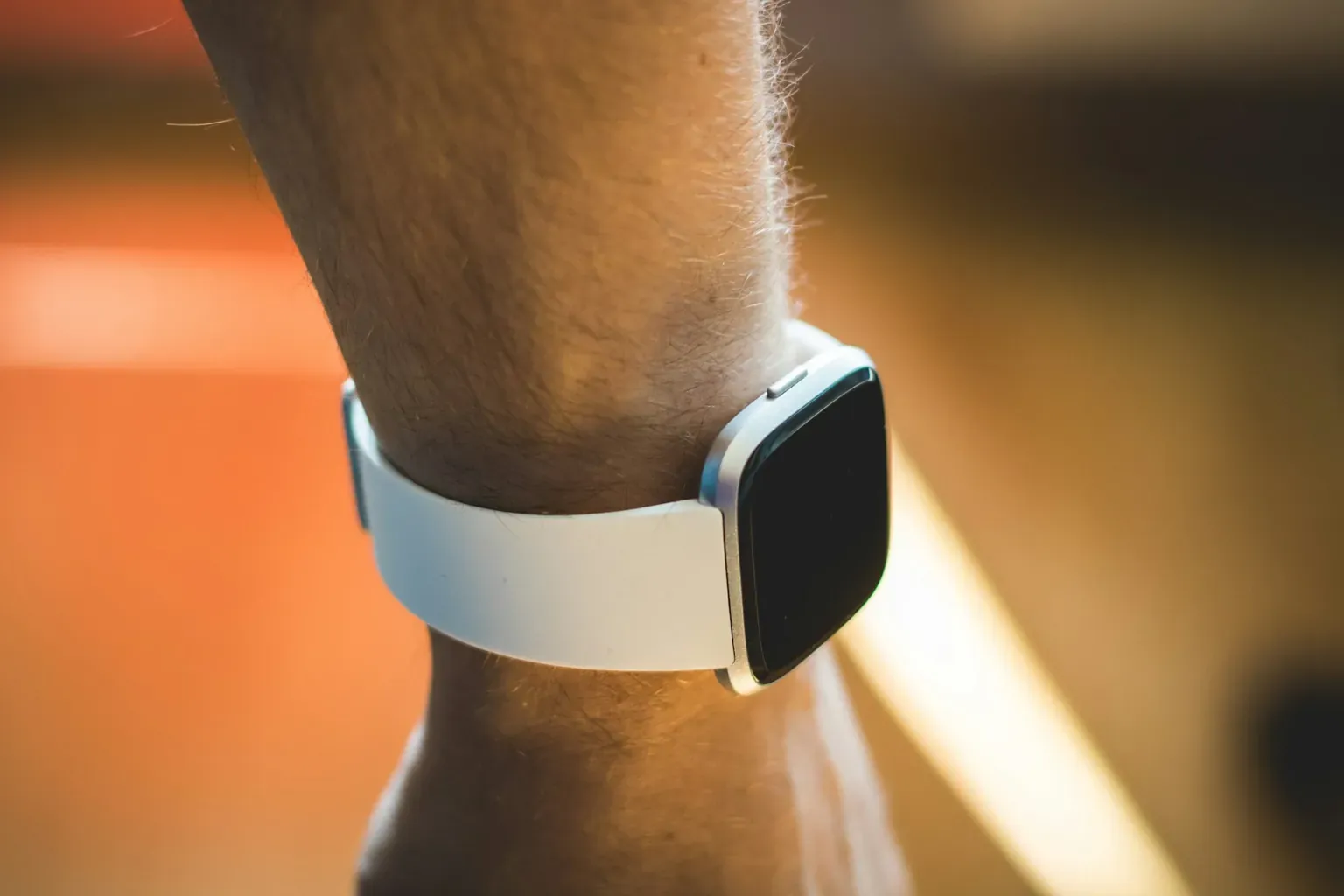
The Garmin Cirqa is worth twice the price if you train regularly or already use Garmin, because you get more free training data, a physical button and an official arm band. Buy the Fitbit Air for sleep and everyday activity. Add the paid plans and the price gap almost disappears: about $397 vs $410 over 3 years.
Fitbit Air vs Garmin Cirqa: which should you buy?
Buy the Fitbit Air ($99.99) for sleep and everyday activity. Pay for the Garmin Cirqa ($199.99) if you train regularly or use Garmin already, because you get more free training analysis.
Fitbit Air: it's cheaper, smaller and simpler to start with.
Garmin Cirqa: your data stays in Garmin Connect.
Fitbit Air: it lives in the Google Health app.
Fitbit Air + Premium: coaching is the plan's main feature.
Garmin Cirqa: it has an official $59.99 arm band.
Fitbit Air with no plan: $99.99, and nothing after that.
What's New: Two Whoop Rivals in One Year
Both bands launched in 2026 with no required subscription. Most reviewers send training buyers to the Cirqa and casual buyers to the Air.
Google announced the Fitbit Air on May 7, 2026, and Garmin answered on July 21 with the Cirqa. Both are screenless bands with no required subscription, and both sell a paid plan on top.
Reviewers split in a useful way. Tom's Guide calls the Air the best no-fuss, screen-free tracker of 2026, while TechRadar's headline gives the Cirqa the title of the year's best screenless band. Wareable, which used both for several weeks, picks the Cirqa for long-term value. The5krunner, which also tested both side by side, says the Air "offers comparable step and sleep tracking for less money, in a clean app."
Readers lean towards the cheaper band in the Garmin Cirqa vs Fitbit Air choice: in a Tom's Guide poll of 313 readers, 41% said they'd buy the Air and 31% the Cirqa, with Whoop at 13% and Oura at 12%. Reader polls show preference, not which band is better. If you're also weighing Whoop itself, our Whoop alternatives guide compares five bands on cost and features.
A third option since October. On October 12, 2026, Google announced the Fitbit Edge, a $179.99 tracker that sits between the Air and a full smartwatch. Unlike either band here, it has a screen and built-in GPS, so it can map an outdoor run without your phone. The Google Store lists it from $179.99 with a rated 7-day battery, the same as the Air, when we checked on November 15, 2026. If you want a display or phone-free GPS, it costs $20 less than the Cirqa. We don't compare it in detail here.
No one at Health Perk has tested these bands. This guide brings together what the named reviewers found.
Garmin Cirqa vs Fitbit Air: Specs Side by Side
The Air is smaller, lighter and half the price. The Cirqa adds a button, more training metrics and an official arm band.
| Spec | Fitbit Air | Garmin Cirqa |
|---|---|---|
| Price | $99.99 | $199.99 |
| Required fee | None | None |
| Optional plan | Google Health Premium: $9.99/month or $99/year | Connect+: $6.99/month or $69.99/year |
| Weight with band | 12 g | About 17–21 g, depending on the source |
| Sensor size | 17 × 34.9 × 8.3 mm | 27 × 47 × 9 mm |
| Rated battery | Up to 7 days | Up to 10 days |
| Fast charge | 1 day from 5 minutes | None advertised |
| Water resistance | 5 ATM (50 m) | 5 ATM (50 m) |
| Physical button | No | Yes |
| Onboard GPS | No; uses your phone | No; uses your phone |
| Biceps wear | Loop two bands; an extra band is $34.99 | Dedicated biceps band, $59.99 |
| Heart rate broadcast | Select hardware only | ANT+ and Bluetooth |
| Training metrics | Cardio Load, Daily Readiness | Training Status, Training Readiness, Body Battery, Fitness Age |
| Phones | Android 11+, iOS 16.4+ | Android and iOS |
Is the Garmin Cirqa Worth Twice the Price?
Yes, if you'll use more free training data, a workout button, an official arm band or connections to other gear. If not, the Air is the better buy.
It is if you'll use what the extra $100 buys, which comes down to four things.
More training data for free. The Cirqa's Training Status and Training Readiness come without a plan, along with over 80 trackable exercises. Wareable and the5krunner count about 40 activity types on the Air.
A button. The Cirqa's side button starts and stops a workout without your phone, though a workout started this way is logged as a generic activity with no distance or pace. On the Air, you rely on automatic detection or the app, and Tom's Guide says automatic tracking only begins after 15 minutes.
A dedicated arm band. Biceps wear was the most accurate position for both bands in the5krunner's running tests. Garmin sells a $59.99 biceps band. Tom's Guide says the Air needs two bands looped together, with an extra band at $34.99, so it's cheaper but less tidy.
Connections to other gear. The Cirqa can broadcast heart rate over ANT+ and Bluetooth. The Air's broadcast works only with select hardware such as Peloton and Concept2, and not with a Garmin bike computer.
Connections to other apps. Wareable notes that Garmin Connect can sync with apps like Strava and MyFitnessPal, and that Google Health can sync with third-party health apps too. Check that the apps you use are supported before you pick a band.
iPhone and Apple Health. Both bands work with iPhone. Garmin's Connect app listing says it syncs with Apple Health. Google Health could only read Apple Health data until an August 2026 update, version 5.05, which also lets it write exercise, sleep, steps and vitals, including from the Air. If you're setting up an Air with an iPhone, update Google Health and allow the Apple Health permissions.
What the extra $100 doesn't get you is a smaller band. The Air is noticeably lighter and smaller, which matters most if you'll wear it in bed. The Cirqa's module is too long for wrists under about 6.5 inches, and the5krunner found its strap swaps "extremely fiddly."
Workout Accuracy: Closer Than the Price Suggests
In steady sessions the two stayed within 1.6 bpm of each other. Both struggled in fast intervals and open water.
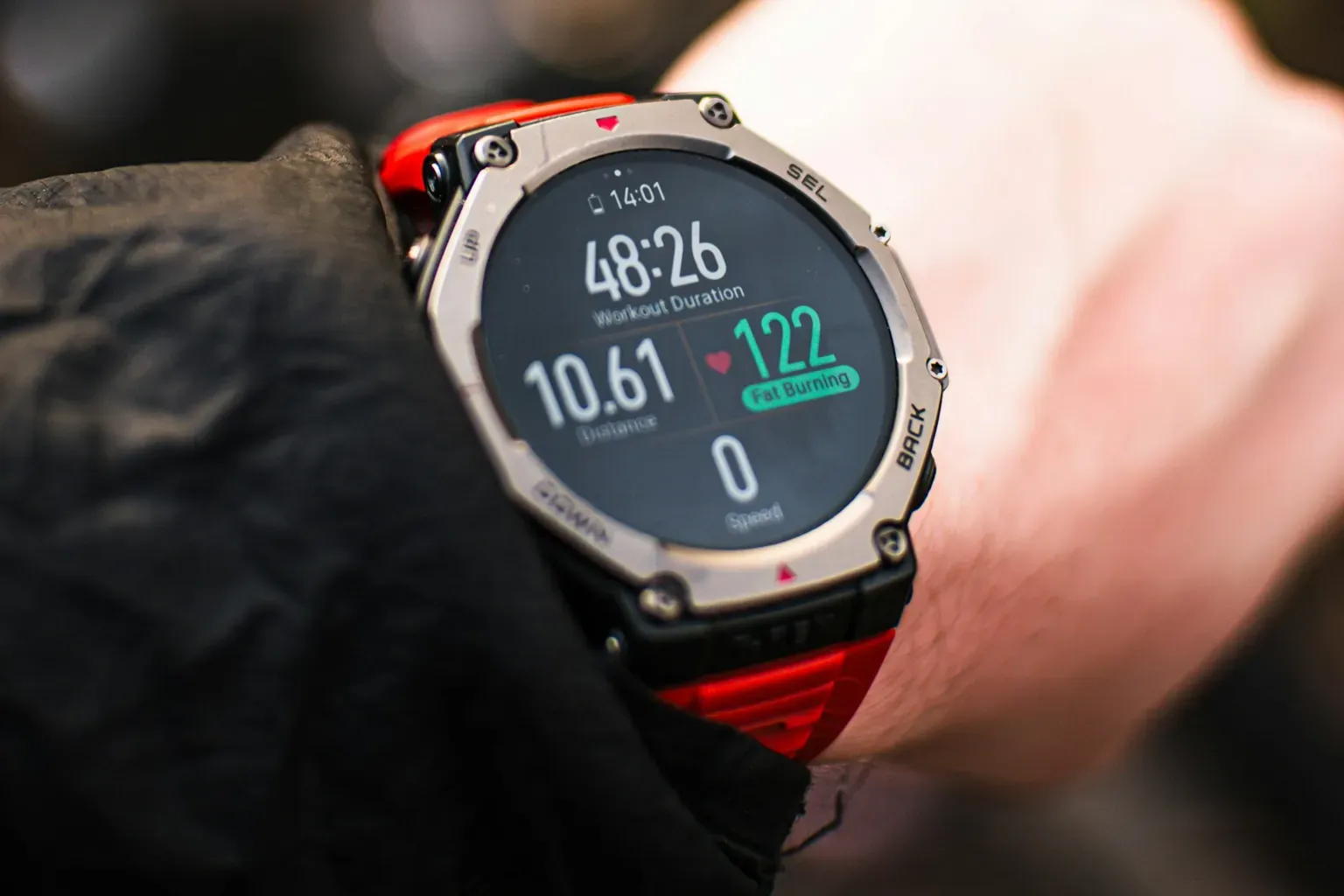
When the5krunner wore both bands on the wrist, the Cirqa's average stayed within 1.6 bpm of the Air's in gym, yoga and cycling sessions. For steady work, you won't be choosing between them on heart rate.
Fast or awkward sessions are another story, and both have problems:
- Fitbit Air: the5krunner saw it read about 37 bpm high on treadmill intervals. The UK site Expert Reviews recorded a 150 bpm workout average against 128 on a Garmin watch.
- Garmin Cirqa: in the5krunner's running intervals, it lagged at the start of four of five reps. Open-water swim readings on the wrist were 20–30 bpm below other devices, and the reviewer has stopped using it as a reference because it "does not reliably record all workouts."
- In each band's favor: Tech Advisor found the Cirqa averaged one beat per minute off a Garmin HRM 600 chest strap. Tom's Guide found the Air as reliable at logging fitness efforts as Garmin watches costing 2.5 times as much.
Tom's Guide also walked 5,000 steps with both bands at once. The counts were almost identical: 5,006 for the Cirqa and 5,009 for the Air. Climb was the clear difference, at 394 feet on the Cirqa and 248 on the Air against 393 from a phone reference. The Cirqa didn't record heart rate on that walk, which fits the5krunner's concern about recording, while the Air averaged 125 bpm.
In an earlier 7,000-step walk, also by Tom's Guide, the Air was 10 steps under the hand count and the Cirqa 70 over, so the reviewer gave the Air a small win. Average heart rate differed by 8 bpm, at 115 for the Air and 123 for the Cirqa, with no reference to say which was right. Started from its button, the Cirqa logged a generic workout, so it recorded no distance or pace.
Interval results varied by session, so don't treat either band as reliable there on the wrist. Biceps wear brought both much closer to chest-strap references in the5krunner's running tests.
Step counts were nearly level: 499 for the Air and 507 for the Cirqa in a 500-step test. Expert Reviews did find run distance on the Air about 1.1 times off a Garmin Forerunner 970 after six weeks, which is a good reason to take your phone for outdoor runs.
Sleep Data: Believable, but Scores Run High
The Air has a slight edge in reviews. Don't compare sleep scores between brands, because both can read high.
Expert Reviews called the Air's sleep tracking "consistent and believable," and Wareable gives it the edge on sleep, while saying the Cirqa also tracks sleep accurately. The5krunner rates the two as comparable.
Be careful with the scores. In the5krunner's tests, the Cirqa's sleep score averaged 14 points above an Eight Sleep mattress system, and one Air score came in at 96 against the Eight Sleep's 86. Compare each band with your own past nights, not with another brand. The Air also needs about 7 days to calibrate. Our guide to what counts as a good HRV explains why your own trend matters more than one number, and our sleep tracking devices guide covers options beyond these bands.
Battery: The Cirqa's Lead May Be Smaller Than It Looks
On paper it's 10 days vs 7. Reviewers got about 5 to 7+ from the Cirqa and about 6 from the Air.
These results come from different reviewers using each band differently, so they aren't a direct test. Even so, the Cirqa's three-day lead on paper doesn't reliably show up in use.
Charging favors the Air: five minutes gives you a day of use, while a full charge takes up to about 90 minutes on either band.
What Each Band Charges Extra For
Garmin's plan is more optional: most analytics are free. Google's plan is built around its Gemini-based AI coach.
| Fitbit Air, free | Air + Premium | Cirqa, free | Cirqa + Connect+ | |
|---|---|---|---|---|
| Core tracking and sleep | Yes | Yes | Yes | Yes |
| Readiness-style score | Yes | Yes | Yes | Yes |
| AI coach or AI insights | No | Yes | No | Yes |
| Coaching plans | No | Yes, adaptive | Strength plans: no | Strength plans: yes |
| Guided content | No | Workouts, mindfulness | No | Breathwork |
The two plans have a different emphasis. Engadget says almost all Garmin analytics are free, with Connect+ mainly adding breathwork and custom workouts, while Google's plan relies heavily on Gemini. Expert Reviews found the Air's AI feedback irritating, while Wareable liked it, so use the three-month trial to judge it before you pay.
The Air's trial renews at $9.99 a month unless you cancel.
Fitbit Air vs Garmin Cirqa: 3-Year Cost
The Air only stays cheaper if you skip the plan. With both plans, the totals end up within about $13.
Without a plan, the Air saves you exactly $100, for as long as you own it.
With yearly plans, the gap shrinks to about $13. The Air's total includes its 3 free months of Premium.
Monthly billing costs more on both, and the gap is about $22.
The Air only stays cheaper if you skip the plan. Keep paying for Premium after the trial, and your second annual payment, due in month 16, takes the Air past the price of a Cirqa with no plan. That matches Engadget and Wareable, which both see Garmin as the better long-term value if you'd otherwise pay for a plan.
Which One Is Right for You?
This is your first tracker.
Choose the Fitbit Air. It's the cheaper way to find out whether you'll keep wearing a band at all. The5krunner describes its app as clean, and Garmin Connect as mature but complex to navigate.
You already use Garmin.
Choose the Cirqa. Your data stays in one app, which is the first reason the5krunner gives to buy it.
You already use Fitbit or a Pixel.
Choose the Air. It uses the Google Health app, formerly the Fitbit app. Switching to Garmin only makes sense if you want the extra training metrics.
You want AI coaching.
Choose the Air with Premium, since the coach is what that plan is built around. Use the three-month trial to decide whether it's worth paying for.
You lift or train most days.
Choose the Cirqa, and consider the arm band. Wareable calls it the more sports-focused of the two, and it recognizes over 80 activities. If you also want to compare a ring, see Oura vs Whoop.
You want the lowest total cost.
Choose the Air, and cancel Premium before the trial ends. That keeps your total at $99.99.
How to Choose in 5 Steps
Decide whether you'll pay for coaching.
If you will, the two cost about the same over 3 years, so ignore the sticker price.
Measure your wrist.
Under about 6.5 inches, the Cirqa's module may not fit well, according to the5krunner.
Check your gear.
A Garmin bike computer won't receive the Air's heart rate broadcast.
List your main workouts.
Steady cardio suits either band. For fast intervals, plan on wearing it on the biceps.
Compare the Black Friday price with the normal price.
Black Friday is November 27, and the Air at full price may still undercut a discounted Cirqa.
True or Not? 4 Myths About These Bands
Twice the price means twice the accuracy.
True or not? Tap to find outHere's what reviewers found
Not true. In the5krunner's side-by-side sessions, the two stayed within 1.6 bpm in gym, yoga and cycling sessions.
You need the subscription.
True or not? Tap to find outHere's what reviewers found
Not true. Core tracking works without one on both bands. You'd mostly be paying for coaching and guided content.
Screenless bands can't do GPS workouts.
True or not? Tap to find outHere's what reviewers found
Partly true. Neither has GPS built in, but both can use your phone's GPS for outdoor pace and distance. Google's $179.99 Fitbit Edge, a tracker with a screen, does have built-in GPS.
Either band can replace a running watch.
True or not? Tap to find outHere's what reviewers found
Not if you want to leave your phone at home or see your pace mid-run. Neither has a screen or onboard GPS. Our fitness tracker vs smartwatch guide covers what you'd give up.
What This Data Can't Tell You
Both bands estimate wellness trends from a wrist or arm sensor. Readiness and sleep scores are each maker's opinion, calculated from those estimates, and they aren't health assessments. If something about your health worries you, talk to a clinician instead of relying on a band's score.